
Gifu’s serious Japanese dining scene is not built only around formal kaiseki rooms; it also runs through compact kappo counters where fish sourcing, sake, and conversational pacing matter. Tejaku Kappou Terada sits in that lane, with Tabelog 100 Japanese Cuisine EAST recognition in 2025 and a format that keeps the cooking close to the guest rather than buried behind ceremony.
Pearl is the En Primeur Club membership app — saves, bookings, and concierge access live there. Same editors, same standards.
- Address
- Japan, 〒500-8844 Gifu, Yoshinomachi, 5 Chome−14
- Phone
- +81 58-265-5377
- Website
- na9k801.gorp.jp
 Saves & bookings on Pearl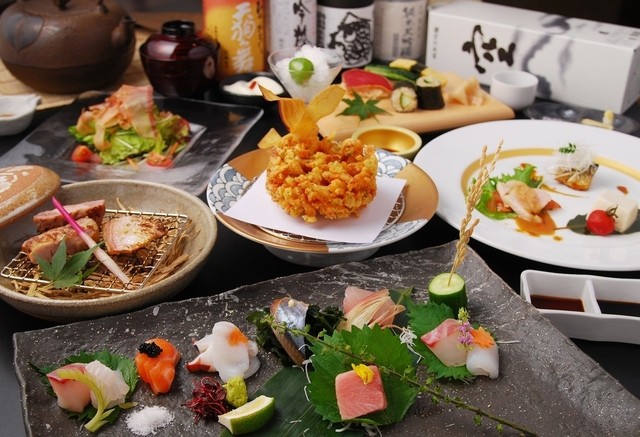
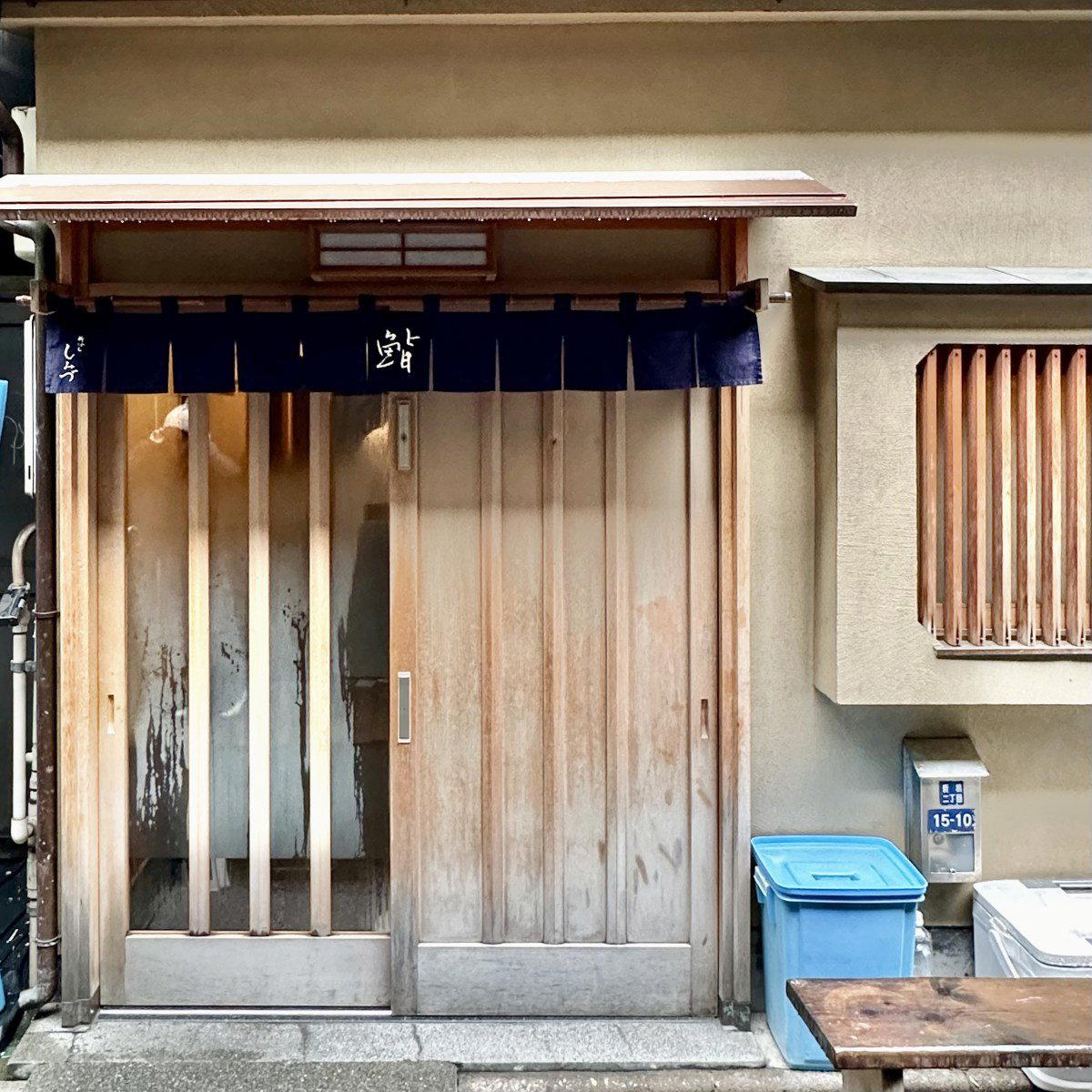
Approaching Yoshinomachi from the station side, Gifu feels less like a restaurant district assembled for visitors than a working city that keeps its better food rooms close to daily life. The draw here is not spectacle. It is the small-scale Japanese counter tradition: a room where the kitchen is visible, fish is the organizing principle, and sake is treated as part of the meal rather than an afterthought.
That matters in Gifu, a city better known internationally as a gateway to cormorant fishing on the Nagara River and the castle above town than as a dining capital. The stronger local meals often sit between categories: not quite a luxury kaiseki appointment, not merely an izakaya, and not built for the camera first. Tejaku Kappou Terada occupies that middle ground, with Japanese cuisine and izakaya listed as its categories, a Tabelog score of 3.64, and selection for Tabelog 100 Japanese Cuisine EAST in 2025 and 2021. In a regional city, that combination signals a room competing on craft, consistency, and ingredients rather than scale.
Fish-led kappo, with sake doing real work
Kappo sits closer to the diner than kaiseki. The word implies cutting and cooking, but the format also implies responsiveness: a chef working in view, a sequence that can feel composed without becoming rigid, and a meal that makes more sense when the guest pays attention to season and sourcing. Here, the published food emphasis is fish, and that shapes the editorial read. Gifu is inland, so a fish-led Japanese kitchen has to justify itself through selection and handling rather than coastal geography. That makes the category more interesting, not less.
The drink program points in the same direction. Sake, shochu, and wine are listed, with particular attention to sake and more than 20 sake options noted in public materials, primarily from Gifu Prefecture. That local sake emphasis is not decorative. In central Japan, where mountain water, rice culture, and regional breweries form part of the drinking identity, local sake can sharpen the meal’s sense of place more effectively than a broad national list. For travellers comparing Gifu with larger dining markets, this is the useful distinction: the meal is framed less by luxury signalling and more by regional pairing logic.
At this tier, the comparison is not only with other Japanese restaurants. Gifu’s stronger dining map spans yakitori, beef, French, bars, and compact specialist rooms. Readers building a broader food itinerary can place this address alongside Aka Renga, Akane Ya, and Belle Equipe (French), then use Our full Gifu restaurants guide to see how the city’s restaurant scene spreads beyond the station area. For drinking before or after dinner, BAR-BAROSSA and BAROSSA cocktailier show the cocktail side of the same city, while Our full Gifu bars guide gives the wider view.
A compact room changes the meal's tempo
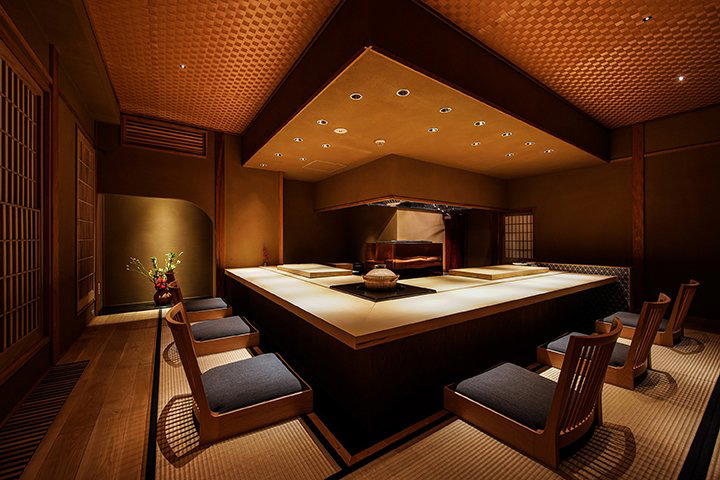
The room is small enough for format to shape the experience. There are 19 seats, including a 9-seat counter and two tables, with one table configuration able to become a private room for 8 to 10 guests. That count matters because kappo depends on rhythm. A counter gives solo diners and pairs a clearer view of the work; tables suit groups that want the cooking without the full counter focus. This is not a banquet-hall version of Japanese cuisine. The scale keeps the meal closer to the chef’s station, and that closeness is part of the genre.
Price also places the restaurant in a specific band. Dinner is listed at JPY 5,000 to JPY 5,999, with lunch at JPY 1,000 to JPY 1,999. Against local comparison venues, that puts it above everyday tavern pricing such as Gishu at JPY 2,000 to JPY 2,999 and below beef-led higher-spend rooms such as Yakiniku Shun Yasai Fanbogi or THE Setsugekka at JPY 10,000 to JPY 14,999. Sake no Tori, at JPY 4,000 to JPY 4,999, sits closer in casual-drinking territory. The useful point is positioning: this is a serious but not trophy-priced Japanese meal by Gifu standards.
The restaurant opened in 2013, which gives it more than a decade of operating history by 2026. Public materials also note a chef with over 30 years in Japanese cuisine, but the more important editorial point is the format those credentials support. In a city where many visitors come for river culture, castle views, or onward travel into the mountains, a fish-focused kappo near the transport core gives Gifu a dining argument that does not depend on copying Kyoto or Tokyo. It is smaller, more local, and more tied to sake and seasonal Japanese cooking than to international fine-dining performance.
How to fold it into a Gifu itinerary
Gifu rewards travellers who avoid treating it as a brief stop between Nagoya and the mountains. A stronger plan pairs dinner with the city’s broader cultural geography: Nagara River traditions, station-side drinking, and a slower look at the local restaurant network. For lodging context, use Our full Gifu hotels guide; for drinks, Our full Gifu bars guide; for broader regional planning, Our full Gifu experiences guide and Our full Gifu wineries guide map the city beyond dinner.
Travellers extending the Japan food route can use Gifu as a counterpoint to larger-city dining. Compare the scale and sourcing logic here with specialist formats elsewhere, from -Grilled beef Sukiyaki- KAMAKURA TANUKIAN 鎌倉 たぬき庵 in Kamakura to. 鮪と炭火焼き うお炭 秋葉原店 in Tokyo.cafe in Osaka.know in Kumamoto, (Shoku) Vietnam in Kawasaki, and [Curry Senmon Ten] Maruyama Kyoju. in Sapporo. The same ingredient-first lens also makes sense outside Japan, whether at Jōdo Saké Bar in Los Angeles or Onigiri Time in Pasadena.
The critical case for Tejaku Kappou Terada is simple: it gives Gifu a compact, fish-led Japanese dining address with credible national-platform recognition, local sake relevance, and a price band that leaves room for repeat local use rather than only occasion dining. For travellers who care where the food comes from and how a regional city expresses Japanese cuisine at counter scale, that is the point.
Comparable Spots, Quickly
Comparable venues by cuisine and price in the same metro.
| Venue | Cuisine | Price | Notes |
|---|---|---|---|
| Tejaku Kappou TeradaThis venue — the venue you are viewing | Seasonal Japanese Kappo & Izakaya | $$$ | Not listed |
| Akane Ya | Yakiniku & Chinese Grill | $$$ | Mitonocho |
| Tsubameya Yanagase honten | Japanese Confectionery | $ | Yanagase |
| Chuka Dining Hanabi | Modern Chinese dining with congee & dim sum-style specialties | $$ | Kita-jima, Gifu City |
| Setsu Gekka Nagara | Yakiniku (Japanese BBQ) | $$$ | Gifu City |
| DA ACHIU | Authentic Neapolitan Pizzeria & Italian Trattoria | $$ | Kandamachi |
Recognition history
Dated appearances from independent guides and award organizations, with the underlying list record or original source where available.
Tabelog 100 #38 · No. 38
Tabelog · Tabelog 100 - Japanese cuisine - EAST - 2025
Continue exploring
More in Gifu
Restaurants in Gifu
Browse all →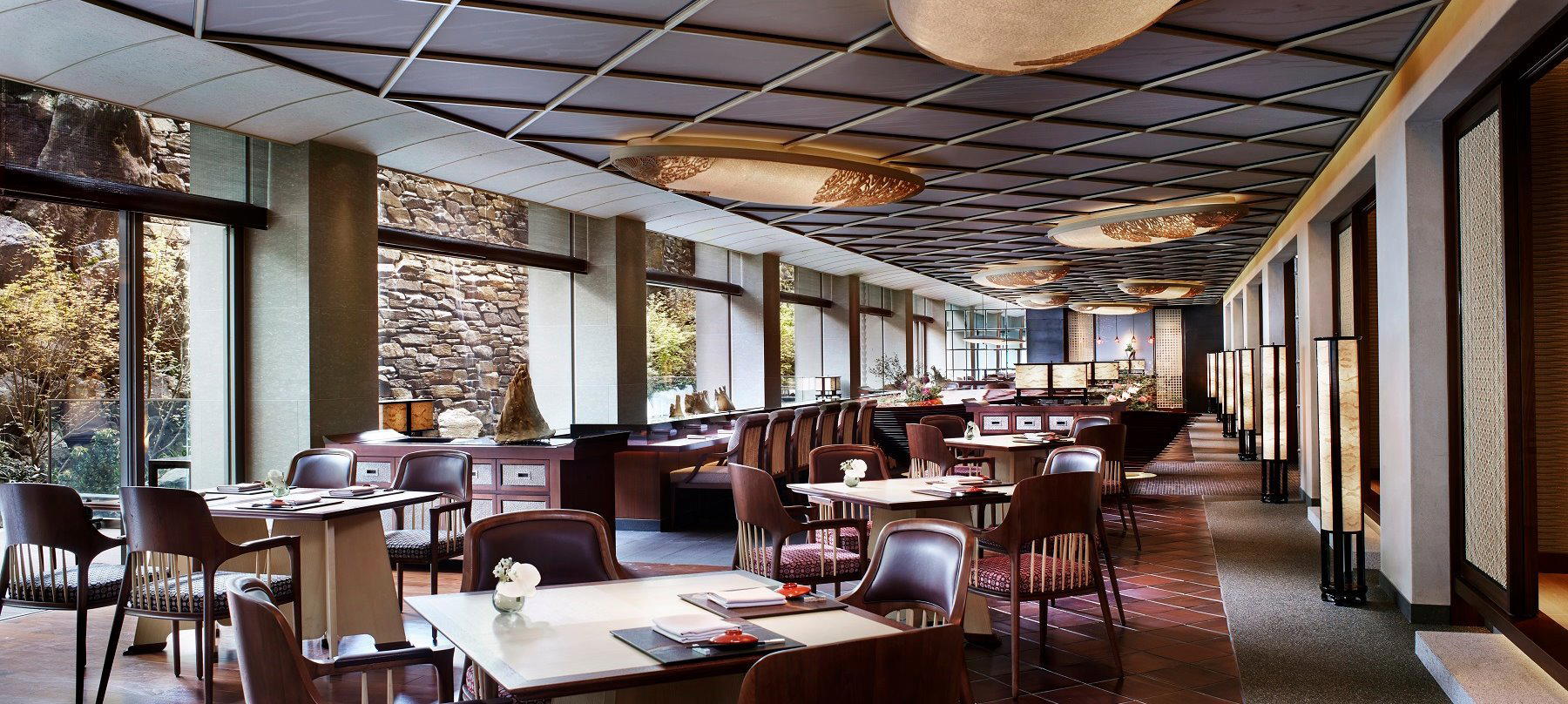
At a Glance
- Cozy
- Intimate
- Classic
- Date Night
- Business Dinner
- Group Dining
- Solo
- After Work
- Late Night
- Chefs Counter
- Private Dining
- Standalone
- Sake Program
- Beer Program
- Local Sourcing
Current opening hours
- Monday
- 11:30 AM–2 PM, 6–11 PM
- Tuesday
- 6–11 PM
- Wednesday
- 6–11 PM
- Thursday
- 6–11 PM
- Friday
- 6–11 PM
- Saturday
- 6–11 PM
- Sunday
- Closed
Hours can change for holidays and private events. Last verified .
A small, relaxed kappo-style space with counter and private table rooms, traditional Japanese decor and a calm, conversational atmosphere suited to quietly enjoying seasonal dishes and sake.