
Setsu Gekka Nagara places Gifu yakiniku in a more formal register: charcoal-table ritual, beef-led ordering, and enough private-room structure to suit groups as well as couples. Its selection for Tabelog 100 Yakiniku EAST 2025 gives it a clear trust signal in a city better known to many travelers for river culture, castle views, and regional cooking than destination beef counters.
Pearl is the En Primeur Club membership app — saves, bookings, and concierge access live there. Same editors, same standards.
- Address
- 2 Chome-1-1 Kamitsuchii, Gifu, 502-0803, Japan
- Phone
- +81 58-297-2919
- Website
- setsugekka-nagara.com
 Saves & bookings on Pearl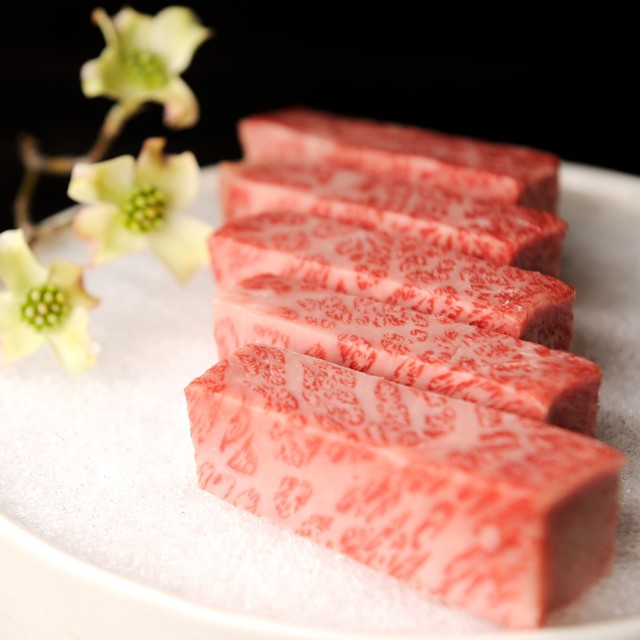
Approach northern Gifu and the city changes pitch: wider roads, the Nagara River nearby, and a dining rhythm less frantic than the station-side grid. Yakiniku suits that tempo. The meal is built on pauses, small decisions, and shared grill discipline: what cooks first, who turns the meat, when rice enters, and how long conversation waits while a cut finishes over heat. Setsu Gekka Nagara belongs to this ritual, not the showier end of Japanese beef dining.
Gifu has a serious beef identity, even when restaurant talk starts with cormorant fishing season, riverside inns, or the castle above Mount Kinka. Yakiniku here is not just a casual group meal; at the expensive tier, it becomes a controlled sequence of cuts, sauces, offal, rice, and drinks. The category rewards timing as much as sourcing. Rush every plate and the point is lost, because the grill is the pacing device.
Gifu yakiniku as a table ritual, not a chef's monologue
Japan’s high-end dining often privileges the counter: sushi, tempura, kappo, and kaiseki use proximity to the chef as part of the experience. Yakiniku reverses that authority. The guest takes over final cooking, making etiquette and restraint part of the meal. Better rooms do not need theatrical instruction; they set conditions for diners to cook carefully, eat in sequence, and avoid racing through protein.
That is why Setsu Gekka Nagara’s recognition matters. Its selection for Tabelog 100 Yakiniku EAST 2025 places it in a regional field where consistency, beef handling, and diner satisfaction matter beyond local loyalty. It was also selected for Tabelog Grill EAST 2024, a useful signal for travelers separating serious yakiniku from ordinary barbecue-style dining. Awards do not cook the meat, but in Japan’s user-review culture they identify restaurants that have performed across enough visits to survive scrutiny.
The defining idea is beef-led yakiniku with tripe, supported by sake, shochu, wine, and cocktails. That range signals the expected table: not a quick meat-and-beer stop, but a longer meal where grilled cuts, offal, rice, and alcohol move through several registers. In Gifu, where Hida beef frames much regional conversation, this format lets visitors engage with local meat culture without committing to a formal steakhouse or kaiseki room.
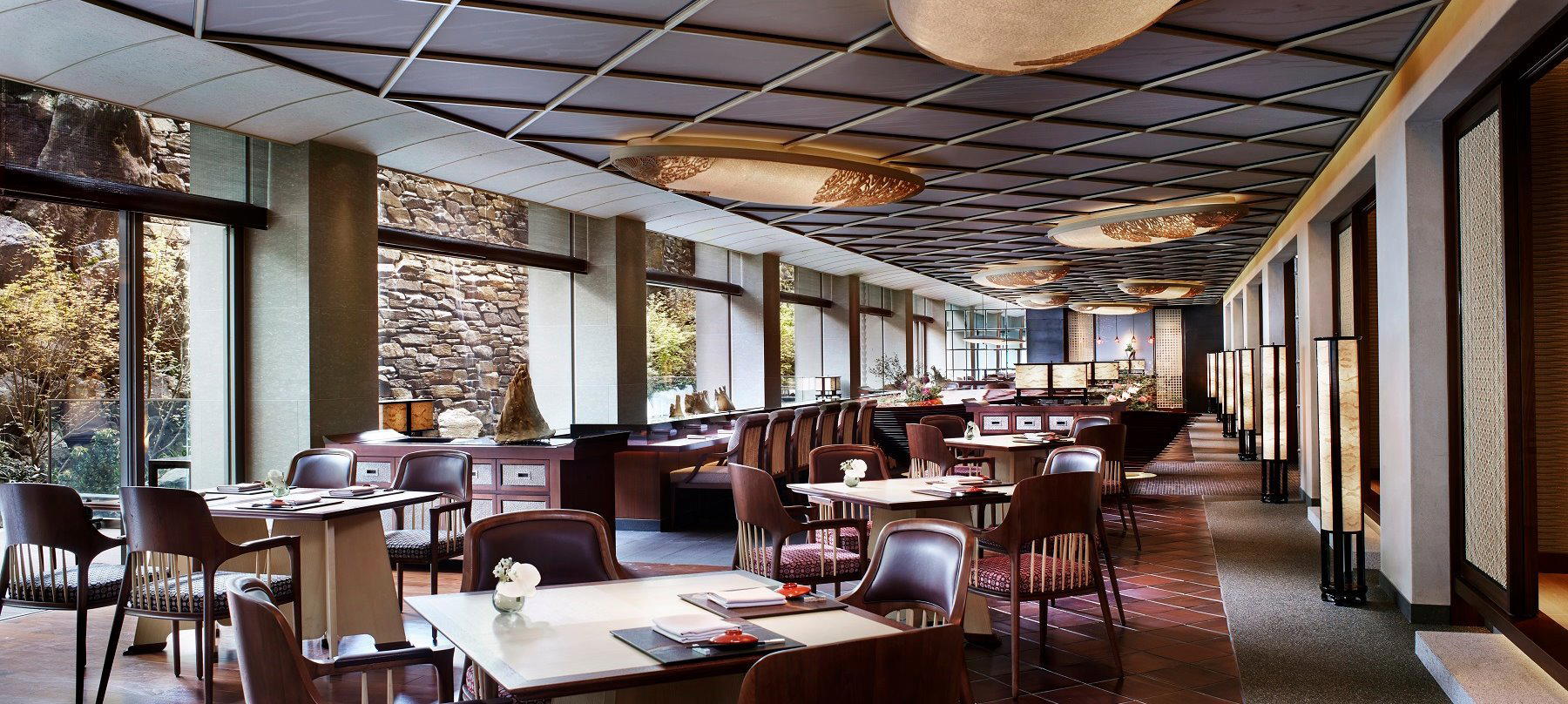
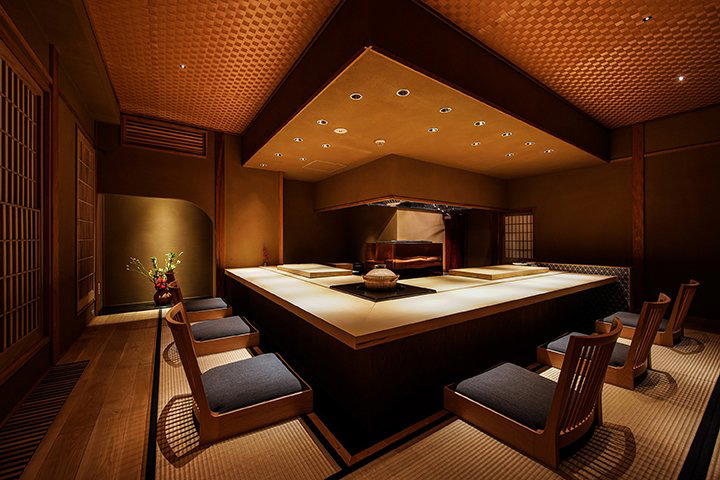
The room matters because yakiniku is social by design. Private rooms, counter seating, sofa seating, and larger private-use options suggest a restaurant built for couples who want control, families marking a date, and groups needing separation from the main floor. That variety changes the mood. Yakiniku can be intimate, but it is rarely solitary; the grill makes every table a small committee.
Where it sits in Gifu's broader dining map
Gifu’s better dining answers different appetites. Prelude Fukumitsu ten occupies a lighter price tier, Kawaramachi Izumiya points toward river-area regional cooking, and Senryu sits in a higher-spend bracket. Against that spread, Setsu Gekka Nagara reads as a dedicated meat address rather than a general celebration restaurant. The comparison matters because travelers often underestimate Gifu’s range: sushi, French, bars, river fish, beef, and everyday set meals all compete for itinerary slots.
For a broader city read, Our full Gifu restaurants guide is the better starting point. Drink-focused nights can branch toward Our full Gifu bars guide, with local references such as BAR-BAROSSA and BAROSSA cocktailier. For a wider itinerary, the city also benefits from planning around Our full Gifu hotels guide, Our full Gifu wineries guide, and Our full Gifu experiences guide.
Nearby restaurant context sharpens the decision. Aka Renga, Akane Ya, and Belle Equipe (French) point to different Gifu evenings, while travelers building a Japan-wide meat thread might compare the ritual to -Grilled beef Sukiyaki- KAMAKURA TANUKIAN 鎌倉 たぬき庵 in Kamakura. These are not direct substitutes; they show how beef, grill, and occasion shift by city and format.
How to read the meal before the first cut hits the grill
Practical yakiniku intelligence is less about decoding a chef’s biography than understanding the table’s obligations. Do not over-order at the start. Begin with a measured selection, let the first round establish fat level and sauce intensity, then decide whether the meal wants leaner cuts, offal, rice, or another drink. In a restaurant built around beef and tripe, progression matters: too much richness early can flatten the second half.
There is also a social code to the grill. One confident diner should manage each round rather than several hands moving pieces at once. Sauced cuts need attention, leaner cuts punish hesitation, and offal demands patience. The quiet pleasure of yakiniku is that skill improves the table without turning dinner into performance. The restaurant supplies the framework; diners determine whether the meal lands with balance or excess.
Vegetarian travelers should treat this as a meat specialist first. The cuisine anchor is yakiniku and tripe, so plant-led dining is not the natural reason to choose the room. Anyone with dietary restrictions should confirm directly before planning a meal around it, especially in Gifu, where English-language menu detail can be thinner outside major hotel districts.
For travelers linking Gifu with larger Japanese or trans-Pacific food routes, the contrast is instructive. A Tokyo charcoal stop such as. 鮪と炭火焼き うお炭 秋葉原店 in Tokyo, a casual Osaka listing like.cafe in Osaka, or regional addresses such as.know in Kumamoto, (Shoku) Vietnam in Kawasaki, and [Curry Senmon Ten] Maruyama Kyoju. in Sapporo reveal how format changes the diner’s role. In Los Angeles and Pasadena, Jōdo Saké Bar in Los Angeles and Onigiri Time in Pasadena show the opposite problem: Japanese food traditions reframed for a different dining culture. Gifu yakiniku keeps responsibility close to the table, which is why the meal rewards attention.
What It’s Closest To
Side-by-side context: comparable cuisine and price.
| Venue | Cuisine | Price | Notes |
|---|---|---|---|
| Setsu Gekka NagaraThis venue — the venue you are viewing | Yakiniku (Japanese BBQ) | $$$ | Not listed |
| Yakiniku Shun Yasai Fanbogi | Aged Wagyu Yakiniku | $$$ | Sumidamachi, Gifu City |
| Takumi Hirano | Traditional Japanese Kaiseki | $$$ | Yanagase / Onamicho |
| Kobanzushi | Traditional Japanese Sushi Omakase | $$$ | Gifu City |
| Mizuki | Yakitori | $$$ | Yanagase |
| Chaya Akawani | Japanese shaved ice & sweets cafe | $ | Hachimancho |
Recognition history
Dated appearances from independent guides and award organizations, with the underlying list record or original source where available.
Tabelog 100 #82 · No. 82
Tabelog · Tabelog 100 - Yakiniku - EAST - 2025
Continue exploring
More in Gifu
Restaurants in Gifu
Browse all →
At a Glance
- Elegant
- Cozy
- Sophisticated
- Business Dinner
- Group Dining
- Family
- Celebration
- Casual Hangout
- Standalone
- Beer Program
- Sake Program
- Local Sourcing
Current opening hours
- Monday
- 11 AM–3 PM, 5–11 PM
- Tuesday
- Closed
- Wednesday
- 11 AM–3 PM, 5–11 PM
- Thursday
- 11 AM–3 PM, 5–11 PM
- Friday
- 11 AM–3 PM, 5–11 PM
- Saturday
- 11 AM–3 PM, 5–11 PM
- Sunday
- 11 AM–3 PM, 5–11 PM
Hours can change for holidays and private events. Last verified .
Refined and comfortable rather than flashy, with a traditional yakiniku feel centered on grilled-meat dining and an upscale-but-approachable mood.