Tegui

World's 50 Best #49
Our verdict
Tegui sits at the sharper edge of Buenos Aires modern cooking, a Recoleta address that reached World's 50 Best Restaurants No. 49 in 2017 and continues to define the ceiling of Argentina's tasting-menu format. The kitchen frames local produce through technique-led courses that treat the country's regional larder as both subject and argument. Advance booking is standard practice here.

Pearl is the En Primeur Club membership app, where members save venues, book tables and use the concierge.
The menu
What to order
- Sweetbreads with green apple and spring onion juice
- Flame-grilled oysters
- Scallops
Where Recoleta Meets Argentina's Regional Larder
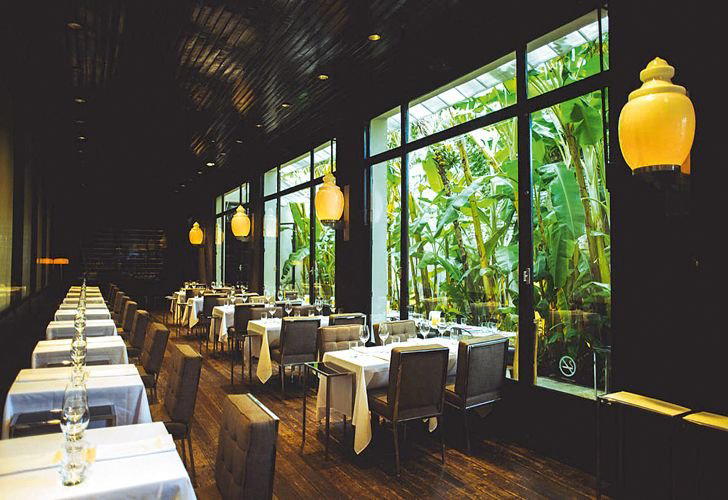
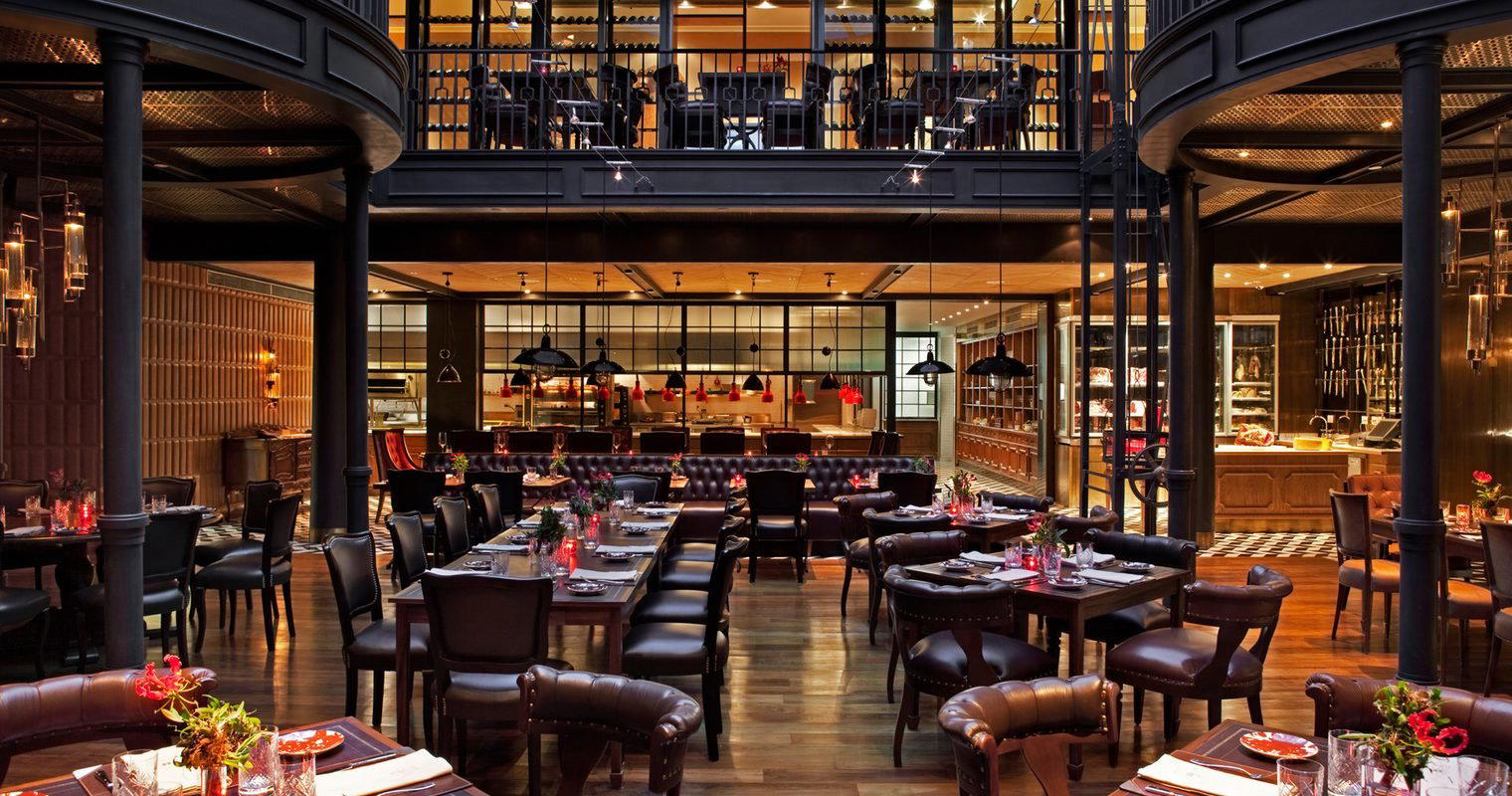
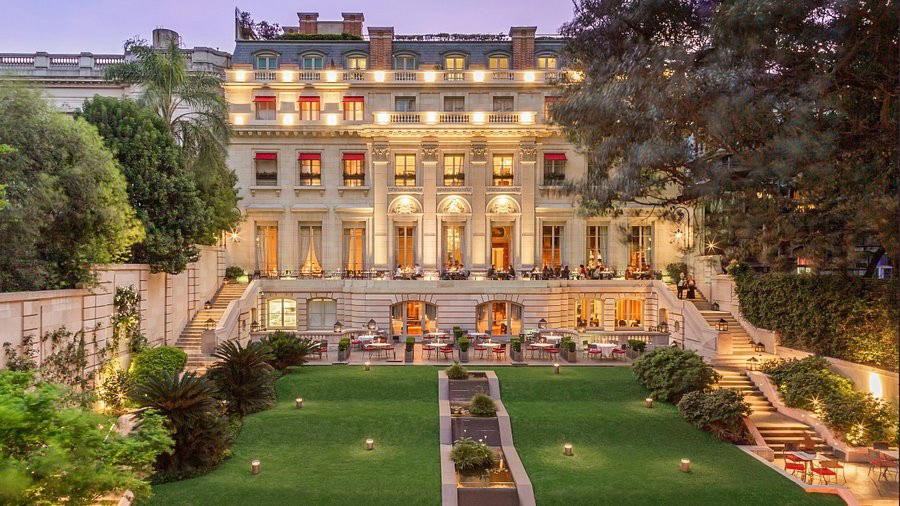
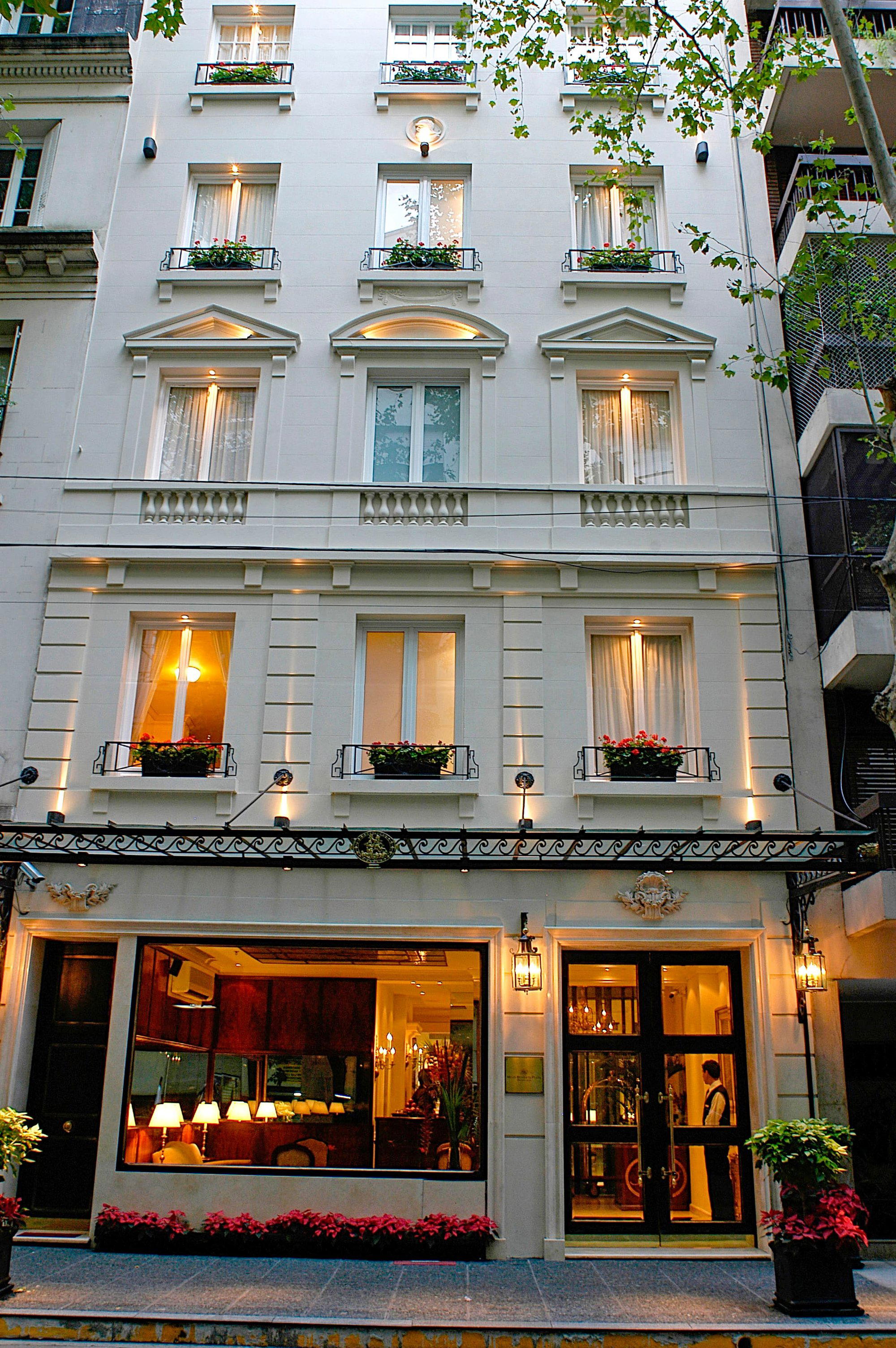
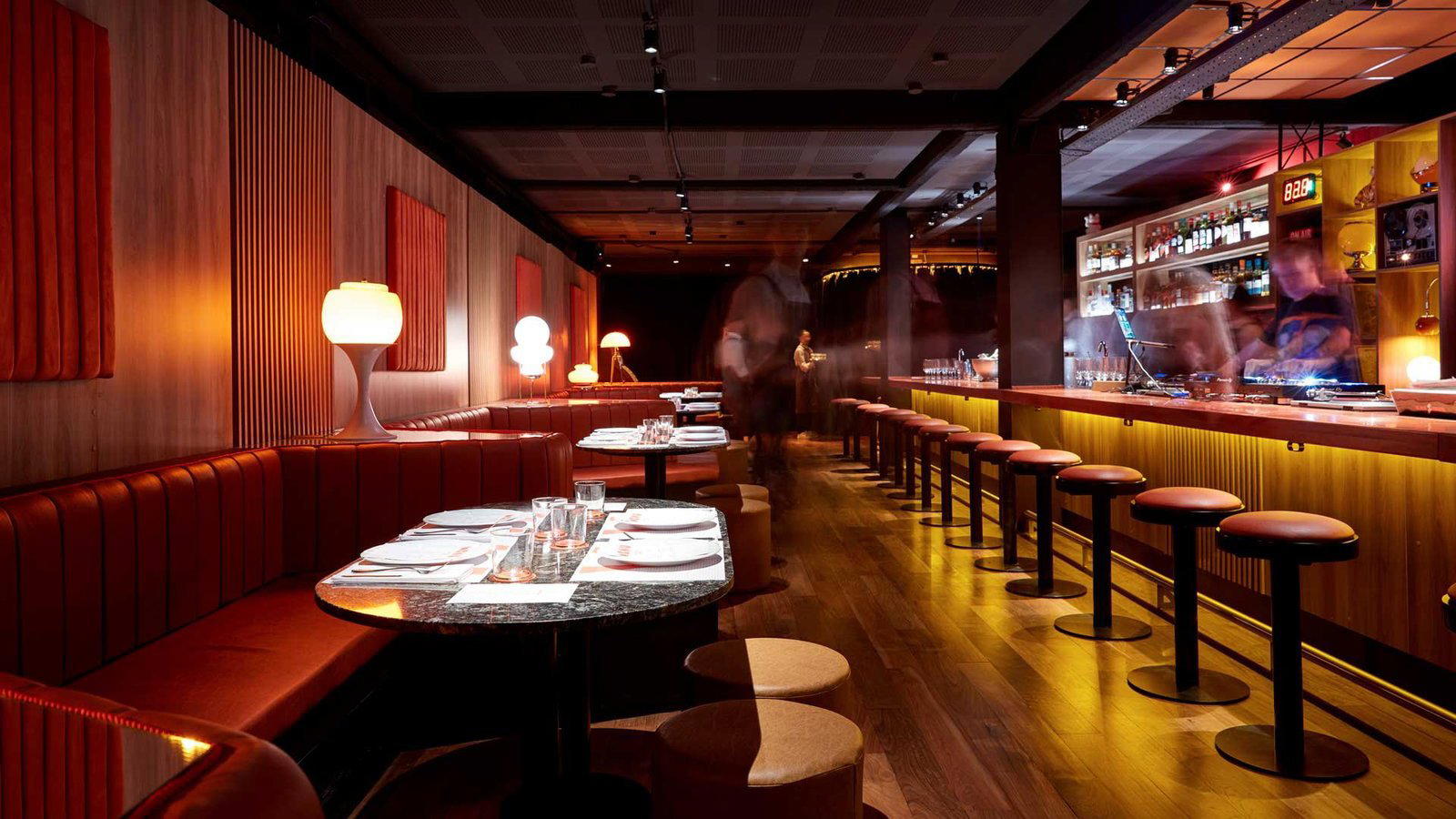
There is a particular silence that greets you at Rodríguez Peña 1971, a side street in Recoleta where the neighbourhood's hum of traffic fades before you reach the door. The entrance reads more like a private residence than a restaurant, which is not an accident. Buenos Aires has a long tradition of converting grand residential stock into dining rooms, and Tegui belongs to that lineage, the kind of address where the architecture frames expectation before a single plate arrives. Inside, the space moves between exposed brick, dim light, and the controlled rhythm of a kitchen operating with clear intention. It is the kind of room that signals, early, that what follows will be structured and deliberate.
That deliberateness has been confirmed at the highest external level. Tegui appeared on the World's 50 Best Restaurants list at number 49 in 2017, the clearest independent benchmark available in Buenos Aires for the tasting-menu format. That ranking places it in a peer group that includes some of the most technically focused kitchens in Latin America, and it reflects the seriousness with which the restaurant treats its sourcing, its structure, and its relationship to Argentine ingredients.
The Argument for Argentine Produce
Modern tasting menus in Buenos Aires have, over the past decade, split into two broad approaches. One borrows technique from European and Japanese traditions and applies it to neutral, high-quality protein, the approach that characterises the city's leading steakhouses, from Don Julio at the top of the asado register to mid-market cuts-and-fire operations across Palermo. The other, smaller cohort, which includes Tegui, Aramburu, and Trescha, treats the kitchen as a place to interrogate where Argentine food comes from and what it could become.
That interrogation is, in Tegui's case, rooted in ingredient sourcing. Argentina's geographic range is genuinely vast: Patagonian lamb, Andean herbs and tubers, northeast river fish, Pampas beef, and the produce of micro-climates that rarely reach supermarkets. A kitchen at this level is in a position to access that range directly, bypassing the commodity supply chains that flatten regional character. The courses at Tegui are understood, by those who follow the restaurant closely, to move through these registers in sequence, each course an argument for a particular corner of the country's larder.
This approach puts Tegui in dialogue with restaurants elsewhere in Argentina that make sourcing their editorial spine. Azafrán in Mendoza frames Andean ingredients through a wine-country lens; EOLO in El Calafate works with the extreme seasonality of southern Patagonia; Awasi Iguazu draws from the northeast. Tegui's distinction within that national conversation is that it operates in a capital-city context, without the automatic romance of a remote location, it has to make the sourcing argument through the plate alone.
Technique in Service of Place
The tasting-menu format in Buenos Aires has never been as deeply institutionalised as it is in Mexico City or Lima, cities where a generation of internationally trained chefs returned home to build destination restaurants with global recognition. Buenos Aires took a longer route: its fine-dining culture was shaped first by European immigrant traditions (Italian, Spanish, French), then by the asado's grip on collective identity, and only more recently by a generation willing to treat native Argentine ingredients as the primary subject of serious cooking. Tegui sits at the point where that later shift becomes most visible.
The structure of the meal at Tegui, multi-course, sequenced, with evident technique, mirrors formats you would recognise from, say, Le Bernardin in New York or Atomix, but the framing is entirely local. Where those kitchens draw credibility from deep tradition in French seafood or Korean fermentation, Tegui's credibility rests on its argument that Argentine produce, handled with equivalent technical precision, can carry the same weight. The 50 Best ranking in 2017 confirmed that the international jury agreed.
Within Buenos Aires itself, the tasting-menu tier is relatively narrow. Aramburu occupies a similar position, with a format built around surprise and seasonal change. Crizia applies contemporary technique to seafood. Anafe works in a more intimate, neighbourhood register. Tegui sits above most of this tier on the basis of its international recognition, and it functions as the address visitors with serious food credentials tend to prioritise first.
Planning Your Visit
Recoleta is one of Buenos Aires' more direct neighbourhoods to reach, connected by metro and well-served by remises (private car services that remain the most reliable way to move around the city after dark). The address on Rodríguez Peña sits in the quieter residential section of the barrio, away from the main commercial avenues. The most practical approach is to secure a table before arrival in the city, particularly if travelling during the Buenos Aires summer season (December through February) or during major events on the cultural calendar.
For travellers building a wider itinerary, the estate-house lodge format at La Bamba de Areco offers a contrast to the urban tasting-menu experience, while Cavas Wine Lodge in Alto Agrelo and El Colibri in Santa Catalina extend the ingredient-sourcing conversation into wine country. Our full guides to Buenos Aires restaurants, hotels, bars, wineries, and experiences cover the fuller picture.
Frequently asked questions
How would you describe the vibe at Tegui?
What do people recommend at Tegui?
Side-by-Side Snapshot
A quick peer check to anchor this venue’s price and recognition.
| Venue | Cuisine | Price | Awards | Notes |
|---|---|---|---|---|
| TeguiThis venue (the venue you are viewing) | Contemporary Argentine Fine Dining | $150–200 | World's 50 Best #49 | Not listed |
| Don Julio | Argentinian Parrilla Steakhouse | $100–150 | 1 Michelin Star · World's 50 Best #10 | Argentinian Steakhouse |
| Aramburu | Modern Argentine Haute Cuisine | $200–300 | 2 Michelin Stars · World's 50 Best #35 | Modern Argentinian, Creative |
| El Preferido de Palermo | Classic Italian Bodegón | $50–100 | Michelin Plate · World's 50 Best #24 | Argentinian, Traditional Cuisine |
| Elena | Japanese kissaten-style cafe with handmade cakes and tea | $1–10 | Tabelog 100 | South American, Steakhouse |
| La Carniceria | Modern Argentine Parrilla | $30–50 | Michelin Plate | Argentinian Steakhouse, Meats and Grills |
Recognition history
Dated appearances from independent guides and award organizations, with the underlying list record or original source where available.
World's 50 Best Restaurants #49
World's 50 Best
Continue exploring
More in Buenos Aires
Restaurants in Buenos Aires
All restaurants in Buenos Aires →
Bars in Buenos Aires
All bars in Buenos Aires →
Tegui
The wine
- Wine program
- Deep wine list
- Extensive wine list
- Sommelier-led
Details
- Elegant
- Sophisticated
- Modern
- Intimate
- Special Occasion
- Celebration
- Date Night
- Open Kitchen
- Design Destination
- Standalone
- Extensive Wine List
- Sommelier Led
- Local Sourcing
- Tasting Menu
- Argentine Wine
- Malbec
Current opening hours
- Monday
- Closed
- Tuesday
- 7 PM–12 AM
- Wednesday
- 7 PM–12 AM
- Thursday
- 7 PM–12 AM
- Friday
- 7 PM–12 AM
- Saturday
- 7 PM–12 AM
- Sunday
- Closed
Hours can change for holidays and private events. Hours as of .
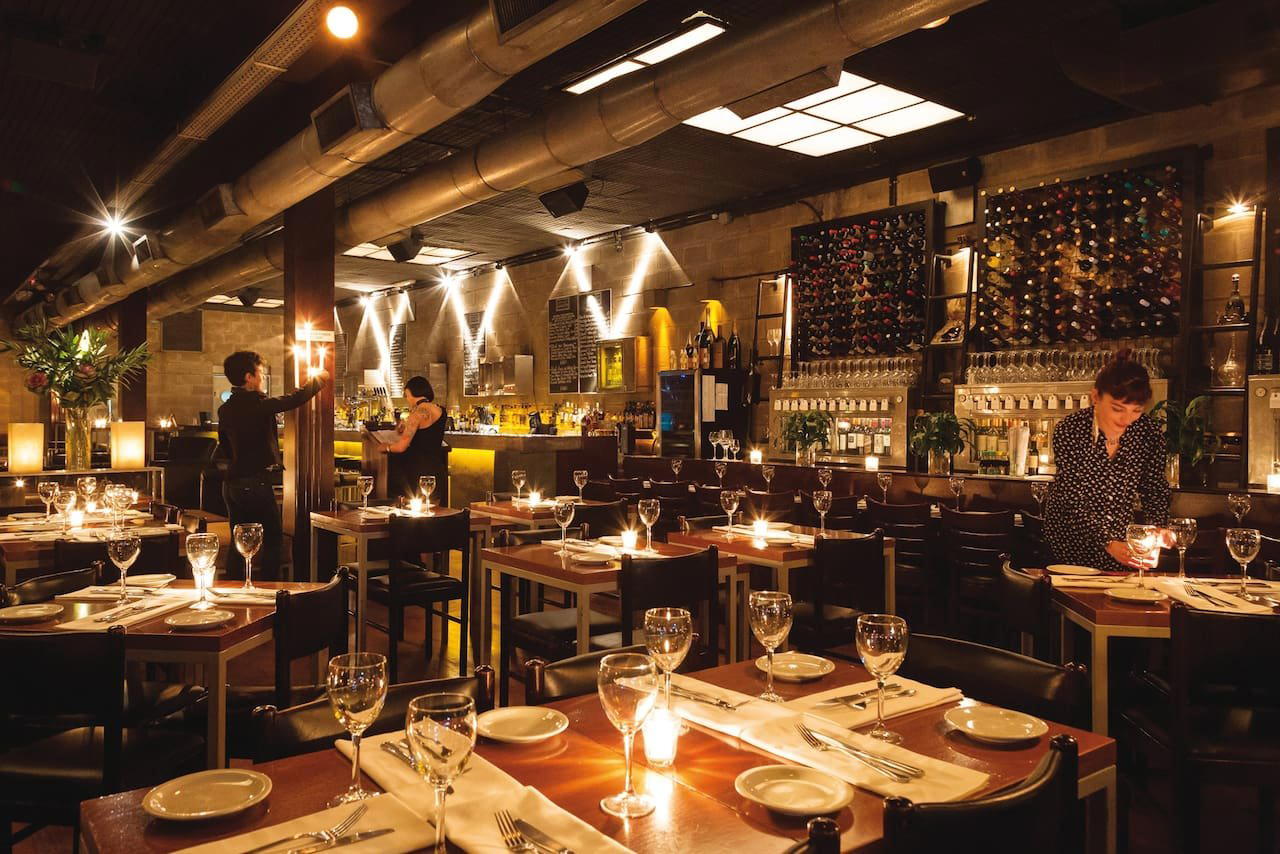
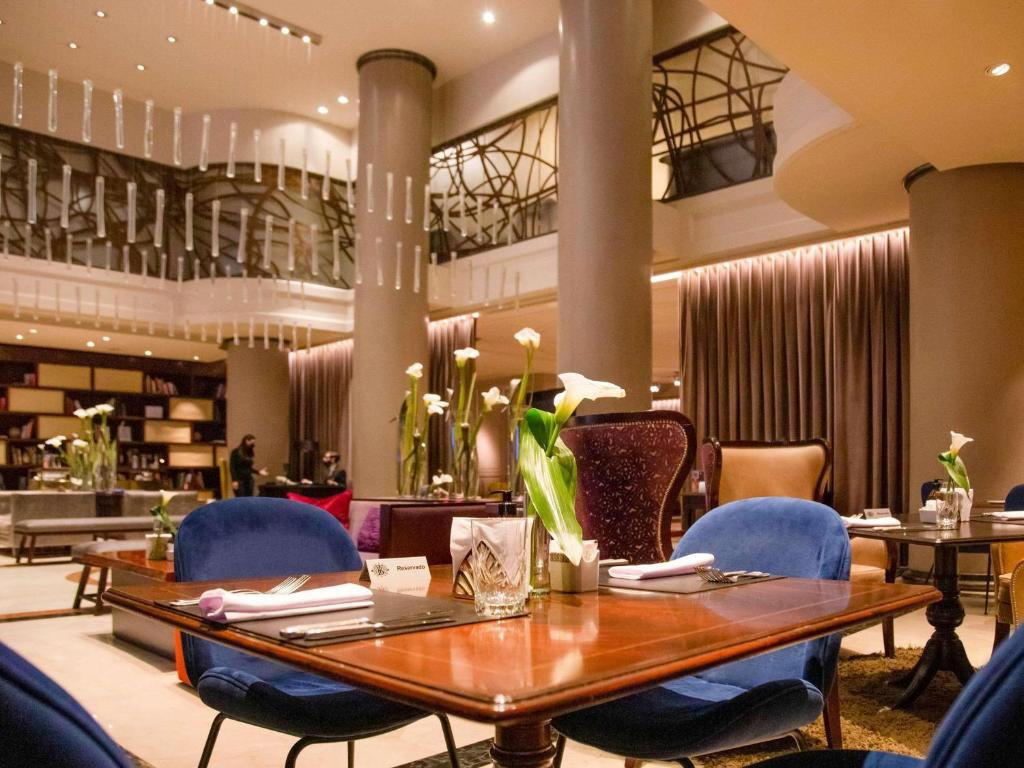
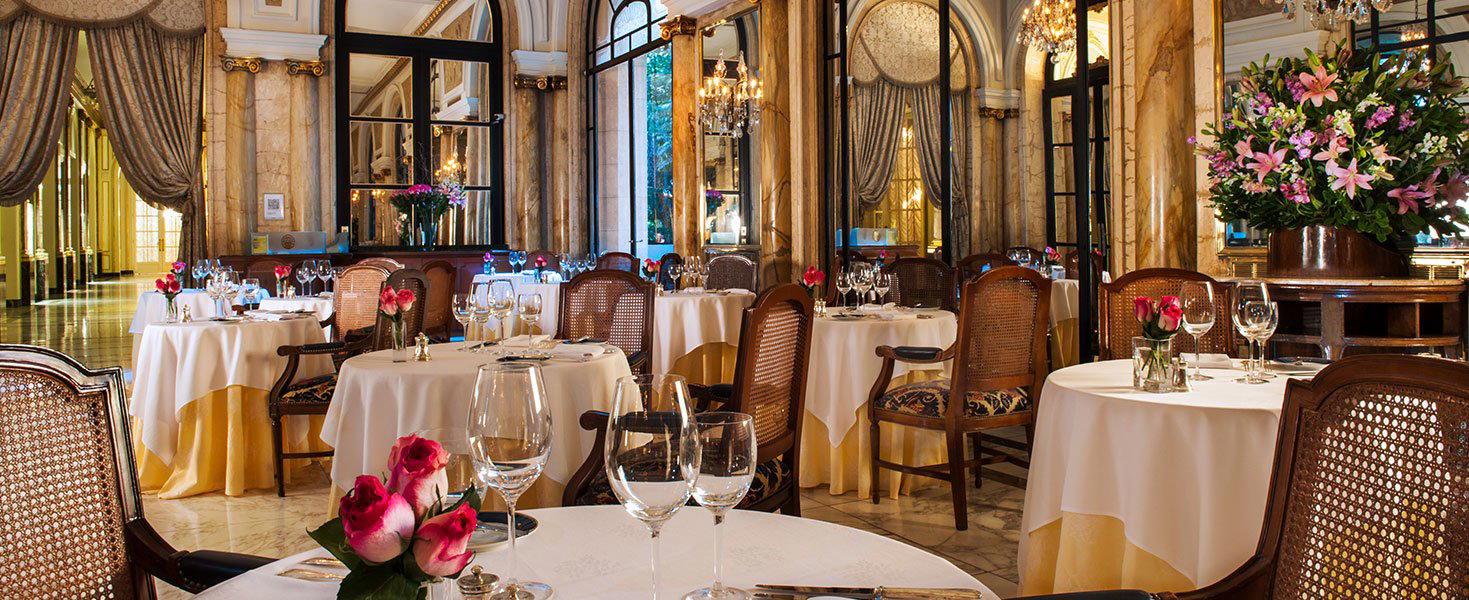
low lighting with tea lights on tables, all-black ceiling and leather banquettes offset by white tablecloths, open-plan kitchen visible with green lighting and stainless steel, deliberately discreet and intimate atmosphere designed to stay under the radar.