El Mercado

El Mercado at Faena Hotel brings the Argentine asado tradition into an open-air format shaped by European market sensibility. The kitchen anchors its menu to open-fire-cooked beef raised exclusively on Pampas and Patagonian pastures, placing it in the small tier of Buenos Aires restaurants where the sourcing brief is as specific as the cooking method. The setting, al fresco within one of the city's most architecturally deliberate hotel properties, adds a dimension that indoor parrillas cannot replicate.
Pearl is the En Primeur Club membership app — saves, bookings, and concierge access live there. Same editors, same standards.
- Address
- Martha Salotti 445 Faena, C1107 Cdad. Autónoma de Buenos Aires, Argentina
- Phone
- +54 11 5039-1165
- Website
- faena.com
- Directions
- Get directions
 Saves & bookings on Pearl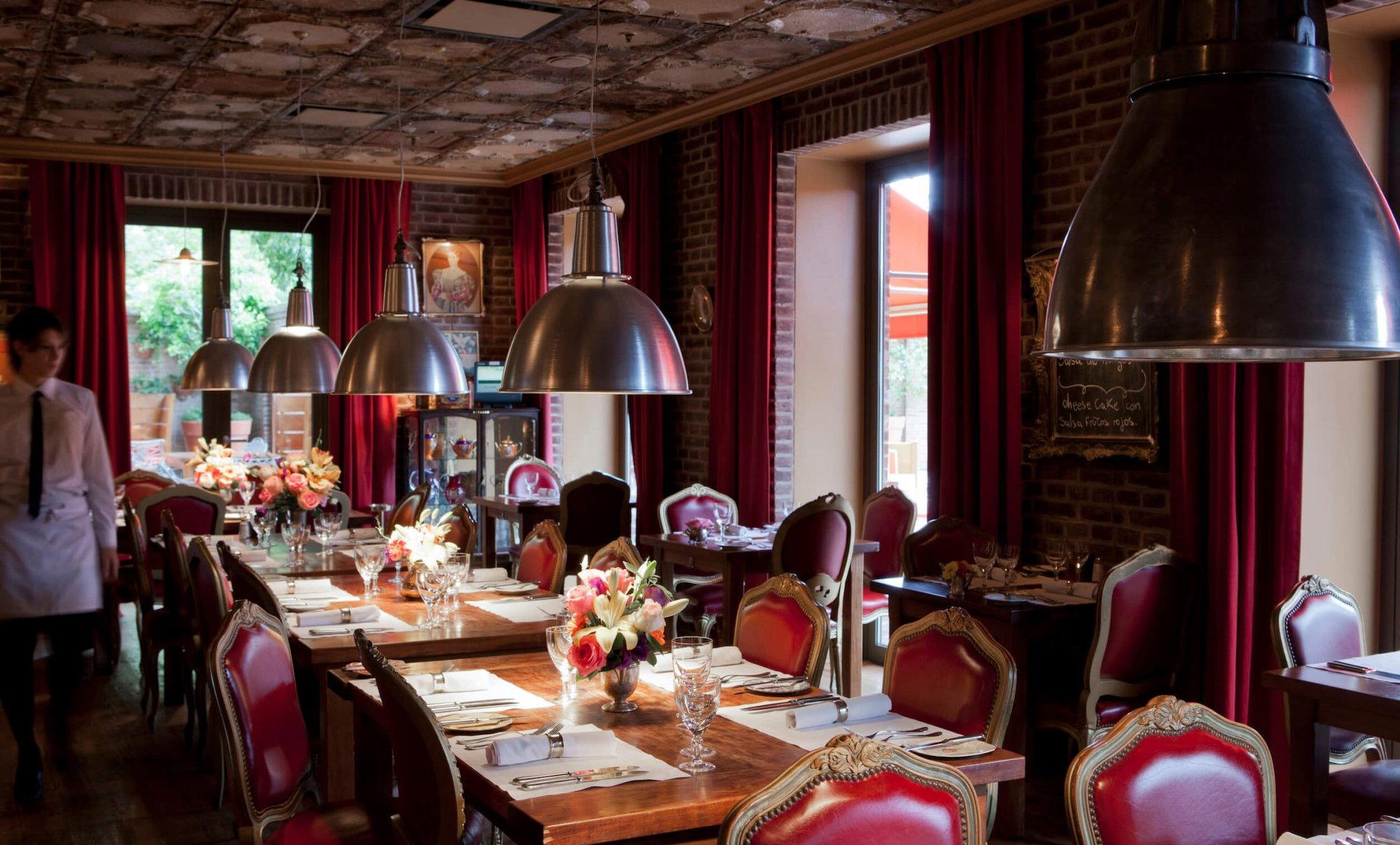
Fire, Air, and Argentine Beef: The Case for Eating Outside at Faena
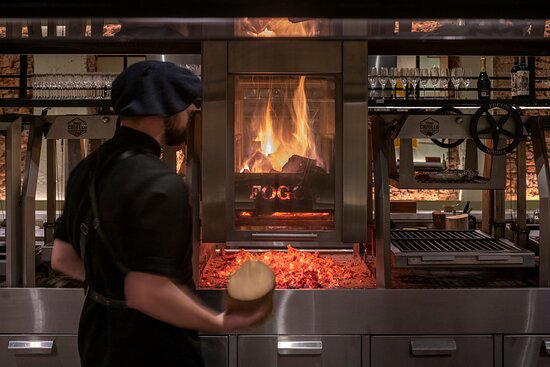
Approach El Mercado on a warm Buenos Aires evening and the sequence of sensory cues arrives in a specific order: woodsmoke first, then the low flicker of open flame, then the sound of a kitchen working at full capacity in open air. This is deliberate architecture, not accident. The restaurant sits within the Faena Hotel on Martha Salotti 445 in the Puerto Madero district, and its al fresco configuration positions the cooking as something to witness rather than simply receive. In a city where the parrilla is a civic institution, that visibility carries meaning.
What the Menu Reveals About Argentine Asado Tradition
The menu at El Mercado is structured around a single, load-bearing premise: that open-fire cooking applied to carefully sourced Argentine beef is a sufficient architecture for a serious restaurant. This is worth examining, because it represents a philosophical position within Buenos Aires dining. Across the city, steakhouses divide broadly into two camps. The first prioritises the social ritual of the asado, leaning into informal cuts, communal portions, and neighbourhood pricing. The second, which includes a smaller tier of properties like Don Julio with its Michelin recognition, pursues the same raw material with greater technical precision and a more formal frame.
El Mercado occupies a distinct position relative to both. Its inspiration, drawn explicitly from the cantinas of Buenos Aires and the open-air markets of Europe, positions it between the civic informality of the traditional parrilla and the refinement of the city's higher-end steakhouse tier. The European market reference is not decorative. Open-air markets in Spain, France, and Italy have historically organised their food around immediate provenance and visible preparation, and El Mercado applies that logic to the Argentine context: the product is identified by origin, the cooking is performed in view, and the setting is outdoor.
The sourcing structure is specific in a way that most Buenos Aires parrillas do not match. The beef served here comes from cattle raised exclusively for the restaurant, on pastures in both the Pampas and Patagonia. These are not interchangeable regions. Pampas cattle benefit from the classic Argentine lowland grass conditions that produce the muscle tone and fat distribution associated with the country's internationally recognised beef character. Patagonian raising introduces a different pastoral variable, cooler temperatures and different forage, which affects the final product. A menu that draws from both regions is making an argument about range and specificity rather than simply sourcing locally. For comparison, the traditional parrilla model in Buenos Aires does not typically identify cattle origin at the level of regional pastoral distinction.
This sourcing brief gives the menu its architecture. Rather than a list of cuts with sides appended, the structure implies that the beef itself is the primary variable, and that preparation method, fire management, resting time, and service temperature are the technical levers. Restaurants working in this register, including Crizia and Anafe at the contemporary end, increasingly treat the protein sourcing conversation as editorial content rather than marketing footnote. The restaurant does this through its dedicated supply chain rather than through menu language alone.
Puerto Madero and the Hotel Restaurant Question
Puerto Madero attracts a specific type of diner: international hotel guests, business travellers, and Buenos Aires residents making a deliberate occasion-visit to a neighbourhood that does not function as a casual local dining district. The Faena Hotel, opened in 2004 and designed with Alan Faena and Len Blavatnik as a significant investment in the area's cultural infrastructure, drew its restaurants into a curated hospitality ecosystem. The restaurant fits that context without being defined by it.
The distinction matters because hotel restaurants in Buenos Aires, as elsewhere, operate with different incentive structures than standalone properties. They depend less on repeat neighbourhood trade and more on hotel occupancy and destination reputation. The better ones compensate by building a specific enough culinary identity that visitors and locals alike treat the restaurant as the destination. The al fresco format helps here: it creates a social experience that reads as Buenos Aires rather than as generic hotel dining, and the open-fire cooking creates a point of differentiation that the hotel's other food offerings do not duplicate.
For wider Argentine context, open-fire cooking at a serious level appears across the country's regions. EOLO in El Calafate applies Patagonian sourcing within a landscape-specific hospitality frame, while La Bamba de Areco works the estancia tradition in San Antonio de Areco. The restaurant's dual-region sourcing from Pampas and Patagonia draws on both of these traditions without operating in either location.
Where El Mercado Sits in the Buenos Aires Dining Picture
Buenos Aires' serious restaurant tier has expanded considerably in recent years. Aramburu holds two Michelin stars for creative modern Argentine cuisine, while Trescha occupies the contemporary tasting menu space. These are restaurants where the menu architecture is about transformation and technique applied across many ingredients. The restaurant's architecture runs in the opposite direction: concentration rather than range, depth on a single ingredient category rather than breadth across many. This is the cantina logic the restaurant cites as its reference point, and it is a coherent one. The great cantinas of Buenos Aires were never about variety menus; they were about doing one category of thing with accumulated precision.
That focus aligns the restaurant with a global pattern in premium dining where restraint and sourcing specificity have replaced range as the primary markers of seriousness. Le Bernardin in New York applies a similar logic to seafood; Atomix applies it to Korean culinary structure. The common thread is a menu that teaches the diner something specific rather than offering maximum optionality.
Planning Your Visit
The restaurant is located at Martha Salotti 445 within the Faena Hotel, Puerto Madero, Buenos Aires. The al fresco format means that weather conditions affect the experience, and the Buenos Aires spring and summer months (October through March) represent the period when open-air dining works at its intended register. The hotel's location in Puerto Madero places it at some distance from the central restaurant districts of Palermo and San Telmo, so factor in travel time if you are coming from other parts of the city. Given its position within a high-profile hotel property and its sourcing and format specificity, advance reservation is advisable, particularly for weekend evenings when the hotel's occupancy intersects with destination diners from the city.
Accolades, Compared
Comparable venues nearby, for context on price, style, and recognition.
| Venue | Cuisine | Price | Awards | Notes |
|---|---|---|---|---|
| El MercadoThis venue — the venue you are viewing | Contemporary Argentine Steakhouse | $$$ | World's 50 Best #27 | Not listed |
| Julia | Modern Indie Fusion | $$$$ | Michelin Plate, World's 50 Best #50 | Villa Crespo |
| Niño Gordo | Asian-Argentine Fusion Grill | $$$ | Michelin Plate, World's 50 Best #21 | Palermo |
| Tegui | Contemporary Argentine Fine Dining | $$$$ | World's 50 Best #49 | Recoleta |
| Ness | Modern Argentine Fire Cooking | $$$ | World's 50 Best #64 | Núñez |
| Mishiguene | Modern Jewish Immigrant Cuisine | $$$ | Michelin Plate, World's 50 Best #69 | Palermo |
Recognition history
Dated appearances from independent guides and award organizations, with the underlying list record or original source where available.
World's 50 Best Latin America's Best Restaurants #27
World's 50 Best
Continue exploring
More in Buenos Aires
Restaurants in Buenos Aires
Browse all →
Bars in Buenos Aires
Browse all →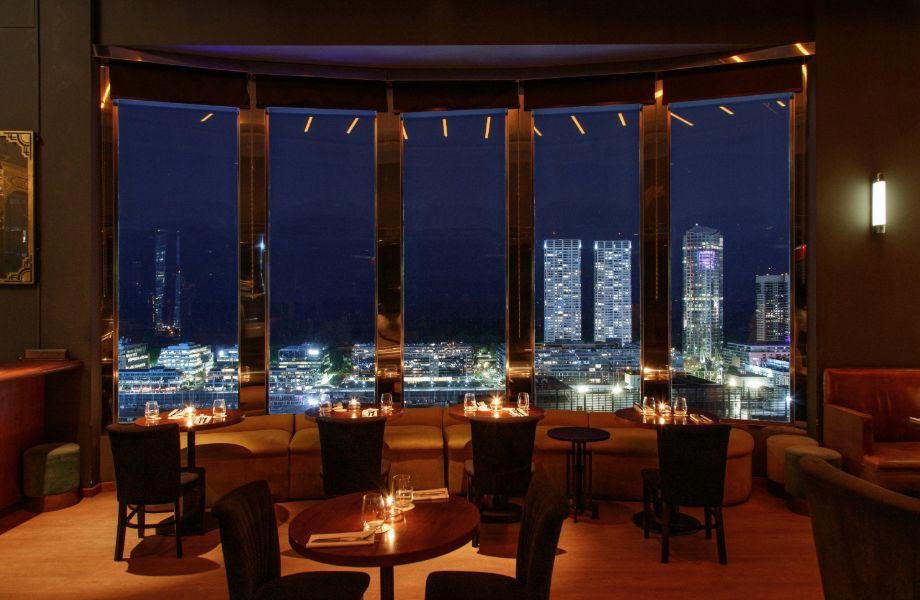
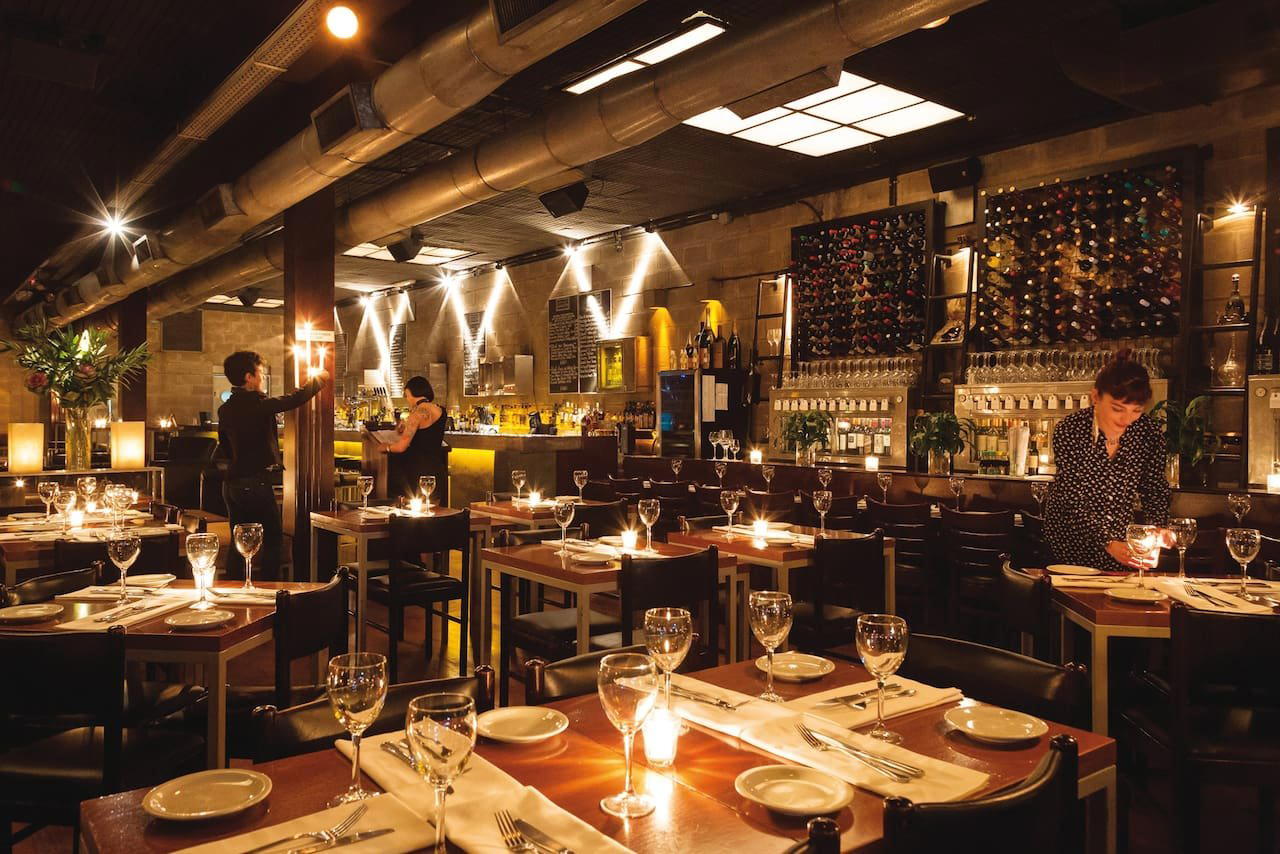
Hotels in Buenos Aires
Browse all →
Wineries in Buenos Aires
Browse all →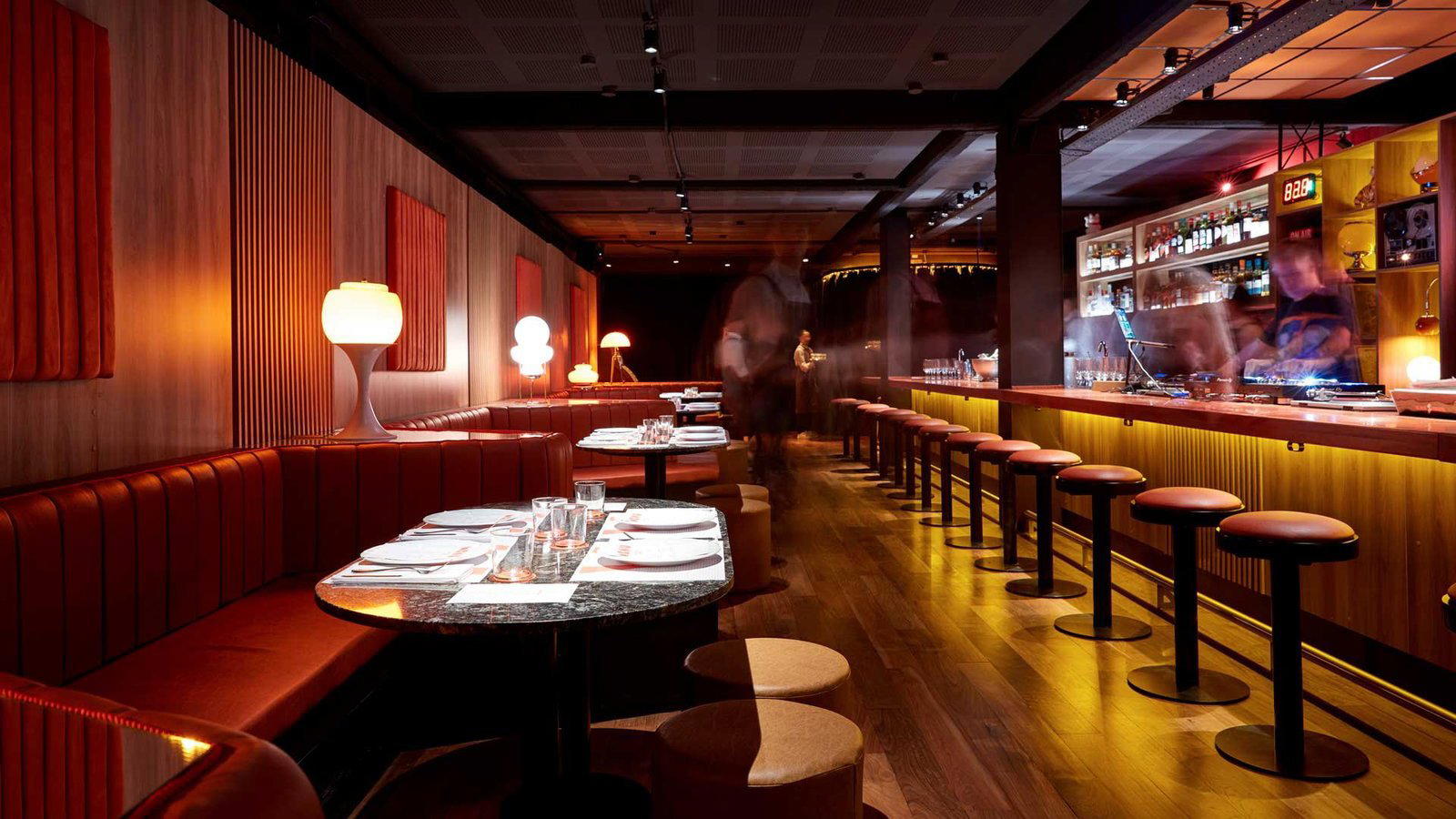
At a Glance
- Elegant
- Cozy
- Rustic
- Special Occasion
- Date Night
- Group Dining
- Open Kitchen
- Terrace
- Hotel Restaurant
- Extensive Wine List
Current opening hours
- Monday
- 12:30–3:30 PM, 7–11:30 PM
- Tuesday
- 12:30–3:30 PM, 7–11:30 PM
- Wednesday
- 12:30–3:30 PM, 7–11:30 PM
- Thursday
- 12:30–3:30 PM, 7–11:30 PM
- Friday
- 12:30–3:30 PM, 7–11:30 PM
- Saturday
- 12:30–3:30 PM, 7–11:30 PM
- Sunday
- 12:30–3:30 PM, 7–11:30 PM
Hours can change for holidays and private events. Last verified .
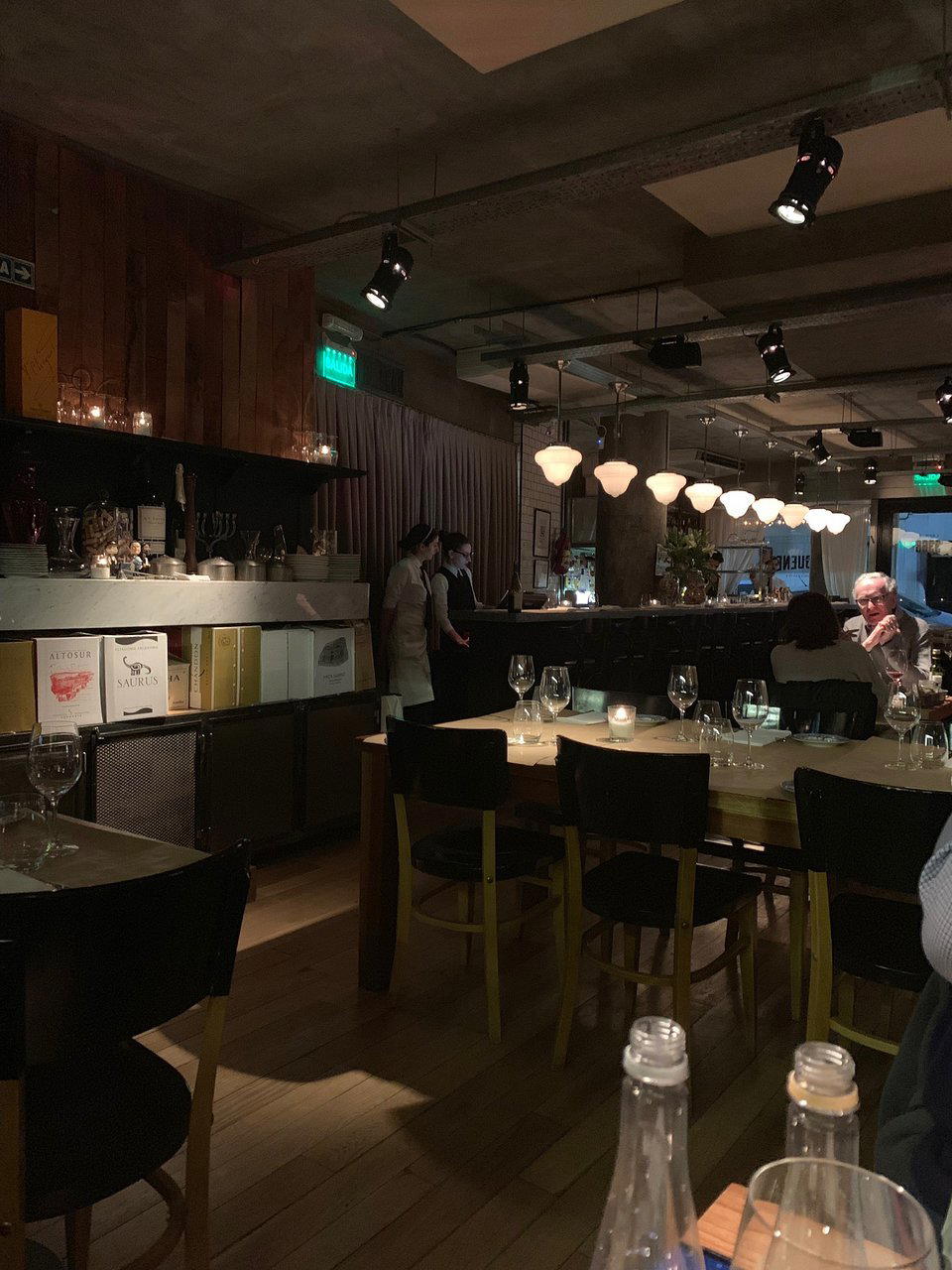
Elegant yet warm with exposed brick, wooden tables, curated antiques, cozy lighting, fireplace, and charming patio.