Our verdict
TEE Restaurant sits along a quiet urbanización road outside Borriol, in Castellón province, at a distance from Spain's more publicised fine-dining corridors. The surrounding countryside of the interior Valencian Community frames a dining format that draws on the agricultural and coastal produce of the region. For travellers already tracking Spain's broader creative restaurant circuit, it represents a less-charted reference point worth investigating.

Pearl is the En Primeur Club membership app — saves, bookings, and concierge access live there. Same editors, same standards.
- Address
- Urbanización, Camino la Coma, s/n, 12190 Borriol, Castellón, Spain
- Phone
- +34687286743
- Hours
- Mon–Tue ClosedWed–Sun 8 AM–7 PM
- Website
- teerestaurant.com
- Directions
- Get directions
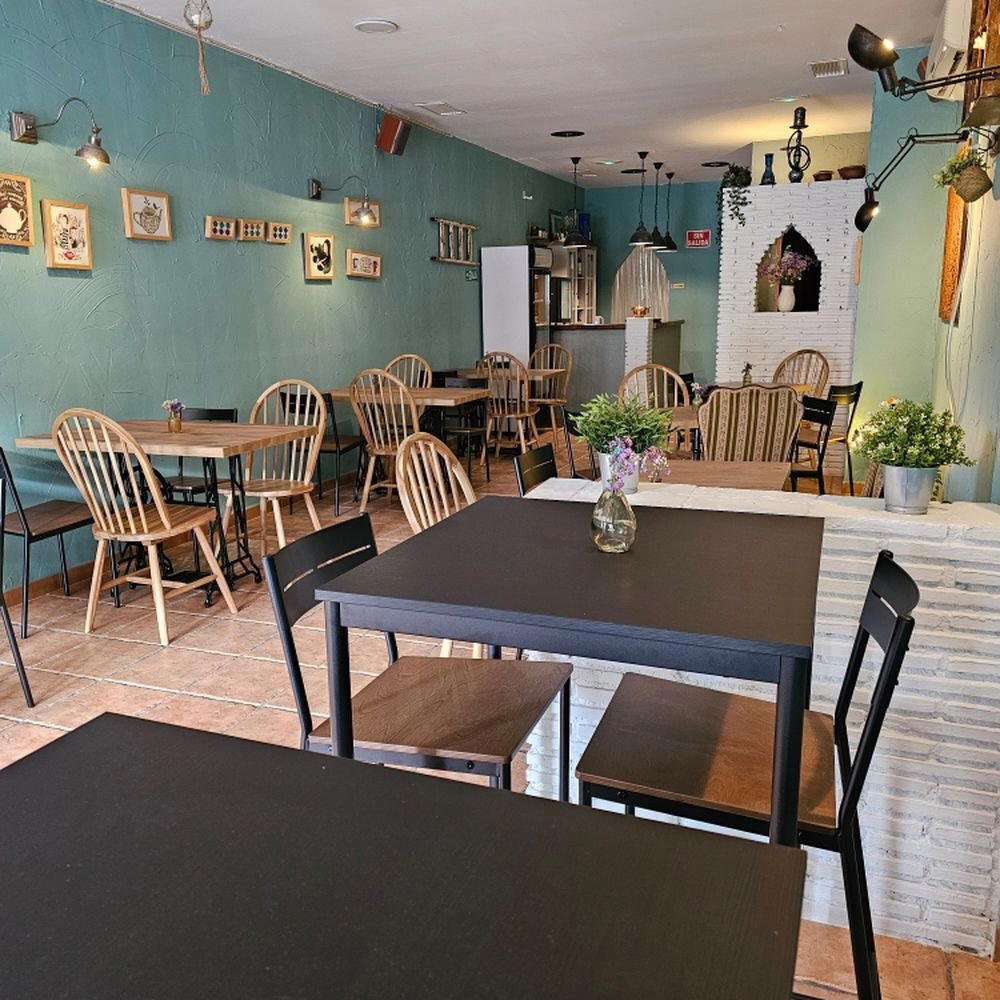
Where Castellón's Interior Meets the Plate
The road to TEE Restaurant passes through the kind of Castellón countryside that rarely features in travel editorials: dry scrubland, carob and almond groves, the occasional farmhouse set back from an unmarked track. The urbanización setting on Camino la Coma, outside the small town of Borriol, places the restaurant firmly in the interior of the Valencian Community, a zone whose food culture has long operated in the shadow of the coast. That positioning is, in itself, a statement about what the kitchen is likely drawing on. This is not a beachfront terrace built on tourist throughput. The physical remove from Castellón city suggests a destination-dining logic, where the journey itself filters the clientele toward those with a specific reason to arrive.
Borriol sits roughly ten kilometres inland from the provincial capital, in a landscape that shifts quickly from citrus-planted lowlands to drier refined terrain. The province of Castellón has historically been underrepresented in Spain's fine-dining conversation, which has concentrated media attention on Barcelona, San Sebastián, Madrid, and the Costa Blanca corridor anchored by Dénia. Restaurants such as Quique Dacosta in Dénia and Ricard Camarena in València have established the Valencian region's creative credentials, but Castellón's interior has remained quieter territory. TEE Restaurant's location in this gap is worth understanding before any discussion of what arrives at the table.
The Sourcing Logic of the Valencian Interior
Spain's most discussed creative kitchens have, over the past two decades, increasingly framed their identity through ingredient provenance. The argument at houses like Azurmendi in Larrabetzu or Casa Marcial in Arriondas is that locality is not a marketing posture but a structural constraint on what the kitchen can and cannot do. In Castellón province, that constraint is shaped by a specific intersection of mountain, plain, and coast within a relatively compact geographic zone.
The interior around Borriol has access to produce that the coast does not prioritise: game from the sierra, cultivated and foraged herbs from the garriga, dry-farmed vegetables from small holdings, and artisan livestock operations that have survived partly because the land does not attract intensive agriculture. At the same time, the distance to the Castellón coast is not prohibitive, meaning Mediterranean fish and shellfish remain within the sourcing radius that serious kitchens in this zone can reasonably operate. This dual access to mountain and maritime produce is the structural advantage that restaurants in the Valencian interior hold over single-terrain peers, and it is the context through which a kitchen at TEE Restaurant's address should be assessed.
For comparison, Aponiente in El Puerto de Santa María has built an entire creative identity around what the sea provides and what most kitchens discard. The argument there is that constraint generates originality. A similar logic can apply in reverse for interior Valencian kitchens: the absence of obvious coastal spectacle pushes the sourcing intelligence inland, toward ingredients that require more knowledge and more relationship-building to reach the plate with any integrity.
Spain's Creative Restaurant Circuit: Where Borriol Fits
Spain's high-end restaurant network is unusually distributed for a country of its size. Unlike France, where Paris absorbs the gravitational centre of fine dining, Spain has produced acclaimed kitchens in small towns and rural settings across multiple regions. Asador Etxebarri in Atxondo operates from a Basque village of a few hundred residents. Cenador de Amós in Villaverde de Pontones draws diners to Cantabrian countryside. Atrio in Cáceres has held Michelin recognition in a city that most international visitors do not associate with restaurant travel at all.
This pattern matters because it means the Spanish dining public and the critics who cover it have already normalised destination travel for a restaurant meal. Borriol is not an anomaly in that framework. What determines whether a rural or semi-rural address holds serious weight in that circuit is the quality of what is on the plate, the consistency of execution across services, and the degree to which the kitchen is doing something that cannot be replicated more conveniently in an urban setting. Those are the questions TEE Restaurant will be measured against by anyone arriving with a calibrated reference set that includes, say, El Celler de Can Roca in Girona or Martin Berasategui in Lasarte-Oria.
For those building a broader Spanish itinerary, the Valencian Community and its immediate neighbours offer a dense cluster of serious addresses. Noor in Córdoba, Arzak in San Sebastián, Mugaritz in Errenteria, DiverXO in Madrid, and Cocina Hermanos Torres in Barcelona each represent different creative positions within the Spanish conversation. TEE Restaurant sits in a different register, in a province that has not yet generated that level of international profile, which is precisely what makes it worth monitoring for travellers who prefer to arrive before the consensus does.
Planning a Visit
Borriol is accessible by road from Castellón de la Plana, with the urbanización address on Camino la Coma leading approached by private vehicle given the semi-rural setting. The town itself sits in the province of Castellón, within driving range of the A-7 coastal motorway for those travelling from Valencia or Tarragona. Given the limited public documentation available on TEE Restaurant's current hours, booking channels, and service format, direct contact with the restaurant is the appropriate first step before planning any dedicated journey. Travellers already in the Valencia-Castellón corridor will find the detour logistically manageable; those making a standalone trip to Borriol specifically should confirm operational details in advance. Our full Borriol restaurants guide covers the wider provincial context for those building a broader itinerary around the area. For reference points further afield, Le Bernardin in New York City and Atomix in New York City illustrate how distinct sourcing philosophies operate at the highest tier internationally, providing a frame of comparison for what serious ingredient-led cooking can look like across very different culinary traditions.
Frequently asked questions
Is TEE Restaurant good for families?
TEE Restaurant sits on an urbanización road outside Borriol, a location that signals deliberate destination dining rather than casual drop-in dining. That format tends to suit adults making a purposeful trip rather than families with young children seeking flexible timing.
How would you describe the vibe at TEE Restaurant?
The address on Camino la Coma, outside Borriol in the Castellón interior, places TEE firmly in the unhurried, rural-destination category common across Spain's inland restaurant scene. Expect dry scrubland rather than a city backdrop, and a pace shaped by the surrounding countryside rather than urban dining rhythms. It is the kind of setting that requires a journey and rewards guests who treat that journey as part of the experience.
Is TEE Restaurant worth visiting if you are based in Castellón de la Plana?
Borriol is accessible by road from Castellón de la Plana, making TEE a viable lunch or dinner excursion for anyone staying on the coast. The Camino la Coma address is best reached by private vehicle given the urbanización setting. For a restaurant focused on Castellón's inland agricultural identity, the short drive from the provincial capital is the most direct way to access a kitchen working with produce the coastal scene tends to overlook.
What's the best thing to order at TEE Restaurant?
Borriol's position in the Castellón interior gives the kitchen access to mountain produce and inland agricultural ingredients that the coastal Valencian restaurant circuit rarely prioritises. Follow what the kitchen signals is most rooted in that local sourcing, whether mountain herbs, carob-country game, or inland citrus varieties.
Where do I go for TEE Restaurant?
TEE Restaurant is located at Urbanización, Camino la Coma, s/n, 12190 Borriol, Castellón, Spain, Borriol.
At-a-Glance Comparison
Comparable venues nearby, for context on price, style, and recognition.
| Venue | Cuisine | Price | Awards | Notes |
|---|---|---|---|---|
| TEE RestaurantThis venue — the venue you are viewing | Traditional Mediterranean Paella | $20–30 | Not listed | Not listed |
| Farigola & Menta | Creative Mediterranean fusion | $30–50 | Macarfi 8.1 Food Rating · Guía Repsol 1 Sol | Torrent |
| Casa de Menjars Vilanova 1989 | Updated Traditional Catalan | $30–50 | Not listed | Vilanova del Valles |
| YERBAxabia | Creative Plant-Forward Mediterranean Tapas | $20–30 | We're Smart World 4 Radishes | port |
| Claudia | Mediterranean Catalan | $30–50 | Macarfi 6.8 Food Rating | Sant Gervasi - la Bonanova |
| Restaurant Gabriel Barcelona | Mediterranean Tapas | $20–30 | Not listed | Barri Gotic |
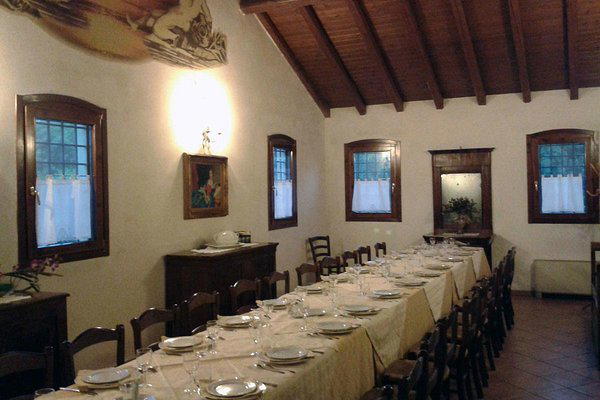
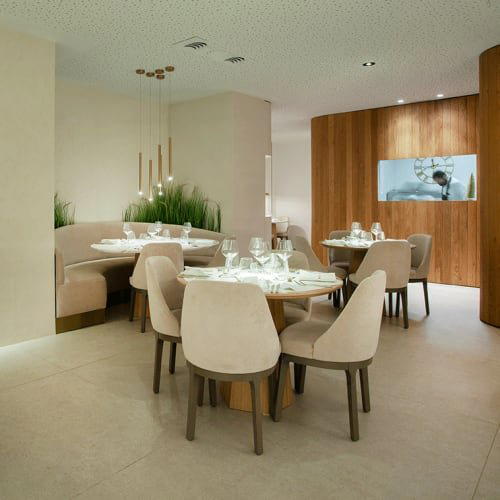
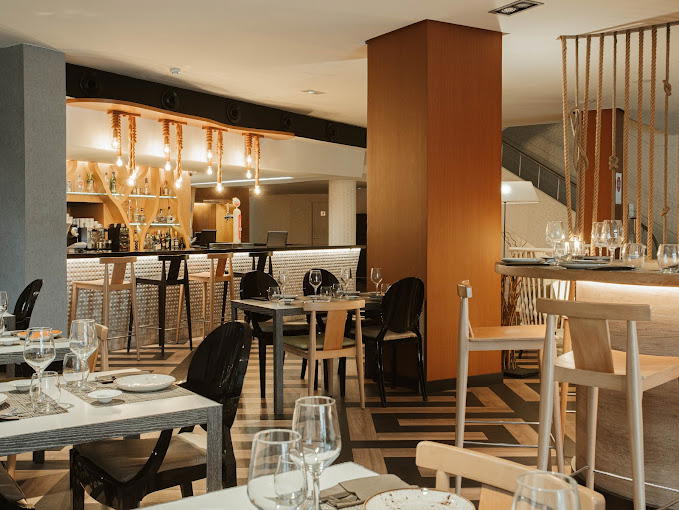
Details
- Rustic
- Casual Hangout
- Family
- Standalone
- Local Sourcing
- A La Carte
Current opening hours
- Monday
- Closed
- Tuesday
- Closed
- Wednesday
- 8 AM–7 PM
- Thursday
- 8 AM–7 PM
- Friday
- 8 AM–7 PM
- Saturday
- 8 AM–7 PM
- Sunday
- 8 AM–7 PM
Hours can change for holidays and private events. Last verified .
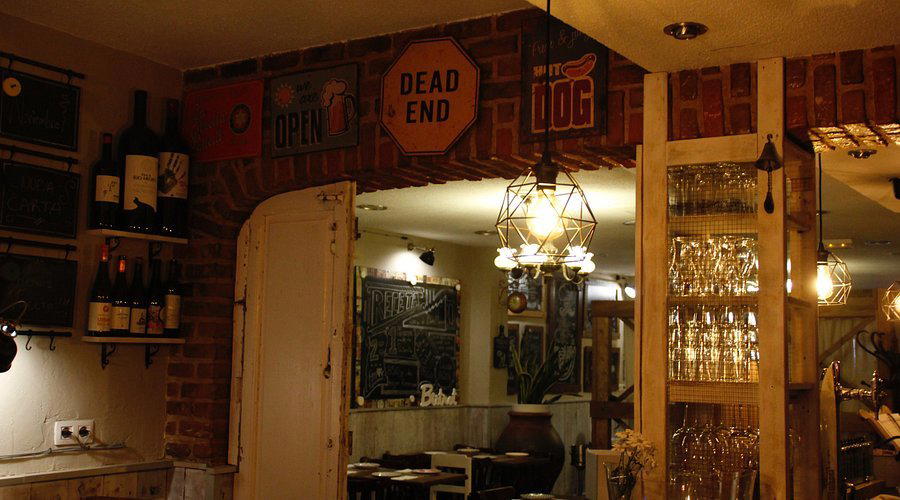
Casual golf club restaurant atmosphere focused on hearty Mediterranean meals.