IZAKAYA Tasca Japonesa


Michelin Bib Gourmand · Macarfi 7.8 Food Rating
Our verdict
A 16-seat izakaya-style eatery on Carrer de Temprado, IZAKAYA Tasca Japonesa holds consecutive Michelin Bib Gourmands (2024 and 2025) for its single rotating tasting menu built around hot Japanese dishes, ramen, gyoza, and slow stews, served at prices that sit below every comparable dining room in Castelló de la Plana. The format is intimate, the flavours direct, and the ritual is deliberate.

Pearl is the En Primeur Club membership app, where members save venues, book tables and use the concierge.
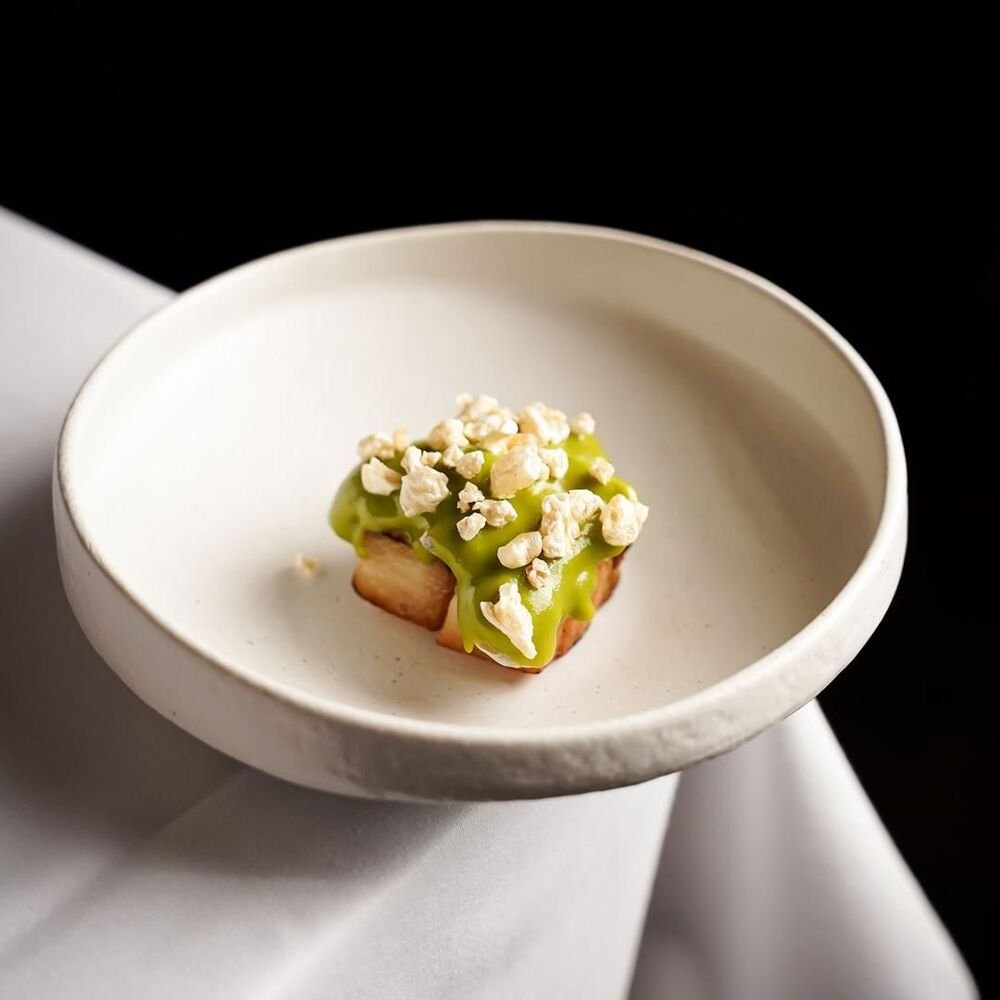
Sixteen seats, one menu, two Michelin Bib Gourmands
In a city where most serious dining rooms sit in the €€ bracket, see Le Bistrot Gastronómico, Arre, and Anhelo, the single-price-tier Japanese counter on Carrer de Temprado occupies a different position entirely. IZAKAYA Tasca Japonesa prices at €, holds consecutive Michelin Bib Gourmands for 2024 and 2025, and seats sixteen people. That combination is rare anywhere in Spain outside the Basque Country and Barcelona, and it has no direct equivalent in Castelló de la Plana.
The room itself signals its priorities immediately. Sixteen seats means the space feels closer to a Tokyo kappo counter or a neighbourhood tachinomi bar than to anything the Valencian Community typically produces under the Japanese banner. There is no performance architecture here, no dramatic lighting, no room to hide behind a large table. The closeness is structural: when a room fits sixteen, every dish arrives in a context shaped by proximity to the kitchen and to other guests. That compression is deliberate, and it matters to how the food lands.
The architecture of the menu
The format is a single surprise tasting menu selected from twelve rotating versions, with the specific menu varying by time of day and day of the week. This is not a tasting menu in the French-influenced sense that has shaped so much of contemporary Spanish dining, the extended procession of small plates that structures experiences at El Celler de Can Roca or DiverXO. Here the rotation is practical and populist. The emphasis falls on hot dishes: ramen with properly constructed broths, gyoza, edamame, and slow-cooked stews. Rice dishes and raw fish appear, but as supporting elements rather than the spine.
That weighting toward heat and broth places this kitchen in a specific Japanese tradition. The izakaya, a casual Japanese drinking-and-eating establishment, typically privileges comfort dishes that work alongside sake and beer, dishes where the primary register is warmth and savoury depth rather than the precision of raw ingredient display. This contrasts with the omakase model, where pristine fish sourcing and temperature control over raw product define the experience. Castelló de la Plana does not have the fish market infrastructure of Tokyo's Tsukiji or even San Sebastián's La Bretxa to support a raw-focused counter at this price point; focusing on hot preparations is both an honest acknowledgment of that and a genre choice that suits the room.
Ingredient logic in an izakaya frame
The editorial angle that unlocks this kitchen is not spectacle, it is stock and base. Ramen is one of Japanese cuisine's most demanding technical formats from an ingredient standpoint: a bowl of tonkotsu, shio, or shoyu is defined almost entirely by the quality of its broth, which in turn depends on the sourcing and treatment of bones, aromatics, and seasoning agents. There is nowhere to hide a weak dashi. The same logic applies to the stews on the menu, where slow reduction amplifies every element of the base liquid.
Chef Sergio Ortega's documented travel practice, multiple trips to Tokyo for direct sourcing reference, maps directly onto this ingredient logic. In the Japanese cooking tradition, the connection between a cook and their suppliers is often described as more important than technical skill: the craft is in understanding what the material requires, not in imposing a concept upon it. At a sixteen-seat operation in a mid-sized Spanish city, that orientation is less about premium provenance storytelling and more about practical fidelity to the genre. The broths either taste like Japan or they do not. The Michelin recognition across two consecutive years suggests the committee found them convincing.
This positions the kitchen differently from the farm-to-table sourcing narrative common at venues like Anhelo or the seafood-forward ingredient story at Tasca del Puerto. The ingredient argument here is about fidelity to a foreign culinary grammar rather than local terroir.
Ritual and room tone
Before each course, the chef claps twice and calls ofrenda, a ritual drawn from Shinto tradition, in which offerings are made to kami, the divine spirits of Japanese belief. In this context the guests become the kami. The gesture is theatrical without being self-serious, and it functions as a pacing device as much as a cultural statement: it marks transitions, focuses the room, and creates a shared cadence for sixteen people who are eating the same menu at the same time.
That kind of structured informality is unusual in Spanish dining outside of the high-end tasting menu format, where courses are typically announced by waitstaff rather than by the chef performing a ritual. It reflects the hybrid identity of the place: a tasca (a modest, local, affordable Spanish eating house) that operates with the service discipline of a single-cook Japanese counter.
Where this sits in Castelló de la Plana's dining scene
The city's restaurant options at the serious end of the spectrum run through several registers. Alessandro Maino takes an international perspective at €€. Arre works in the contemporary Spanish idiom at the same price tier. None of them have received Michelin recognition.
For reference within Spanish Japanese dining at a higher tier, Myojaku and Azabu Kadowaki in Tokyo represent what the omakase counter format produces at its most refined. The gap between those rooms and Carrer de Temprado is wide and deliberate: this kitchen is not competing with Tokyo kaiseki. It is doing something more specific, and at a price point where Michelin recognition is harder to earn than it appears.
Visitors building a full stay in the city can cross-reference our full Castelló de la Plana restaurants guide, hotels guide, bars guide, wineries guide, and experiences guide for broader planning context. For Spanish fine dining at the national level, Aponiente, Arzak, Azurmendi, and Cocina Hermanos Torres set the ceiling against which the Castelló scene is measured.
Planning your visit
IZAKAYA Tasca Japonesa is at Carrer de Temprado, 12002 Castelló de la Plana. The room holds sixteen, which means advance booking is the baseline assumption rather than a precaution, sixteen covers a night fills faster than most people expect for a city of this size, and Michelin recognition across two consecutive years has expanded the audience beyond local regulars. The price tier (€) makes this the most accessible entry point into Michelin-recognised dining in the province. Given the rotating menu structure, twelve versions, varying by time of day and day of the week, a return visit will produce a different meal, which is a practical incentive that most fixed-menu restaurants cannot offer.
Frequently asked questions
Is IZAKAYA Tasca Japonesa formal or casual?
Deliberately casual. The tasca designation signals a Spanish tradition of modest, no-ceremony eating, and the sixteen-seat room reinforces that register. Two Michelin Bib Gourmands recognise the cooking, not the décor, dress code is irrelevant here.
Is IZAKAYA Tasca Japonesa expensive?
Pricing at IZAKAYA Tasca Japonesa is listed as €.
What distinctions does IZAKAYA Tasca Japonesa have?
IZAKAYA Tasca Japonesa has received recognition including: If a total immersion in popular Japanese cuisine sounds appealing, this small, modest and informal 'tasca'-style eatery (with space for just 16 guests) will fit the bill, thanks to its pure Japanese cuisine featuring including powerful and ….
What should I order at IZAKAYA Tasca Japonesa?
There is no à la carte, Chef Sergio Ortega presents a single surprise tasting menu selected from twelve rotating versions, with the specific menu varying by time of day and day of the week. The kitchen weights the menu toward hot dishes: ramen, gyoza, edamame, and stews take precedence over rice and raw fish.
The Essentials
| Venue | Cuisine | Price | Awards | Notes |
|---|---|---|---|---|
| IZAKAYA Tasca JaponesaThis venue (the venue you are viewing) | Authentic Izakaya Japanese Tavern | $30–50 | Michelin Bib Gourmand · Macarfi 7.8 Food Rating | Not listed |
| Le Bistrot Gastronómico | European-Japanese Fusion | $50–100 | Michelin Bib Gourmand · Macarfi 7.5 Food Rating | Fusion |
| Alessandro Maino | Modern Italian Fine Dining with French Influences | $50–100 | Michelin Plate · Macarfi 8.2 Food Rating | International |
| Anhelo | Contemporary Mediterranean Fine Dining | $50–100 | Michelin Plate · Macarfi 8 Food Rating | Farm to table |
| Arre | Modern Valencian with Grill | $30–50 | Michelin Bib Gourmand · Macarfi 7.6 Food Rating | Contemporary |
| Tasca del Puerto | Traditional Spanish Seafood & Paella | $30–50 | Michelin Plate · Macarfi 7.2 Food Rating | Seafood |
Recognition history
Dated appearances from independent guides and award organizations, with the underlying list record or original source where available.
Michelin Bib Gourmand
Michelin
Macarfi 7.8 Food Rating
Macarfi
Full recognition history (4 entries)
Michelin Bib Gourmand
Michelin
Michelin Bib Gourmand
Michelin
Continue exploring
More in Castelló de la Plana
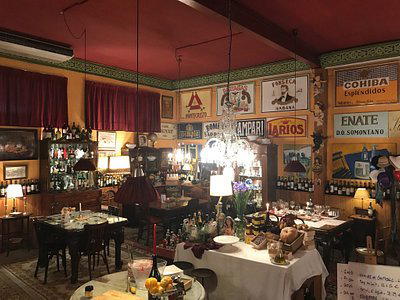
Restaurants in Castelló de la Plana
All restaurants in Castelló de la Plana →
Wineries in Castelló de la Plana
Browse all →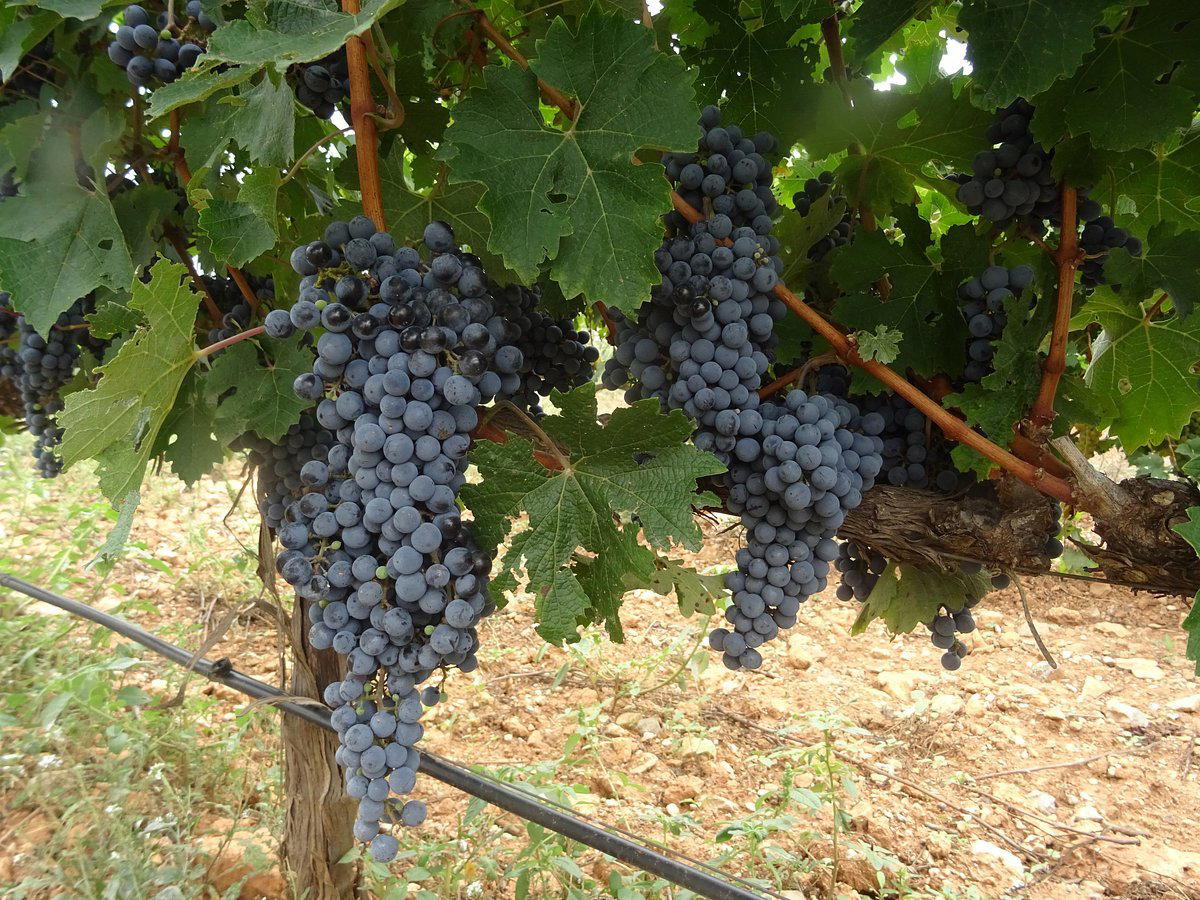
Details
- Cozy
- Intimate
- Trendy
- Date Night
- Casual Hangout
- Open Kitchen
- Sake Program
- Small Plates
- Tasting Menu
- Sake Program
- Vegetarian Friendly
Current opening hours
- Monday
- Closed
- Tuesday
- Closed
- Wednesday
- Closed
- Thursday
- 8–9:30 PM, 10–11:30 PM
- Friday
- 8–9:30 PM, 10–11:30 PM
- Saturday
- 2:30–5 PM, 8–9:30 PM, 10–11:30 PM
- Sunday
- 2:30–5 PM
Hours can change for holidays and private events. Hours as of .
Cozy, modest, and informal small space seating 16 guests with warm, familiar service.