

Michelin Bib Gourmand · Macarfi 7.6 Food Rating
Our verdict
Set inside what is reputed to be the oldest civic building in Castelló de la Plana, Arre frames contemporary Valencian cooking within medieval stone arches and a 14th-century decorative oven. Chef Pedro Salas structures the experience around four distinct menus, from traditional rice and grill formats to a fine-dining progression, each rooted in the flavours of the surrounding region. A Michelin Plate recognition in 2025 confirms its position in the city's upper-mid dining tier.

Pearl is the En Primeur Club membership app, where members save venues, book tables and use the concierge.
Stone Arches, Living Menus
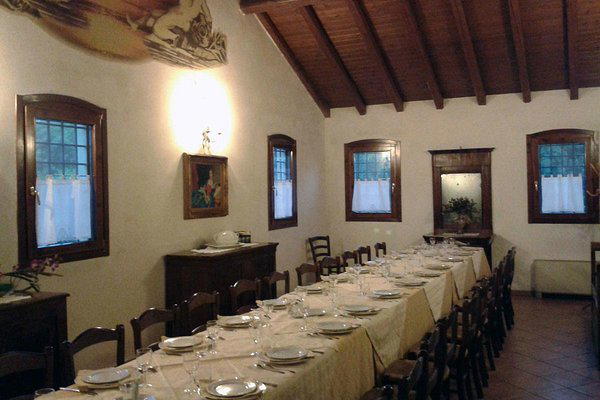
The building on Carrer Antonio Maura does most of the talking before a dish arrives. Large stone arches frame the dining room, remnants of the ancient city walls that once defined this block. A 14th-century oven sits in the corner, decorative now but visually present, a reminder that cooking and civic life have shared this address for centuries. This is reputed to be the oldest civic building in Castelló de la Plana, and the space carries that history without performing it. The stone is structural, not theatrical.
In Spain's contemporary dining scene, the tension between regional tradition and modern technique is often resolved one way or the other: a restaurant either leans into rustic authenticity or abandons it for abstraction. Arre, holding a Michelin Plate recognition in 2025, occupies a more deliberate middle position. The cooking is anchored in the flavours of Castelló and the surrounding Comunitat Valenciana, but the framing is modern. The architecture does not dictate the food, and the food does not ignore the architecture.
The Structure of the Meal
What distinguishes the dining ritual at Arre from much of the mid-range contemporary scene in provincial Spanish cities is the degree of structure applied to the menu format. Chef Pedro Salas has organised the experience around four distinct menus, each with a different register and intention, rather than offering a single tasting sequence or a conventional à la carte.
The Senda menu is the most traditional. It presents a choice between arroz al horno, the classic Valencian baked rice dish, and a Torrà grilled format where the cooking is completed on a grill brought to the table. This is an important distinction: tableside finishing is a commitment to the guest's involvement in the meal, a deliberate ritual rather than a passive reception of plated food. In the broader context of Spanish rice culture, where Valencia's claim to the dish is foundational, offering arroz al horno in this setting is a statement about local specificity rather than a concession to tradition.
The Vía Verde menu takes a vegetarian position. In a city where seafood from the nearby coast and meat from the interior mountains dominate menus, a dedicated vegetarian progression signals a conscious expansion of the kitchen's range. It sits in the same mid-price tier as Senda but with a different compositional logic.
Ramal menu moves into fine-dining register. At the €€ price point that defines Arre's positioning, Ramal represents the kitchen's more technically ambitious work, structured for guests who want a longer, more considered sequence rather than a single centrepiece dish.
Vía Augusta menu draws its name from the Roman road that ran along Spain's eastern coast, and its logic follows that geography: a progression that moves between the sea and the mountains, tracing the produce corridors that have defined this region's cooking for centuries. It is the most expansive of the four options in its ambitions, framing Castelló's food culture as a product of its dual environment, Mediterranean coastline to the east, interior ranges to the west.
Ritual, Pacing, and the Final Gesture
Pacing at Arre is shaped by the menu choice rather than imposed uniformly across the table. A guest ordering from Senda and finishing at the grill moves through a different rhythm than one following the Vía Augusta sequence. This is less common than it sounds: most restaurants at this tier enforce a single tempo across the room. The format here requires the kitchen to hold multiple registers simultaneously.
The meal ends with a gift: a book of local legends from Castelló and the surrounding region. As closing gestures go, this one is considered. It reframes the meal not as a transaction but as an introduction to a place, extending the conversation beyond the dining room. It is also a curatorial act, a statement that the food served is part of a broader regional story worth knowing.
Where Arre Sits in Castelló's Dining Picture
Castelló de la Plana is not a city that draws international food press the way Valencia or San Sebastián does, but its dining scene has developed a small tier of restaurants with clear editorial ambition and Michelin acknowledgment. Arre's Plate recognition places it in that tier alongside other addresses operating at the upper end of the city's mid-range. For wider context on what EP Club tracks in the city, the full Castelló de la Plana restaurants guide covers the complete picture.
Within that local set, comparison is instructive. IZAKAYA Tasca Japonesa works at a lower price point with a Japanese format, while Le Bistrot Gastronómico, Alessandro Maino, and Anhelo occupy the same €€ bracket with international, contemporary, and farm-to-table approaches respectively. Tasca del Puerto anchors the seafood side of the same tier. Arre's differentiation within that peer group is the combination of historic setting, structured menu architecture, and a deliberate focus on Valencian land-and-sea produce.
For Spanish contemporary cooking at higher intensity and starred recognition, the broader national context includes El Celler de Can Roca in Girona, Arzak in San Sebastián, Azurmendi in Larrabetzu, Aponiente in El Puerto de Santa María, Cocina Hermanos Torres in Barcelona, and DiverXO in Madrid. For contemporary dining beyond Spain, César in New York City and Jungsik in Seoul offer points of reference for how the format travels internationally.
Planning Your Visit
Arre is located at Carrer Antonio Maura, 31, in the centre of Castelló de la Plana, within walking distance of the city's main commercial and cultural area. The €€ price positioning makes it accessible for a main meal without significant pre-planning on budget. Given the four-menu structure, it is worth deciding in advance which format suits the occasion: Senda for a grounding in Valencian tradition, Ramal for a more composed progression, or Vía Augusta if the sea-to-mountain narrative is the draw.
For those building a longer stay around the table, EP Club also covers hotels in Castelló de la Plana, bars, wineries, and experiences across the city and surrounding province.
Frequently asked questions
What should I order at Arre?
The answer depends on what you want the meal to do. The Senda menu is the most direct route into Castelló's cooking traditions: the arroz al horno is a regional dish with deep roots in Valencian food culture, and the Torrà option, finished on a grill at the table, adds an interactive element that makes the meal more than passive consumption. For a more considered, multi-course progression, the Ramal menu is the appropriate choice at this price tier. Vía Augusta is the most ambitious structurally, built around the region's coastal and mountain produce in sequence. All four menus sit within the €€ bracket, and the Michelin Plate (2025) recognition applies to the kitchen as a whole rather than any single format. The book of local legends presented at the end of the meal is a consistent feature and worth reading as a companion to the Vía Augusta narrative in particular.
What It’s Closest To
| Venue | Cuisine | Price | Awards | Notes |
|---|---|---|---|---|
| ArreThis venue (the venue you are viewing) | Modern Valencian with Grill | $30–50 | Michelin Bib Gourmand · Macarfi 7.6 Food Rating | Not listed |
| IZAKAYA Tasca Japonesa | Authentic Izakaya Japanese Tavern | $30–50 | Michelin Bib Gourmand · Macarfi 7.8 Food Rating | Japanese |
| Le Bistrot Gastronómico | European-Japanese Fusion | $50–100 | Michelin Bib Gourmand · Macarfi 7.5 Food Rating | Fusion |
| Alessandro Maino | Modern Italian Fine Dining with French Influences | $50–100 | Michelin Plate · Macarfi 8.2 Food Rating | International |
| Anhelo | Contemporary Mediterranean Fine Dining | $50–100 | Michelin Plate · Macarfi 8 Food Rating | Farm to table |
| Tasca del Puerto | Traditional Spanish Seafood & Paella | $30–50 | Michelin Plate · Macarfi 7.2 Food Rating | Seafood |
Recognition history
Dated appearances from independent guides and award organizations, with the underlying list record or original source where available.
Michelin Bib Gourmand
Michelin
Macarfi 7.6 Food Rating
Macarfi
Full recognition history (3 entries)
Michelin Plate
Michelin
Continue exploring
More in Castelló de la Plana
Restaurants in Castelló de la Plana
All restaurants in Castelló de la Plana →
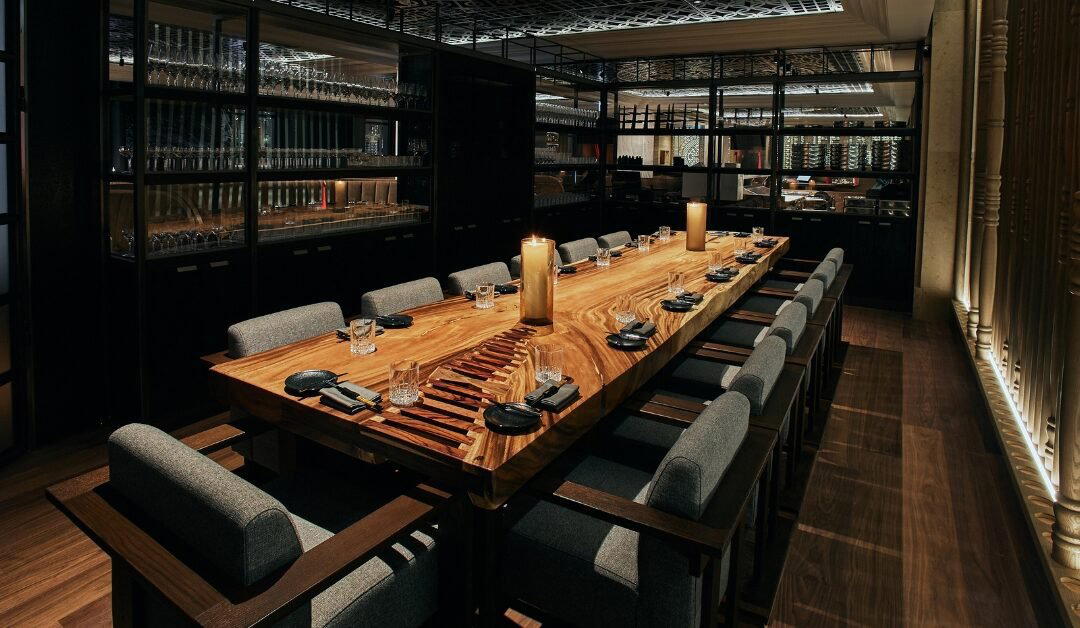
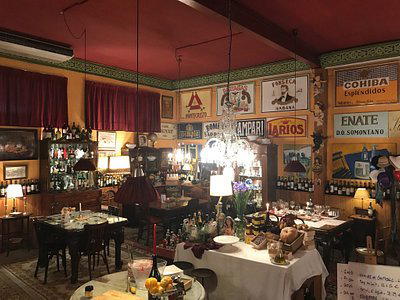
Wineries in Castelló de la Plana
Browse all →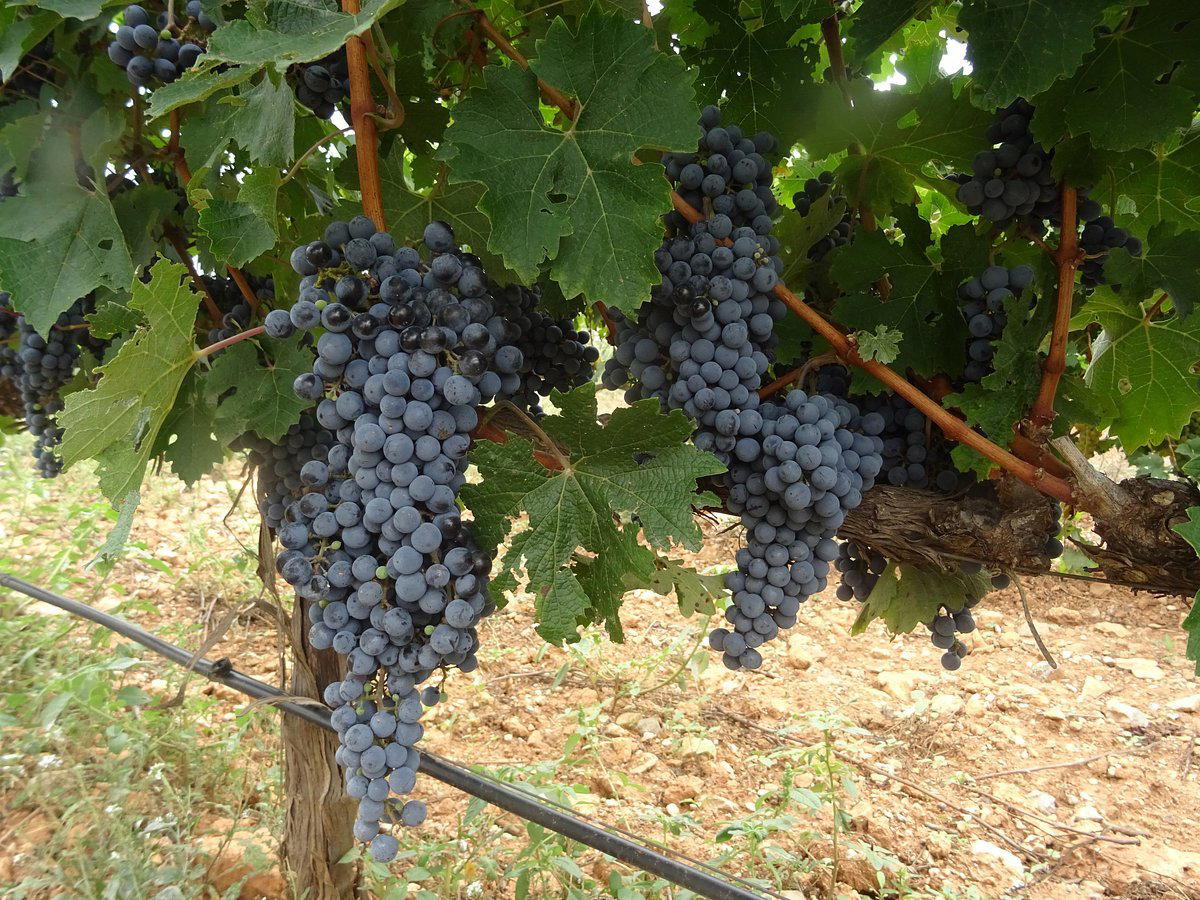
Details
- Rustic
- Cozy
- Historic
- Intimate
- Date Night
- Special Occasion
- Historic Building
- Local Sourcing
- Set Menu
- Vegetarian Friendly
Current opening hours
- Monday
- 1–4 PM, 8:30–11 PM
- Tuesday
- 1–4 PM
- Wednesday
- Closed
- Thursday
- 1–4 PM, 8:30–11 PM
- Friday
- 1–4 PM, 8:30–11 PM
- Saturday
- 1–4 PM, 8:30–11 PM
- Sunday
- 1–4 PM
Hours can change for holidays and private events. Hours as of .
Rustic atmosphere with wood and stone elements resembling a mountain refuge, cozy, quiet, and charming with historic charm.