Taverna Posta Zirm sits on Str. Col Alt in Corvara in Badia, within the Alta Badia valley of the South Tyrol Dolomites. The taverna format is deeply embedded in the region's Ladin cultural tradition, where mountain hospitality and alpine cooking converge in settings that predate the ski resort era. Corvara's dining scene, small but concentrated, makes Posta Zirm a reference point for visitors seeking authentic valley character rather than resort-facing cuisine.
Pearl is the En Primeur Club membership app — saves, bookings, and concierge access live there. Same editors, same standards.
- Address
- Str. Col Alt, 95, 39033 Corvara in Badia BZ, Italy
- Phone
- +39471833894
- Website
- postazirm.com
- Directions
- Get directions
 Saves & bookings on Pearl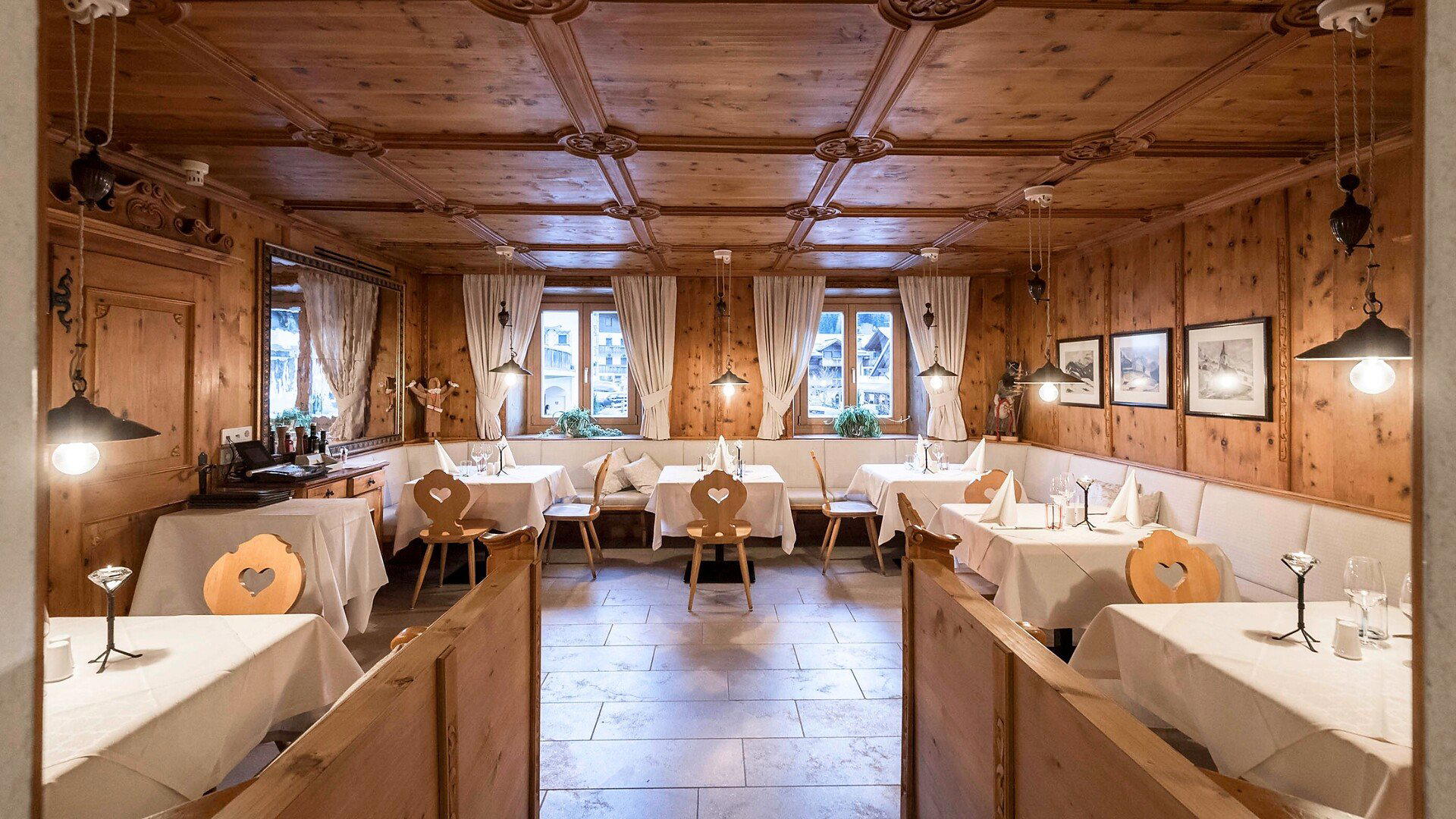
Alta Badia's Taverna Tradition and Where Posta Zirm Sits Within It
The word taverna in the South Tyrol carries freight that a simple translation to "tavern" doesn't capture. In the Alta Badia valleys, the taverna format evolved over centuries as a meeting point for the Ladin-speaking communities who settled between the Dolomite ridgelines, long before the area became one of Europe's most concentrated alpine ski destinations. These were places where shelter, sustenance, and community overlapped, and strong examples among them have carried that layered function into the present without abandoning it to pure tourism. Taverna Posta Zirm, at Str. Col Alt 95 in Corvara in Badia, sits within that tradition, in a village whose dining character has become more complex and more scrutinised over the past two decades.
Corvara occupies a position in the Alta Badia that is geographically precise and culturally distinct. It is not a large resort town by Alpine standards, but it draws a clientele that skews toward those who know the difference between a ski destination and a Dolomite one. That distinction matters for how dining operates here: the village supports a range of formats from resort-facing hotel restaurants to more deeply rooted local tables, and the taverna model sits closer to the latter.
The Physical Setting and What It Signals
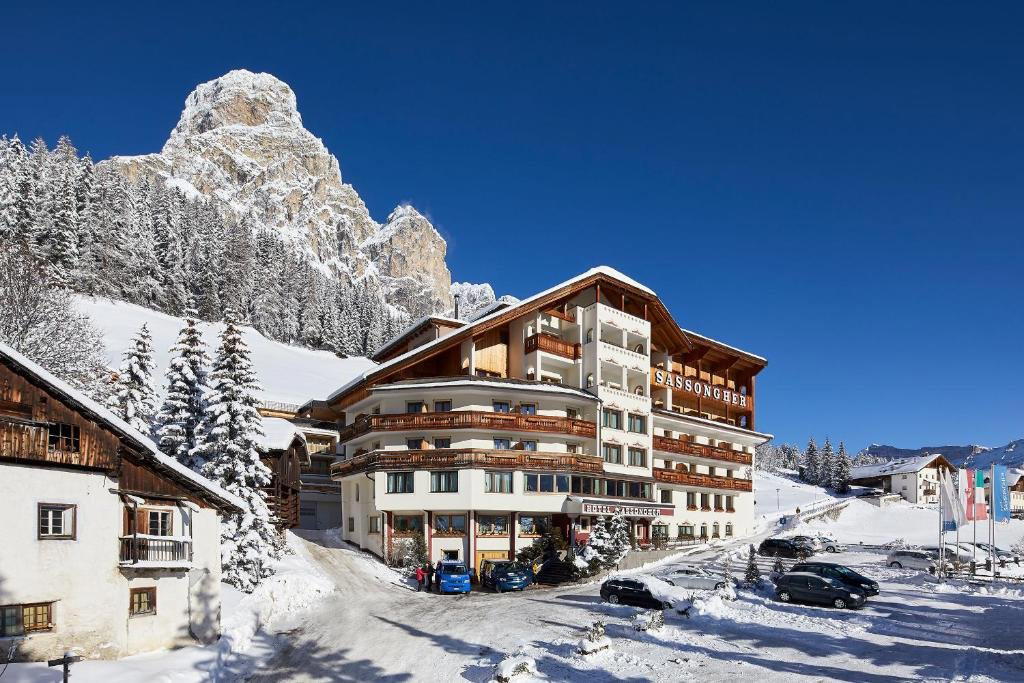
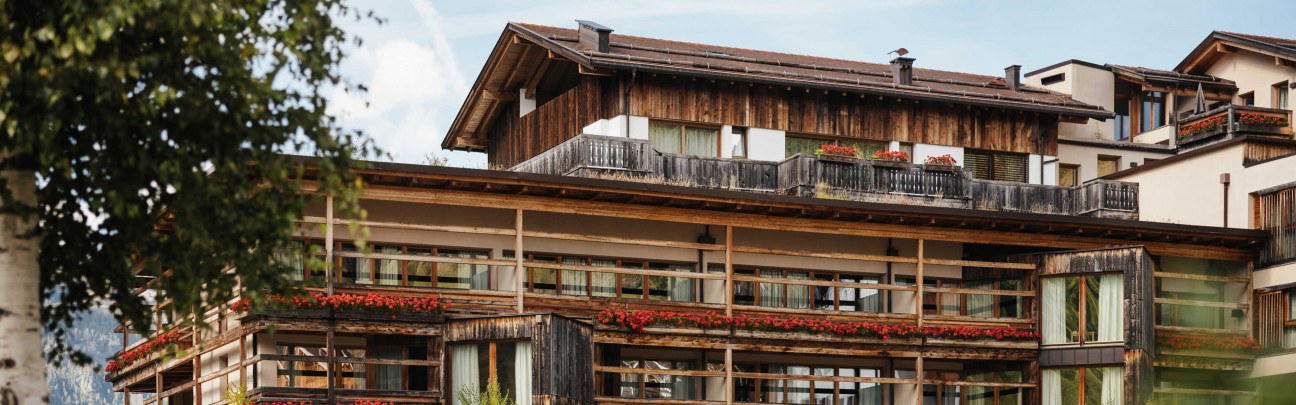
Approaching along Str. Col Alt, the address places Posta Zirm in a corridor that also anchors other notable Corvara dining references, including Col Alt. The Col Alt address is not incidental geography, it is one of Corvara's primary hospitality arteries, where the older and more established properties tend to cluster. In alpine dining contexts, physical permanence matters: buildings that have stood through multiple hospitality eras carry a credibility that newer, purpose-built resort restaurants do not. That credibility is architectural as much as culinary, embedded in the materials, the scale, and the way the interior mediates between the mountain exterior and the warmth expected inside.
South Tyrolean tavernas at their most characteristic are defined by a set of spatial cues: wood-panelled interiors using local timber, proportions that feel domestic rather than commercial, and a relationship between indoor comfort and outdoor severity that the Dolomite climate enforces. Posta Zirm fits that tradition.
Ladin Cuisine and the Cultural Stakes of the Alta Badia Table
The Ladin-speaking communities of the Alta Badia represent among the more intact minority cultural groups in the Alps, and their food culture is one of the clearest expressions of that continuity. Ladin cuisine is neither straightforwardly Italian nor straightforwardly Austrian, though it bears traces of both. It operates on a logic of altitude and season: what can be preserved, what can be cured, what can be grown at elevation, and how the cold months shape what goes on the plate. Dishes like ciancioi (stuffed pasta with mountain herbs and local cheese), puzzone cheese preparations, barley soups, and game-forward secondi reflect a culinary grammar developed over centuries of relative isolation.
This is the context in which a venue calling itself a taverna in Corvara operates. The cultural stakes are not trivial: the Ladin food tradition is specific enough that it is taught and transmitted as part of a broader effort to preserve the language and customs of the community. At the higher end of the Alta Badia dining spectrum, venues like Atelier Moessmer Norbert Niederkofler in Brunico have brought attention to South Tyrolean mountain cooking by working within and around these traditions. Posta Zirm operates in a different register, but the same cultural substrate informs it.
For comparison within Italy's broader fine dining geography, the range is wide: from the coastal precision of Uliassi in Senigallia to the rural northern rigor of Dal Pescatore in Runate, or the Piedmontese ambition of Piazza Duomo in Alba. The taverna format in Alta Badia is a different animal entirely, concerned less with culinary statement and more with the continuity of a specific place-based eating culture.
Corvara's Dining comparable set and How to Read It
Within Corvara itself, the dining tier is bookended by a handful of hotel-anchored properties. Hotel La Perla represents one pole, a property with long-standing recognition and a formal dining format that draws destination visitors. Sporthotel Panorama anchors a different position in the market, one more explicitly tied to the active-travel guest. The taverna format, by contrast, tends to operate independently of the hotel dining circuit, serving both locals and visitors who want something less mediated by resort logic.
Italy's most formally recognised restaurants, Osteria Francescana in Modena, Le Calandre in Rubano, Enoteca Pinchiorri in Florence, Enrico Bartolini in Milan, Casa Perbellini 12 Apostoli in Verona, Da Vittorio in Brusaporto, Reale in Castel di Sangro, and Quattro Passi in Marina del Cantone, operate at a remove from the taverna tradition in every sense: format, price, geography, and intent. Internationally, the gap is wider still, whether you're thinking about the technical precision of Le Bernardin in New York City or the tasting-menu intensity of Atomix in New York City. None of that comparison diminishes the taverna; it simply clarifies the tier and the intent.
Planning a Visit
Corvara in Badia is most accessible during the winter ski season and the summer hiking months, with the shoulder periods in late spring and early autumn seeing reduced activity across many local venues.
Cost and Credentials
Comparable venues nearby, for context on price, style, and recognition.
| Venue | Cuisine | Price | Notes |
|---|---|---|---|
| Taverna Posta ZirmThis venue — the venue you are viewing | Not listed | $$$ | Not listed |
| Sporthotel Panorama | Not listed | $$$ | Corvara in Badia, Modern Alpine Italian with Regional Specialties |
| Col Alt | Corvara, Modern Alpine Italian | $$$ | Not listed |
| Hotel La Perla | Corvara in Badia, Tyrolean Fine Dining | $$$$ | Not listed |
| Gostnerhof | Not listed | $$$ | Barbian, South Tyrolean Farmhouse Cuisine |
| Comici Hütte | Not listed | $$$ | Selva di Val Gardena, Alpine Seafood Italian |
Continue exploring
More in Corvara
Restaurants in Corvara
Browse all →
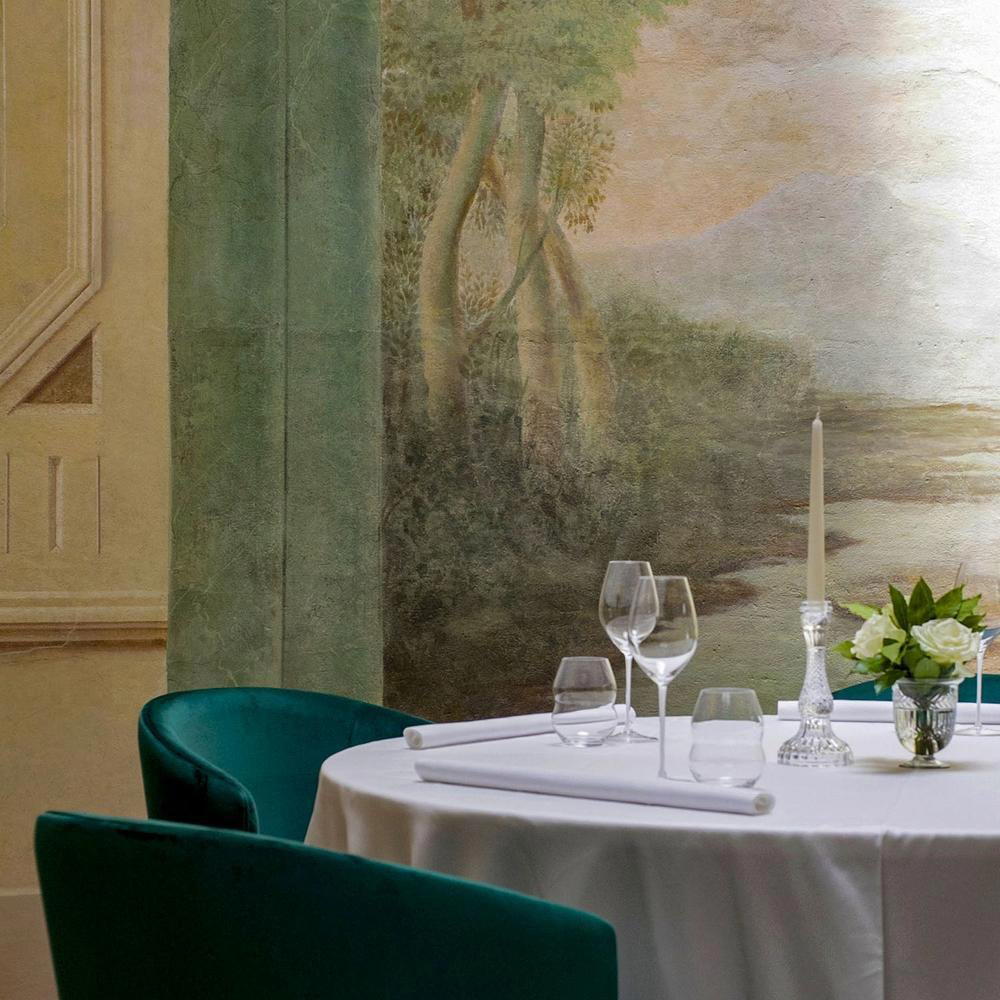
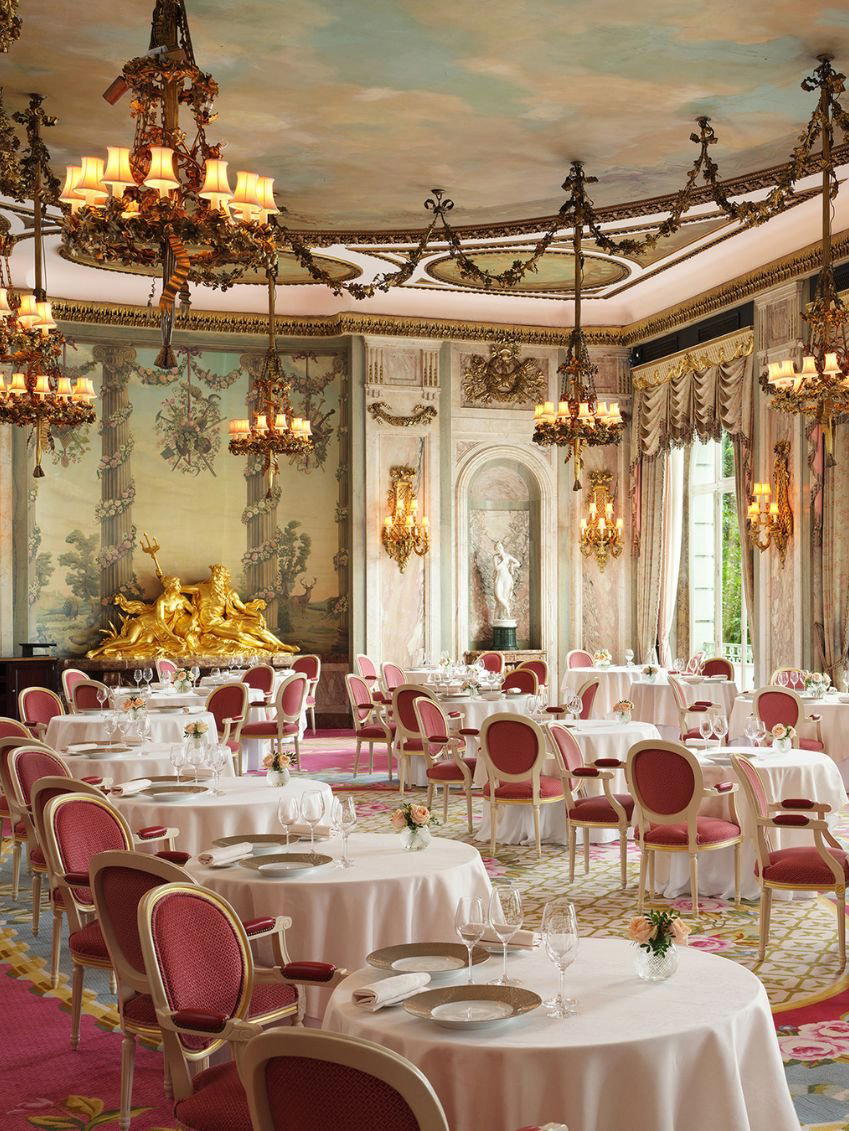
Bars in Corvara
Browse all →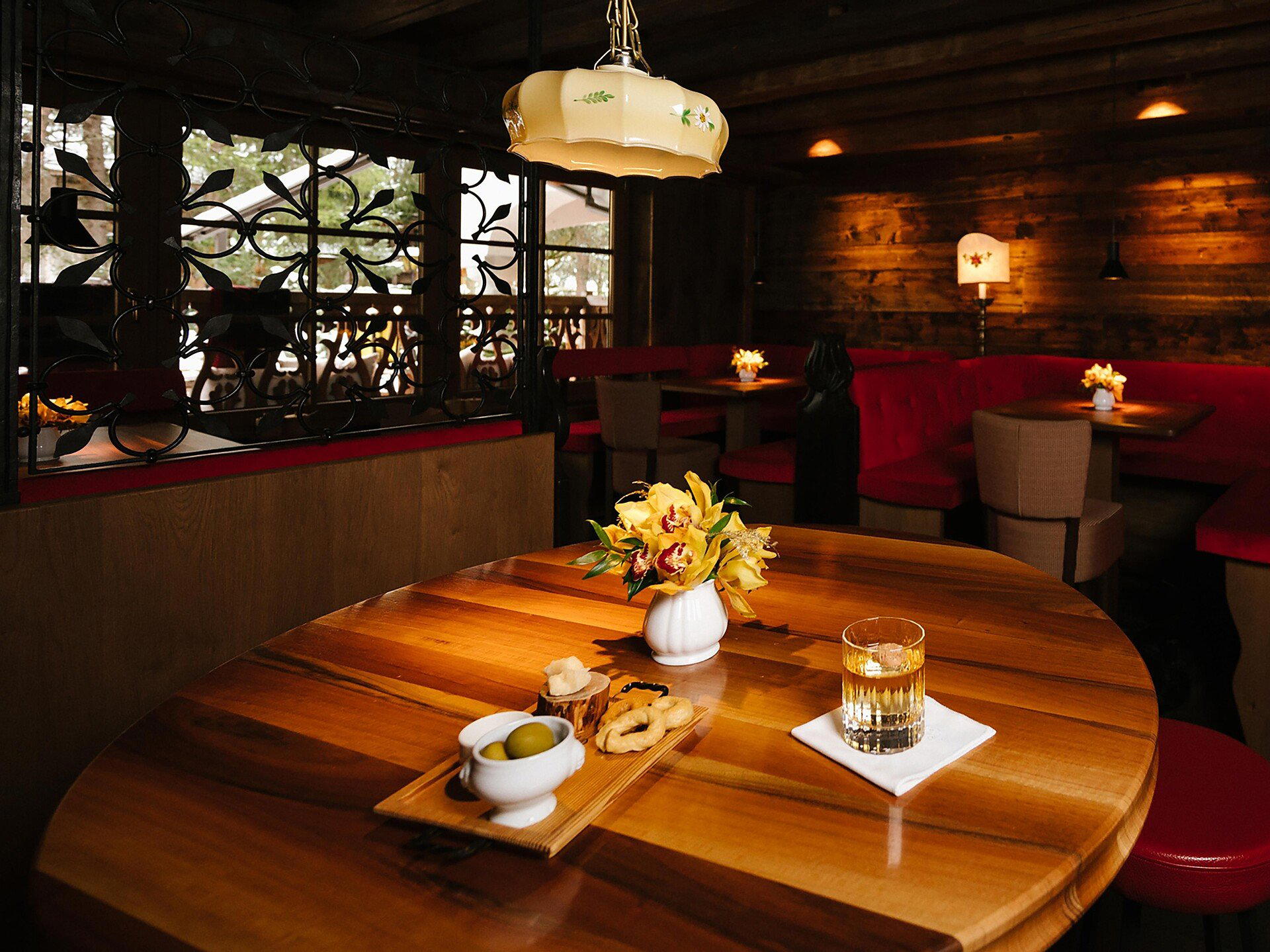
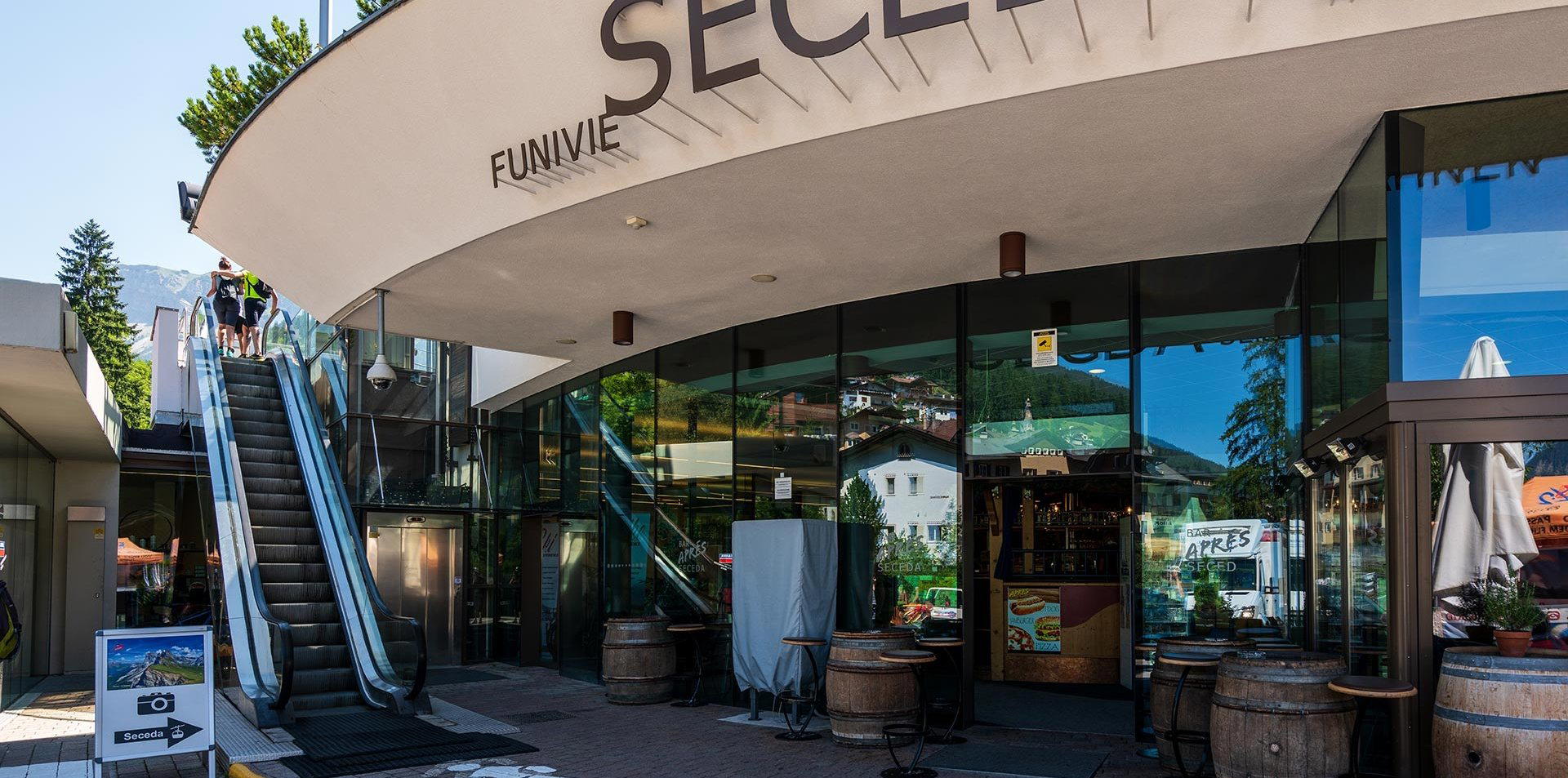
Hotels in Corvara
Browse all →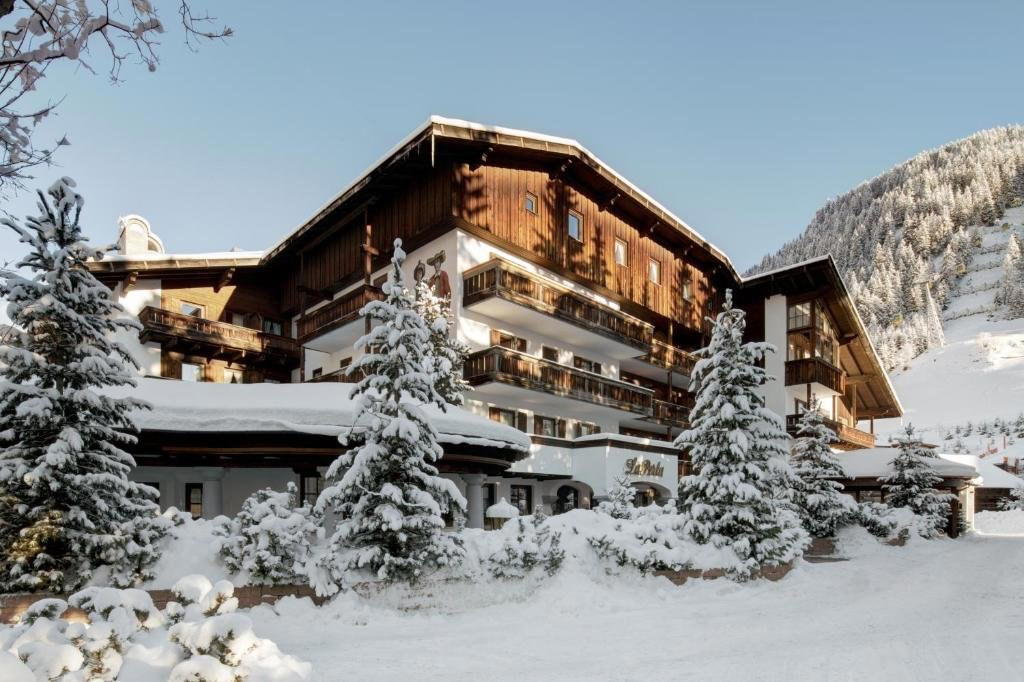

At a Glance
- Rustic
- Cozy
- Casual Hangout
- Family
- Historic Building
- Hotel Restaurant
- Local Sourcing
- Mountain
Current opening hours
- Monday
- 7:30 AM–10 PM
- Tuesday
- 7:30 AM–10 PM
- Wednesday
- 7:30 AM–10 PM
- Thursday
- 7:30 AM–10 PM
- Friday
- 7:30 AM–10 PM
- Saturday
- 7:30 AM–10 PM
- Sunday
- 7:30 AM–10 PM
Hours can change for holidays and private events. Last verified .
Traditional with modern touches, cheerful, upbeat, simple, and informal using original Dolomite materials.