Gostnerhof serves South Tyrolean farmhouse cuisine in Barbian, with vineyard and mountain views, farm-to-table sourcing, and a quiet, leisurely dinner format.
Pearl is the En Primeur Club membership app — saves, bookings, and concierge access live there. Same editors, same standards.
- Address
- Via Barbiano, 9, 39040 Barbiano BZ, Italy
- Phone
- +393396225166
- Website
- gostnerhof.com
- Directions
- Get directions
 Saves & bookings on Pearl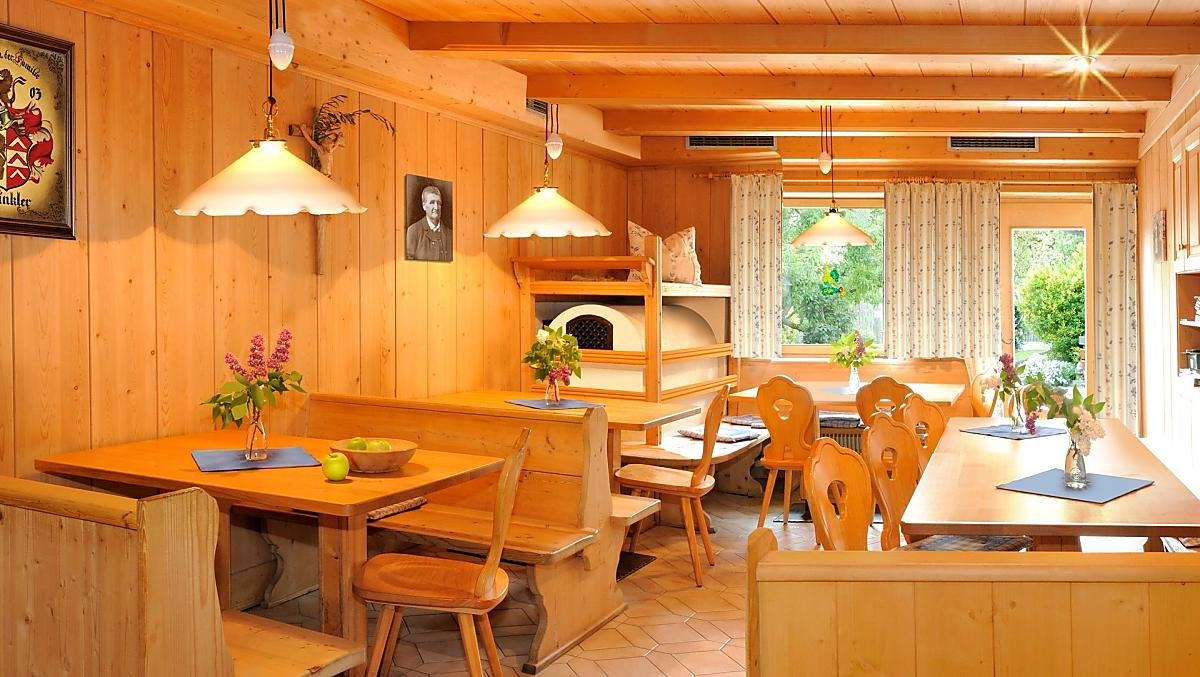
Where the Eisack Valley Feeds the Table
The road into Barbian climbs through a corridor of apple orchards and spruce forest. At this altitude in South Tyrol, the growing season is compressed, and the soils are thin and mineral-rich. Gostnerhof sits within that agricultural reality, on Via Barbiano, 9 in Barbian, where reservations are recommended for this South Tyrolean farmhouse-cuisine restaurant. That circumstance shapes what arrives on the table here more directly than any tasting-menu philosophy could.
South Tyrol's Ingredient Logic
To understand what a place like Gostnerhof represents, it helps to understand how South Tyrol operates as a food region. The province sits at the intersection of German, Austrian, and Italian culinary traditions, and its larder reflects all three: cured speck aged in mountain air, rye bread with caraway, apple varieties that predate commercial cultivation, dairy from cows that graze above 1,200 metres, and foraged herbs that don't travel well precisely because they lose their character the moment they leave altitude. The leading tables in this valley work from that inventory because it's what the surroundings produce, not because farm-to-table became a marketing category.
That sourcing logic distinguishes the South Tyrolean dining tradition from its counterparts in the wealthier restaurant corridors further south. At Osteria Francescana in Modena or Enoteca Pinchiorri in Florence, the ingredient story is constructed around a national pantry assembled at scale. In the Eisack Valley, the pantry is local by necessity and by geography: what grows here is what gets cooked, and the menu shifts when the season shifts, not when the chef decides it should.
The Setting Before the Plate
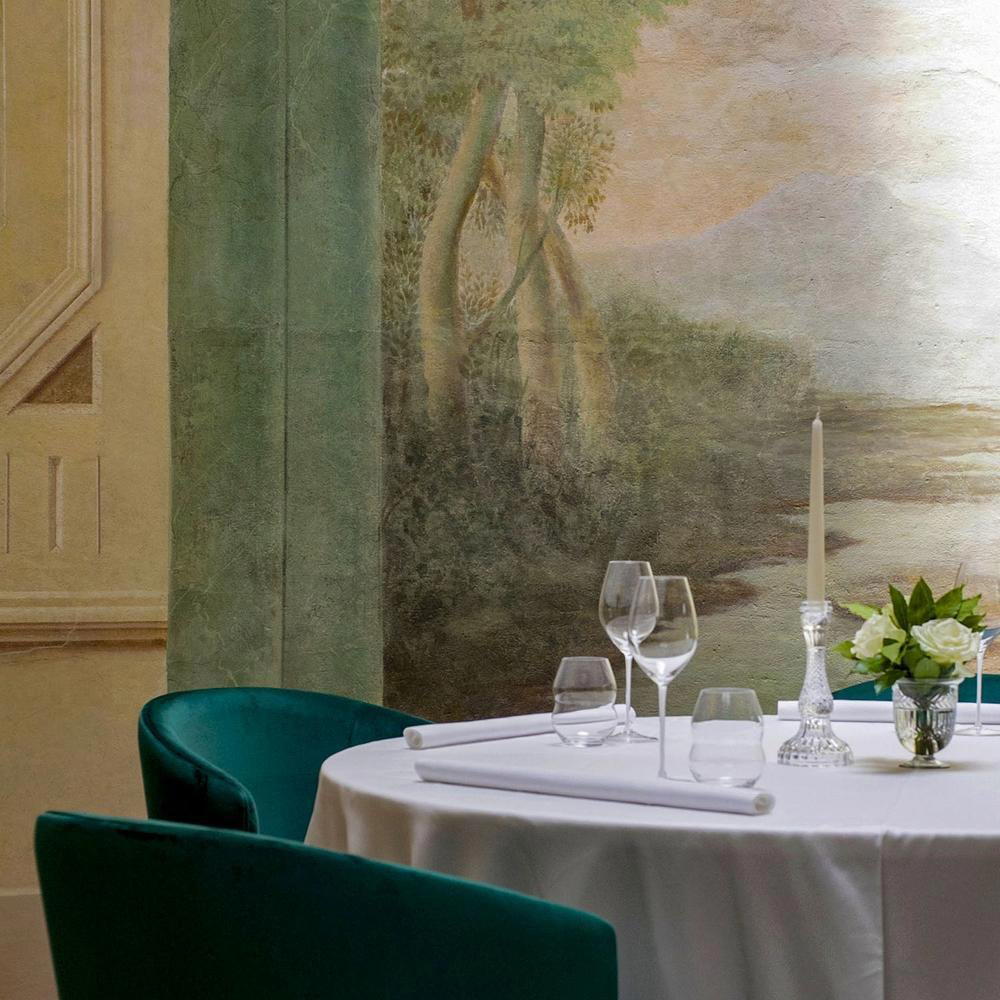
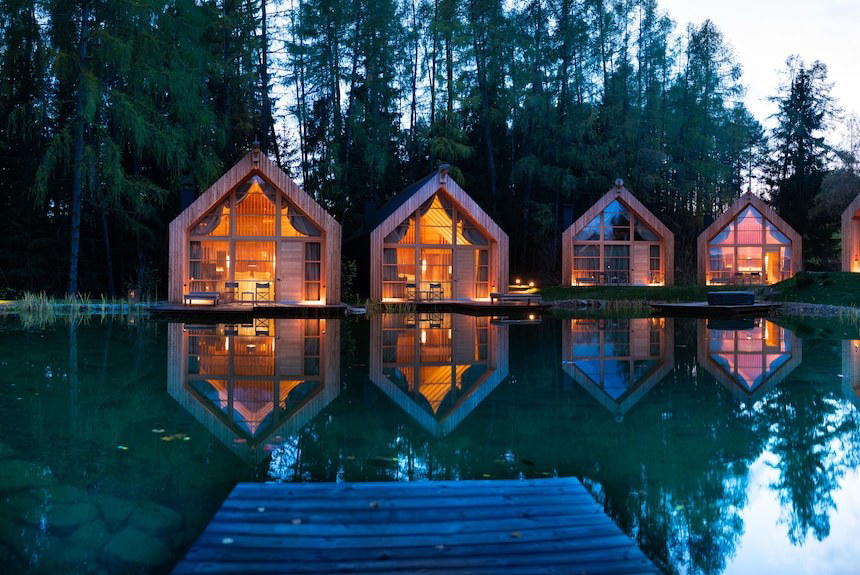
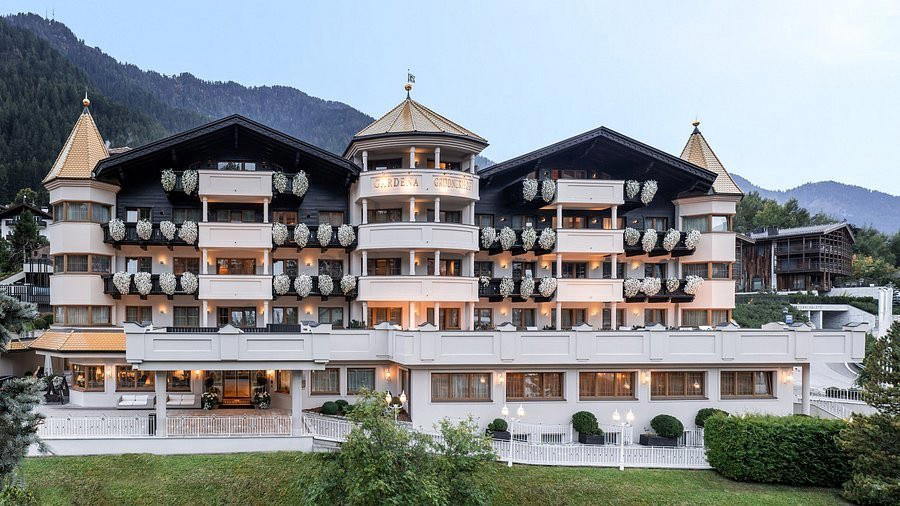
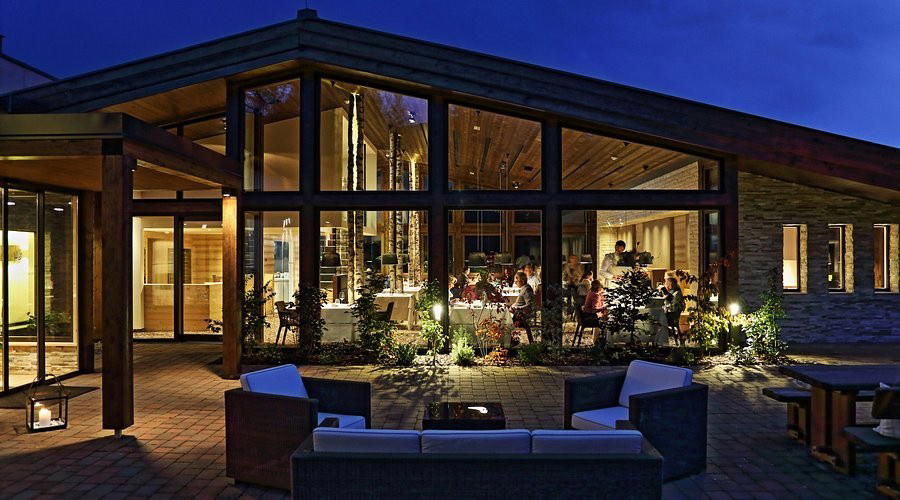
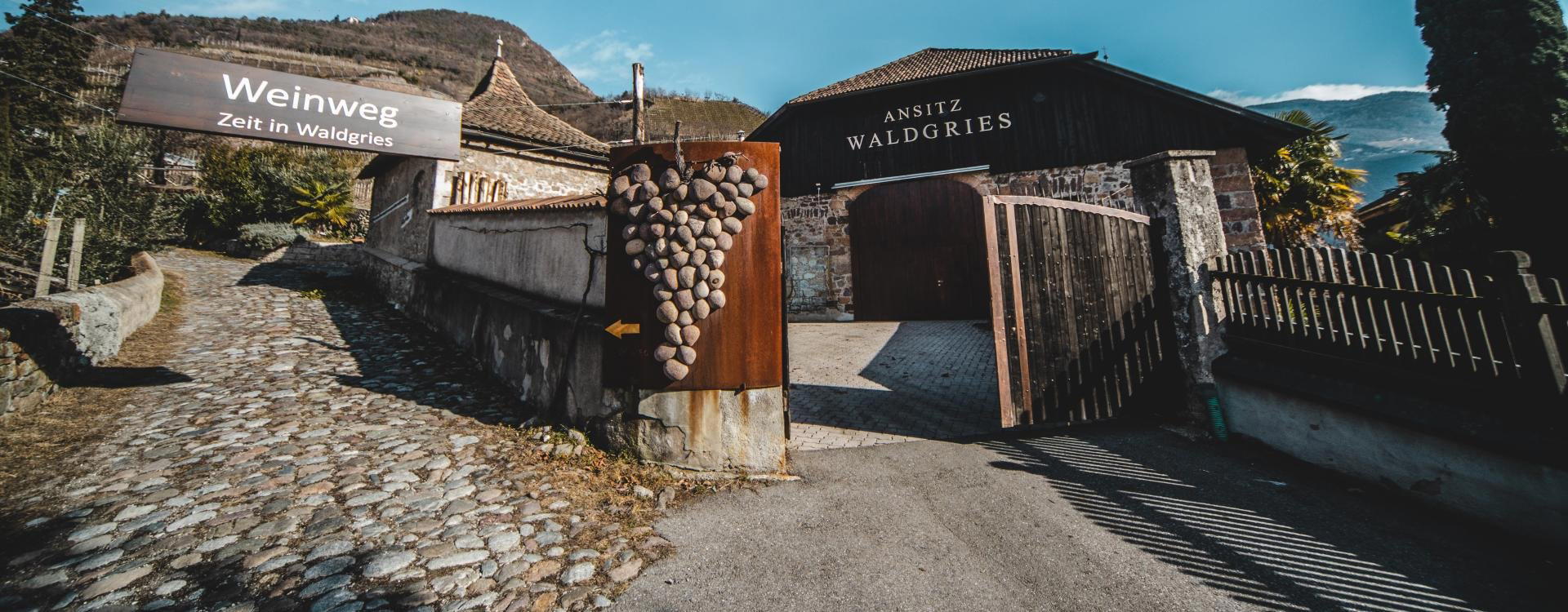
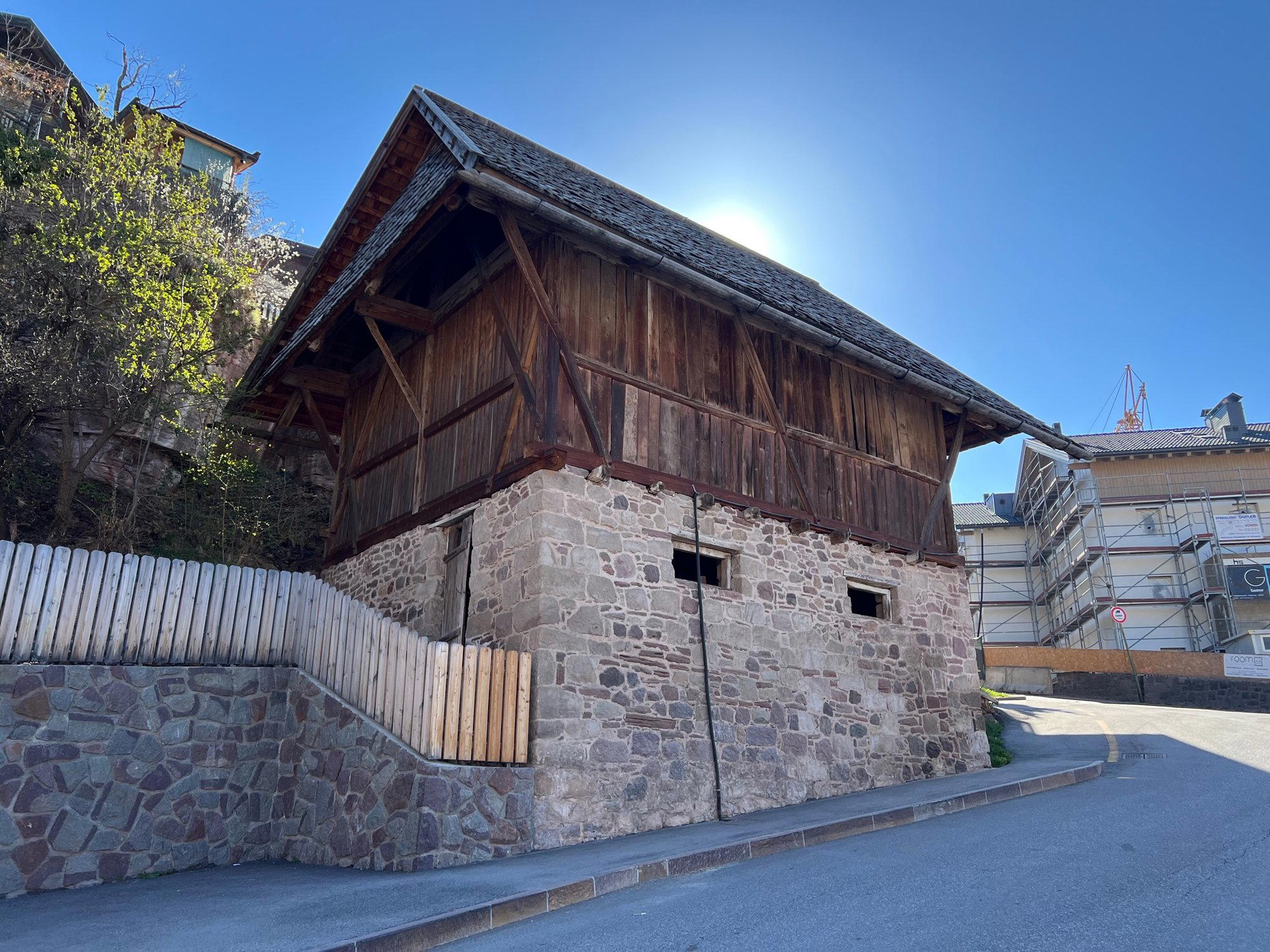
Barbian itself is a commune of fewer than 1,500 residents, clustered across a series of terraced hillsides above the valley floor. The physical approach to Gostnerhof at Via Barbiano, 9 follows the pattern common to South Tyrolean farmsteads: stone construction, deep-set windows, and a relationship to the surrounding land that looks less like design and more like the building grew there. The dining environment in properties of this type in South Tyrol tends toward wood-panelled warmth rather than metropolitan minimalism, which is not a compromise but a deliberate orientation toward the materials the region produces. The atmosphere that results is one where the meal feels embedded in its geography rather than exported from a culinary capital.
Placing Gostnerhof in the Regional Conversation
The north-Italian fine dining conversation is dominated by a set of names and formats that operate at a different register of investment and recognition. Le Calandre in Rubano and Dal Pescatore in Runate represent the kind of multigenerational, award-saturated destination dining that draws international visitors primarily. Atelier Moessmer Norbert Niederkofler in Brunico sits within South Tyrol itself and has built a reputation around Alpine-sourced cuisine at the highest level of critical recognition. Gostnerhof operates in a different register within that geography: the village farmstead with a serious relationship to its own land, rather than the destination fine-dining address positioning against international peers.
The distinction matters for the reader making a decision. Travelers looking for the trophy-restaurant experience that places like Piazza Duomo in Alba or Enrico Bartolini in Milan deliver are looking at a different itinerary. Travelers interested in what South Tyrolean cuisine tastes like when it is cooked close to its sources, without the apparatus of a major-city restaurant operation, are looking at the right kind of address in Barbian. The nearby Trattoria Leoni offers another point of comparison within the village itself, with an Emilian orientation that sits in productive contrast to the Alpine character of the surrounding valley.
Italy's Mountain Tables, Compared
Broader category of mountain-rooted Italian restaurants has produced some of the country's most thoughtful cooking in the past decade. Reale in Castel di Sangro built its reputation on the Apennine larder of Abruzzo. Uliassi in Senigallia works the Adriatic coast. Quattro Passi in Marina del Cantone anchors itself in the Amalfi coast's marine supply. The common thread across these addresses, and across what South Tyrol's leading cooking represents, is that geography is the menu's primary author. The chef's role is to edit, not to invent from a blank canvas. That constraint, when taken seriously, produces cooking with a sense of place that no amount of technical ambition can replicate.
South Tyrol's mountain tables bring an additional layer: the Austrian and German culinary inheritance that sits alongside the Italian one. Speck, dumplings (Knödel), buckwheat pasta, and game preparations that owe as much to Tyrolean tradition as to the Italian canon appear at the leading addresses in the valley. That dual cultural identity makes the region distinct from anything you encounter further south, at addresses like Villa Crespi in Orta San Giulio or Casa Perbellini 12 Apostoli in Verona, and entirely removed from the reference points of a counter like Le Bernardin in New York City or Atomix in New York City.
Planning the Visit
Reservations are recommended, and the dress code is casual. Properties of this type in South Tyrol often operate on a seasonal calendar tied to the valley's agricultural rhythms, with summer and autumn particularly active periods. Given Barbian's small scale, contacting the property in advance rather than arriving without a reservation is the practical approach.
Comparable Venues
Comparable venues nearby, for context on price, style, and recognition.
| Venue | Cuisine | Price | Awards | Notes |
|---|---|---|---|---|
| GostnerhofThis venue — the venue you are viewing | South Tyrolean Farmhouse Cuisine | $$$ | Not listed | Not listed |
| Trattoria Leoni | Traditional Emilian Trattoria | $$ | Michelin Plate | Barbian |
| Signaterhof | Traditional South Tyrolean | $$$ | Not listed | Renon |
| Spitalerhof | Modern South Tyrolean | $$$ | Not listed | Chiusa |
| Glangerhof | South Tyrolean Alpine-Italian | $$$ | Not listed | Feldthurns |
| Sull’Albero Trattoria | Tuscan Trattoria | $$$ | Not listed | Chiusdino |
Continue exploring
More in Barbian
Restaurants in Barbian
Browse all →
Bars in Barbian
Browse all →
Hotels in Barbian
Browse all →
At a Glance
- Rustic
- Cozy
- Scenic
- Special Occasion
- Family
- Farm To Table
- Local Sourcing
- Vineyard
- Mountain
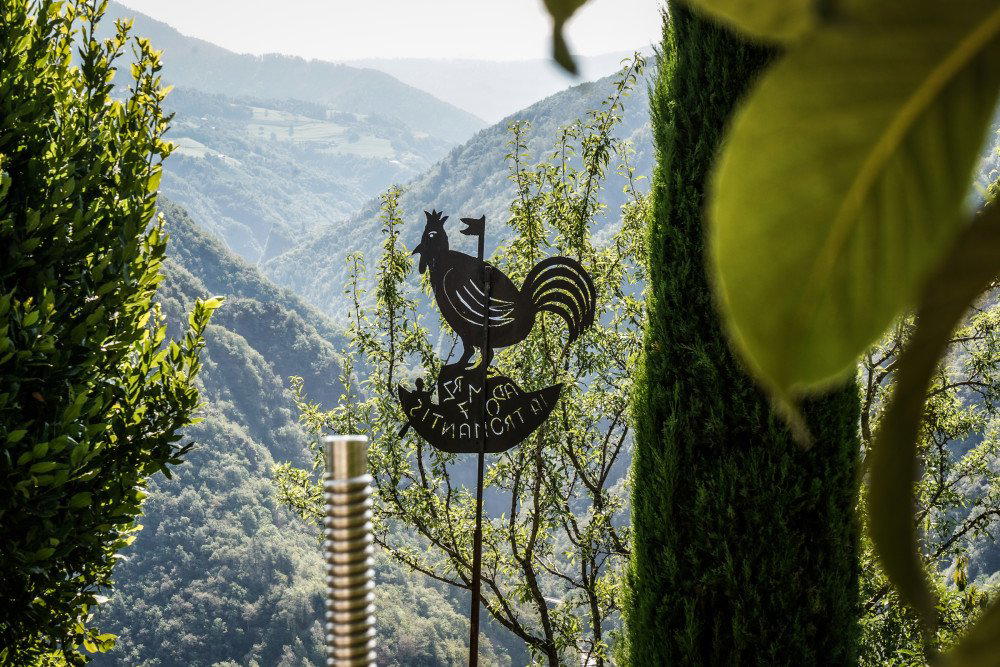
Rustic and cozy atmosphere in a quiet, sunny farm setting surrounded by vineyards and orchards.