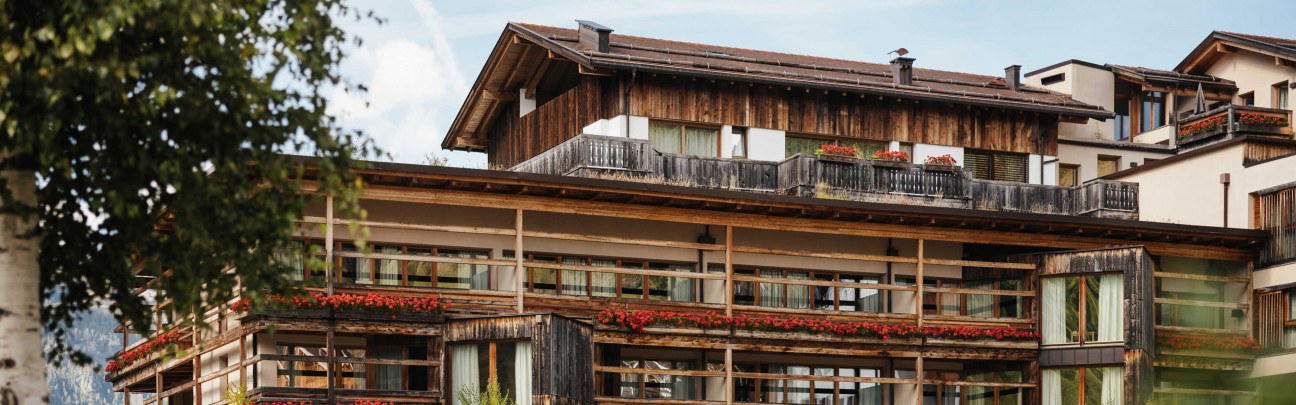
Hotel La Perla sits at the heart of Corvara in Badia, the Alta Badia village that has become one of the Dolomites' most serious addresses for mountain hospitality and table culture. Holding a 3-Star Accreditation from the World's Best Wine Lists Awards, the hotel operates within a culinary tradition deeply rooted in South Tyrolean alpine produce and the Val Badia's distinctive Ladin heritage. For [our full Corvara hotels guide](), it represents the area's benchmark property.
Pearl is the En Primeur Club membership app — saves, bookings, and concierge access live there. Same editors, same standards.
- Address
- Str. Col Alt, 105, 39033 Corvara in Badia BZ, Italy
- Phone
- +39 0471 831000
- Website
- laperlacorvara.it
- Directions
- Get directions
 Saves & bookings on Pearl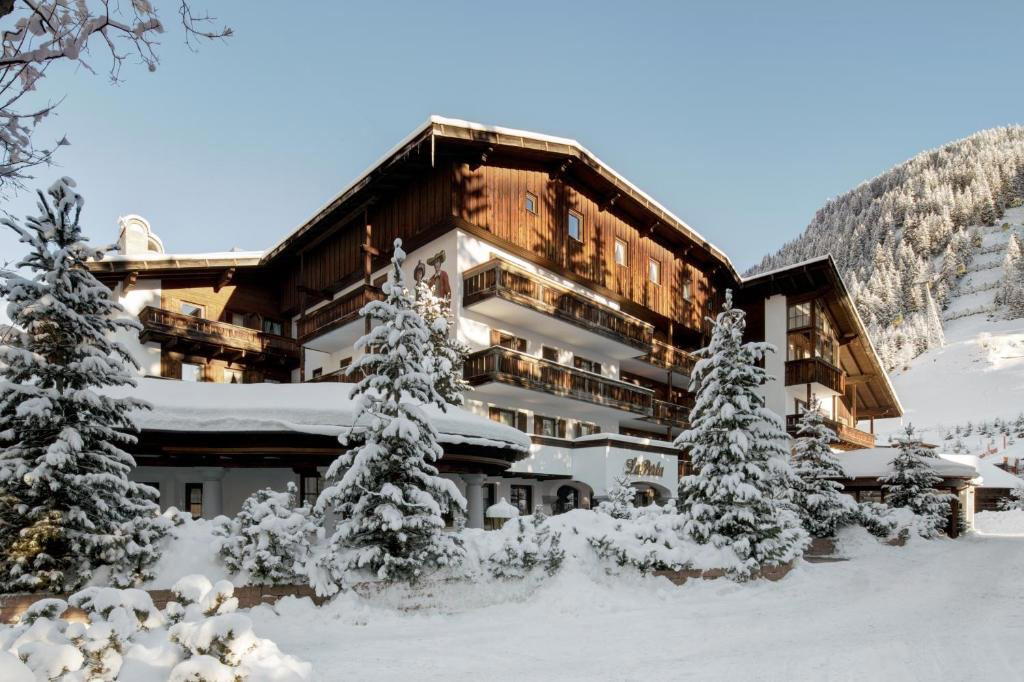
Where the Dolomites Shape the Table
Arrive in Corvara in winter and the scene is immediately legible: ski boots on stone, the low afternoon light cutting across the Sella massif, the smell of woodsmoke from properties lining the Col Alt road. This is Alta Badia, a valley in South Tyrol where German, Italian, and Ladin cultures have been layering for centuries, and where that layering shows up most clearly at the table. Hotel La Perla, at Str. Col Alt 105, sits on the main artery running through the village.
The alpine dining tradition this area operates within is worth understanding before you arrive. South Tyrolean mountain cuisine is not a romantic approximation of Italian cooking adapted for altitude. It is a distinct culinary register, one where cured meats, rye bread, aged cheeses, and freshwater fish from high-altitude lakes carry more structural weight than the pasta and seafood that dominate Italy's lowland kitchens. Val Badia in particular sits within a tighter micro-tradition: Ladin culture, spoken by a community of roughly 20,000 people across five Dolomite valleys, has its own food vocabulary, its own rhythm of preservation and fermentation, built around what the mountains yield and what winter demands you put aside. The leading tables in this valley work from that vocabulary, not against it.
A Wine Program with Documented Depth
Hotel La Perla holds a 3-Star Accreditation from the World's Best Wine Lists Awards. In the Italian Alps, where the proximity to both the German-speaking Tyrol and the Alto Adige wine corridor creates unusual access to Terlaner Pinot Bianco, Südtiroler Lagrein, and the white wines of the Eisack Valley, a list built for this geography looks quite different from what you find at comparable hotel programs in Tuscany or Piedmont.
Hotel La Perla's accreditation places it within a smaller, more geographically specific cohort: alpine properties where the list must work across Germanic whites, northern Italian reds, and the kind of grappa and digestif culture that defines an evening in the Dolomites.
Sourcing in an Alpine Context
The ingredient sourcing argument for a property like Hotel La Perla is inseparable from its geography. Alta Badia sits at roughly 1,600 metres, a altitude where the growing season is short, the pasture quality is high, and the distance between producer and kitchen is often measured in valley minutes rather than supply-chain hours. South Tyrolean mountain dairy, particularly aged cheeses from small-scale alm producers who move their herds to higher pastures in summer, reaches a quality that has no lowland equivalent, the grass composition at altitude produces a milk profile that changes the character of the cheese entirely.
Same argument applies to cured meats. Speck Alto Adige, the region's signature juniper-and-altitude-cured product, carries EU Protected Geographical Indication status, and the difference between industrially produced versions and those made by smaller producers in the valley is substantial. A kitchen operating at the restaurant's documented level works from the tighter end of that spectrum. The same applies to mountain herbs, wild mushrooms in autumn, and the freshwater fish, trout and char, that come from the cold-water rivers and lakes of the surrounding valleys.
This sourcing tradition connects to a broader movement across northern Italy's serious tables. Atelier Moessmer Norbert Niederkofler in Brunico has built an entire philosophical framework around cooking only from what the Alps provide, season by season, with nothing flown in. While that is an extreme expression of the principle, it reflects an attitude toward mountain ingredients that now runs across the region's most considered kitchens. Properties in this valley benefit from proximity to those producer networks, the same farmers, foragers, and cheesemakers who supply the valley's most recognised restaurants.
Corvara's Position in the Alta Badia Dining Scene
Corvara is not the only village in Val Badia drawing serious attention. The broader municipality sits within an arc of small communities, La Villa, San Cassiano, Colfosco, each with its own cluster of restaurants and hotels. The dining culture here has developed in parallel with the skiing economy, which means it operates on a seasonal rhythm that concentrates its leading offering into the December-to-April winter period and a shorter July-to-September summer window.
Within that seasonal structure, the competition at the summit of the market is real. Val Badia now contains particularly recognised tables in Italy's alpine north, drawing comparison with the kind of destination-restaurant culture you find at Osteria Francescana in Modena, Piazza Duomo in Alba, or Dal Pescatore in Runate, properties where the journey to the table is part of the proposition. The restaurant occupies a particular position in this market: a hotel with a documented wine program and a culinary tradition, operating in a village where the social life of the resort passes through its public spaces as much as its dining rooms.
Planning Your Stay
Corvara is most easily reached by road from Bolzano, roughly 70 kilometres south, or via the Brenner Autobahn corridor connecting to Innsbruck and the broader European rail network. The nearest airports with regular connections are Innsbruck and Venice Marco Polo, both requiring onward road transfers into the valley. Timing matters significantly: the winter ski season runs from late November through April, with the highest concentration of activity and the fullest hotel and restaurant programming in January and February. Summer bookings at properties of the restaurant's standing in the valley tend to fill several months ahead, and winter demand is comparable.
Fast Comparison
Comparable venues nearby, for context on price, style, and recognition.
| Venue | Cuisine | Price | Notes |
|---|---|---|---|
| Hotel La PerlaThis venue — the venue you are viewing | Tyrolean Fine Dining | $$$$ | Not listed |
| Sporthotel Panorama | Modern Alpine Italian with Regional Specialties | $$$ | Corvara in Badia |
| Col Alt | Modern Alpine Italian | $$$ | Corvara |
| Taverna Posta Zirm | Traditional Italian Pizzeria & Grill | $$$ | Corvara |
| Fine Dining | Modern South Tyrolean Fine Dining | $$$$ | Villandro |
| Kräuterrestaurant Arcana | Alpine Herb-Forward Contemporary Italian | $$$$ | Ahornach, Sand in Taufers |
Recognition history
Dated appearances from independent guides and award organizations, with the underlying list record or original source where available.
World's Best Wine Lists Awards WBWL 3-Star
World's Best Wine Lists Awards
World's Best Wine Lists Awards WBWL 3-Star
World's Best Wine Lists Awards
Continue exploring
More in Corvara
Restaurants in Corvara
Browse all →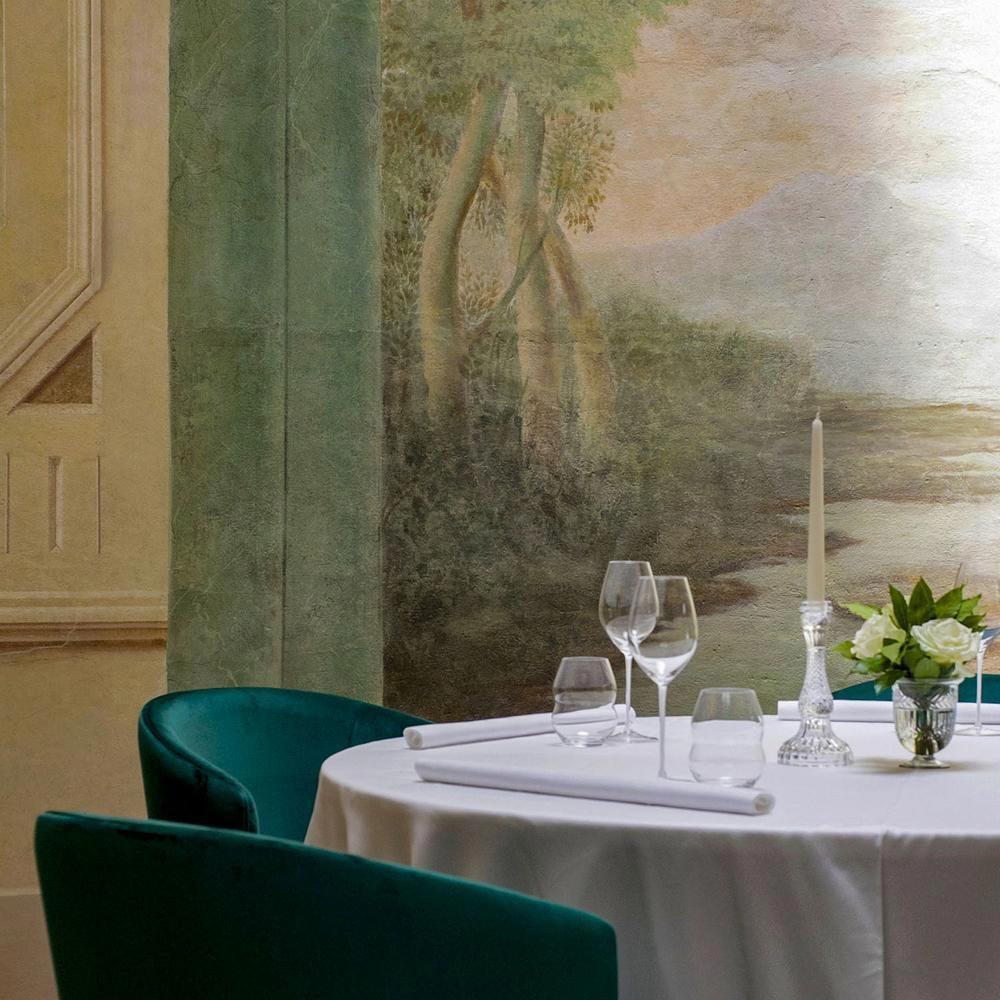
Bars in Corvara
Browse all →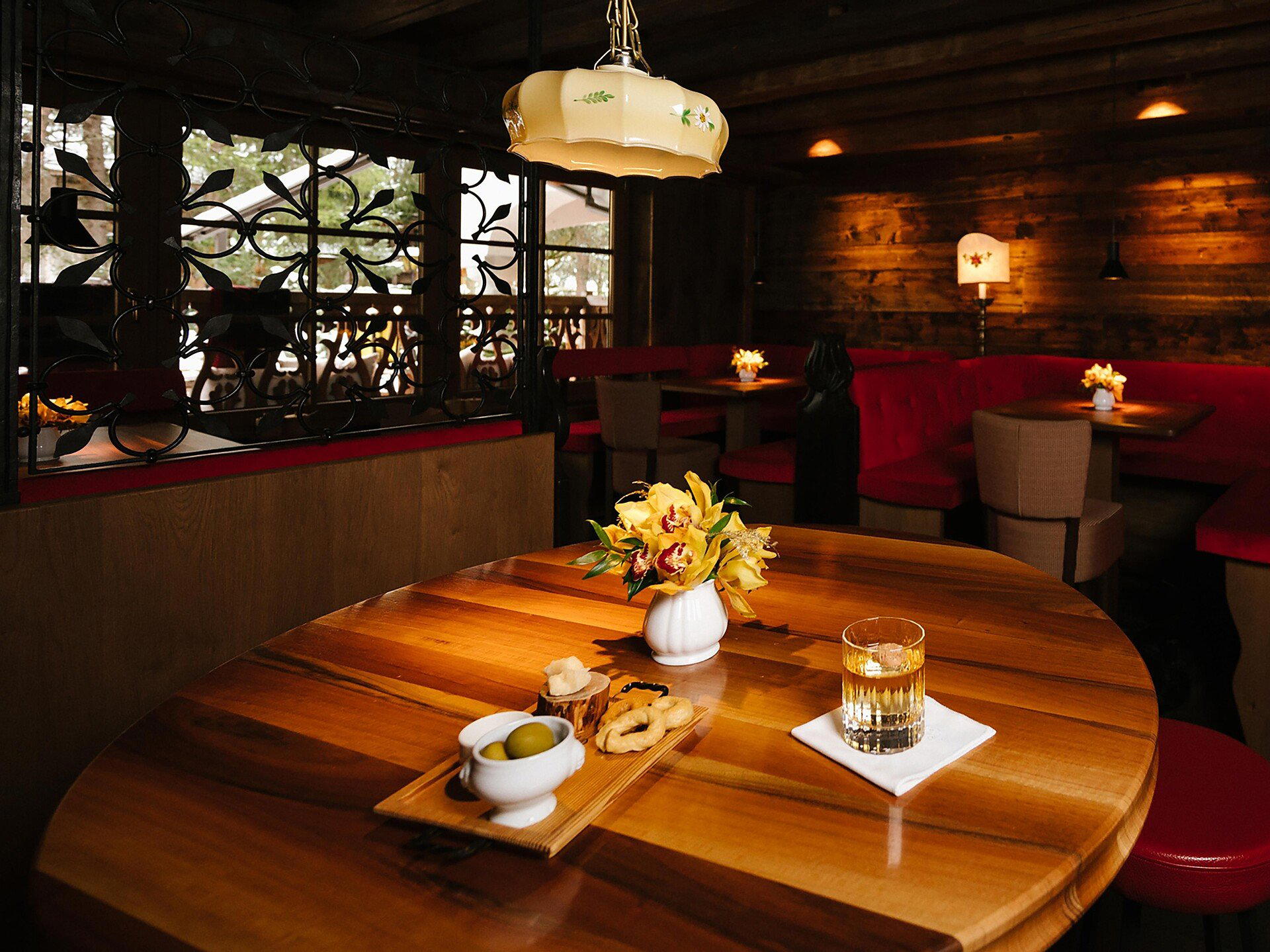
Hotels in Corvara
Browse all →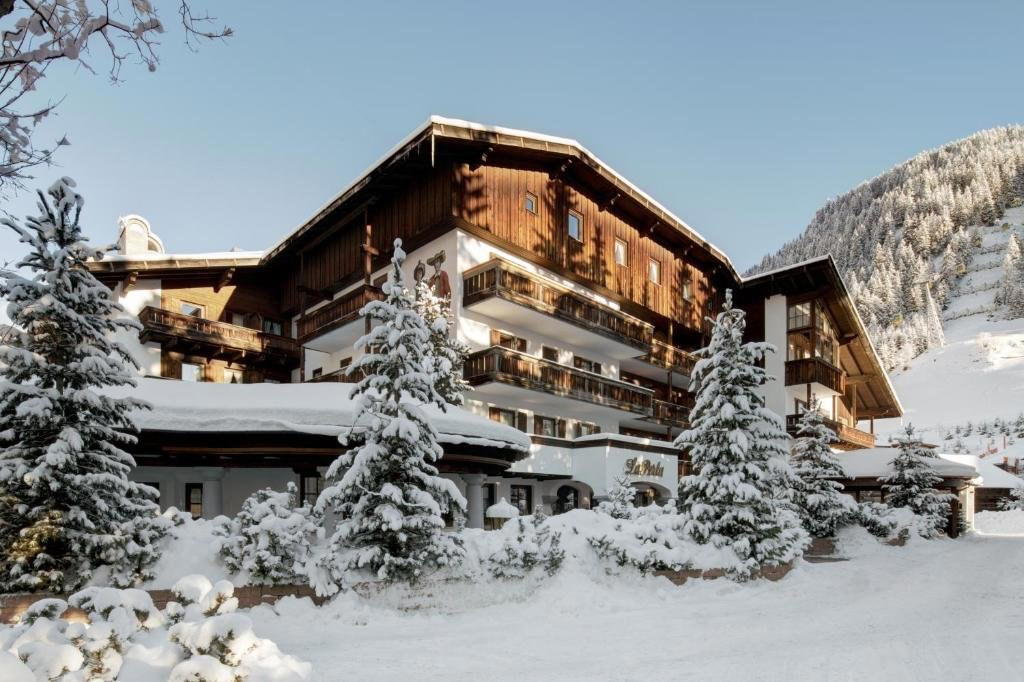

At a Glance
- Rustic
- Cozy
- Elegant
- Romantic
- Classic
- Special Occasion
- Date Night
- Celebration
- Hotel Restaurant
- Historic Building
- Wine Cellar
- Extensive Wine List
- Sommelier Led
- Local Sourcing
- Organic
- Mountain
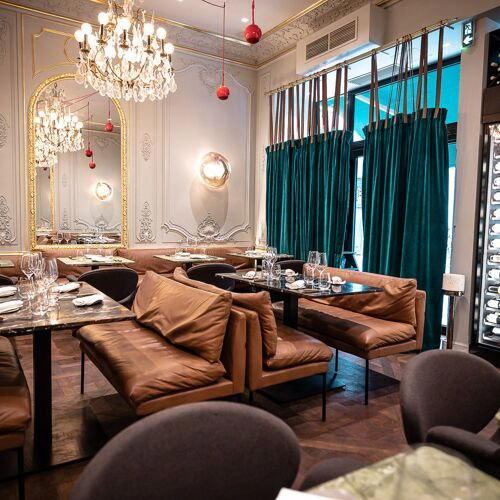
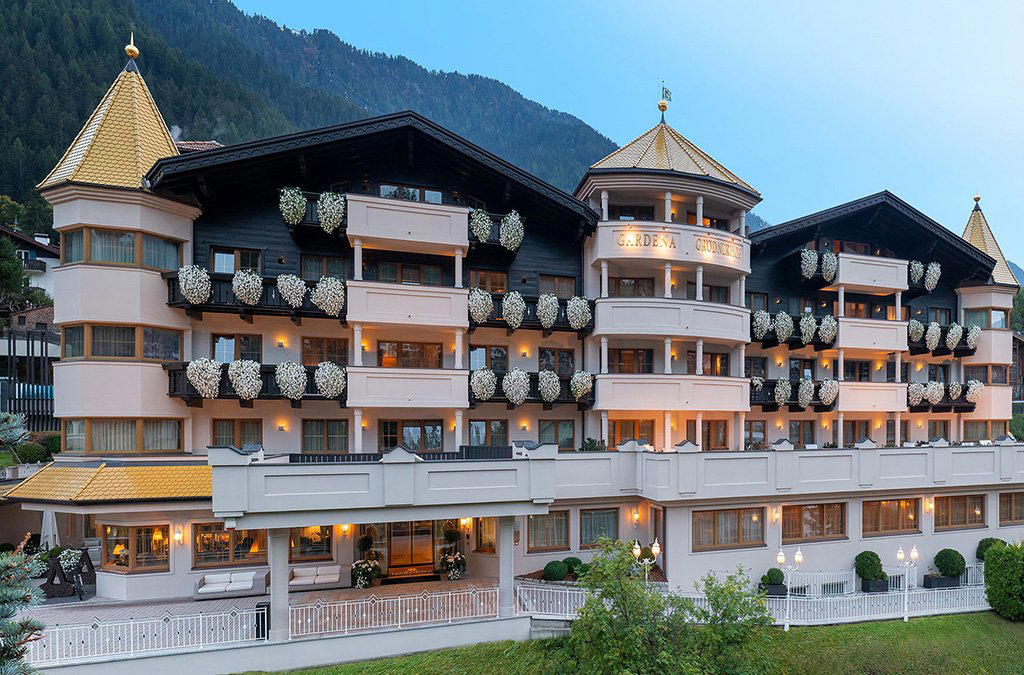
Cozy alpine chalet atmosphere with wooden interiors, warm lighting from fireplaces, and a rustic-chic feel enhanced by live music in the piano bar.