
Preferred Hotels L.V.X. Collection
Hotel Sassongher is a 65-room property in Corvara in Badia, positioned within the Alta Badia mountain-hotel tradition at 1,568 metres in the Dolomites. The South Tyrolean setting informs both its architectural character and its dining orientation, with the surrounding valley offering some of the strongest high-altitude restaurant credentials in northern Italy. A natural base for skiers and summer hikers who want a regionally rooted stay.

Pearl is the En Primeur Club membership app — saves, bookings, and concierge access live there. Same editors, same standards.
- Address
- Strada Sassongher, 45, 39033 Corvara in Badia BZ
- Phone
- +39 0471 836085
- Website
- sassongher.it
- Directions
- Get directions
Alta Badia in Winter: How the Dolomites Eat
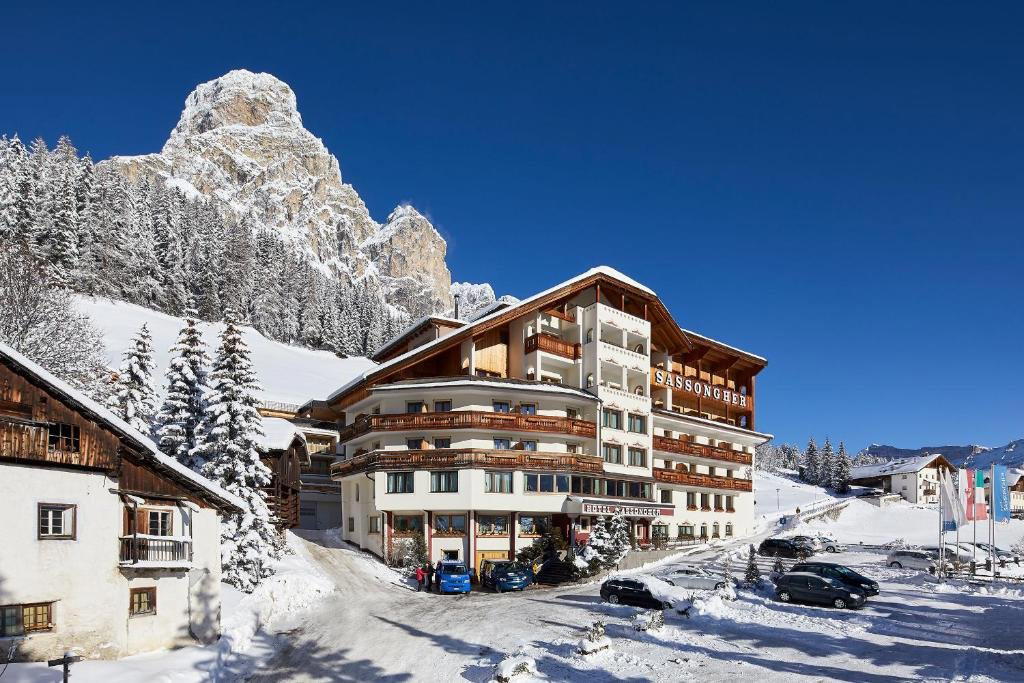
The South Tyrolean village of Corvara sits at roughly 1,568 metres in the Alta Badia valley, encircled by the Sella massif and the Sassongher peak that gives this property its name. At this altitude, the local hotel-dining tradition operates on a logic distinct from the rest of Italy: meals are substantial, rooted in Germanic and Ladin influences, and timed around ski schedules rather than urban social rhythms. Properties in this tier compete not just on rooms but on their table, their wellness offering, and how seamlessly they connect guests to the terrain outside. Hotel Sassongher, with 65 rooms, sits squarely in that mid-scale-to-premium mountain category where the dining room often defines the guest experience as much as the accommodation does.
The Alta Badia Dining Tradition
Alta Badia has earned a reputation that extends well beyond its ski runs. The valley hosts one of Europe's more concentrated clusters of high-altitude restaurants, and the surrounding villages regularly appear in Michelin coverage of Trentino-Alto Adige. The regional kitchen draws on three culinary traditions simultaneously: Italian, Austrian, and the minority Ladin culture indigenous to the Dolomites. That means canederli alongside pasta, speck alongside prosciutto, and game preparations that owe as much to Tyrolean forest cooking as to anything found further south. In this context, a hotel dining room that commits to regional ingredients and traditional technique is not making a nostalgic gesture — it is responding to what the local food culture actually looks like. The scene in Corvara rewards guests who pay attention: you are eating in a place with genuine culinary depth, not a resort kitchen defaulting to pan-European comfort food.
Corvara's hotel market stratifies around a handful of well-established family-run properties and, most prominently, Hotel La Perla, which anchors the village's prestige tier with Michelin-adjacent dining credentials and a long-established reputation. Sassongher operates in the same village, drawing from the same guest profile — primarily European skiers, hikers, and mountain travellers with a preference for properties that carry local character rather than international chain uniformity. At 65 rooms, it is large enough to carry a meaningful food-and-beverage operation while remaining within a scale where the experience does not drift into anonymous resort territory. The comparison set here is not Aman Venice in Venice or Bulgari Hotel Roma in Rome, those are urban luxury properties operating at a different register entirely. The reference points are mountain hotels in the South Tyrolean and Austrian tradition: properties like Castel Fragsburg in Merano and Forestis Dolomites in Plose, where architectural character, altitude, and regional food identity do the work that a prestigious address or brand affiliation might do elsewhere.
The Physical Setting as Context for the Table
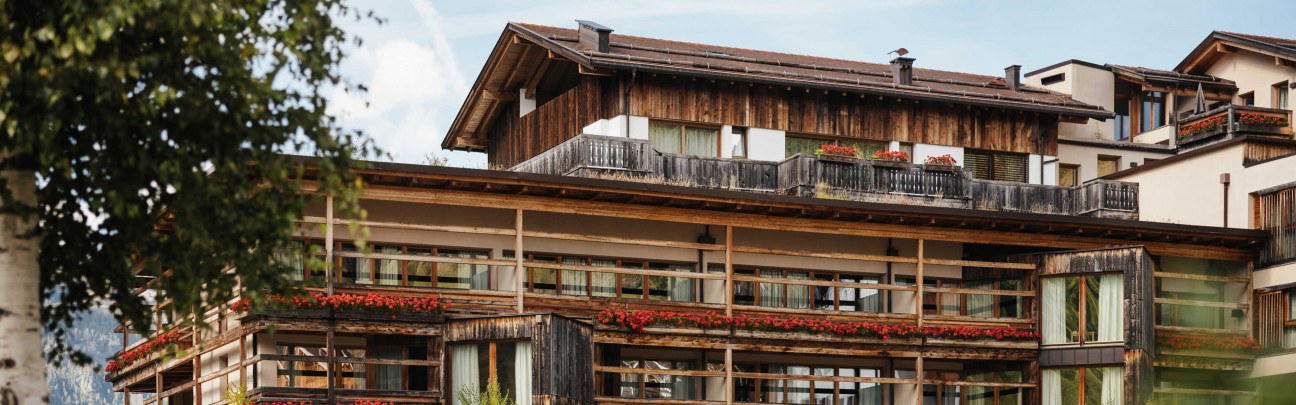
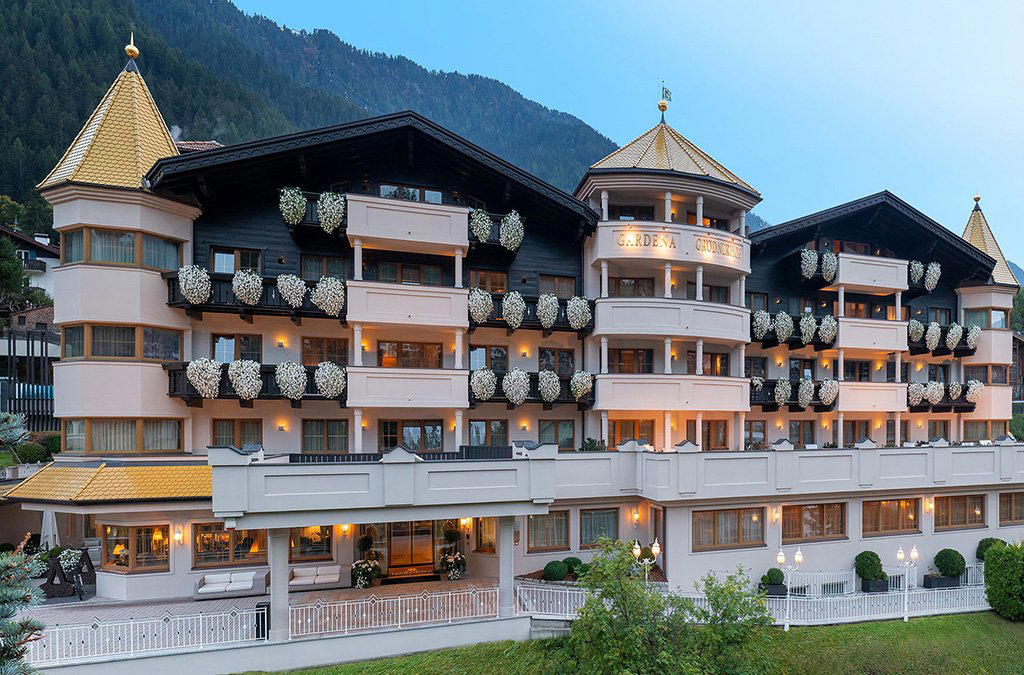
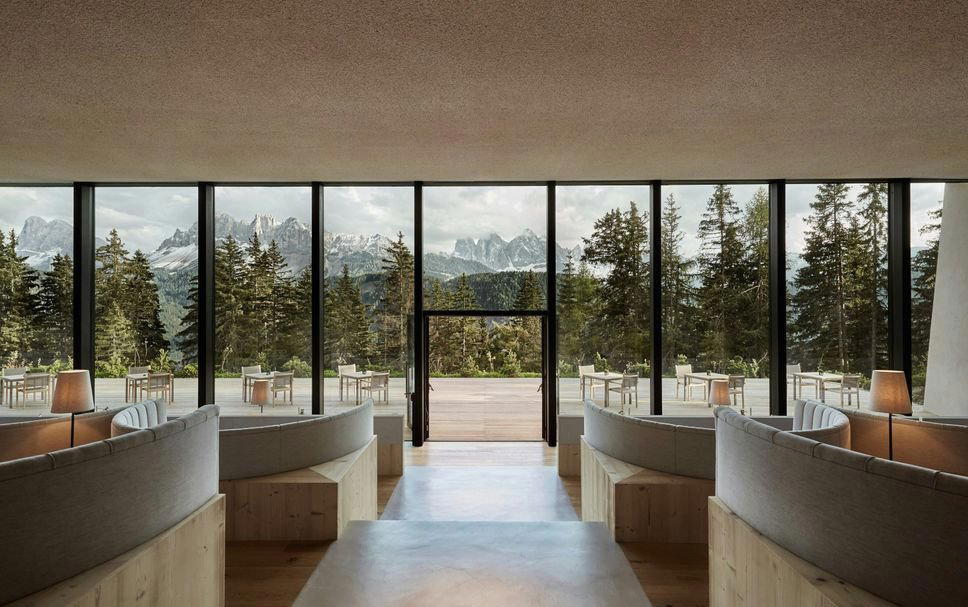
Approaching Sassongher from the valley road, the building presents as a traditional South Tyrolean chalet structure scaled up to hotel proportions, pitched roofs, generous use of timber, and a position that keeps the Sassongher rock face in sight from multiple aspects. This is not incidental scenery. In the Alta Badia tradition, the relationship between the built environment and the surrounding peaks is part of what guests are paying for, and properties that position their dining rooms, terraces, or wellness spaces to face that panorama are making a deliberate editorial statement about the stay. The mountain hotel format, at its most considered, uses the landscape as the primary amenity and configures every other element around access to it, morning light on the peaks, afternoon returns from the slopes, evening meals taken with the mountains still visible through the glass.
Planning a Stay: Practical Notes
Corvara is most easily reached by car or taxi transfer from Innsbruck (approximately 90 minutes) or Bolzano (roughly 75 minutes), with neither city served directly by high-speed rail. Fly to Munich, Innsbruck, or Venice and transfer; the journey is part of the commitment the Dolomites require. The valley's peak seasons run December through March for skiing and July through September for hiking and cycling, with a quieter shoulder in late autumn and spring when several properties close for maintenance. Guests considering Sassongher against the wider Alta Badia offer should review our full Corvara restaurants guide to understand the village's dining options beyond the hotel itself, the surrounding area punches well above its population size in terms of restaurant quality. For travellers building a longer Italian mountain itinerary, Forestis Dolomites in Plose offers a contrasting design-forward approach at comparable altitude, while Castel Fragsburg in Merano introduces a lower-altitude Tyrolean alternative with its own distinct food programme.
Alta Badia in the Broader Italian Hotel Conversation
Italy's premium hotel market has expanded significantly in the past decade, with properties from the Amalfi Coast to Tuscany pushing into higher design and dining registers. Borgo Santandrea on the Amalfi Coast, Il Pellicano in Porto Ercole, and Passalacqua in Moltrasio all operate with distinct culinary ambitions and have attracted significant critical attention. The Dolomites sit apart from that coastal and Tuscan conversation by virtue of terrain, culture, and seasonal logic. Properties like Sassongher are competing in a more bounded category where the relevant comparison is with other South Tyrolean mountain hotels rather than with the national luxury tier. That distinction matters for the traveller: expectations should be calibrated to the mountain-hotel format, which prizes warmth, regional specificity, and post-activity restoration over the refined minimalism or grand-palazzo drama that defines properties like Four Seasons Hotel Firenze in Florence or Castello di Reschio in Lisciano Niccone.
Travellers for whom the food programme is the primary filter should also consider how Sassongher's table sits relative to the wider Alta Badia offer. Casa Maria Luigia in Modena sets a benchmark for the Italian hotel-as-dining-destination format, where the restaurant is the reason for the stay and the rooms exist in service of it. That model has not yet fully translated to the high-altitude Dolomites, where the mountain experience remains the primary draw and the dining room plays a supporting, if genuinely serious, role.
Budget and Context
Comparable venues nearby, for context on price, style, and recognition.
| Venue | Price | Awards | Notes |
|---|---|---|---|
| Hotel SassongherThis venue — the venue you are viewing | $200–300 | Preferred Hotels L.V.X. Collection | Not listed |
| Hotel La Perla | $300–500 | Michelin Selected · La Liste Top Hotels | Corvara in Badia, Charming Tyrolean inn-style with modern updates |
| NH Collection Firenze Porta Rossa | $200–300 | Michelin Selected | Duomo, Historic 13th-century tower transformed into a 5-star luxury hotel blending Renaissance architecture with modern comforts. |
| San Montano Resort & SPA | $300–500 | Michelin Selected · Virtuoso Luxury Hotel Partner | Lacco Ameno, 1970s postmodern luxury resort with contemporary renovations, blending Mediterranean heritage with modern wellness-focused design. |
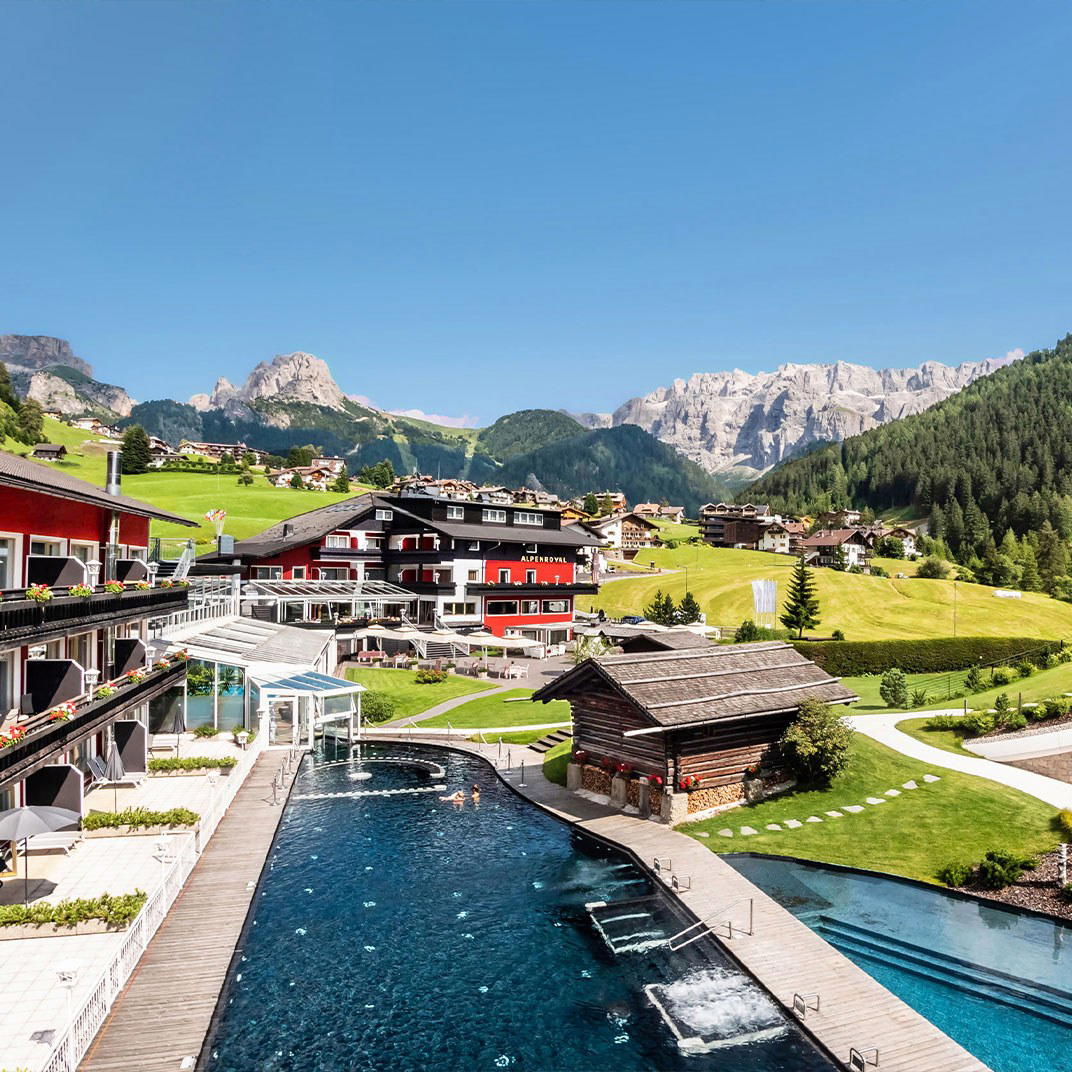
| Alpenroyal Grand Hotel Gourmet & Spa | $300–500 | Michelin Selected · Leading Hotels of World Member | Selva di Val Gardena, Chalet-styled architecture fusing mountain authenticity with grand European elegance, built in horseshoe shape since 1956. |
| Alpin Garden Luxury Maison | Not listed | Michelin Selected | Val Gardena, Modern alpine luxury wellness retreat |
Recognition history
Dated appearances from independent guides and award organizations, with the underlying list record or original source where available.
Preferred Hotels L.V.X. Collection
Preferred Hotels
Continue exploring
More in Corvara
Hotels in Corvara
Browse all →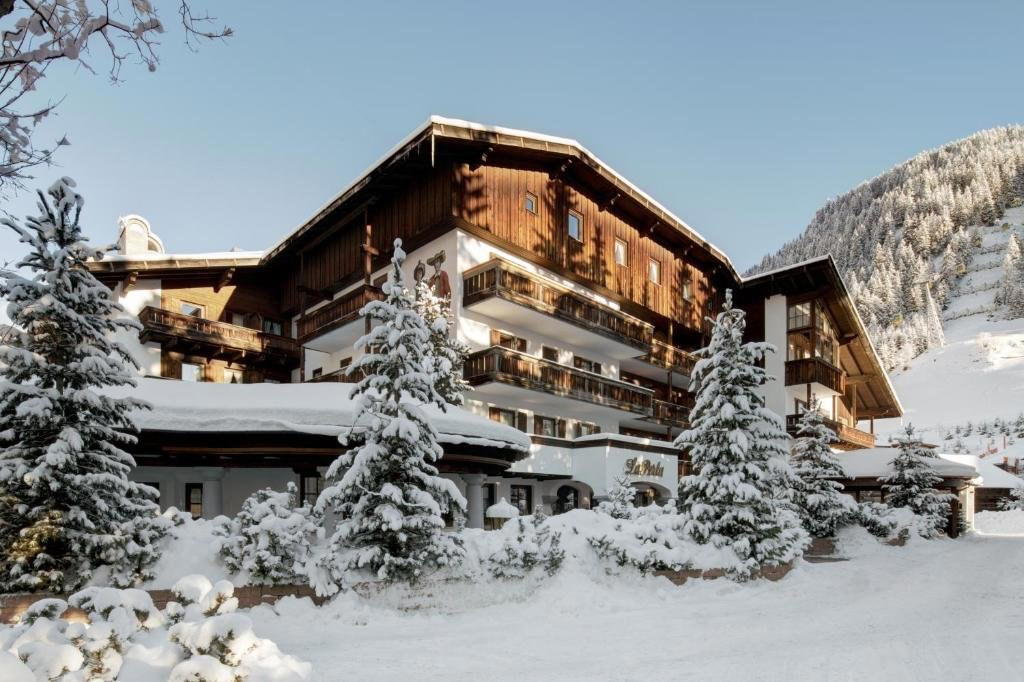
Bars in Corvara
Browse all →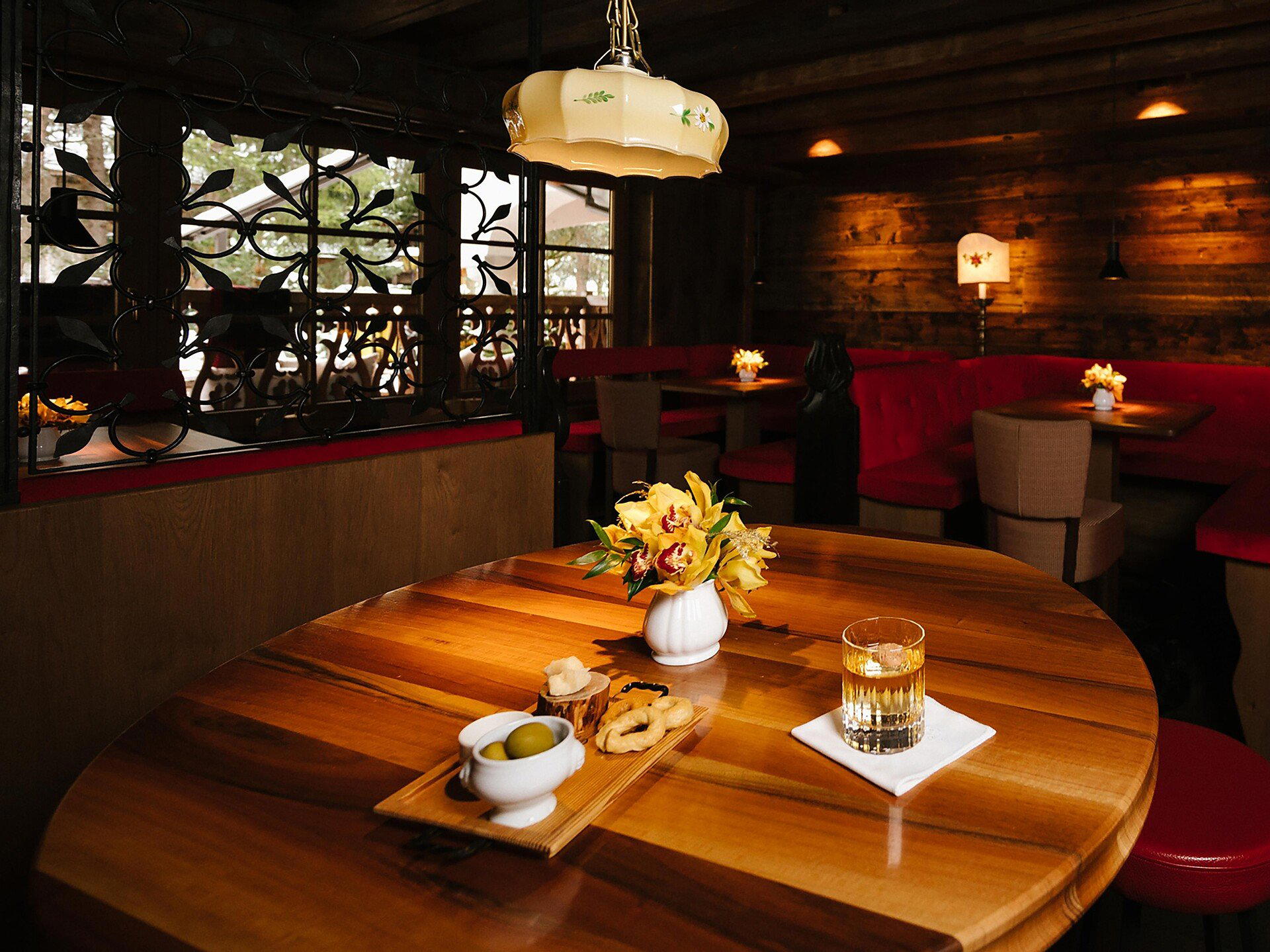
Restaurants in Corvara
Browse all →

Details
- Elegant
- Cozy
- Sophisticated
- Scenic
- Romantic Getaway
- Family Vacation
- Wellness Retreat
- Ski In Ski Out
- Panoramic View
- Infinity Pool
- Spa
- Pool
- Sauna
- Fitness Center
- Restaurant
- Wi Fi
- Room Service
- Concierge
- Mountain
- Elevator
- Wheelchair Accessible
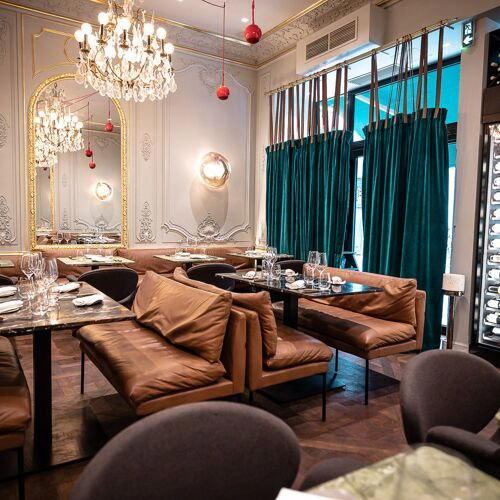
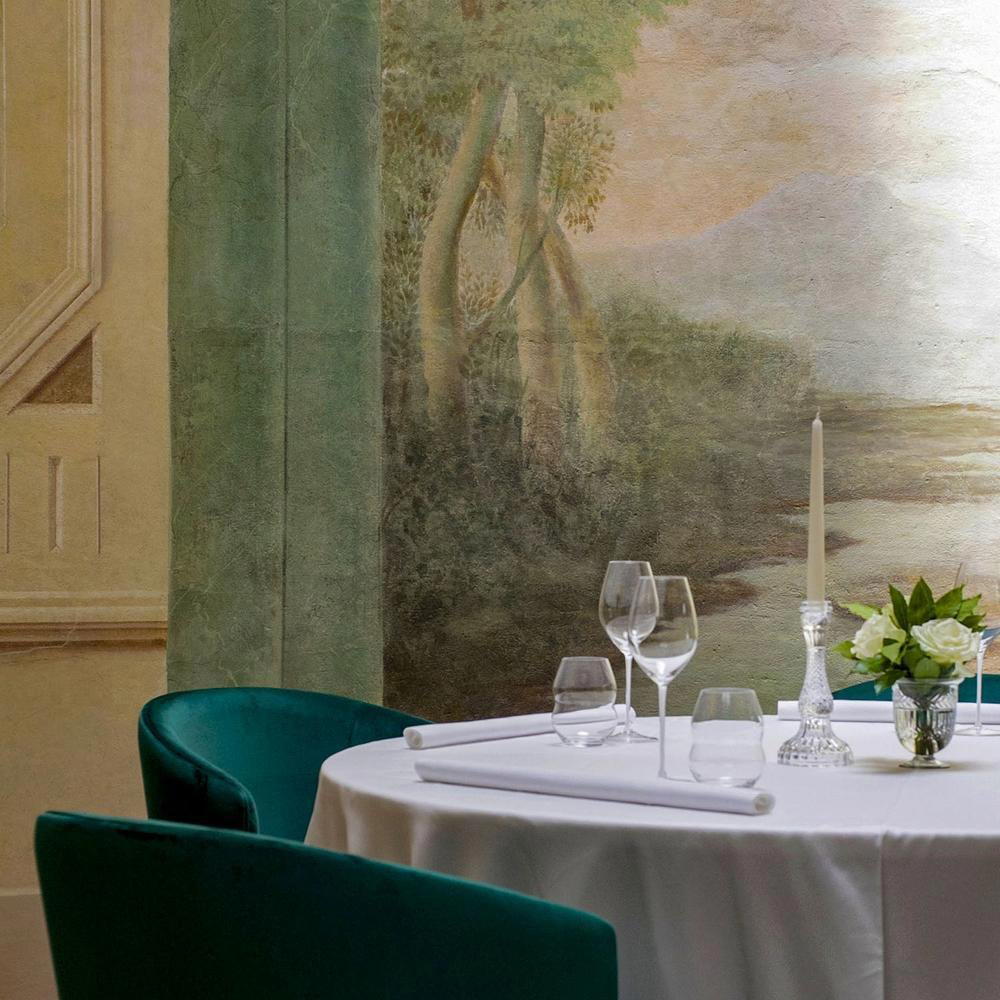
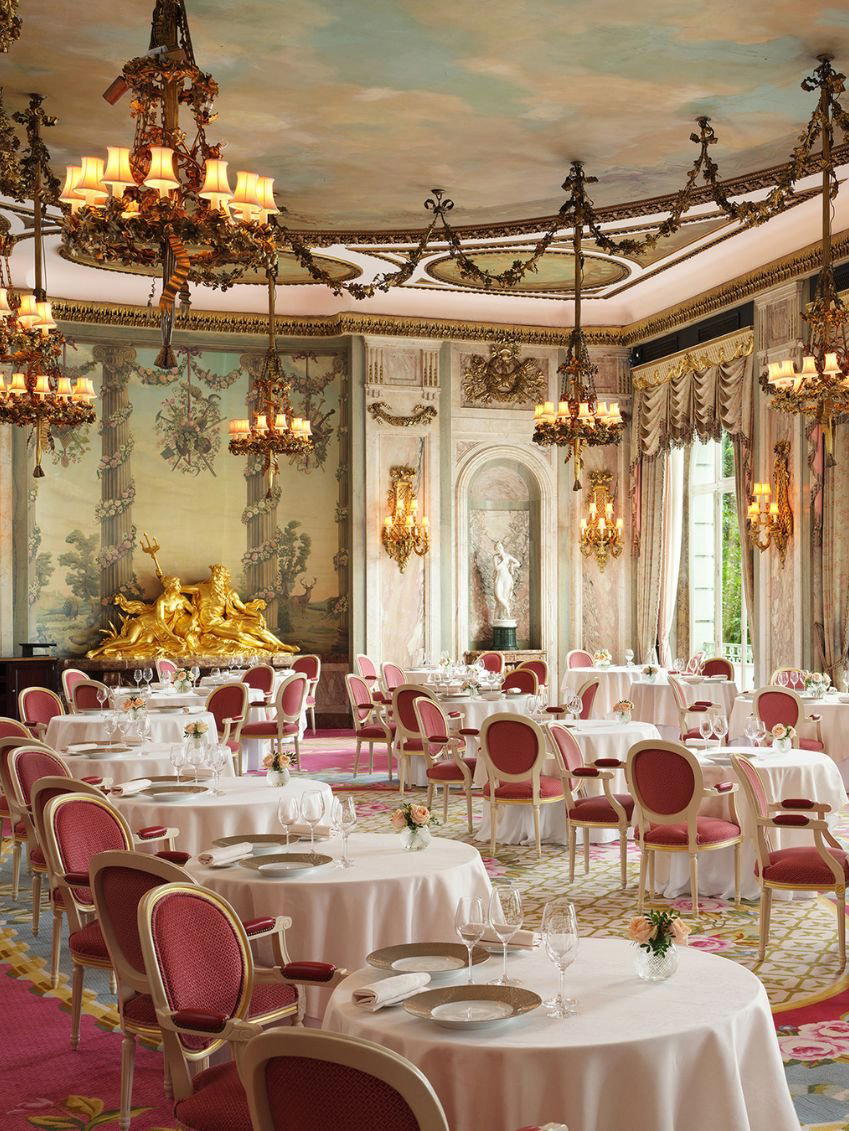
Elegant and intimate with crackling fireplaces, wood-paneled historic Stube lounge, and panoramic wellness areas fostering a cozy yet sophisticated mountain retreat atmosphere.