A mountain hut on the Plan de Gralba plateau above Selva di Val Gardena, Comici Hütte sits inside a landscape where the Austrian and Italian Alpine traditions meet on the plate. The setting, high pasture, dolomite rock, midday sun on timber, frames a category of dining that functions as much as cultural ceremony as it does a meal stop between ski runs or summer trails.
Pearl is the En Primeur Club membership app — saves, bookings, and concierge access live there. Same editors, same standards.
- Address
- Str. Plan de Gralba, 24, 39048 Selva di Val Gardena BZ, Italy
- Phone
- +394711930388
- Website
- rifugiocomici.com
- Directions
- Get directions
 Saves & bookings on Pearl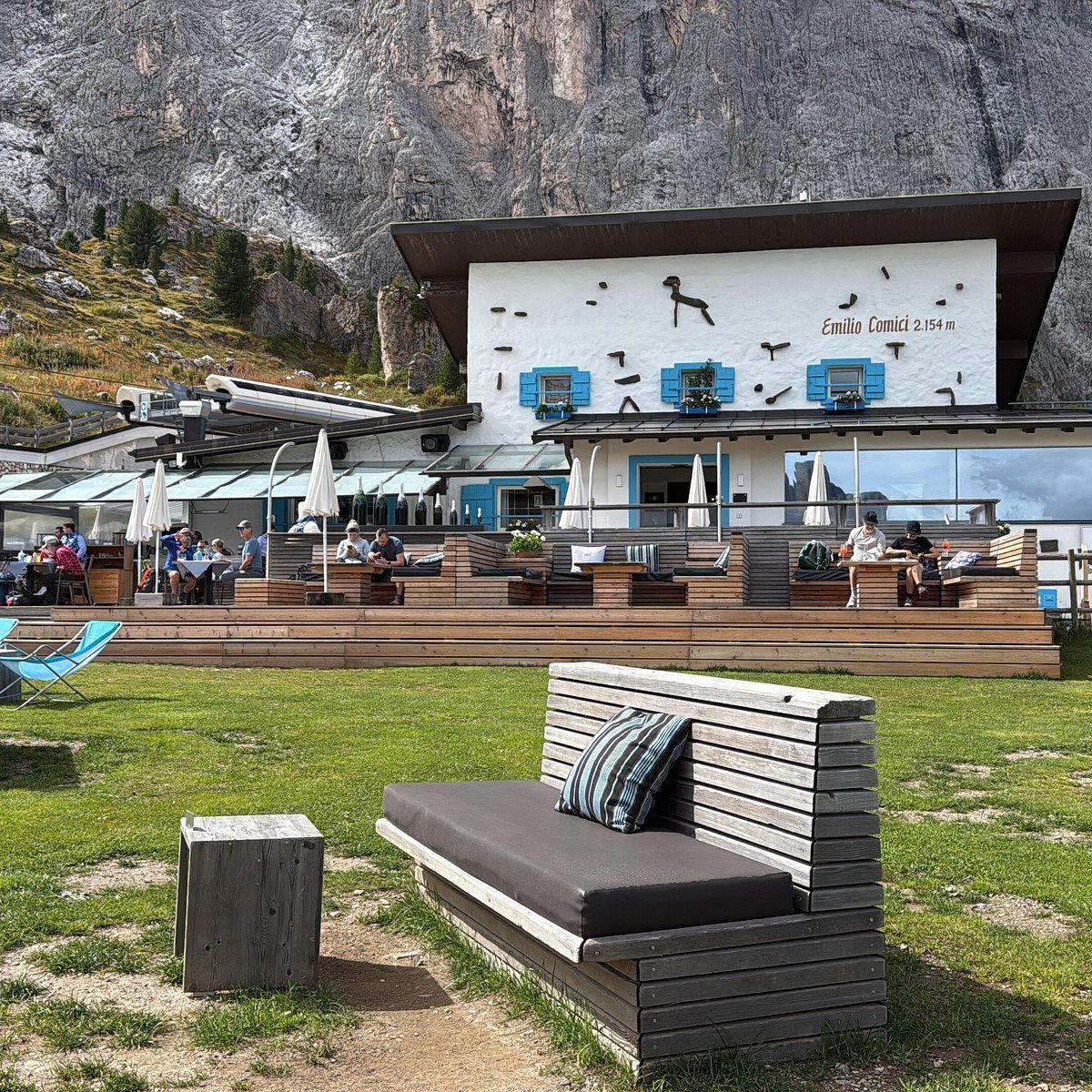
Where the Dolomites Eat at Altitude
Above the treeline in Val Gardena, the mountain hut is not a convenience stop. It is an institution. From the Col Rodella to the Plan de Gralba, the rifugio and hütte tradition across the Dolomites has operated for well over a century as the primary social and culinary gathering point for everyone moving through these peaks, from the chamois hunters and shepherds who first wore these paths down to modern ski tourers and trail runners. Comici Hütte, at Str. Plan de Gralba 24 on the plateau above Selva di Val Gardena, sits inside that tradition. The name honours Emilio Comici, the Triestine alpinist whose rope-work and philosophy of the direct line defined a generation of Dolomite climbing between the wars. That reference is not decorative. It signals a relationship with the terrain that goes beyond hospitality branding.
The Ladin Kitchen and What It Actually Means
Val Gardena belongs to the Ladin-speaking minority of the Alto Adige, a community whose culinary identity is distinct from both the Tyrolean German tradition to the north and the Venetian Italian tradition to the south. The Ladin kitchen is built from what the valley and the high pastures produce: rye and barley, dairy from high-altitude cattle, cured pork, foraged greens, and the dried and preserved goods that carried people through alpine winters before roads made resupply easy. Schlutzkrapfen, the half-moon pasta filled with spinach and ricotta, is a Ladin staple that appears across the huts of this valley. Canederli, the bread dumplings soaked in broth or dressed with butter and cheese, draw from both the Tyrolean and Ladin registers. What distinguishes the mountain hut version of this food from what you find in the valley-floor restaurants is context: at altitude, with physical effort already behind or ahead of you, the carbohydrate density and the fat content are not excesses but requirements.
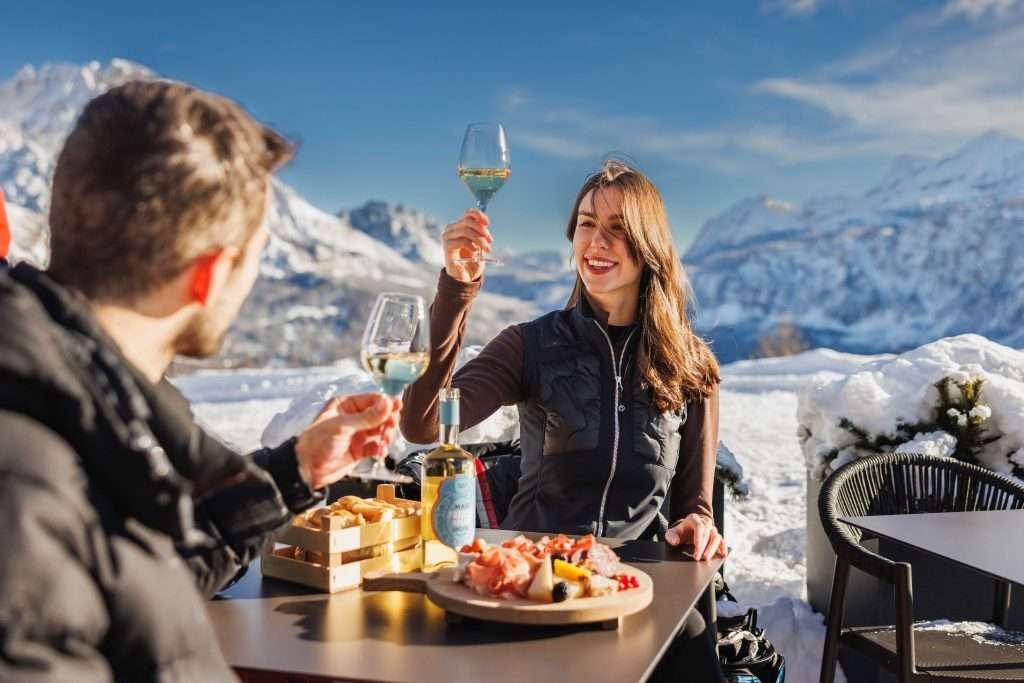
This is the category of dining that the Comici Hütte format represents. Compared with the more formally positioned options in Selva di Val Gardena itself, Miceli (Traditional Cuisine), which operates at the €€ tier with a structured traditional approach, or the more rarefied setting at Granbaita Gourmet, a hütte at this elevation represents an entirely different register. The informality is structural, not incidental. Long wooden tables, shared benches, and midday sun on a south-facing terrace define the format as much as anything on the menu.
Alto Adige as a Dining Region
It is worth understanding where Val Gardena sits within the broader Italian dining map, because the gap between the local hut tradition and the region's formal dining ceiling is pronounced. Alto Adige produces some of Italy's most awarded cooking. Atelier Moessmer Norbert Niederkofler in Brunico represents the mountain-sourced, technique-driven end of the regional spectrum. Elsewhere in Italy, the formal register includes everything from Osteria Francescana in Modena to Piazza Duomo in Alba, Dal Pescatore in Runate, and Uliassi in Senigallia. The mountain hut occupies the opposite pole: no tasting menus, no wine pairing rituals, no amuse-bouche. What it shares with those formal addresses is a commitment to regionality. The logic of the Ladin kitchen, eating what the immediate territory provides, is not unlike the sourcing philosophy that drives the starred end of Italian cooking, even if the execution and price point sit at entirely different coordinates.
That said, the category of experience that a rifugio or hütte provides is not available at lower altitude. Ca Na Toneta, another address in the Selva orbit, operates in its own register. None of these are interchangeable. Each sits in a different segment of what the valley offers a visitor who is thinking carefully about where and how to eat.
The Plan de Gralba Plateau in Practice
Plan de Gralba is accessible by gondola from Selva in winter and on foot or by chairlift in summer, which shapes the cadence of eating here considerably. In ski season, the plateau sits on the Sella Ronda circuit, one of the largest ski touring loops in the Alps, and the huts along it absorb the midday energy of that flow: groups stopping between the Gardena and Campolongo passes, the rhythm of boots and skis against timber, the sun already low enough by early afternoon that a south-facing terrace becomes genuinely valuable. In summer, the traffic shifts to hikers on the Alta Via routes and cyclists on the gravel paths that link the plateau to the surrounding ridgelines. The meal becomes a longer thing, less pressured by the ski schedule.
Practically, hütte dining at this altitude works well with timing. Arriving before noon on peak winter weekends avoids the compressed rush that hits most Plan de Gralba addresses between 12:30 and 1:30. In summer, the shoulder-season weeks of late June and early September give the clearest skies and the thinnest crowds. The Selva-Plan de Gralba gondola is the primary access point from the village; road access is limited seasonally.
How Comici Hütte Fits the Val Gardena Picture
Val Gardena's dining offer runs from the traditional valley-floor trattoria through mid-market ski resort options and up to the more composed cooking found at addresses like Granbaita Gourmet. The hütte tier, of which Comici is one representative on the Plan de Gralba, serves a function that the valley-floor restaurants cannot replicate: it puts you at 2,000 metres with a plate of food that comes directly out of the Ladin pastoral tradition, in a setting that has been doing roughly the same thing for generations. For the visitor mapping a few days in Selva across the full range of what the valley offers, this matters.
Planning Your Visit
Comici Hütte is located at Str. Plan de Gralba 24, 39048 Selva di Val Gardena, in the South Tyrol province of northern Italy. Access is primarily via the Plan de Gralba gondola from Selva village. Given the hütte format, dress is smart casual; ski gear or hiking kit is standard. Booking is recommended. Hours vary by season. Summer operation typically covers late June through September; winter from December through late March, aligned with the Dolomiti Superski season.
Budget Reality Check
Comparable venues nearby, for context on price, style, and recognition.
| Venue | Cuisine | Price | Notes |
|---|---|---|---|
| Comici HütteThis venue — the venue you are viewing | Not listed | $$$ | Not listed |
| Granbaita Gourmet | Not listed | $$$$ | Selva di Val Gardena, Modern Italian Fine Dining with Dolomites Influences |
| Anett restaurant | Not listed | $$$ | Ratschings, Modern Italian with Alpine Influences |
| Ungererhof | Ratschings, South Tyrolean Farm-to-Table | $$$ | Not listed |
| Antica Trattoria Belletti | Not listed | $$$ | Montepastore, Traditional Emilian Trattoria |
| Hotel Plan de Gralba | Not listed | $$$ | Selva di Val Gardena, South Tyrolean & Italian Fine Dining |
Continue exploring
More in Selva
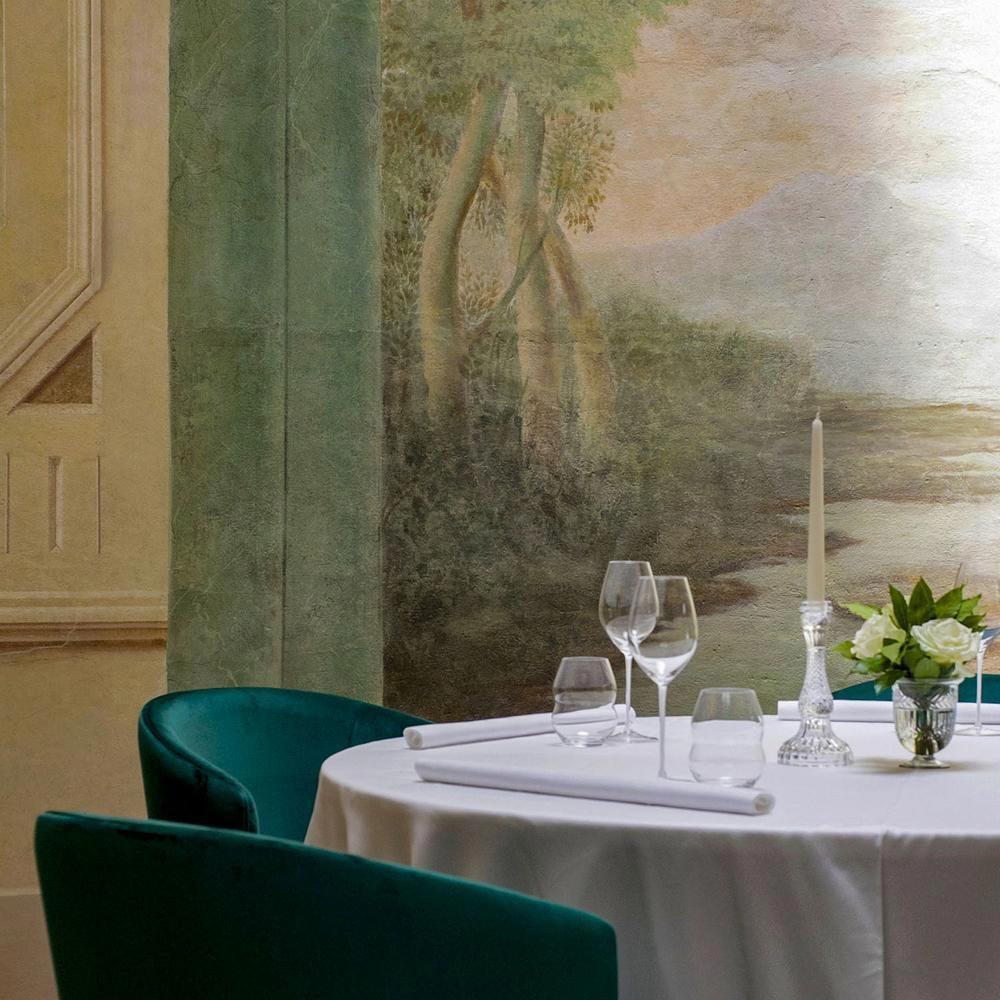
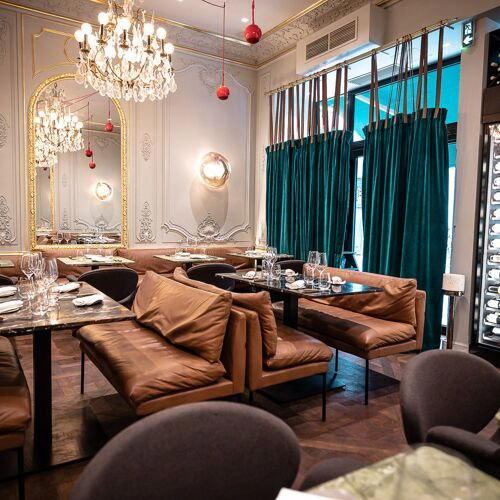
Restaurants in Selva
Browse all →
Bars in Selva
Browse all →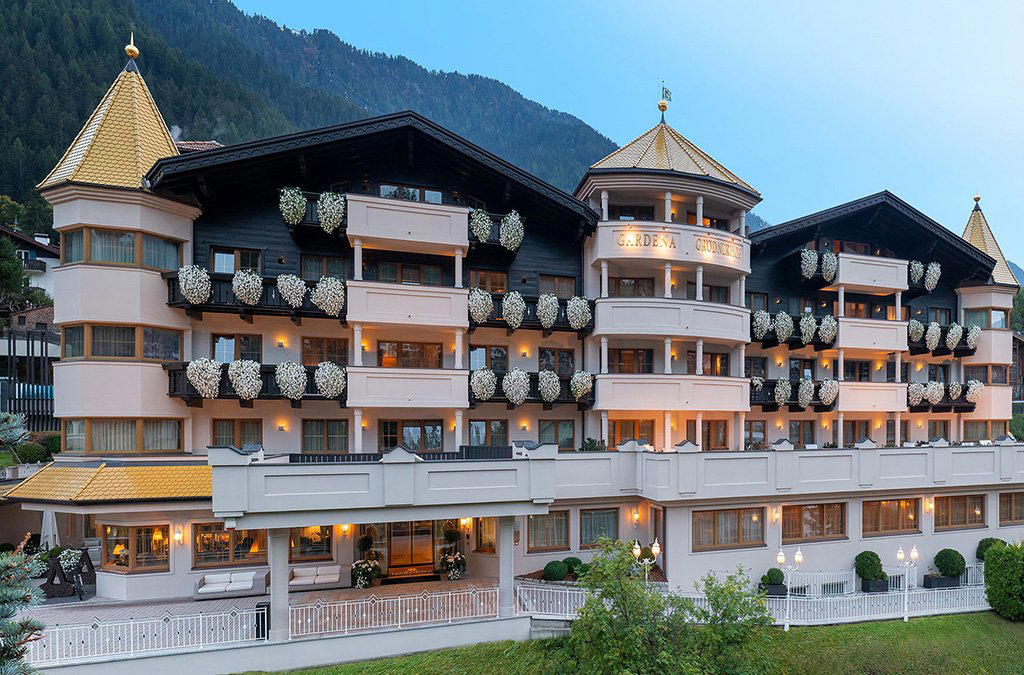
Hotels in Selva
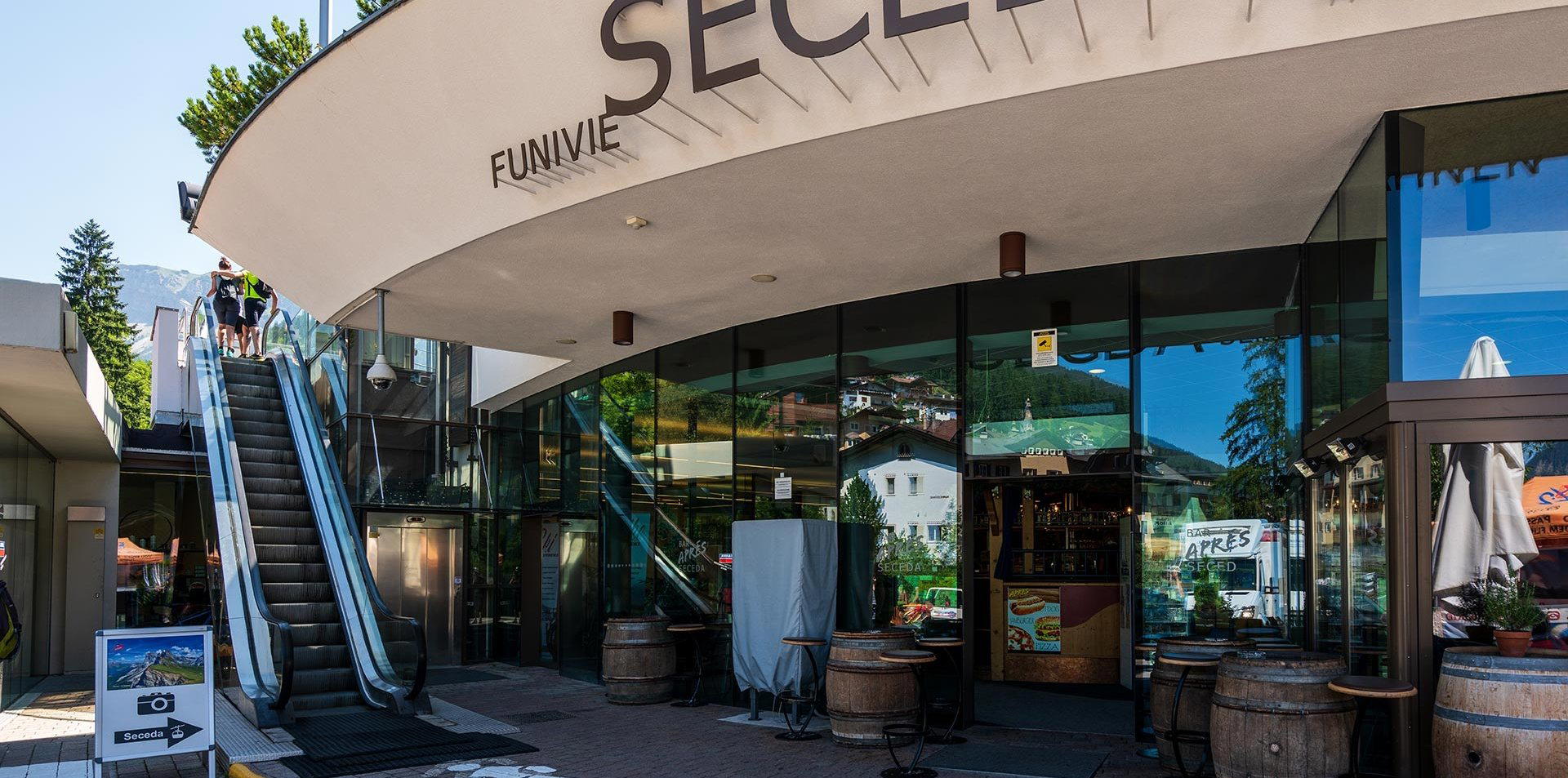
Browse all →

At a Glance
- Scenic
- Rustic
- Cozy
- Special Occasion
- Terrace
- Panoramic View
- Extensive Wine List
- Mountain
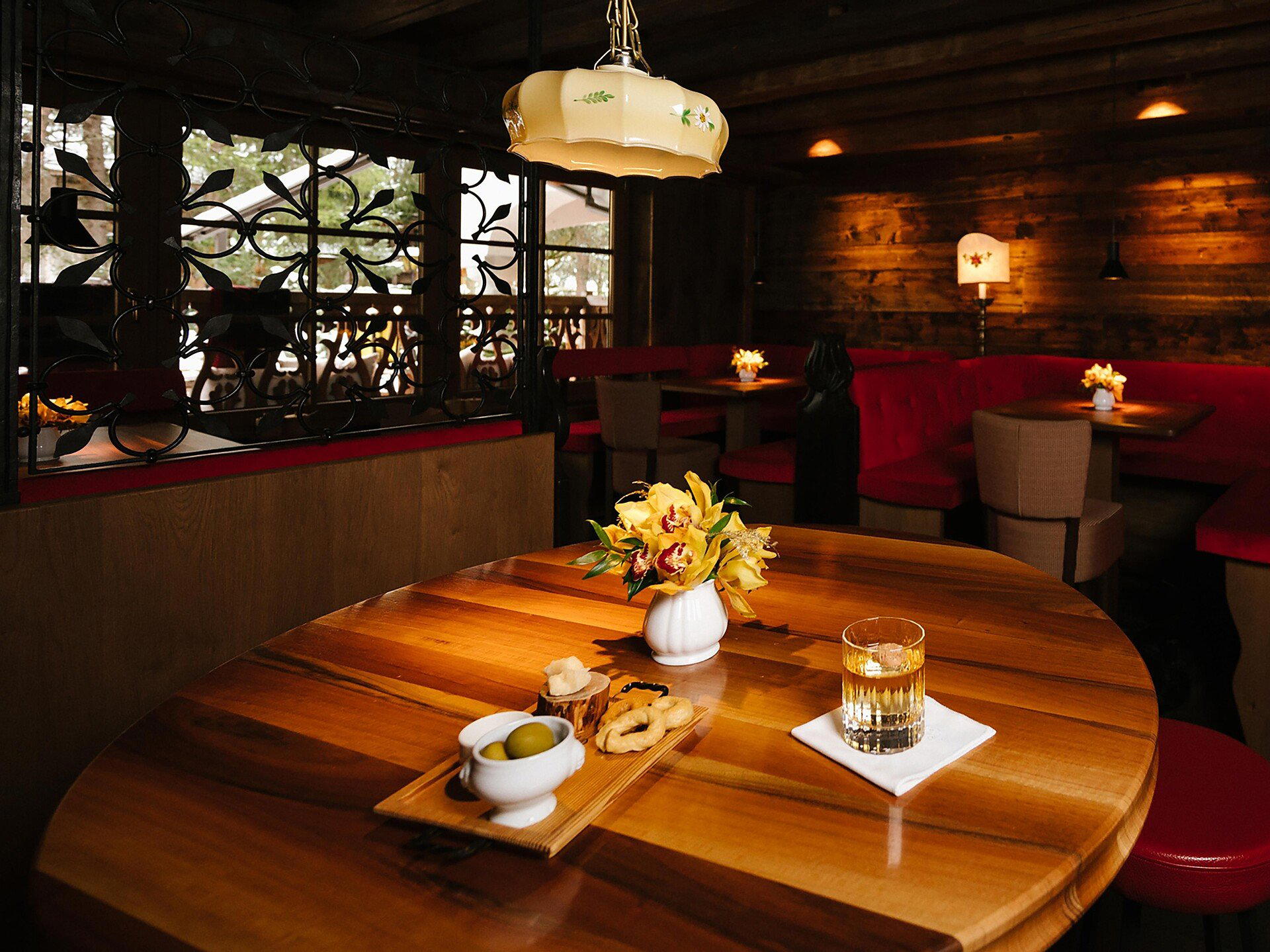
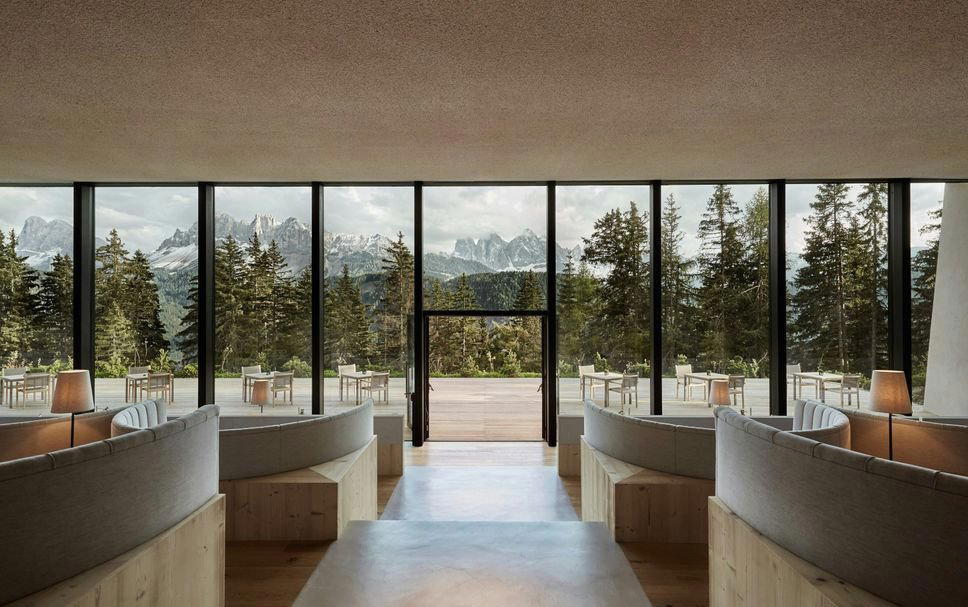
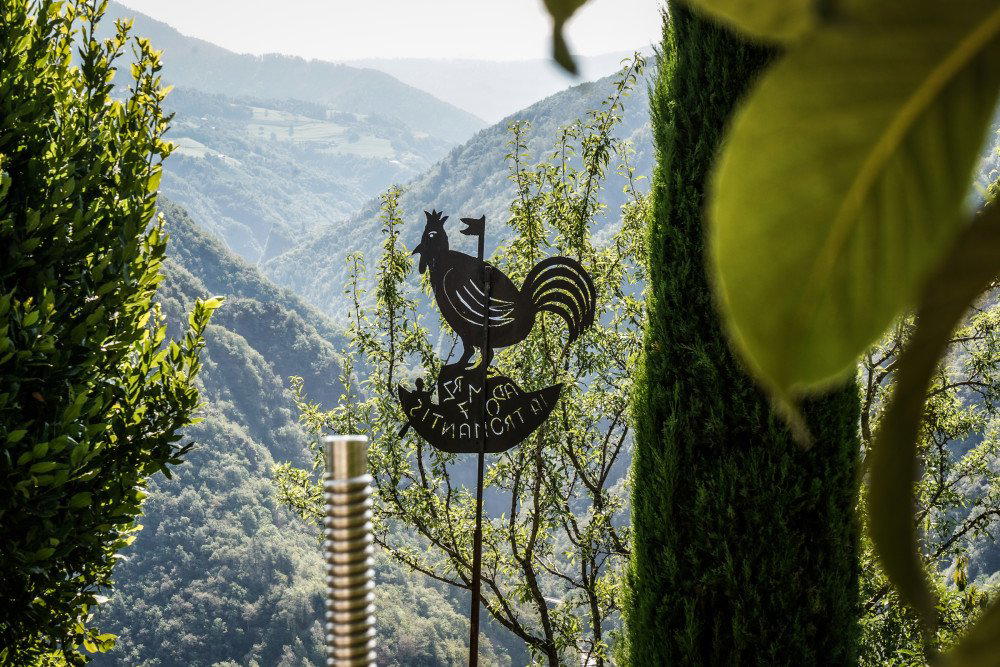
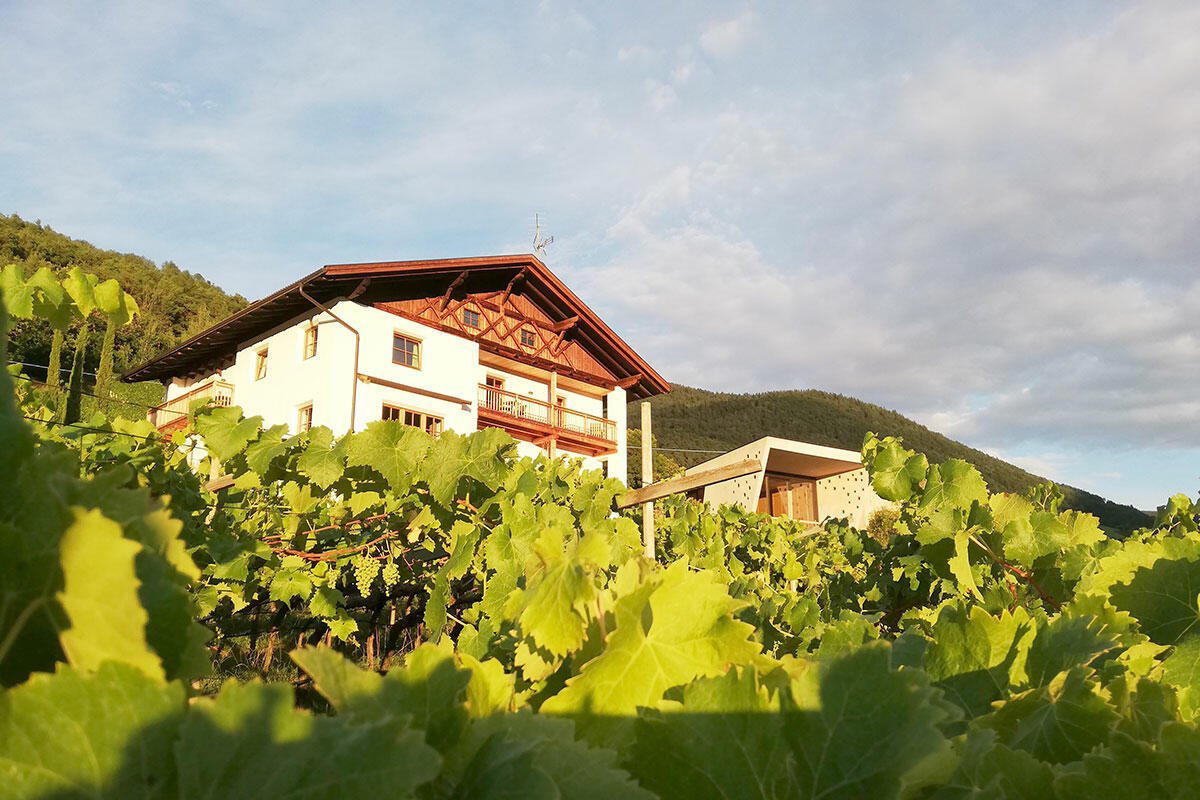
Cozy alpine interior with sunny terrace offering panoramic mountain vistas and a welcoming, authentic atmosphere.