


1 Michelin Star · La Liste Top Restaurants
Our verdict
A Michelin-starred wine bar and regional restaurant on the Chiemsee shore, June pairs ingredient-driven cooking with a serious wine program at a price point well below the region's formal fine-dining tier. Chef Diego Moya's kitchen draws on the agricultural depth of the Chiemgau, placing it in a small cohort of starred venues where the sourcing story is inseparable from the plate.

Pearl is the En Primeur Club membership app, where members save venues, book tables and use the concierge.
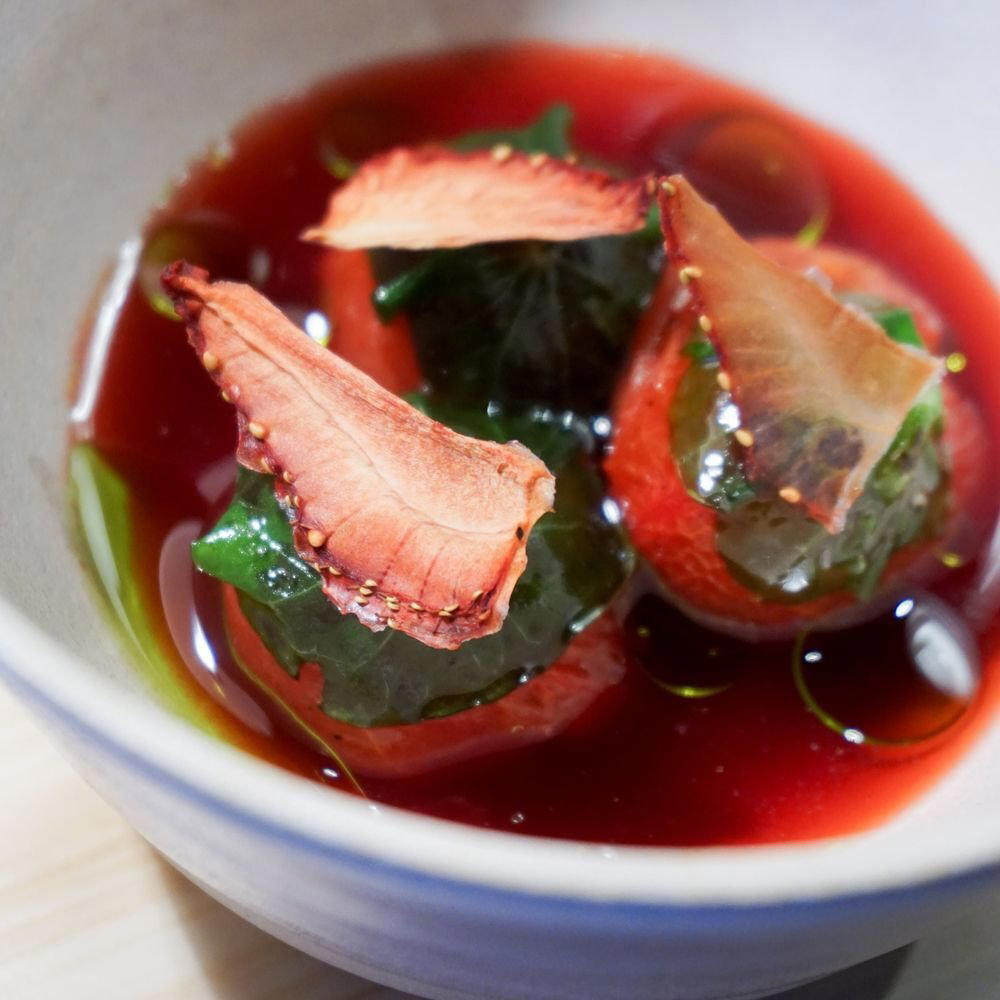
Where the Chiemsee Shore Meets a Serious Kitchen
The Chiemgau has long operated at a remove from Bavaria's restaurant conversation, which tends to concentrate around Munich or the prestige corridor running through the Alps toward Austria. Übersee sits on the southeastern shore of the Chiemsee, a town small enough that a single Michelin star changes the local dining calculus entirely. June, at Seestraße 10, works in that context as both an outlier and a reference point: a wine bar with regional ambitions and a kitchen serious enough to earn recognition from three separate award bodies in consecutive years.
The physical approach along the lake shore sets expectations. The Chiemsee's flat water and the low agricultural hinterland of the Chiemgau feel far from the theatrical mountain scenery that draws visitors to other parts of Upper Bavaria. That quieter register suits what June is doing inside: a format built on attentiveness to ingredients rather than spectacle, a room that prioritises the glass and the plate over a designed experience with obvious set-pieces.
Ingredient Sourcing as the Organizing Principle
Germany's starred restaurant tier increasingly divides between two camps. One pursues the cosmopolitan French-Japanese-Nordic synthesis that has become the shared grammar of European fine dining, leading exemplified locally by venues like Aqua in Wolfsburg or Schwarzwaldstube in Baiersbronn. The other builds outward from a specific territory, treating geography as both constraint and advantage. June belongs to the second camp, and the Chiemgau gives that approach a credible foundation.
The region around Chiemsee is one of Bavaria's more productive agricultural zones: dairy farming, market gardens, freshwater fish from the lake itself, foraged material from the surrounding forests. For a kitchen organised around sourcing, that density matters. The editorial interest in June is not that it uses local ingredients as a marketing posture, but that the territory is specific enough and rich enough to generate a menu with genuine regional character. The nearby Chiemgauhof operates on a comparable farm-to-table premise, which signals that this corner of Bavaria has developed a small but coherent scene around ingredient provenance rather than cuisine category.
Chef Diego Moya operates within that frame. Credentials here function as context rather than biography: what matters editorially is that the kitchen's approach aligns with a sourcing-first philosophy that has become the defining characteristic of a particular tier of European starred restaurants. Places like ES:SENZ in Grassau, a short drive away, sit in a similar regional-produce orbit, which suggests the Chiemsee corridor is producing a cluster rather than a single outlier.
The Wine Bar Format at Starred Level
The classification matters. June describes itself as a wine bar with regional cuisine, a format designation that carries specific implications at this price tier. Wine bars in Germany operate across a wide range, from simple Weinstube formats to technically sophisticated programs where the glass selection is as considered as the food. At the €€€ price point (one bracket below the €€€€ tier occupied by three-star venues like Vendôme or JAN in Munich), June positions itself as accessible relative to its peer group in terms of formal achievement, while maintaining a wine program substantial enough to define the experience.
That positioning has its own logic. A Michelin star at the wine-bar format signals that the inspectors found sufficient ambition and consistency in both the food and the overall offer to award the guide's foundational recognition, without requiring the full architecture of a tasting-menu restaurant. The comparison point internationally would be the casual-format starred venues that have proliferated in cities like New York, where places like Atomix demonstrate how a defined format identity can coexist with serious award recognition. The Opinionated About Dining ranking, which placed June at #458 in its casual North America-equivalent tier in 2024 and climbed to #734 in the 2025 cycle, confirms that the OAD community of diners, who tend to weight ingredient quality and intellectual coherence heavily, found the offer compelling across multiple visits over multiple years.
The Award Trajectory and What It Signals
The progression from OAD Recommended (2023) to OAD #458 (2024) to Michelin star and La Liste recognition (both 2025) is not a straight-line story of simple improvement. It is a signal that the kitchen reached a threshold of consistency that multiple critical frameworks recognised simultaneously. La Liste's 76-point score in 2025 places June in a range that acknowledges genuine quality without claiming peer status with Germany's multi-starred formal dining rooms, such as Restaurant Haerlin in Hamburg, Schanz in Piesport, or Victor's Fine Dining by Christian Bau in Perl. That calibration is honest: June is not competing in the same tier as Waldhotel Sonnora or the two-Michelin-star creative formats like CODA Dessert Dining in Berlin. It is competing within its own format category, and within that category it has established a measurable position.
High professional award scores sometimes diverge from diner sentiment when format ambition outpaces warmth or hospitality. At June, the two sets of signals align, which typically indicates that the kitchen's sourcing-focused approach translates into something diners experience as coherent pleasure rather than intellectual exercise.
Practical Considerations for Planning a Visit
Übersee is reachable from Munich by rail in under an hour on the Salzburg line, with the Übersee station a short walk from Seestraße. The address at Seestraße 10 places it along the lake-facing edge of the village, which means arrivals by car have direct access from the B304 road running along the southern Chiemsee shore. Given the Michelin star awarded in 2025 and the venue's small-town setting with presumably limited covers, booking ahead is the sensible approach, particularly through summer months (the keyword data confirms May and July as peak search periods) and in October and November, when the lake and agricultural hinterland are at their most compelling from a sourcing perspective. The €€€ price range positions an evening here at a meaningful spend below Munich's starred tier, which makes it a plausible destination for visitors staying along the Chiemsee or routing between Munich and Salzburg who are willing to build an itinerary around a single serious meal.
For broader planning along the lake and in Upper Bavaria, the full Übersee restaurants guide, hotels guide, bars guide, wineries guide, and experiences guide cover the broader destination context.
What People Recommend at June
What do people recommend at June?
Given June's Michelin star, La Liste recognition, and OAD ranking in 2025, the consensus across professional and diner audiences points toward the kitchen's regional sourcing approach as the defining element. The cuisine type is listed as wine bar with regional cooking, so the pairing of Chiemgau-sourced food with a considered wine selection is what draws repeat visits and consistent high scores.
A Pricing-First Comparison
| Venue | Cuisine | Price | Awards | Notes |
|---|---|---|---|---|
| JuneThis venue (the venue you are viewing) | Modern Vegetable-Centric Fine Dining | $100–150 | 1 Michelin Star · La Liste Top Restaurants | Not listed |
| Schwarzwaldstube | Modern French Fine Dining | $150–200 | 3 Michelin Stars · World's 50 Best #47 | French, Classic French |
| Aqua | Not listed | Not listed | Michelin 3 Star | Contemporary German, Italian/Japanese, Creative |
| CODA Dessert Dining | Dessert-Inspired Fine Dining | $200–300 | 2 Michelin Stars · World's 50 Best #79 | Creative |
| Tantris | Modern French, French Contemporary | Not listed | Michelin 2 Star | Not listed |
| Vendôme | Modern German Haute Cuisine | $200–300 | 2 Michelin Stars · World's 50 Best #47 | Modern European, Creative |
Recognition history
Dated appearances from independent guides and award organizations, with the underlying list record or original source where available.
Michelin 1 Star
Michelin
La Liste Top Restaurants
La Liste
Opinionated About Dining Casual in North America Ranked #734
Opinionated About Dining
Full recognition history (7 entries)
Michelin 1 Star
Michelin
Michelin Plate
Michelin
Opinionated About Dining Casual in North America Ranked #458
Opinionated About Dining
Opinionated About Dining Casual in North America Recommended
Opinionated About Dining
Continue exploring
More in Übersee
Restaurants in Übersee
All restaurants in Übersee →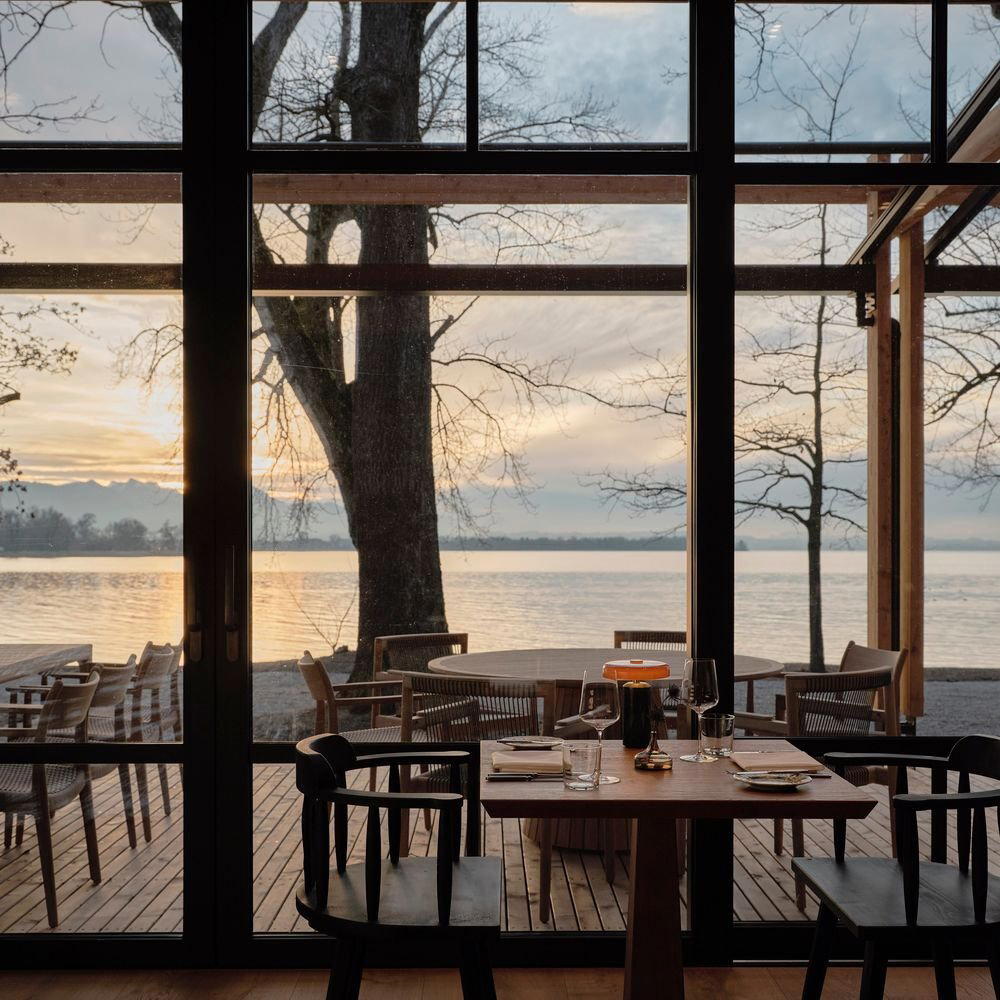
Bars in Übersee
Browse all →
Details
- Cozy
- Modern
- Elegant
- Intimate
- Date Night
- Special Occasion
- Open Kitchen
- Terrace
- Garden
- Extensive Wine List
- Farm To Table
- Local Sourcing
- Waterfront
- Tasting Menu
- A La Carte
- Vegetarian Friendly
Current opening hours
- Monday
- Closed
- Tuesday
- Closed
- Wednesday
- 6 PM–12 AM
- Thursday
- 6 PM–12 AM
- Friday
- 6 PM–12 AM
- Saturday
- 6 PM–12 AM
- Sunday
- Closed
Hours can change for holidays and private events. Last verified .
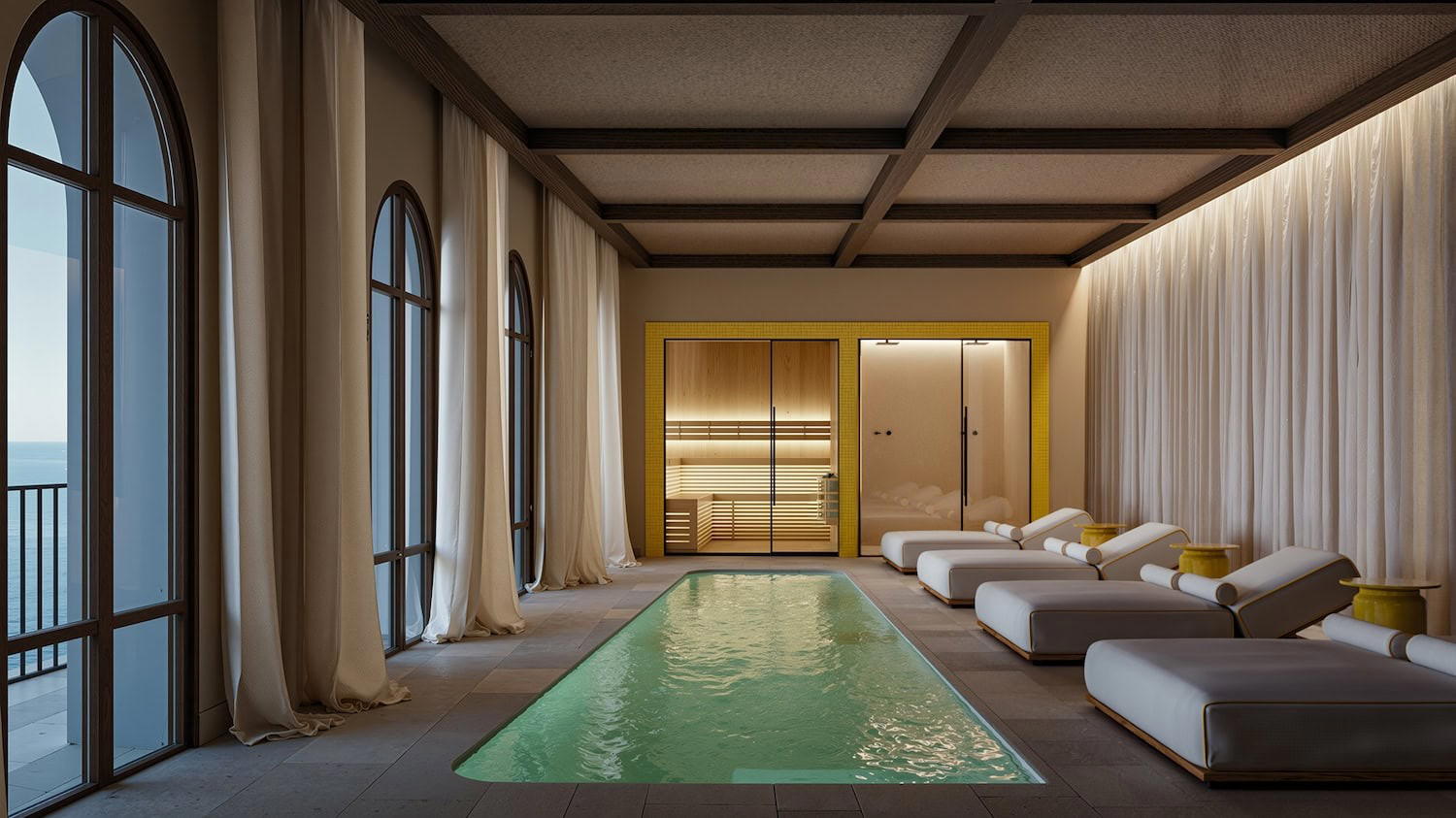
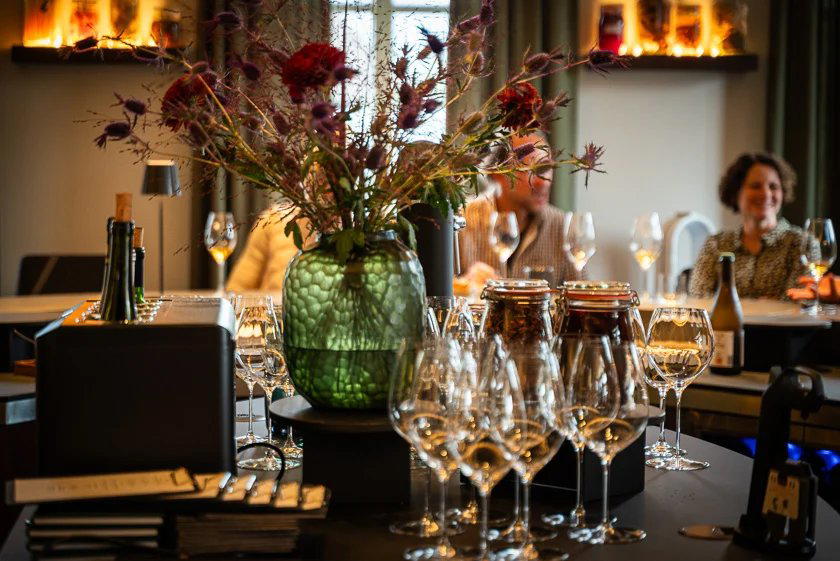
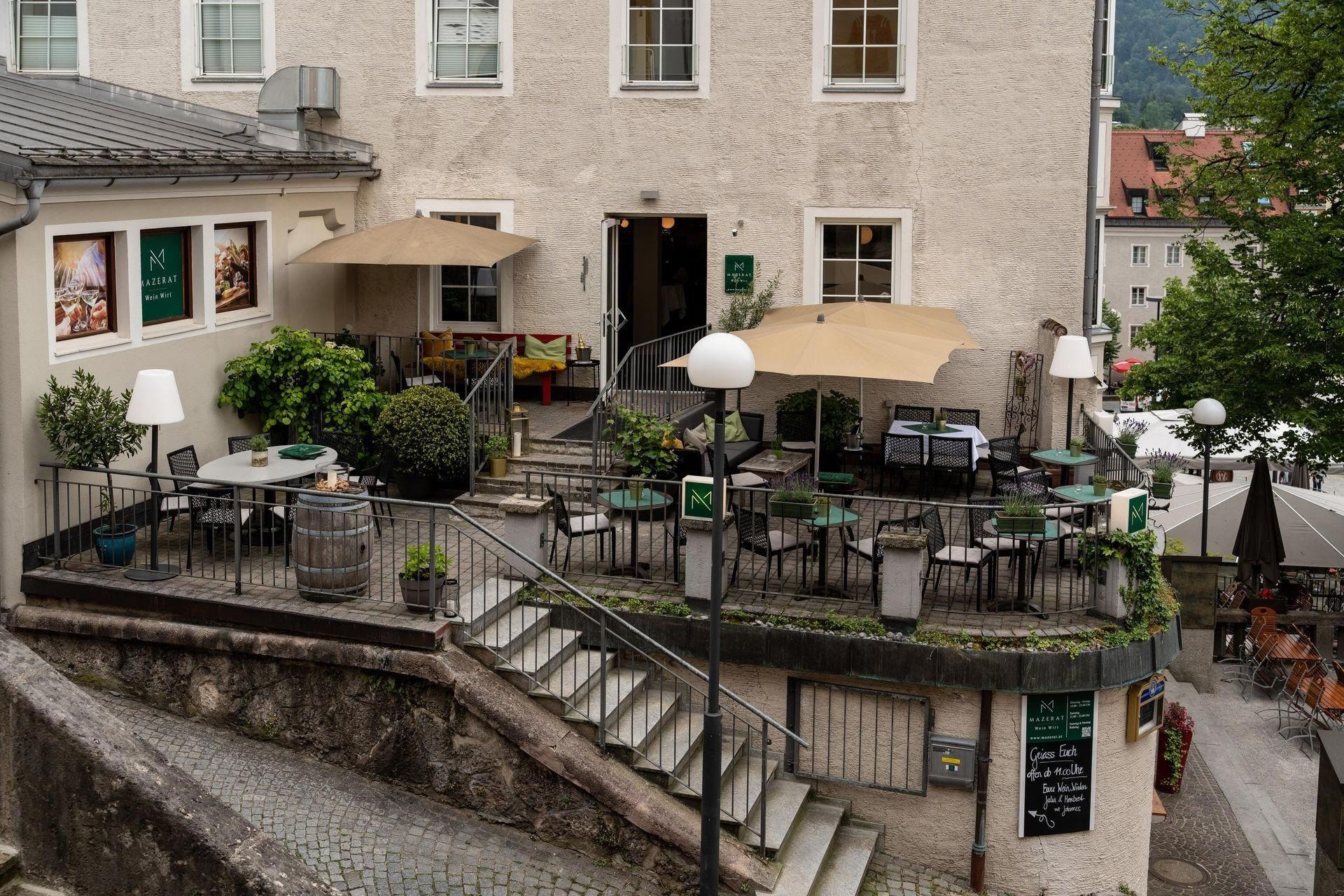
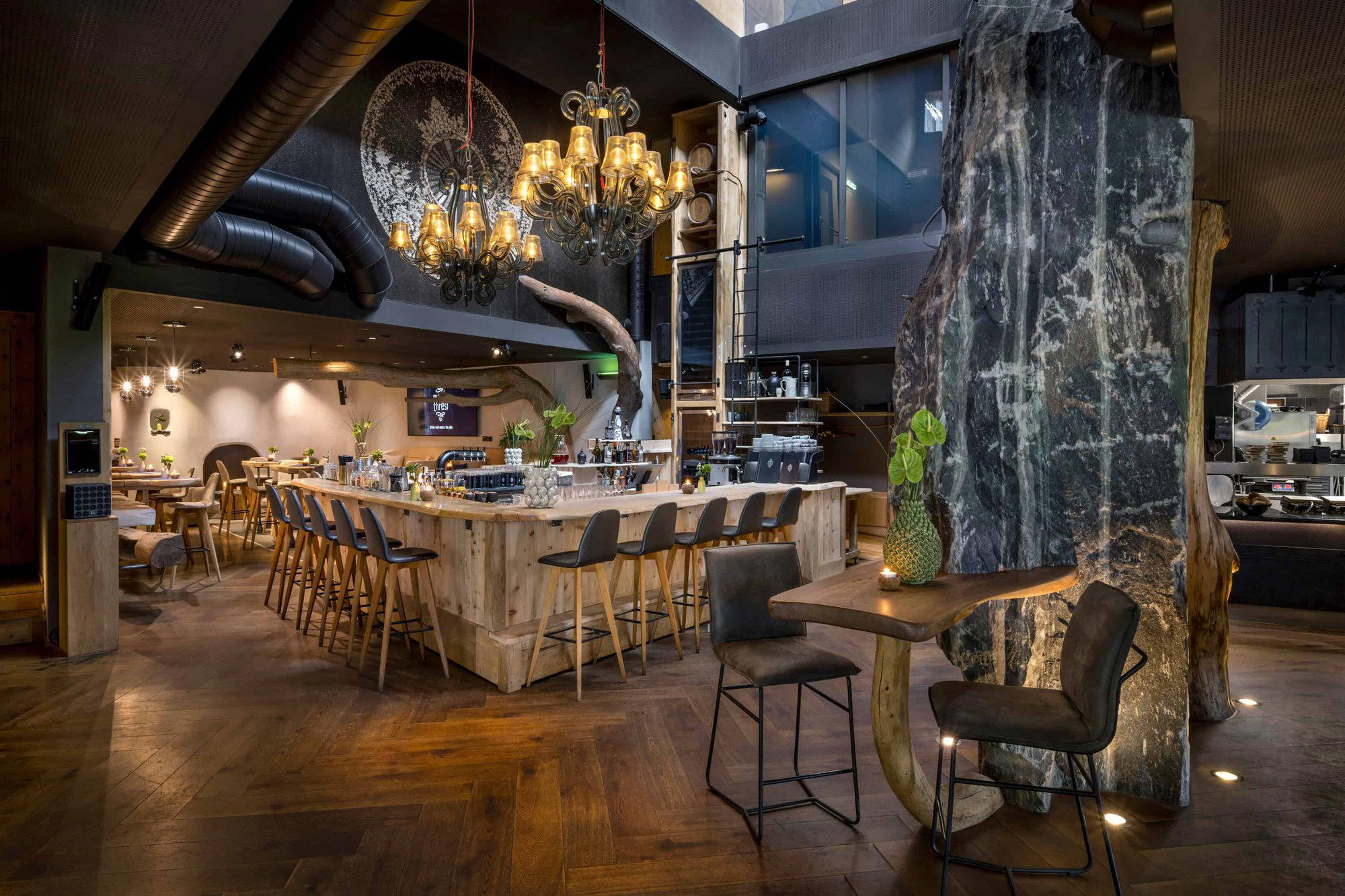
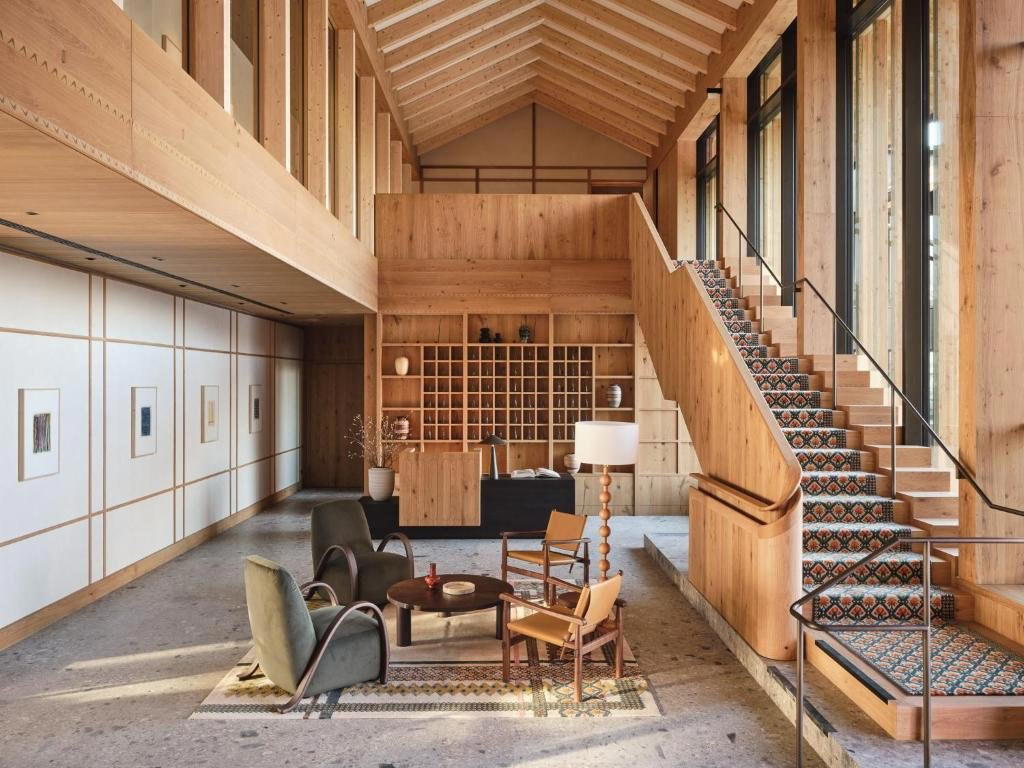
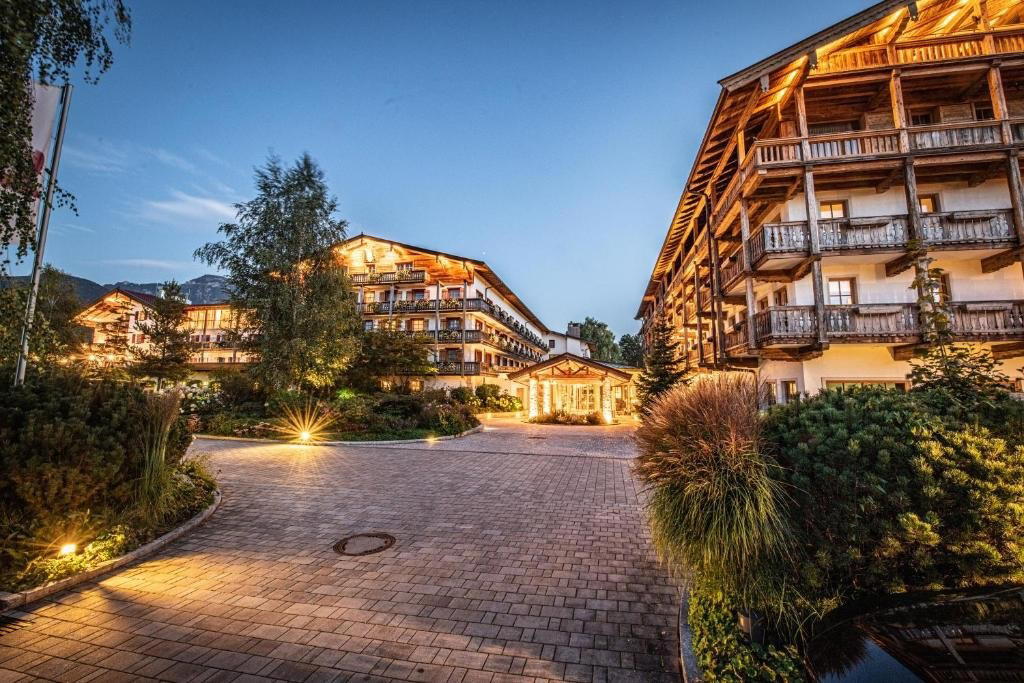
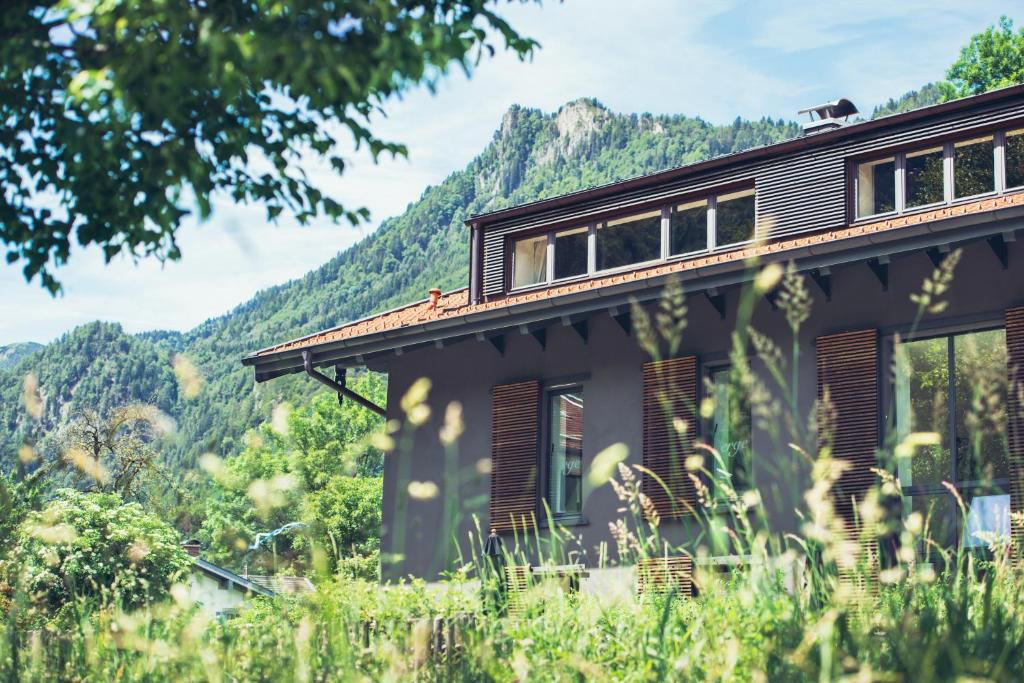
Airy contemporary interior with expansive windows flooding natural light, relaxed welcoming atmosphere seamlessly integrated with lakeside landscape, and herb garden terrace.