Our verdict
Located in Godoy Cruz on the edge of greater Mendoza, Belgrano 1069 sits within one of Argentina's most ingredient-rich dining corridors, where proximity to vineyards, high-altitude farms, and Andean producers shapes what lands on the plate. The address places it in direct conversation with the city's serious restaurant tier, where sourcing decisions carry as much weight as technique.

Pearl is the En Primeur Club membership app — saves, bookings, and concierge access live there. Same editors, same standards.
- Address
- Belgrano 1069, M5504 Godoy Cruz, Mendoza, Argentina
- Directions
- Get directions
The menu
What to order
- Avocado gnocchi
- Spinach omelet
- Pastrami sandwich
- Cheese burger
Godoy Cruz and the Sourcing Logic Behind Mendoza's Serious Restaurants
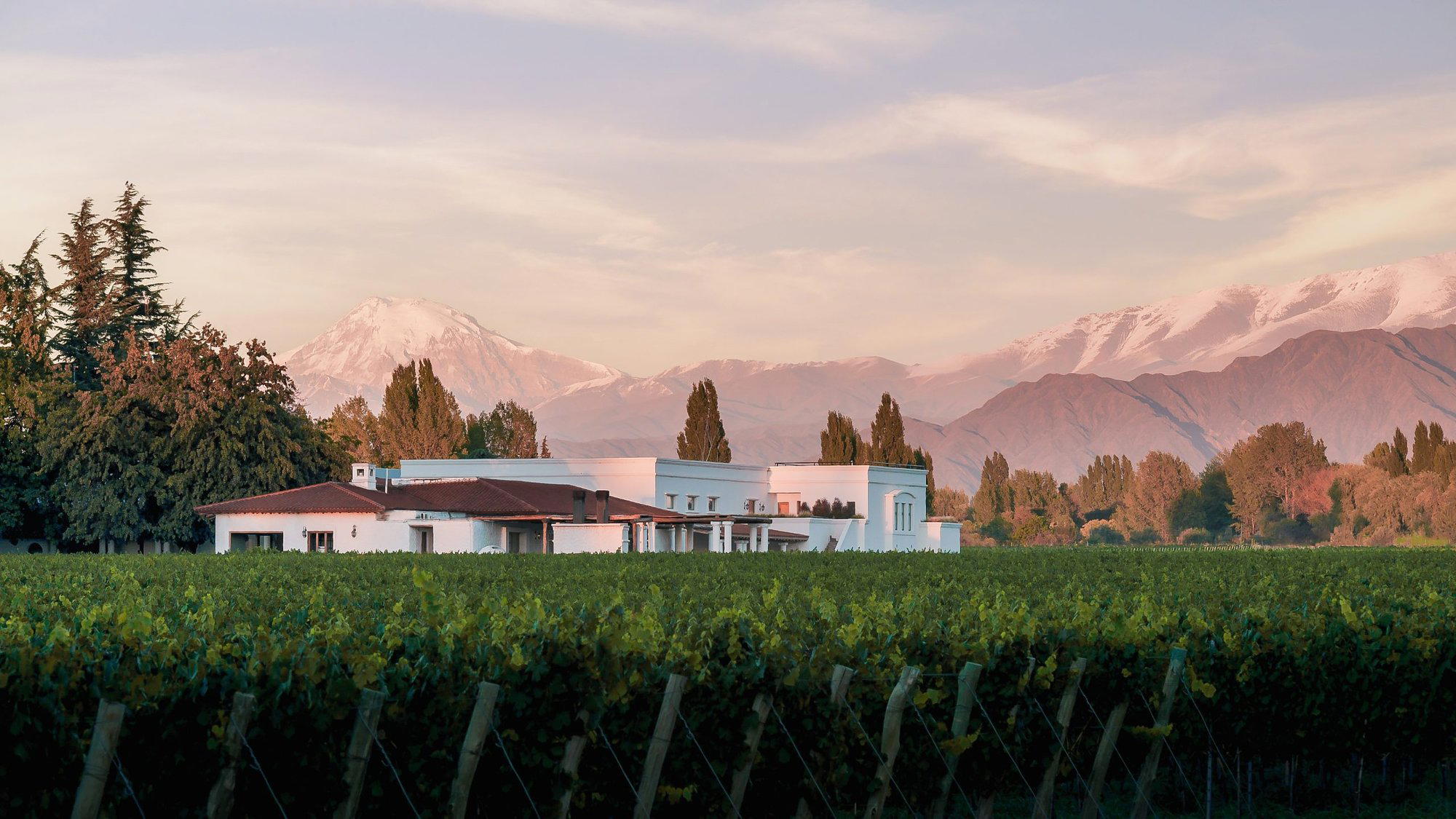
Godoy Cruz is not Mendoza city proper, but the distinction matters less than it once did. The department sits immediately south of the capital, and its streets thread through one of the most agriculturally specific urban-fringe zones in Argentina. Vineyards operate within blocks of residential addresses. Andean meltwater feeds irrigation channels that have sustained stone-fruit orchards, olive groves, and market gardens for generations. For restaurants operating at this address, the supply chain is not a talking point — it is a structural advantage built into the geography. Belgrano 1069, at its Godoy Cruz address, inherits that context whether it chooses to foreground it or not.
This matters because Mendoza's restaurant scene has spent the past decade sorting itself into tiers defined less by price alone and more by how seriously kitchens engage with the region's raw material. At one end, the winery dining rooms at estates in Luján de Cuyo and the Valle de Uco have raised the floor on ingredient quality by tying menus directly to estate agriculture. Properties like Cavas Wine Lodge in Alto Agrelo and Entre Cielos Luxury Wine Hotel & Spa in Luján de Cuyo operate within that model. Urban Mendoza restaurants compete on different terms: they cannot control their own vineyards, but those positioned intelligently can access the same network of small producers, directly and without the logistics overhead of a remote estate.
What the Godoy Cruz Address Signals
Belgrano 1069 sits at an address in Godoy Cruz that places it within reach of the city's established dining corridor without being absorbed by the tourist-facing concentration around the central squares. That positioning is relevant. Mendoza's most credible independent restaurants have tended to anchor in neighbourhoods where the local clientele — wine professionals, producers, architects, the food-literate professional class, forms the reliable base of the room rather than the occasional visitor. The result, when it works, is a dining environment where the kitchen is not calibrating every decision against what an international traveller expects Argentine food to look like.
The city's upper tier of independent restaurants, among them Azafrán, Angélica Cocina Maestra, Brindillas, and Casa Vigil, share a common orientation toward the region's produce rather than toward canonical Argentine formats. That orientation marks a meaningful departure from the steakhouse model that still dominates perceptions of Argentine dining internationally. The comparison point is not 1884 Francis Mallmann, where the parrilla tradition is the explicit subject. The comparison point is the smaller cohort of kitchens treating Mendoza's growing season as the primary design constraint. Riccitelli Bistró sits adjacent to that cohort, tying its food program directly to the wine house behind it.
The Ingredient Argument in Mendoza's Dining Scene
Argentina's position as a high-quality agricultural producer is widely understood at the commodity level, beef, wine, soy, but the granular detail of what Mendoza's micro-climates produce for a serious kitchen is less often discussed internationally. The eastern piedmont zones yield stone fruits, garlic, and peppers with a concentration that altitude and dry heat drive. The Andean-adjacent smallholdings grow herbs, root vegetables, and specialty produce that rarely reaches Buenos Aires, let alone export markets. A kitchen at a Godoy Cruz address that builds supplier relationships in these zones is working with material that has genuine scarcity, not manufactured exclusivity.
This is the sourcing argument that the leading Mendoza restaurants have made coherently over the past decade. It is also the argument that separates the serious tier from venues that import technique from Buenos Aires or Santiago and apply it to generic commodity product. For context on how that argument plays out at the national level, Don Julio in Buenos Aires has made a comparable case for provenance-led thinking within a traditional format. The Mendoza version of that case tends to be less carnivore-centric and more vegetable and fermentation-forward, given what the region's farms actually produce in abundance.
Regional Comparisons Worth Making
Argentina's premium dining geography extends well beyond Mendoza, and the EP Club network covers several points of reference that help calibrate expectations. In the wine country west of Buenos Aires, Agrelo in Luján de Cuyo and Chacras de Coria represent the estate-integrated model. Further afield, Las Balsas Restaurant in Villa La Angostura demonstrates how Patagonian sourcing builds a distinct identity in a completely different biome. La Table de House of Jasmines in La Merced Chica and La Bamba de Areco in San Antonio de Areco extend that pattern into the estancia tradition. Internationally, the sourcing-first model finds perhaps its clearest expression at formats like Lazy Bear in San Francisco, where supplier transparency is built into the menu itself, and at Le Bernardin in New York City, which has long treated sourcing as a competitive credential rather than a marketing overlay. Awasi Iguazú in Puerto Iguazú and Los Talas del Entrerriano in General San Martín round out the Argentine context with their own regional sourcing logics.
Planning a Visit
Godoy Cruz is accessible from central Mendoza by taxi or remis in under fifteen minutes, and the address on Belgrano places it within a walkable radius of several other independent restaurants worth combining in a longer stay. For broader orientation across the city's dining options, the EP Club Mendoza restaurants guide maps the full scene with editorial context. Given the limited data available for Belgrano 1069 through standard channels, confirming hours and reservation policy directly before visiting is advisable, a pattern that applies to most of Mendoza's smaller independent rooms, which tend not to maintain high-visibility online booking infrastructure.
Frequently asked questions
What part of town is Belgrano 1069 in?
Belgrano 1069 is located at Belgrano 1069, M5504 Godoy Cruz, Mendoza, Argentina, Mendoza.
Is Belgrano 1069 a good choice for a wine-focused dinner in Mendoza?
Godoy Cruz sits at the edge of Argentina's most concentrated wine-producing region, and restaurants along the Belgrano corridor are positioned to pair directly with Mendoza's output — Malbec, Cabernet Franc, and high-altitude whites among them. The address at Belgrano 1069 places guests within a short taxi or remis ride from central Mendoza and the major bodegas to the south and west, making it a practical base for a wine-led evening without crossing into the city's more tourist-dense dining zones.
What should I order at Belgrano 1069?
The venue's Godoy Cruz address places it within Mendoza's serious dining corridor, where kitchens typically draw on Argentina's high-quality agricultural producers — beef, seasonal vegetables, and regional wine pairings tend to anchor menus of this calibre.
Should I book Belgrano 1069 in advance?
Godoy Cruz sits immediately south of Mendoza's capital and its better dining rooms fill quickly, particularly during harvest season (March to April) when wine tourism peaks across the province. Reservations are advisable rather than optional; the Belgrano address puts it within reach of both local regulars and visiting guests staying in central Mendoza.
What's Belgrano 1069 best at?
The restaurant's position in Godoy Cruz signals a deliberate step away from the tourist-facing strip of Mendoza city proper, which in Argentina's dining geography often correlates with kitchens that prioritise sourcing and regulars over spectacle. Without published awards or a documented menu, the clearest case for the address is its proximity to serious regional produce and the established dining corridor it occupies.
| Venue | Cuisine | Price | Awards | Notes |
|---|---|---|---|---|
| Belgrano 1069This venue — the venue you are viewing | Contemporary Argentine Bistro with Mediterranean Influences | $10–20 | Not listed | Not listed |
| 1884 Francis Mallmann | Argentine Parrilla & Traditional Grilled Cuisine | $200–300 | Michelin Plate · World's 50 Best #45 | Argentinian Steakhouse, Traditional Cuisine |
| Azafrán | Modern Argentine Fine Dining | $50–100 | 1 Michelin Star · World's 50 Best #97 | Modern Cuisine |
| Angélica Cocina Maestra | Modern Argentine Fine Dining | Not listed | 1 Michelin Star · Wine Enthusiast Best Winery Restaurant 2026 | Creative |
| Brindillas | Modern Argentine Fine Dining | $50–100 | 1 Michelin Star | Modern Cuisine |
| Casa Vigil | Modern Argentinian Fine Dining | $150–200 | 1 Michelin Star · The Best Chef One Knife | Contemporary |
Continue exploring
More in Mendoza
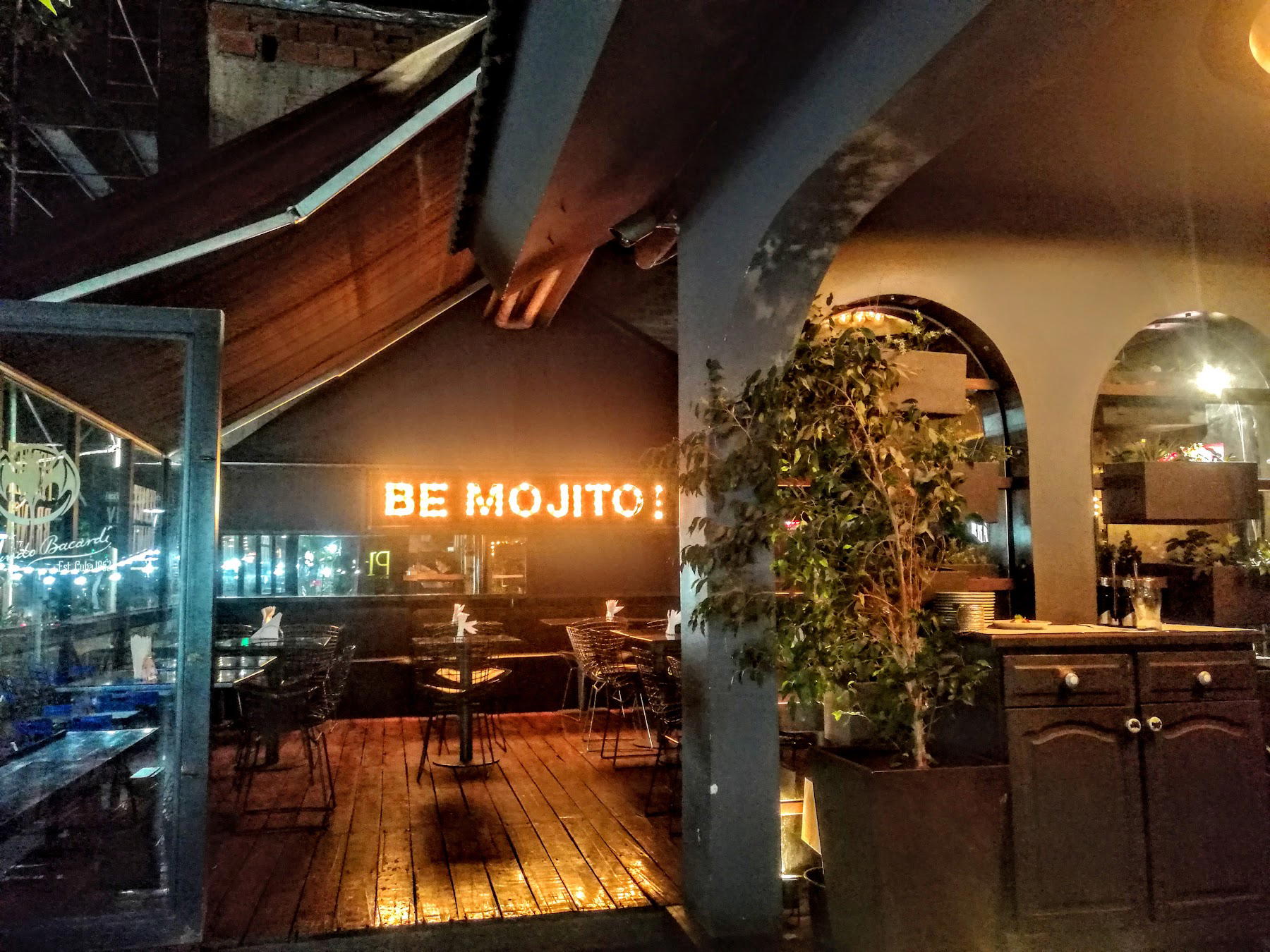
Restaurants in Mendoza
Browse all →
Bars in Mendoza
Browse all →
Hotels in Mendoza
Browse all →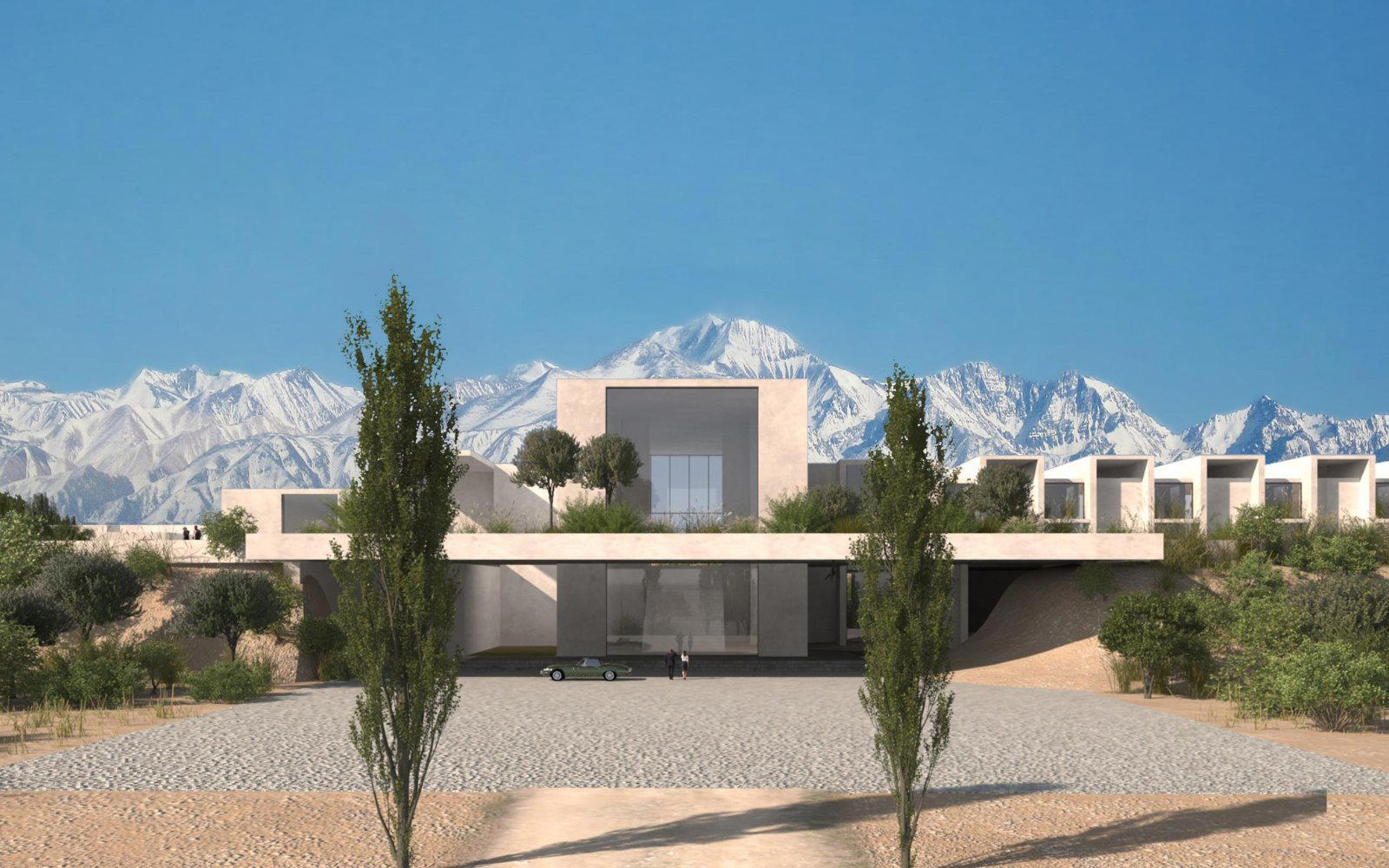
Details
- Modern
- Elegant
- Casual
- Casual Hangout
- Brunch
- Family
- Group Dining
- Open Kitchen
- Terrace
- Corkage Allowed
- Local Sourcing
- A La Carte
- Wine
- Vegetarian Friendly
- Vegan Options
- Gluten Free Options
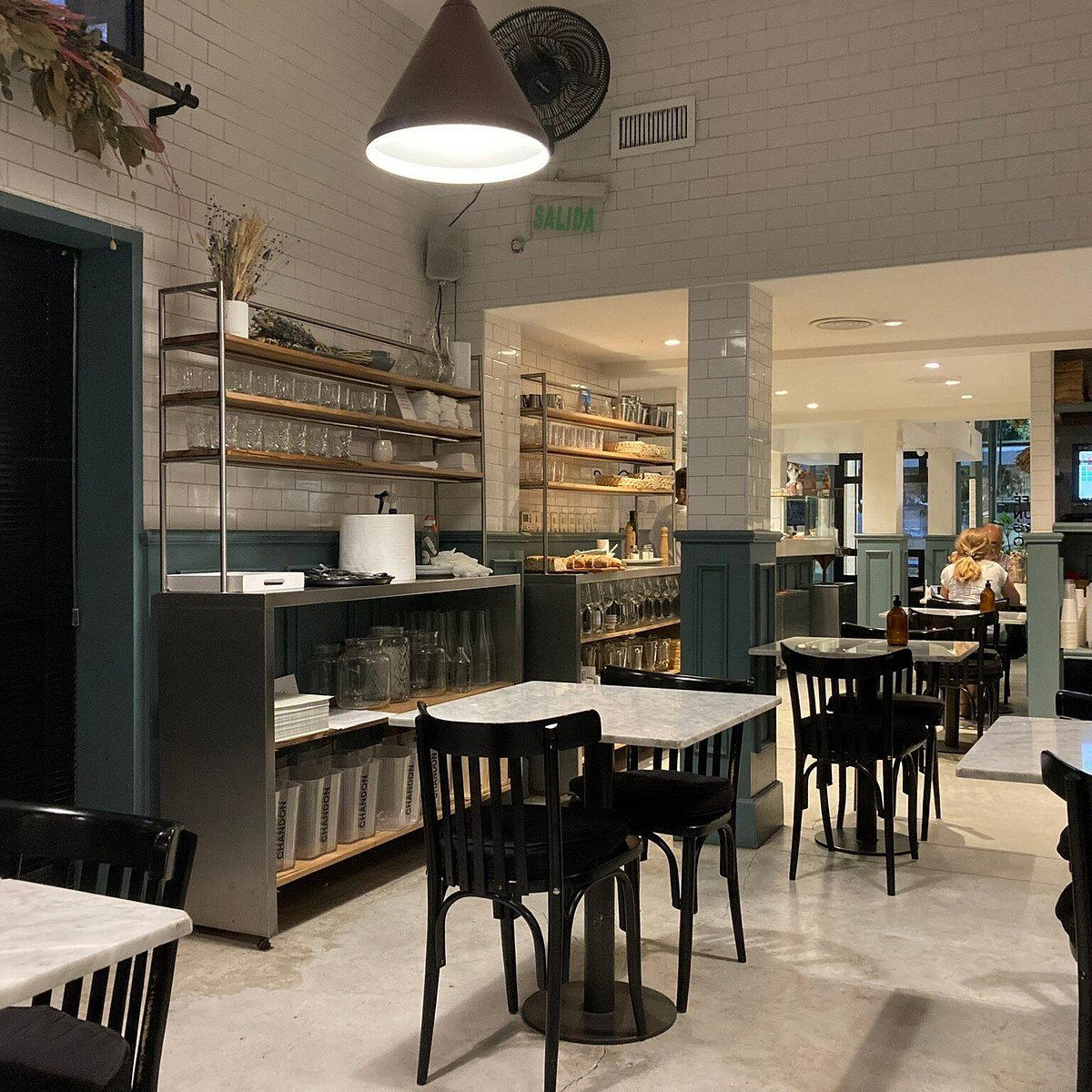
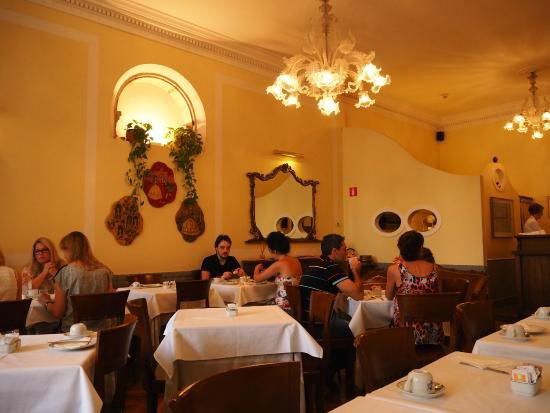
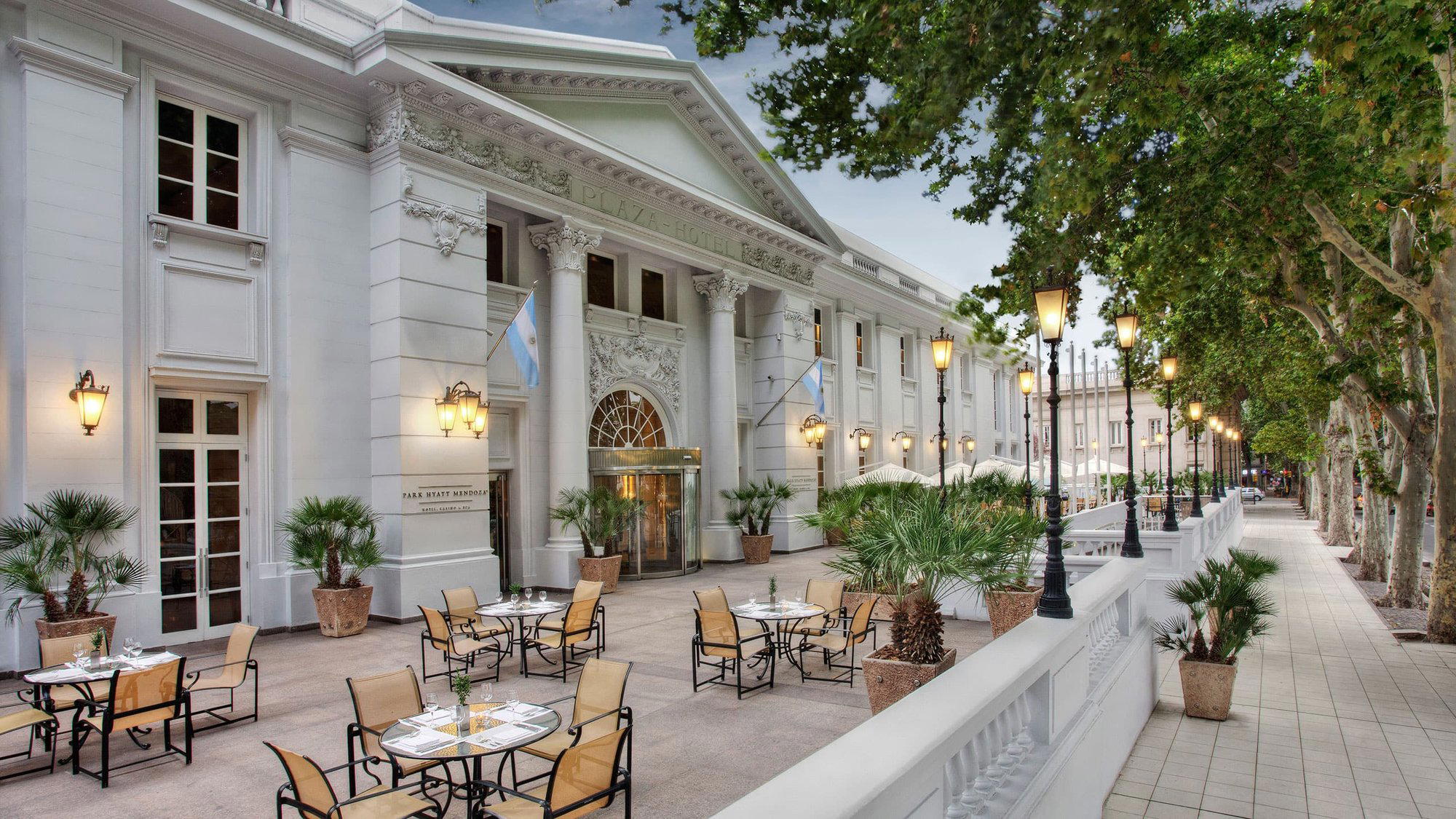
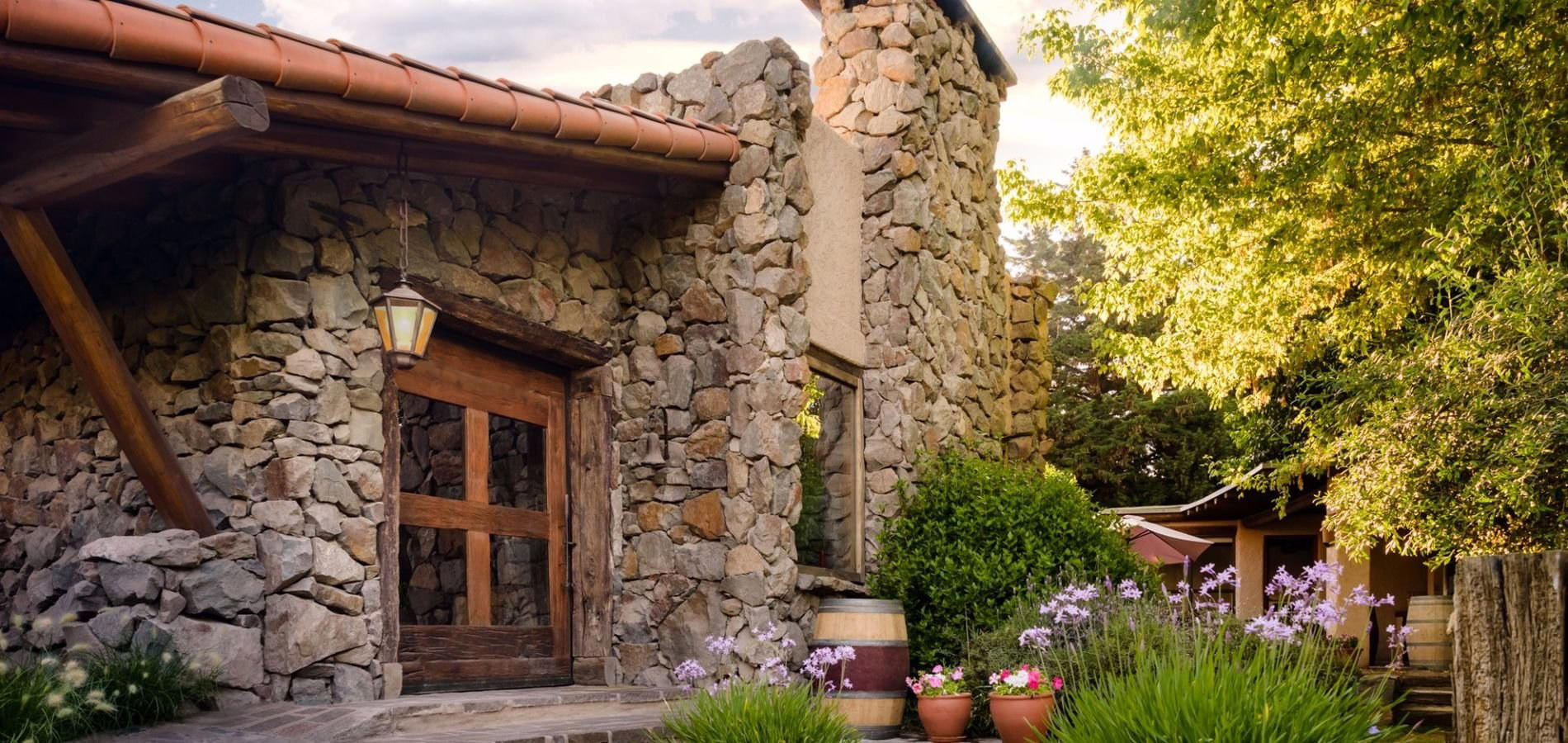
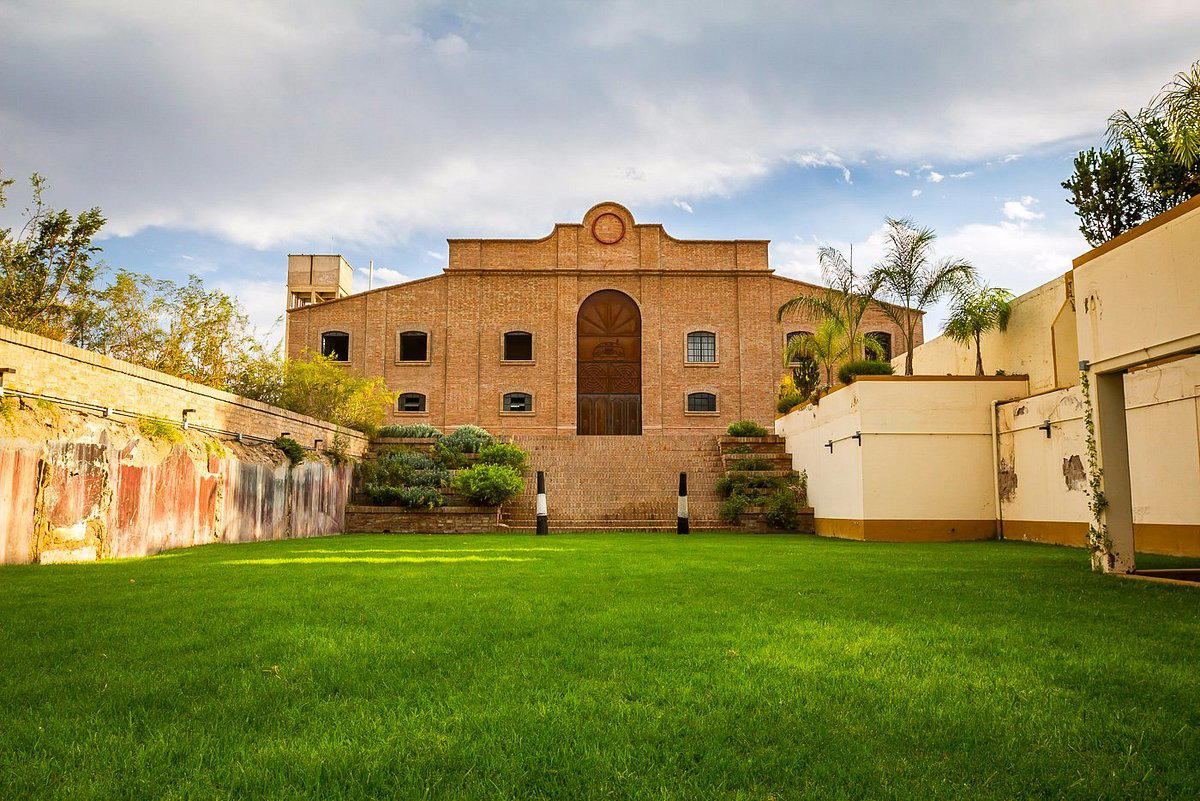
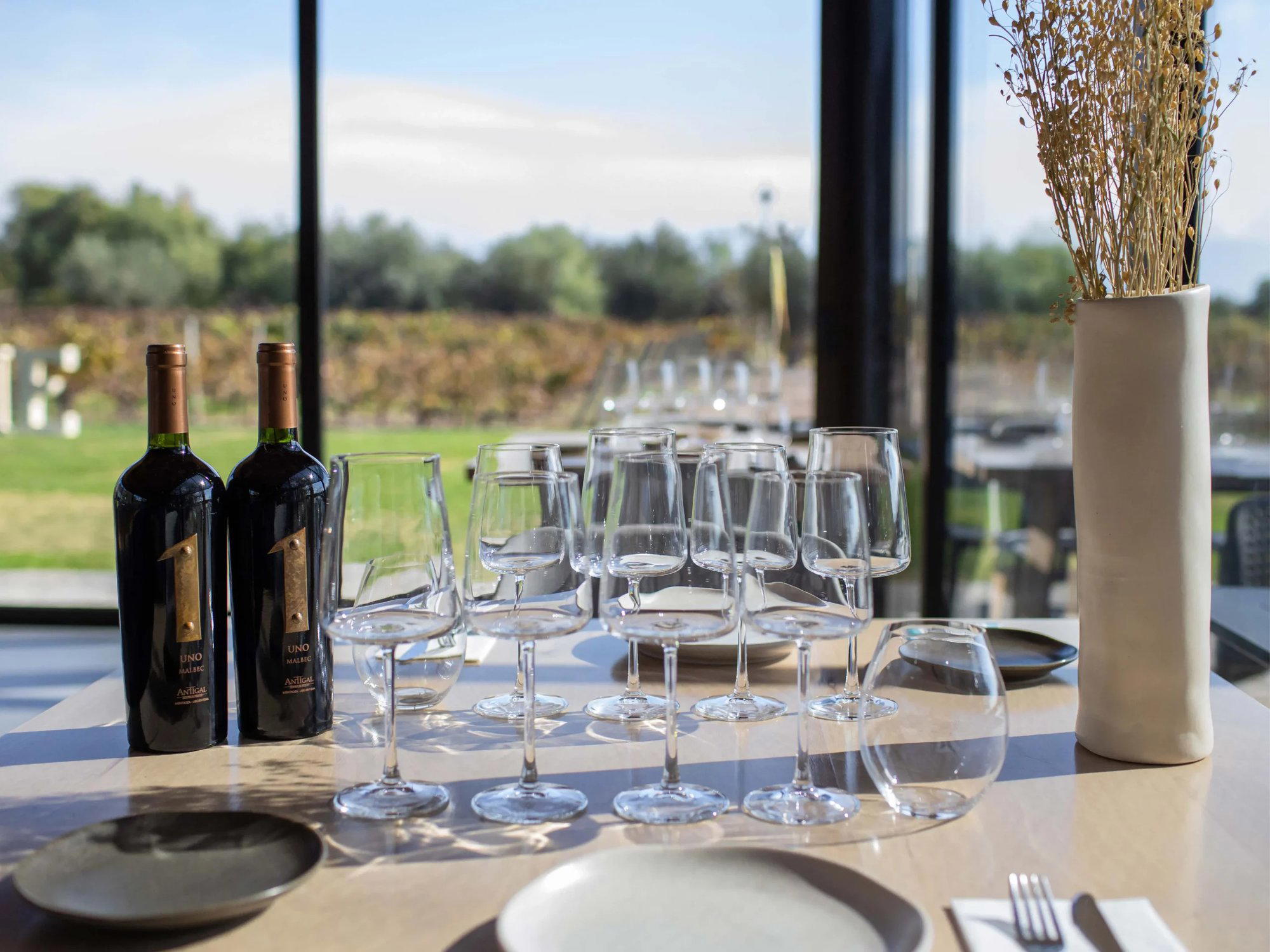
Well-appointed interior with European bistro aesthetic featuring white tile finishes and an open kitchen; comfortable outdoor patio seating for people-watching on warm evenings; friendly, attentive service atmosphere.