Our verdict
A traditional cantina on San Juan street in central Mendoza, La Rambla operates in a city where wine-country dining has shifted decisively upmarket. The room leans into the cantina format at a moment when Mendoza's restaurant scene is increasingly defined by tasting menus and estate dining. For visitors looking to drink well without the ceremony of a winery table, it occupies a distinct position in the city's mid-register.

Pearl is the En Primeur Club membership app — saves, bookings, and concierge access live there. Same editors, same standards.
- Address
- San Juan 1436, M5500 ciudad, Mendoza, Argentina
- Phone
- +542617221471
- Hours
- Mon–Wed ClosedThu 9–11:30 PMFri–Sat 9 PM–1:30 AMSun Closed
- Website
- sites.google.com
- Directions
- Get directions
- Booking
- Book on the venue's website
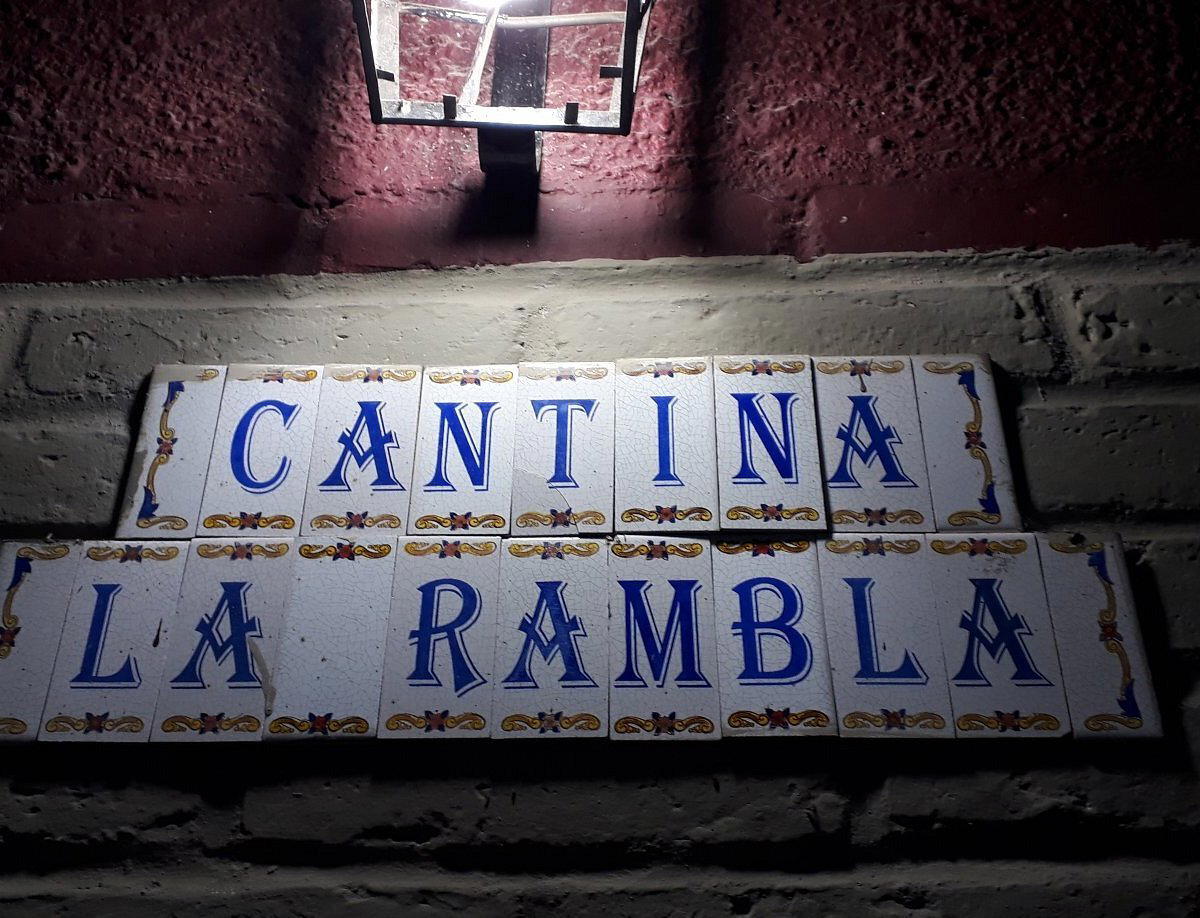
Cantina Dining in Wine Country: Where La Rambla Sits
Mendoza's dining scene has undergone a structural split over the past decade. On one side, a tier of destination restaurants, among them Casa Vigil, Azafrán, and Angélica Cocina Maestra, has consolidated around the $$$$-tier, offering tasting formats, wine pairings sourced from nearby estates, and cooking that self-consciously references the region's agricultural identity. On the other, the cantina format has survived as a quieter counterpoint: full service, a fixed address in the urban grid, and a wine list that draws from the same Luján de Cuyo and Valle de Uco producers without the production-level pricing that estate restaurants command.
Cantina "La Rambla", at San Juan 1436 in central Mendoza, belongs to that second category. The address puts it in the walkable core of the city, well inside the radius of the pedestrian streets and plaza-adjacent blocks where local residents eat rather than where wine tourists are bused. That distinction matters when reading the wine list: cantinas in this position tend to hold bottles from small allocations that never reach the winery tasting rooms, sourced through city-side distribution relationships that predate the export boom.
The Cantina Wine List in Context
Argentina's wine conversation is still dominated by Malbec, and Mendoza is its headquarters. But the more interesting question inside a cantina wine list is not whether Malbec appears, it will, repeatedly, across price points and subregions, but how the list is curated around it. The cantina format, as it operates in Mendoza's city centre, typically rewards its longest-standing relationships: producers who have supplied the same address for years, including smaller family bodegas in Maipú, Luján de Cuyo, and the higher-altitude parcels above 1,000 metres in the Uco Valley.
That curation approach produces lists with a different character than the estate-side dining at properties like Cavas Wine Lodge or Entre Cielos Luxury Wine Hotel & Spa. Those venues are built around single-estate depth; the urban cantina is built around breadth and value, holding bottles from multiple producers at prices that reflect city-side margins rather than the tourism premium attached to vineyard tables. For a diner who wants to compare three different Malbec expressions from different elevations in a single sitting, a well-stocked cantina list is the more practical tool.
The broader shift in Argentine wine drinking is also relevant here. Torrontés from Salta, Bonarda from older Mendoza vines, and Cabernet Franc from high-altitude Uco plantings have all moved from afterthought to active conversation in city restaurants over the past several years. A cantina with a well-maintained list will show that shift, stocking bottles that sit outside the Malbec anchor without abandoning it. It is a format that suits a diner who arrives knowing what they want but is open to being redirected by whoever is pouring.
What the Room Signals
The cantina format carries a physical grammar. Long tables, close spacing, a noise level that assumes conversation is more important than silence, and a service rhythm oriented around the table rather than the clock. This is not the focused, course-by-course architecture of a restaurant like Brindillas or the theatrical precision associated with the $$$$-tier in Buenos Aires, where something like Don Julio commands attention through ceremony as much as through the food itself.
At La Rambla, the San Juan address and the cantina designation together suggest a room built for duration rather than occasion. You arrive, you order a bottle, you stay. The food exists to support that pace: dishes with weight and generosity, portions calibrated to a table that has ordered wine first and will likely order more. Across Argentina, the cantina tradition connects directly to Italian immigrant influence, and Mendoza's founding wine culture was shaped in no small part by Italian and Spanish families who brought both their viticultural knowledge and their dining habits with them. The cantina, in that context, is not a nostalgic format but a persistent one.
Placing La Rambla in the Mendoza Dining Map
For a visitor building a Mendoza itinerary, the cantina slot is a different appointment than the estate lunch. Properties like Riccitelli Bistró or a drive out to Agrelo in Luján de Cuyo or Chacras de Coria demand planning, transport, and a structured block of time. La Rambla, on a central city street, is the kind of address you can reach on foot after an afternoon of walking the city, without a reservation three weeks out and without a rental car.
That accessibility is not incidental; it is the point. The cantina occupies the same structural role in Mendoza that the neighbourhood bistro occupies in a French wine region or the trattoria near the central market occupies in northern Italy. It is where the city eats, as distinct from where the visiting wine press is taken to lunch. The distinction has value for the traveller who wants contact with a city rather than a curated version of it. Wider regional comparisons are useful here: the commitment to local produce and Argentine wine that drives estate restaurants like La Table de House of Jasmines or the Patagonian table at Las Balsas Restaurant runs through the same supply lines that stock a good cantina cellar, just without the ceremony layered on leading.
A useful benchmark for what this tier can achieve at its most disciplined is the parrilla-and-wine format at Los Talas del Entrerriano in General San Martín, where the list and the grill are treated as co-equal. The cantina operates on a related premise. If you want to understand how Mendocinos actually drink their own wine, the city cantina is a more direct route than the winery tasting room. The full Mendoza restaurants guide maps the rest of the scene for context.
Planning Your Visit
San Juan 1436 sits in central Mendoza, walkable from the main plazas and the hotel corridor along the city's principal streets. The cantina format generally accommodates walk-ins at the bar or smaller tables, but Mendoza fills up during harvest season, roughly March through April, and during the national and international wine festivals that cluster in February and March. Arriving before the standard Argentine dinner hour, which typically begins later than northern European or North American expectations, increases the likelihood of securing a table without advance notice.
Frequently asked questions
How do I find Cantina "La Rambla"?
Cantina "La Rambla" is located at San Juan 1436, M5500 ciudad, Mendoza, Argentina, Mendoza.
How does Cantina "La Rambla" compare to Mendoza's winery restaurants?
La Rambla is a city-centre cantina at San Juan 1436, not an estate property, which means no vineyard setting and no associated winemaker program. What it offers instead is proximity to central Mendoza and the straightforward cantina formula — shared tables, house wine, regional cooking — without requiring a car or a booked winery tour. It serves a different appointment in the Mendoza itinerary than properties on the Luján de Cuyo or Valle de Uco roads.
What should I order at Cantina "La Rambla"?
No menu is published online, and La Rambla maintains no website. The cantina format in Mendoza typically anchors around grilled meats, pasta, and house wine by the jug or bottle — drawn from a region where Malbec and Bonarda dominate the local list. Arriving and asking what's running that day is the appropriate approach at this address.
Is Cantina "La Rambla" reservation-only?
No phone number or booking platform is listed for La Rambla at San Juan 1436, Mendoza. Cantinas in this city centre corridor typically operate on a walk-in basis, with tables turning through lunch and dinner service. Arriving early in a service window is the most reliable strategy.
What's the standout thing about Cantina "La Rambla"?
La Rambla occupies the cantina tier of Mendoza's dining map — a format that sits apart from the estate-lunch circuit and the destination tasting-menu restaurants that now draw international attention to the region. The address on San Juan 1436 puts it squarely in central Mendoza, walkable from the main plazas, which makes it a practical anchor for city-side eating between winery visits.
Is Cantina "La Rambla" good for vegetarians?
Argentine cantina cooking leans heavily on meat, and Mendoza is no exception. Pasta and vegetable sides are common supporting dishes in the format, but a fully plant-based meal is not the natural fit here. Vegetarians who eat dairy and eggs will likely find workable options; those avoiding all animal products should confirm with the kitchen on arrival.
Is eating at Cantina "La Rambla" worth the cost?
No price range is published for La Rambla, but the cantina category in Mendoza sits well below the tariff of estate restaurants like Casa Vigil or the city's tasting-menu operators. For a visitor, the cantina slot fills a different role: informal, wine-forward, and priced for repeat visits rather than a single occasion.
A Quick Peer Check
A compact comparison to help you place this venue among nearby peers.
| Venue | Cuisine | Price | Awards | Notes |
|---|---|---|---|---|
| Cantina "La Rambla"This venue — the venue you are viewing | Catalan Seafood Paella | $20–30 | Not listed | Not listed |
| 1884 Francis Mallmann | Argentine Parrilla & Traditional Grilled Cuisine | $200–300 | Michelin Plate · World's 50 Best #45 | Argentinian Steakhouse, Traditional Cuisine |
| Azafrán | Modern Argentine Fine Dining | $50–100 | 1 Michelin Star · World's 50 Best #97 | Modern Cuisine |
| Angélica Cocina Maestra | Modern Argentine Fine Dining | Not listed | 1 Michelin Star · Wine Enthusiast Best Winery Restaurant 2026 | Creative |
| Brindillas | Modern Argentine Fine Dining | $50–100 | 1 Michelin Star | Modern Cuisine |
| Casa Vigil | Modern Argentinian Fine Dining | $150–200 | 1 Michelin Star · The Best Chef One Knife | Contemporary |
Continue exploring
More in Mendoza
Restaurants in Mendoza
Browse all →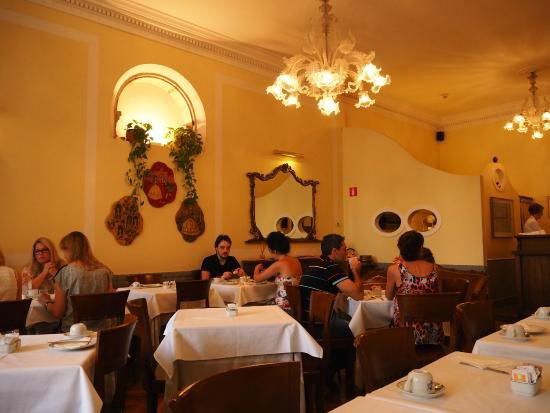
Bars in Mendoza
Browse all →
Hotels in Mendoza
Browse all →
Details
- Cozy
- Rustic
- Intimate
- Date Night
- Group Dining
- Special Occasion
- Courtyard
- Family Style
- A La Carte
Current opening hours
- Monday
- Closed
- Tuesday
- Closed
- Wednesday
- Closed
- Thursday
- 9–11:30 PM
- Friday
- 9 PM–1:30 AM
- Saturday
- 9 PM–1:30 AM
- Sunday
- Closed
Hours can change for holidays and private events. Last verified .
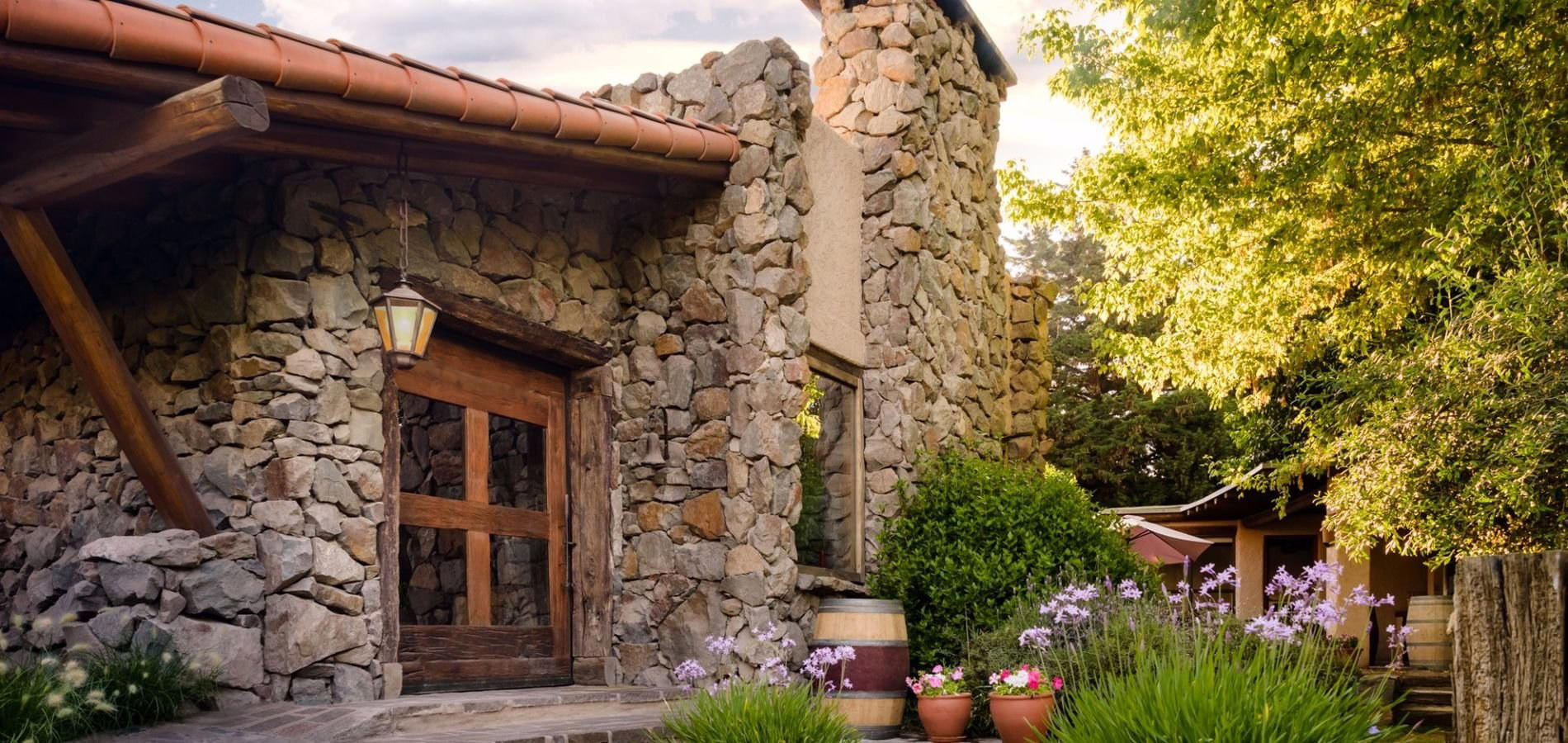
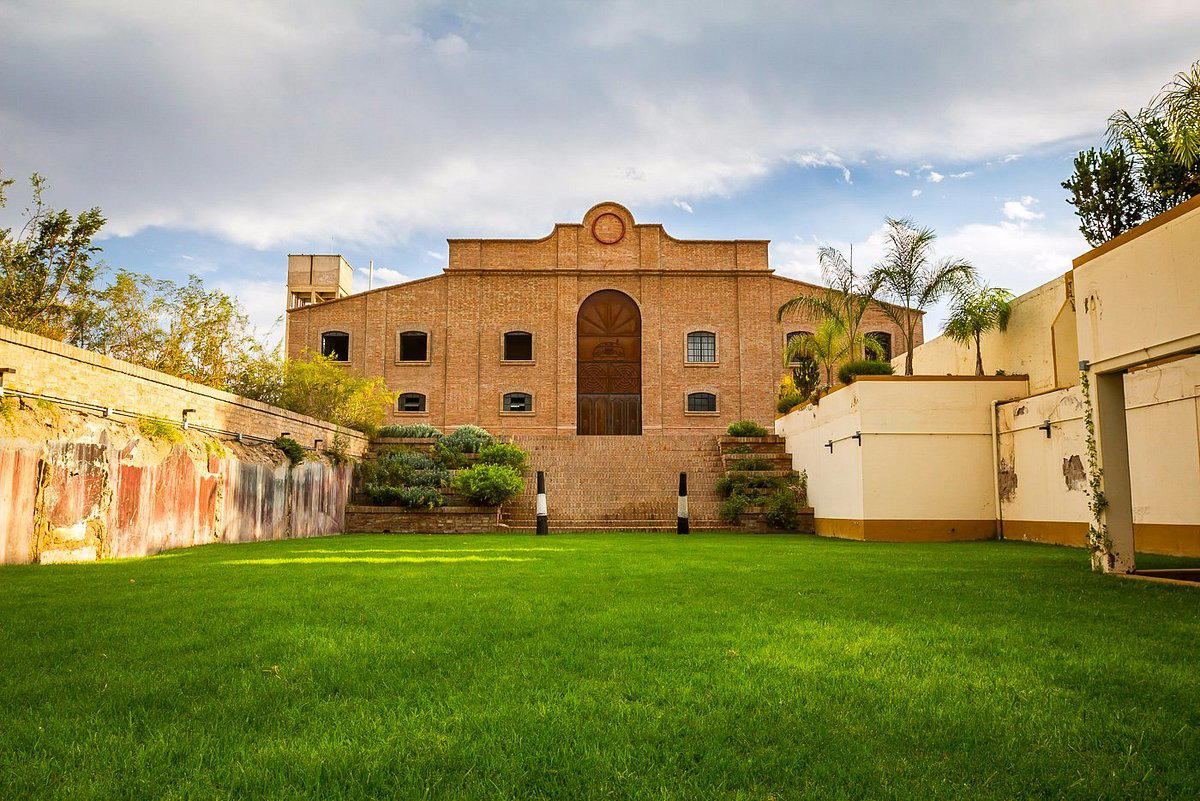
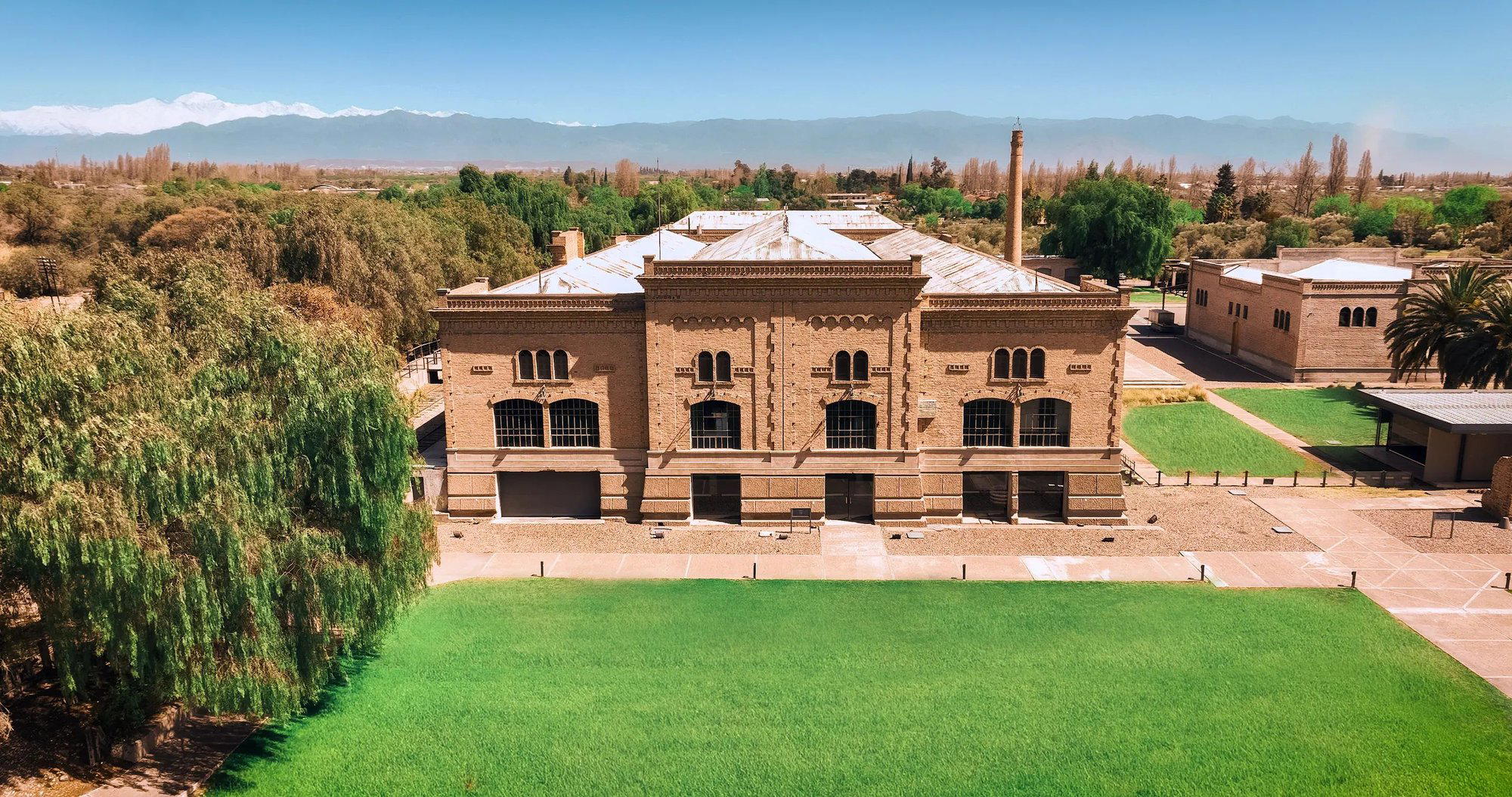
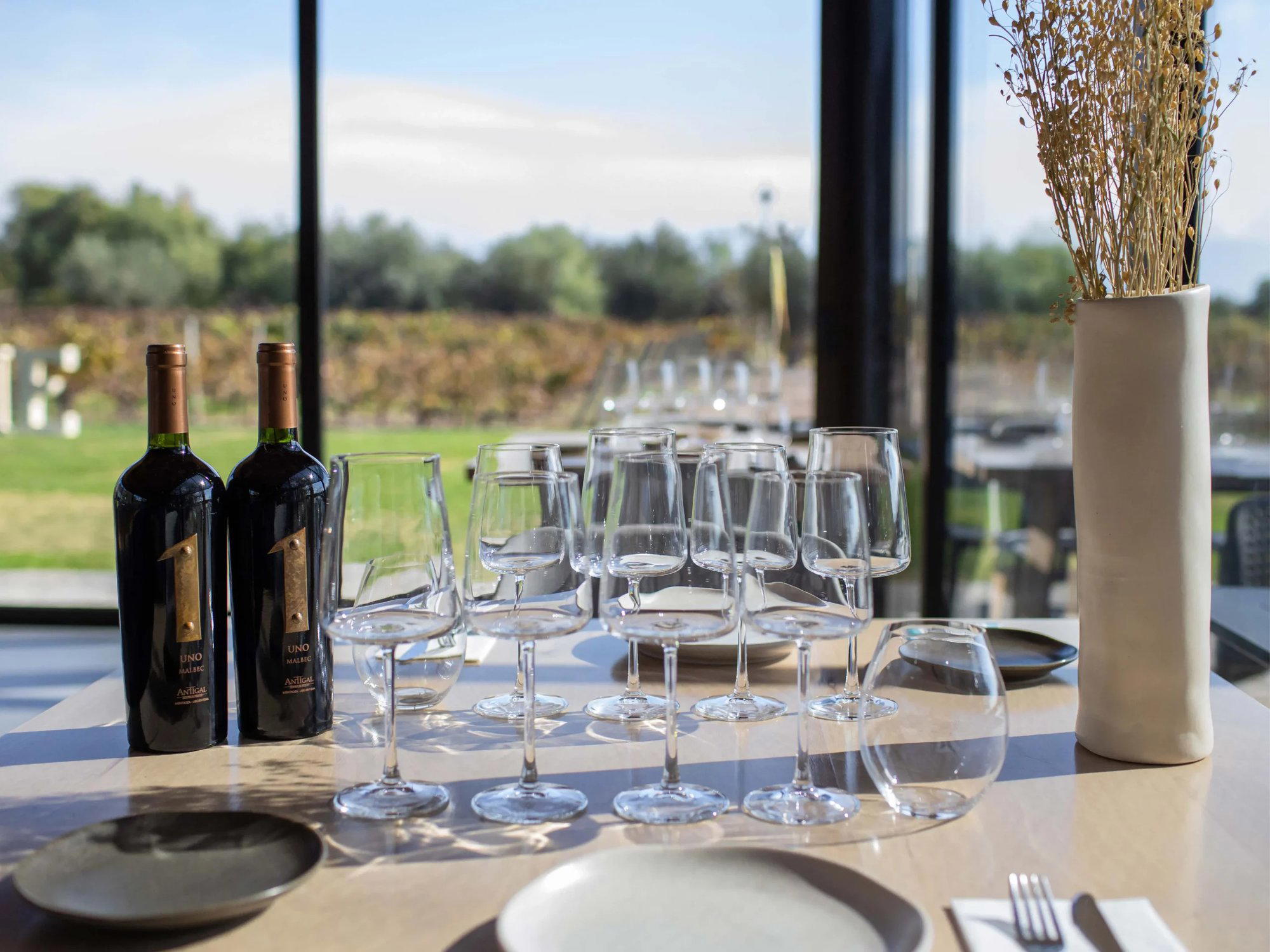
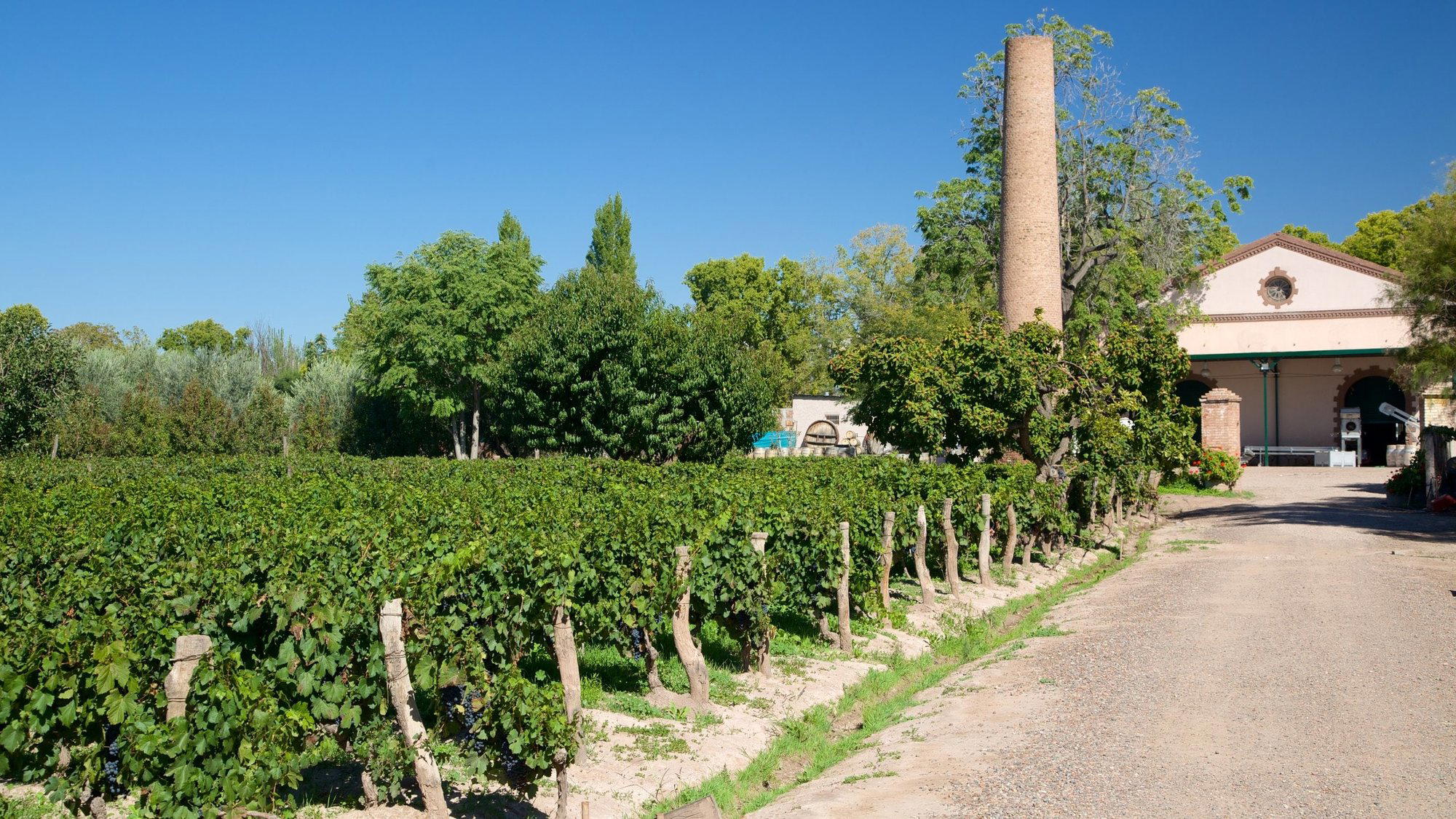
Tasteful décor with a homely, relaxing family atmosphere in a blooming courtyard.