Taqueria San Jose
On Mission Street, Taqueria San Jose occupies a stretch of San Francisco's most concentrated corridor of Mexican cooking, where taquerias have operated for decades alongside carnicerias and panaderias. The kitchen works within a tradition of California-Mexican cooking that prizes tortilla quality and protein sourcing above all else. For the neighbourhood, it remains a reference point rather than a destination.
Pearl is the En Primeur Club membership app — saves, bookings, and concierge access live there. Same editors, same standards.
- Address
- 2839 Mission St, San Francisco, CA 94110
- Phone
- +14159477962
- Website
- taqueriasanjosesf.com
- Directions
- Get directions
 Saves & bookings on Pearl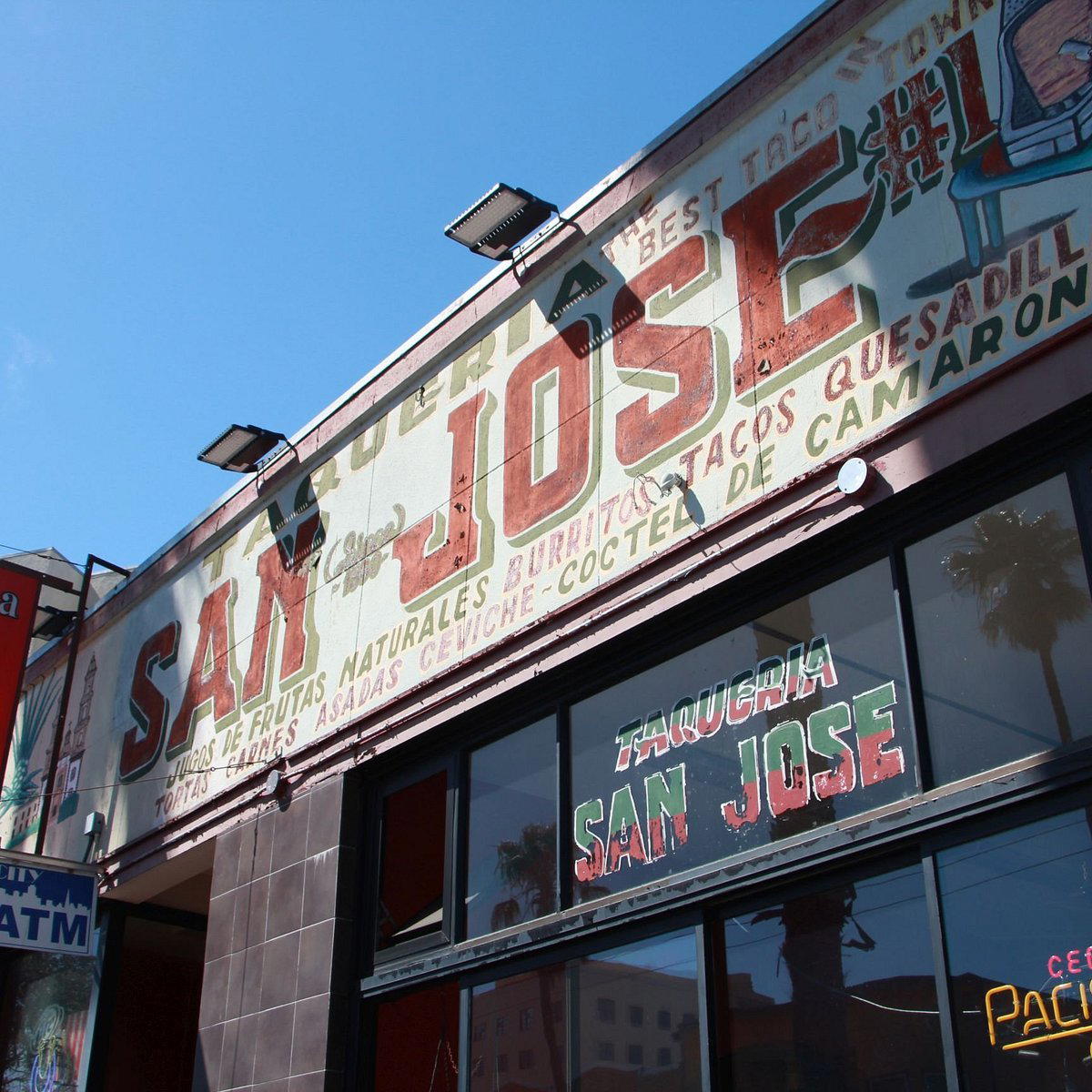
Mission Street and the Taqueria Tradition
San Francisco's Mission District does not have a dining scene in the conventional sense; it has a food culture that predates the city's fine-dining reputation by several generations. Mission Street between 24th and Cesar Chavez is one of the densest concentrations of Mexican and Central American cooking in Northern California, where taquerias operate as neighbourhood infrastructure rather than restaurant concepts. Taqueria San Jose, at 2839 Mission St, sits inside that tradition, in a corridor where the competition is measured not in Michelin stars but in tortilla consistency, line speed, and the loyalty of regulars who have been eating at the same counter for decades.
This matters because it places the venue in a completely different competitive set from the city's tasting-menu circuit. While Lazy Bear, Atelier Crenn, Benu, Quince, and Saison anchor San Francisco's position in global fine dining at the $$$$ tier, Mission taquerias operate according to an entirely different value system, one where price accessibility and daily reliability are the primary metrics of quality. Understanding that distinction is the starting point for any honest assessment of what Taqueria San Jose is and what it is not.
California-Mexican Cooking and the Sourcing Question
The sustainability conversation in American dining has largely been framed around farm-to-table tasting menus, operations like Single Thread Farm in Healdsburg, Blue Hill at Stone Barns in Tarrytown, and The French Laundry in Napa, where the sourcing narrative is often as prominent as the cooking itself. But the quieter sustainability story in American food runs through neighbourhood taquerias, which have practiced low-waste, whole-animal, vegetable-forward cooking not as an ideology but as an economic necessity for generations.
Traditional taqueria kitchens use every part of the animal, from lengua and cabeza to tripe and liver, cooking formats that reduce waste by design rather than by marketing decision. Dried chiles, dried beans, masa made from nixtamalized corn: these are ingredients with long shelf lives and minimal packaging requirements. The carbon footprint of a traditional taqueria, when measured against portion size and cost, frequently compares favourably to that of restaurants spending considerably more on their sustainability credentials. That context is worth holding when assessing any Mission Street taqueria, including this one.
California's position as an agricultural state also shapes what Mission kitchens have access to. The Central Valley supplies some of the highest-volume produce in the country, and proximity to that supply chain means that avocados, tomatoes, chiles, and citrus move from field to kitchen on a timeline that coastal restaurant groups elsewhere pay significant premiums to replicate. For a restaurant in this neighbourhood and price tier, that supply proximity is a structural advantage, not a talking point.
The Mission Corridor in Broader Context
Visitors arriving from the fine-dining tier of American restaurant culture, having dined at Alinea in Chicago, Le Bernardin in New York City, or Providence in Los Angeles, sometimes approach Mission taquerias with the wrong frame of reference. The question is not how a taqueria compares to a white-tablecloth room. The question is how it sits within its own tradition and what that tradition has preserved.
Mission Street taquerias have largely resisted the gentrification pressure that has reshaped much of the surrounding neighbourhood. The format, counter service or simple table service, minimal decor, a menu built around a short list of proteins and preparations, has remained stable because it is efficient and because the customer base that sustains it values consistency over novelty. In a city where restaurant concepts rotate rapidly and dining trends move fast, that stability is itself a form of editorial statement about what a meal is supposed to do.
For comparison, the American Southwest and California have produced some of the country's most respected Mexican-American cooking, a lineage that extends from the Mission's own history as a predominantly working-class Latino neighbourhood into the broader conversation about what constitutes serious food in the United States. That conversation now includes operations like Addison in San Diego and reaches back east to venues like Bacchanalia in Atlanta, Emeril's in New Orleans, and The Inn at Little Washington, each of which represents a different answer to the question of what American cooking can be at its most considered. The Mission taqueria sits at the opposite end of the formality spectrum, but it is answering the same underlying question about ingredients, technique, and place.
What the Address Tells You
The 2800 block of Mission Street places the venue squarely in the heart of the corridor, not on the edges where newer arrivals tend to open. That location signals something about tenure and about the customer base that sustains the operation. Long-running Mission taquerias typically survive through neighbourhood loyalty, a customer relationship built over years rather than through review cycles or social media visibility.
Internationally, this model has equivalents in the street-food permanence of Mexico City, in the loncheras of East Los Angeles, and in the working-class food institutions of cities like New York and Hong Kong, where institutions that serve a regular local base often outlast the more celebrated rooms that open above them in price and profile. The logic is simple: a venue that does not depend on destination diners is less exposed to trend cycles and economic volatility. That resilience is part of what makes the Mission's taqueria culture worth tracking for anyone mapping how San Francisco eats at scale, not just at the summit of the market.
Planning Your Visit
Mission Street taquerias typically operate through lunch and into the evening, with peak demand running from midday through early evening on weekdays and extending later on weekends. The neighbourhood is accessible by BART (16th Street Mission and 24th Street Mission stations both within walking distance of the 2800 block), which makes it a practical stop without requiring a car. Dress is casual and no booking is expected or needed for counter-service formats.
Quick reference: 2839 Mission St, San Francisco, CA 94110. BART-accessible via 24th Street Mission station. No booking required. Casual dress.
Budget Reality Check
Comparable venues nearby, for context on price, style, and recognition.
| Venue | Cuisine | Price | Notes |
|---|---|---|---|
| Taqueria San JoseThis venue — the venue you are viewing | Mission, Authentic Mexican Taqueria | $ | Not listed |
| Tacko | Marina, Mission-Style Mexican Tacos | $ | Not listed |
| Taquería El Farolito | Mission, Authentic Mexican Taqueria | $ | Not listed |
| The Little Chihuahua | Not listed | $$ | Haight Ashbury, Wholesome Mexican Taqueria |
| Cantina on Belden | Not listed | $$ | Financial District/South Beach, Modern Mexican |
| Papalote | Mission, Mission-Style Mexican Burritos | $$ | Not listed |
Continue exploring
More in San Francisco
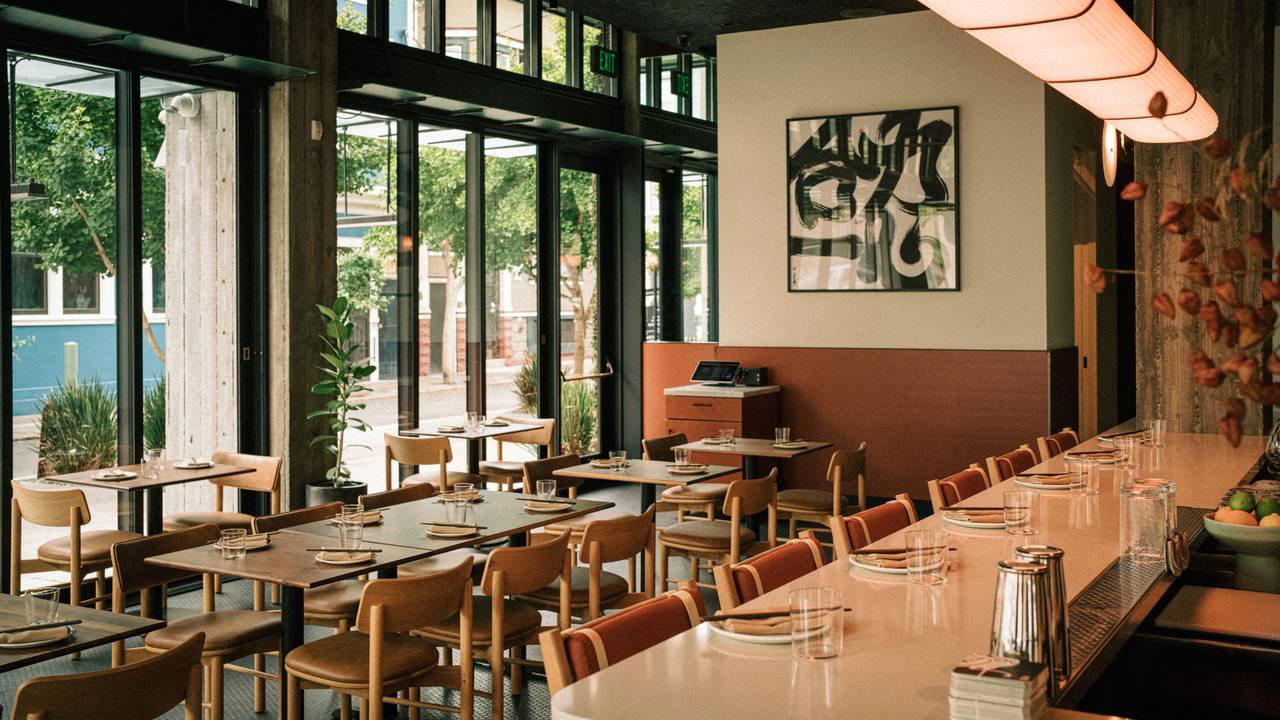
Restaurants in San Francisco
Browse all →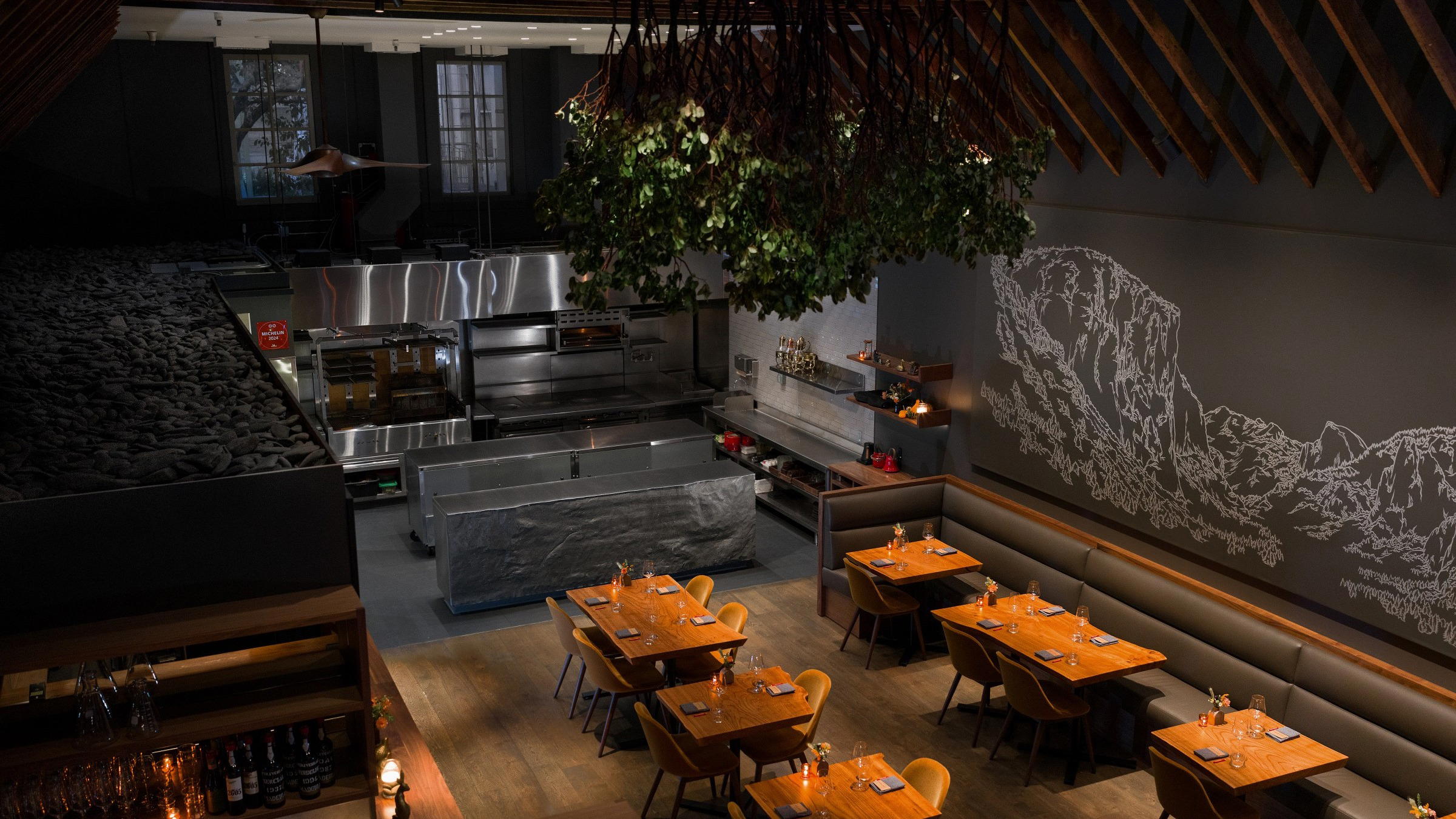
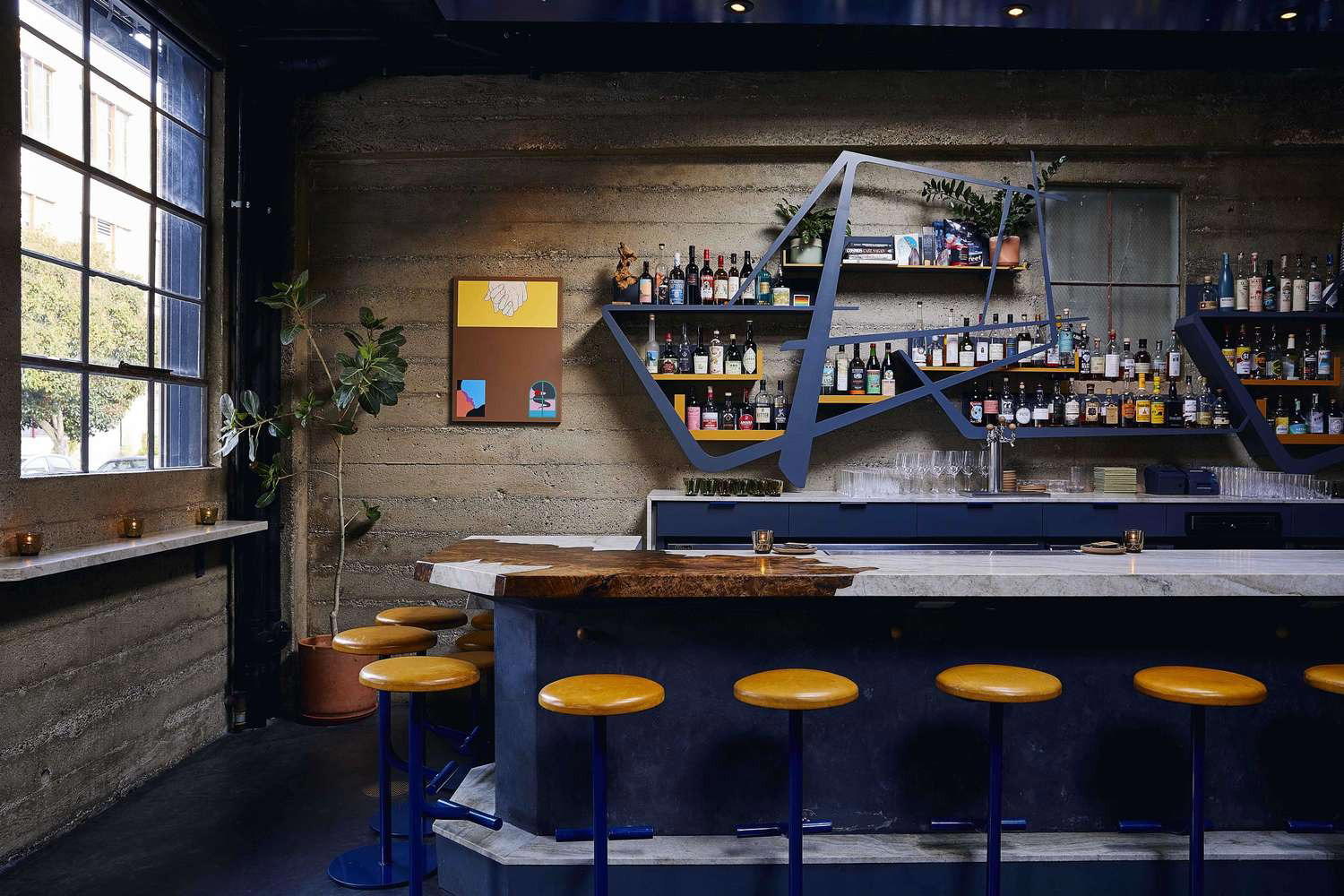
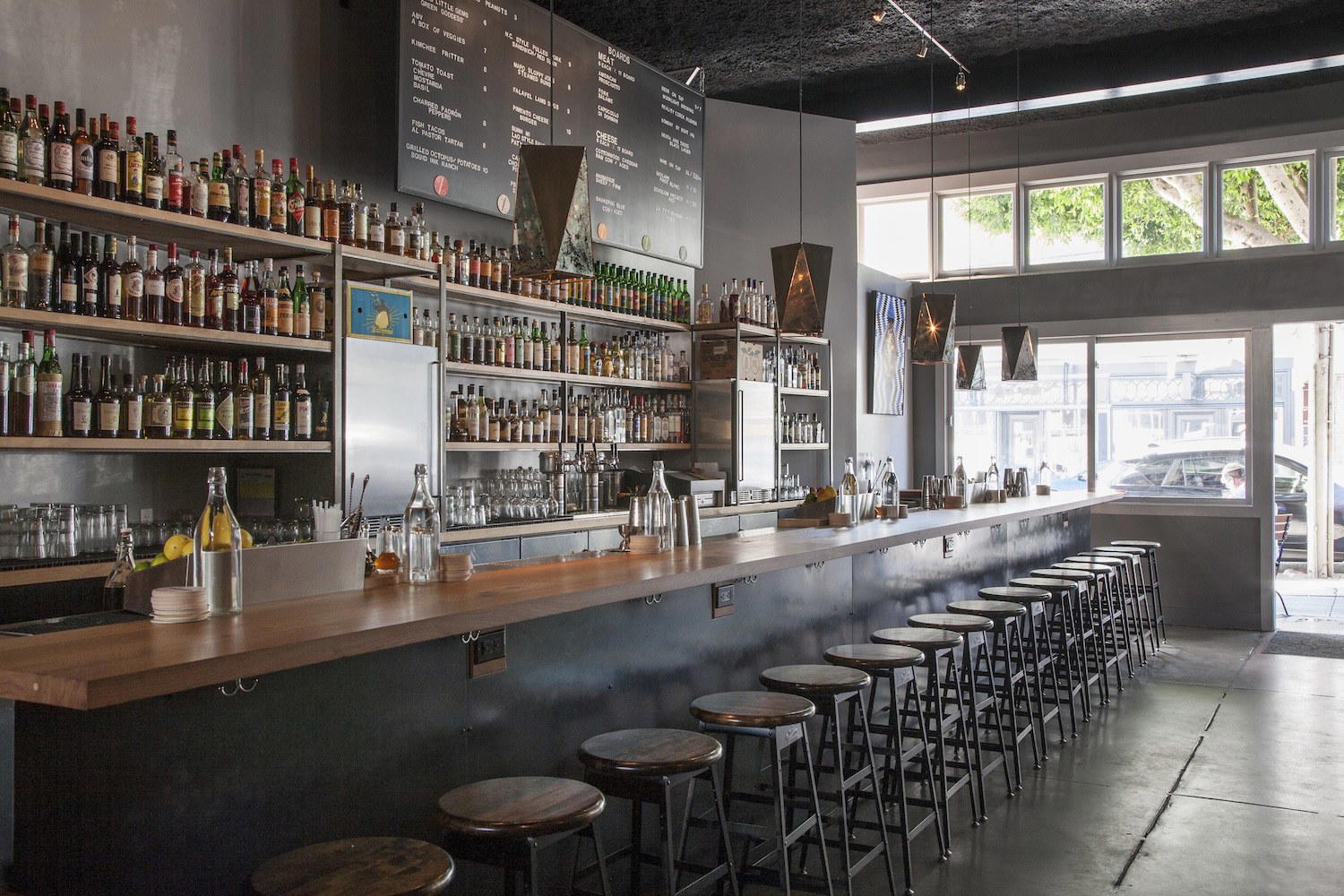
Bars in San Francisco
Browse all →
Hotels in San Francisco
Browse all →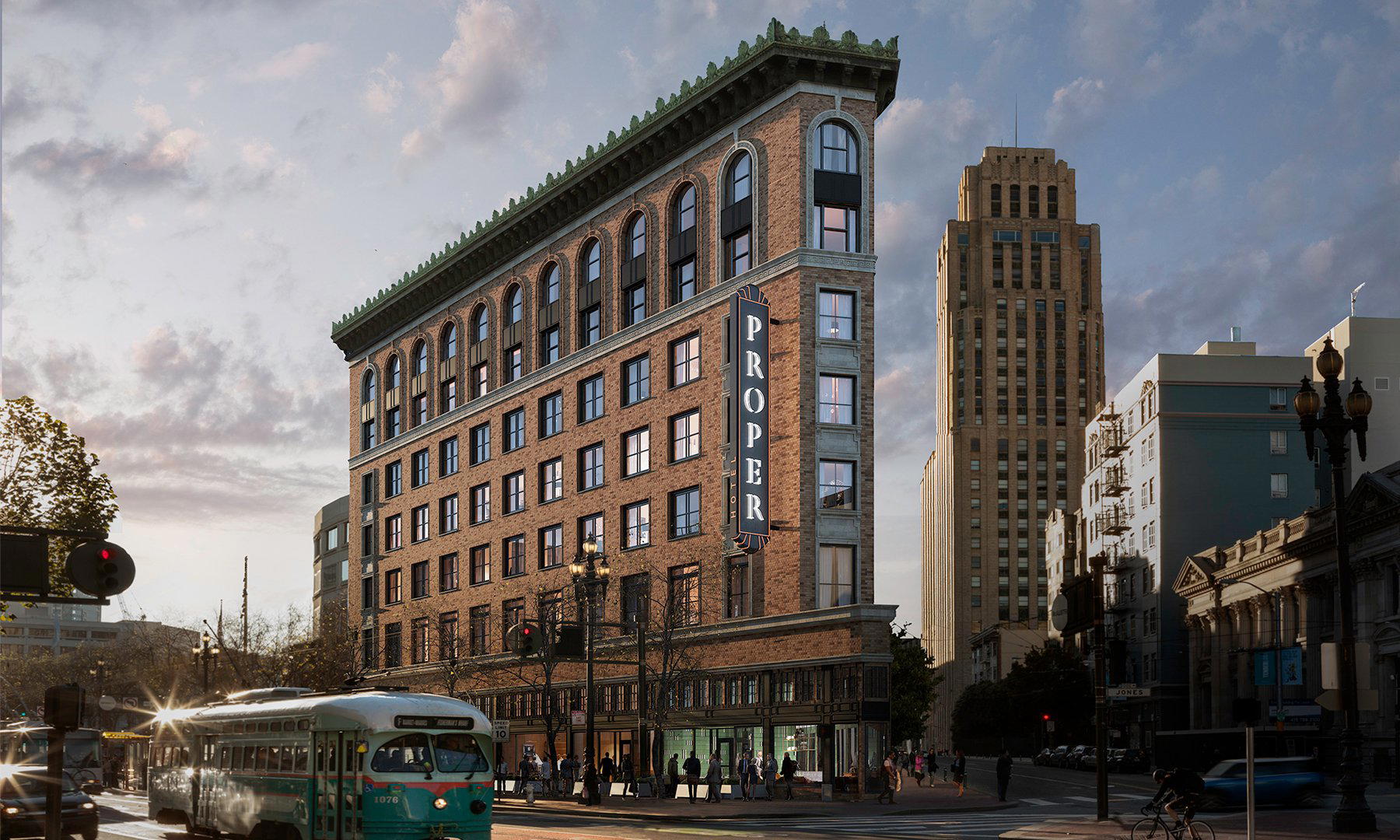

At a Glance
- Lively
- Rustic
- Casual Hangout
- Standalone
- Beer Program
Current opening hours
- Monday
- 10 AM–9 PM
- Tuesday
- 10 AM–9 PM
- Wednesday
- 10 AM–9 PM
- Thursday
- 10 AM–9 PM
- Friday
- 10 AM–11 PM
- Saturday
- 10 AM–11 PM
- Sunday
- 10 AM–9 PM
Hours can change for holidays and private events. Last verified .
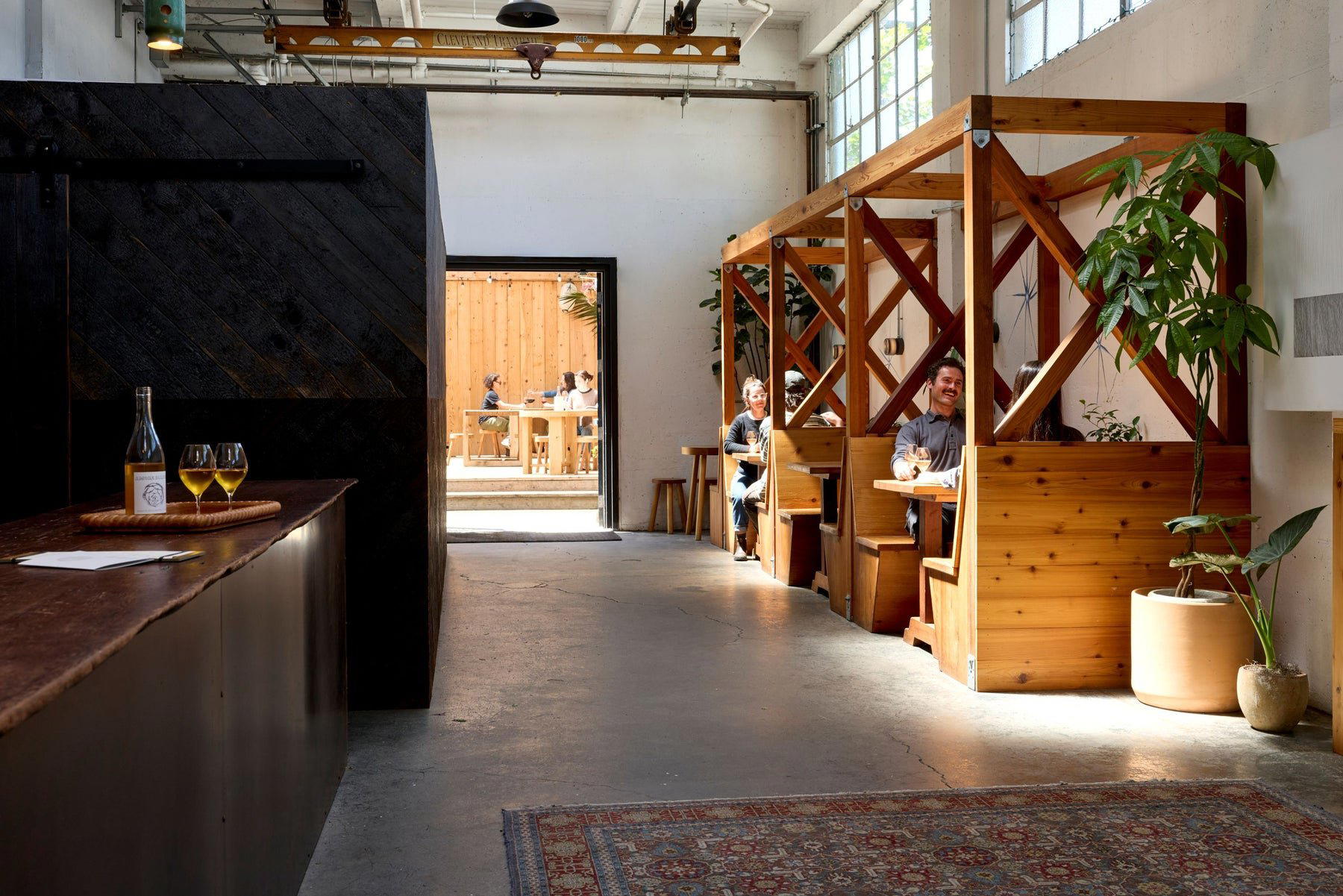
Casual and lively atmosphere with funky decor, plenty of seating, and a lively community feel.