Papalote
A Mission District fixture at 3409 24th Street, Papalote has built a following through consistent execution of Mexican-American cooking in one of San Francisco's most food-saturated neighbourhoods. Set against a dining scene dominated by high-concept tasting menus, it occupies the everyday-essential tier that keeps the Mission's culinary character grounded. The evolution of this address reflects the neighbourhood's own shifting identity over two decades.
Pearl is the En Primeur Club membership app — saves, bookings, and concierge access live there. Same editors, same standards.
- Address
- 3409 24th St, San Francisco, CA 94110
- Phone
- (415) 970-8815
- Website
- papalote-sf.com
- Directions
- Get directions
 Saves & bookings on Pearl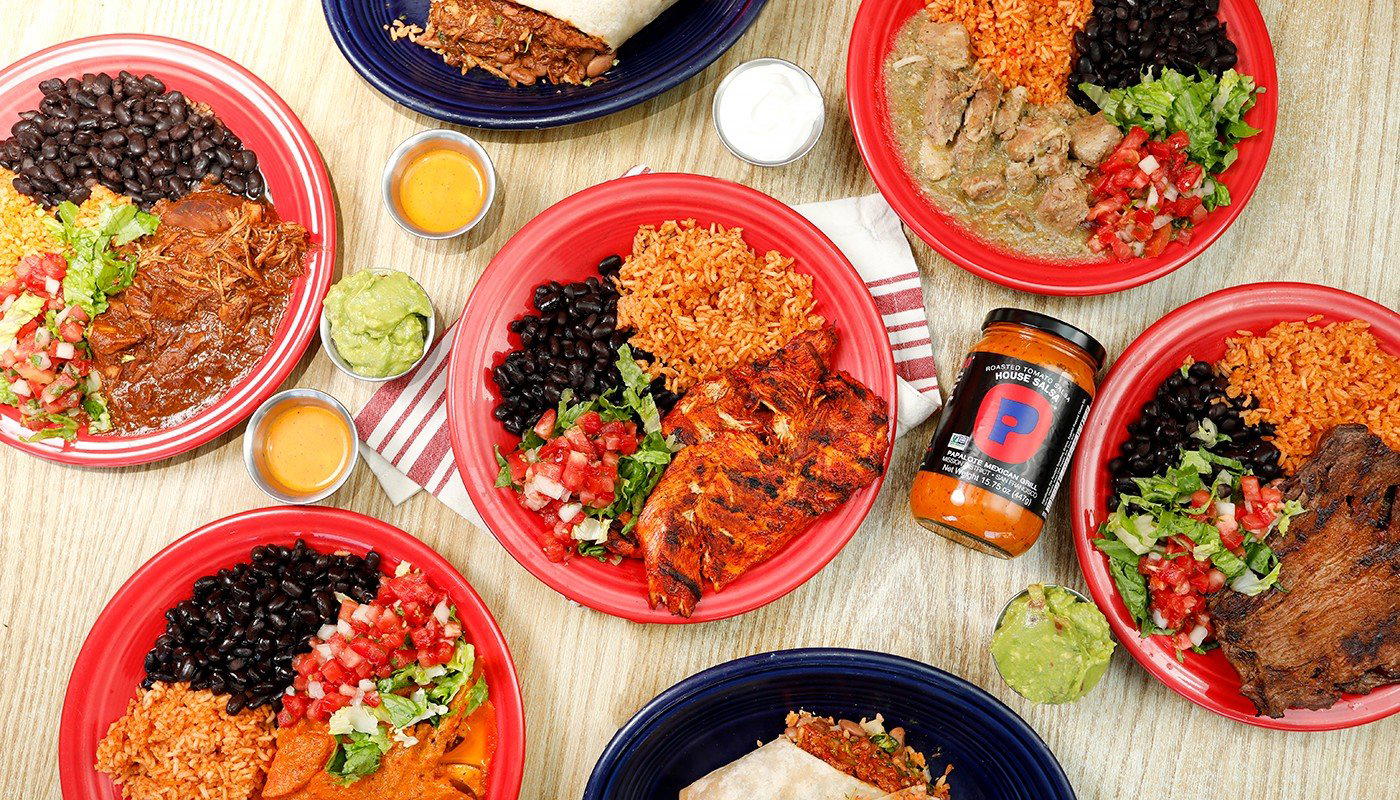
Where the Mission's Everyday Dining Tradition Still Holds Ground
Walk down 24th Street on any given evening and the competing aromas, queues outside taquerias, and the particular low-level noise of a neighbourhood that actually eats rather than performs eating make one thing clear: the Mission District does not need to announce itself. It has been San Francisco's most consequential food corridor for decades, running on a density of Mexican and Central American cooking that predates the city's current reputation for Michelin-chasing fine dining by generations. Papalote at 3409 24th St sits inside that tradition, not at its edge.
San Francisco's broader restaurant scene is weighted toward the tasting-menu format. Venues like Lazy Bear, Atelier Crenn, Benu, Quince, and Saison anchor the city's prestige dining tier at the $$$$ price point, earning international comparisons to destinations like The French Laundry in Napa and Alinea in Chicago. Papalote operates in a fundamentally different register: the kind of place that fills a neighbourhood function, absorbing weeknight foot traffic without a reservation apparatus or a stated concept beyond feeding people well.
The Neighbourhood That Shaped the Address
The Mission has never been a monolith. In the 1990s and early 2000s, 24th Street functioned primarily as a commercial artery for the district's Latino community, with taquerias, panaderias, and corner markets setting the culinary tempo. The tech booms of the 2010s redistributed the neighbourhood's economic character substantially, pushing rents upward and changing who could afford to open, and sustain, a restaurant on the street. What survived that pressure reveals something about what the neighbourhood actually values: consistency, value-for-money, and a certain immunity to trend cycles.
Papalote's position on 24th Street is not incidental. The address places it inside the corridor where Mexican-American dining traditions are most concentrated in the city, competing not with the fine-dining tier but with a comparable set of taquerias and casual Mexican spots that have deep neighbourhood loyalty. That competition sharpens execution. In markets like New York, comparable dynamics play out in Jackson Heights or the Sunset Park corridor in Brooklyn; in Los Angeles, the Boyle Heights strip applies similar pressure. The Mission version has always been particular to San Francisco's geography and demographics, but the broader pattern of immigrant-rooted food culture resisting displacement by prestige dining is legible across American cities.
How the Format Has Shifted
The evolution of casual Mexican dining in San Francisco over the past twenty years mirrors a national pattern: initial consolidation around the burrito format (a Bay Area invention, not a Mexican one), followed by gradual differentiation as more regional Mexican cooking gained mainstream visibility. Places that began as straight taqueria operations have found it necessary to either deepen their regional specificity, Oaxacan, Yucatecan, or Sinaloan cooking, for instance, or double down on the hybrid California-Mexican format that the Mission popularised.
This evolution has created a clearer hierarchy within the category. At the upper end, restaurants in cities like New York (Atomix and similarly positioned spots demonstrate how immigrant-rooted cuisines can migrate into fine-dining territory) and Los Angeles (Providence sits in a different category but reflects the same pressure on mid-tier operators) have shown that the middle ground is difficult to hold. Venues either move toward a more defined culinary identity or they rely on neighbourhood loyalty and operational efficiency. For a spot on 24th Street, the latter path is more realistic and, more honest about what the Mission actually needs from its restaurants.
Across the broader American fine dining circuit, the contrast is instructive. Operations like Blue Hill at Stone Barns in Tarrytown, Single Thread Farm in Healdsburg, and The Inn at Little Washington occupy a tier defined by land, produce sourcing, and extended narrative. Le Bernardin in New York City, Addison in San Diego, and Bacchanalia in Atlanta anchor regional prestige dining in their own markets. Even internationally, venues like 8 1/2 Otto e Mezzo Bombana in Hong Kong and Emeril's in New Orleans represent the kind of destination-tier profile that neighbourhood spots like Papalote exist entirely apart from. The comparison is not pejorative, it maps the actual terrain of American dining, which has always depended on its everyday tier as much as its prestige one.
What to Order
The Mission's burrito format remains the baseline reference point for any casual Mexican operation in San Francisco, and a visit to Papalote is reasonably anchored there. The California-style burrito, with its particular proportion of rice, beans, and protein wrapped in a flour tortilla sized for the format, has become so locally standardised that variations between well-regarded Mission spots are matters of sourcing, seasoning balance, and salsa calibration rather than structural difference. Salsas, which carry most of the flavour complexity in this format, are worth attention. Beyond burritos, tacos remain the cleaner lens on any kitchen's actual technique. Order what the kitchen signals as its primary protein rather than peripheral options; that's where consistency is easiest to read.
Booking and Planning
The casual Mexican tier in San Francisco generally does not operate on reservation systems, and 24th Street spots draw queues at peak hours (Friday and Saturday evenings, weekend lunch) rather than confirmed bookings. Arriving between 5:30 and 6:30 pm on weeknights covers most situations without significant waits. The Mission's public transit access via BART (24th Street Mission station sits a short walk from the address) makes car dependency unnecessary.
Reservations: Walk-in friendly. Dress: Casual. Budget: About $15 per person.
Comparable Venues
Comparable venues nearby, for context on price, style, and recognition.
| Venue | Cuisine | Price | Notes |
|---|---|---|---|
| PapaloteThis venue — the venue you are viewing | Mission-Style Mexican Burritos | $$ | Not listed |
| La Canasta | Authentic Mexican Taqueria | $$ | Marina |
| Hecho | Upscale Mexican | $$$ | Castro |
| El Rey Taquiza Artesanal | Authentic Mexican Taqueria | $$ | Mission |
| Mosto | Mexican Street Tacos & Tequila Bar | $$ | Mission |
| Garaje | Mexican Taqueria | $$ | Financial District/South Beach |
Continue exploring
More in San Francisco
Restaurants in San Francisco
Browse all →
Bars in San Francisco
Browse all →
Hotels in San Francisco
Browse all →

At a Glance
- Lively
- Casual
- Casual Hangout
- Open Kitchen
- Beer Program
Current opening hours
- Monday
- 11 AM–9 PM
- Tuesday
- 11 AM–9 PM
- Wednesday
- 11 AM–9 PM
- Thursday
- 11 AM–10 PM
- Friday
- 11 AM–10 PM
- Saturday
- 11 AM–10 PM
- Sunday
- 11 AM–9 PM
Hours can change for holidays and private events. Last verified .
Casual, small spot with a focus on fresh grilled meats and bold salsas in a lively Mission District setting.