Taquería El Farolito
Our verdict
On Mission Street in San Francisco's Mission District, Taquería El Farolito occupies the kind of counter-service position that serious taquería culture has always depended on: high volume, low ceremony, and a menu built around the taco as a complete argument. The address at 2779 Mission St places it inside one of the city's most concentrated corridors of Mexican culinary tradition.

Pearl is the En Primeur Club membership app, where members save venues, book tables and use the concierge.
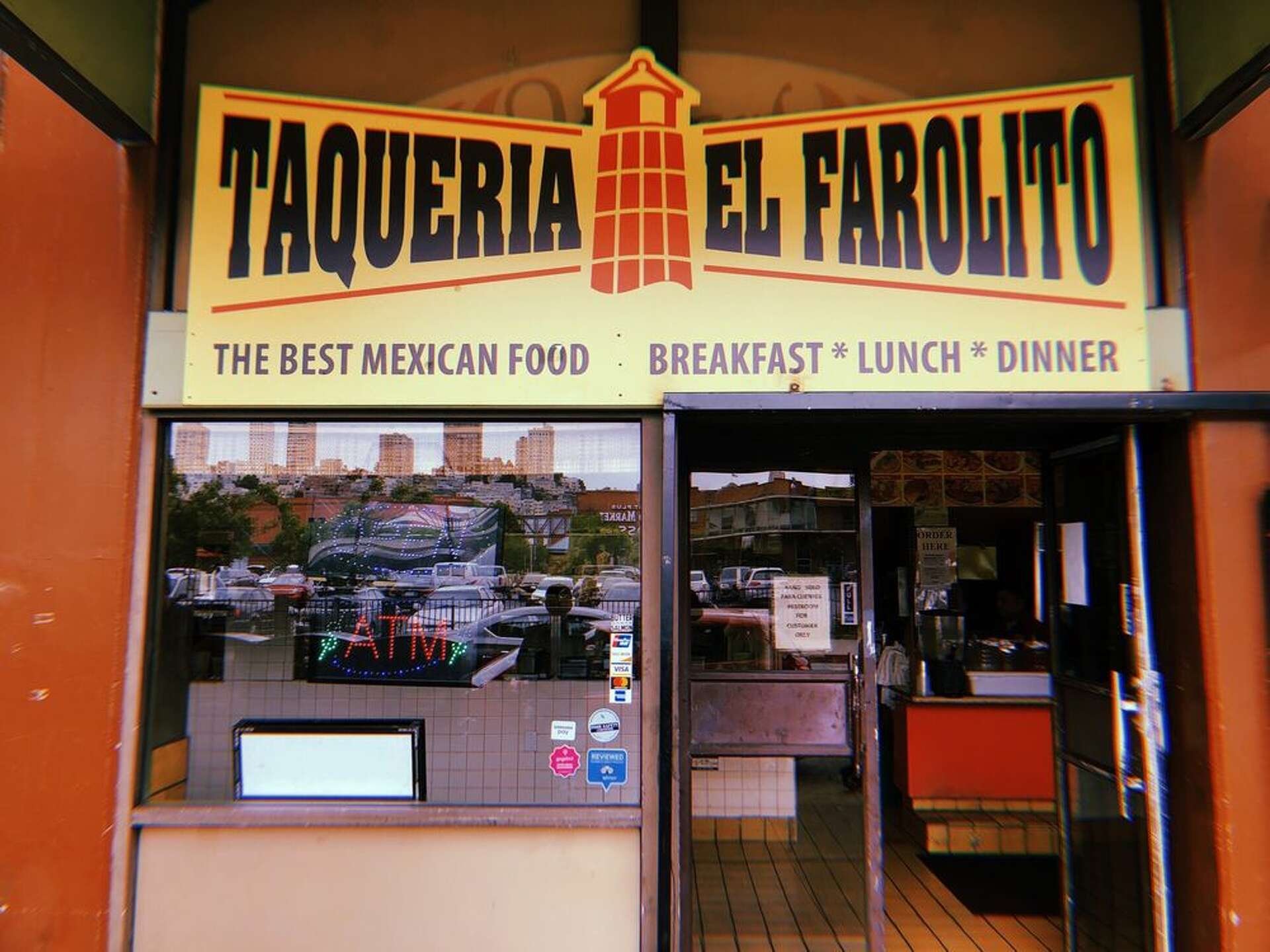
The menu
What to order
- Super Burrito (Carne Asada)
- Al Pastor Tacos
- Quesadilla Suiza
Mission Street and the Taquería as Cultural Infrastructure
There is a specific grammar to Mission District taquerías that separates them from every other fast-casual format in American cities. The steam table, the hand-pressed tortilla, the salsa bar calibrated for heat rather than audience: these are not design choices but inherited conventions from a culinary tradition that traveled north from central and western Mexico across decades of migration and settled, with particular density, along Mission Street. At 2779 Mission St, Taquería El Farolito sits inside that tradition rather than referencing it from a distance.
The Mission District functions as one of the few urban corridors in the United States where taquería culture operates at genuine critical mass. The concentration of Mexican-owned restaurants between 16th and 24th Streets is not incidental. It reflects the settlement patterns of a largely Salvadoran and Mexican community that built a service economy and a food culture simultaneously. For the visitor arriving from the Michelin-tier dining that defines much of San Francisco's restaurant conversation, including places like Benu, Atelier Crenn, and Quince, the shift in register along Mission Street is deliberate and instructive.
The Physical Fact of the Place
Approaching El Farolito along Mission Street, the sensory markers arrive in sequence: the smell of charring meat, the sound of Spanish spoken at counter speed, the glow of the interior against the sidewalk at night. The late hours are part of the appeal and part of the operational logic. Taquerías in Mexico have long served as the eating option of last resort and first resort simultaneously, open when other kitchens close, priced to function as daily sustenance rather than occasion dining. El Farolito has absorbed that operating posture and translated it to a San Francisco context where late-night eating options at this quality level are scarcer than the city's culinary reputation might suggest.
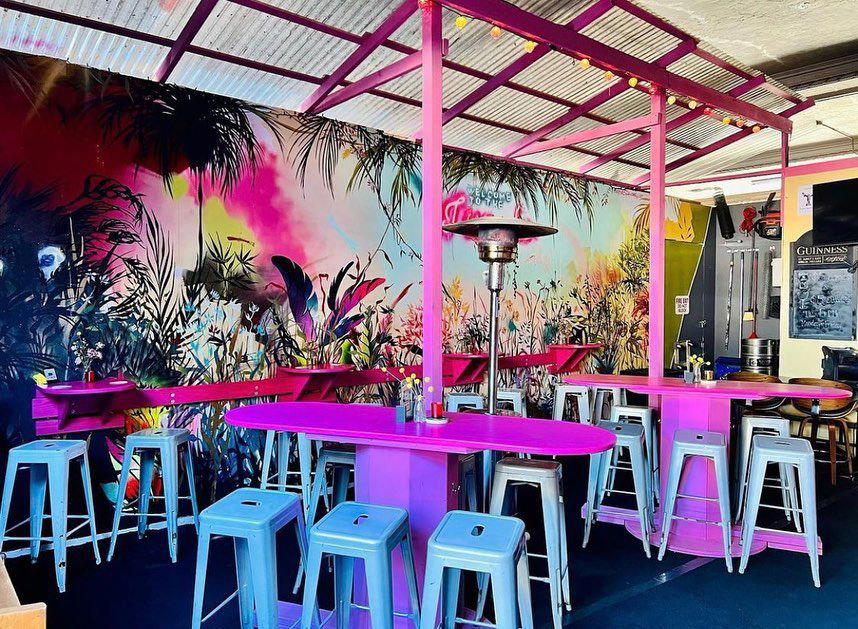
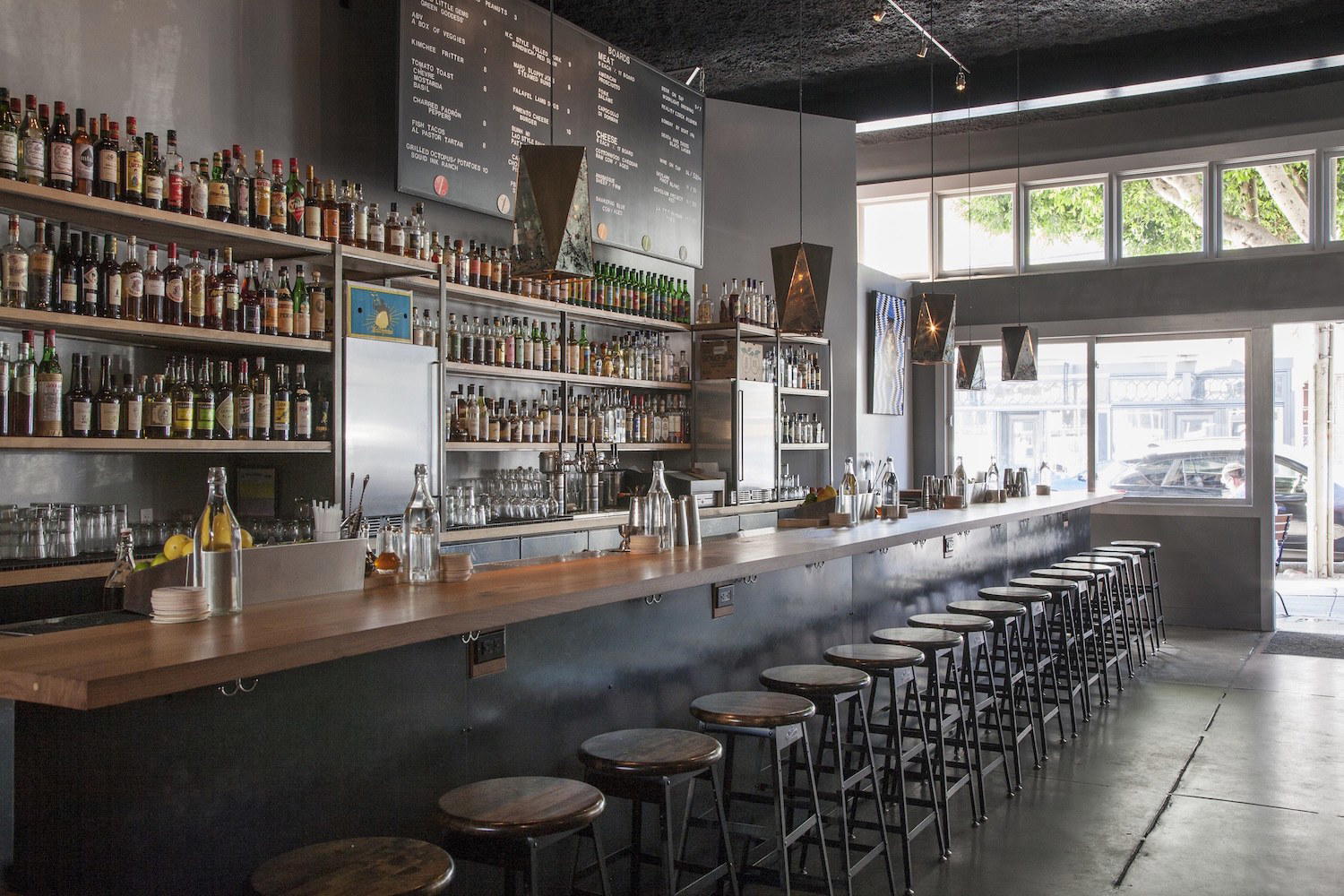
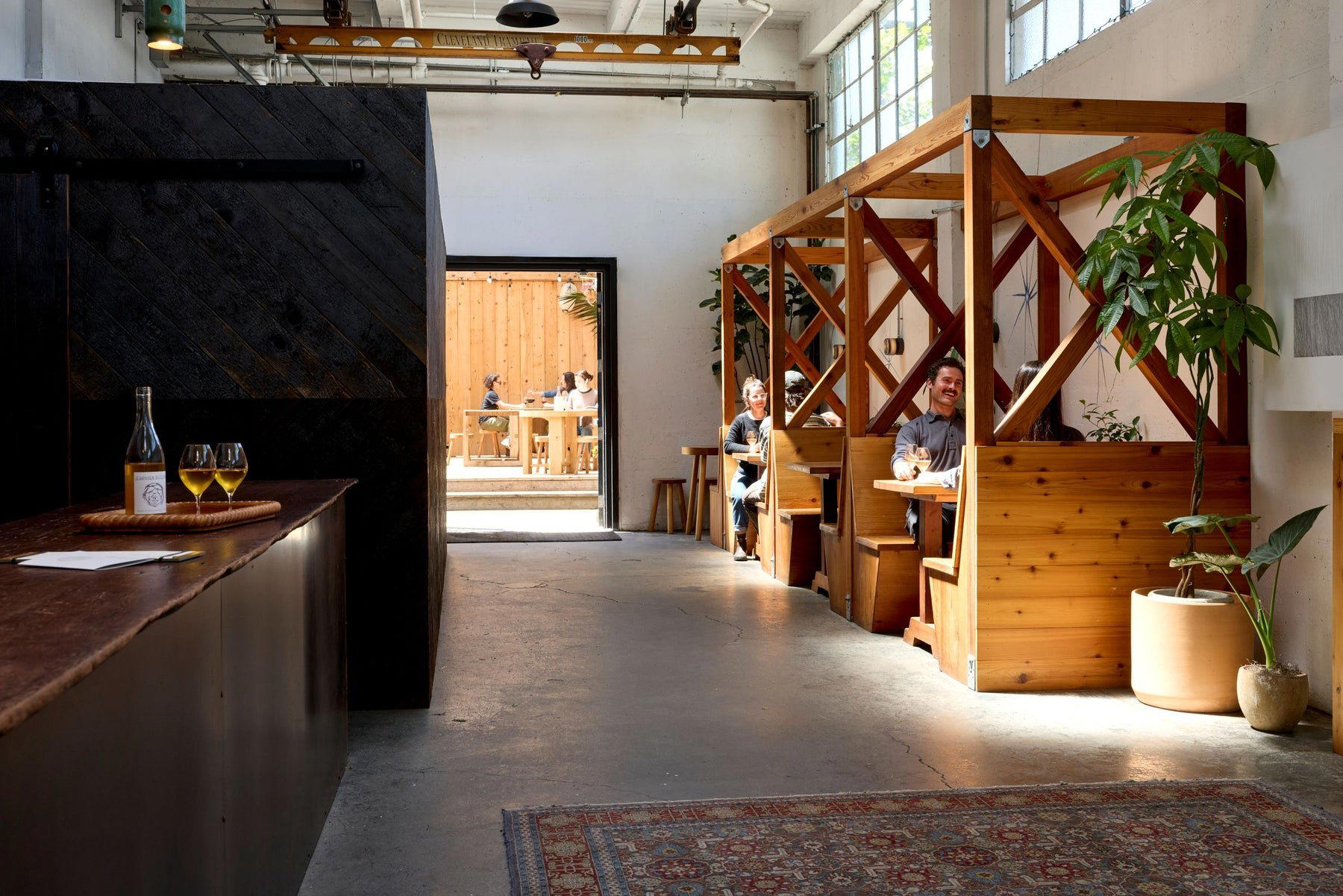
The interior is utilitarian by design: counter service, bright lighting, tiled surfaces, the visual economy of a kitchen that has no interest in set dressing. This is worth noting not as a shortcoming but as a signal. In a city where dining rooms at Lazy Bear and Saison invest heavily in spatial narrative, El Farolito's refusal of atmosphere is its own position. The argument is entirely on the plate, or more precisely, in the taco.
What the Taco Format Demands
The taquería taco is one of the more demanding formats in the broader taxonomy of hand-held food. The corn tortilla, ideally freshly pressed and griddled, must carry filling without disintegrating; the protein must be seasoned to work without augmentation, though salsa is both available and expected; and the whole assembly must cohere at room temperature or slightly above. There is no cover from a sauce, no disguise in a long cook. The Mission-style burrito, a distinct and locally evolved format, offers more room for error through sheer volume. The taco does not.
El Farolito's position in the Mission taquería conversation is earned through consistency across a format with nowhere to hide. That positioning matters in a city that has seen taquería culture both commercialized upward into polished fast-casual and diluted outward into fusion formats. The addresses along Mission Street that retain the counter-service model with genuine Mexican culinary lineage occupy a smaller and arguably more consequential niche than the volume of restaurants on the street might imply. For a broader map of where El Farolito fits within San Francisco's full dining range, the EP Club San Francisco restaurants guide covers the spectrum from this price tier through to the city's fine dining tier.
Cultural Positioning in a National Context
Across the United States, the high-low division in restaurant culture tends to treat taquería dining and fine dining as entirely separate conversations. The Michelin Guide's California edition has begun to recalibrate that assumption, recognizing that culinary craft at counter-service price points represents its own evaluative category. Comparable shifts have happened in other cities: in Chicago, where Smyth operates at the opposite end of the format spectrum, and in New York, where Atomix has made a different argument about what refined tasting-menu dining can look like when rooted in a specific cultural tradition.
What those comparisons illuminate is a broader critical question about how we assign value to culinary formats. A taquería that executes its format with precision and maintains fidelity to the techniques and flavor profiles of its source tradition is doing something structurally similar to what tasting-menu restaurants at the level of The French Laundry or Blue Hill at Stone Barns do in their own registers: executing a defined culinary argument with rigor. The price differential is extreme. The underlying discipline is not entirely different.
Across the country, Mexican culinary tradition has begun to receive the critical treatment it long deserved. In Los Angeles, Providence represents one end of the California fine dining conversation; the Mission District taquerías represent another, culturally distinct contribution to the state's food identity. That both exist within driving distance of each other, and that San Francisco has room for both Addison-tier ambition and Mission Street counter culture, is one of the more interesting structural facts about California dining as a whole.
Know Before You Go
Address: 2779 Mission St, San Francisco, CA 94110
Neighbourhood: Mission District
Format: Counter service, walk-in
Price tier: Low (cash and card widely accepted at comparable Mission taquerías)
Getting there: The 24th Street BART station is within walking distance along Mission Street; street parking along Mission is limited during peak hours
Timing: Late-night hours are a core part of the operation; weekends tend to see the longest waits at the counter
Frequently asked questions
at Taquería El Farolito?
The taco is the most direct expression of the kitchen's capabilities here, and within the Mission District taquería tradition, the standard of the protein preparation and tortilla quality is what separates the serious addresses from the rest. Carne asada and al pastor are the two preparations that most directly reveal kitchen discipline across Mission taquerías, and El Farolito's standing in local food conversations tends to center on those. The salsa bar is an integral part of the experience rather than an afterthought, and using it is part of eating correctly in this format.
Do they take walk-ins at Taquería El Farolito?
Counter-service taquerías operate on a walk-in model by definition, and El Farolito is no exception. There are no reservations, no booking systems, and no table assignments. You order at the counter and eat at one of the tables or take out. In a city where restaurants like Lazy Bear and Atelier Crenn require booking weeks in advance, the immediate access at El Farolito is part of its structural identity. Peak weekend nights will involve a short wait at the counter, but the model is walk-in throughout.
What do critics highlight about Taquería El Farolito?
The consistent critical thread around El Farolito points to its role as a reliable anchor of Mission District taquería culture, with particular recognition of its late-night availability and its fidelity to the counter-service format when other operators in the neighborhood have moved toward sit-down or hybrid models. The location on Mission Street places it within the critical corridor that food writers covering San Francisco's Mexican culinary tradition consistently reference. In broader discussions of where San Francisco sits relative to cities like New York (where Le Bernardin anchors the fine dining conversation) or New Orleans (home of Emeril's), El Farolito often appears as evidence that the city's food identity extends well below the tasting-menu tier.
Is Taquería El Farolito open late at night, and does that affect the experience?
Late-night service is one of the defining characteristics of El Farolito's operation, and it follows a pattern embedded in taquería culture more broadly: the kitchen stays open when most other dining options in the city have closed, serving the same menu at midnight that it serves at noon. This is not a compromise position but a deliberate alignment with how taquerías have historically functioned in Mexican urban food culture. The Mission District location on Mission Street means the surrounding context at late hours reflects the neighborhood's actual character rather than a tourist-facing version of it, which is relevant for visitors wanting to understand what the address represents within San Francisco's food geography. For more context on where this fits within the city's dining range, the EP Club San Francisco guide covers late-night through tasting-menu tiers.
Where It Fits
| Venue | Cuisine | Price | Awards | Notes |
|---|---|---|---|---|
| Taquería El FarolitoThis venue (the venue you are viewing) | Authentic Mexican Taqueria | $10–20 | Not listed | Not listed |
| Lazy Bear | Modern American Tasting Menu | Not listed | 2 Michelin Stars · World's 50 Best #25 | Progressive American, Contemporary |
| Atelier Crenn | Contemporary French Fine Dining | $300–500 | 3 Michelin Stars · World's 50 Best #44 | Modern French, Contemporary |
| Benu | Modern Asian Fusion Fine Dining | $150–200 | 3 Michelin Stars · World's 50 Best #33 | French - Chinese, Asian |
| Quince | Contemporary Californian | $300–500 | 3 Michelin Stars · World's 50 Best #48 | Italian, Contemporary |
| Saison | Modern Fire-Forward Fine Dining | $300–500 | 2 Michelin Stars · World's 50 Best #22 | Progressive American, Californian |
Continue exploring
More in San Francisco
Restaurants in San Francisco
All restaurants in San Francisco →
Bars in San Francisco
All bars in San Francisco →

Details
- Lively
- Energetic
- Late Night
- Casual Hangout
- Standalone
- A La Carte
- Vegetarian Friendly
Current opening hours
- Monday
- 10 AM–2:45 AM
- Tuesday
- 10 AM–2:45 AM
- Wednesday
- 10 AM–2:45 AM
- Thursday
- 10 AM–2:45 AM
- Friday
- 10 AM–3:45 AM
- Saturday
- 10 AM–3:45 AM
- Sunday
- 10 AM–2:45 AM
Hours can change for holidays and private events. Hours as of .
No-frills, bustling late-night atmosphere with the hustle of the kitchen and grilled meats.