Taqueria Los Parados

Michelin Plate
Our verdict
Open since 1965 and awarded a Michelin Plate in 2025, Taqueria Los Parados in Roma Sur is a standing-only charcoal grill operation that has outlasted decades of Mexico City dining trends. Bistec, costilla, and al pastor are the anchors, cooked to order over live fire. Metal shelving stands in for tables, the format has never needed chairs to draw a crowd.

Pearl is the En Primeur Club membership app, where members save venues, book tables and use the concierge.
The menu
What to order
- Tacos al pastor
- Tacos volcan
- Alambre de res con queso
- Tacos de chile poblano con queso
- Machitos de carnero
The taqueria has been operating since 1965, which means it predates Roma Sur's current identity as one of the city's most photographed dining neighbourhoods by several decades. While the colonia's street-level dining scene has cycled through waves of international restaurants, design-forward mezcalerias, and reservation-only tasting menus, Los Parados has remained structurally identical to what it was. No chairs. Metal shelving at standing height. Charcoal grill. Cook to order. The 2025 Michelin Plate recognition lands, in that context, as institutional confirmation of something the neighbourhood already knew.
The Architecture of a Standing Taqueria
The physical format of a taqueria de pie, a standing taqueria, is not incidental to what you eat there. The absence of seating signals a kitchen organised around speed and throughput, where every element of the cooking process is tuned to produce food that is ready within minutes of ordering and eaten immediately, while standing. That compression produces a different kind of dish than a seated dining room requires. The tortilla must be fresh and pliable. The meat must be hot from the grill. The balance of fat, acid, and char must work without the mediating effect of time between plate and mouth.
At Los Parados, the charcoal grill is the organisational centre of that format. Everything that matters, the bistec, the costilla, the al pastor, passes through it, and the cooking registers are deliberate rather than incidental. The bistec arrives at medium-well, which in this context means the smoke has had time to penetrate, producing a subtle but clear grilled note rather than surface char alone. The costilla is taken further: razor-thin, well-done, the fat rendered through, the edges crisped. It is a style that rewards the cut rather than fighting it. The al pastor follows a different logic entirely, the seasoned pork shaved from a vertical spit, the sweetness of achiote and dried chilli distinct from the grilled-meat register of the other preparations.
Where Los Parados Sits in Mexico City's Dining Range
Mexico City's Michelin-recognised restaurant pool spans a wide price and format range, and the Plate category, awarded for quality cooking without the full star criteria, is where the guide's range of coverage is most visible. At one end of the Roma neighbourhood price spectrum sit operations like Esquina Común and Em, where the price point and format reflect the seated, composed-dish model. At the other end, Los Parados operates at the single-dollar price tier, where the quality case rests entirely on sourcing, fire management, and the discipline of doing very few things consistently over a long time.
The comparison matters because it frames what Michelin recognition means at this level. Pujol, at the starred end of the city's table, operates a multi-course format where the cooking is explicitly contemporary. Los Parados operates a standing grill format that has not changed its fundamental proposition since 1965. The Plate signals that Mexico City's guide coverage is broad enough to hold both, a recognition that quality in Mexican cooking is not a function of format complexity or price.
Charcoal-driven cooking at the taqueria level is a category with genuine depth across the country, from Oaxacan tlayuda grills to the northern-style carne asada tradition. For a broader read on what distinguished Mexican cooking looks like across formats and regions, Levadura de Olla Restaurante in Oaxaca, Animalón in Valle de Guadalupe, and Expendio de Maíz and Máximo at the contemporary end to taqueria-format operations like Los Parados at the foundational end, covers more culinary and sociological range than most cities can claim. The EP Club's full Mexico City restaurants guide maps that range in detail. For wider city planning, the Mexico City hotels guide, bars guide, wineries guide, and experiences guide cover the rest of the city's hospitality picture.
For visitors planning a Mexico trip that extends beyond the capital, the Mexican restaurant scene maintains strong regional representation: Le Chique in Puerto Morelos, Olivea Farm to Table in Ensenada, and Lunario in El Porvenir each offer a different geographic angle. For North American readers, the tradition of serious Mexican cooking has also developed strong outposts in cities like Denver, where Alma Fonda Fina operates, and Chicago, where Cariño has drawn consistent attention.
The three anchors are bistec, costilla, and al pastor. The bistec is grilled to medium-well, which gives the charcoal time to register through the meat rather than sitting only on the surface. The costilla is the most distinctive preparation: razor-thin, taken to well-done, with the fat rendered and the edges crisped, a style that works specifically because of how thinly the cut is prepared. The al pastor comes from a vertical spit and carries the achiote-and-dried-chilli seasoning characteristic of the Mexico City preparation rather than the grilled-meat register of the other two. All three earned Michelin Plate recognition in 2025. Order across all three if the queue allows; the cooking styles are distinct enough to warrant comparison.
Frequently asked questions
What's the address for Taqueria Los Parados?
Taqueria Los Parados is located at Monterrey 333, Roma Sur, Cuauhtémoc, 06760 Ciudad de México, CDMX, Mexico, Mexico City.
Does Taqueria Los Parados have a Michelin star or similar recognition?
Taqueria Los Parados has received recognition including: Michelin Plate (2025); Don't expect a sit-down experience at this taqueria that has been open since 1965, as there are no chairs, but metal shelving subbing in for tables does the trick. Charcoal grilled meats are their specialty, and every….
What should I eat at Taqueria Los Parados?
The three anchors are bistec, costilla, and al pastor. The bistec is grilled to medium-well over charcoal, giving the smoke enough contact time to register through the cut, while the costilla comes razor-thin and well-done, which suits the format. Al pastor is a consistent order. All three appear on the Michelin Plate-recognised menu that has been running in some form since 1965.
Price and Positioning
| Venue | Cuisine | Price | Awards | Notes |
|---|---|---|---|---|
| Taqueria Los ParadosThis venue (the venue you are viewing) | Traditional Mexican Tacos al Pastor | $10–20 | Michelin Plate | Not listed |
| Pujol | Modern Mexican Fine Dining | $200–300 | 2 Michelin Stars · World's 50 Best #60 | Mexican |
| Quintonil | Modern Mexican Fine Dining | $300–500 | 2 Michelin Stars · World's 50 Best #7 | Modern Mexican, Contemporary |
| Rosetta | Mexican-Italian Fusion Fine Dining | $30–50 | 1 Michelin Star · World's 50 Best #39 | Italian, Creative |
| Em | Modern Japanese-Mexican Fusion | $200–300 | 1 Michelin Star · World's 50 Best #71 | Mexican |
| Comedor Jacinta | Traditional Mexican | Not listed | Michelin Bib Gourmand | Mexico, Mexican |
Recognition history
Dated appearances from independent guides and award organizations, with the underlying list record or original source where available.
Michelin Plate
Michelin
Full recognition history (3 entries)
Michelin Plate
Michelin
Michelin Plate
Michelin
Continue exploring
More in Mexico City
Restaurants in Mexico City
All restaurants in Mexico City →


Details
- Rustic
- Well Known
- Casual Hangout
- Late Night
- Solo
- Group Dining
- Open Kitchen
- A La Carte
- Counter Dining
- Vegetarian Friendly
Current opening hours
- Monday
- 12:30 PM–3 AM
- Tuesday
- 12:30 PM–3 AM
- Wednesday
- 12:30 PM–3 AM
- Thursday
- 12:30 PM–3 AM
- Friday
- 12:30 PM–3 AM
- Saturday
- 12:30 PM–4 AM
- Sunday
- 12:30 PM–1 AM
Hours can change for holidays and private events. Hours as of .
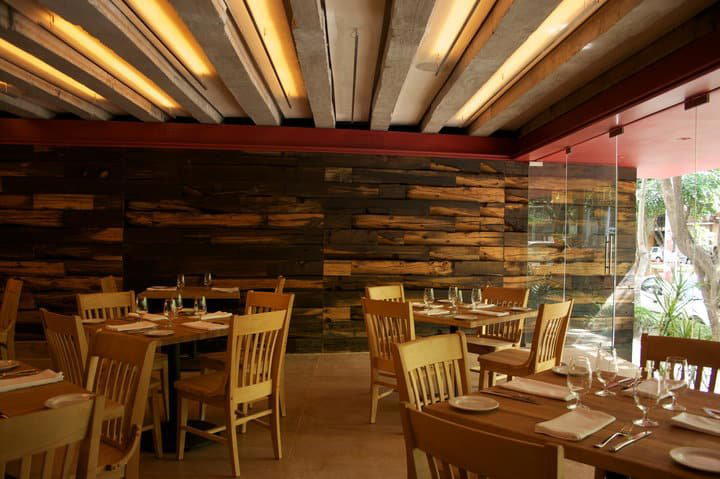
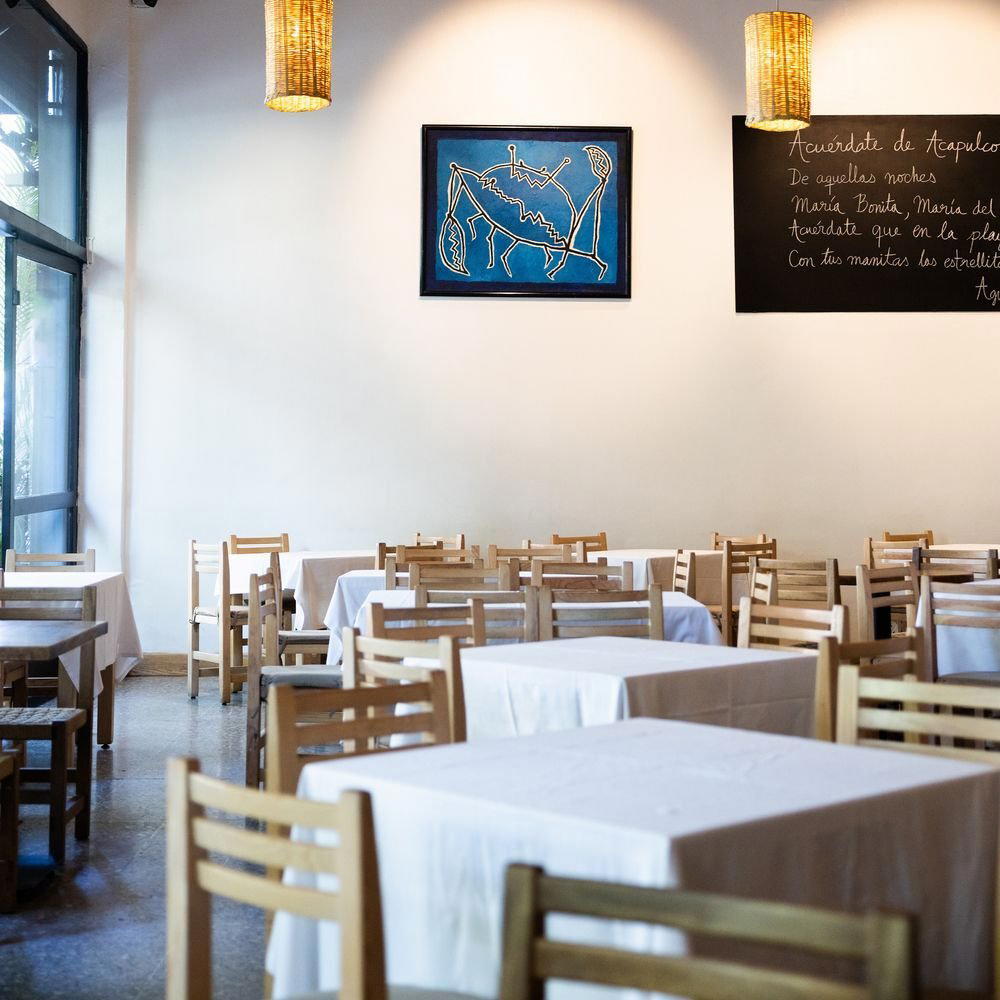
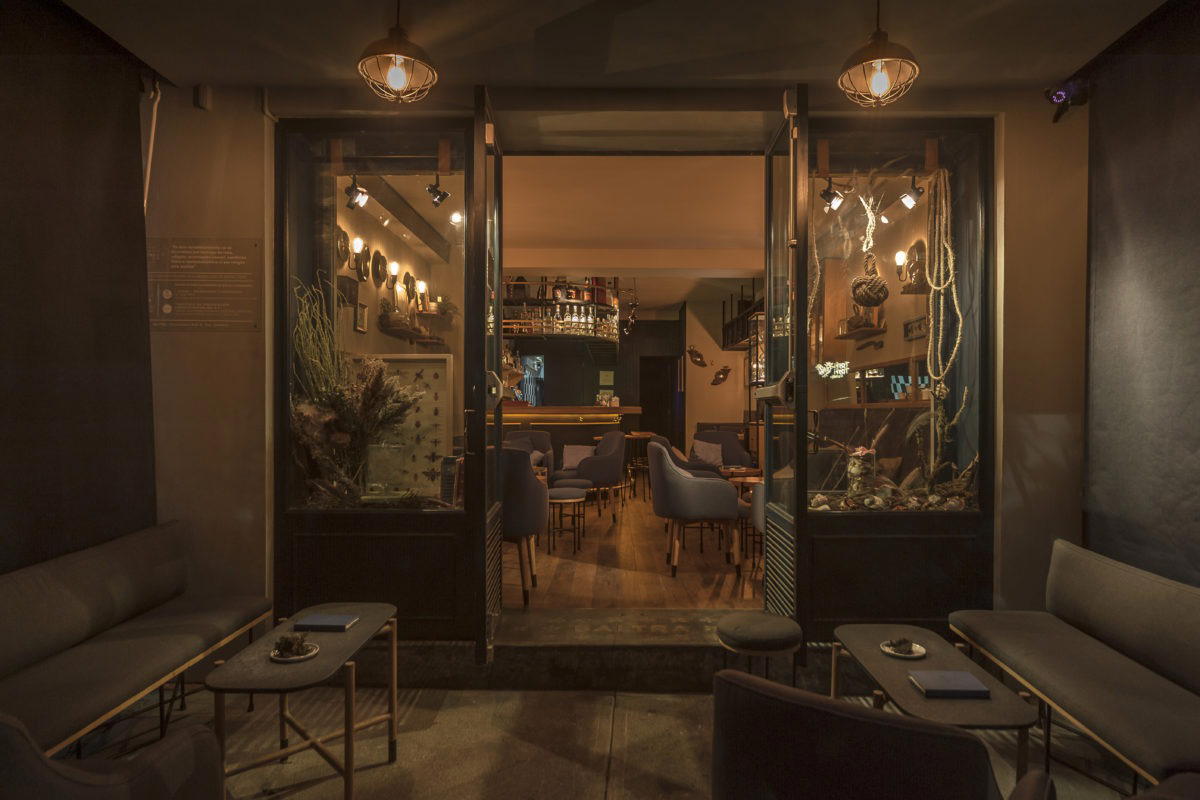
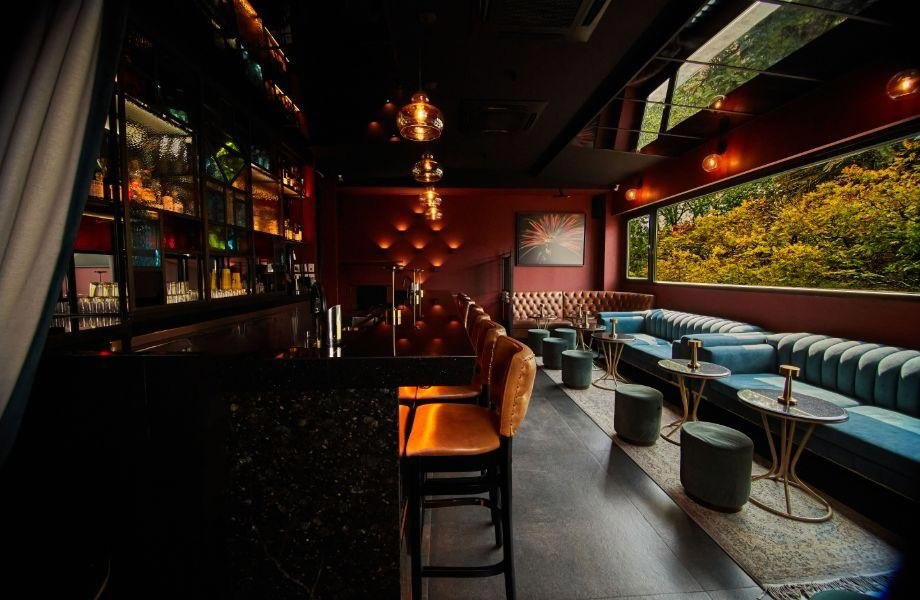
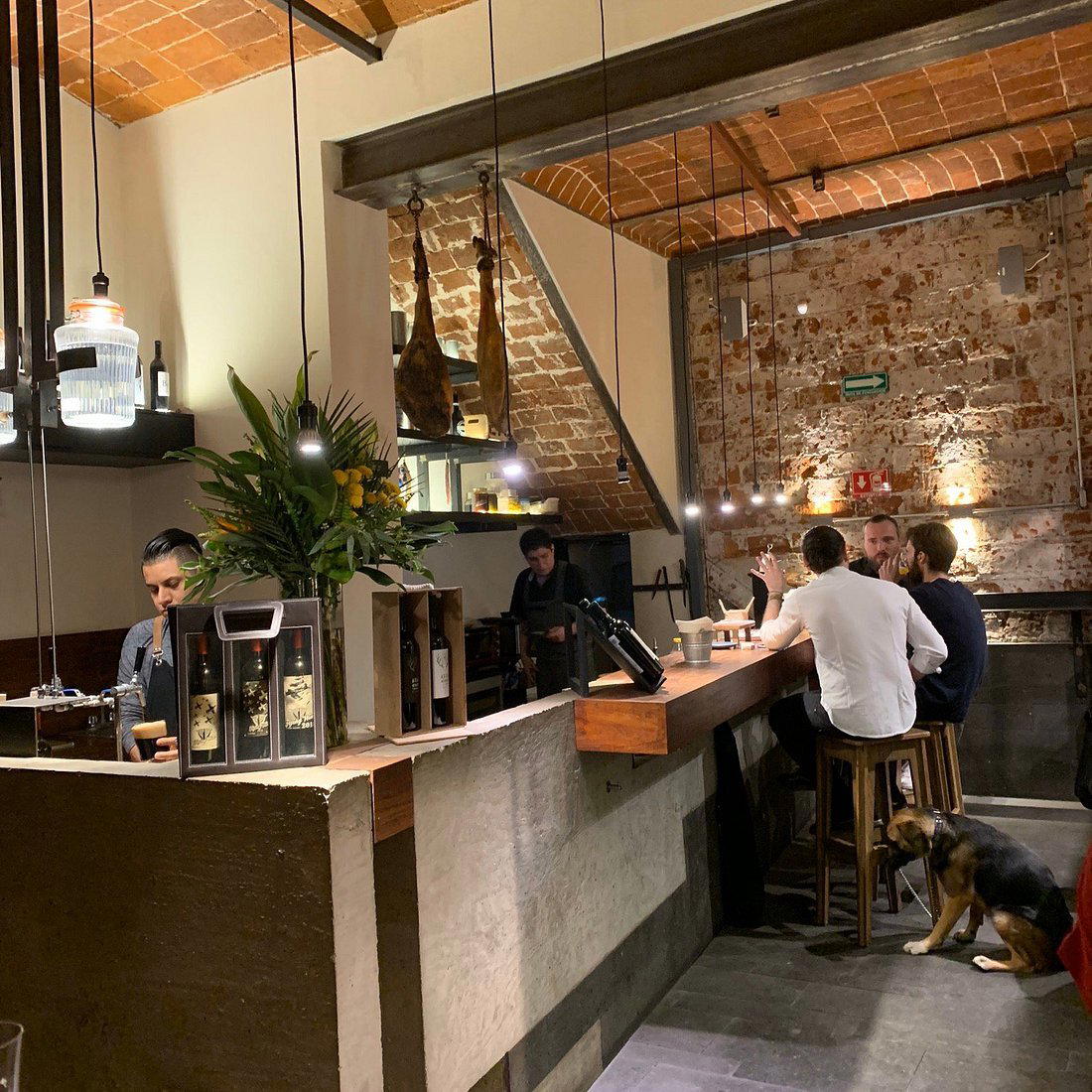
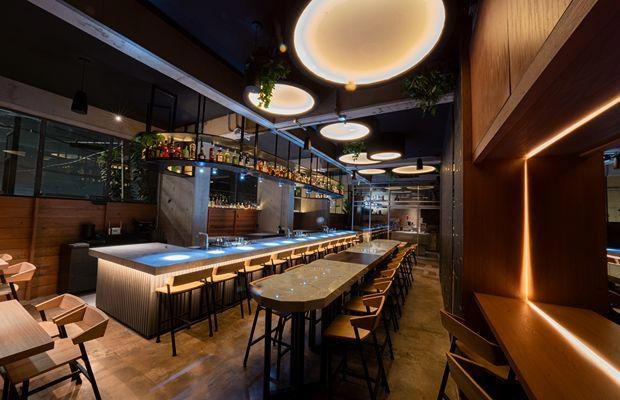
Sparse, no-frills assembly-line setup with massive grill dominating the space; bright, efficient counter service with visible kitchen; communal high-top standing counters; energetic and bustling atmosphere typical of a working-class taqueria.