Máximo






1 Michelin Star · World's 50 Best #30 · Star Wine List
Our verdict
Chef Eduardo García's innovative French-Mexican fusion defines Máximo Mexico City, where industrial Roma Norte elegance frames creative tasting menus featuring signature dishes like abalone tostada and caviar-crowned desserts in a stunning white brick space with soaring ceilings.

Pearl is the En Primeur Club membership app — saves, bookings, and concierge access live there. Same editors, same standards.
- Address
- Av. Álvaro Obregón 65 Bis, Roma Nte., Cuauhtémoc, 06700 Ciudad de México, CDMX, Mexico
- Phone
- +52 55 5264 4291
- Hours
- Mon–Fri 1–10 PMSat 1–11 PMSun Closed
- Website
- maximobistrot.com.mx
- Directions
- Get directions
- Booking
- Book on OpenTable
The menu
What to order
- Octopus Ceviche
- Wagyu Beef
- Lamb Birria
- Charred Zucchini with Mustard Vinaigrette
- Olive Oil Ice Cream
Colonia Roma on a Tuesday Afternoon
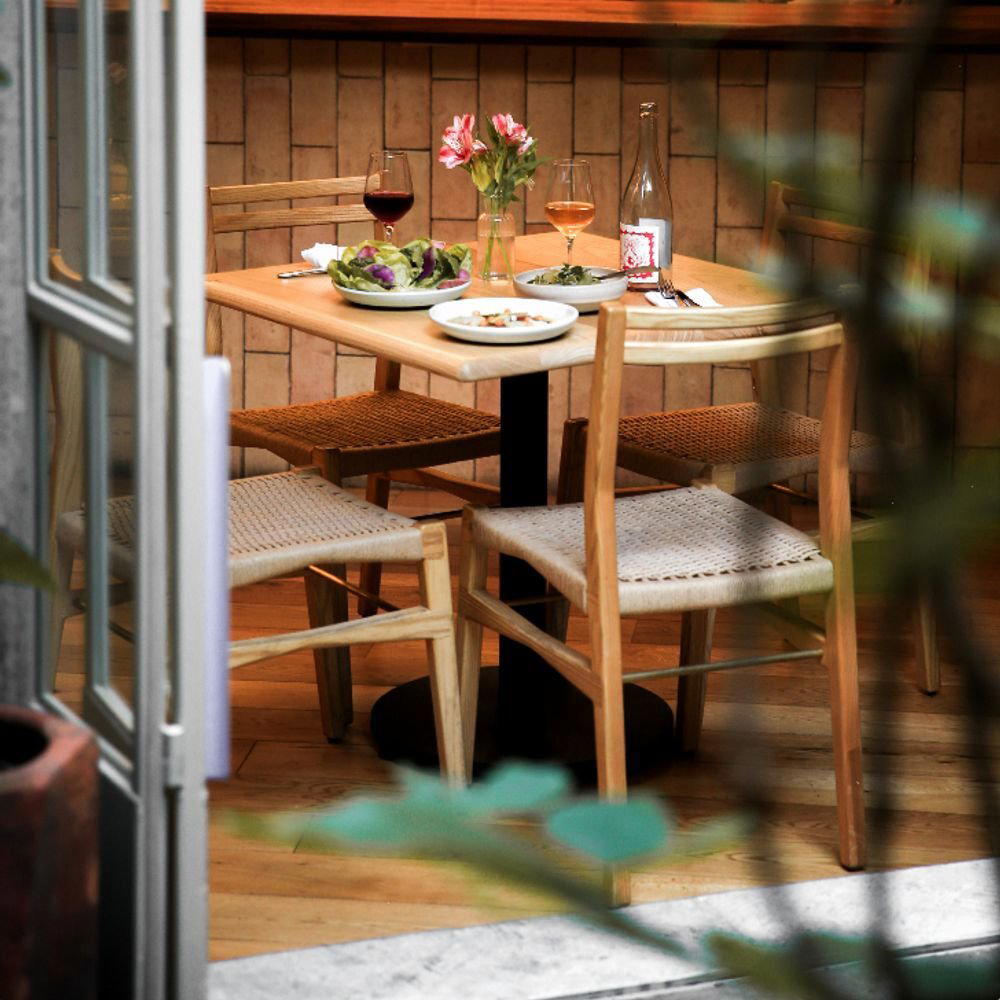
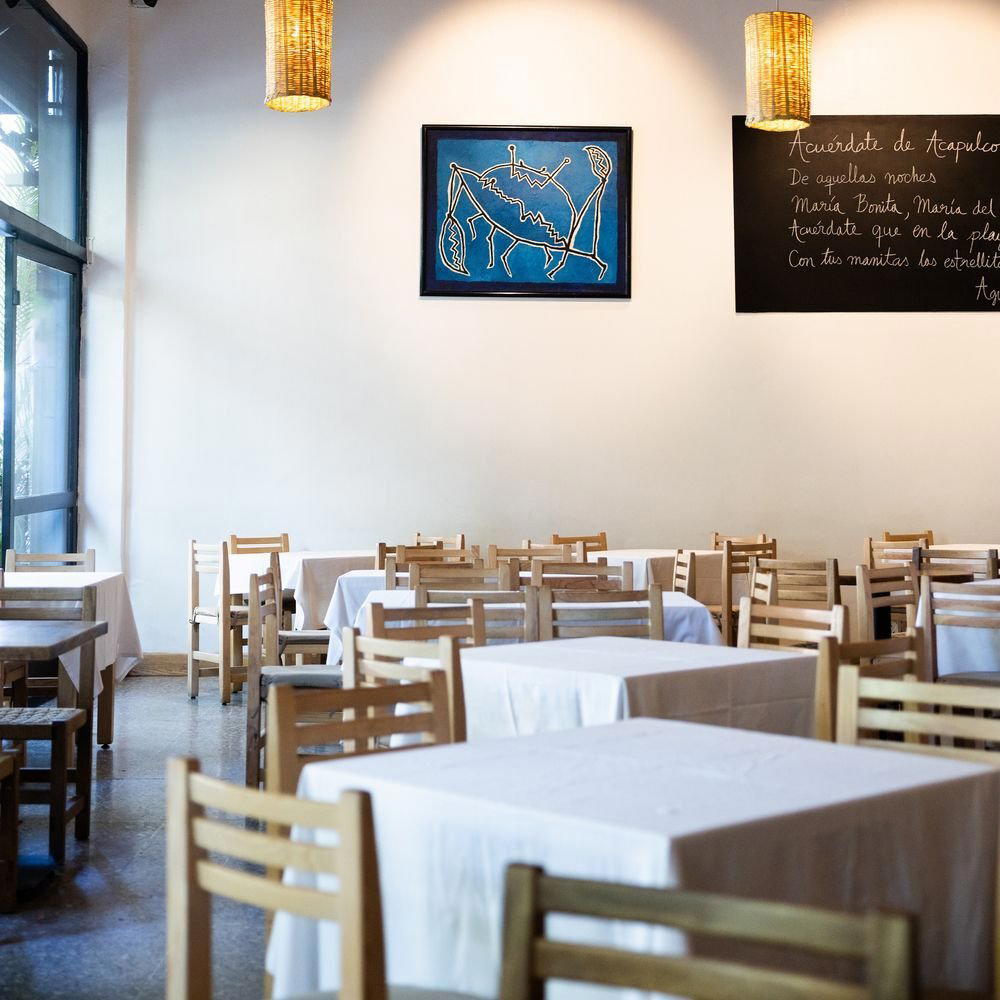
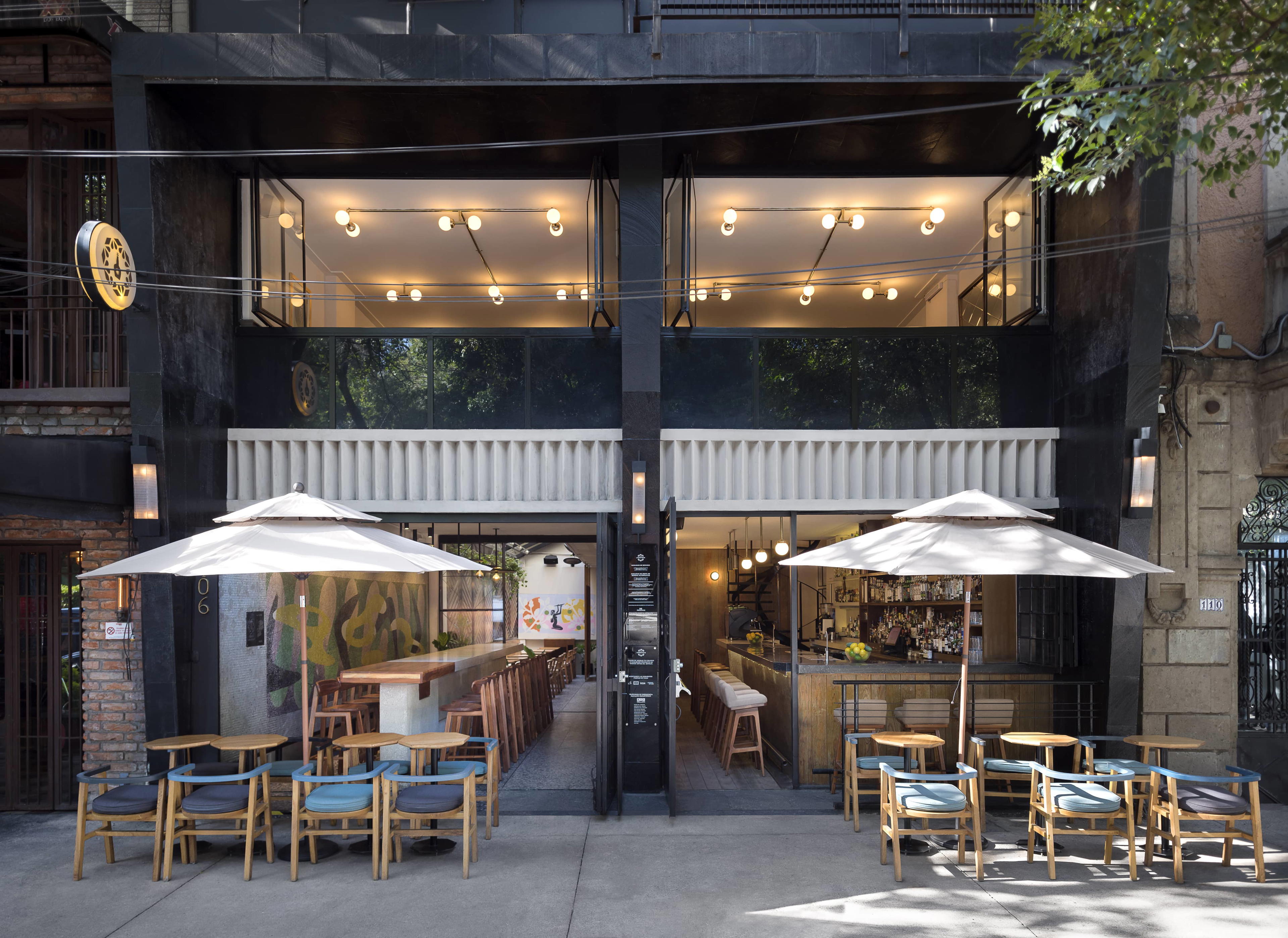
Avenida Álvaro Obregón cuts through Colonia Roma Norte with the particular confidence of a street that knows it is being watched. The broad, tree-lined median fills with office workers, dog-walkers, and the occasional delivery cyclist threading between tables that spill from the neighbourhood's growing number of serious restaurants. Máximo Bistrot sits at number 65 Bis, open six days a week from early afternoon, and on most of those days there is a wait. The dining room is not theatrical. It reads as a working restaurant: close tables, natural light, the practical energy of a kitchen that changes what it is cooking based on what arrived that morning. That operational logic is the point.
Where Street Market Logic Meets the Bistrot Counter
Mexico City's food culture has always treated the street and the market as its primary reference. The taco, the tostada, the torta — built from whatever is freshest, assembled to order, finished at the moment — are not rustic antecedents to refined cooking. They are the model for it. The discipline of working with what is available, of letting the ingredient set the day's agenda rather than the reverse, runs through the city's mercado culture and surfaces again, in a more structured register, in a small cohort of restaurants that take market-sourcing as a technical commitment rather than a marketing position.
Máximo operates inside that cohort. Roughly two-thirds of the kitchen's ingredients come from local farms in and around Mexico City, including produce from the chinampas of Xochimilco, the ancient floating garden system that has supplied the capital's kitchens for centuries. The supply chain is compressed: ingredients arrive within 24 hours of harvest. That interval matters because it shifts decision-making toward the produce rather than the menu. Dishes are adjusted daily according to what the market offers, which means the printed card on any given visit is a document of that particular morning's sourcing run, not a stable archive of signature plates.
The culinary frame is modern French applied to Mexican ingredients and Mexican reference points. Technique, velouté construction, crostini composition, precision in temperature and texture, sits alongside dishes that pull directly from Mexican pantry traditions. Calabaza en tacha, the candied pumpkin preparation associated with Day of the Dead and the sugar-cane syrup kitchens of central Mexico, has appeared on the menu alongside a velouté of artichoke finished with Imperial caviar. A crab crostini with spinach, avocado, and salsa tatemada, the charred-tomato salsa that belongs as much to the taquería as to the restaurant, places French bread format against a sauce with roots in the comal. These are not fusion gestures. They are the natural result of a kitchen that treats French technique as a tool and Mexican flavour as the destination.
Roma Norte has consolidated its position as the neighbourhood where Mexico City's mid-to-upper register dining scene is most concentrated. Esquina Común operates nearby in the same price territory. Em takes a different approach to contemporary Mexican cooking with a slightly more formal tasting format. Further out, Pujol anchors the highest tier of the city's restaurant hierarchy, and Expendio de Maíz operates as a more radical expression of corn-centred Mexican tradition. Taquería El Califa de León, which holds its own Michelin recognition, represents the other end of the formality spectrum, where the taco as a category is taken seriously on its own terms.
Máximo prices at $$$$ and holds a 2025 Michelin Star, which places it in a specific tier: serious enough for recognition, accessible enough in format that it does not require the ritual preparation of a full tasting menu evening. The bistrot model, à la carte, daily-changing, mid-afternoon to evening, is a deliberate choice that keeps the restaurant operating closer to the mercado rhythm than the gastronomic-theatre model.
Sustainability as Operational Structure
In Mexico City's dining conversation, sustainability often appears as a communication strategy. At Máximo, it is a supply chain architecture. The 24-hour farm-to-table interval is a logistical commitment that affects how the kitchen plans, how servers describe the menu, and how often regulars find something different on the card. The sourcing extends beyond produce: furniture, napkins, and materials throughout the dining room are locally made and held to fair-trade standards. This is less common in the $$$$ tier than the frequency with which such claims are made might suggest.
The Xochimilco chinampa connection deserves specific attention. The floating garden system predates the Spanish colonial period and has been a continuous source of fresh produce for Mexico City for roughly 2,000 years. Its produce is not a heritage novelty; it is, logistically, some of the freshest field-to-kitchen supply available in the metropolitan area, given the distance from the southern borough to the Roma Norte kitchen. Choosing to anchor a significant share of the menu to that supply chain is both a sourcing decision and a statement about which food traditions the kitchen considers its primary inheritance.
This same sensibility runs through farm-to-table programs at restaurants elsewhere in Mexico. Animalón in Valle de Guadalupe works within Baja's wine-country agricultural framework; Olivea Farm to Table in Ensenada connects to the produce corridors of the northern Pacific coast. In Oaxaca, Levadura de Olla Restaurante roots its menu in indigenous grain and fermentation traditions. The common thread is a refusal to treat ingredient provenance as a secondary concern. Máximo sits within that national pattern while operating at the specific scale and formality level of a Mexico City bistrot.
Mexican Cooking Beyond the Capital
The technique and sourcing philosophy that defines Máximo's approach appears in different registers across Mexico. KOLI Cocina de Origen in Monterrey works within the northern grilling tradition with a similar emphasis on local provenance. Le Chique in Puerto Morelos takes a more avant-garde format in the Yucatán Peninsula. Lunario in El Porvenir operates within the Valle de Guadalupe wine corridor, where seasonal availability shapes the menu in comparable ways. Outside Mexico, the conversation about what contemporary Mexican cooking can look like in a formal restaurant context continues at places like Alma Fonda Fina in Denver and Cariño in Chicago.
For a full orientation to Mexico City's restaurant scene, EP Club maintains [a dedicated Mexico City restaurants guide](), alongside guides covering [hotels](), [bars](), [wineries](), and experiences across the city.
Planning a Visit
Máximo opens Tuesday through Saturday from 1 pm to 10 pm, and on Monday for the same hours. The restaurant is closed on Sundays. Given the Michelin recognition and the Opinionated About Dining ranking trajectory, tables at the $$$$ price point require advance planning, particularly for weekend lunch slots when the Roma Norte foot traffic is highest. The address on Avenida Álvaro Obregón places it within walking distance of several metro and Metrobús stops along the Roma Norte grid, making arrival direct from most central neighbourhoods. Star Wine List's White Star designation signals a wine program worth treating as part of the meal rather than a footnote to it.
What Do Regulars Order at Máximo?
Because the menu changes daily based on market availability, there is no stable roster of signature dishes in the conventional sense. The kitchen's documented range includes preparations like artichoke velouté with caviar, crab crostini with salsa tatemada, calabaza en tacha with sour cream ice, and seasonal desserts built around fruit combinations. Regulars return because the card will be different, not because a particular plate is guaranteed. If a specific preparation is available on arrival, the kitchen's French-technique approach to Mexican ingredients tends to reward the less familiar choices: the dishes where the salsa or the gourd or the corn preparation is the lead element, not the garnish. See also EP Club's coverage of Pujol, Em, and the full [Mexico City restaurants guide]().
Accolades, Compared
A quick peer check to anchor this venue’s price and recognition.
| Venue | Cuisine | Price | Awards | Notes |
|---|---|---|---|---|
| MáximoThis venue — the venue you are viewing | Modern Mexican with French Influences | $100–150 | 1 Michelin Star · World's 50 Best #30 | Not listed |
| Pujol | Modern Mexican Fine Dining | $200–300 | 2 Michelin Stars · World's 50 Best #60 | Mexican |
| Quintonil | Modern Mexican Fine Dining | $300–500 | 2 Michelin Stars · World's 50 Best #7 | Modern Mexican, Contemporary |
| Rosetta | Mexican-Italian Fusion Fine Dining | $30–50 | 1 Michelin Star · World's 50 Best #39 | Italian, Creative |
| Em | Modern Japanese-Mexican Fusion | $200–300 | 1 Michelin Star · World's 50 Best #71 | Mexican |
| Comedor Jacinta | Traditional Mexican | Not listed | Michelin Bib Gourmand | Mexico, Mexican |
Recognition history
Dated appearances from independent guides and award organizations, with the underlying list record or original source where available.
Michelin 1 Star
Michelin
World's 50 Best Latin America's Best Restaurants #30
World's 50 Best
Star Wine List
Star Wine List
Opinionated About Dining Casual in North America Ranked #22
Opinionated About Dining
The Best Chef One Knife
The Best Chef
Full recognition history (12 entries)
Michelin 1 Star
Michelin
Opinionated About Dining Casual in North America Ranked #20
Opinionated About Dining
We're Smart World 2 Radishes
We're Smart World
Michelin Plate
Michelin
Opinionated About Dining Casual in North America Ranked #28
Opinionated About Dining
Opinionated About Dining Gourmet Casual Dining in North America Ranked #23
Opinionated About Dining
Opinionated About Dining Casual in North America Ranked #24
Opinionated About Dining
Continue exploring
More in Mexico City
Restaurants in Mexico City
Browse all →
Bars in Mexico City
Browse all →




Details
- Elegant
- Romantic
- Modern
- Sophisticated
- Date Night
- Special Occasion
- Celebration
- Open Kitchen
- Design Destination
- Extensive Wine List
- Sommelier Led
- Farm To Table
- Local Sourcing
- Tasting Menu
- A La Carte
- Wine
- Vegetarian Friendly
- Allergy Accommodating
Current opening hours
- Monday
- 1–10 PM
- Tuesday
- 1–10 PM
- Wednesday
- 1–10 PM
- Thursday
- 1–10 PM
- Friday
- 1–10 PM
- Saturday
- 1–11 PM
- Sunday
- Closed
Hours can change for holidays and private events. Last verified .
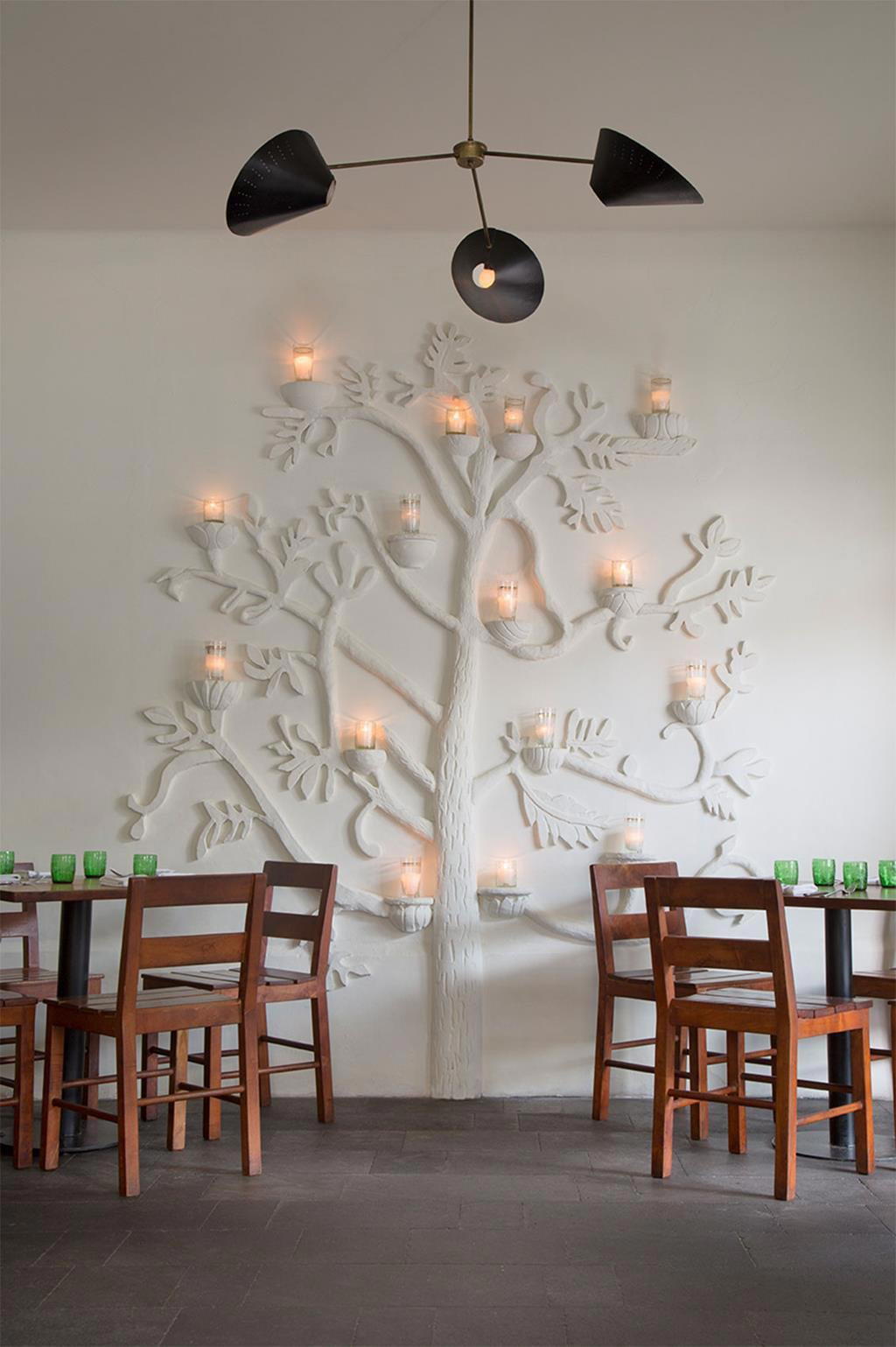
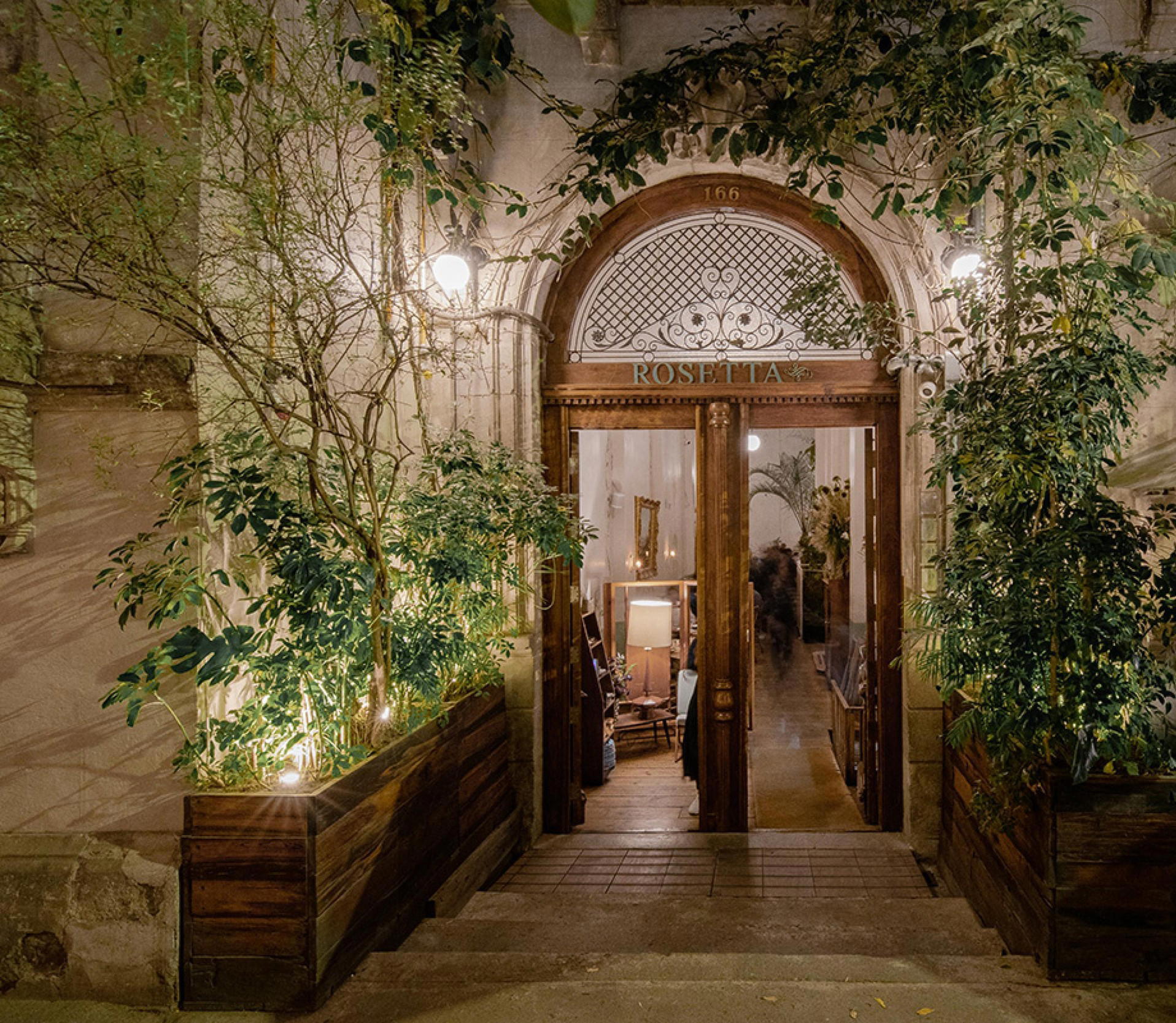
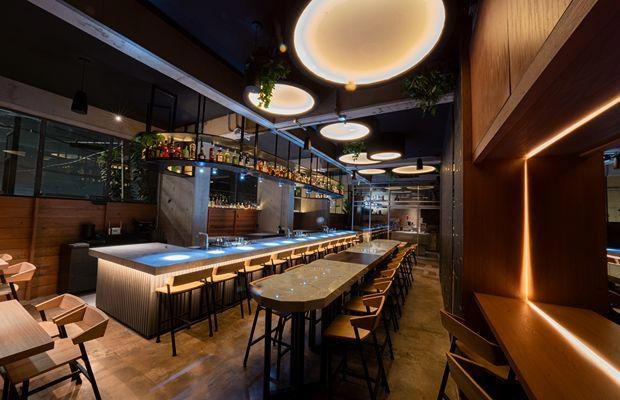
Bright, spacious industrial-chic setting with white brick, tile, and soaring ceilings; breezy and beautiful with a relaxed yet refined atmosphere.