Tapville Social - Austin
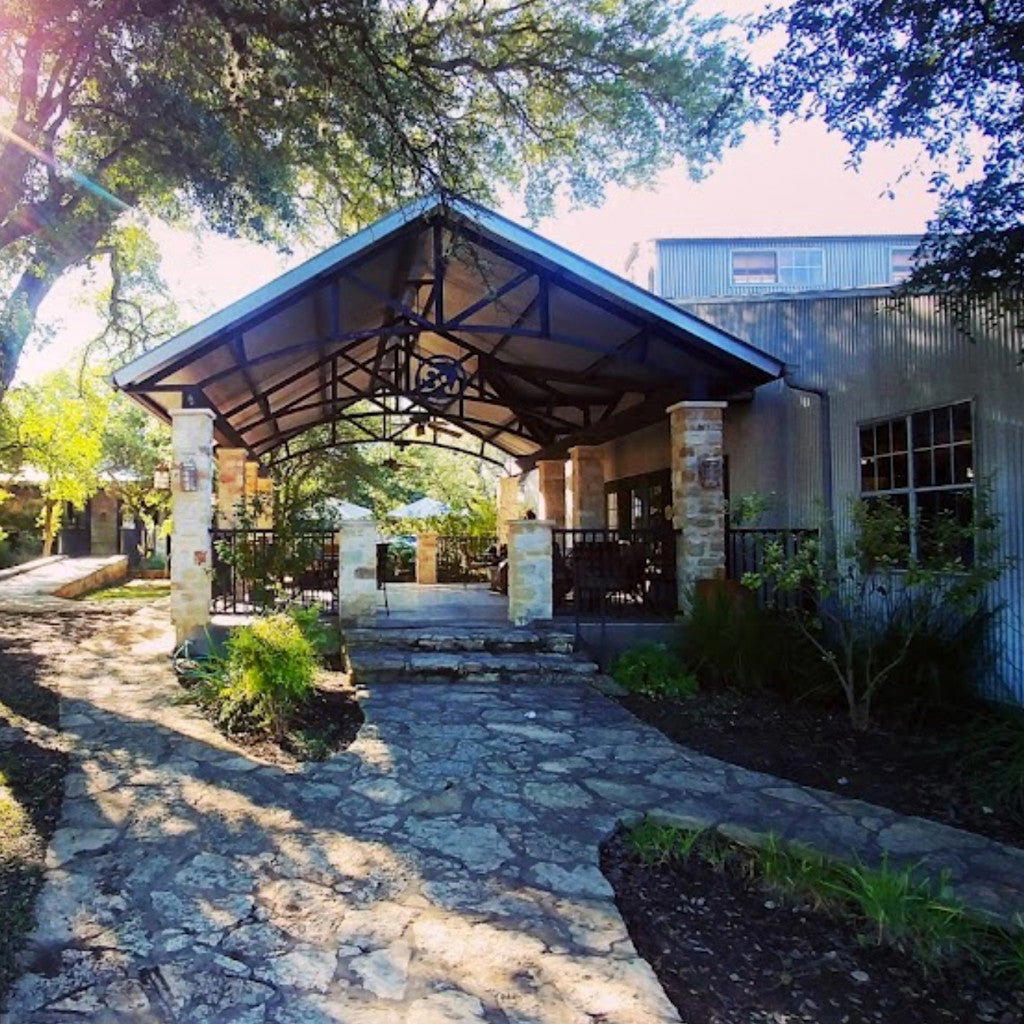
Tapville Social on San Jacinto Boulevard positions itself in Austin's self-pour tap wall category, a format that shifted the city's casual bar scene away from conventional counter service toward guest-controlled pours. The concept sits at a mid-range price point relative to Austin's broader drinking scene, making it a reference point for how technology-driven hospitality formats have taken hold in a market that once defined itself through live music and dive bars.
Pearl is the En Primeur Club membership app — saves, bookings, and concierge access live there. Same editors, same standards.
- Address
- 1836 San Jacinto Blvd, Austin, TX 78701
- Phone
- +15122847981
- Website
- tapvillesocial.com
- Directions
- Get directions
 Saves & bookings on Pearl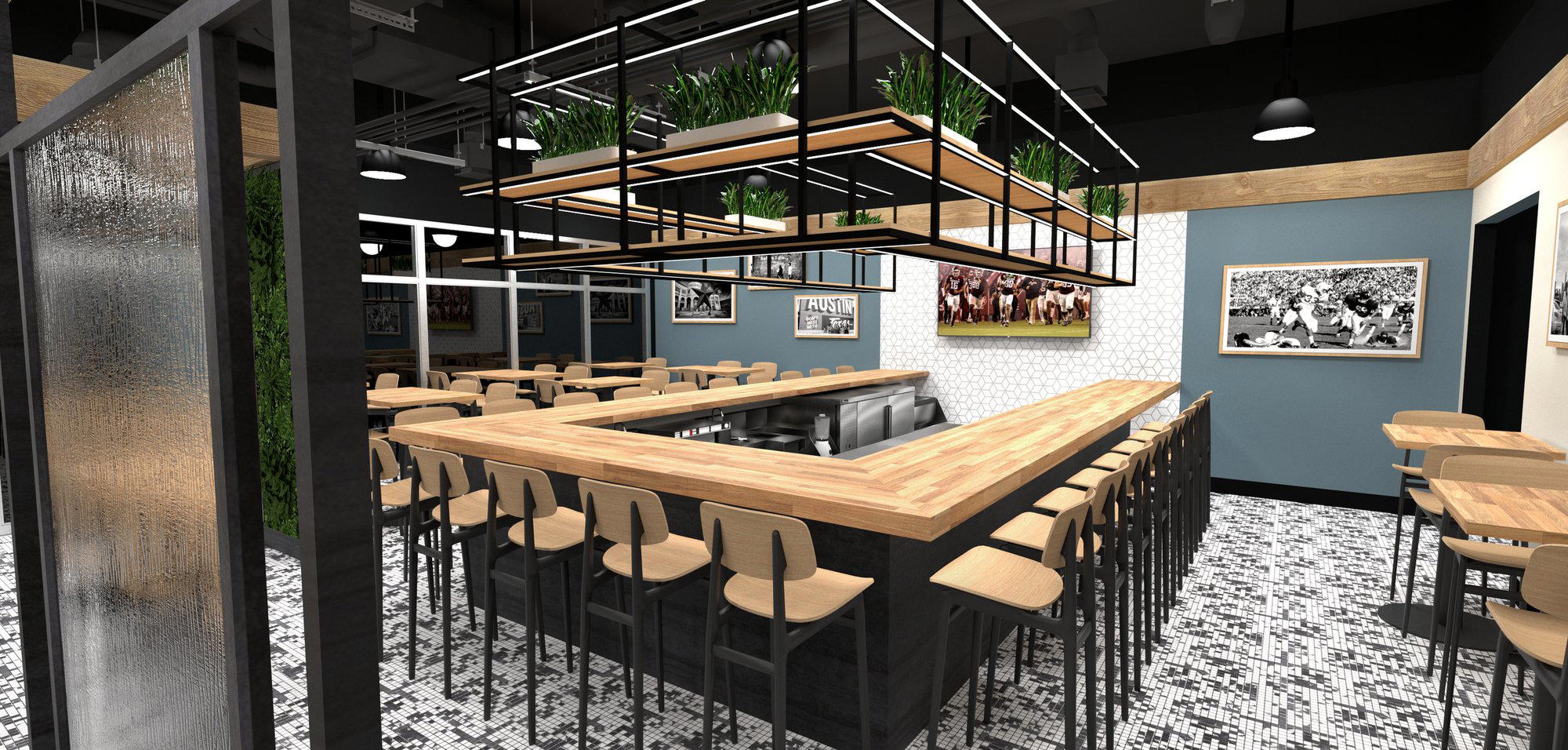
How Self-Pour Hospitality Evolved in Austin
Austin's bar scene has spent the better part of two decades in motion. The city that built its identity around live music venues and no-frills beer gardens gradually absorbed a wave of cocktail bars, brewery taprooms, and experiential drinking formats that reshaped what a casual night out could look like. One of the more deliberate shifts in that arc has been the rise of self-pour tap wall concepts, where the conventional bartender-to-guest transaction is replaced by RFID-linked wristbands and a wall of rotating taps. Tapville Social at 1836 San Jacinto Blvd sits inside that broader evolution, operating in a format that has now spread across American mid-tier bar markets but found particular traction in cities like Austin where the appetite for novelty and social formats runs alongside a genuine culture of beer and craft beverage appreciation.
The self-pour model arrived in the United States in the early 2010s and matured into a recognizable category by the mid-2010s, driven partly by labor cost pressures and partly by the appeal of letting guests control their own experience. What began as a novelty in a handful of markets became a studied format by the time Tapville Social established its footprint, with the chain developing locations across multiple states and refining the concept beyond its early iterations. Austin, with its density of young professionals, its event-driven foot traffic, and its relatively permissive licensing environment, represented the kind of market where the format could graduate from experiment to neighborhood fixture.
The Format and What It Replaced
Understanding Tapville Social means understanding what the self-pour tap wall format displaced and what it retained. Traditional bar service concentrates expertise and pace control with the bartender. The self-pour model distributes both to the guest, which changes the social rhythm of a space considerably. Groups move through the room with more autonomy, sampling across a tap list that typically spans craft beer, wine, cocktails, and sometimes cider or kombucha, paying by the ounce rather than the pour. The accountability mechanism is the RFID wristband linked to a tab, which removes the queue at the bar and redirects interaction toward food, conversation, and exploration of the tap selection.
In a city where venues like Hestia have pushed Austin's dining ambitions toward live-fire fine dining, and where Barley Swine occupies a serious New American tier, Tapville Social operates in a deliberately different register. It is not competing with the tasting menu contingent or the dedicated craft cocktail rooms. That positioning has become more deliberate over time as the Tapville brand has refined what it offers alongside the taps, typically including a food menu calibrated to group grazing and game-day programming.
San Jacinto and the Surrounding Context
The San Jacinto Boulevard address places Tapville Social in a corridor that has seen significant commercial development as Austin's downtown core has expanded eastward and northward. The 78701 zip code covers a stretch that includes university-adjacent foot traffic, convention center proximity, and the kind of transient professional population that makes experiential bar formats viable on weekday evenings as much as weekends. That location dynamic matters for how the venue functions in practice: it is drawing from a crowd that includes out-of-town visitors looking for a low-friction social experience as much as regulars building a weekly habit.
Austin's broader drinking scene offers points of contrast that sharpen the picture. The city's barbecue corridor, anchored by spots like la Barbecue and InterStellar BBQ, operates on a completely different hospitality logic: queue early, eat at communal tables, leave when it runs out. The self-pour tap wall model runs almost opposite to that, offering extended dwell time, curated ambiance, and a format designed for groups who want to linger rather than turn over quickly. Both are legitimate expressions of Austin's appetite for social eating and drinking, just calibrated for different occasions and audiences.
The Evolution of the Concept
Tapville Social as a brand has moved through several iterations since its founding. Early self-pour venues leaned heavily on the technology as the differentiator, essentially building marketing around the novelty of the tap wall itself. As the format matured and competitors entered the category, the more successful operators shifted emphasis toward the quality and rotation of the tap selection, the caliber of the food program running alongside it, and the design of the physical space to support longer visits and larger groups. Sports programming became a more consistent pillar, and the venues that survived the format's saturation phase were generally those that built a reason to return beyond the novelty of pouring your own beer.
That evolution is relevant context for any visit to the Austin location. The question worth asking of any self-pour venue is not simply whether the format works in isolation, but whether the tap curation, the food offering, and the room design justify a return visit once the novelty has worn off. In Austin's competitive casual hospitality market, where Craft Omakase occupies one end of the evening ambition spectrum and any number of dive bars and brewery taprooms hold the other, the self-pour format occupies a specific middle tier that has to earn its place on a repeat basis.
For those building a wider sense of American dining and bar culture beyond Austin, the self-pour category offers a useful contrast to the table-service formality of venues like Le Bernardin in New York City, Alinea in Chicago, or The French Laundry in Napa. Where those venues compress the guest experience into a tightly choreographed sequence, the self-pour format deliberately decompresses it, handing control back to the table. Neither approach is inherently superior; they serve different social functions entirely. Venues like Blue Hill at Stone Barns, Lazy Bear in San Francisco, Single Thread Farm in Healdsburg, Providence in Los Angeles, Addison in San Diego, Atomix in New York City, The Inn at Little Washington, Emeril's in New Orleans, and 8 1/2 Otto e Mezzo Bombana in Hong Kong all sit in the high-choreography tier; Tapville Social's value proposition runs entirely the other direction.
For a broader look at where Tapville Social fits within Austin's full dining and drinking spectrum, see our full Austin restaurants guide.
Know Before You Go
Address: 1836 San Jacinto Blvd, Austin, TX 78701
Format: Self-pour tap wall with RFID wristband; pay by the ounce
Leading for: Groups, sports viewing, casual social occasions
Price tier: Mid-range for Austin; consumption-based pricing means the tab scales with how much you pour
Hours: Confirm current hours directly with the venue before visiting
How Tapville Social - Austin: Casual Austin Guide compares with similar nearby venues.
| Venue | Cuisine | Price |
|---|---|---|
| Olamaie | Southern | $$$ |
Continue exploring
More in Austin
Restaurants in Austin
Browse all →
Bars in Austin
Browse all →
Hotels in Austin
Browse all →
At a Glance
- Lively
- Trendy
- Energetic
- Group Dining
- Casual Hangout
- Brunch
- Open Kitchen
- Terrace
- Craft Cocktails
- Beer Program
Current opening hours
- Monday
- 11 AM–3 PM
- Tuesday
- 11 AM–9 PM
- Wednesday
- 11 AM–9 PM
- Thursday
- 11 AM–9 PM
- Friday
- 11 AM–10 PM
- Saturday
- 11 AM–10 PM
- Sunday
- 11 AM–7 PM
Hours can change for holidays and private events. Last verified .
Moderate noise level with a lively, social atmosphere featuring bold flavors and immersive experiences.
Know Before You Go
- Getting there
- 1836 San Jacinto Blvd, Austin, TX 78701