Duchman Family Winery
Duchman Family Winery sits along Ranch to Market Road 150 in Driftwood, Texas, where the Hill Country's limestone terrain and Mediterranean climate have shaped a wine program built around Italian varietals.

Pearl is the En Primeur Club membership app — saves, bookings, and concierge access live there. Same editors, same standards.
- Address
- 13308 Ranch to Market Rd 150, Driftwood, TX 78619
- Phone
- (512) 858-1470
- Website
- duchmanwinery.com
- Directions
- Get directions
Hill Country on Its Own Terms
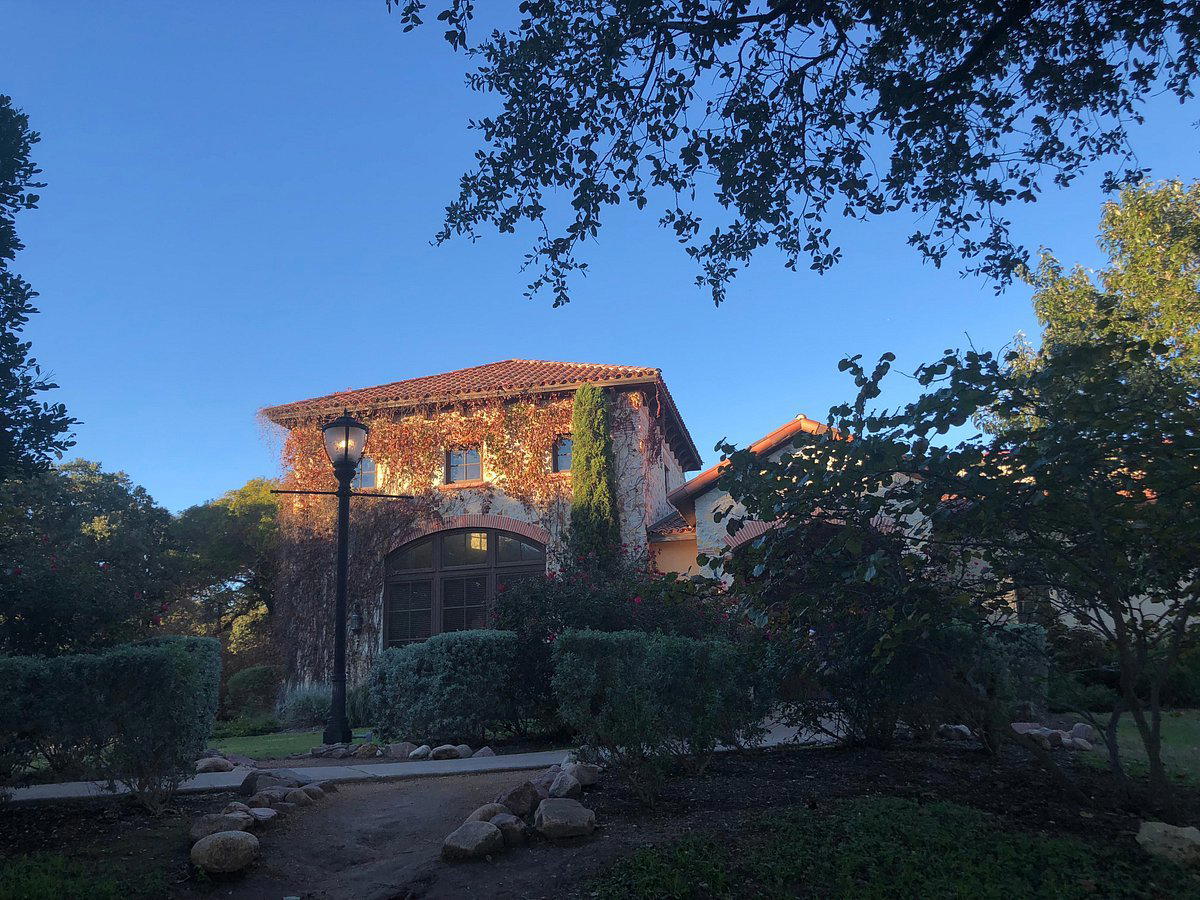
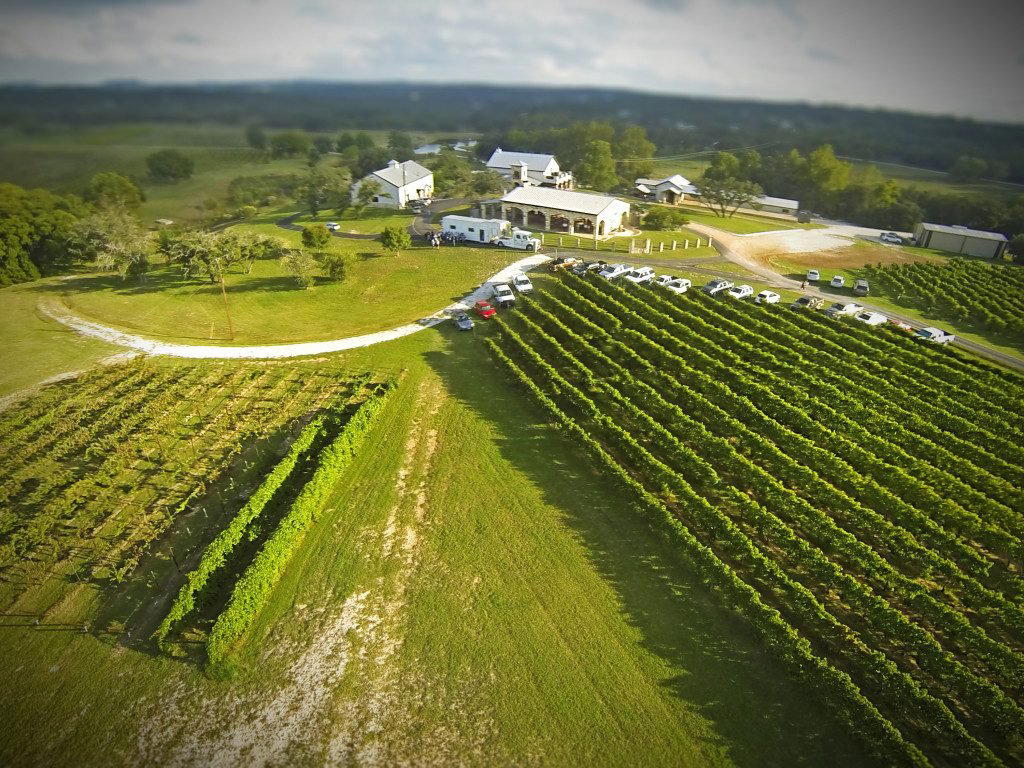
The drive along Ranch to Market Road 150 through Driftwood tells you something about the wines before you arrive. The land here is dry-grass gold and cedar-thick, with caliche dust on the roadsides and a sky that sits wide and uninterrupted. This is not Napa, and the better Texas producers have stopped pretending otherwise. The Hill Country's geology — fractured limestone over shallow clay, with elevation shifts that moderate what would otherwise be punishing summer heat — is not a compromise. It is a specific set of conditions that rewards varietals suited to warmth, drought, and rocky drainage. Duchman Family Winery, at 13308 Ranch to Market Rd 150, has built its program around that logic.
The Italian Conviction
Texas wine's dominant tension over the past two decades has been varietal selection. The early instinct was to plant what sold: Cabernet Sauvignon, Merlot, Chardonnay. The more considered producers, watching their vines struggle through triple-digit summers and late-season deluges, began looking at southern Italy and the Iberian Peninsula for a better template. Sangiovese, Vermentino, Montepulciano, Dolcetto, grapes bred for heat retention and minimal water, started appearing in Hill Country and High Plains programs with more convincing results.
Duchman sits near the front of that argument. The winery's focus on Italian varietals is not a stylistic gesture; it reflects a reading of the land that has proven durable across vintages. In a region where many producers still hedge with Rhône and Bordeaux plantings, a sustained commitment to Italian grapes places Duchman in a small peer tier, closer in philosophy to producers like Andrew Murray Vineyards in Los Olivos or Alban Vineyards in Arroyo Grande, both of which built identities around varietal conviction rather than regional convention, than to the Cabernet-first default of many American fine wine operations.
The Pearl tier within EP Club's evaluation framework signals a property operating at a prestige level, above the entry tier, with documented quality signals that distinguish it from the wider regional field. For a Texas winery, that placement carries weight. The state's fine wine category has been contested territory: a handful of producers have pressed toward national recognition while the majority of the market remains defined by tourism-led tasting rooms with broad, approachable portfolios.
Duchman's positioning in the prestige tier puts it in a different conversation, one that includes credentialed operations like Accendo Cellars in St. Helena, Adelaida Vineyards in Paso Robles, and Alpha Omega Winery in Rutherford, though each of those operates in longer-established fine wine corridors with different market infrastructure. The comparison is instructive precisely because it highlights what Duchman is doing in a younger, less validated regional context.
Driftwood and the Wider Hill Country Scene
Driftwood sits southwest of Austin, roughly twenty miles from the city's edge, and functions as a distinct node within the Hill Country wine corridor rather than a satellite of Austin's hospitality economy. The area has a loose cluster of producers and tasting experiences, Desert Door Distillery is among the neighbours, that give the stretch of RM 150 a character separate from the more tourist-trafficked routes around Fredericksburg and Wimberley.
For visitors building an itinerary, Driftwood rewards a slower approach. The density of stops is lower than in the Fredericksburg corridor, which means the experience is less rushed and more attentive. Producers here tend to attract a different visitor than the Fredericksburg weekend circuit: people who have already done the approachable-tasting-room circuit and want something with more technical depth. For a fuller picture of what the area offers, our full Driftwood restaurants guide maps the scene across food and drink.
Italian Varietals in a Texas Frame
The winemaking logic at work in Hill Country Italian-varietal programs connects to a broader shift visible across American wine regions. At Adelsheim Vineyard in Newberg, the emphasis is on cool-climate Burgundian grapes suited to the Willamette Valley's particular conditions. At Au Bon Climat in Santa Barbara, Jim Clendenen's long commitment to Pinot Noir and Chardonnay in a California context that initially favored bigger, warmer-weather styles made a similar argument: plant what the land supports, not what the market expects.
The Italian varietal argument in Texas follows the same logic, but the case is harder to make because the regional reputation is younger and the consumer base is less tutored in the reference points. A Vermentino from the Hill Country requires more contextual work than a Vermentino from Sardinia or a Sangiovese from Tuscany, the drinker has fewer anchors. Producers like Duchman who hold that varietal line through multiple vintages are, in effect, building the region's long-term credibility one vintage at a time.
That is a different kind of winemaking ambition than the prestige-Cabernet model visible at operations like Aubert Wines in Calistoga or Artesa Vineyards and Winery in Napa, both of which work inside established varietal and regional frameworks. It is also a different ambition than the heritage-driven programs at Alexander Valley Vineyards in Geyserville or B.R. Cohn Winery in Glen Ellen, where decades of estate history provide their own form of authority.
Planning Your Visit
Duchman Family Winery is located at 13308 Ranch to Market Rd 150 in Driftwood, Texas. The property sits along a rural Hill Country road, and a car is the practical requirement for any visit, there is no public transit option, and the nearest Austin-side accommodation base is a twenty-plus mile drive. Visitors combining Duchman with other Hill Country stops should note that the RM 150 corridor runs more quietly than the Fredericksburg wine trail, which means weekend crowds are typically lighter and the tasting experience less pressured.
Dress accordingly in terms of intent, if not attire.
Frequently Asked Questions
What wines is Duchman Family Winery known for?
Duchman has built its identity around Italian varietals, Sangiovese, Vermentino, Montepulciano, and related grapes suited to the Hill Country's limestone soils and warm, dry growing conditions. That focus places it in a specific tier of Texas producers who have moved away from Bordeaux and Rhône defaults toward varieties with stronger climatic alignment.
What's the main draw of Duchman Family Winery?
The combination of varietal specificity and documented prestige-tier quality in a region still building its fine wine credibility. Driftwood's position southwest of Austin gives the property a quieter, more focused atmosphere than the busier Fredericksburg corridor.
How hard is it to get in to Duchman Family Winery?
The property's address, 13308 Ranch to Market Rd 150, Driftwood, TX 78619, is the starting point for planning. Given the 2025 prestige rating and the general pattern of Hill Country wine tourism, weekend visits during peak spring and fall seasons are likely to benefit from advance planning. Verifying current tasting availability directly through the winery's own channels before visiting is the practical approach.
Cost and Credentials
Comparable venues nearby, for context on price, style, and recognition.
| Venue | Cuisine | Price | Notes |
|---|---|---|---|
| Duchman Family WineryThis venue — the venue you are viewing | Driftwood, Aglianico, Montepulciano | $10–20 | Not listed |
| Pontotoc Vineyard | Not listed | Not listed | downtown Fredericksburg, Tempranillo, Alicante Bouschet |
| Slate Mill Wine Collective | Not listed | $10–20 | Fredericksburg, Tempranillo, Cabernet Sauvignon |
| Deep Eddy Vodka Distillery | Dripping Springs, Texas Hill Country | Not listed | Not listed |
| Andalusia Whiskey Co. | Blanco, malted barley | Not listed | Not listed |
Continue exploring
More in Driftwood
Wineries in Driftwood
Browse all →
Bars in Driftwood
Browse all →
Restaurants in Driftwood
Browse all →
Details
- Rustic
- Scenic
- Elegant
- Romantic
- Group Outing
- Celebration
- Wine Education
- Estate Grounds
- Terrace
- Vineyard
- Garden
- Aglianico
- Montepulciano
- Sangiovese
- Vermentino
- Roussanne
- Viognier
- Dolcetto
- Grenache
- Syrah
- Mourvedre
- Still Red
- Still White
- Still Rosé
- Walk In
- Private Tasting
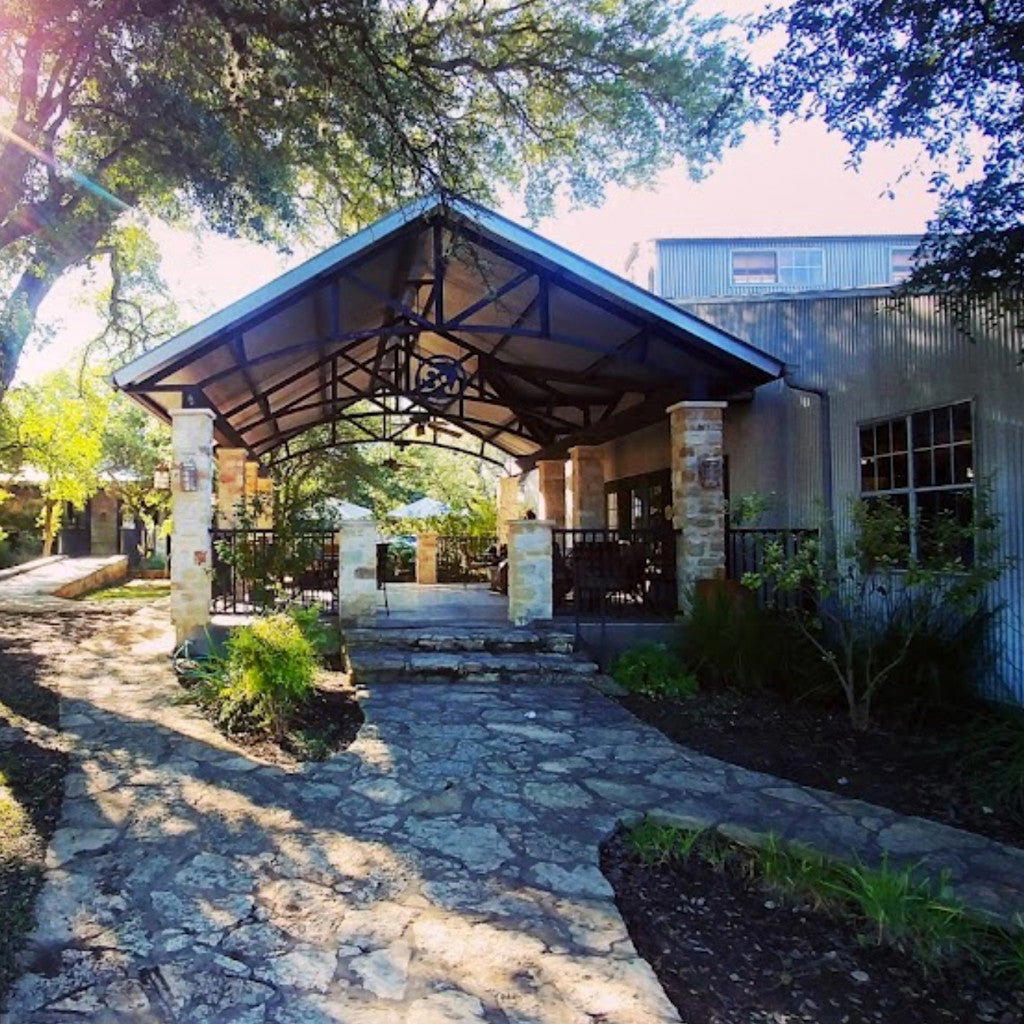
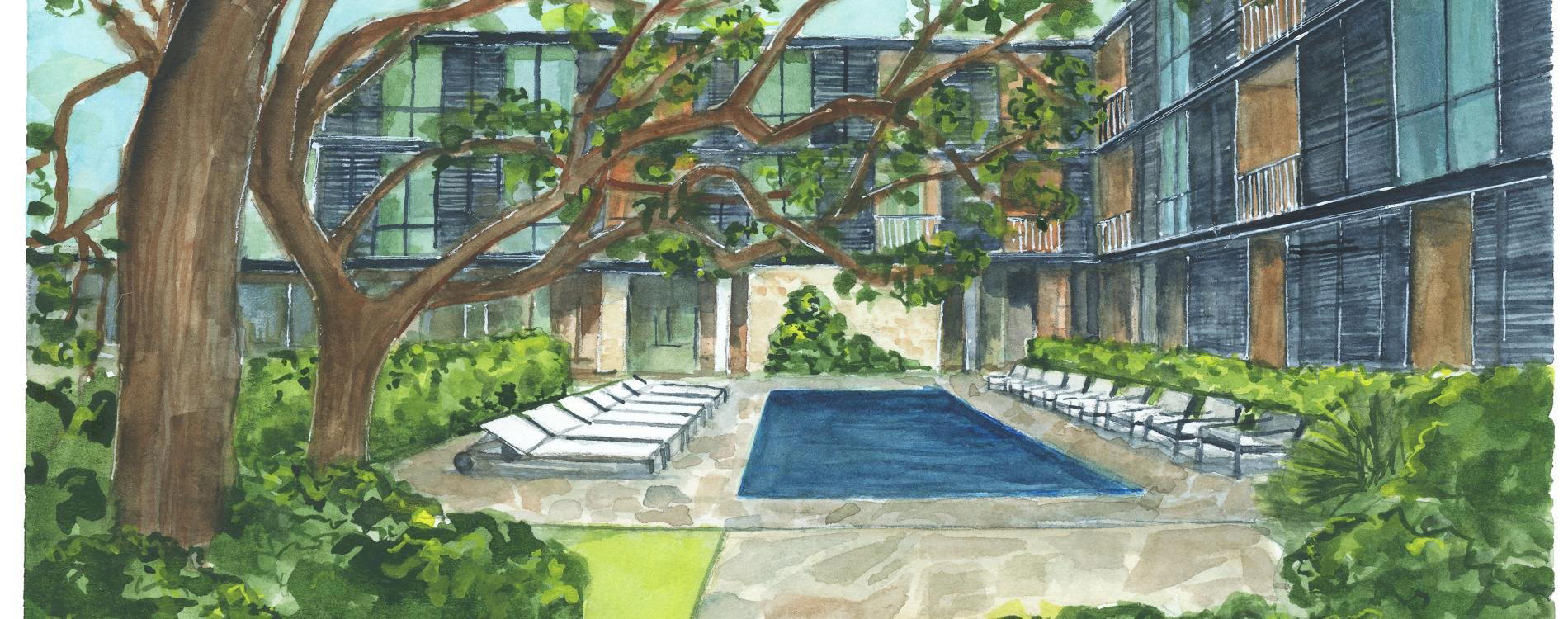
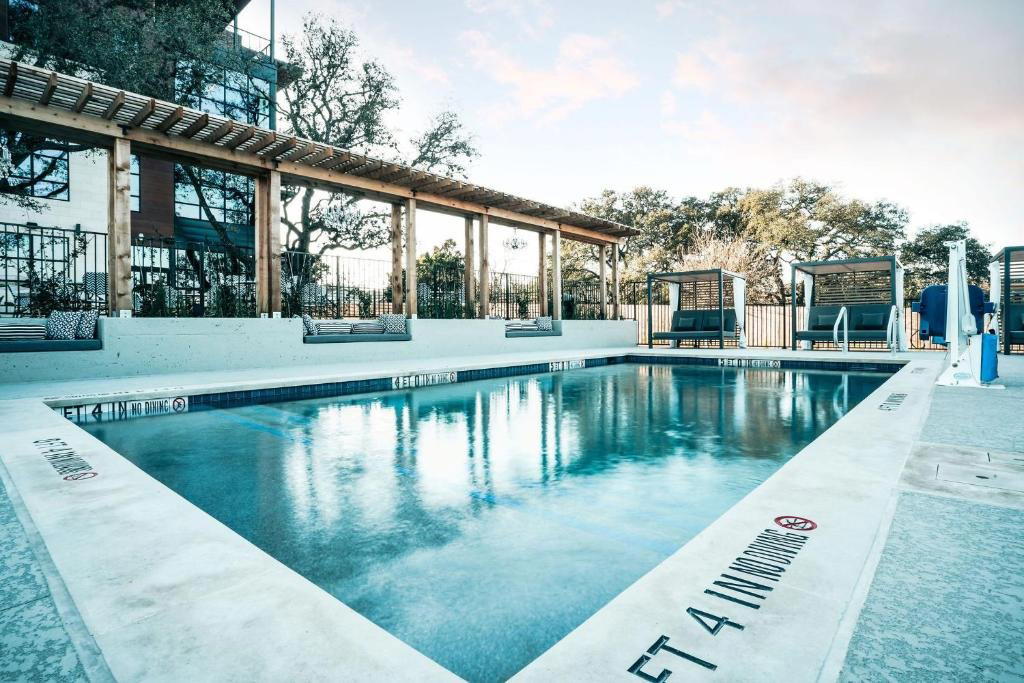
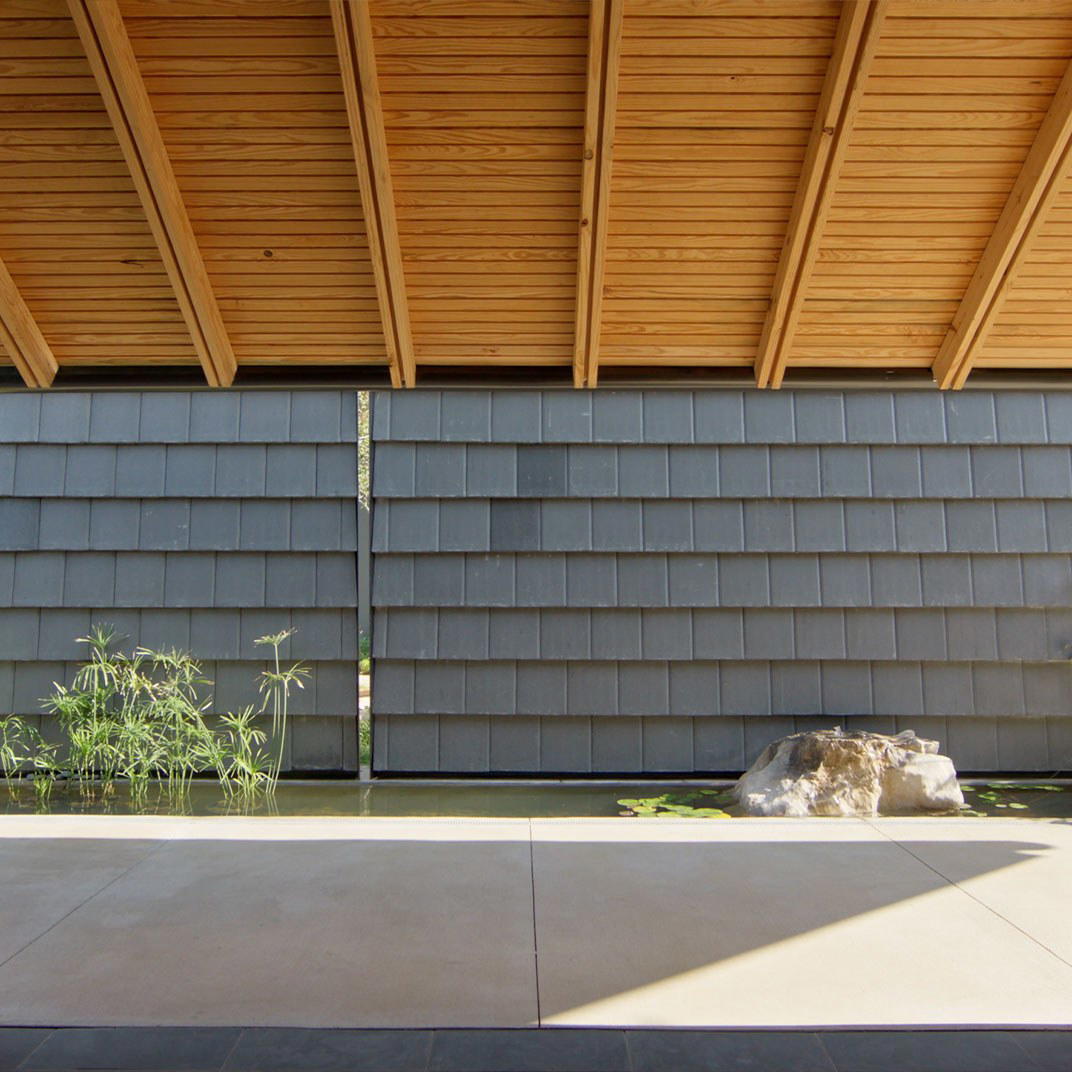
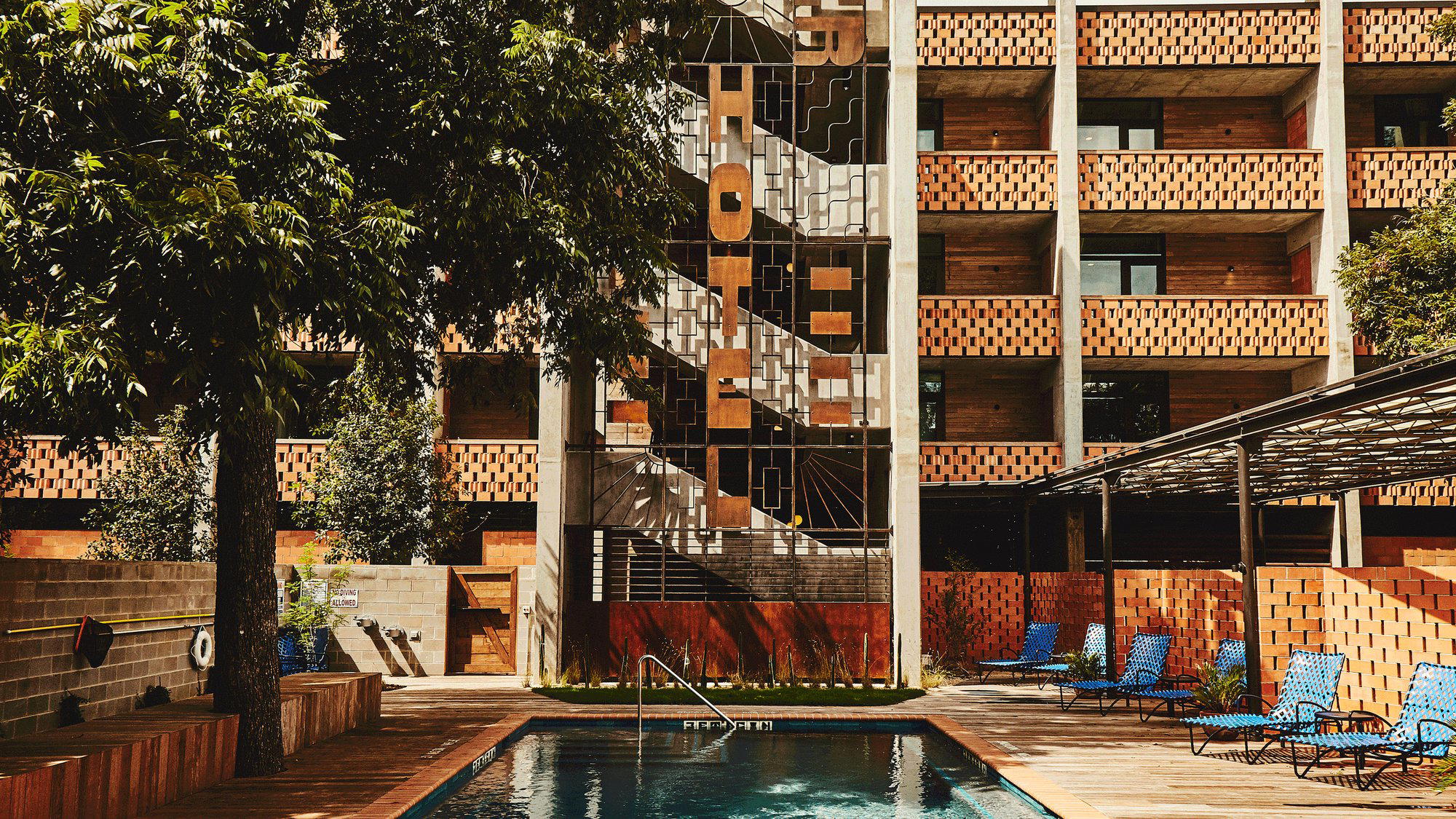
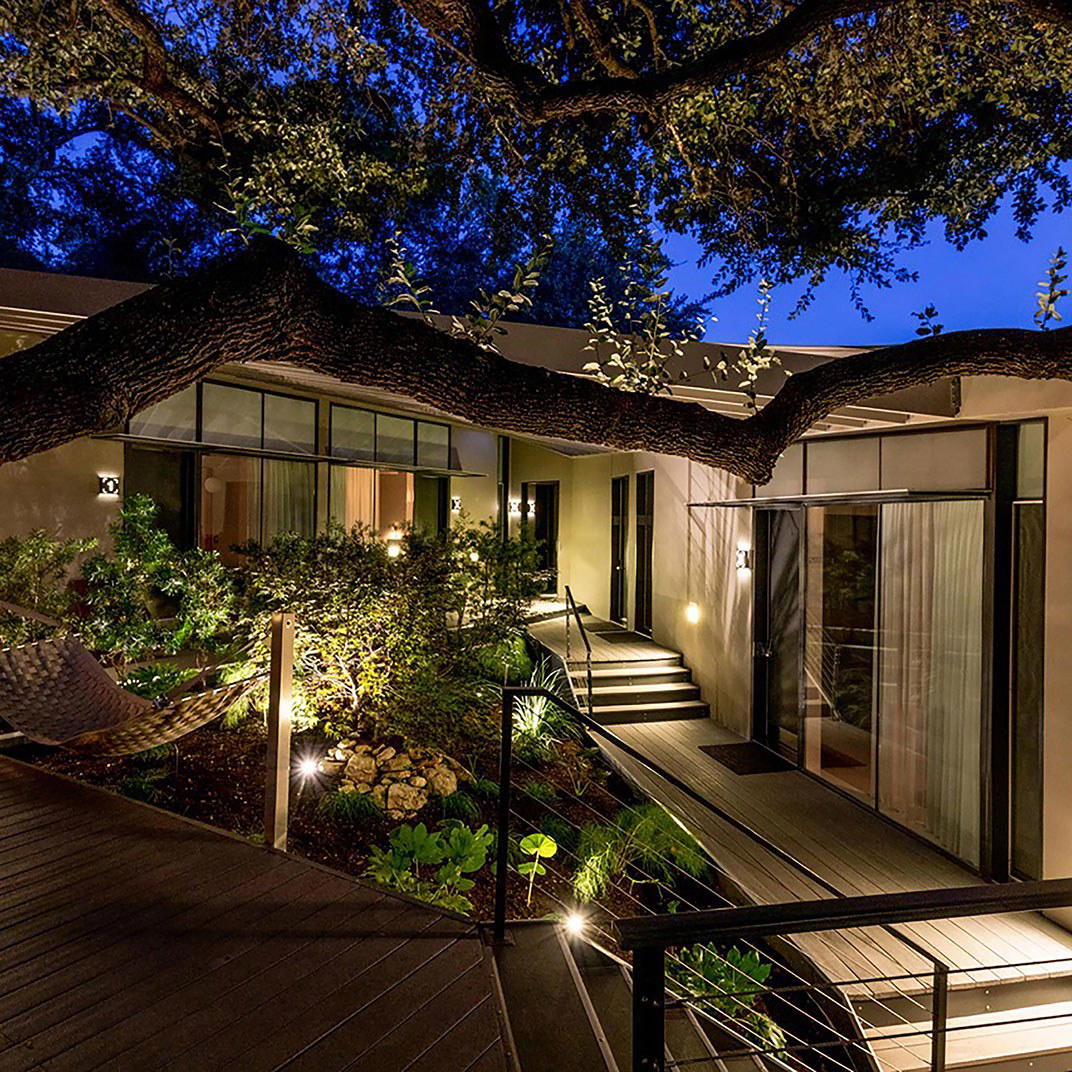
Beautiful Italian villa-style facility with enchanting grounds, oak trees, and open fields, evoking Tuscany in the Texas Hill Country.