Dai Due



Michelin Bib Gourmand · World Best Burgers World's 101 Best Burgers #39
Our verdict
Dai Due sits at the intersection of Texas ranching tradition and considered American cooking, holding a Michelin Bib Gourmand for two consecutive years alongside consistent recognition from Opinionated About Dining. At a mid-range price point on Manor Road, it occupies a tier that Austin's farm-to-table scene has made increasingly competitive — accessible enough to visit often, accomplished enough to keep earning national attention.

Pearl is the En Primeur Club membership app — saves, bookings, and concierge access live there. Same editors, same standards.
- Address
- 2406 Manor Rd, Austin, TX 78722
- Phone
- (512) 524-0688
- Hours
- Mon ClosedTue–Thu 5–10 PMFri–Sat 10 AM–3 PM, 5–10 PMSun 10 AM–3 PM, 5–9 PM
- Website
- daidue.com
- Directions
- Get directions
- Booking
- Book on OpenTable
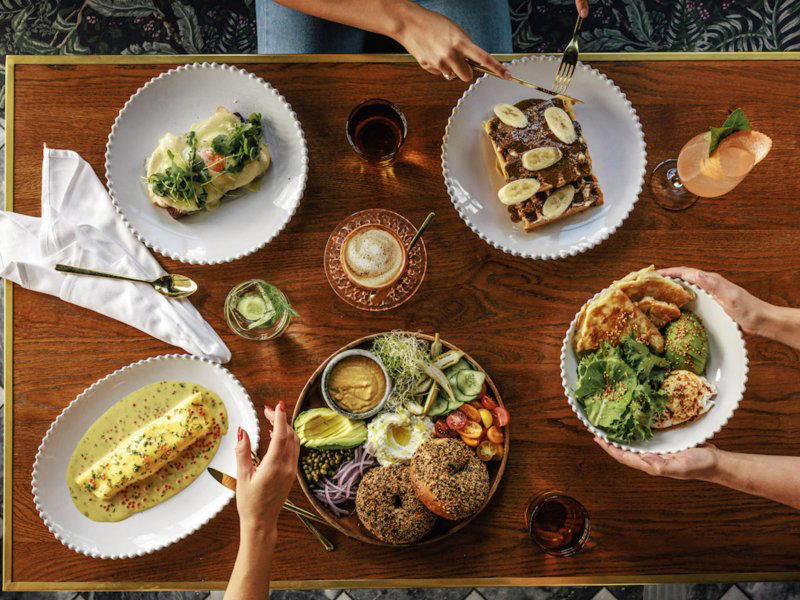
The menu
What to order
- Pork chop
- Wild boar confit
- Antelope burger
- Cold meat board
Manor Road, Morning Light, and the Smell of Wood Smoke
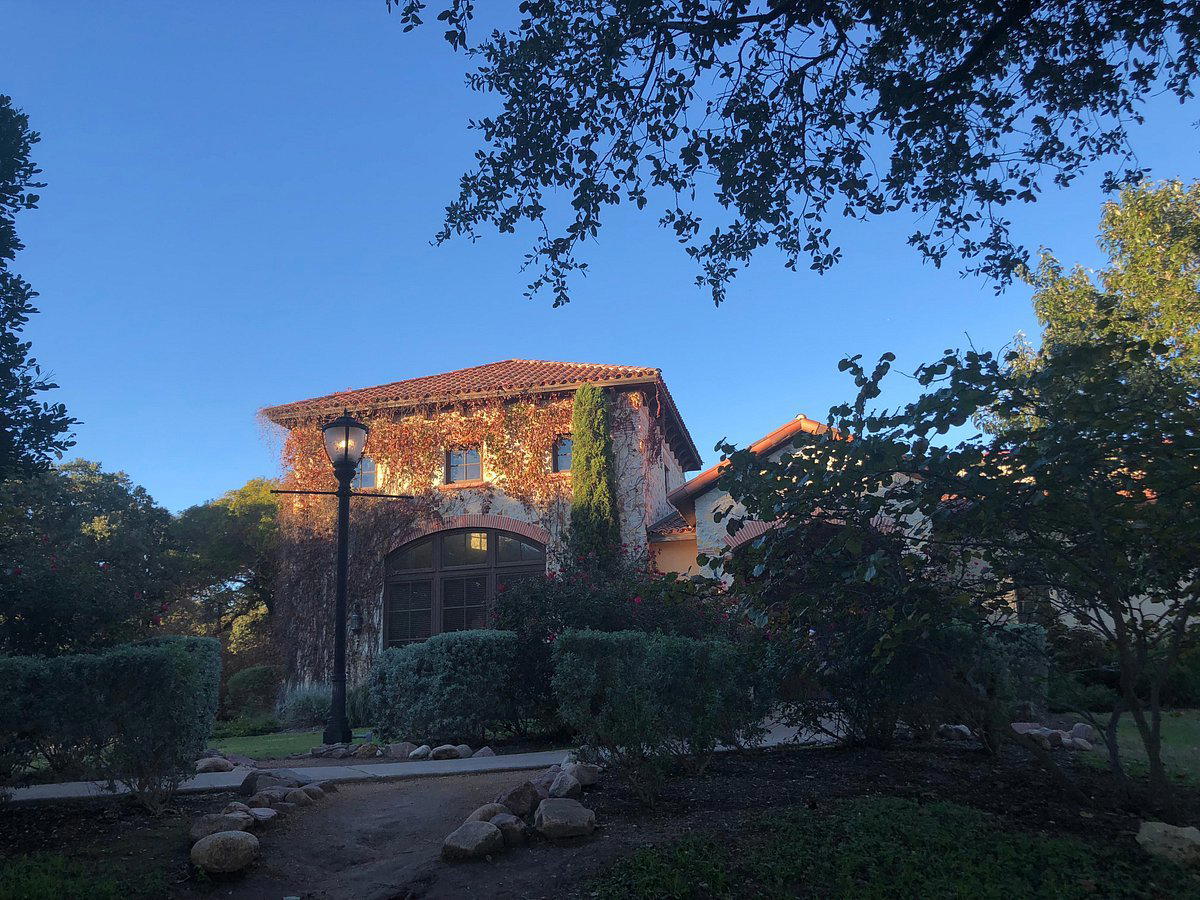
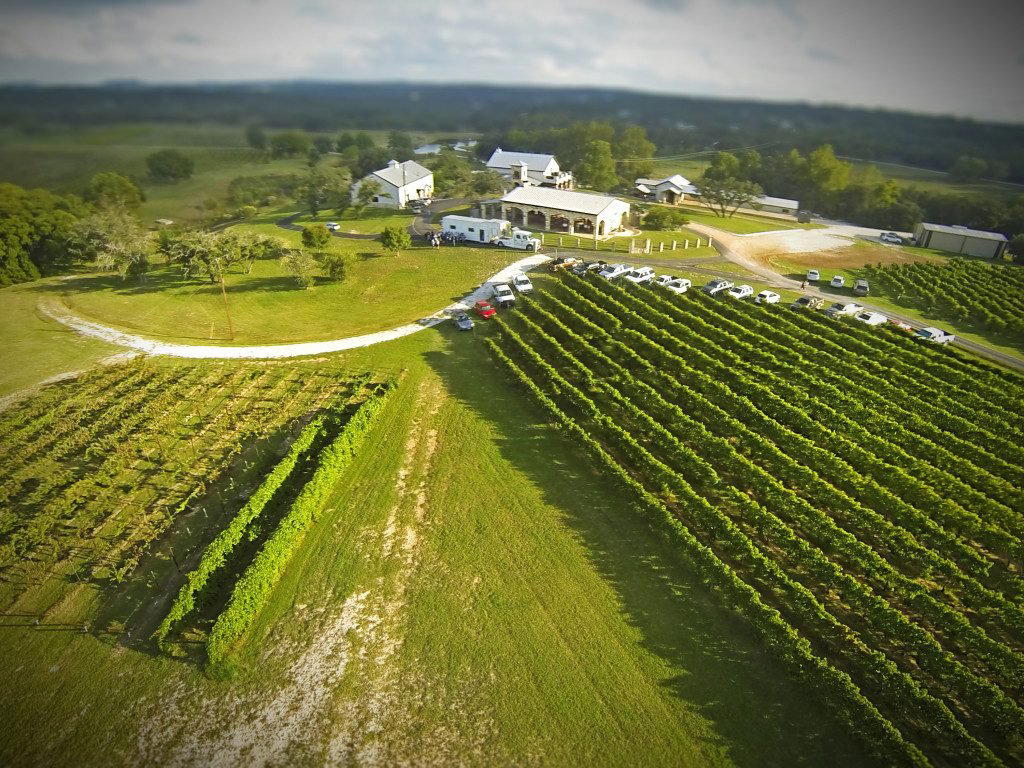
There is a particular kind of American restaurant that earns its reputation not through spectacle but through accumulated conviction. On Manor Road, east of the University of Texas campus, Dai Due operates within that tradition. The address puts it outside Austin's more photographed dining corridors — no South Congress foot traffic, no Rainey Street neon — and the building reads accordingly: unpretentious, rooted, the kind of place that suggests the food does the work. The approach and setting carry the sensory register of a working farmstead transplanted to a city block. Wood, heat, the faint mineral sharpness of well-sourced meat. These signals arrive before you sit down.
Chef Chris Cullum leads the kitchen, and the culinary frame here is Texas localism applied with discipline rather than sentiment. This is not farm-to-table as aesthetic gesture. The sourcing is the structure, the menu exists because of relationships with Texas ranchers, hunters, and growers, and it moves with what those relationships produce. That operational logic places Dai Due inside a specific American cooking tradition: the kind of restaurant that treats geography as a non-negotiable creative constraint rather than a marketing angle.
Where Dai Due Sits in Austin's Dining Tier
Austin's mid-range dining scene has expanded significantly over the past decade, and the $$ tier now contains a wider spread of ambition than it once did. Dai Due competes in that bracket alongside places like Garrison and Lutie's, each of which approaches American cooking from a different angle. What separates Dai Due is the depth of its sourcing infrastructure and the consistency of its recognition at the national level.
That recognition is verifiable. Michelin awarded Dai Due a Bib Gourmand in both 2024 and 2025, a designation that signals value relative to quality rather than pure fine-dining achievement. The Bib Gourmand classification is worth parsing: it identifies restaurants where the cooking clears a meaningful quality threshold without the pricing structure of the starred tier. Dai Due's positioning at $$ makes that distinction legible. This is not a restaurant holding its price down despite modest cooking; it is a restaurant holding its price down despite consistent national-level attention.
Opinionated About Dining, which draws its rankings from a network of experienced eaters rather than anonymous inspectors, has tracked Dai Due across multiple cycles: Recommended in 2023, ranked #194 in Gourmet Casual Dining in North America that same year, then #582 in Casual in 2024, and #593 in 2025. The OAD methodology rewards repeat visits and depth of knowledge among its contributors, making sustained inclusion a reliable signal of kitchen consistency. Among Austin peers at comparable price points, that consistency is not universal. Kemuri Tatsu-ya operates in a similar price bracket with a different cultural frame; Barley Swine sits a tier above in price and one Michelin star up in formal recognition. Dai Due occupies a distinct position: accessible pricing, two years of Bib Gourmand, and an OAD footprint that suggests serious eaters are paying attention.
The Sensory Logic of a Texas Sourcing Kitchen
The editorial angle that matters most for Dai Due is not the awards, it is the sensory and operational logic of cooking from Texas land. American restaurants in this tradition, from Single Thread Farm in Healdsburg to Lazy Bear in San Francisco, have each developed distinct versions of locality-as-constraint. Dai Due's version is specifically Texan: game, beef, pork, and foraged or grown ingredients from the state's agricultural regions. The smell of the kitchen and the texture of the menu change with the season and with what producers have available.
That changeability is both the appeal and the practical reality. A menu built around Texas sourcing will not look the same in November as it does in March. Diners who approach Dai Due expecting a fixed repertoire will find a different kind of pleasure: the menu as record of what the land and its producers are currently offering. This is a more demanding ask of the diner than a static menu, and it is part of why the OAD audience, which tends toward the analytically engaged, has returned to it consistently.
Compared to the more structured formality of places like Emmer & Rye, which applies a similarly rigorous sourcing philosophy in a fuller fine-dining format, Dai Due operates with less ceremony and more directness. The price differential reflects that. Both restaurants are legitimate representations of serious American cooking in Austin; they serve different moments and different diner dispositions.
Context Against the Broader American Scene
At the national level, the restaurants most frequently cited as exemplars of American fine dining, from Le Bernardin in New York City to Alinea in Chicago to The French Laundry in Napa, operate in a register that is structurally removed from what Dai Due does. Emeril's in New Orleans represents an earlier and different version of regional American ambition; Dai Due belongs to the more recent generation, which tends to wear its localism without the same theatrical register.
Planning a Visit
Dai Due is located at 2406 Manor Road in Austin's 78722 zip code, east of the central district and accessible by car or rideshare from most of the city's hotel concentration. The $$ price point makes it practical for multiple visits rather than a once-per-trip occasion. For current hours, booking availability, and what the kitchen is working with at any given time, checking directly with the restaurant before arrival is the sensible approach; a sourcing-driven menu means the specifics shift. Those exploring Austin's wider dining and hospitality scene can find further context in our full Austin restaurants guide, and for broader trip planning, our Austin hotels guide, bars guide, wineries guide, and experiences guide cover the rest of the city's offer.
Frequently asked questions
Is Dai Due more mid-range or high-end?
Pricing at Dai Due is listed as $$.
The Minimal Set
| Venue | Cuisine | Price | Awards | Notes |
|---|---|---|---|---|
| Dai DueThis venue — the venue you are viewing | Texas Farm-to-Table Butcher Shop & Wild Game | $50–100 | Michelin Bib Gourmand · World Best Burgers World's 101 Best Burgers #39 | Not listed |
| Barley Swine | Modern American Fine Dining | $100–150 | 1 Michelin Star · James Beard Award Semi Finalist | New American, Contemporary |
| la Barbecue | Texas Barbecue | $50–100 | 1 Michelin Star · James Beard Award Semi Finalist | Barbecue |
| Olamaie | Modern Southern | $100–150 | 1 Michelin Star | Southern |
| Jeffrey's | Modern American Steakhouse | $150–200 | Michelin Plate · Wine Spectator Best of Award of Excellence | French - Steakhouuse, Contemporary |
| Kemuri Tatsu-ya | Japanese-Texas BBQ Izakaya | $50–100 | Michelin Bib Gourmand | Izakaya |
Recognition history
Dated appearances from independent guides and award organizations, with the underlying list record or original source where available.
Michelin Bib Gourmand
Michelin
Opinionated About Dining Casual in North America Recommended
Opinionated About Dining
World Best Burgers World's 101 Best Burgers #39
World Best Burgers
Full recognition history (8 entries)
Opinionated About Dining Casual in North America Ranked #593
Opinionated About Dining
Michelin Bib Gourmand
Michelin
Opinionated About Dining Casual in North America Ranked #582
Opinionated About Dining
Opinionated About Dining Gourmet Casual Dining in North America Ranked #194
Opinionated About Dining
Opinionated About Dining Casual in North America Recommended
Opinionated About Dining
Continue exploring
More in Austin
Restaurants in Austin
Browse all →
Bars in Austin
Browse all →
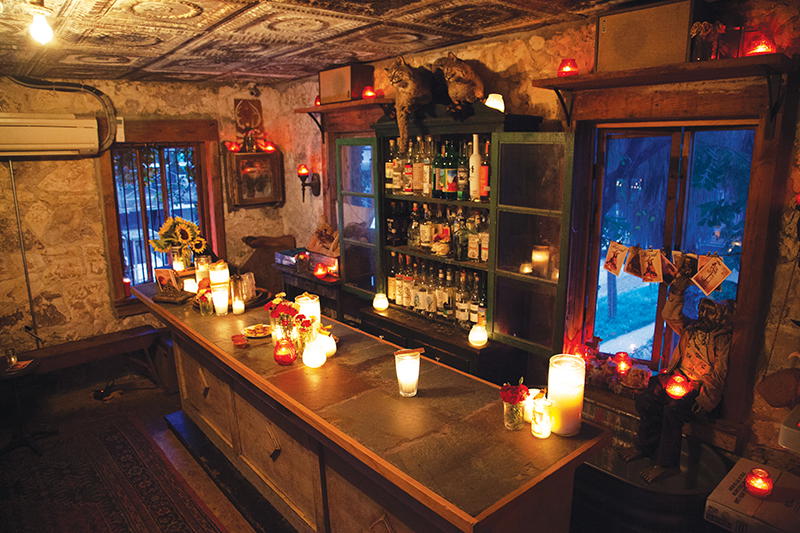
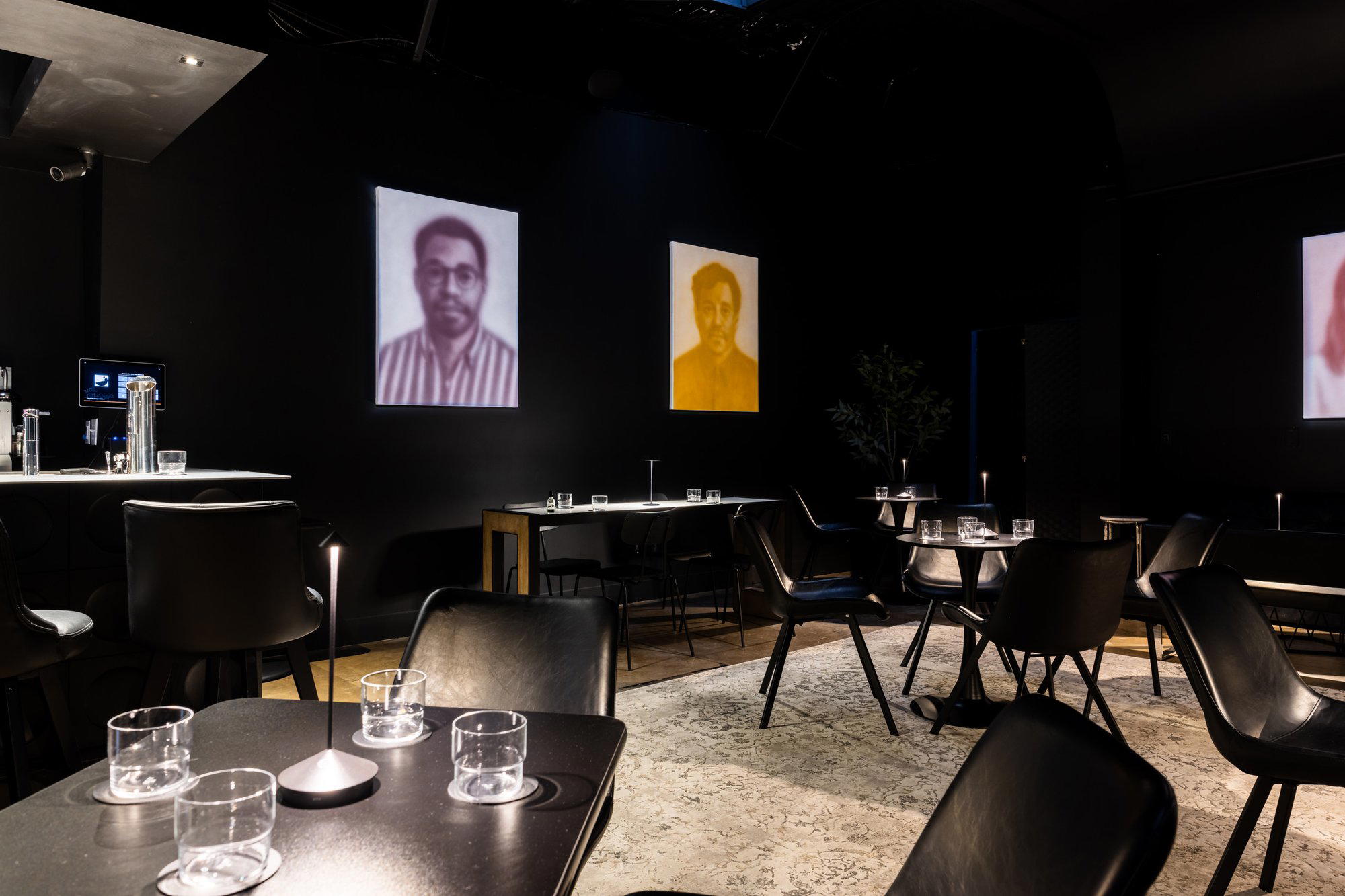
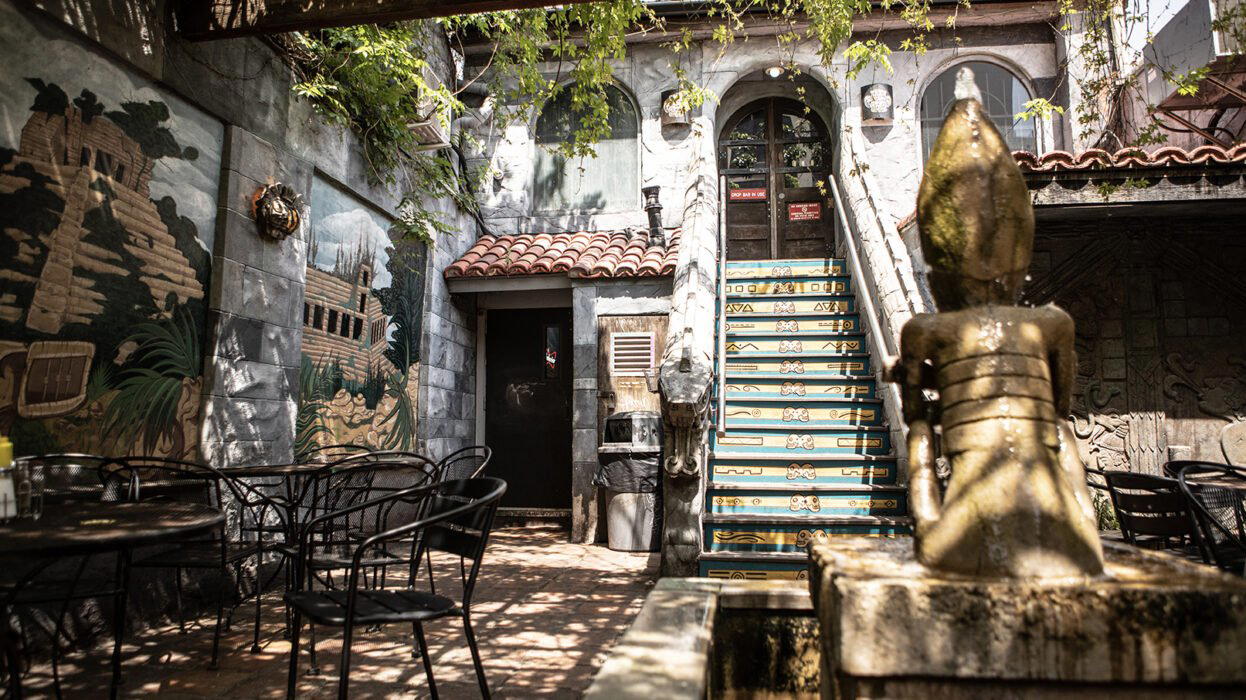
Hotels in Austin
Browse all →
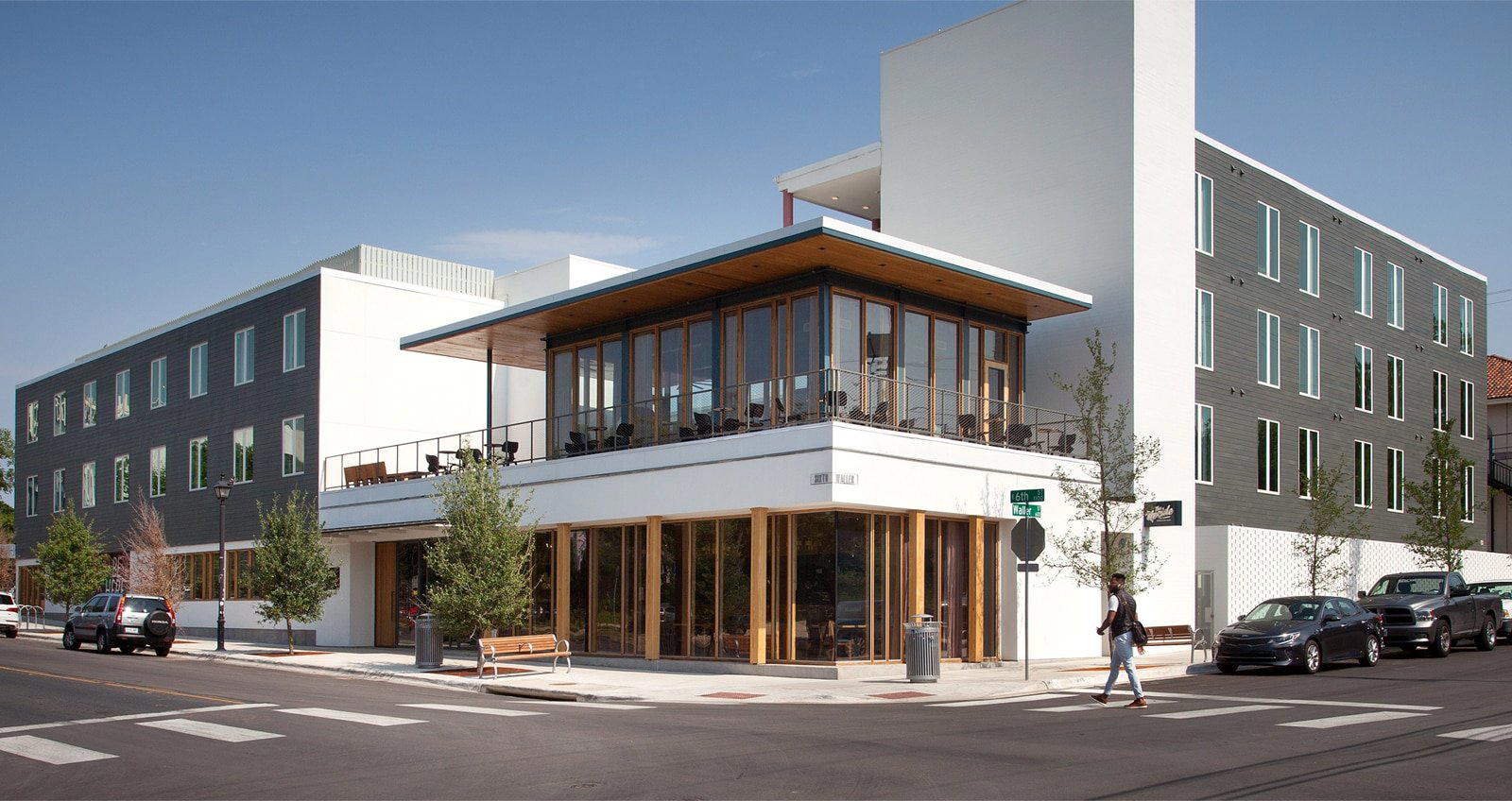
Details
- Rustic
- Cozy
- Date Night
- Family
- Casual Hangout
- Open Kitchen
- Extensive Wine List
- Farm To Table
- Local Sourcing
- A La Carte
Current opening hours
- Monday
- Closed
- Tuesday
- 5–10 PM
- Wednesday
- 5–10 PM
- Thursday
- 5–10 PM
- Friday
- 10 AM–3 PM, 5–10 PM
- Saturday
- 10 AM–3 PM, 5–10 PM
- Sunday
- 10 AM–3 PM, 5–9 PM
Hours can change for holidays and private events. Last verified .
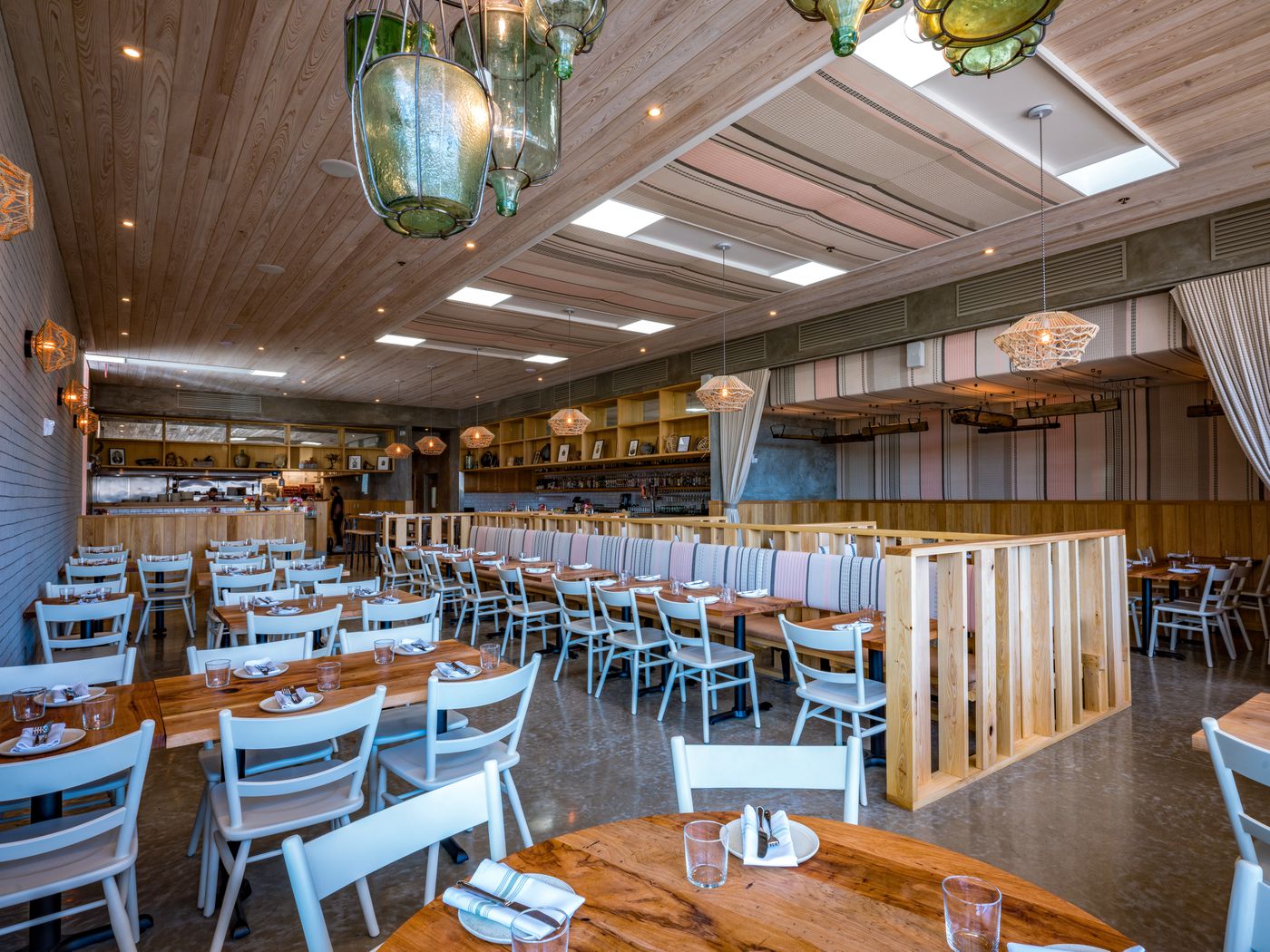
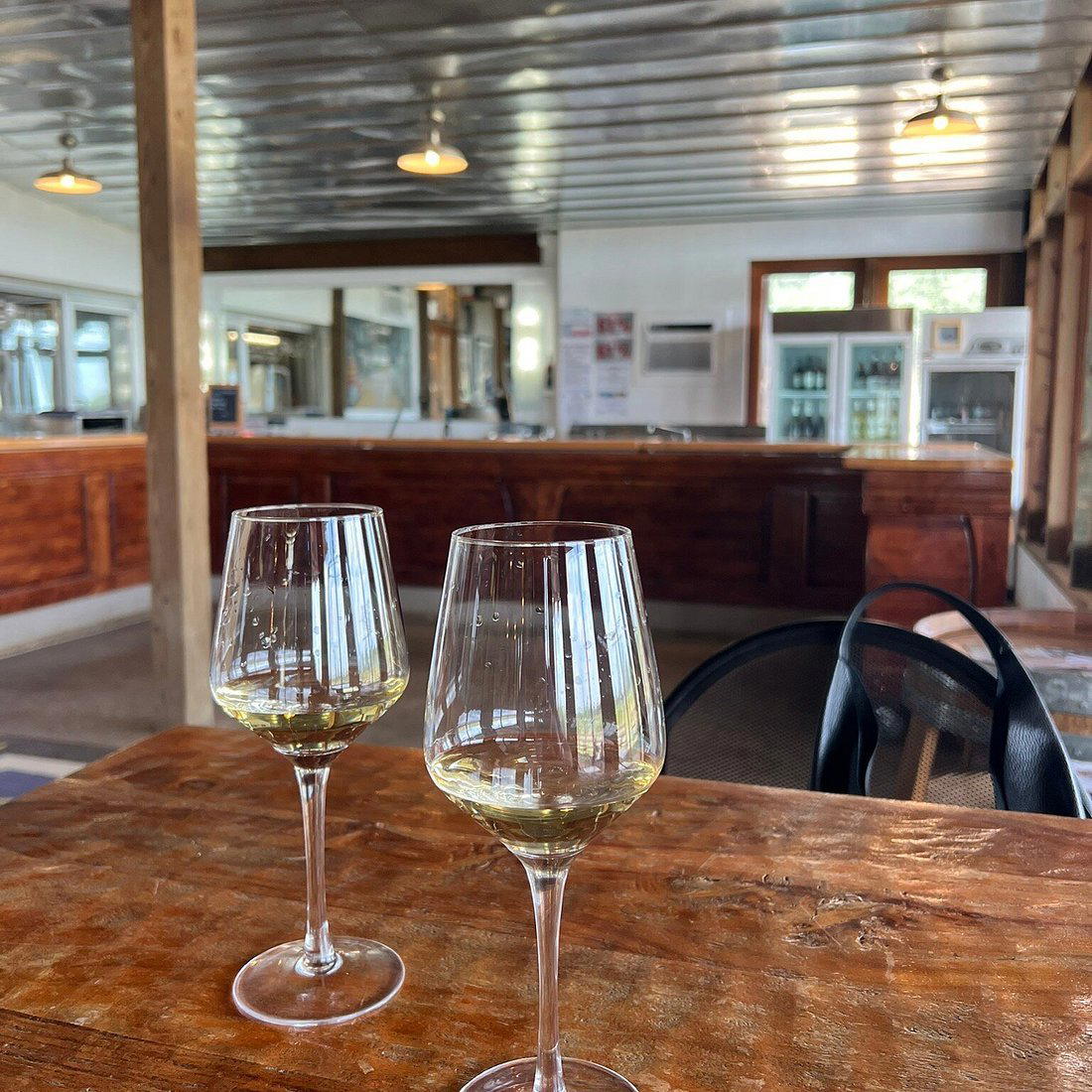
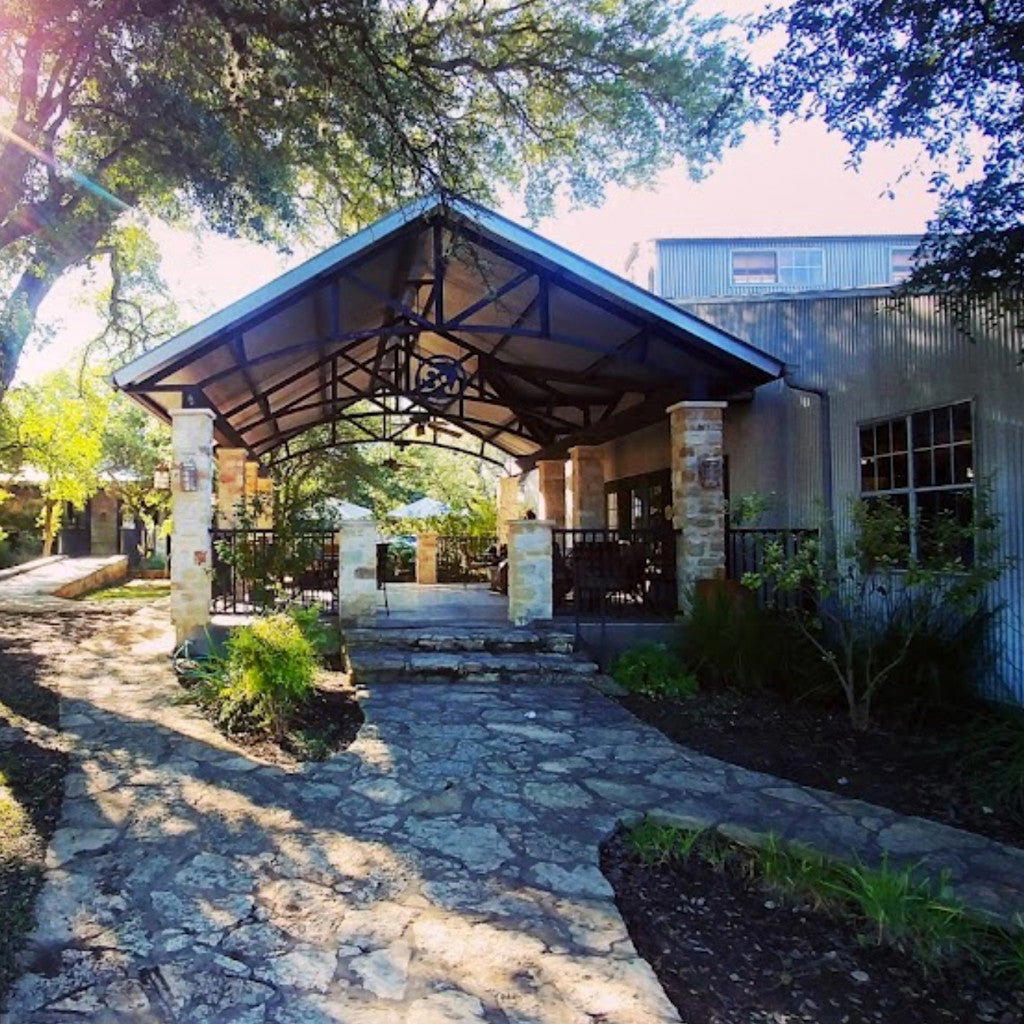
Cozy rustic back room with a beautiful garden patio for outdoor dining; warm and inviting atmosphere.