Rudy's "Country Store" and Bar-B-Q
Smoke, Sawdust, and the Central Texas Tradition Pull off South Capital of Texas Highway and the signal is immediate: a parking lot shared with propane tanks and a hand-painted sign that has not changed its ambitions in decades. Rudy's "Country...
Pearl is the En Primeur Club membership app — saves, bookings, and concierge access live there. Same editors, same standards.
- Address
- 2451 S Capital of Texas Hwy, Austin, TX 78746
- Phone
- (512) 329-5554
- Website
- rudysbbq.com
- Directions
- Get directions
 Saves & bookings on Pearl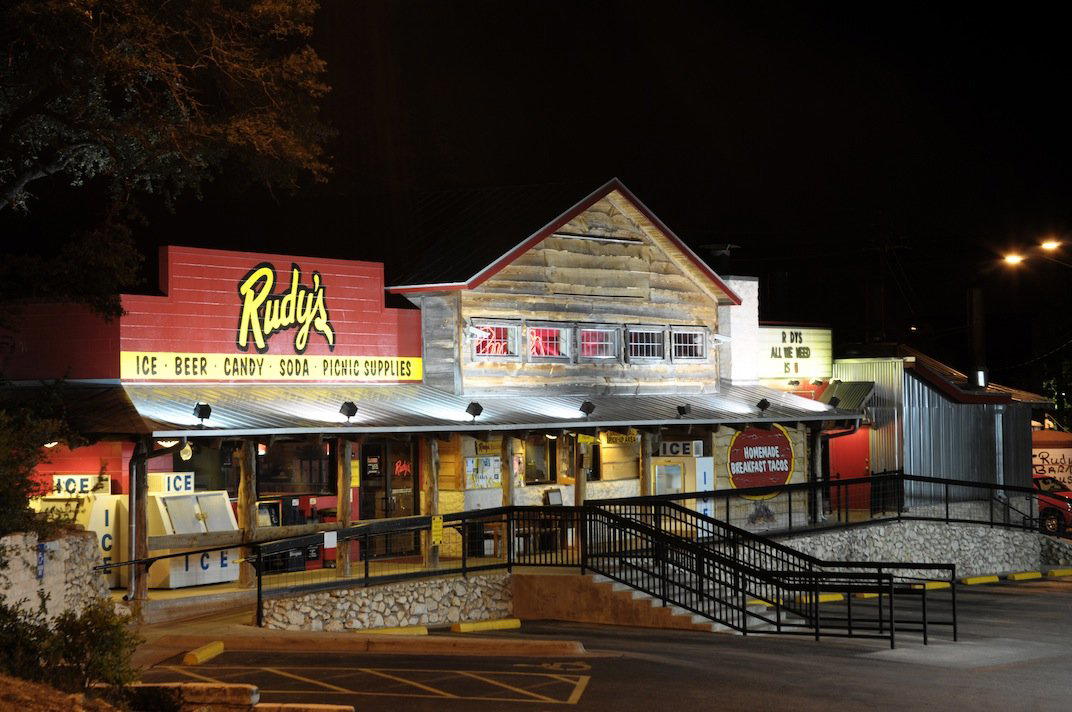
Smoke, Sawdust, and the Central Texas Tradition
Pull off South Capital of Texas Highway and the signal is immediate: a parking lot shared with propane tanks and a hand-painted sign that has not changed its ambitions in decades. Rudy's "Country Store" and Bar-B-Q in Austin operates on the premise that barbecue is a commodity in the leading sense of the word, something you order by the pound at a counter, wrap in butcher paper, and eat at a picnic table under corrugated metal. That format is not nostalgia for its own sake. It reflects how Central Texas barbecue developed commercially, as a meat-market side business where brisket was priced against beef trimmings and the customer served themselves sauce from a communal jar.
Austin's barbecue scene has bifurcated sharply over the past fifteen years. On one side sit the destination-queue operations, where weekend lines begin before dawn and single-visit allocations sell out by noon. On the other sits the everyday tier: high-volume, counter-service spots where the transaction is fast, the portions are generous, and the cooking method is the point rather than the chef behind it. Rudy's belongs to the second category, and it occupies that space without apology. For visitors working through our full Austin restaurants guide, it represents a useful baseline for understanding the mechanics of the tradition before tackling more celebrated addresses.
The Sourcing Logic Behind a Gas Station Smokehouse
Central Texas barbecue's ingredient case is simpler than it appears. The tradition calls for post oak or mesquite as the primary fuel, beef as the dominant protein, and salt-and-pepper rubs that keep the focus on the quality of the raw material rather than the complexity of a marinade. That restraint is a sourcing argument: when the rub is minimal, the grade and cut of beef carry the result. Brisket, the canonical Central Texas protein, requires significant fat content and long, low smoking times to render correctly, which means the starting point matters. Operations that cut costs on the packer brisket show it in the flat, which dries out when the fat ratio is insufficient for a twelve-to-eighteen-hour cook.
Rudy's runs at sufficient volume to maintain consistent sourcing relationships with suppliers, and the counter-service format keeps overhead low enough to price the product at a tier accessible to families, construction crews, and tourists in equal measure. That accessibility is itself a statement about the tradition: Central Texas barbecue was never conceived as a luxury product. It grew from German and Czech butcher-shop culture in the Hill Country, where smoked meats were a practical solution to preservation and waste reduction, not a chef-driven expression. The post oak smoke that permeates a Rudy's dining room is the same wood that fueled those original Hill Country smokers, and the connection is less sentimental than structural.
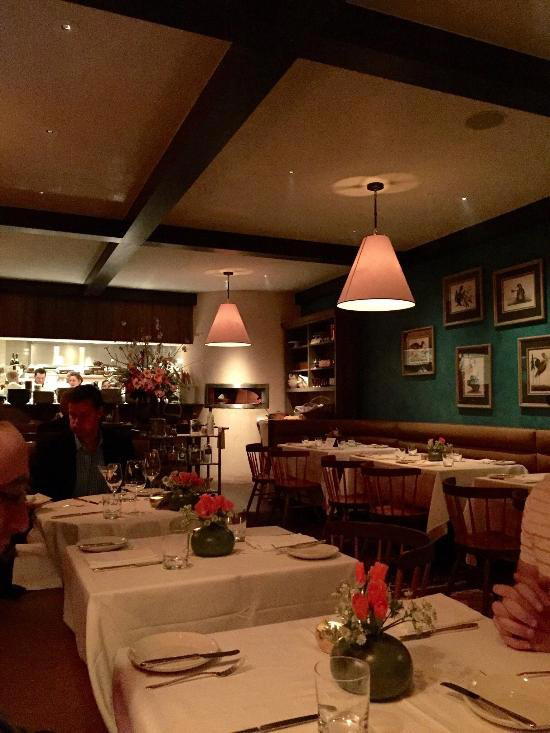
For context on how sourcing philosophy shapes outcomes at the opposite end of the Austin price spectrum, Barley Swine builds its New American menu around local farm relationships with a degree of specificity that Rudy's volume model cannot match. Hestia approaches live-fire cooking as a fine-dining proposition. Both are worth your time, but they are answering a different question than Rudy's is asking.
Austin's barbecue market has a clear internal hierarchy that price and format signal immediately. At the acclaimed end, InterStellar BBQ and la Barbecue operate with the kind of queue culture and limited daily supply that position them as near-destination experiences. Rudy's does not compete in that tier. Its competitive set is regional chains and high-volume independents where consistency and speed matter more than the prospect of a sold-out pitmaster's special.
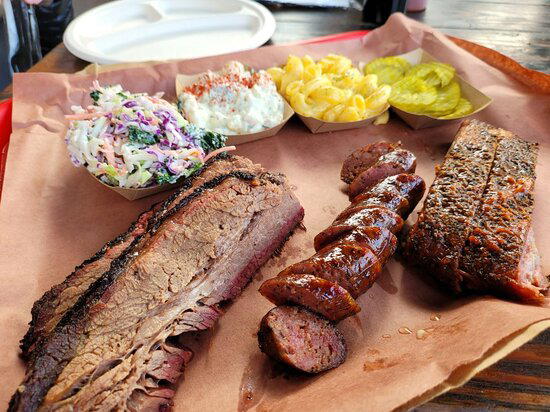
That positioning has a practical value for the visitor who wants to understand the form without the four-hour queue. Rudy's counter gives you the structural elements of the tradition, the pound-priced brisket, the smoked sausage, the white bread and onions on the side, the communal dining room, in a format that requires no planning. It functions as a study in the genre's bones before you spend a morning in line at a more celebrated address. The comparison illuminates both: the queue operations earn their premium through ingredient selection, pit management, and the specificity of their smoke profiles. Rudy's earns its place through reliability and accessibility at scale.
For readers whose interests extend beyond barbecue, Austin's broader dining scene is increasingly sophisticated. Craft Omakase represents the city's growing Japanese counter culture. Those arriving from celebrated out-of-state addresses like Blue Hill at Stone Barns or The French Laundry will find Austin's top tier, represented by addresses like Hestia and Barley Swine, to be credible fine-dining rather than regional approximation. Rudy's, by contrast, connects to a lineage that those kitchens look back on even as they move away from it.
The Atmosphere: Functional, Loud, Unaffected
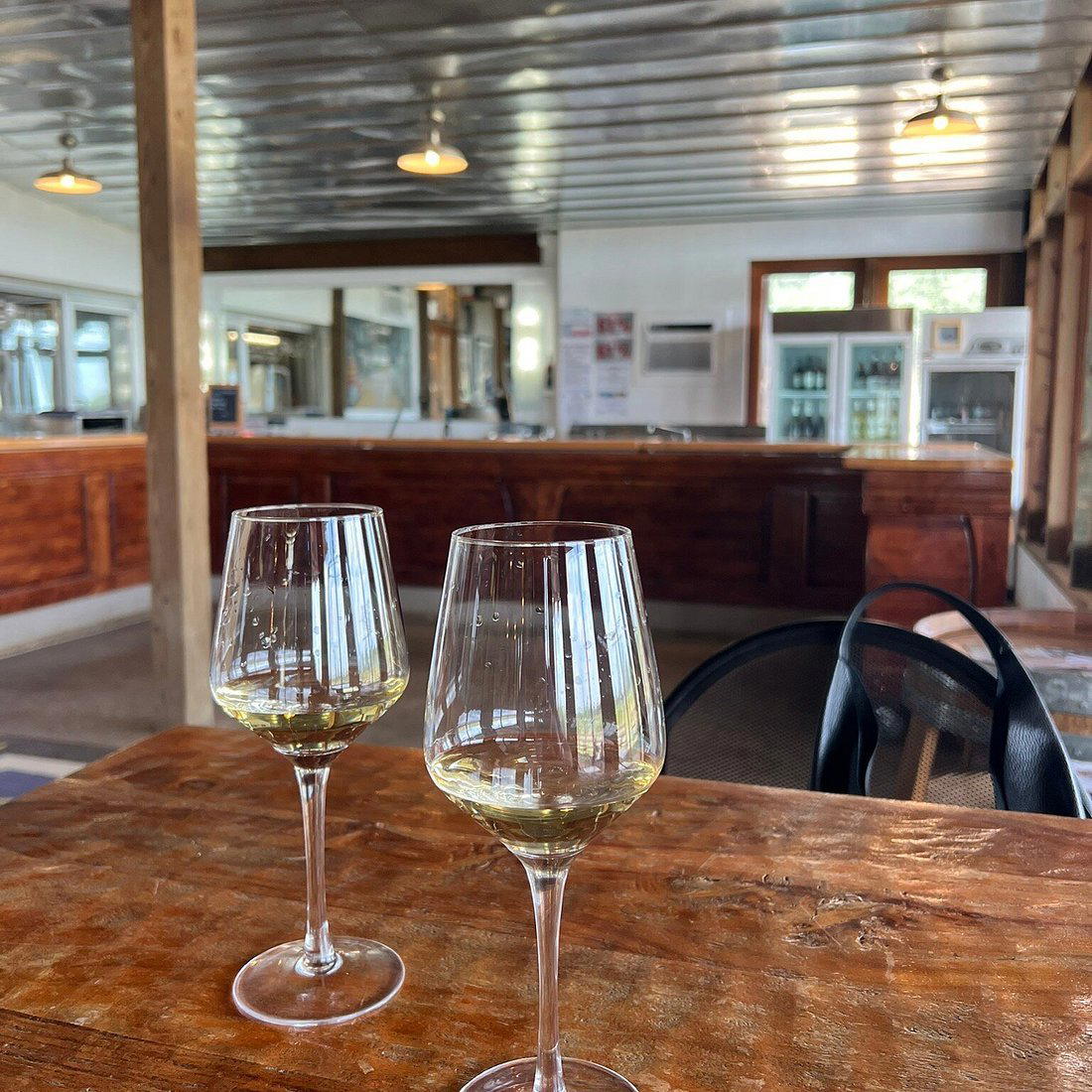
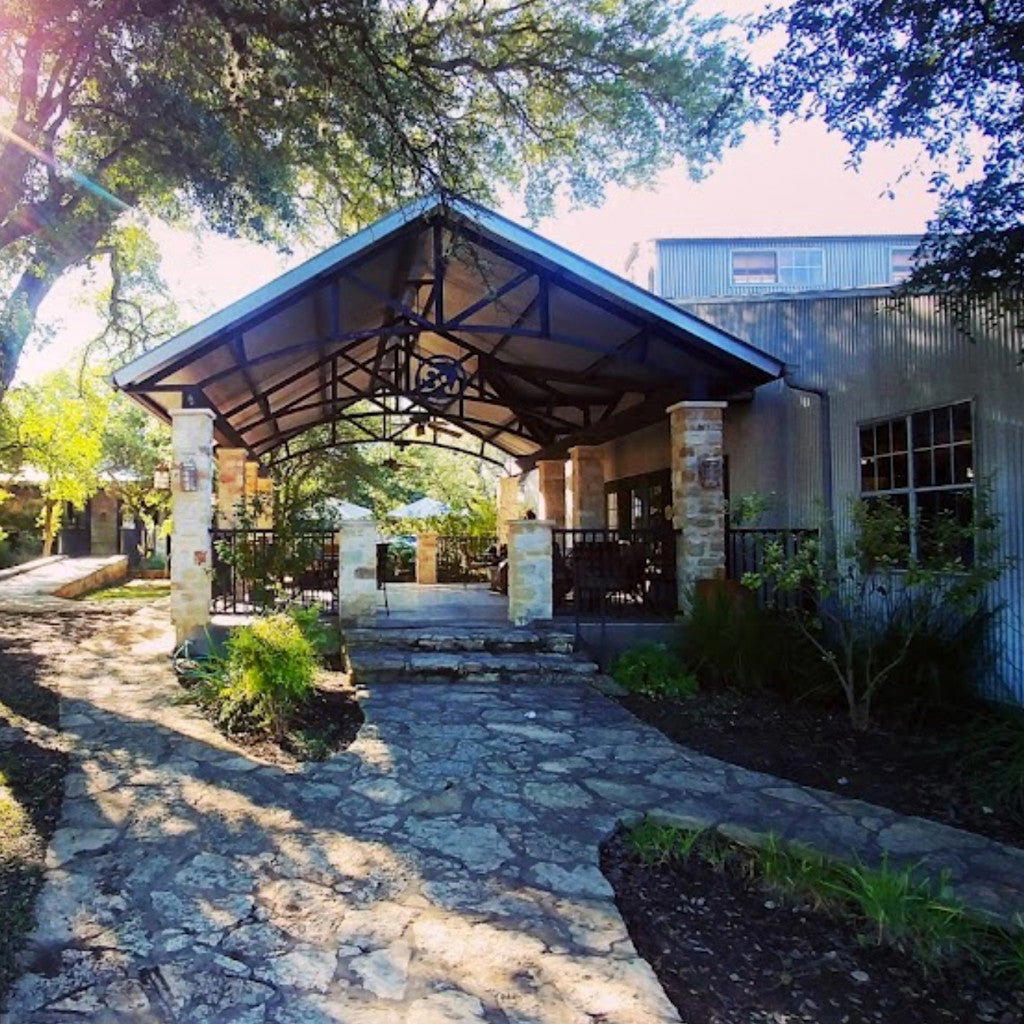
The interior at Rudy's South Capital of Texas Highway location does not attempt to aestheticize the barbecue experience. Long communal tables, paper-lined trays, sauce dispensed from bottles rather than ramekins, and a dining room that smells of smoke before you open the door: these are consistent features across the Rudy's footprint. The country store element, stocked goods lining the entry, sits beside the ordering counter as a reminder that the concept's retail origins are structural rather than decorative.
Volume is part of the atmosphere. Rudy's is a loud room where multiple families, solo workers, and visitors overlap. The counter-service pace means turnover is fast, which keeps the dining room in a continuous state of mild churn. For visitors accustomed to the quiet formality of tasting-counter experiences like Le Bernardin or Alinea, the contrast is instructive: some of the most technically demanding food traditions in the world are also the least ceremonious in their service environments. Central Texas barbecue is one of them.
Know Before You Go
- Address: 2451 S Capital of Texas Hwy, Austin, TX 78746
- Format: Counter-service, order by the pound
- Booking: Walk-ins only; no reservations taken
- Price tier: Low to mid-range; priced per pound of meat
- Dietary notes: Menu is heavily meat-focused; confirm current options at the counter for specific dietary requirements
- Parking: On-site lot available
How Rudy's Country Store and Bar-B-Q Austin compares with similar nearby venues.
| Venue | Cuisine |
|---|---|
| Tacodeli | Mexican |
Continue exploring
More in Austin
Restaurants in Austin
Browse all →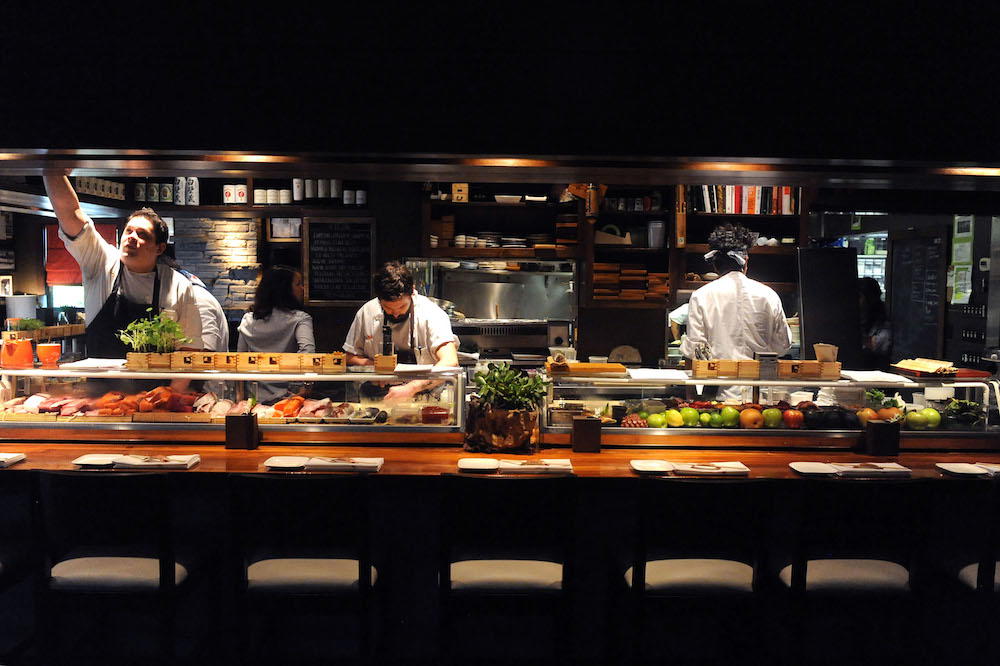

Bars in Austin
Browse all →
Hotels in Austin
Browse all →

At a Glance
- Rustic
- Casual
- Well Known
- Casual Hangout
- Group Dining
- Family
- Solo
- Standalone
- Beer Program
Current opening hours
- Monday
- 6 AM–9 PM
- Tuesday
- 6 AM–9 PM
- Wednesday
- 6 AM–9 PM
- Thursday
- 6 AM–9 PM
- Friday
- 6 AM–10 PM
- Saturday
- 6 AM–10 PM
- Sunday
- 6:30 AM–9 PM
Hours can change for holidays and private events. Last verified .
Casual, relaxed environment with communal tables and a country store aesthetic; typically crowded but efficient service creates an energetic, unpretentious atmosphere.
Know Before You Go
- Getting there
- 2451 S Capital of Texas Hwy, Austin, TX 78746