Casino El Camino

Diners, Drive-Ins and Dives Featured Bar
Casino El Camino is a long-running dive bar on Austin's East 6th Street corridor, known for its dark interior, loud rock soundtrack, and burgers that have built a devoted local following. It operates in a tier of Austin bars where atmosphere and consistency matter more than cocktail programs or press cycles. Walk-ins only, no reservations, no pretense.

Pearl is the En Primeur Club membership app — saves, bookings, and concierge access live there. Same editors, same standards.
- Address
- 517 E 6th St, Austin, TX 78701
- Phone
- (512) 469-9330
- Hours
- Daily 11:30 AM–2 AM
- Website
- casinoelcamino.net
- Directions
- Get directions
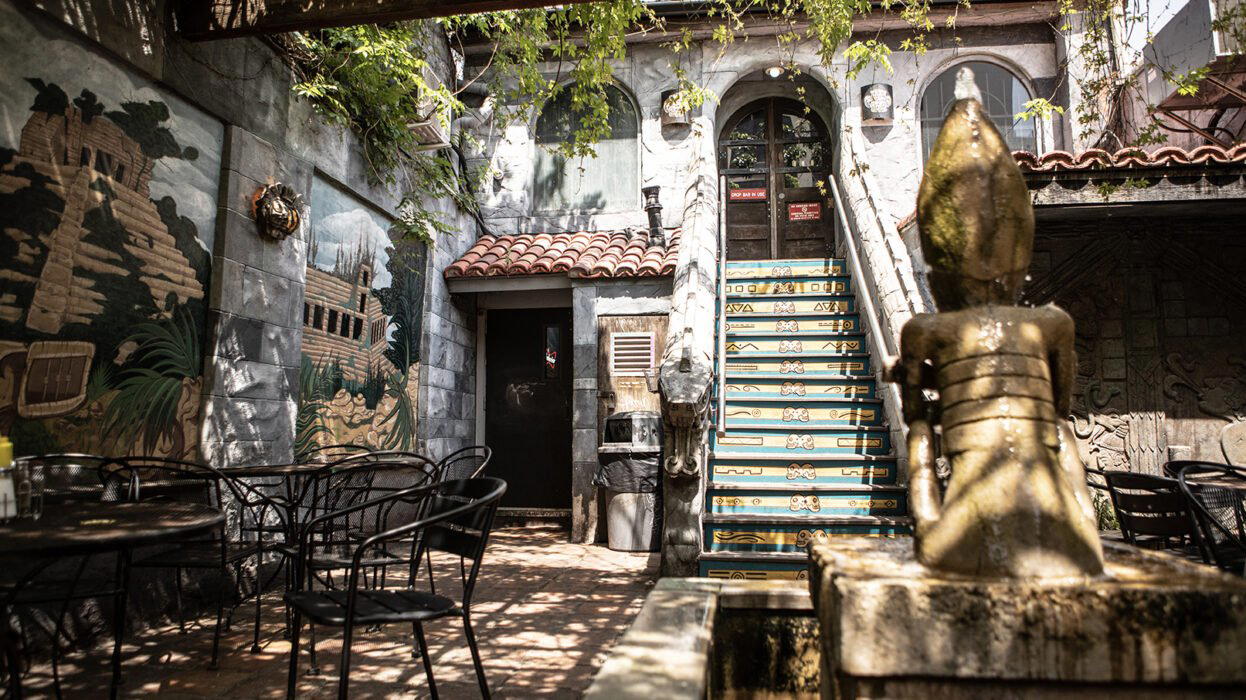
East 6th and the Dive Bar That Refuses to Move On
Austin's 6th Street corridor has been in a state of near-continuous reinvention for the better part of two decades. Craft cocktail rooms have opened and closed. Rooftop bars with expensive lighting rigs have cycled through ownership. Venues have rebranded, repositioned, or simply disappeared. Casino El Camino, at 517 E 6th St, has done none of those things. The bar occupies a physical and cultural position that most operators in this city spend years trying to manufacture: it is a place that people already know, already trust, and already have strong feelings about.
That kind of durability on a street defined by turnover is not accidental. East 6th has developed into one of Austin's more interesting drinking corridors precisely because it accommodates a range of formats, from the focused cocktail programs at venues like Nickel City to the more ambient, longer-stay energy of bars like Casino El Camino itself. The corridor sits at a different register than the more polished stretch further west, and that tonal difference has attracted a crowd that tends to be local-heavy and repeat-visit oriented.
Inside the Room: What the Space Communicates
The interior at Casino El Camino is dark in the way that serious dive bars are dark — not atmospherically curated, but functionally so. The walls carry the accumulated decisions of years: band flyers, painted surfaces, the general texture of a room that has absorbed a lot of late nights. The soundtrack runs loud and tends toward rock. The bar itself is the organizing feature of the space, and the layout keeps things simple: you order at the bar, you find a spot, you stay for another round.
This is not a room designed for a first drink before moving on. The design, such as it is, rewards the people who settle in. That dynamic shapes the crowd and the atmosphere in a way that distinguishes Casino El Camino from the more transient traffic that moves through other parts of 6th Street. Compared to the programmatic complexity of something like 2500 E 6th St or the polished bar environments at Aba Austin, Casino El Camino is operating in an entirely different register — one defined less by a curated program and more by accumulated character.
The Burgers and Why They Matter
In most American cities, the bars that have survived the longest in contested drinking neighborhoods have done so partly by being good at one food thing. Casino El Camino's relationship with its burger menu is part of what has given it staying power in Austin's conversation about both bars and food. The burgers here have generated consistent local commentary for years, which is a meaningful data point in a city where food options are numerous and opinions are specific.
The wider pattern in American bar dining has moved toward either very elaborate kitchen programs or very stripped-back formats. Casino El Camino sits in the latter camp, where a tight menu executed well over a long period builds more credibility than seasonal reinvention. That approach has worked in comparable markets: bars with focused, consistent food programs tend to hold loyal customer bases in ways that more elaborate operations sometimes do not. The burger reputation at Casino El Camino is, by local account, the kind that gets passed along rather than promoted.
Team Dynamic: How the Bar Operates at Floor Level
In a bar that runs on volume and repeat visitors, the relationship between bartenders and the room is the primary service mechanism. There is no sommelier tier here, no tasting menu pace, no front-of-house formality. What Casino El Camino relies on instead is the floor-level fluency that comes from staff who know the regulars, know the rhythm of a busy night, and know how to keep the energy at the right pitch without managing it too visibly.
This kind of operation has more in common with the better dive bar traditions in cities like New Orleans or Chicago than it does with Austin's growing cocktail scene. At venues like Jewel of the South in New Orleans or Kumiko in Chicago, the team dynamic is built around precision and technical depth. Casino El Camino's version is built around endurance and consistency, a different skill set, and one that is harder to teach. The result is a floor that feels practiced rather than performed.
For context on how bars at different ends of the craft spectrum approach team structure, the contrast with something like Bar Leather Apron in Honolulu or ABV in San Francisco is instructive. Those venues build their identity around technical programs and credentialed staff hierarchies. Casino El Camino builds its identity around a different kind of knowledge: who's at the bar, what they're drinking, and how long they've been coming in.
Where It Sits in Austin's Drinking Map
Austin's bar scene has fragmented into distinct tiers. There is a cocktail-program tier, represented by venues with formal menus and trained bar leads. There is a live-music-adjacent tier, exemplified by spaces like Antone's Nightclub. And there is a neighborhood-anchor tier, where bars function as community infrastructure rather than destination programming. Casino El Camino operates firmly in that third category, with the distinction that it has also built a food reputation that extends beyond its immediate neighborhood.
That cross-tier credibility is relatively rare. Most bars in the neighborhood-anchor category are known locally but not discussed citywide. Casino El Camino gets referenced in both Austin food and Austin bar conversations, which reflects the fact that the burger program is taken seriously enough to carry its own reputation independent of the room. For the full picture of what's happening across Austin's bar and restaurant categories, see our full Austin restaurants guide.
For those tracking how Southern bar culture travels across the region, the comparison set extends to Julep in Houston and Superbueno in New York City, both operating in the space between serious drink programs and strong neighborhood identity, though at a different execution tier than Casino El Camino. Internationally, the model of a bar that defines a block through sheer longevity shows up in venues like The Parlour in Frankfurt on the Main, where accumulated presence creates a gravitational pull that newer venues in the same district cannot replicate.
Planning Your Visit
Casino El Camino does not take reservations, which is consistent with its format. Walk-in only, with capacity that fills on weekend nights when 6th Street traffic peaks. The address at 517 E 6th St places it in the eastern portion of the corridor, away from the densest concentration of tourist-facing bars closer to Congress Avenue. That positioning tends to self-select the crowd toward people who are specifically going to Casino El Camino rather than passing through. Evenings are busier than afternoons; if the burger is the objective, arriving before peak bar hours is the practical move.
Price and Positioning
| Venue | Price | Awards | Notes |
|---|---|---|---|
| Casino El CaminoThis venue — the venue you are viewing | $20–30 | Diners, Drive-Ins and Dives Featured Bar | Not listed |
| The Roosevelt Room | $50–100 | Pinnacle Guide 1 Pin · Top 500 Bars Best Bars #305 | Not listed |
| Nickel City | $20–30 | World's 50 Best #96 · Top 500 Bars Best Bars #433 | Not listed |
| Flourish Plant Shop & Wine Bar | $20–30 | Star Wine List | Wine bar/light bites |
Recognition history
Dated appearances from independent guides and award organizations, with the underlying list record or original source where available.
Diners, Drive-Ins and Dives Featured Bar
Diners, Drive-Ins and Dives · 2026 Diners, Drive-Ins and Dives Featured Bars
Continue exploring
More in Austin
Bars in Austin
Browse all →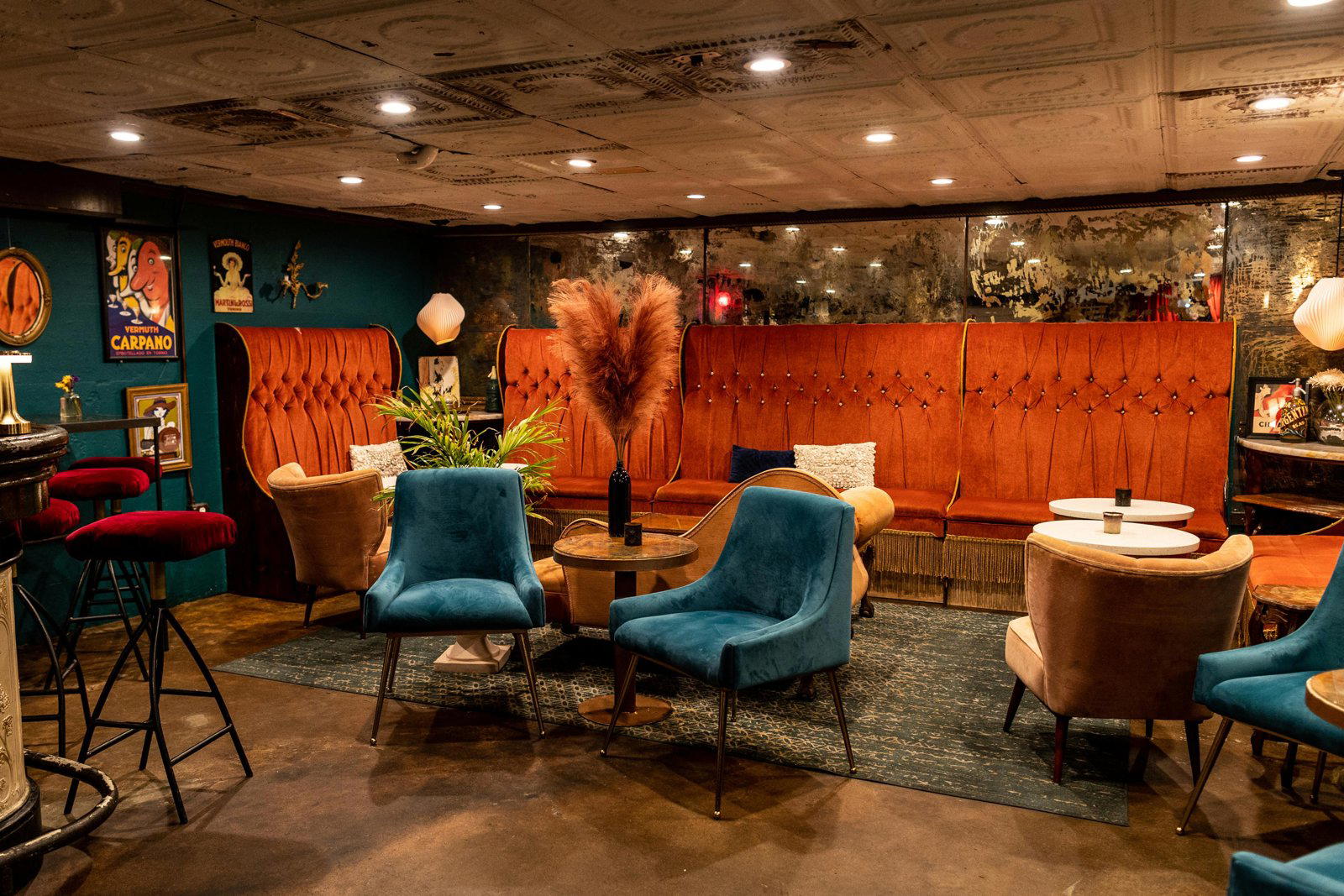
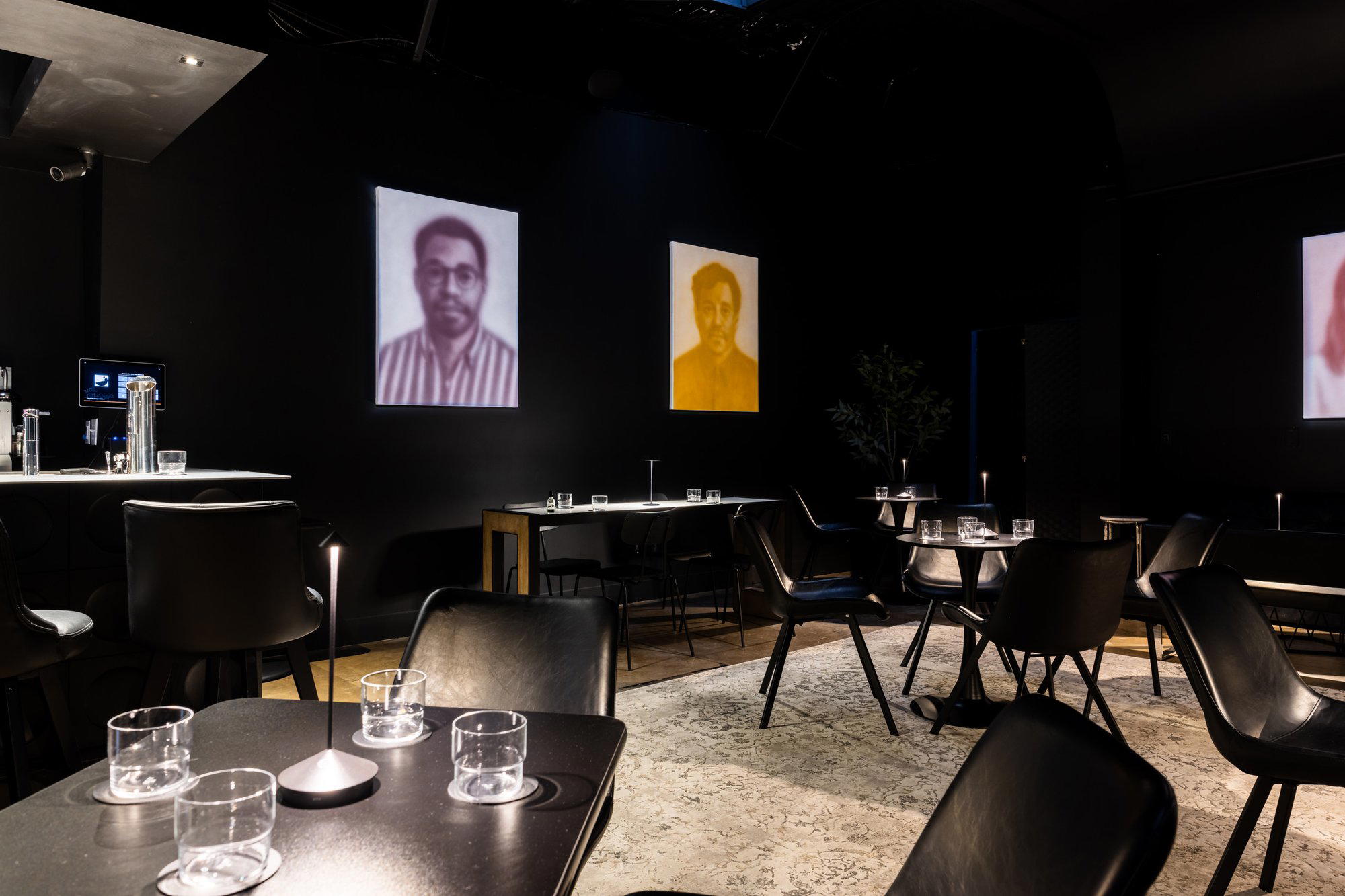
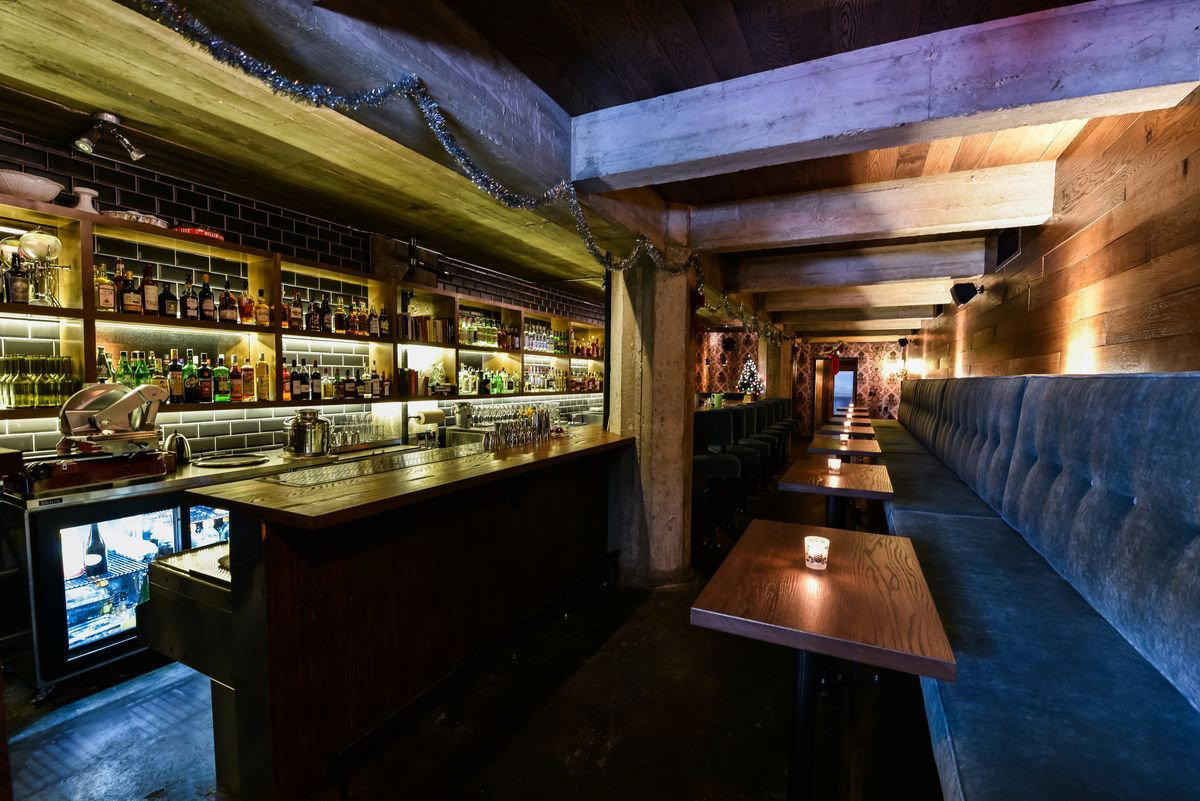
Restaurants in Austin
Browse all →
Hotels in Austin
Browse all →

Details
- Lively
- Well Known
- Energetic
- Cozy
- Late Night
- Casual Hangout
- Group Outing
- Historic Building
- Booth Seating
- Craft Beer
Current opening hours
- Monday
- 11:30 AM–2 AM
- Tuesday
- 11:30 AM–2 AM
- Wednesday
- 11:30 AM–2 AM
- Thursday
- 11:30 AM–2 AM
- Friday
- 11:30 AM–2 AM
- Saturday
- 11:30 AM–2 AM
- Sunday
- 11:30 AM–2 AM
Hours can change for holidays and private events. Last verified .
Dark, dungeon-like interior with tiki idols, gargoyles, and dim lighting creating a cozy yet energetic punk-rock vibe.