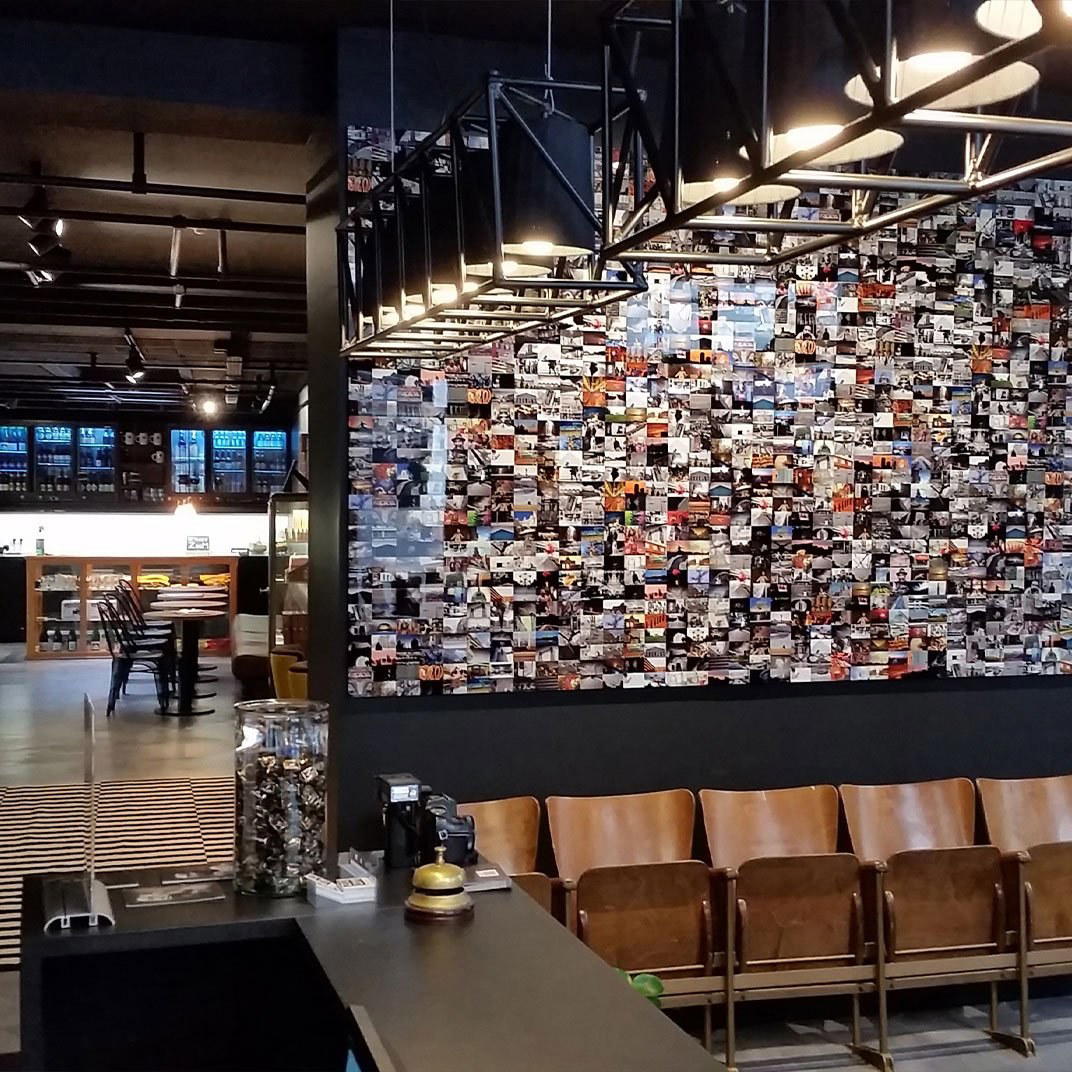
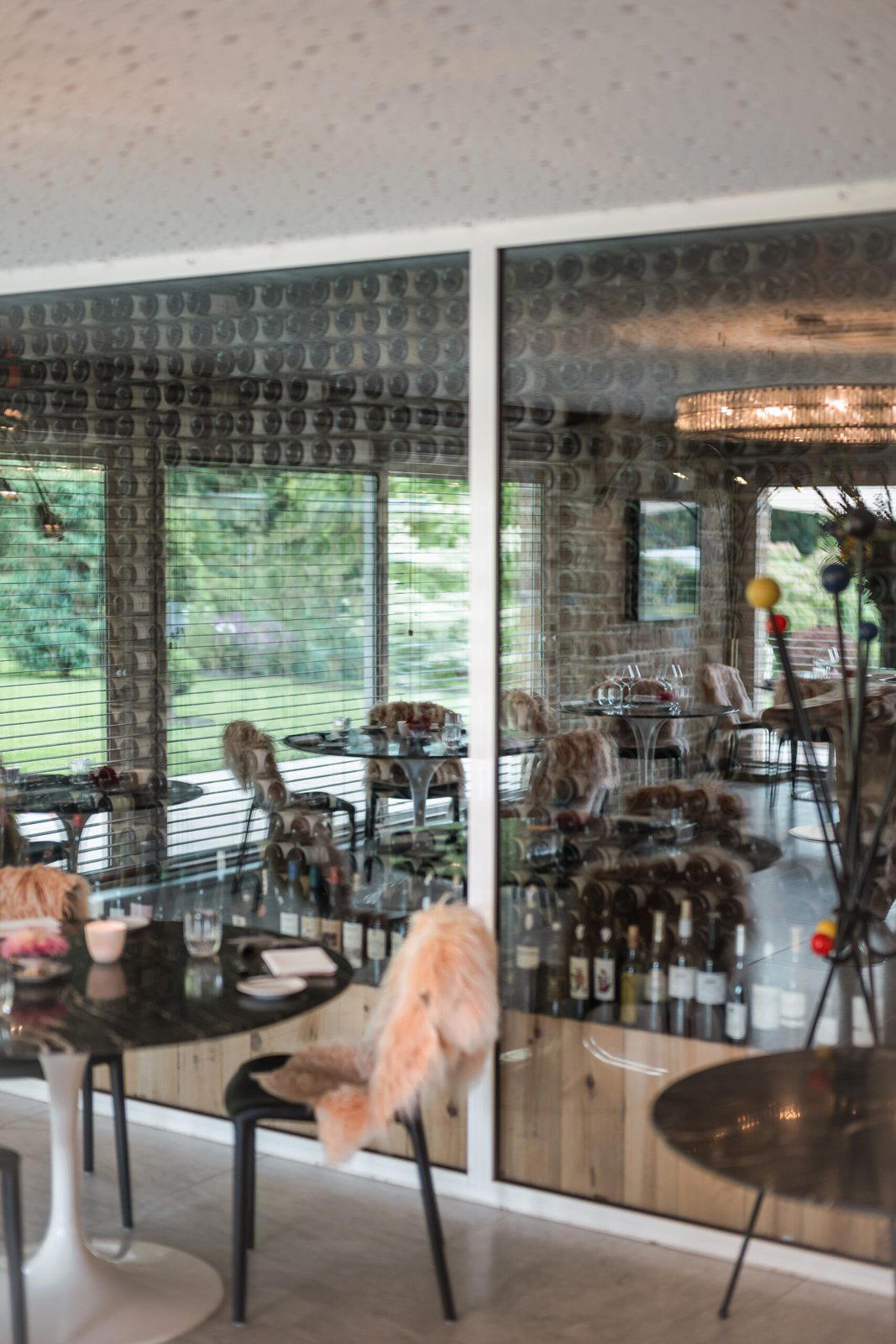
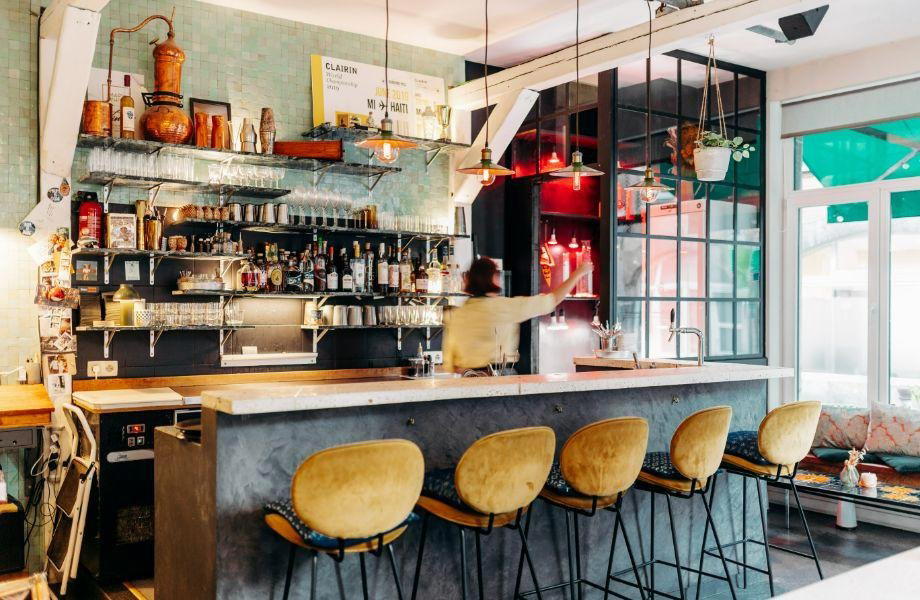
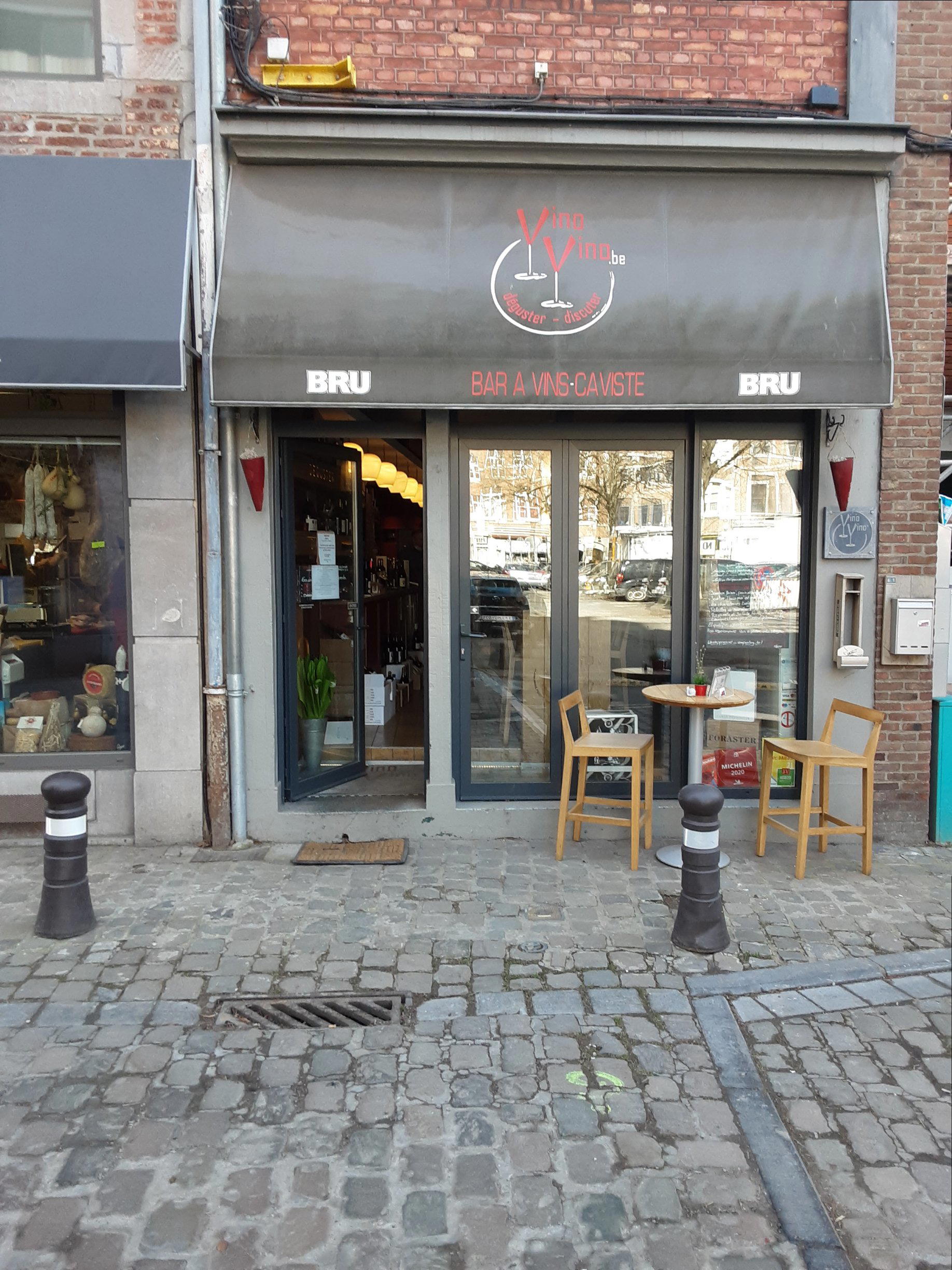
TapaSoif occupies a specific niche in Namur's dining scene: the kind of relaxed, wine-forward address where small plates and a considered list of bottles carry equal weight. Sitting on Rue des Brasseurs in the city centre, it positions itself closer to a natural-wine bar with food than a restaurant with a wine list, a distinction that matters in a city still building its fine-dining identity.
Pearl is the En Primeur Club membership app — saves, bookings, and concierge access live there. Same editors, same standards.
- Address
- Rue des Brasseurs 26, 5000 Namur, Belgium
- Phone
- +3281656777
- Website
- tapasoif.be
- Directions
- Get directions
 Saves & bookings on Pearl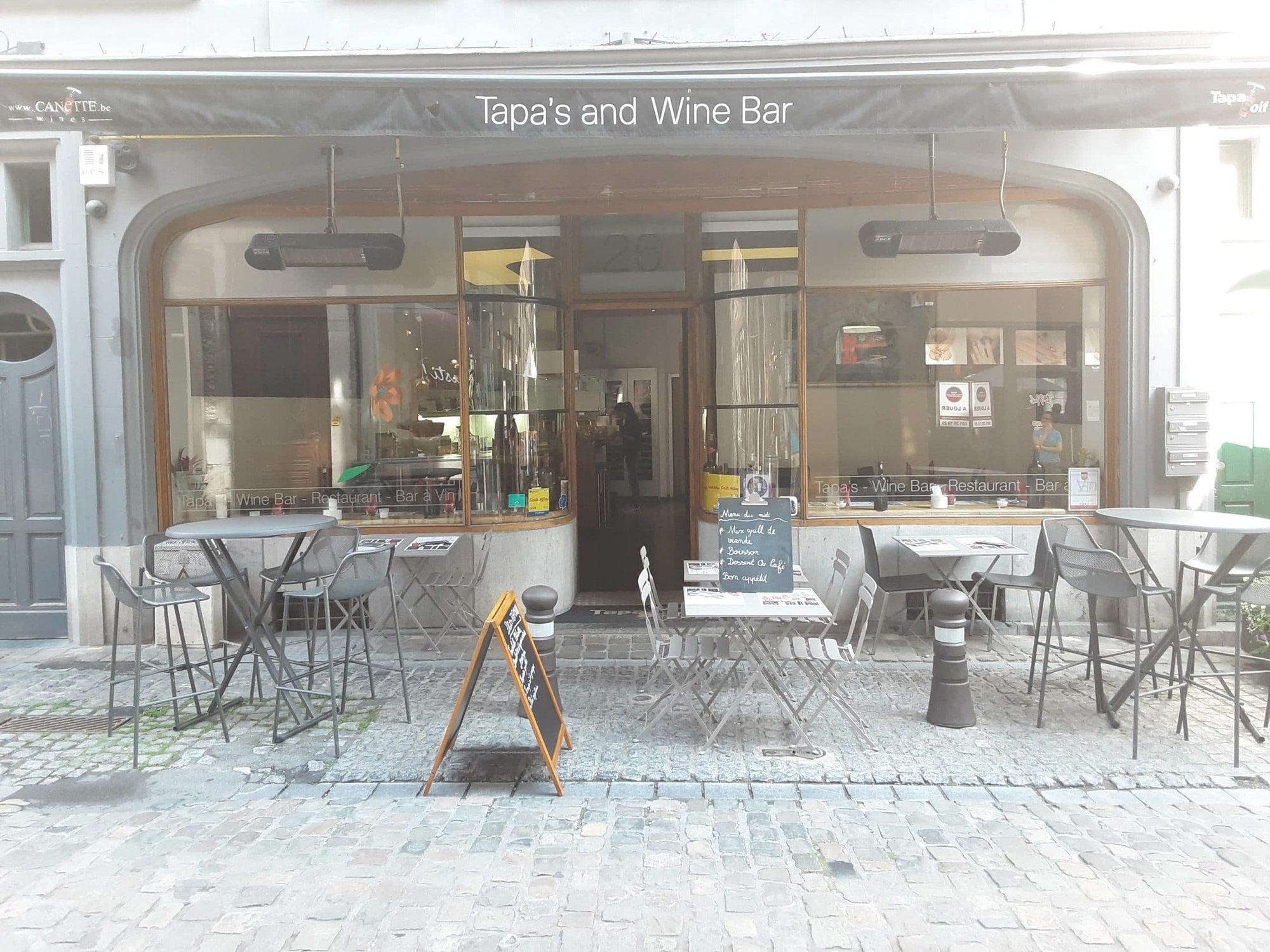
Small Plates, Serious Wine: Namur's Bar-Restaurant Divide
The formal three-course structure that once defined a night in Namur's restaurants has given ground to something looser: standing at a zinc counter with a glass of orange wine and a board of well-sourced charcuterie, or sharing four small plates between two rather than committing to a full tasting menu. TapaSoif, located at Rue des Brasseurs 26, sits at that intersection, a wine-bar format with kitchen ambitions, positioned between the more structured creative French of Attablez-vous and the seasonal bistro approach of addresses like Basile cuisine gourmande.
Rue des Brasseurs itself is worth reading as context. The street runs through a compact commercial quarter close to the Meuse, and a strip of this kind in a Walloon city of 110,000 tends to support a specific type of independent operator: mid-investment, owner-run, with a format flexible enough to fill seats from lunch through late evening. TapaSoif fits that profile. The name signals both format and intention, tapa as sharing culture, soif (thirst) as the explicit priority placed on what's in the glass.
Where Ethical Sourcing Becomes the Operating Model
Across Belgium's more considered independent restaurants, a shift has been underway for several years: chefs and owners treating sourcing not as a marketing position but as a structural constraint that shapes the menu from the ground up. This means working with smaller producers, accepting shorter supply windows, and building dishes around what's available rather than what's seasonally predictable. The small-plate format is well-suited to this approach, it allows a kitchen to turn over components quickly, reduce waste through portion flexibility, and respond to a delivery without reprinting a full menu.
Belgium has particular advantages here. Wallonia's agricultural density means that within an hour of Namur, producers of cheese, cured meat, vegetables, and artisan bread are operating at a scale that makes direct sourcing viable for a small restaurant. The natural wine movement, which arrived in Belgium slightly later than in France but has since taken firm hold in cities like Brussels, Liège, and Ghent, brought with it a broader ethical framework: low-intervention winemaking, organic and biodynamic certification, and a preference for small-domaine producers who farm with attention to soil health. A venue that names thirst in its operating concept and stocks a list along these lines is making a statement about which supply chains it endorses.
For the diner, this translates into a list that reads differently from a conventional Belgian wine card. Expect fewer international commercial labels and more bottles from growers in the Loire, Jura, Alsace, and increasingly from Belgium's own emerging wine producers in Hainaut and Namur province. Comparable venues across Belgium's natural-wine circuit, including L'air du temps in Liernu, which has built a strong sourcing reputation in the Walloon countryside, and Willem Hiele in Oudenburg on the Flemish coast, have demonstrated that ethical sourcing at this level of independent operation can co-exist with serious critical recognition.
The Namur Context: A City Still Defining Its Restaurant Identity
Namur doesn't operate in the same critical orbit as Brussels or Antwerp. The Michelin-starred density that characterises Flemish dining, venues like Zilte in Antwerp, Boury in Roeselare, or the long-established Hof van Cleve in Kruishoutem, has no direct equivalent in the Walloon capital. What Namur has instead is a restaurant scene that rewards local regulars over destination diners, where particularly interesting addresses are often the ones without a press profile.
That relative anonymity shapes the operating conditions for a place like TapaSoif. Without a tourist economy to absorb covers, a wine-bar format here depends on repeat custom from residents who treat it as a weekly rather than a special-occasion venue. That in turn creates pressure to keep the list moving, rotate plates, and price in a way that supports frequent visits. It's a different business model from the tasting-menu format used by Namur's more ambitious kitchens, and a harder one to sustain, but it produces a different kind of reliability. Venues that survive on local loyalty tend to be more consistent than those chasing the weekend destination crowd.
The Walloon dining scene also has some reference points worth noting. d'Eugénie à Emilie in Baudour has built a reputation on similar owner-operator independence further west in Hainaut, while Atelier de Bossimé represents a more formal Namur address with stronger critical traction. TapaSoif occupies the space between the two: more casual than either, but more curated than a generic brasserie.
Planning Your Visit
Rue des Brasseurs 26 places TapaSoif within walking distance of Namur's historic centre and the confluence of the Sambre and Meuse rivers, arrival on foot from the central station takes around ten minutes through a compact urban grid. The wine-bar format suggests a venue that functions well both as a pre-dinner starting point and as a full evening's destination, with small plates designed to accumulate rather than anchor a single sitting. Given the format's reliance on local repeat custom, evenings mid-week may offer a more relaxed pace than Friday or Saturday. Booking is recommended, and the venue is open Wednesday to Saturday from 12 to 2:30 PM and 6 to 10 PM, and Sunday from 12 to 2:30 PM and 6 to 9:30 PM.
The Short List
Comparable venues nearby, for context on price, style, and recognition.
| Venue | Cuisine | Price | Notes |
|---|---|---|---|
| TapaSoifThis venue — the venue you are viewing | Not listed | $$ | Not listed |
| Belle & Chocolat | Loyers, Ethical Bean-to-Bar Chocolate | $$ | Not listed |
| Temps Des Cerises | Old Namur, Traditional Walloon Bistro | $$ | Not listed |
| 90 Degrés | Centre, Modern French Tasting Menu | $$ | Not listed |
| Pralinez Moi | centre, Artisan Pralines and Chocolates | $ | Not listed |
| Pépite - Cave à manger | Not listed | $$$ | Old Town Namur, French Seasonal Small Plates & Natural Wine |
At a Glance
- Cozy
- Intimate
- Date Night
- Casual Hangout
- Extensive Wine List
Current opening hours
- Monday
- Closed
- Tuesday
- Closed
- Wednesday
- 12–2:30 PM, 6–10 PM
- Thursday
- 12–2:30 PM, 6–10 PM
- Friday
- 12–2:30 PM, 6–10 PM
- Saturday
- 12–2:30 PM, 6–10 PM
- Sunday
- 12–2:30 PM, 6–9:30 PM
Hours can change for holidays and private events. Last verified .
Chaleureuse and welcoming atmosphere with friendly staff.