Our verdict
Tapagria occupies the 18th floor of The One in Tsim Sha Tsui, positioning itself at a remove from street-level Nathan Road while remaining firmly inside one of Kowloon's densest commercial corridors. The elevation and address place it in a distinct tier of Hong Kong dining, accessible by district but separated by design from the mid-market retail below. A reference point for those tracing the city's cross-cultural dining formats.
The menu
What to order
- Paella
- Foie gras pate
Eighteen Floors Above Nathan Road
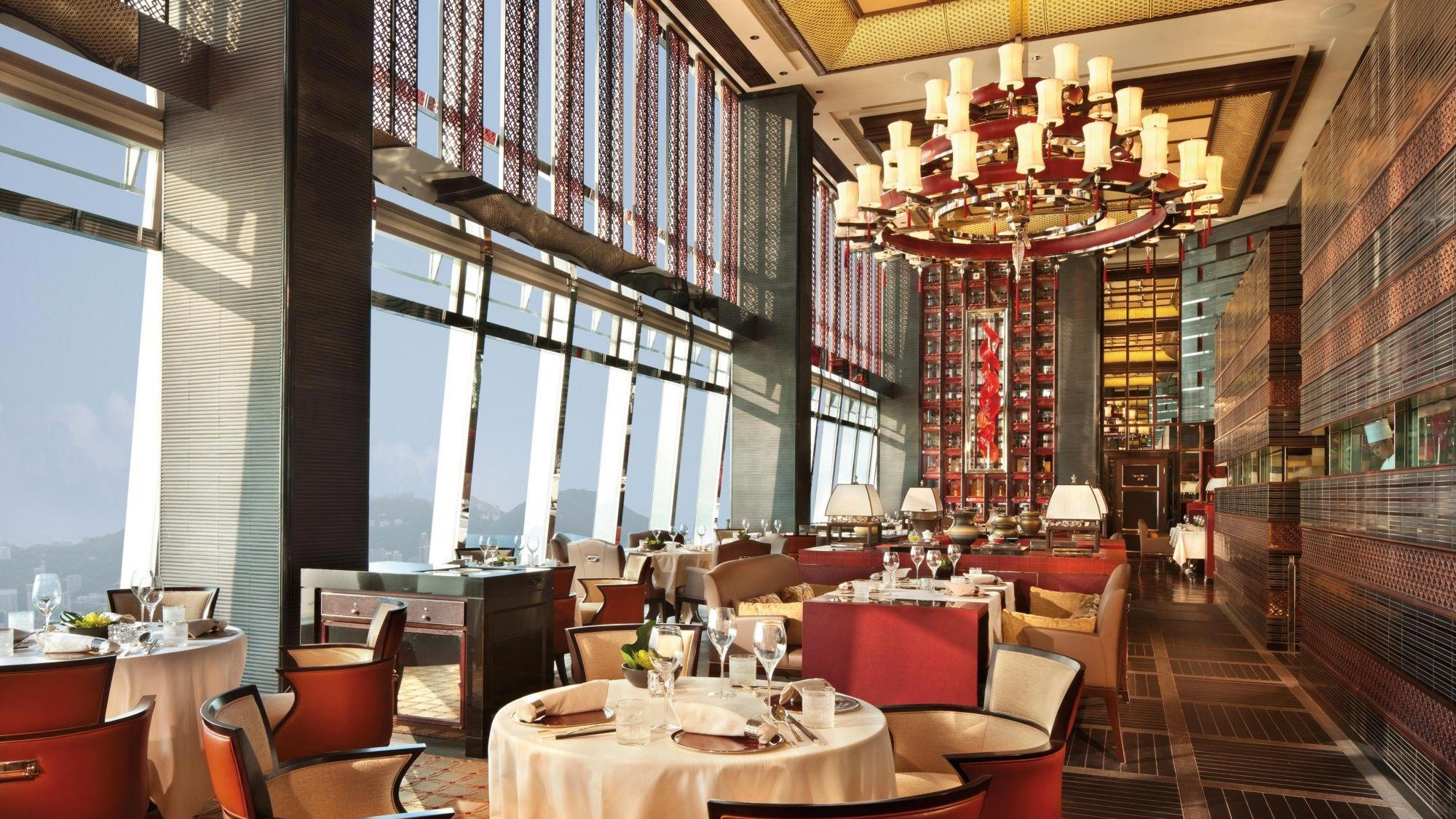
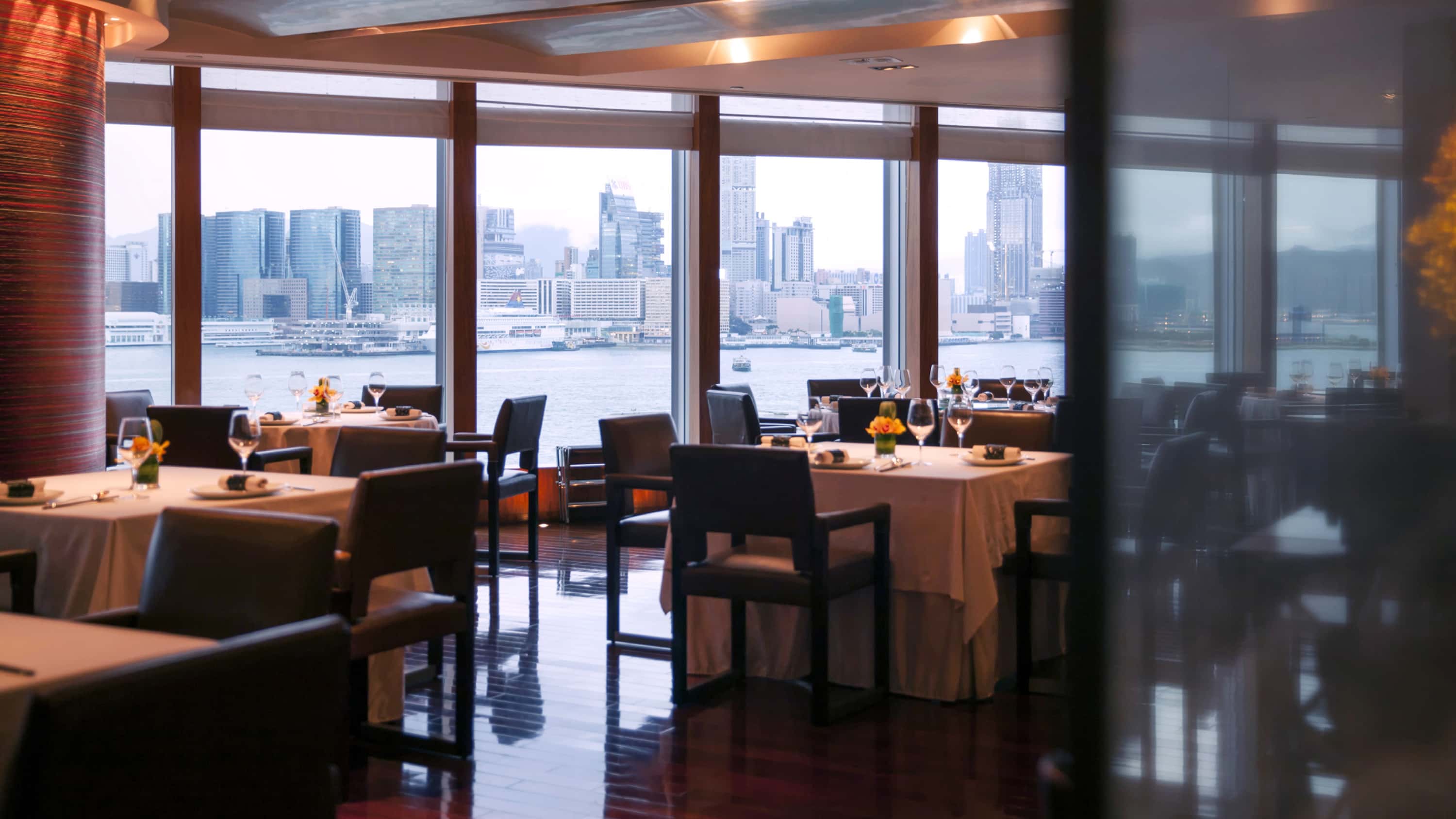
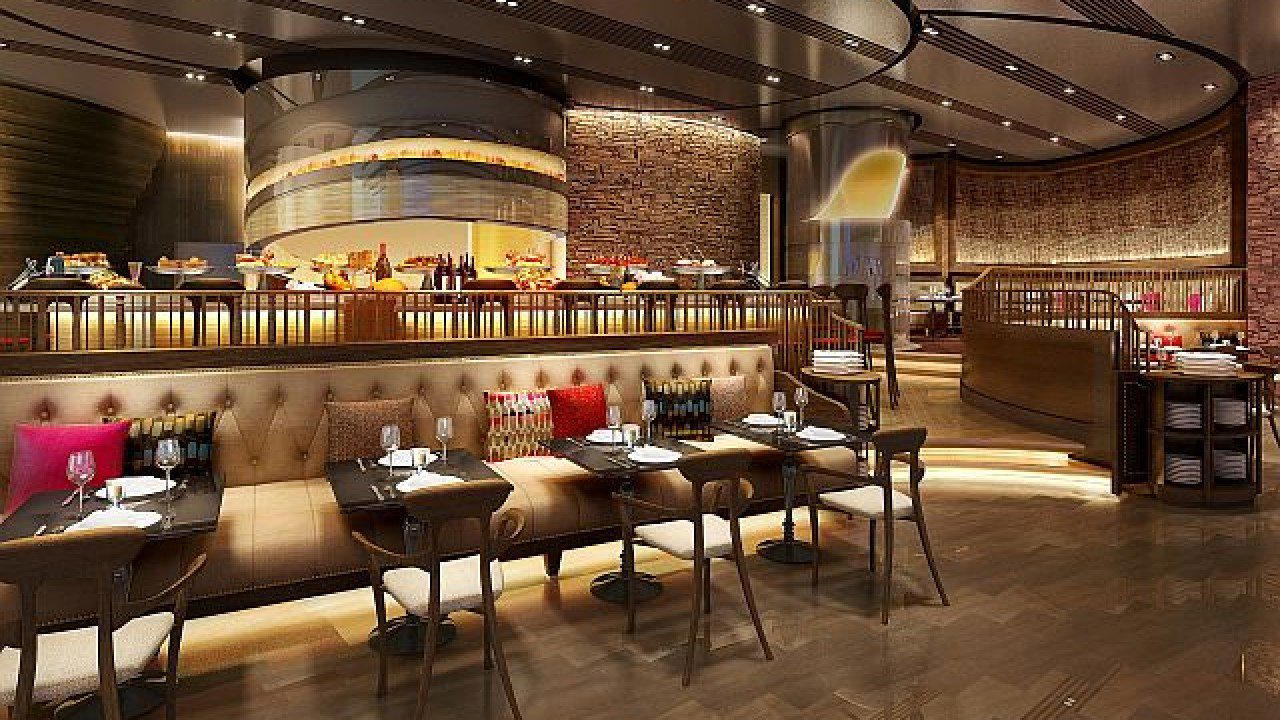
Tsim Sha Tsui has always operated as two cities at once: the ground-level Nathan Road corridor, dense with retail and foot traffic, and the upper floors of its commercial towers, where the city's dining scene opens outward toward the harbour and the skyline. Tapagria sits in that upper register, on the 18th floor of The One at 100 Nathan Road. The address matters. The One is one of the few shopping developments in the district where the upper floors carry genuine dining credibility, partly because of the views they afford and partly because the climb filters the crowd into something more deliberate.
That vertical remove is not incidental to the dining experience in Hong Kong's densest neighbourhoods. It is often the architecture of the space itself, what you can see from it, how you arrive at it, what the city looks like from its windows, that frames the meal before a dish arrives. At 18 floors, Nathan Road disappears as noise and becomes geometry: the grid of Kowloon, the shimmer of the harbour if sight lines permit, the layered density that makes Tsim Sha Tsui one of the most recognizable urban arrangements in Asia.
The Physical Container
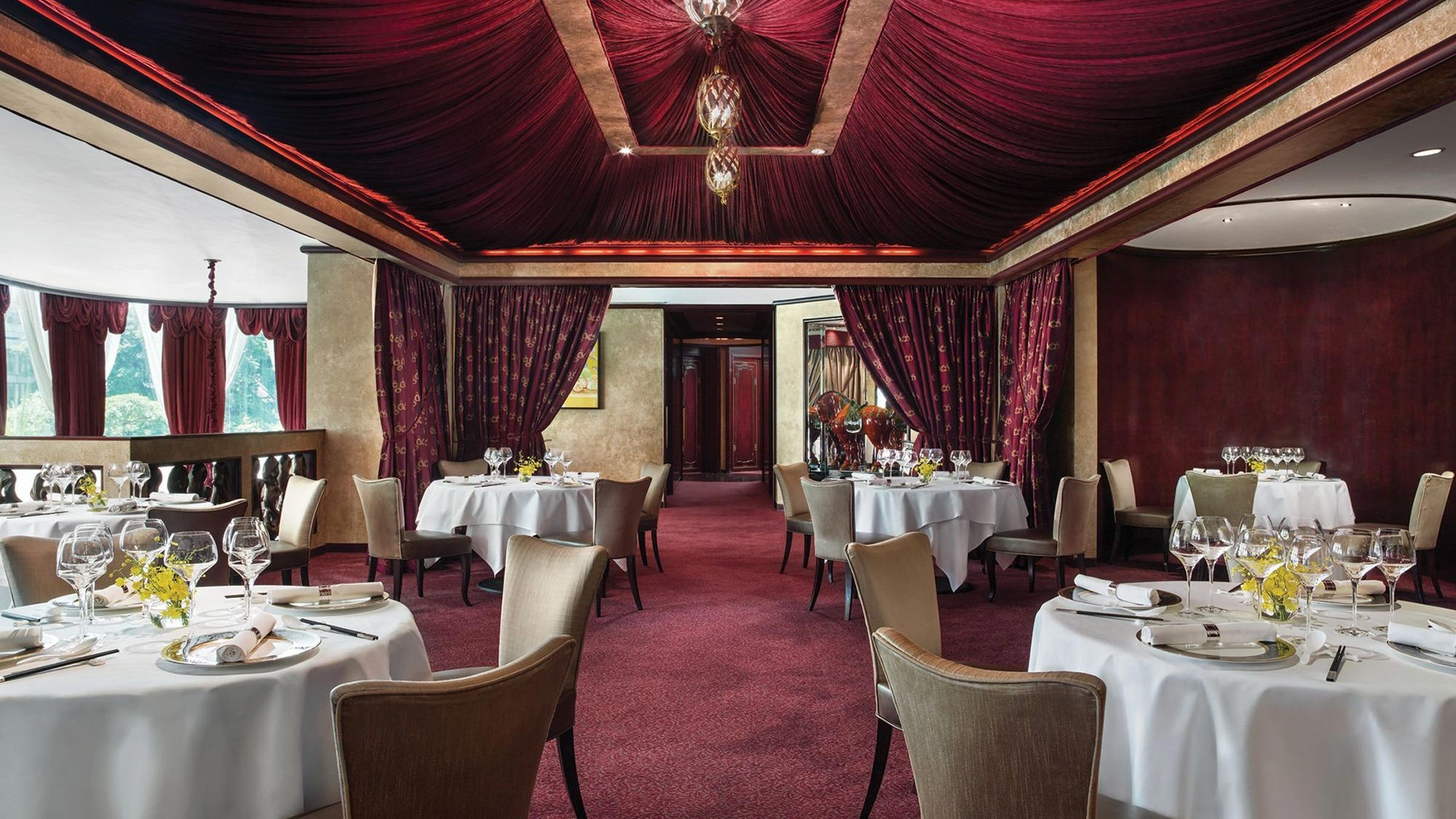
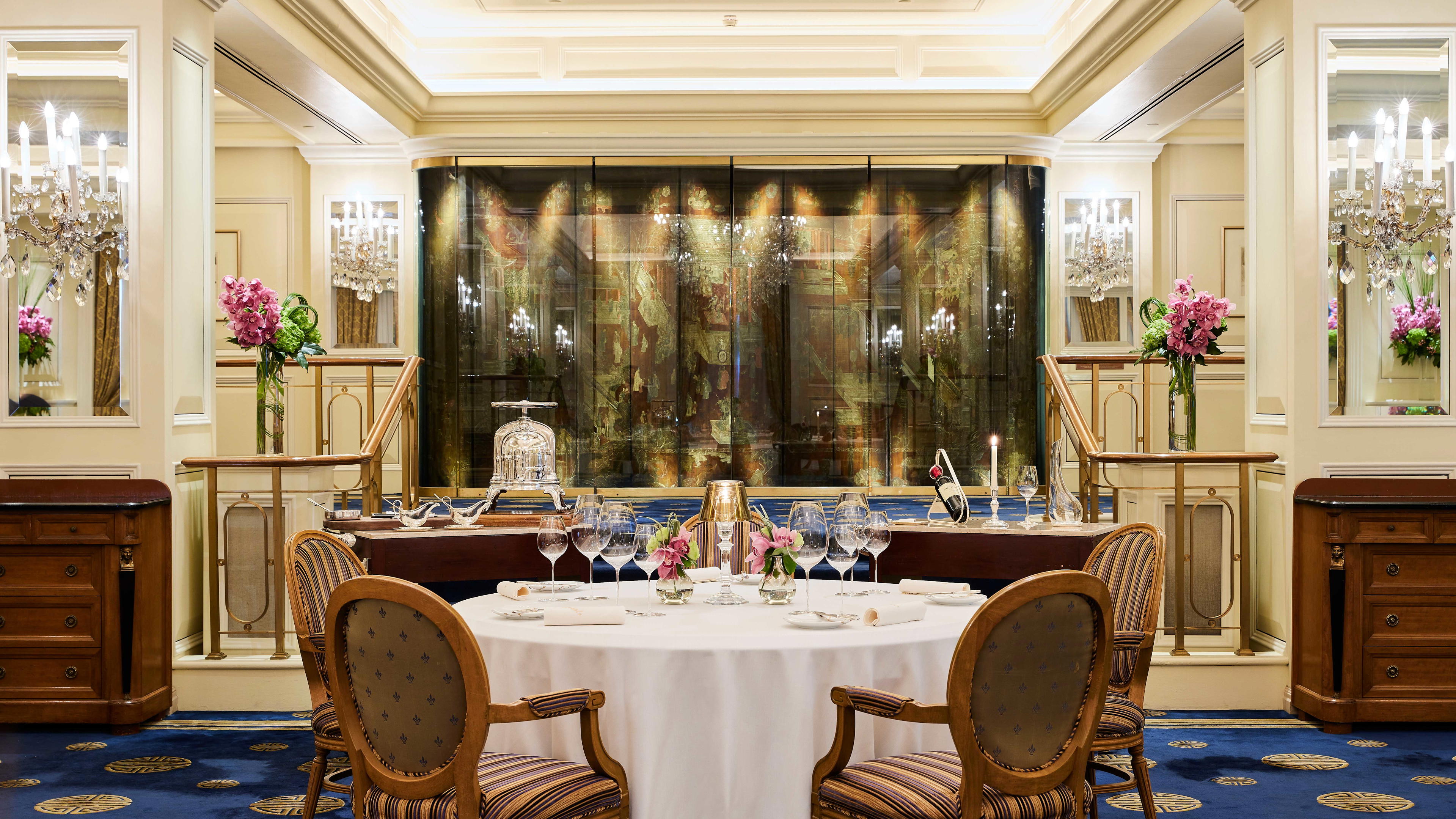
High-floor dining rooms in Hong Kong exist on a spectrum. At one end sit the formal rooms attached to international luxury hotels, Caprice at the Four Seasons and Amber at The Landmark Mandarin Oriental occupy spaces where the architecture is designed to subordinate the view to the room itself, making the dining environment self-sufficient. At the other end, casual rooftop bars treat the elevation as the product, with food as a secondary consideration. The 18th-floor positioning of Tapagria suggests a middle register: a room refined enough to command attention but inside a mixed-use retail tower rather than a dedicated luxury hotel, which carries its own implications for design language, acoustics, and the kind of attention the space receives.
In Hong Kong's Tsim Sha Tsui specifically, this positioning aligns Tapagria with a cohort of restaurants that have used upper-floor retail space to carve out a distinct identity, separate from the hotel dining circuit that anchors much of the city's fine dining conversation, and separate from the street-level density that defines the neighbourhood's ground floor. That category has produced some of Hong Kong's more interesting dining rooms over the past decade, particularly for formats that benefit from a degree of theatrical separation from the street.
Cross-Cultural Formats in Hong Kong's Dining Scene
The broader context for any restaurant in Tsim Sha Tsui is a dining district that has shifted considerably in recent years. The neighbourhood has historically been overshadowed by the Central and Western dining establishment, where 8 1/2 Otto e Mezzo Bombana, Ta Vie, and Forum have anchored the city's most-cited dining addresses, but Kowloon's dining identity has been reasserting itself. The shift is partly demographic and partly spatial: Tsim Sha Tsui's hotel density, its proximity to the high-speed rail terminus at West Kowloon, and its position as a gateway district for visitors arriving from mainland China have combined to create demand for a wider range of dining formats.
Across Hong Kong, the restaurants that have found traction in this environment tend to be those that either commit fully to a culinary tradition, as Le Salon de Thé de Joël Robuchon does in Central, or those that build a room and a format compelling enough to become a destination in their own right, regardless of cuisine category. The latter approach is more common in districts like Tsim Sha Tsui, where the dining competition is broader and the visitor mix more varied. Elsewhere in Hong Kong's wider restaurant ecosystem, addresses such as AMMO in Central and Western and Enchanted Garden Restaurant in Islands illustrate how strongly a distinct physical environment can define a restaurant's identity across very different contexts.
Beyond the core dining districts, Hong Kong's restaurant scene extends across the territory in ways that reward exploration: Block 18 Doggie's Noodle in Yau Tsim Mong, Lei Garden in Sha Tin, Hoi Tin Garden in Tuen Mun, Chin Sik in Tsuen Wan, Habib's Indian and Middle Eastern Food in Kwun Tong, and King Of Soybeans in Wong Tai Sin each represent the city's appetite for specialist formats across its outer districts. The Former Jumbo Floating Restaurant in Aberdeen remains one of the more discussed cases of how a dining space's physical form can outlast and eventually overshadow its culinary identity. For a broader orientation to the city's restaurant categories and neighbourhoods, the full Hong Kong restaurants guide maps the scene by district and format.
Arriving and Planning
The One on Nathan Road is accessible directly from Tsim Sha Tsui MTR station, making the approach direct for those arriving from Central or from Kowloon's wider network. The 18th floor requires a ride through the building's retail levels, which sets a particular rhythm for the arrival, less immediate than a street-front entrance, more considered. For international diners comparing the Kowloon dining circuit to the Central-based options they may know from recommendation lists that reference Le Bernardin in New York or Lazy Bear in San Francisco, Tsim Sha Tsui offers a distinctly different urban texture: more compressed, more mixed in use, and in some respects more representative of how Hong Kong actually functions as a city.
The address at The One, 18/F, 100 Nathan Road, Tsim Sha Tsui, is fixed and easily verified.
Frequently asked questions
What's Tapagria's location?
Tapagria is located at Hong Kong, Tsim Sha Tsui, Nathan Rd, 100號18/F, The One, Hong Kong.
Is Tapagria in Tsim Sha Tsui easy to reach by public transport?
The One on Nathan Road sits directly above Tsim Sha Tsui MTR station, making Tapagria on the 18th floor one of the more accessible high-floor dining rooms in Hong Kong without requiring a taxi or significant walking time. From Central, the journey runs roughly 10 minutes via the Tsuen Wan line.
What's the must-try dish at Tapagria?
What the 18th-floor Tsim Sha Tsui address and cross-cultural format suggest is a menu built around sharing plates, arrive with a group and order broadly rather than anchoring to a single item.
How far ahead should I plan for Tapagria?
Given the venue's position inside The One on Nathan Road, one of Tsim Sha Tsui's higher-footfall retail destinations, weekend evenings are likely to fill faster than midweek slots. Contacting the venue directly before your Hong Kong trip is the safest approach.
What's the defining dish or idea at Tapagria?
That context shapes what a kitchen tends to prioritise, composed, presentable plates suited to a setting where guests are partly paying for altitude.
Cuisine-First Comparison
| Venue | Cuisine | Price | Awards | Notes |
|---|---|---|---|---|
| TapagriaThis venue (the venue you are viewing) | Modern Spanish Tapas & Paella | Not listed | Not listed | Not listed |
| Ta Vie | Modern French-Japanese Fine Dining | $300–500 | 3 Michelin Stars · World's 50 Best #68 | Japanese - French, Innovative |
| 8 1/2 Otto e Mezzo Bombana (Hong Kong) | 3 Michelin-Star Italian Fine Dining | $200–300 | 3 Michelin Stars · World's 50 Best #94 | Italian |
| Estro | Modern Neapolitan Italian | $150–200 | 1 Michelin Star · World's 50 Best #32 | Wine Bar, Italian |
| Feuille | Modern Vegetable-Forward French | $200–300 | 1 Michelin Star · World's 50 Best #93 | French Contemporary |
| Mono | Modern Latin American Fine Dining | $150–200 | 1 Michelin Star · World's 50 Best #46 | Latin American |