
Sitting at the ¥¥ price tier, it positions as an accessible entry point into Guangzhou's serious contemporary Chinese dining scene, where Cantonese culinary tradition meets considered modern technique.
Pearl is the En Primeur Club membership app — saves, bookings, and concierge access live there. Same editors, same standards.
- Address
- China, Guangdong Province, Guangzhou, Liwan District, 43, 西南方向190米 邮政编码: 510150
- Phone
- +86 189 2993 0268
- Directions
- Get directions
 Saves & bookings on Pearl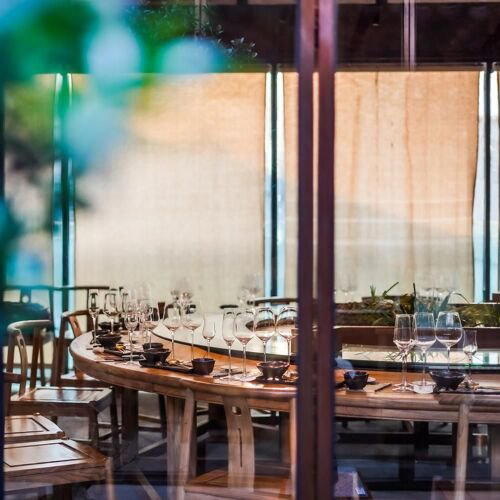
Liwan's Quiet Corner of Contemporary Chinese Dining
Liwan District is one of Guangzhou's oldest commercial and residential quarters, a place where centuries of Cantonese trading culture have layered themselves into the streetscape. The lanes around Taozui Guan carry that weight: covered market stalls, tea houses operating on unhurried schedules, and the kind of neighbourhood rhythm that newer districts in the city have traded away for glass towers. Arriving at the address on the southwestern edge of Liwan, at postal code 510150, you step into a context that most of Guangzhou's prestige dining rooms deliberately avoid, the ordinary city, still going about its business.
Guangzhou's Michelin-recognised tier spans a broad range of formats and price points, from ¥¥¥ Cantonese institutions like Imperial Treasure Fine Chinese Cuisine and Jiang by Chef Fei to the ¥¥¥¥ European formats represented by Taian Table. Taozui Guan occupies the ¥¥ bracket, a price tier that in Guangzhou still demands genuine craft, given how competitive mid-range dining is in a city that has been eating seriously for centuries.Consecutive Michelin Recognition at the Mid-Tier
The Michelin Plate recognition points to cooking worth noting, without a star. That distinction is sharper than it might initially appear. In a city as food-saturated as Guangzhou, a Plate in two consecutive years, 2024 and 2025, suggests consistent kitchen execution rather than a single strong performance at inspection time. Among Guangzhou's Chinese Contemporary restaurants at this price point, that consistency is a reasonable credential.
Across mainland China, the Chinese Contemporary category has developed its own internal hierarchy. At one end sit prestige tasting-menu formats in Shanghai, operations like Da Dong (Xuhui) and Gastro Esthetics at DaDong, where high production values and cultural narrative are part of the proposition. At the other end, mid-tier addresses in Guangdong, Hangzhou, and Chengdu translate contemporary technique into more accessible formats, often rooted in a specific regional culinary language. Ru Yuan in Hangzhou and Xin Rong Ji in Chengdu represent that more grounded tier. Taozui Guan's price and location place it in that same bracket rather than with Guangzhou's higher-spend destination rooms.
The Service Dimension: Front-of-House as Authorial Voice
In Chinese Contemporary dining at this price point, the kitchen is rarely the sole author of the experience. The front-of-house team carries significant interpretive weight: explaining the relationship between traditional technique and the plate in front of a diner, contextualising ingredients within Cantonese culinary history, and managing the pacing of a meal in a way that distinguishes a considered dining room from a busy neighbourhood restaurant. This is where the team dynamic becomes the distinguishing variable between venues that hold Michelin recognition and those that serve technically similar food without it.
Guangzhou's dining culture has always placed high value on service fluency, the ability of a room's staff to translate the kitchen's intentions without formalising the atmosphere into stiffness. The more successful mid-tier contemporary Chinese rooms across the Pearl River Delta, from BingSheng Mansion in Guangzhou to Chef Tam's Seasons in Macau, tend to achieve that balance: rooms where the service team understands the food at a craft level without performing that knowledge in a way that makes guests feel lectured. The front-of-house team at a Plate-level address in Liwan faces the same test.
Chinese Contemporary in Guangdong: What the Category Actually Means
The Chinese Contemporary label in Guangzhou carries different implications than it does in Beijing or Shanghai. In Guangdong, contemporary technique is generally applied to a Cantonese base, the cuisine is already among the more technically refined in China, so the question of what counts as a contemporary departure is genuinely contested. Kitchens that use the designation tend to be working with modern plating conventions, adjusted textures, or ingredient pairings that step outside strictly classical boundaries, while retaining the clarity and restraint that defines good Cantonese cooking at any tier. What it rarely means in this city, at this price point, is the kind of showmanship that the category sometimes signals in northern China.
That context is relevant when placing the restaurant against its broader regional peers. The Four Seasons Pavilion · Rùn in Guangzhou represents a higher-spend version of that same Cantonese-contemporary conversation; Dai Yuet Heen in Nanjing and 102 House in Shanghai show how the same impulse travels across cities. At ¥¥, the restaurant is making a different argument: that the contemporary Chinese proposition can hold its technical ground without the overhead of a prestige address.
Planning a Visit
Liwan District sits in the western section of central Guangzhou, accessible from the city's metro network and well within reach of the major commercial and tourist corridors. Approaching the address directly, or through a local concierge service, is one reliable path. The ¥¥ pricing signals that the restaurant operates at a mid-market spend level by Guangzhou standards, making it a more accessible option than the ¥¥¥ tier addresses that dominate the city's Michelin-tracked dining. For a broader orientation to eating and drinking in the city, the Guangzhou restaurant scene spans a wide range of recognised addresses across categories and price tiers.
Guangzhou's dining calendar is most active in autumn and winter, when cooler temperatures bring locals back to the table in larger numbers. If there is a better time to test a contemporary Chinese kitchen in Guangdong, it is the months between October and February, when seasonal ingredients shift and kitchens tend to sharpen their menus accordingly. Xin Rong Ji in Beijing offers a useful reference point for how the Chinese Contemporary category performs at higher price tiers in other mainland cities.
Comparable Spots
Comparable venues nearby, for context on price, style, and recognition.
| Venue | Cuisine | Price | Notes |
|---|---|---|---|
| Taozui GuanThis venue — the venue you are viewing | Chinese Contemporary | $$$ | Not listed |
| Deli Boutique・Uncle De Abalone | Fine Dining Cantonese Abalone Specialist | $$$ | Guangzhoushi |
| BingSheng Pin Wei (Dongxiao Road) | Refined Cantonese with Live Seafood | $$$ | Guangzhoushi |
| Tao Tao Ju · Ya Yuan | Upscale Cantonese Dim Sum | $$$ | Guangzhoushi |
| Wing Lee Restaurant (Yuexiu) | Classic Cantonese Dim Sum | $$ | Guangzhoushi |
| Yun Pavilion | Modern Cantonese | $$$$ | Guangzhoushi |
Recognition history
Dated appearances from independent guides and award organizations, with the underlying list record or original source where available.
Michelin Plate
Michelin
Michelin Plate
Michelin
Continue exploring
More in Guangzhou
Restaurants in Guangzhou
Browse all →
Bars in Guangzhou
Browse all →

At a Glance
- Elegant
- Sophisticated
- Cozy
- Modern
- Date Night
- Business Dinner
- Special Occasion
- Open Kitchen
- Sake Program
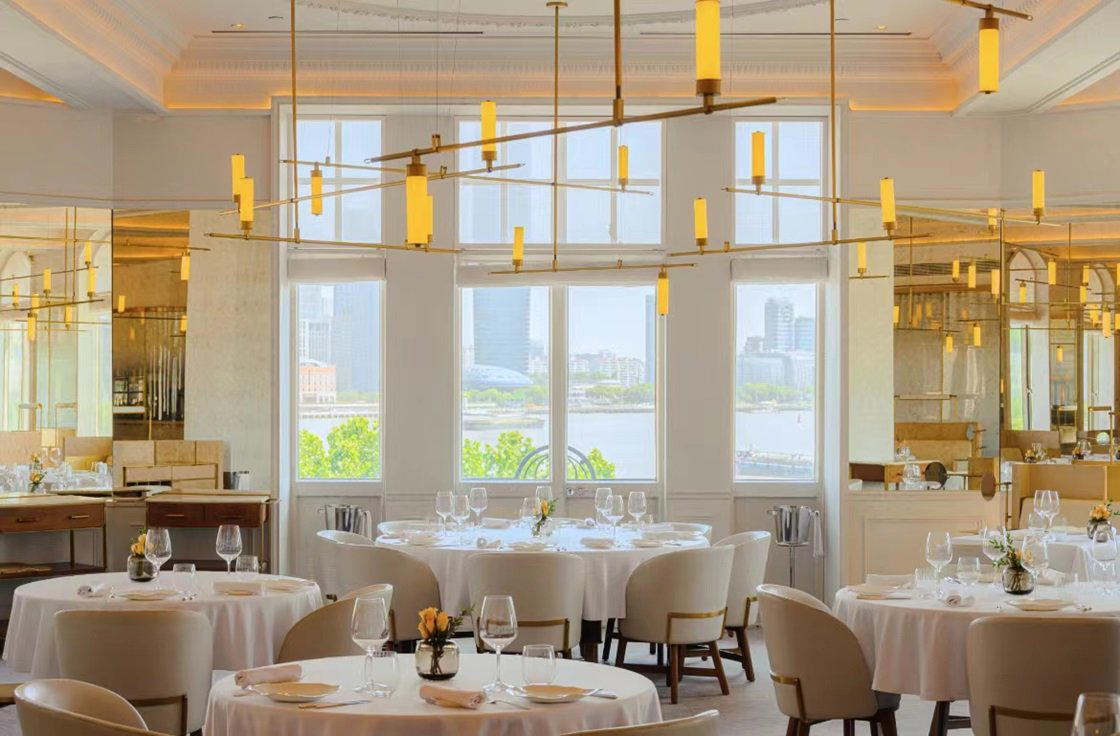
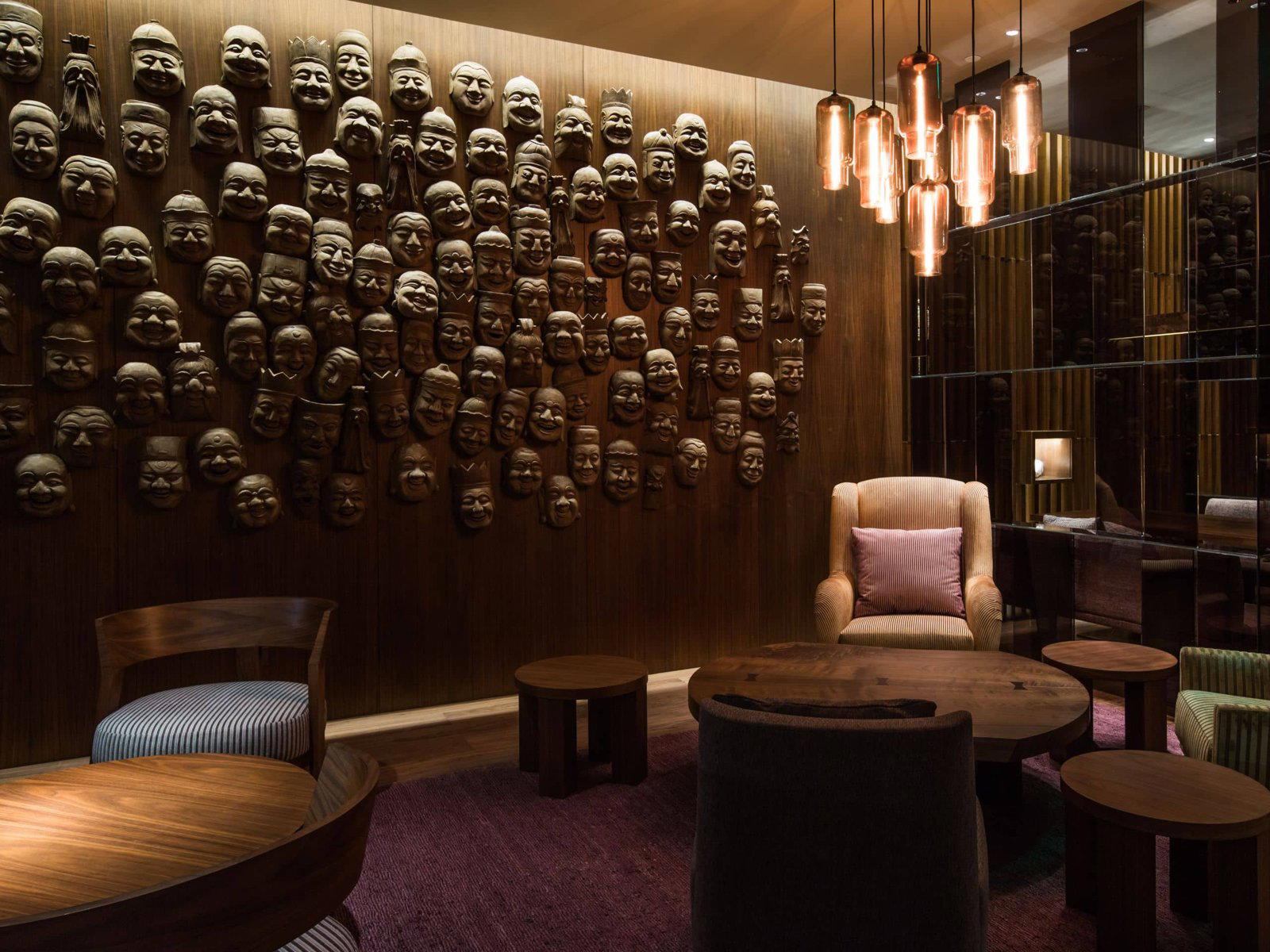
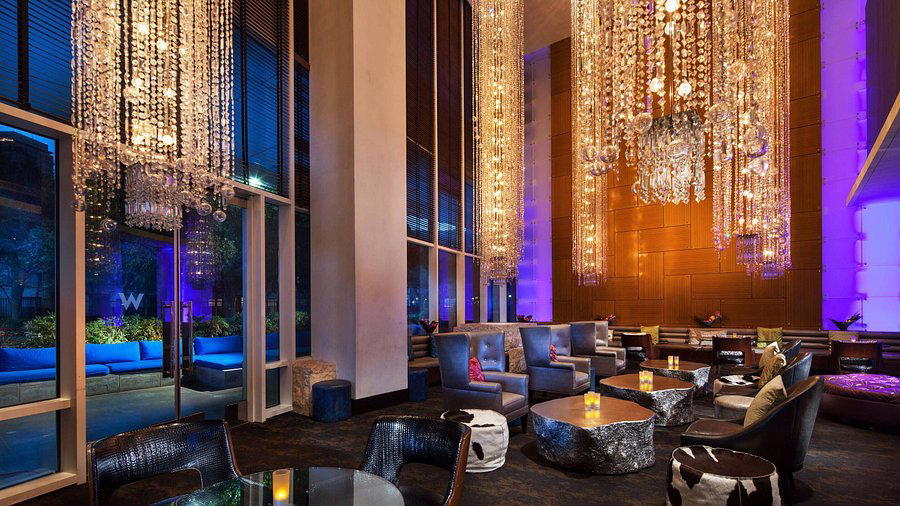
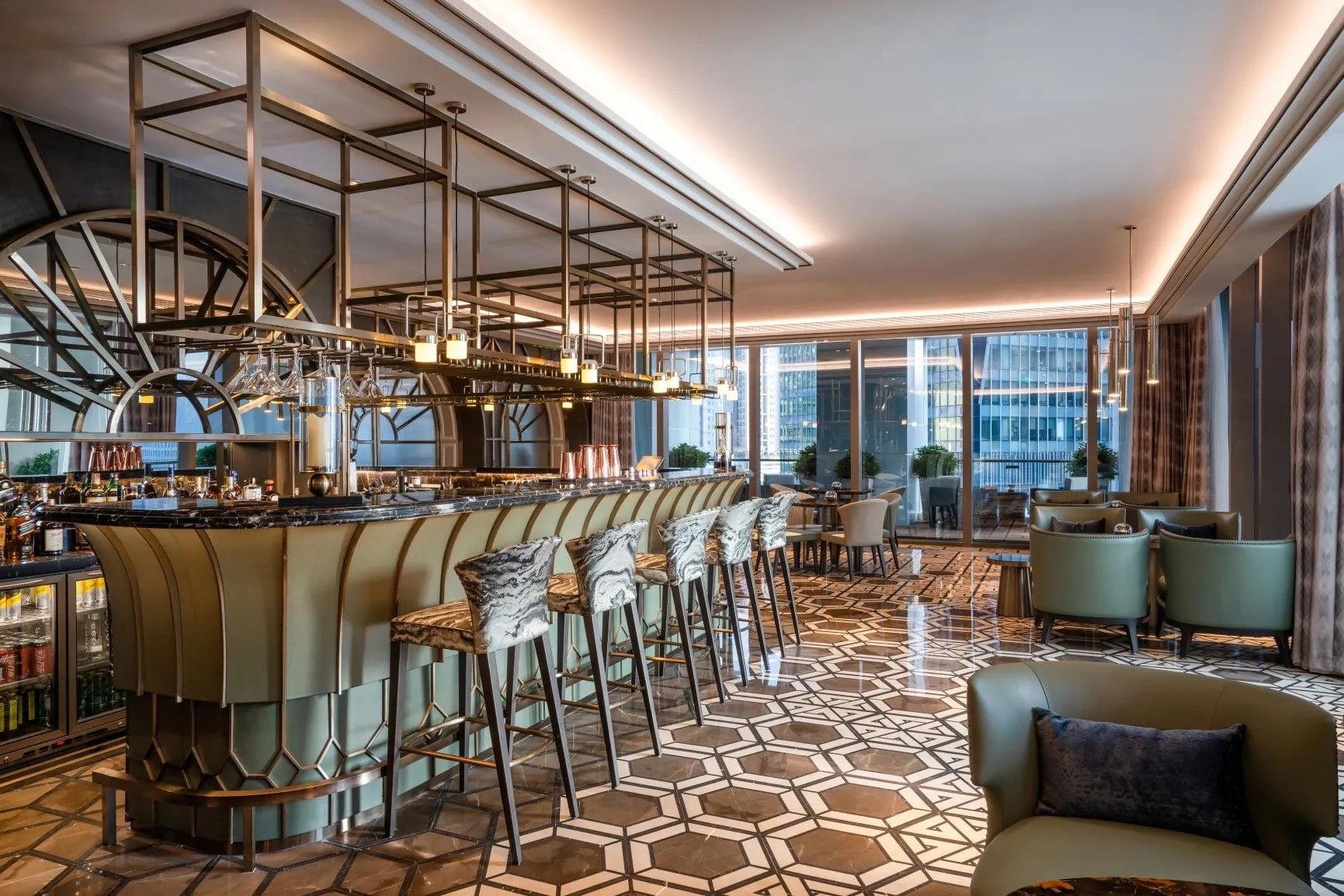
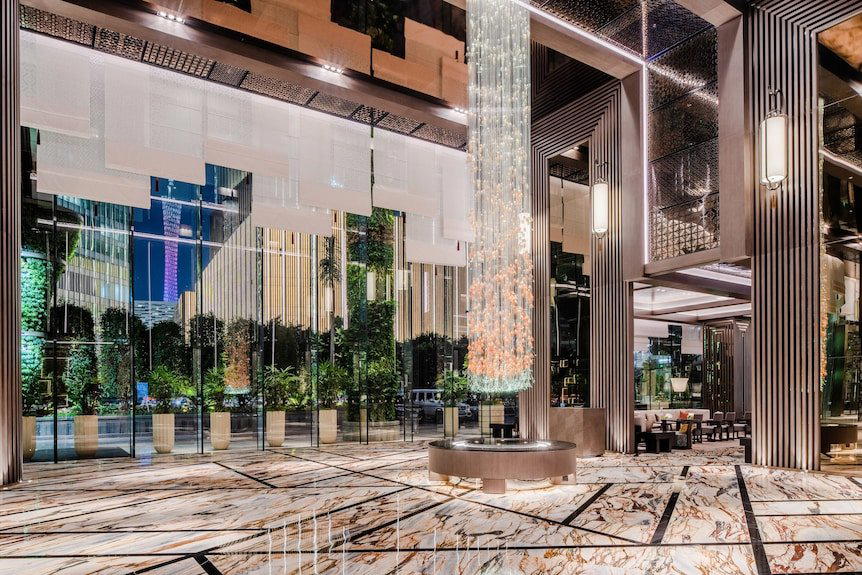
Refined minimalism resembling an elegant tea house with silk-soft lighting, pale oak screens, cool stone surfaces, and a hushed atmosphere.