
A Michelin Plate-recognised Cantonese restaurant in Guangzhou's Yuexiu District, Wing Lee occupies the third floor of a riverside building on Yanjiang Middle Road, where classic dim sum, revived heritage recipes, and river views over the Pearl draw a crowd large enough to mean communal tables at peak hours. The ¥¥ price point makes it one of the more accessible addresses in the city's Michelin-acknowledged tier.
Pearl is the En Primeur Club membership app — saves, bookings, and concierge access live there. Same editors, same standards.
- Address
- Xianjian Business Building, 3楼259 Yanjiang Middle Rd, 259, Yuexiu District, Guangzhou, Guangdong Province, China, 510110
- Phone
- +86 180 2625 0388
- Directions
- Get directions
 Saves & bookings on Pearl
Yanjiang Road and the Pearl River Below
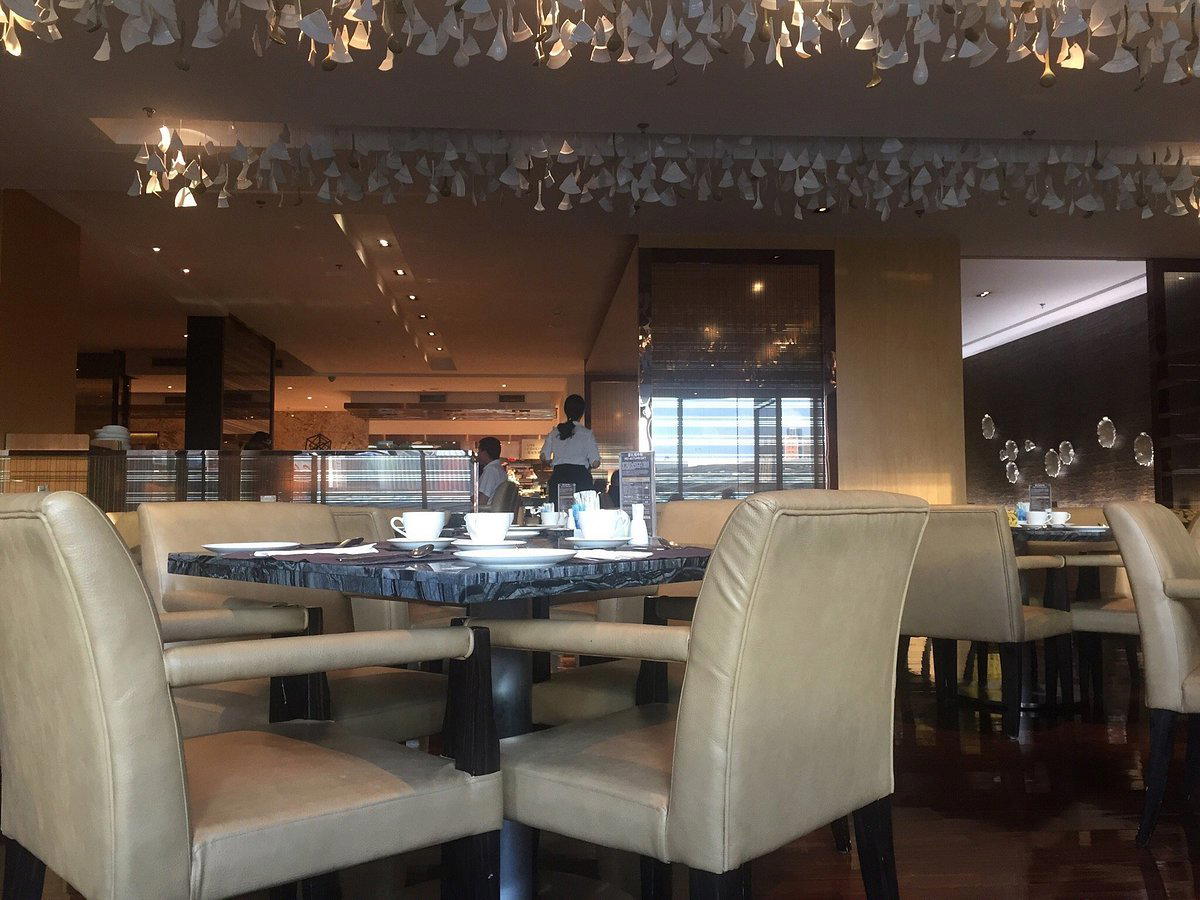
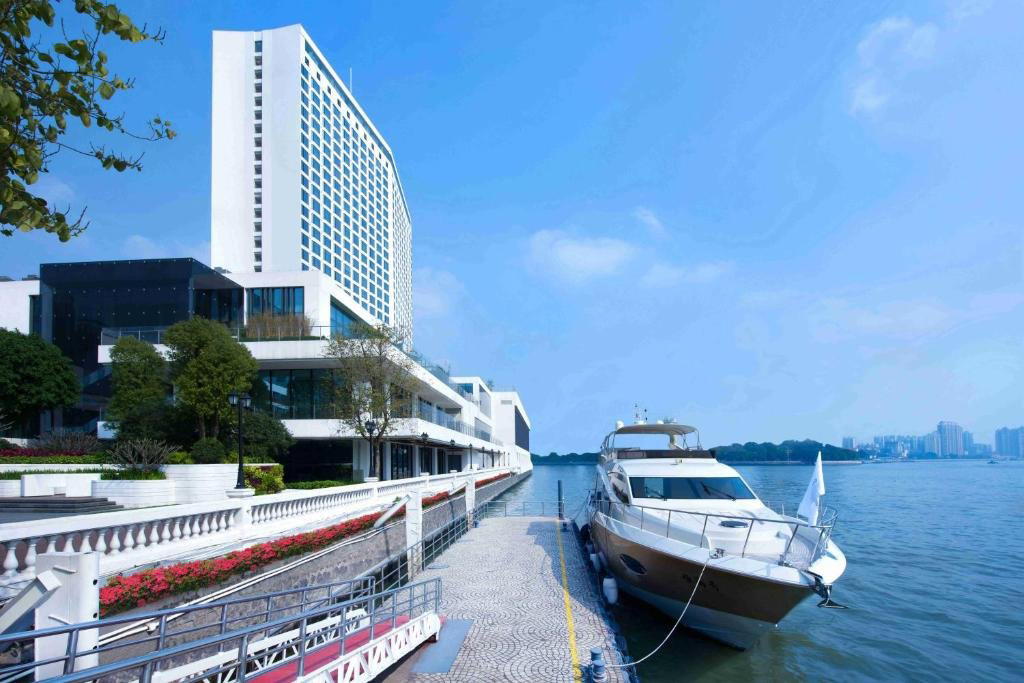
On Yanjiang Middle Road, the stretch of Pearl River frontage that runs through Yuexiu District, the third floor of Xianjian Business Building frames a view that has oriented Cantonese dining rooms for generations. Water proximity is not incidental to Cantonese cooking: it has shaped the cuisine's relationship with freshness, its obsession with live product and minimal intervention, and the cultural weight placed on a well-executed steamed or roasted dish over any amount of French technique. Wing Lee Restaurant sits inside that tradition, with a room furnished in the kind of classic Cantonese register, carved wood, round tables, the ambient noise of shared meals, that the newer generation of hotel Cantonese rooms has largely moved away from.
The river view here is a practical part of the room. At this latitude and at this level, the Pearl reads differently across a day: grey and industrial at breakfast service, catching light mid-morning when the dim sum trolleys are still moving, carrying the full late-afternoon haze that makes Guangdong feel distinctly subtropical. The room and the water work together in a way that more expensively designed addresses, including the ¥¥¥-tier Imperial Treasure Fine Chinese Cuisine and the hotel-positioned Lai Heen, do not always replicate.
Heritage Recipes as Editorial Argument
One interesting thread running through Wing Lee's menu is not modernisation but archaeology. Guangzhou's dominant culinary story over the past decade has been about refinement, consistency, and the codification of Cantonese technique into formats that translate across the region and internationally. Places like Jiang by Chef Fei and Jade River represent that polished tier. Wing Lee operates with a different priority: recovering recipes that have thinned out of circulation as the industry consolidated around a narrower definition of what Cantonese cuisine should present.
Crispy-skinned chicken stuffed with minced shrimp is the clearest illustration. The combination of roasted poultry skin, achieved through careful drying and high-temperature finishing, with a seafood interior represents a specific technique and flavour logic that Michelin's own notes describe as rarely found elsewhere. This is not nostalgia as marketing language. It reflects a genuine narrowing in Guangzhou's commercial restaurant sector, where dishes with labour-intensive preparation and limited per-table yield have been quietly dropped from menus over two decades. The owner's stated intention to preserve this kind of recipe speaks to a broader pattern visible across Chinese culinary cities: a counter-movement of smaller, family-rooted houses pushing back against standardisation at the same moment that standardisation is delivering more consistent high-end results at the ¥¥¥ and ¥¥¥¥ tiers. For parallel examples outside Guangzhou, the same dynamic is visible at Ru Yuan in Hangzhou and Dai Yuet Heen in Nanjing.
The Dim Sum Case and the Freshness Standard
Guangzhou's claim on dim sum is not merely historical, it is structural. The city has more dedicated dim sum services operating at serious technical level than any comparable urban area in China, and the competition among neighbourhood houses is strong enough that a Michelin Plate recognition at this price band carries meaningful weight. Wing Lee's dim sum, singled out in the Michelin notes for breakfast and lunch service, competes in a field where the evaluation criteria are precise: wrapper thickness, filling ratio, steaming temperature, and the freshness of the primary proteins inside.
The freshness question connects directly to the seafood dimension of a Cantonese kitchen at this tier. Traditional Cantonese cooking built its identity on proximity to live product: fish, crustaceans, and shellfish held in tanks or sourced from the morning's Pearl River market, then prepared with the minimum intervention necessary to let the ingredient read clearly. At a ¥¥ price point, the sourcing infrastructure differs from what the larger Cantonese houses operate, BingSheng Mansion, for instance, runs substantial live-tank operations across its format. What Wing Lee represents is the tighter, neighbourhood-scaled version of the same philosophy: a kitchen that works with what the daily market yields, translating that into dim sum skins and stuffings where the shrimp filling in a har gow is a direct argument about sourcing rather than a background element.
The eggy doughnuts in icing sugar, also noted by Michelin, represent the sweet end of the Cantonese breakfast tradition, a format that survives primarily in older-style teahouse environments and has largely disappeared from the hotel dim sum circuit that targets international guests at Le Palais in Taipei or Forum in Hong Kong.
Price Tier, Crowd Dynamics, and the Shared Table
At ¥¥, Wing Lee sits two tiers below the hotel Cantonese and formal tasting-menu bracket represented in Guangzhou by addresses like Jiang by Chef Fei and, outside the city, by Chef Tam's Seasons in Macau. That price position, combined with Michelin recognition, produces a predictable result: the restaurant is heavily attended, particularly at weekend dim sum service, and the operational response is communal seating at peak hours. This is not an anomaly in Guangzhou's dining culture, sharing tables with strangers is standard practice at neighbourhood Cantonese houses of standing, but it is worth understanding as a practical condition before arriving with expectations shaped by private-room Cantonese elsewhere.
The food performance is strong; the spatial conditions during peak service are not those of a quiet, private dining experience. Visitors planning specifically for the dim sum should consider weekday morning service, when the room operates at lower volume and the connection between the food and the river view is easier to sustain. For those building a broader Guangzhou itinerary, the EP Club guides to restaurants, hotels, bars, experiences, and wineries map the wider scene. For comparison across regional Chinese culinary cities, Xin Rong Ji in Beijing, 102 House in Shanghai, and Xin Rong Ji in Chengdu all present related arguments about regional cooking and heritage preservation at different price tiers.
Know Before You Go
- Address: 3/F, Xianjian Business Building, 259 Yanjiang Middle Road, Yuexiu District, Guangzhou
- Cuisine: Cantonese
- Price range: ¥¥
- Recognition: Michelin Plate 2025 4
- Seating note: Communal tables at peak dim sum service; weekday mornings are quieter
- Booking: Walk-in; expect queues at weekend breakfast and lunch
- Standout dishes: Crispy-skinned chicken stuffed with minced shrimp; dim sum breakfast and lunch; eggy doughnuts in icing sugar
City Peers
Comparable venues nearby, for context on price, style, and recognition.
| Venue | Cuisine | Price | Notes |
|---|---|---|---|
| Wing Lee Restaurant (Yuexiu)This venue — the venue you are viewing | Classic Cantonese Dim Sum | $$ | Not listed |
| Cheers (Kaichuang Avenue) | Hunanese | $$ | Zengchengshi |
| Beiyuan Cuisine | Traditional Cantonese Dim Sum | $$ | Guangzhoushi |
| Tao Tao Ju · Ya Yuan | Upscale Cantonese Dim Sum | $$$ | Guangzhoushi |
| Famous Cuisine (Tianhe North Road) | Traditional Cantonese | $$ | Guangzhoushi |
| Temple Street | Cantonese Claypot Rice | $$ | Guangzhoushi |
Recognition history
Dated appearances from independent guides and award organizations, with the underlying list record or original source where available.
Michelin Plate
Michelin
Michelin Plate
Michelin
Continue exploring
More in Guangzhou
Restaurants in Guangzhou
Browse all →
Bars in Guangzhou
Browse all →
At a Glance
- Classic
- Cozy
- Well Known
- Family
- Group Dining
- Casual Hangout
- Brunch
- Open Kitchen
- Street Scene
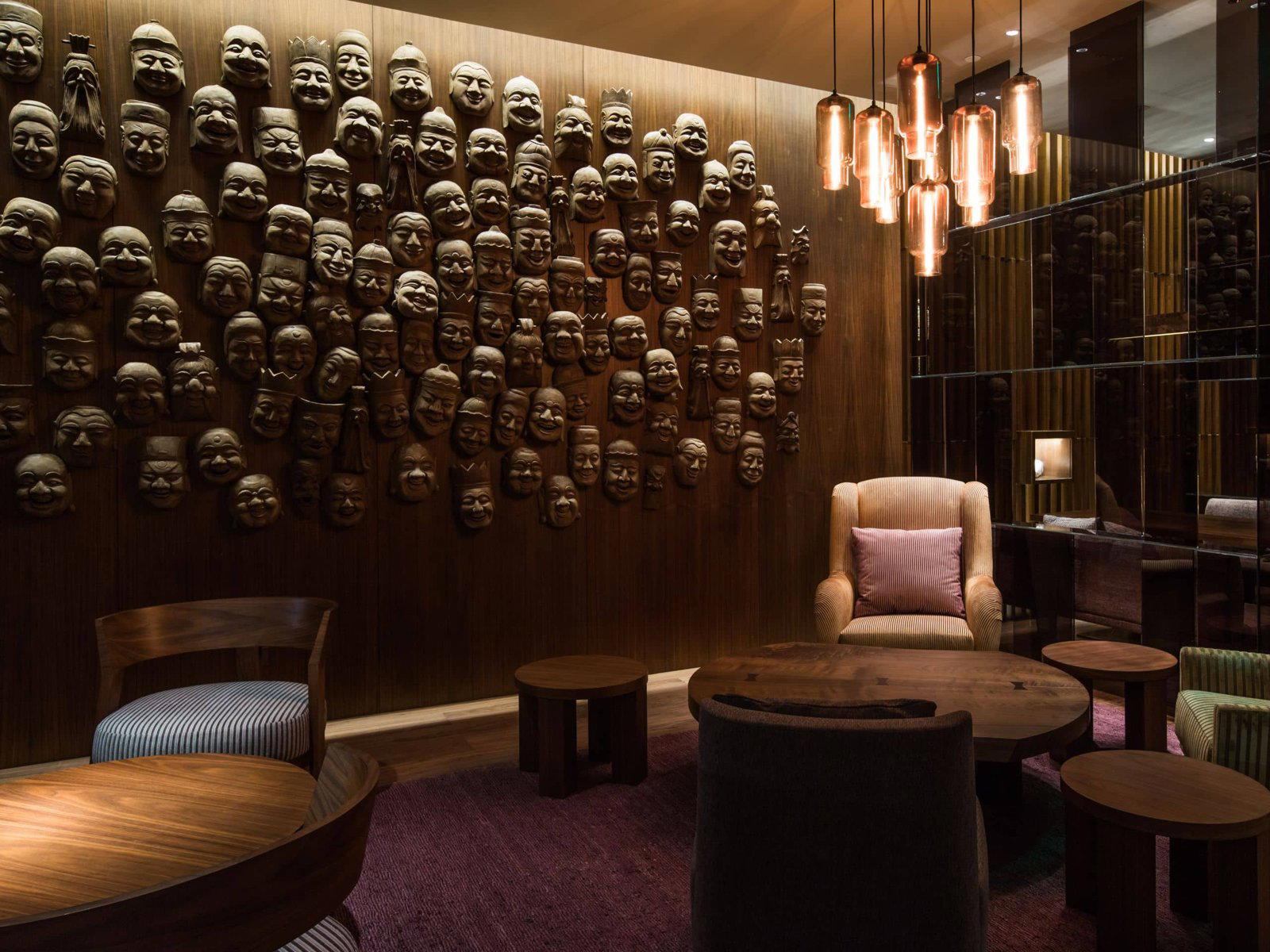
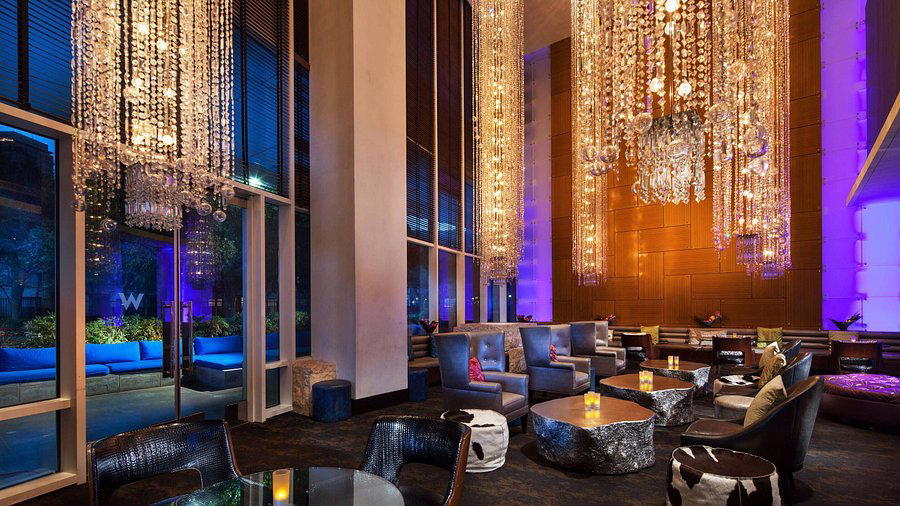
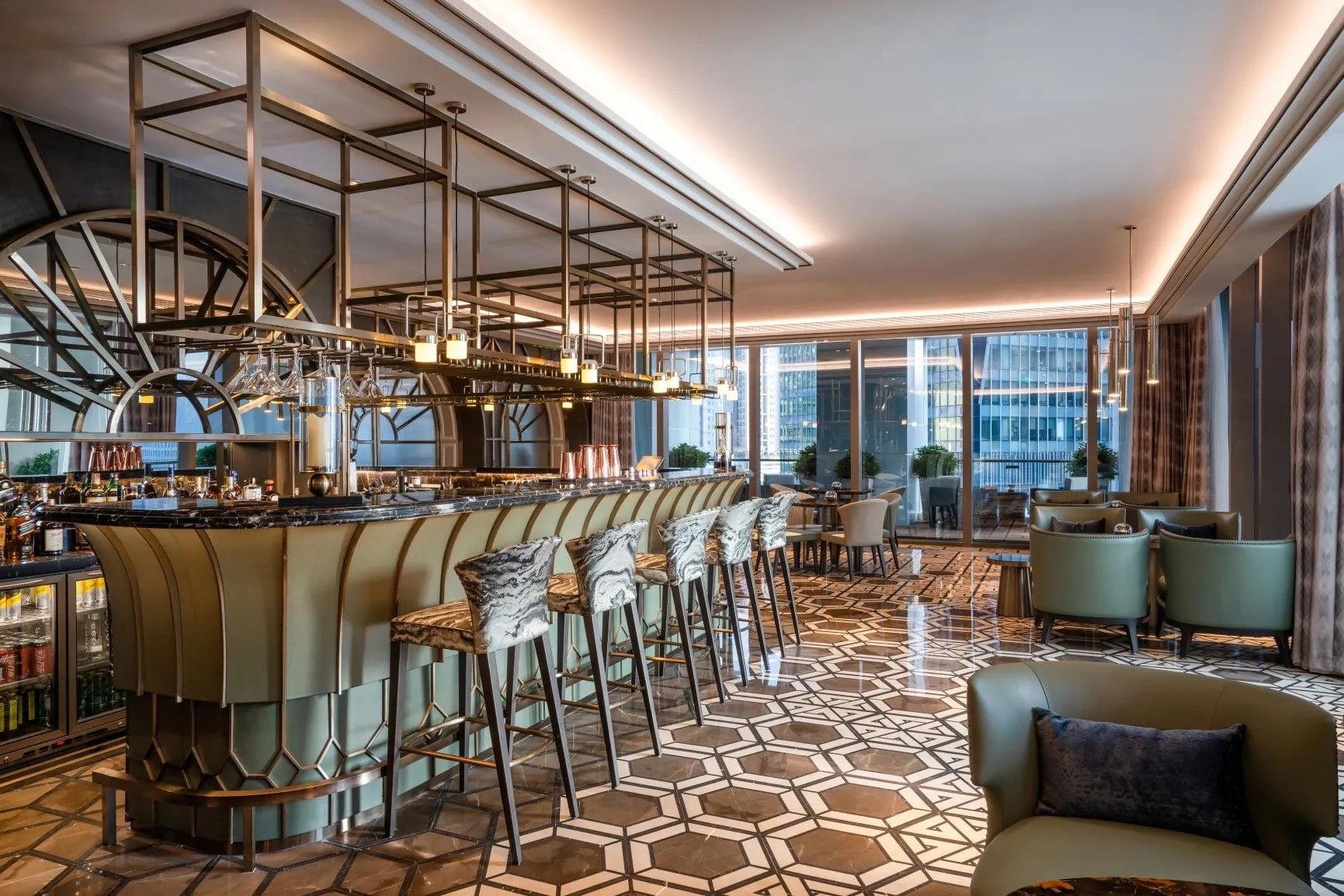
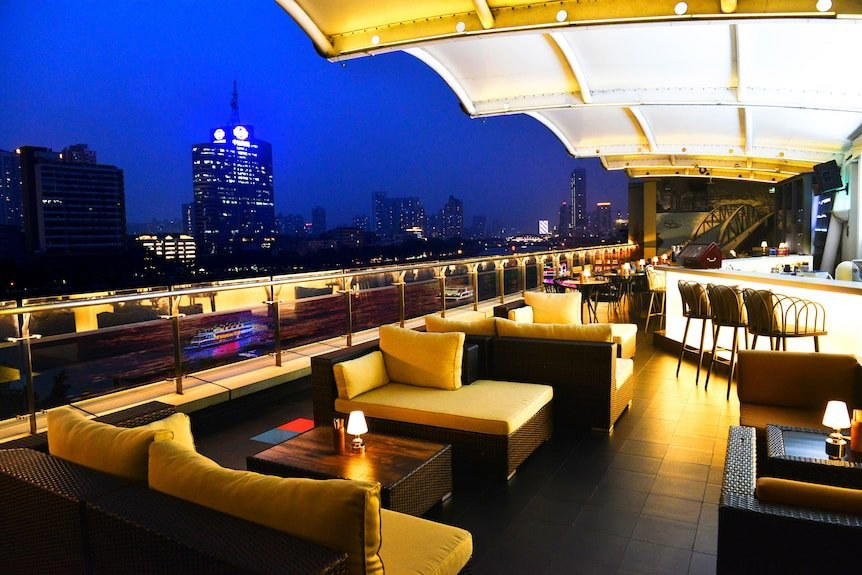
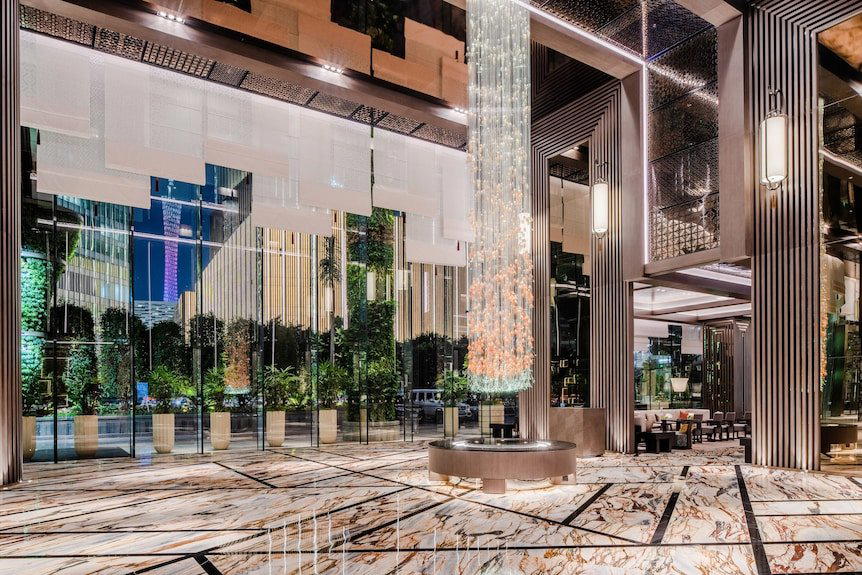
Simple, nostalgic décor with spacious bright spaces, floor-to-ceiling windows offering panoramic river views, and lively dim sum cart service creating an intimate old Guangzhou atmosphere.