
Tang Shi Meishi holds consecutive Michelin Plate recognition (2024 and 2025) for its Cantonese cooking on Guangfu North Road in Guangzhou's Liwan district, placing it among the mid-price tier of Michelin-acknowledged restaurants in the city. At the ¥¥ price point, it offers a more accessible entry into recognized Cantonese tradition than the ¥¥¥ or ¥¥¥ bracket occupied by peers such as Imperial Treasure or Lai Heen.
Pearl is the En Primeur Club membership app — saves, bookings, and concierge access live there. Same editors, same standards.
- Address
- 717 Longjin East Road, Liwan, Guangzhou, Guangdong Province, CHN
- Phone
- +86 135 6018 9334
- Website
- guide.michelin.com
- Directions
- Get directions
 Saves & bookings on Pearl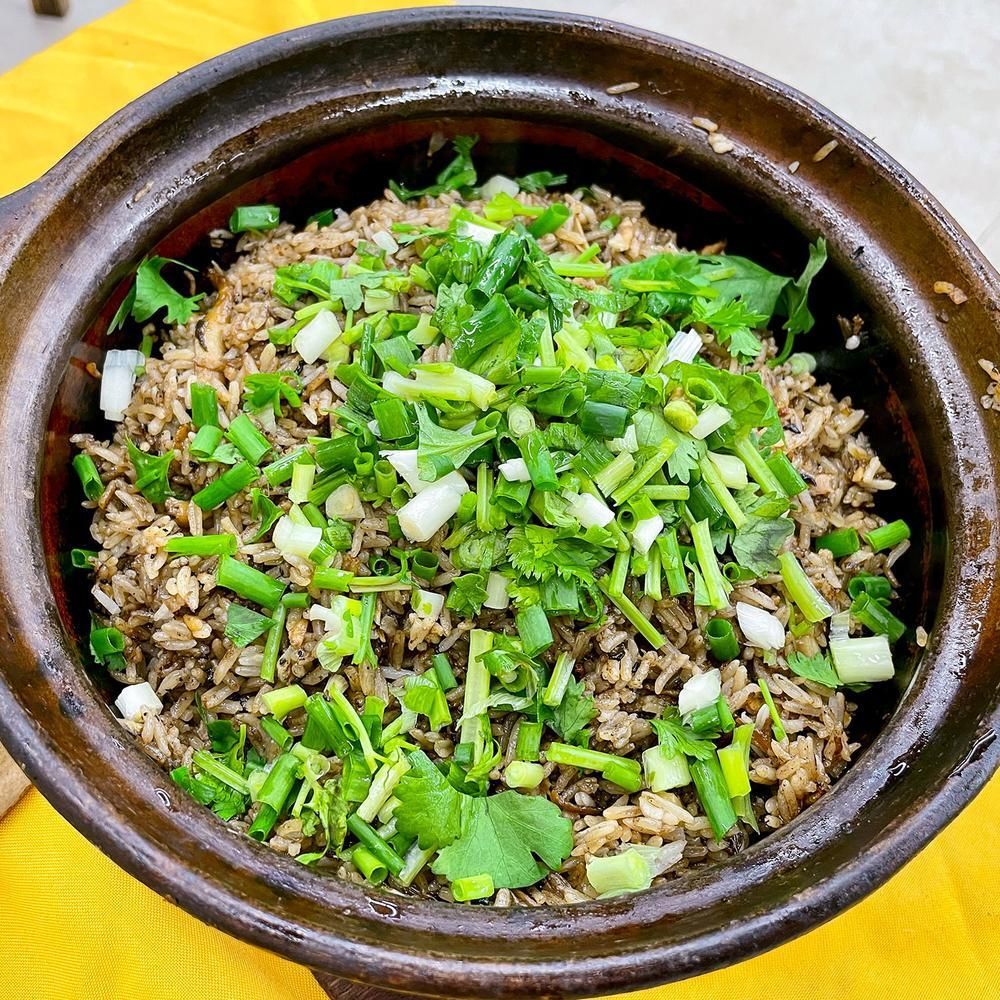
Liwan's Cantonese Counter: What Michelin Plate Recognition at the ¥¥ Tier Actually Means
Guangfu North Road runs through Liwan, one of Guangzhou's oldest commercial districts, where ground-floor restaurants have occupied the same shophouse footprints for generations. The streetscape here reads differently from the hotel dining rooms and business-district towers that host much of the city's higher-bracket Cantonese cooking. Tang Shi Meishi is a restaurant in Guangzhou's Liwan district serving Cantonese Claypot & Swamp Eel Rice at a ¥¥ price point. The Michelin Guide's Plate designation, awarded in both 2024 and 2025, confirms that recognized quality is present at a price point (¥¥) that sits below the ¥¥¥ tier occupied by peers such as Imperial Treasure Fine Chinese Cuisine and Lai Heen.
How the Menu Signals Its Intentions
Cantonese menus carry a structural logic that serious diners learn to read quickly. At the summit end of the register, roasted meats, live seafood, premium dried ingredients (abalone, shark fin alternatives, dried scallop), and hand-made dim sum signal ambition and labour cost. At the mid-tier, the same culinary vocabulary appears, but the hierarchy of ingredients shifts: seasonal vegetables, braised proteins, wok-fired rice and noodle dishes, and claypot preparations carry the menu's weight rather than acting as filler around prestige centrepieces.
Tang Shi Meishi's ¥¥ positioning places it firmly in that second register. What the Michelin Plate confirmation adds is that the kitchen's execution within that register meets a benchmark that distinguishes it from the broader mass of neighbourhood Cantonese restaurants operating at similar prices across Guangzhou. The Plate is the Guide's signal that the cooking is good. Two consecutive years of that recognition (2024 and 2025) removes the possibility of a one-off result and suggests stable kitchen practice.
In Guangzhou's Cantonese scene, that stability at the mid-price tier is meaningful. The city's highly rated rooms, Jiang by Chef Fei, Jade River, and the banquet-format BingSheng Mansion (Xiancun Road), operate in formats and at prices that require deliberate occasion planning. Tang Shi Meishi occupies a different function in the dining week: accessible enough for a Tuesday evening, credentialled enough that the meal will not disappoint.
Cantonese Cooking in Liwan: The Neighbourhood Context
Liwan has a specific culinary identity within Guangzhou. The district was historically associated with the city's tea-house culture and the original yum cha tradition, not the hotel brunch format that yum cha has become in many cities, but the early-morning gathering culture in which older Cantonese men would arrive before seven, order tea and a rotation of dim sum, and sit for hours. That culture still has residual presence in Liwan, even as the district has absorbed commercial development around its western edge.
Restaurants operating in this neighbourhood tend to align with the tastes of local, repeat clientele rather than tourism circuits. Menu design in this context rewards familiarity with Cantonese ingredients and preparation styles rather than novelty. Classic wok technique, the high-heat, fast-fire approach that produces the characteristic wok hei (breath of the wok) in fried rice and stir-fried dishes, matters here more than presentation theatrics. The same applies to claypot rice, slow-braised pork belly with preserved vegetables, and steamed fish with ginger and scallion: preparations where the quality of technique is transparent, because there is no elaborate sauce architecture to compensate for error.
Across the broader Cantonese restaurant category, this kind of neighbourhood mid-tier represents the format in which the cuisine was historically most itself, not the banquet hall version staged for weddings and business dinners, but the everyday cooking that Cantonese households measure restaurants against. Comparing a meal at the restaurant against the higher-bracket rooms at Lai Heen or Imperial Treasure is instructive. The same culinary tradition reads at different registers when price and format change.
Where Tang Shi Meishi Fits in the Wider Cantonese Conversation
Guangzhou is not the only city where Cantonese cooking at this quality tier operates. Forum in Hong Kong and Le Palais in Taipei represent the cuisine's premium international expression. Within mainland China, Cantonese restaurants sit alongside the other regional traditions: the Shanghainese rooms like 102 House in Shanghai, the Zhejiang-inflected Xin Rong Ji in Beijing and Xin Rong Ji in Chengdu, and the regional hybrids found at Ru Yuan in Hangzhou. In Macau, Chef Tam's Seasons and Dai Yuet Heen in Nanjing extend the Cantonese reference further.
What distinguishes Guangzhou's mid-tier Michelin-acknowledged rooms from their equivalents in other cities is the density of culinary competition at street level. The city has more Cantonese restaurants per capita than anywhere else in China, which means even unremarkable neighbourhood cooking is often technically competent. For a restaurant at the ¥¥ tier to earn and hold a Michelin Plate in that environment requires consistent performance against a rigorous local baseline, not just against the national or international average.
Planning Your Visit
The restaurant is located on Guangfu North Road in Liwan district, Guangzhou. The address places it on the western side of the old city, away from the Tianhe central business district and the Pearl River hotel corridor. For visitors staying in Tianhe or near the Canton Fair complex, the journey is roughly 30 to 40 minutes by metro, which makes this a deliberate trip rather than a walk-from-hotel convenience.
At the ¥¥ price point, a full meal for two covering multiple dishes sits at a fraction of what a comparable number of courses would cost at the starred or high-bracket rooms in the city. Walk-in availability is generally better during weekday lunches than weekend dinner service, when local family dining generates sustained demand. Arriving before the main service push is the practical approach where reservation channels are uncertain.
A Pricing-First Comparison
Comparable venues nearby, for context on price, style, and recognition.
| Venue | Cuisine | Price | Awards | Notes |
|---|---|---|---|---|
| Tang Shi MeishiThis venue — the venue you are viewing | Cantonese | $$ | Michelin Plate | Not listed |
| Yushan Soup (Liede Xipu Street) | Guangzhoushi, Cantonese Soup Specialist | $$ | Michelin Plate | Not listed |
| Wei Shi Jia | Guangzhoushi, Cantonese Bib Gourmand | $$ | Bib Gourmand | Not listed |
| Guo Fan Jia Yan | Guangzhoushi, Authentic Hunanese Cuisine | $$$ | Michelin Plate | Not listed |
| Four Seasons Pavilion · Rùn | Not listed | $$$ | Michelin Plate | Guangzhoushi, Chinese Contemporary with Peking Duck |
| Cheers (Kaichuang Avenue) | Zengchengshi, Hunanese | $$ | Michelin Plate | Not listed |
Recognition history
Dated appearances from independent guides and award organizations, with the underlying list record or original source where available.
Michelin Plate
Michelin
Michelin Plate
Michelin
Michelin Plate
Michelin
Continue exploring
More in Guangzhou
Restaurants in Guangzhou
Browse all →
Bars in Guangzhou
Browse all →
At a Glance
- Lively
- Classic
- Energetic
- Late Night
- Casual Hangout
- Group Dining
- Standalone
- Local Sourcing
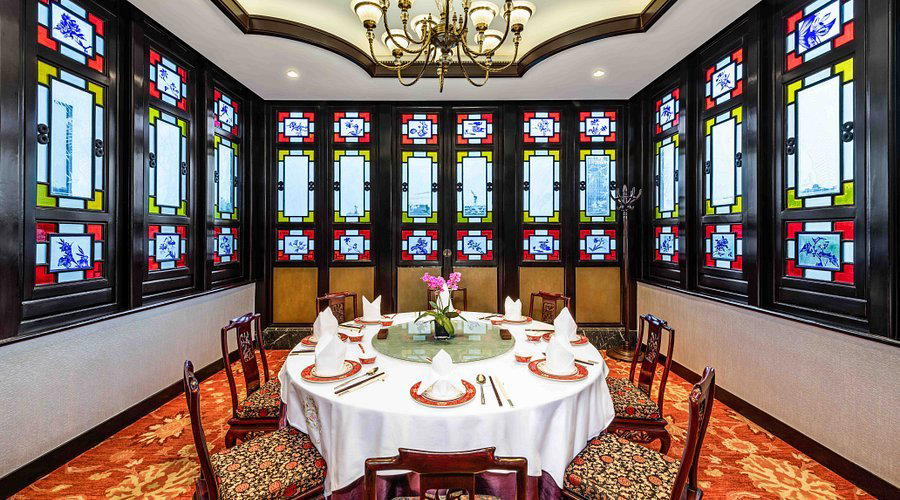
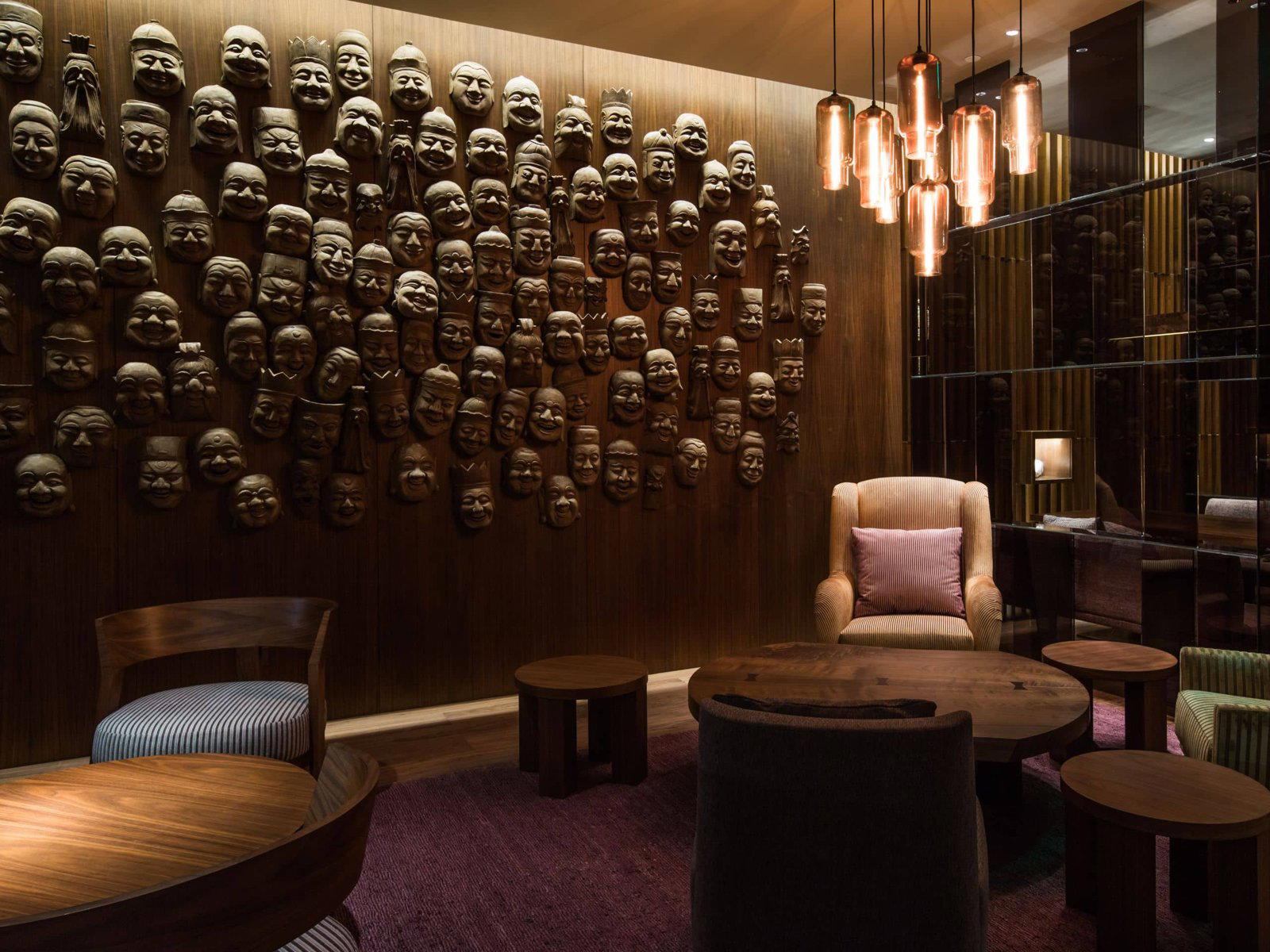
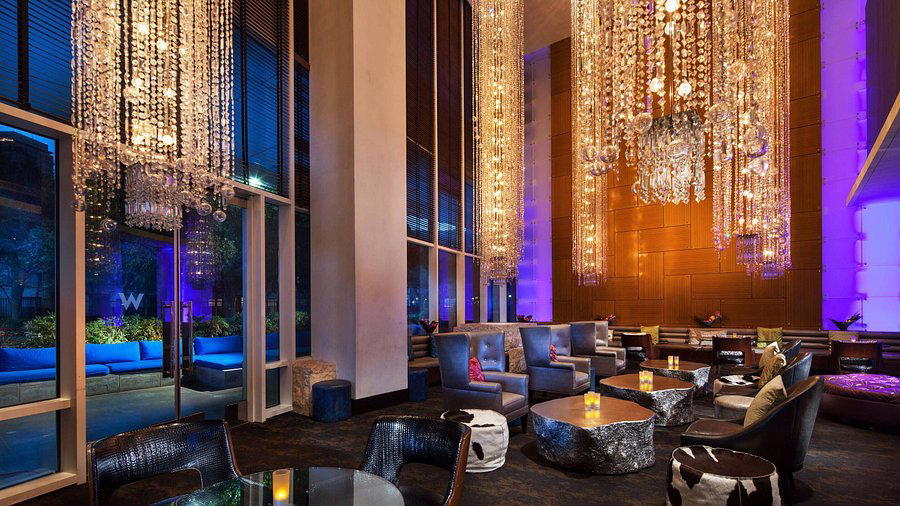
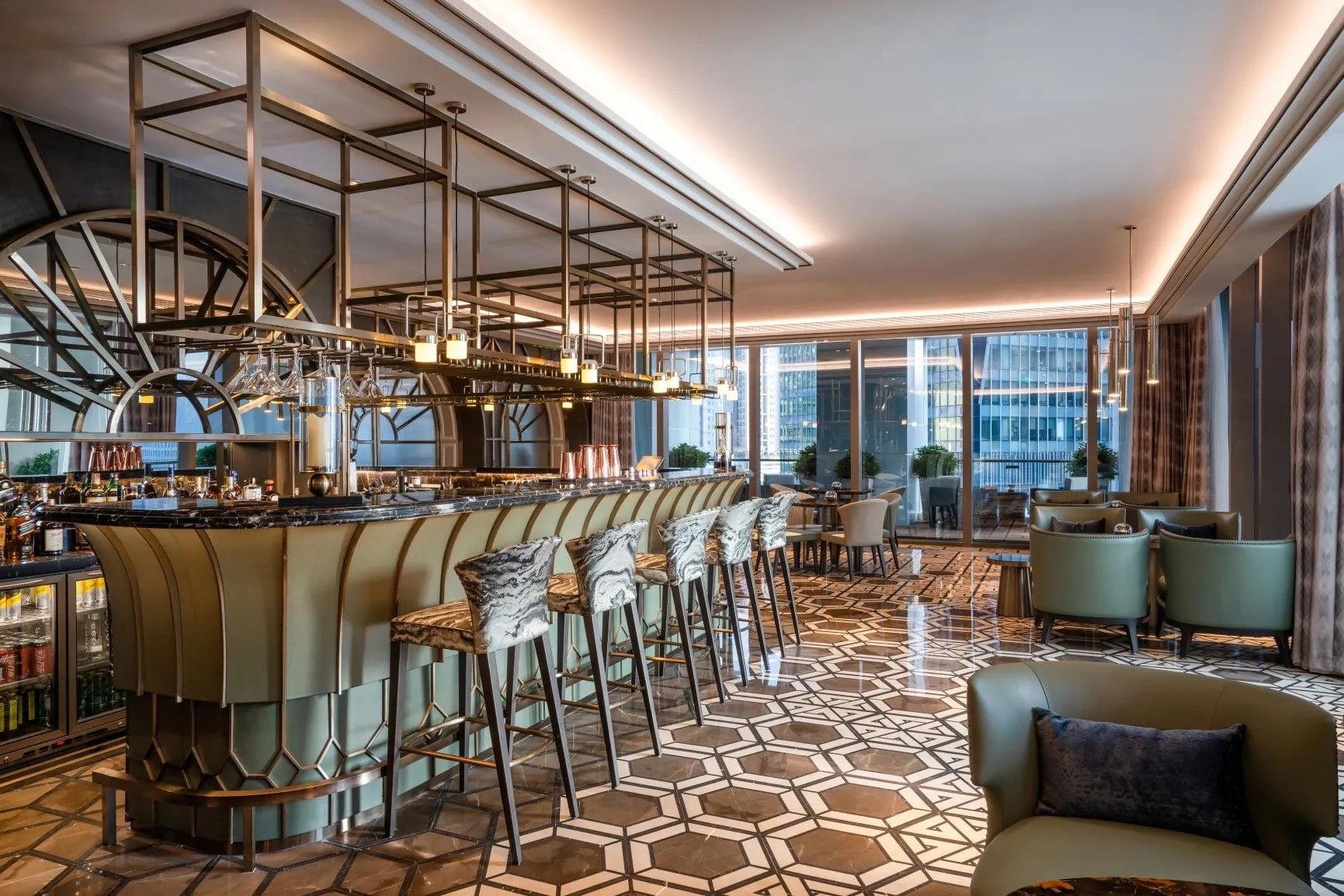
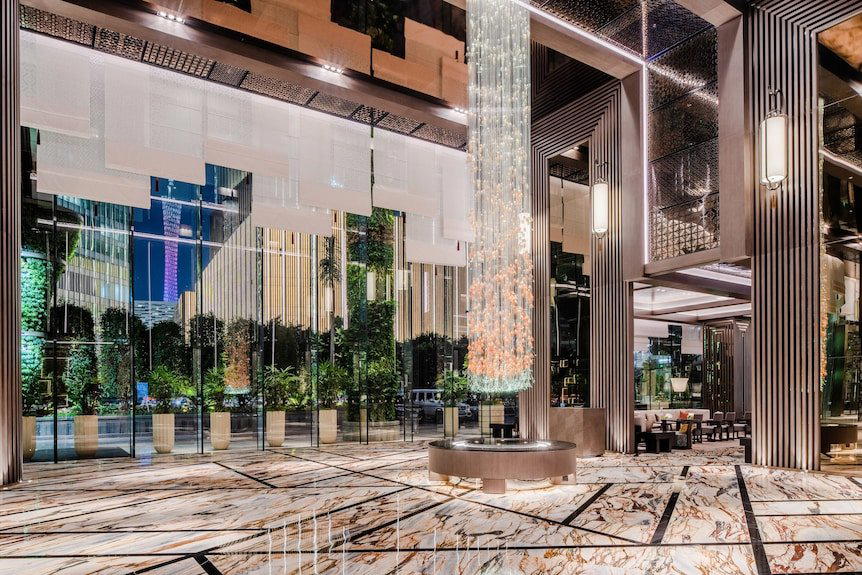
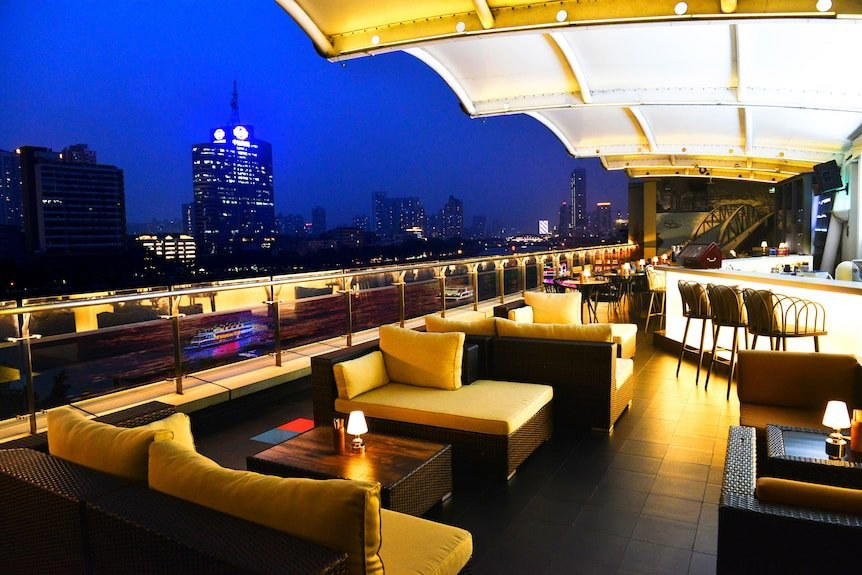
Mellow lacquered woods, hand-brushed calligraphy, and soft porcelain luster create a refined yet casual atmosphere; hushed conversation and seamless pacing despite the crowded late-night setting.