
On Carrer d'Aragó in the Eixample grid, Tandoor represents a strand of Barcelona dining that sits outside the city's Michelin-chased creative Spanish mainstream. The kitchen draws on South Asian tandoor tradition, positioning the restaurant in a comparable set defined less by tasting-menu architecture and more by the specificity of technique and ingredient sourced through a single fired-clay oven. For visitors mapping the city's broader restaurant scene, it offers a counterpoint worth understanding.
Pearl is the En Primeur Club membership app — saves, bookings, and concierge access live there. Same editors, same standards.
- Address
- Carrer d'Aragó, 8, Eixample, 08015 Barcelona, Spain
- Phone
- +34934253206
- Website
- restaurantetandoor.com
- Directions
- Get directions
 Saves & bookings on Pearl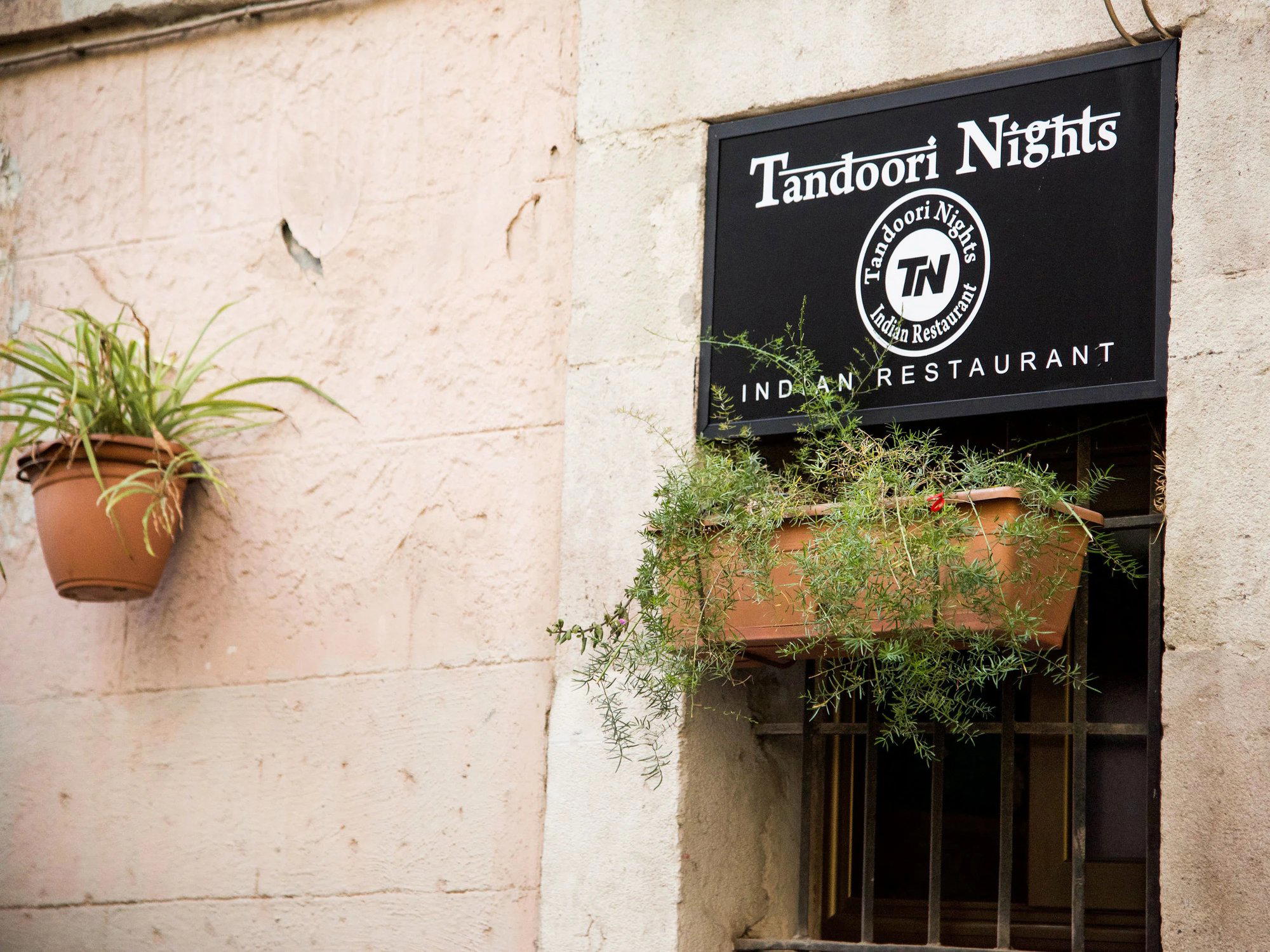
Where the Eixample Grid Meets Fired-Clay Tradition
Barcelona's Eixample district runs on a logic of right angles and predictable blocks, which makes the neighbourhood a reliable address for restaurants that want foot traffic and transit access without the tourist density of the Gothic Quarter. Within that grid, Carrer d'Aragó functions as a mid-register dining corridor: wide enough for terraces, residential enough that the clientele skews local rather than tour-group. It is the kind of street where a kitchen built around a single dominant cooking technology, a tandoor, a wood-fired hearth, a carbon-steel plancha, can develop a regular following without competing on the same terms as the tasting-menu houses a few kilometres away in Sant Gervasi or Poble Sec.
Tandoor, at number 8, plants itself squarely in that logic. The name is both identity and menu architecture in miniature: the tandoor oven, a cylindrical clay vessel fired to temperatures that can exceed 480°C, imposes a particular discipline on a kitchen. You cannot approximate those results with a conventional oven or a grill. The char on a naan, the texture of a properly cooked seekh kebab, the way marinaded proteins cook simultaneously from radiant heat above and conducted heat through the clay walls, these are not effects you can fake, and restaurants built around them tend to attract an audience that can tell the difference.
Menu Architecture and What It Signals
In Barcelona's restaurant scene, which has spent the past two decades building international recognition around avant-garde technique, the tandoor-centred kitchen represents a structurally different argument about what a restaurant can be. Where the city's celebrated creative houses build menus as sequential editorial statements, a tandoor kitchen typically structures its offer around the oven's capabilities and the logic of sharing: breads, proteins, and vegetarian dishes that land together and reward non-linear eating.
That architecture tells you something about pacing. A tandoor-centred meal does not have a first act and a third act in the same way a tasting menu does. Dishes arrive according to oven timing rather than narrative progression. The bread is not an amuse-bouche; it is a vehicle and a course simultaneously. The menu, by necessity, is built around what the clay and heat can deliver, which means fat content in the marinade, resting time after the oven, and the balance between char and moisture become the central technical variables. This is a kind of constraint-led cooking that, at its most disciplined, produces results that no amount of modernist technique can substitute.
South Asian tandoor cuisine in Europe has historically occupied an uneven quality tier. The London subcontinental dining scene spent decades correcting a perception that Indian food was a cheap-and-cheerful category rather than a technically demanding one, a shift driven partly by restaurants willing to import specific clay for their ovens, source regional spices with the same rigour as a French kitchen sources its butter, and price accordingly. Barcelona has followed a slower trajectory in that correction, which means the floor and ceiling of what you will find in the city's South Asian dining vary considerably. Tandoor on Carrer d'Aragó occupies the Eixample address that signals a more considered positioning.
Barcelona in a Wider Spanish Context
Spain's fine dining infrastructure radiates outward from a handful of anchoring addresses: El Celler de Can Roca in Girona, Arzak in San Sebastián, Azurmendi in Larrabetzu, Mugaritz in Errenteria, DiverXO in Madrid, Martin Berasategui in Lasarte-Oria, Quique Dacosta in Dénia, Aponiente in El Puerto de Santa María, Ricard Camarena in València, and Atrio in Cáceres. Barcelona's contribution to that map is substantial, but its identity within Spanish gastronomy has always been shaped partly by its cosmopolitan port history: the city absorbed Mediterranean, North African, and South Asian culinary references earlier and more openly than most of inland Spain.
That context matters when reading a restaurant like Tandoor on its own terms. It is not an anomaly in a city built on Catalan cuisine; it is part of a longer pattern of non-Iberian kitchens finding serious audiences in a city that has been receiving and integrating outside culinary influence for centuries. Visitors who arrive in Barcelona with a tasting-menu itinerary centred on the creative Spanish houses should not be surprised to find that one technically specific meal of their trip comes from a clay oven rather than a liquid-nitrogen dewar.
Internationally, the tandoor tradition has produced kitchens that now compete on the same tier as any European fine dining format. Le Bernardin in New York City and Atomix in New York City both demonstrate how a kitchen built around a singular technical identity, fish cookery at Le Bernardin, Korean tasting-menu discipline at Atomix, can generate sustained critical recognition when executed with sufficient rigour. The same logic applies to tandoor specialists: the ceiling is set by the kitchen's commitment to the oven, not by the cuisine's category.
Planning Your Visit
Tandoor is located at Carrer d'Aragó, 8, in the Eixample district of Barcelona (08015). The Eixample is well-served by metro lines and is walkable from the Passeig de Gràcia corridor.
Comparison Snapshot
Comparable venues nearby, for context on price, style, and recognition.
| Venue | Cuisine | Price | Notes |
|---|---|---|---|
| TandoorThis venue — the venue you are viewing | Modern Indian | $$ | Not listed |
| Tandoori Nights | Authentic Indian Tandoori | $$ | el Raval |
| Dhaba | Authentic Indian Tandoor | $$ | Sarria |
| Taste of India | Authentic Indian | $$ | la Dreta de l'Eixample |
| Elaichi Indian Restaurant | Traditional Indian | $$ | Sant Antoni |
| Shanti Restaurant | Authentic Indian | $$ | les Tres Torres |
Recognition history
Dated appearances from independent guides and award organizations, with the underlying list record or original source where available.
Macarfi 7 Food Rating
Macarfi
Continue exploring
More in Barcelona
Restaurants in Barcelona
Browse all →
Bars in Barcelona
Browse all →
Hotels in Barcelona
Browse all →
At a Glance
- Modern
- Trendy
- Group Dining
- Family
- Casual Hangout
- Open Kitchen
- Extensive Wine List
Current opening hours
- Monday
- Closed
- Tuesday
- 1:30–4 PM, 8–11:30 PM
- Wednesday
- 1:30–4 PM, 8–11:30 PM
- Thursday
- 1:30–4 PM, 8–11:30 PM
- Friday
- 1:30–4 PM, 8–11:30 PM
- Saturday
- 1:30–4 PM, 8–11:30 PM
- Sunday
- 1:30–4 PM, 8–11:30 PM
Hours can change for holidays and private events. Last verified .
Industrial decor with colorful splashes, trendy and charming atmosphere.