Dhaba sits on Passeig de Manuel Girona in the residential Les Corts district, occupying a quieter register than Barcelona's high-profile creative dining corridor. Check directly for current hours and booking availability.
Pearl is the En Primeur Club membership app — saves, bookings, and concierge access live there. Same editors, same standards.
- Address
- Passeig de Manuel Girona, 50, Les Corts, 08034 Barcelona, Spain
- Phone
- +34622163232
- Website
- restaurantedhaba.com
- Directions
- Get directions
 Saves & bookings on Pearl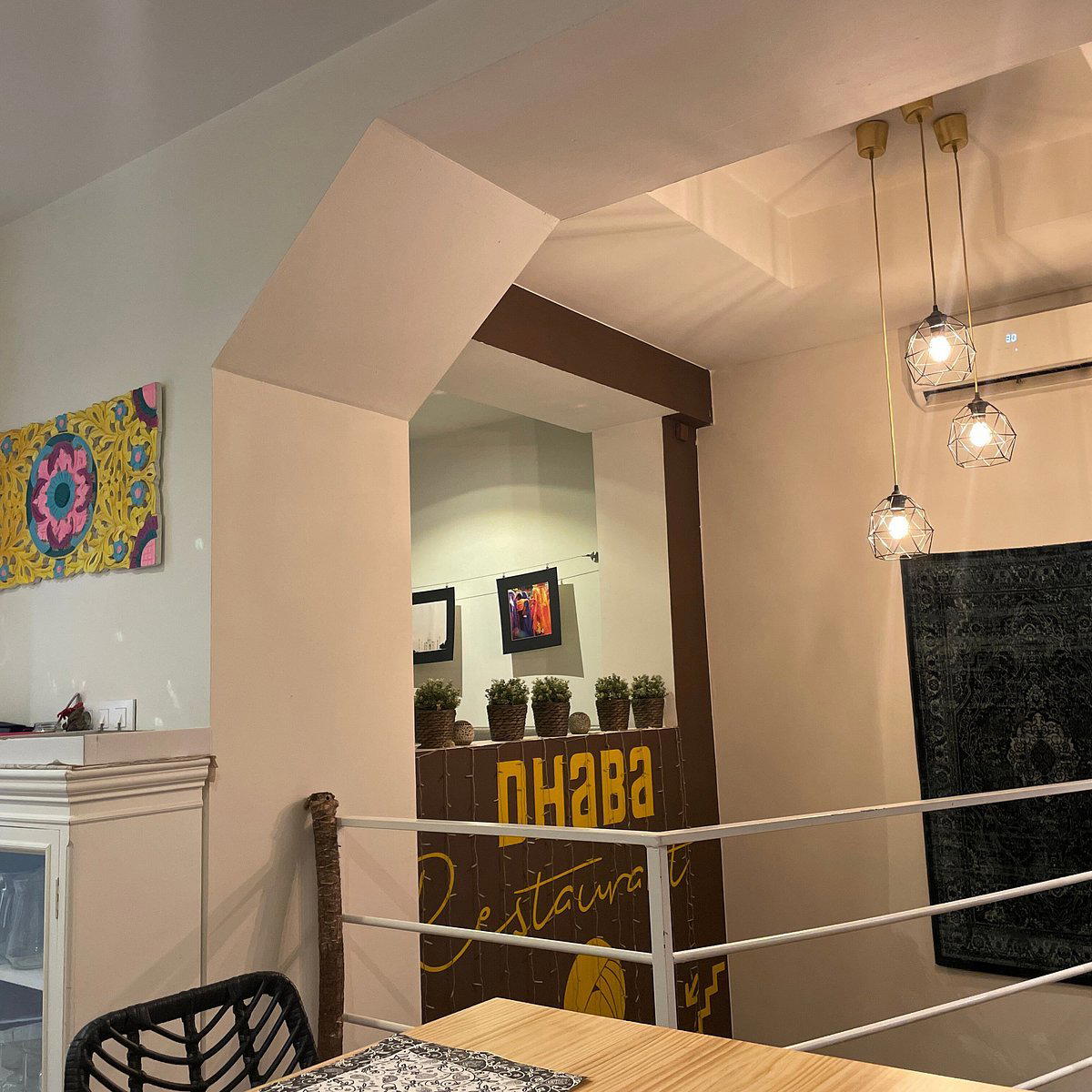
Les Corts and the Neighbourhood Dining Divide
Barcelona's fine-dining conversation tends to collapse around a handful of addresses: the Eixample workshops of Cocina Hermanos Torres, the technically dense tasting rooms of Disfrutar, the long-standing authority of Lasarte, and the conceptual theatre of Enigma. That concentration of critical attention around the city's central belt leaves quieter residential zones, Les Corts among them, functioning at a lower temperature, receiving far less editorial scrutiny despite housing restaurants that anchor daily neighbourhood life in ways the destination addresses do not.
Dhaba occupies Passeig de Manuel Girona, a broad, tree-lined avenue in Les Corts that runs parallel to the busier arteries connecting the university district to the Camp Nou end of the city. The area is largely residential and professional in character, without the foot traffic that sustains Eixample or Gràcia dining strips. Restaurants that work here do so on repeat custom, local word of mouth, and consistency across lunch and dinner service rather than destination traffic or critical approval cycles. It is a different operating logic from the tasting-menu tier, and one worth understanding on its own terms.
What the Location Signals About the Format
Across European cities, addresses in residential boulevards of this type tend to correspond to one of two dining formats: the brasserie-adjacent neighbourhood anchor that runs long lunch services for professionals and nearby residents, or the smaller, more focused room that draws a loyal postcode clientele precisely because it lacks visibility to passing trade. The distinction matters because it shapes everything from how a kitchen is staffed to how a dining room is paced.
Passeig de Manuel Girona's character leans toward the former model. The street is wide enough to support terrace dining when weather allows, a significant commercial factor in Barcelona, where outdoor covers extend the effective dining calendar well beyond what a northern European latitude would permit. Restaurants positioned on this kind of avenue typically run afternoon services that stretch from lunch through the early evening, a pattern that reflects local eating rhythms rather than tourist timetables.
Team Structure in Neighbourhood Dining
The editorial angle that matters most for a restaurant operating at this address is not awards or chef biography but team coherence: the relationship between whoever runs the kitchen, whoever manages the floor, and whoever makes decisions about the wine or drinks offering. In neighbourhood restaurants without the structural support of a large group or a media profile, that triangular relationship between kitchen, front-of-house, and beverage becomes the primary quality signal. When it functions well, regulars notice through consistency, dishes that taste the same on a Tuesday as they do on a Friday, a floor team that remembers preferences across visits, a wine list that rotates in response to what the kitchen is doing rather than sitting static for a full season.
The neighbourhood restaurants that hold across five or ten years in Barcelona tend to have that internal coherence more than they have any single standout dish or named personality. The city's higher-profile addresses, ABaC in Sarrià or El Celler de Can Roca in nearby Girona, operate with defined hierarchies and named roles. Neighbourhood rooms that survive without those structures typically do so through a different kind of stability: smaller teams, flatter internal organisation, and a dining room where the same two or three people carry the full experience.
Spain's regional dining network makes this point repeatedly. The restaurants outside the destination circuit, from Ricard Camarena in València to smaller operations between the major cities, often demonstrate that sustained quality in a non-destination context depends more on team continuity than on any single creative signature. The Spanish kitchen tradition values that kind of institutional knowledge: a senior cook who has been at the same pass for eight years carries information about suppliers, seasonal timing, and dish memory that no tasting menu format can replace.
Barcelona's Neighbourhood Tier in Context
Within Barcelona, the gap between the Michelin-tracked creative tier and the neighbourhood dining tier is wider than in some comparable European cities. Madrid's neighbourhood dining scene, anchored by DiverXO at one extreme and dozens of unrecognised rooms at the other, has a more developed mid-tier than Barcelona's, partly because Madrid's residential spread is less concentrated and partly because critical attention in Barcelona has historically clustered around the creative-cuisine signal rather than tracking neighbourhood consistency.
That gap creates both an opportunity and a navigation problem. For readers already familiar with the top tier, the Michelin-starred rooms, the forty-eight-hour booking windows, the tasting-menu formats, the neighbourhood tier in Barcelona can feel opaque precisely because it is under-documented. There is no reliable equivalent of the award signal to shortcut the assessment. What replaces it is local knowledge: how long the restaurant has been at the same address, how the lunch trade skews (workers and residents signal one thing; tourists signal another), and whether the room appears on local-language recommendation lists rather than only English-language travel content.
Spain's wider creative circuit, from Quique Dacosta in Dénia to Mugaritz in Errenteria, Arzak in San Sebastián, Azurmendi in Larrabetzu, Martin Berasategui in Lasarte-Oria, Aponiente in El Puerto de Santa María, and Atrio in Cáceres, provides the comparative frame within which any Barcelona neighbourhood address is assessed by well-travelled readers.
Planning a Visit
| Factor | Dhaba | Cocina Hermanos Torres | Disfrutar | Lasarte |
|---|---|---|---|---|
| Location | Les Corts (residential) | Les Corts (destination) | Eixample | Eixample |
| Price tier | €€ | €€€€ | €€€€ | €€€€ |
| Awards | None recorded | Michelin-starred | Michelin-starred | Michelin-starred |
| Booking lead time | Verify directly | Weeks in advance | Months in advance | Weeks in advance |
| Format | Verify directly | Tasting menu | Tasting menu | Tasting menu / à la carte |
The address is Passeig de Manuel Girona, 50, Les Corts, 08034 Barcelona. For context on how neighbourhood restaurants in Spain's broader creative dining network operate, Lazy Bear in San Francisco and Le Bernardin in New York City represent how different formats, collaborative prix-fixe and long-established fine dining, each solve the team-coherence problem at opposite ends of the formality spectrum.
Cost and Credentials
Comparable venues nearby, for context on price, style, and recognition.
| Venue | Cuisine | Price | Notes |
|---|---|---|---|
| DhabaThis venue — the venue you are viewing | Sarria, Authentic Indian Tandoor | $$ | Not listed |
| Rasoi BCN | Not listed | $$ | l'Antiga Esquerra de l'Eixample, Authentic Indian |
| CASA MASALA | Not listed | $$ | l'Antiga Esquerra de l'Eixample, Modern Indian Curry Bar |
| Tandoori Nights | el Raval, Authentic Indian Tandoori | $$ | Not listed |
| Mog Barcelona | Not listed | $$$ | l'Antiga Esquerra de l'Eixample, Modern Goan Fusion |
| La Terraza de Anna | Not listed | $$ | la Dreta de l'Eixample, Mediterranean Tapas with Asian Fusion |
Continue exploring
More in Barcelona
Restaurants in Barcelona
Browse all →
Bars in Barcelona
Browse all →
Hotels in Barcelona
Browse all →

At a Glance
- Cozy
- Family
- Casual Hangout
- Open Kitchen
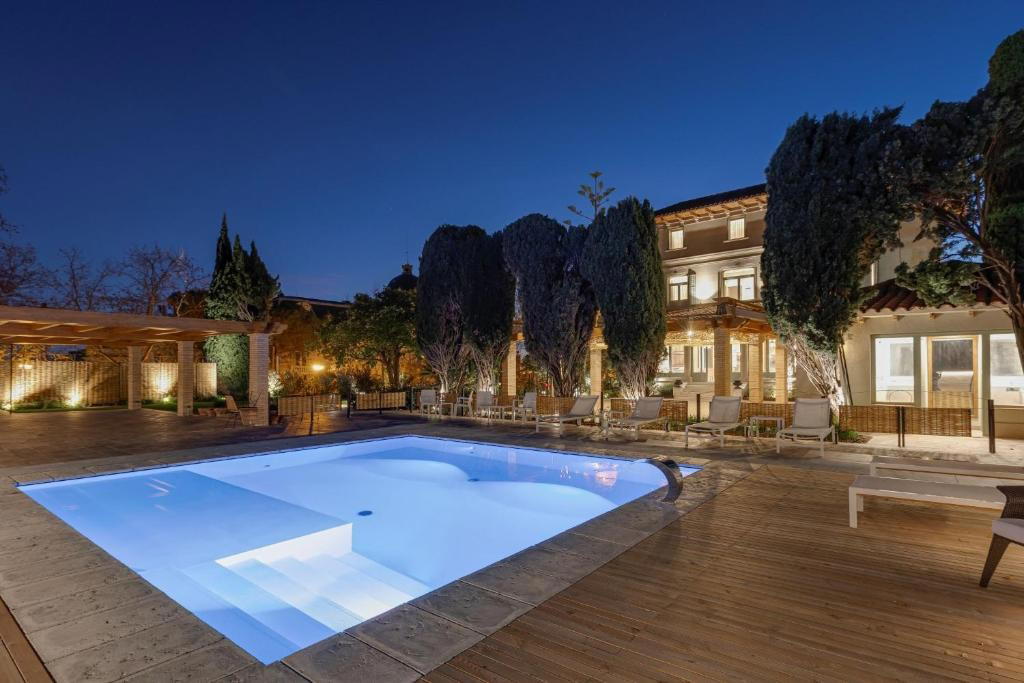
Quiet and friendly atmosphere with a sophisticated, polished setting suitable for families and business diners.