
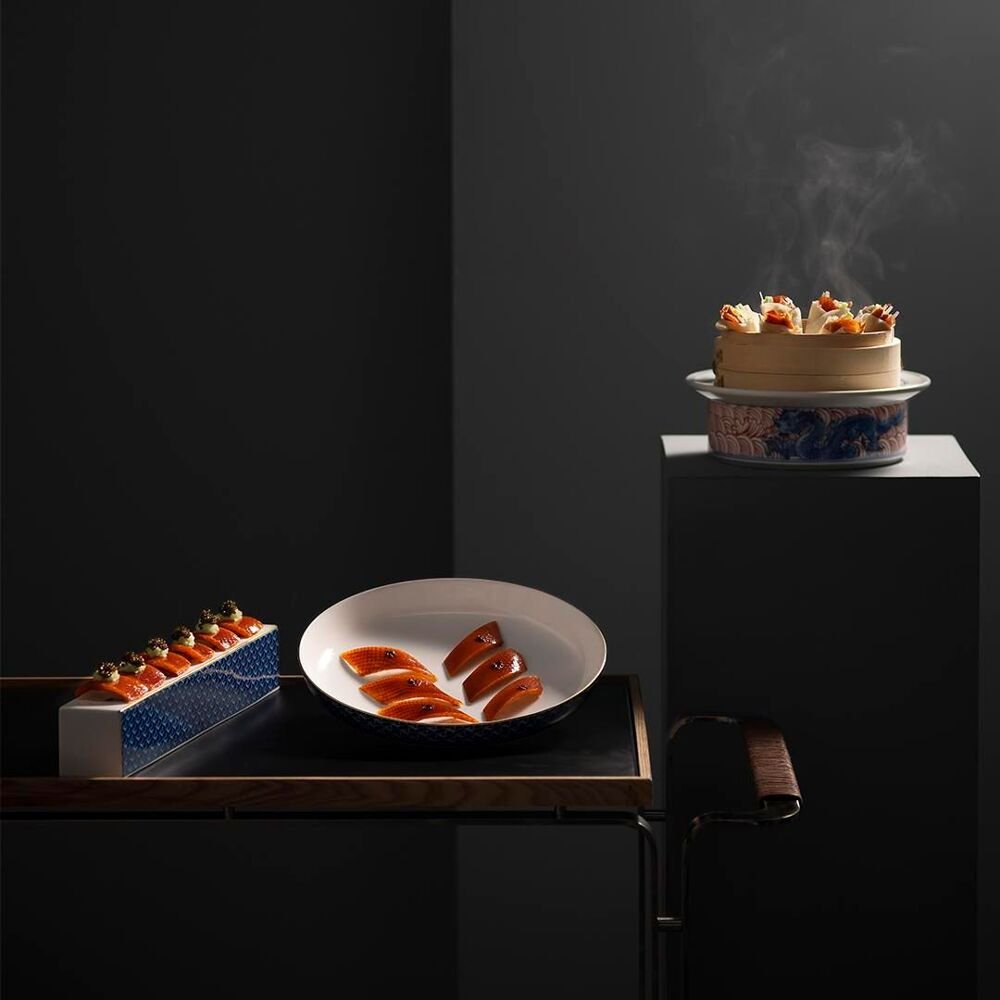
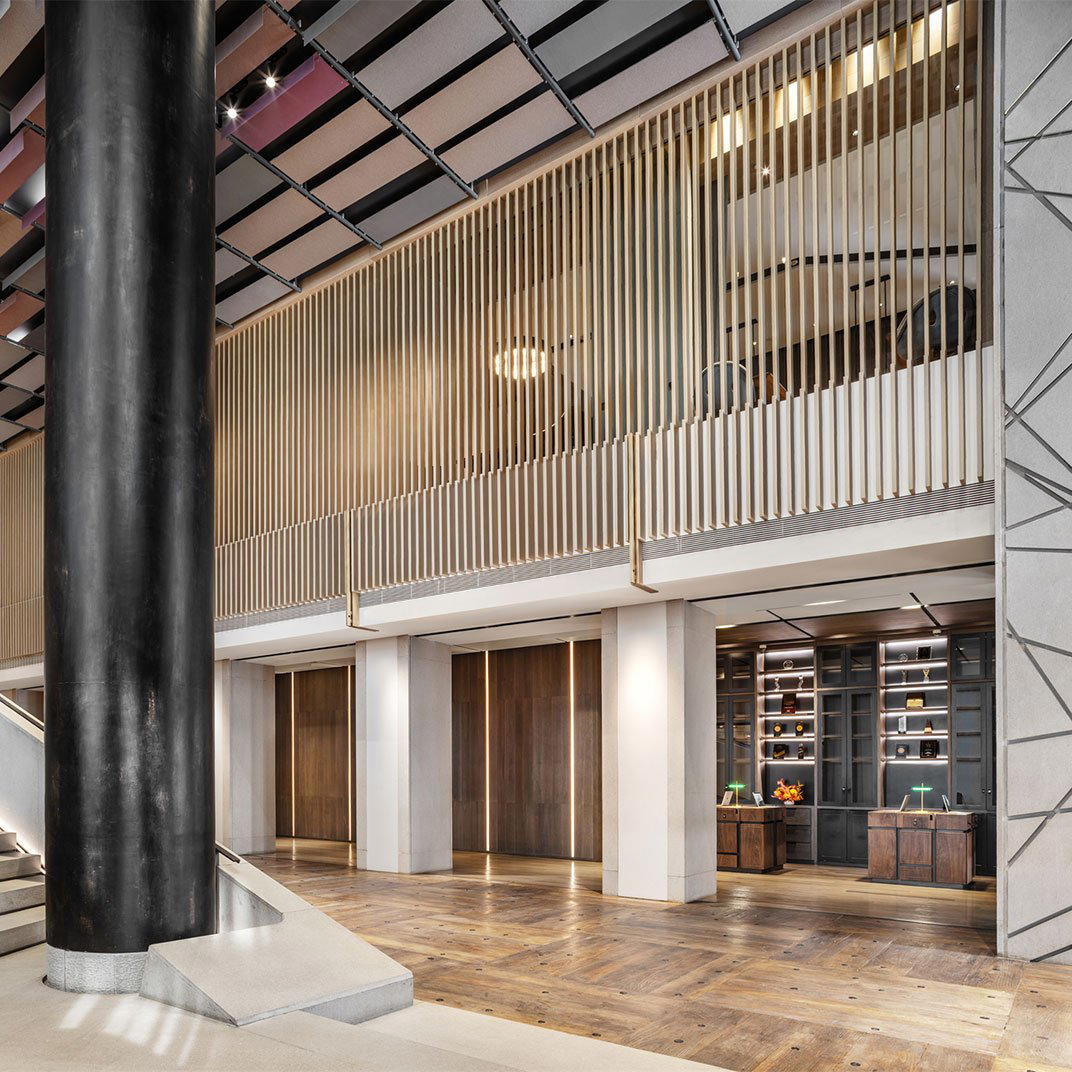
Set inside a converted warehouse at Langyuan Station's creative park in Chaoyang, Tan brings Sichuanese cooking to Beijing with both classical and contemporary range. A sibling of The Bridge in Chengdu, the double-height room and its minimalist cubic interiors signal the kitchen's intent: serious regional food in a space that treats presentation as part of the proposition. The mapo tofu with beef bone marrow is the dish most visitors single out.
Pearl is the En Primeur Club membership app — saves, bookings, and concierge access live there. Same editors, same standards.
- Address
- Building E1, Langyuan Station, 53 Banjieta Road, Chaoyang
- Phone
- +86 157 0103 7418
- Directions
- Get directions
 Saves & bookings on Pearl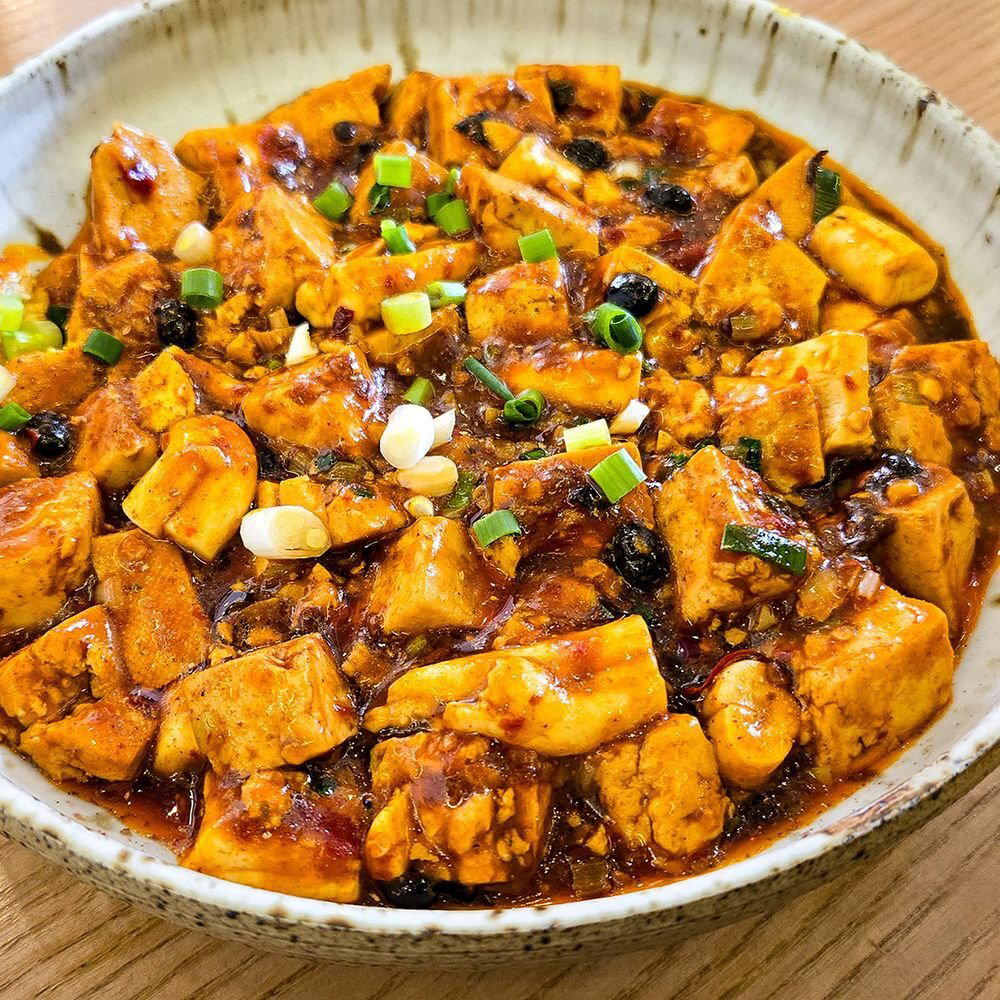
A Warehouse, a Cultural Park, and a Sichuan Kitchen
Beijing's dining scene has long housed transplants from other provinces, but the settings vary wildly. At one end sit the hotel dining rooms; at the other, the neighbourhood canteens. Somewhere in the middle, an increasingly interesting tier has taken root inside repurposed industrial and arts spaces, where the architecture does some of the work that a conventional restaurant fit-out cannot. Tan is a restaurant in Beijing's Chaoyang district, serving Tan Family Cuisine at about USD 100 per person.
Langyuan Station, the Chaoyang creative park at 53 Banjieta Road, is the kind of place that accumulates galleries, studios, and concept restaurants. Building E1, where Tan sits, gives the restaurant a physical context that is as much curatorial as it is commercial. The approach itself tells you something about who is eating here and what they expect from the room before the food arrives.
What the Room Does Before the Menu Arrives
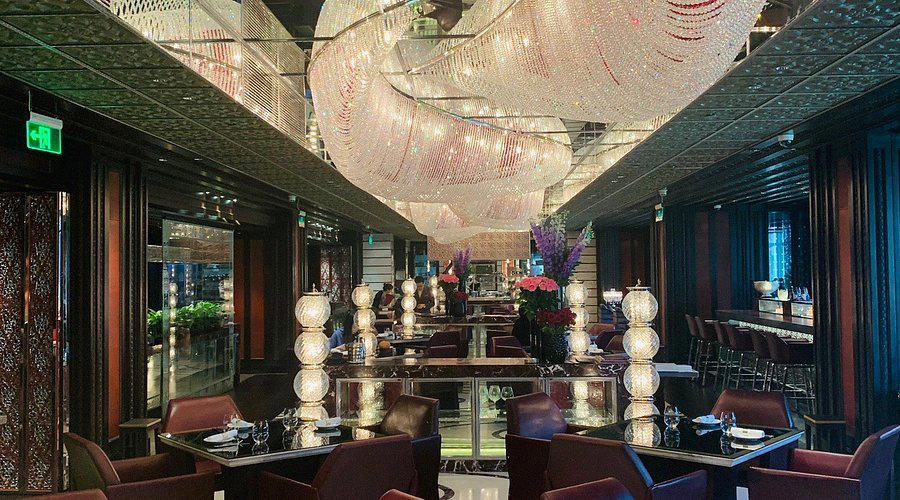
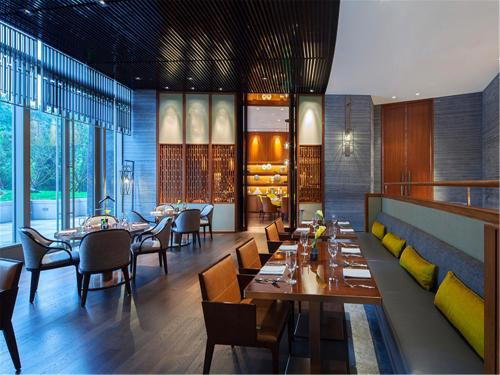
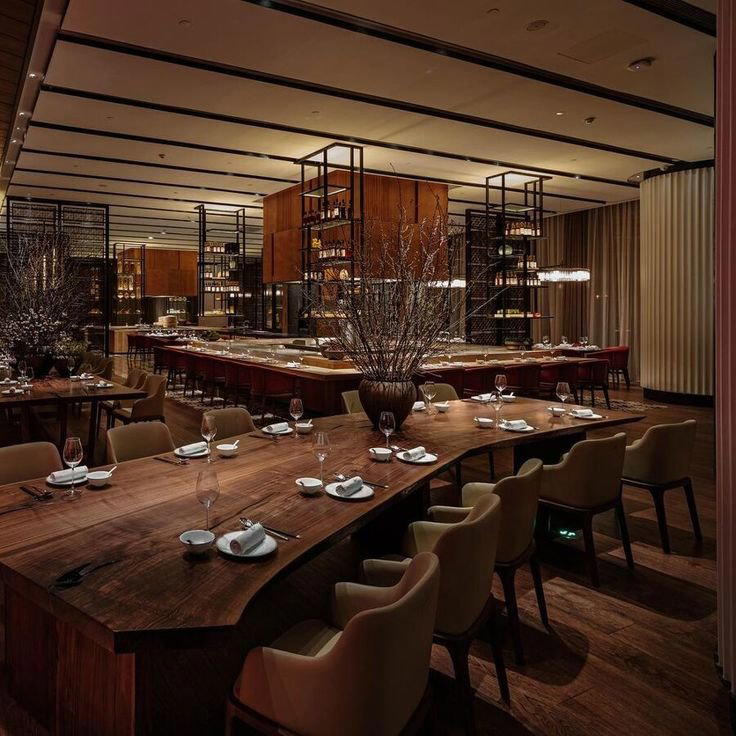
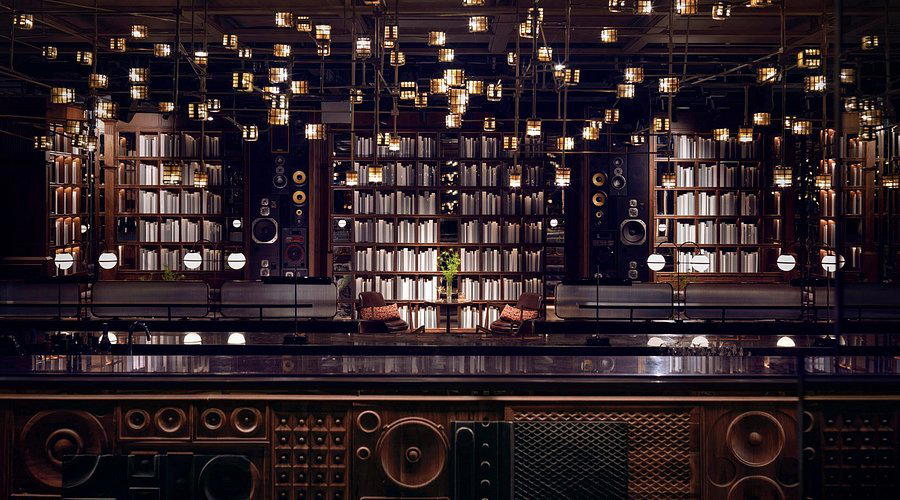
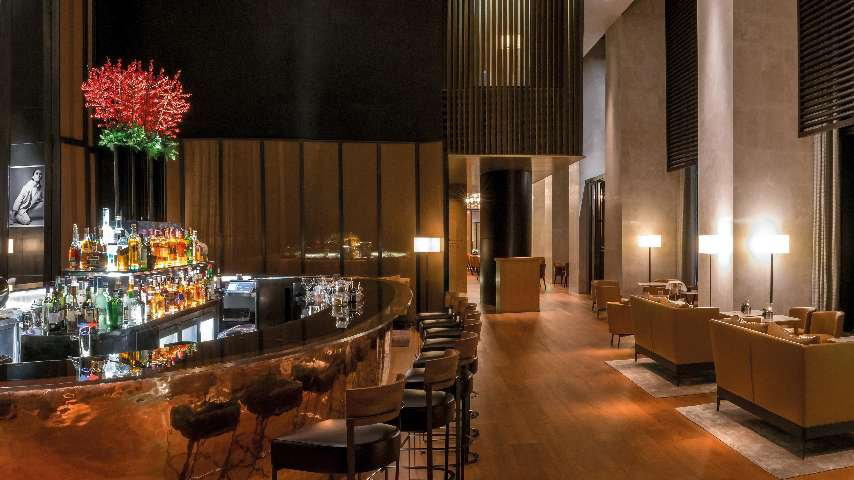
The interior decision to use cubic furniture against a high ceiling is a deliberate choice, not a decorative accident. Two-level dining spaces in warehouse conversions can easily fragment into dead zones, but the restrained geometry here organises the sightlines rather than competing with them. Natural light, which floods the bright and airy room, is the primary atmosphere-setter, shifting the mood across a lunch service in ways that a designed lighting rig never quite replicates. The minimalism is the point: strip back the surface clutter and the food, when it arrives, occupies the full foreground of your attention.
As a sibling venue to Xin Rong Ji in Chengdu, Tan presents regional Chinese cooking with clear attention to both the plate and the room. That Chengdu connection is not incidental, it explains the kitchen's orientation and its confidence with Sichuanese flavour profiles that, in less careful hands, can tip into one-note heat.
The Sichuanese Kitchen in a Northern City
Sichuan food in Beijing occupies a specific position in the city's restaurant ecology. It is everywhere in diluted form, present in the kind of all-purpose spice-forward menus that borrow the vocabulary without the grammar. The restaurants that take it seriously operate at a different register, where the distinction between málà (numbing and hot) and the broader aromatic complexity of Sichuanese cooking is preserved and built upon rather than flattened into a single dimension of heat.
Tan's kitchen works from both classical and innovative positions within that tradition, which matters because the two are not always held together convincingly. The classic recipes provide the benchmark; the innovative ones demonstrate range. The mapo tofu with beef bone marrow is the dish that illustrates the relationship between the two. Mapo tofu is one of Sichuanese cooking's most replicated dishes globally, and its quality in any given kitchen is a reliable diagnostic of how seriously the team takes the fundamentals. Here, the bone marrow enriches the sauce rather than overwhelming the silken tofu, and the bold, zesty sauce retains the Sichuanese character that lesser versions sacrifice in favour of novelty.
For comparable depth in regional Chinese cooking elsewhere in Beijing, Chao Shang Chao in Chaoyang takes Chao Zhou cuisine to a similar price point, while Xin Rong Ji on Xinyuan South Road does the same for Taizhou. Tan's positioning, in a creative park rather than a hotel or business district, gives it a distinct social register from both.
Those interested in how regional Chinese cooking sits alongside vegetable-forward programs in the city can look at Lamdre and King's Joy, two vegetarian restaurants at the ¥¥¥¥ tier that approach the question of Chinese culinary identity from a different angle. For Beijing-specific cuisine, Jingji offers a reference point in the local tradition rather than the Sichuanese one.
Where Tan Sits in a Broader Picture
Across mainland China, the category of regionally focused restaurants operating in design-led settings has grown significantly over the past decade. In Shanghai, spaces like 102 House signal a similar impulse: serious cooking in a room where the architecture is part of the proposition. In Hangzhou, Ru Yuan takes a comparable approach to the question of context and cuisine. The thread running through these venues is a refusal to treat the dining room as neutral ground, and Tan, with its warehouse-converted bones and Sichuanese culinary identity, belongs clearly in that cohort.
Further afield, the conversation about regional precision and technical ambition in Chinese fine dining has expanded well beyond the mainland. Chef Tam's Seasons in Macau and Imperial Treasure Fine Chinese Cuisine in Guangzhou represent adjacent points on that map, as does Dai Yuet Heen in Nanjing. Each operates in a different culinary register, but all share the premise that regional Chinese cooking, presented with care for both room and recipe, can hold its own against any international benchmark.
Planning a Visit
Langyuan Station is a working creative park, which means foot traffic shifts considerably across the week. Weekday lunches tend to draw the neighbourhood's studio and gallery crowd; weekend evenings attract a broader dining public. The Chaoyang location is well connected by subway. Booking ahead is advisable, particularly for weekend evenings.
Peers You’d Cross-Shop
Comparable venues nearby, for context on price, style, and recognition.
| Venue | Cuisine | Price | Notes |
|---|---|---|---|
| TanThis venue — the venue you are viewing | Tan Family Cuisine | $$$ | Not listed |
| Tong He Ju (Yuetan South Street) | Traditional Shandong Fushan Cuisine | $$$ | Yuetan |
| Meng Du Hui | New Huizhou Cuisine | $$$ | Chaowai |
| Café Zi | Contemporary Cantonese | $$$ | Dashanzi |
| Jing Hua Lou | Refined Qing Dynasty Beijing Cuisine | $$$ | Sanlitun |
| Chu Shan Si Ji | Authentic Hubei Cuisine | $$$$ | Chuiyangliu |
Recognition history
Dated appearances from independent guides and award organizations, with the underlying list record or original source where available.
Michelin Bib Gourmand
Michelin
At a Glance
- Classic
- Elegant
- Business Dinner
- Special Occasion
- Historic Building
Traditional hutong setting with quiet, refined atmosphere emphasizing heritage cooking.