
Tabelog 100 #63
Our verdict
Tamaiya Restaurant brings Ogawa’s everyday dining culture into focus: a cafeteria-format room tied to local sake production rather than metropolitan tasting-menu theatre. Its selection for Tabelog 100 - Diner - 2026 gives the place national context, while the draw remains grounded in Saitama’s small-town lunch tradition, nihonshu, and unfussy regional cooking.

Pearl is the En Primeur Club membership app, where members save venues, book tables and use the concierge.
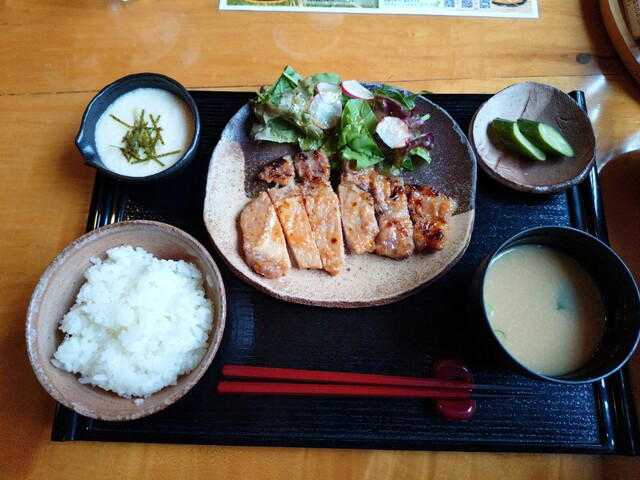
The menu
What to order
- Hana Gozen set
- Tsuki Gozen set
- Yuki Gozen set
- Seiun sake lees miso soup
- Sake lees blancmange dessert
Approaching Hiki-gun, the mood shifts away from the high-velocity restaurant grammar of central Tokyo. The cues are quieter here: low buildings, local errands, lunch-hour regulars, and a dining room designed around everyday use rather than spectacle. Tamaiya Restaurant belongs to that register. Its importance is not in luxury signaling, but in how a modest cafeteria format can carry a local identity with more conviction than many polished city counters.
Hiki-gun is the kind of place where food culture is shaped by regional habit rather than by capital-city display. The area’s better casual restaurants tend to reward diners who pay attention to everyday rhythm: simple meals, regular customers, accessible pricing, and the habits of local lunch rather than dinner-driven destination dining. In that context, the restaurant’s 2026 Tabelog Hyakumeiten recognition matters because the category often captures a kind of Japanese dining that is easy to overlook: places where repetition, consistency, and local utility count as much as technical display.
Hiki-gun's lunch culture, without Tokyo theatrics
The core editorial point here is restraint. Tamaiya Restaurant is listed as a cafeteria, and that framing is useful: it places the meal inside a practical Japanese tradition where the room is meant to serve regular use rather than stage a performance. The result is not a chef-led auteur restaurant; it is a grounded expression of place, where the dining format remains accessible and the experience reads as part of ordinary life.
That distinction is worth making because rural and suburban Japan can be misread by visitors hunting only for omakase counters or Michelin-style tasting menus. A cafeteria in Hiki-gun operates by different rules. It is judged less by rarity and more by whether it gives a convincing read on the area: what people choose for a straightforward meal, how relaxed the room feels, and whether the price tier leaves the experience in the realm of normal life. The Tabelog score of 3.59 and 2026 recognition give the address a public trust signal, but the category itself is the clue. This is a cafeteria decision, not a formal dining decision.
The listing also changes the way to think about value. In many Japanese casual rooms, the strongest appeal is not a single headline dish but the combination of price, setting, and repeatability. Tamaiya Restaurant’s listed spend sits in the JPY 1,000 - JPY 1,999 range, with lunch also shown at JPY 1,000 - JPY 1,999. For travelers mapping food to local life, that makes the restaurant a more revealing stop than a generic high-end detour.
How it fits the Hiki-gun casual dining circuit
Hiki-gun’s stronger food addresses are not competing on the same terms as Tokyo dining rooms. The appeal is often narrower and more place-specific: a sweets counter, a lunch canteen, a local producer’s room, or another casual dining room built around regular use. Within that circuit, Tamaiya Restaurant shares an accessible dining register with Asobi, while other Hiki-gun dining rooms point to the broader casual side of the area’s food culture. The useful comparison is not which room is grander; it is which local habit a traveler wants to understand.
For a day built around Hiki-gun rather than a single meal, the restaurant works as a food anchor for a slower itinerary. It suits diners interested in regional Japanese eating that has not been reformatted for inbound tourism. The appeal is practical rather than ceremonial, which explains why it can function for a straightforward meal without drifting into destination-restaurant formality. It is best approached as a casual cafeteria with recognized local standing.
Planning should stay disciplined. The publicly provided budget points most clearly to lunch, while dinner is not listed with a set budget. The category, price band, and Tabelog score make it a useful candidate for travelers who want a low-pressure meal rather than a luxury appointment. Those details matter in Hiki-gun, where a good meal can be simple in spirit but still benefits from realistic expectations.
Who should put this on a Hiki-gun itinerary
The strongest case for Tamaiya Restaurant is for travelers who value regional context over performance. Japan’s casual dining canon is full of rooms where value, locality, and consistency carry the experience; this address sits in that tradition with the added signal of 2026 Tabelog Hyakumeiten recognition. It is a better fit for a lunch built around Hiki-gun’s everyday food culture than for a celebratory dinner planned around ceremony.
Readers building a broader local plan can start with Our full Hiki-gun restaurants guide, then widen the trip through Our full Hiki-gun hotels guide, Our full Hiki-gun bars guide, Our full Hiki-gun wineries guide, and Our full Hiki-gun experiences guide. For contrast across Japan’s casual and specialist dining range, compare the decision with other dining rooms generically rather than treating every meal as part of the same luxury script. The comparison clarifies the point: Hiki-gun is not trying to imitate a capital-city dining script. Its strength is the local meal that explains why the area is worth slowing down for.
Frequently asked questions
Does Tamaiya Restaurant work for a family meal?
Yes, if the group wants a casual lunch setting in Hiki-gun. The venue is listed as a cafeteria, with lunch priced at JPY 1,000 - JPY 1,999.
Is Tamaiya Restaurant formal or casual?
It reads as casual rather than formal. The venue is listed as a cafeteria in Hiki-gun.
Is Tamaiya Restaurant more mid-range or high-end?
Pricing at Tamaiya Restaurant is listed as JPY 1,000 - JPY 1,999 View spending breakdown.
When can I go to Tamaiya Restaurant?
The provided budget information points most clearly to lunch, listed at JPY 1,000 - JPY 1,999; dinner is not listed with a budget.
Where exactly is Tamaiya Restaurant?
Hiki-gun.
What is Tamaiya Restaurant known for?
Its clearest credential is 2026 Tabelog Hyakumeiten recognition, alongside a listed Tabelog score of 3.59 and cafeteria category.
Comparable Spots, Quickly
Comparable venues by cuisine and price in the same metro.
| Venue | Cuisine | Price | Awards | Notes |
|---|---|---|---|---|
| Tamaiya RestaurantThis venue (the venue you are viewing) | Seasonal Japanese set menus with local sake | $10–20 | Tabelog 100 #63 | Not listed |
| Chuka Soba Yotsuba | Classic Japanese ramen & sushi | $10–20 | Tabelog 100 #39 | Kawajima-cho |
| Hon Teuchi Udon Shoji | Traditional Musashino Udon | $10–20 | Tabelog 100 #8 | Kawajima-machi |
| Asobi | Udon and soba noodle shop | $10–20 | Tabelog 100 #6 | Ogawa Town, Hiki District |
| Nagano Meijitei | Nagano Sauce Katsudon | $10–20 | Not listed | Nagano Station |
| tonkatsu.jp表参道 | Premium Tonkatsu Specialist | $20–30 | Tabelog 100 #86 | Omotesando |
Recognition history
Dated appearances from independent guides and award organizations, with the underlying list record or original source where available.
Tabelog 100 #63 · No. 63
Tabelog · Tabelog 100 - Diner - 2026
Continue exploring
More in Hiki-gun
Restaurants in Hiki-gun
All restaurants in Hiki-gun →


Bars in Hiki-gun
Browse all →
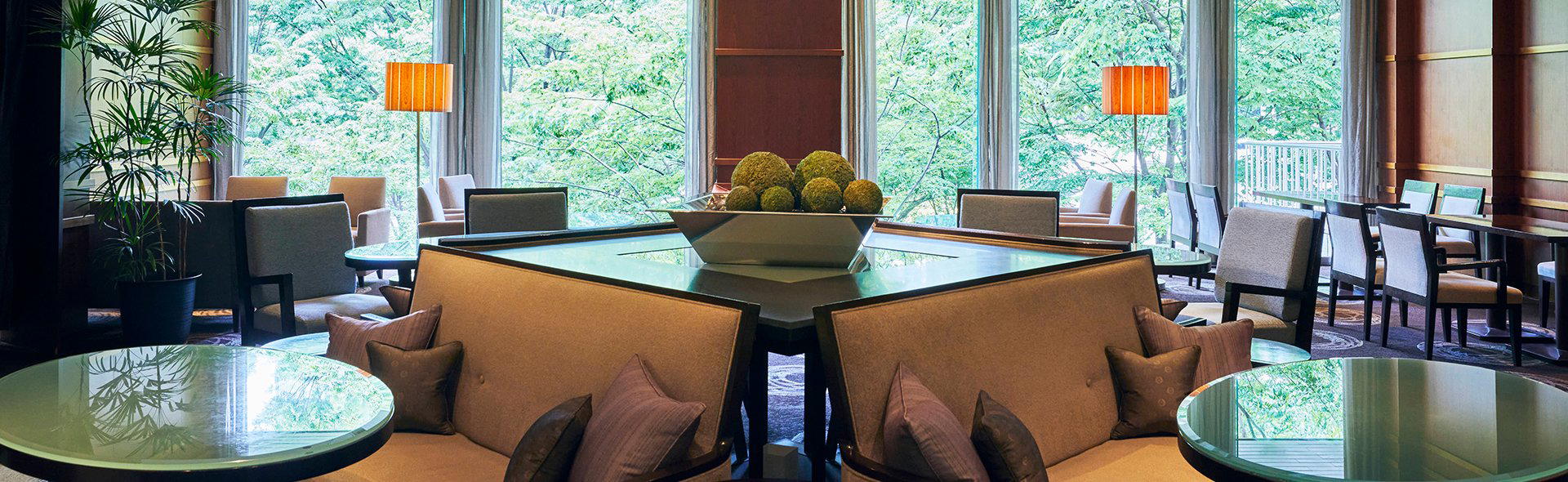
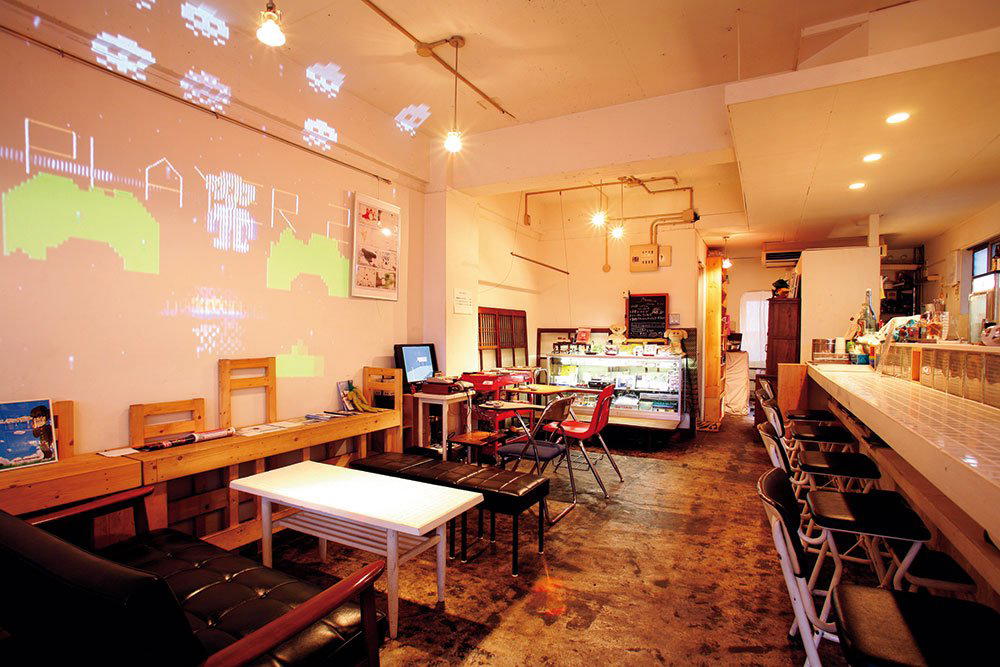
Hotels in Hiki-gun
Browse all →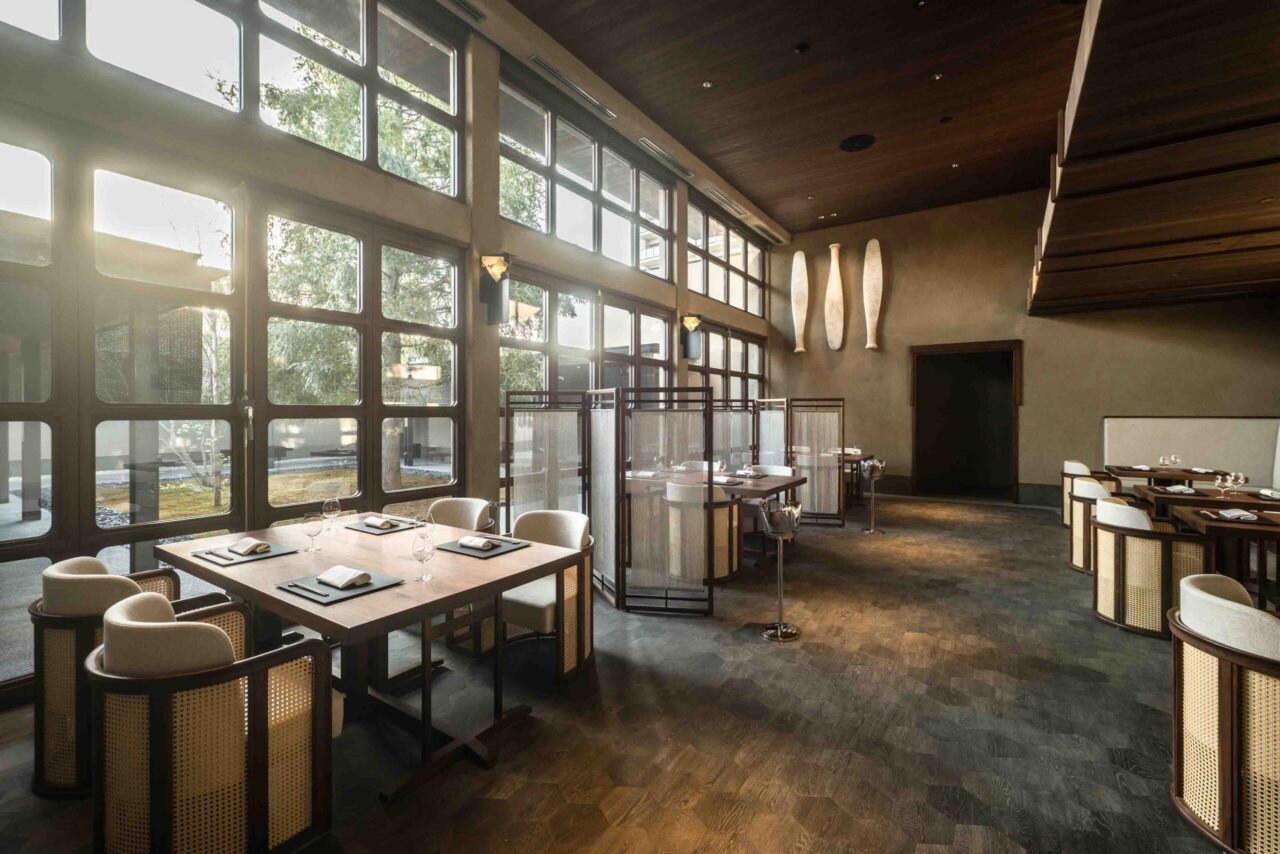

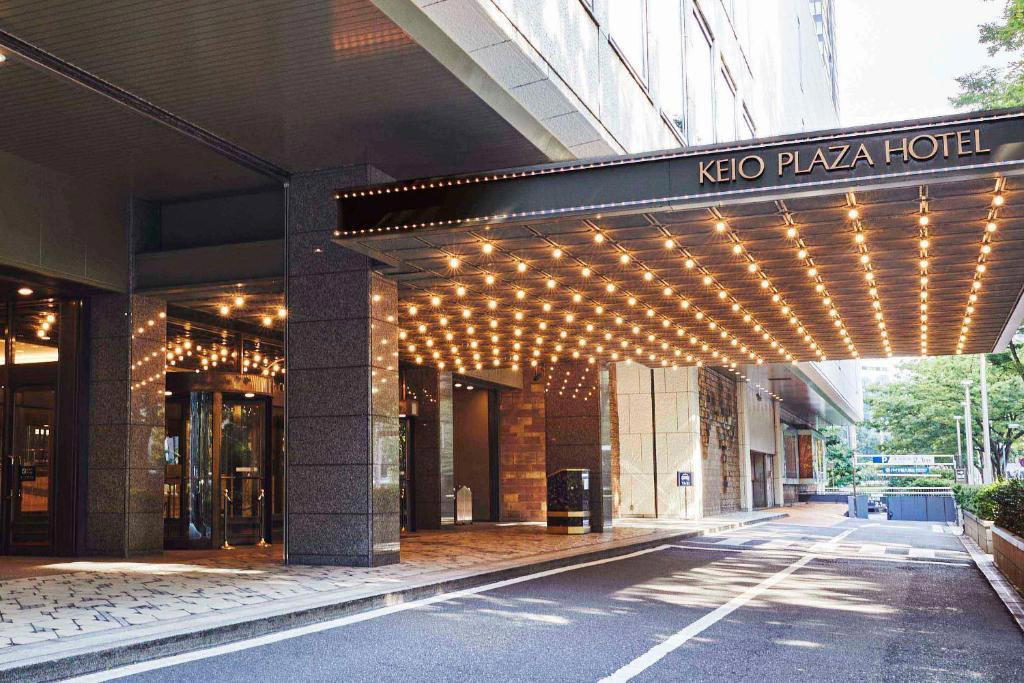
Wineries in Hiki-gun
Browse all →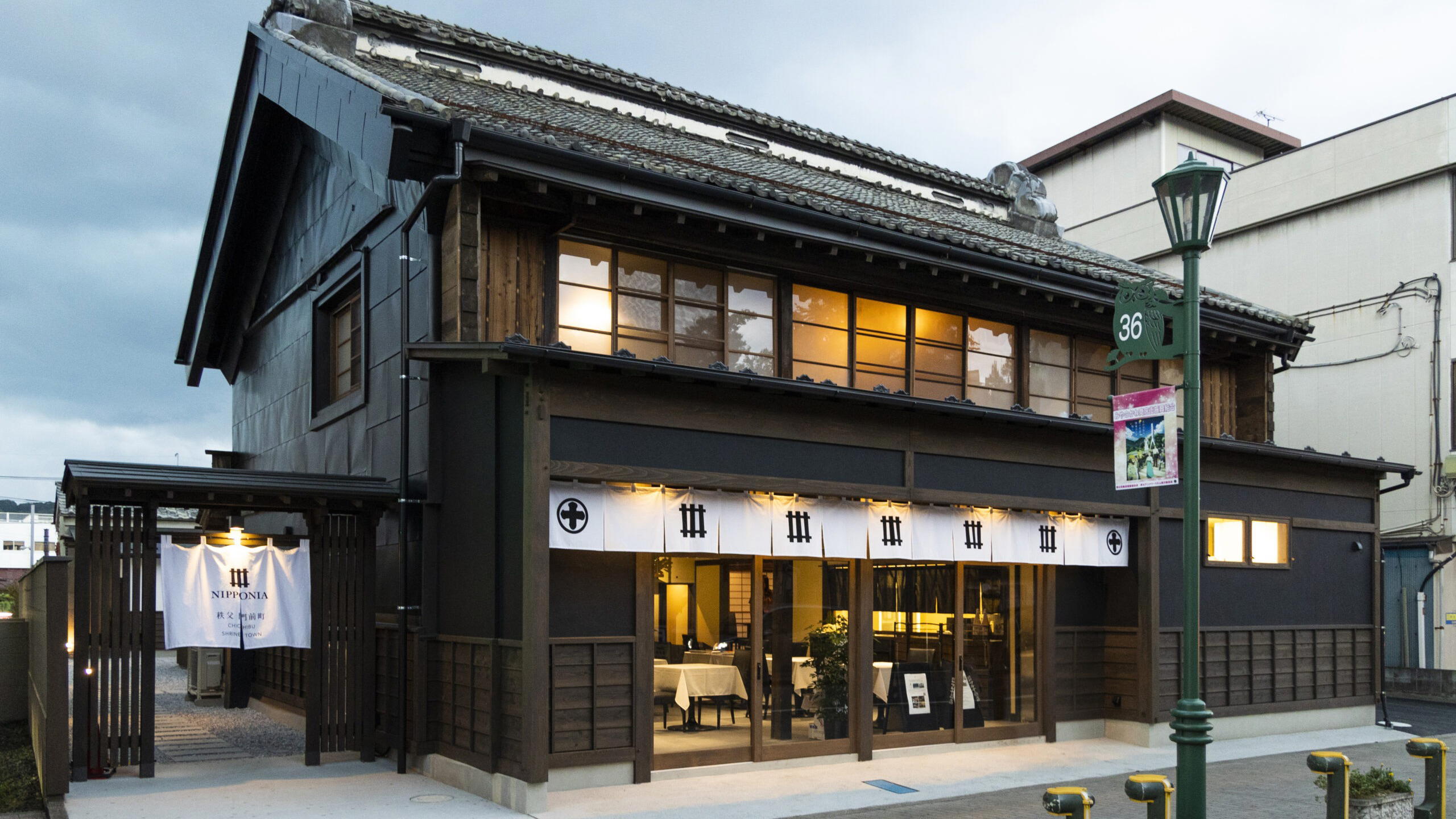
Details
- Classic
- Cozy
- Rustic
- Quiet
- Group Dining
- Family
- Casual Hangout
- Private Event
- Historic Building
- Design Destination
- Private Dining
- Standalone
- Sake Program
- Beer Program
- Farm To Table
- Local Sourcing
- Set Menu
- Prix Fixe
- Sake
- Beer
- Vegetarian Friendly
Current opening hours
- Monday
- 11 AM–3 PM
- Tuesday
- 11 AM–3 PM
- Wednesday
- Closed
- Thursday
- 11 AM–3 PM
- Friday
- 11 AM–3 PM
- Saturday
- 11 AM–3 PM
- Sunday
- 11 AM–3 PM
Hours can change for holidays and private events. Hours as of .
Calm and homey atmosphere in a renovated historic structure with a traditional Japanese feel, emphasizing natural materials and a relaxed, unhurried dining experience connected to the sake brewery.