
Takumi Hirano gives Gifu a serious Japanese-cuisine address in the course-menu tier, with Tabelog 100 Japanese cuisine EAST 2025 recognition and a format built around selected ingredients of the day. The appeal is not spectacle; it is the discipline of a 20-seat room, counter service, private rooms, sake and shochu, and a dining rhythm suited to travellers who want Gifu’s produce culture treated with precision.
Pearl is the En Primeur Club membership app — saves, bookings, and concierge access live there. Same editors, same standards.
- Address
- 10 Onamicho, Gifu, 500-8181, Japan
- Phone
- +81 58-263-8644
- Website
- takumi-hirano.com
 Saves & bookings on Pearl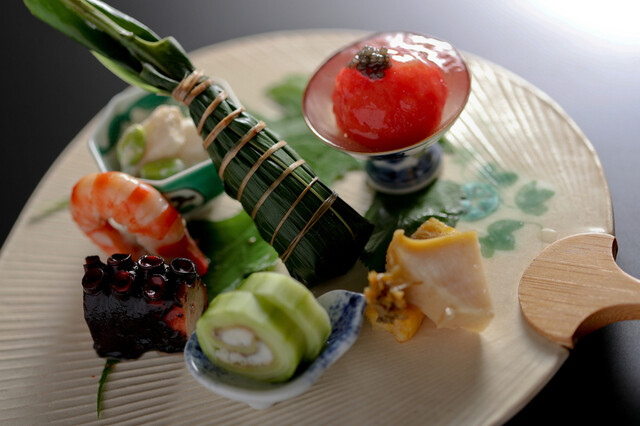
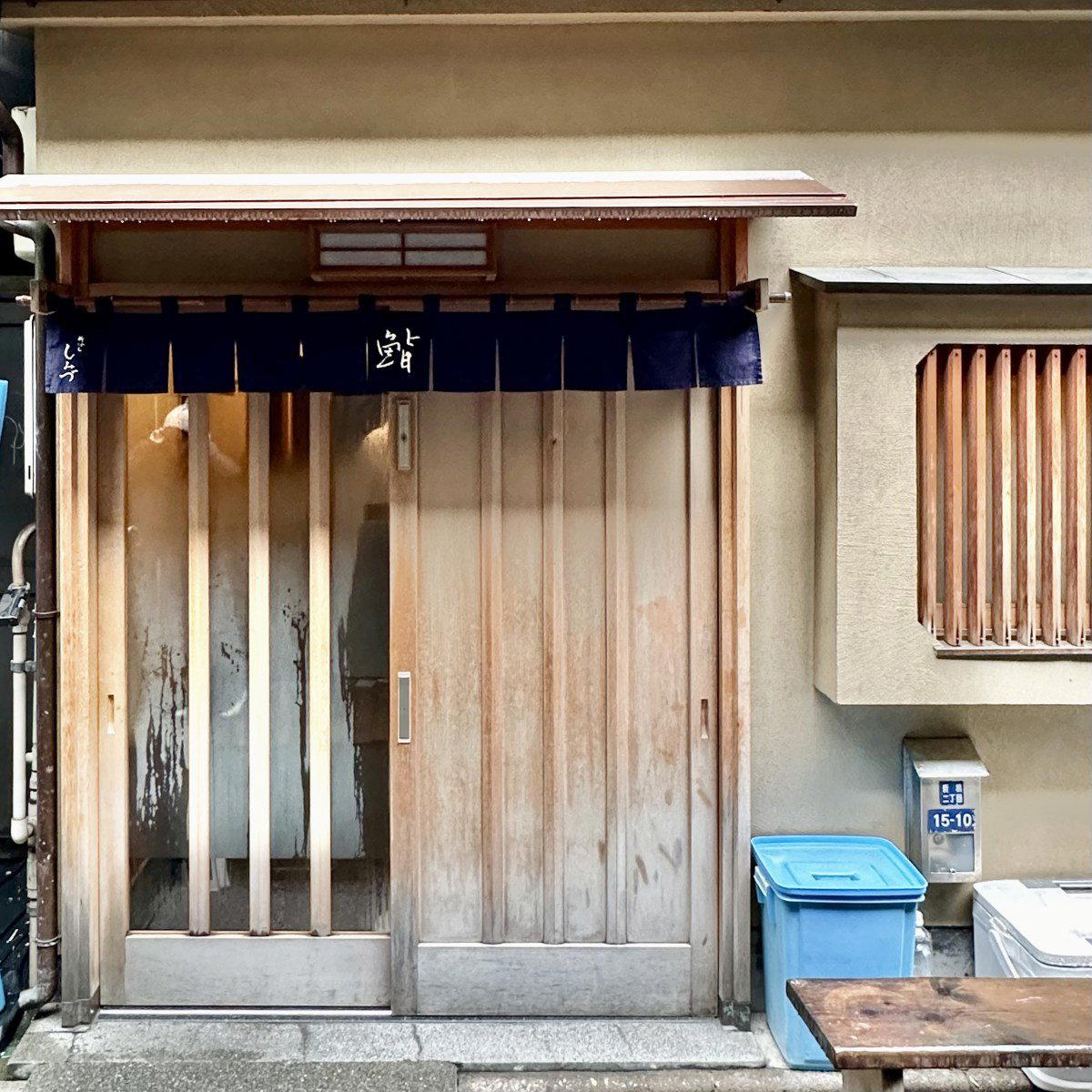
Onamicho sits close enough to central Gifu to feel practical, but the dining mood here is quieter than the station-side run of quick meals and drinking rooms. In this part of the city, a serious Japanese dinner is less about theatre than control: the pace of a course menu, the calibration of counter seats against private rooms, and the expectation that ingredients lead the evening rather than a fixed list of signatures. Takumi Hirano belongs to that more deliberate tier, where the room’s small scale matters because it keeps the meal close to the kitchen’s daily choices.
Gifu is an instructive place for this style of cooking. The prefecture sits between mountain food culture, river fish traditions, and the broader Central Japan appetite for seasonal Japanese cuisine. Kyoto often dominates the conversation around formal kaiseki, and Tokyo turns omakase into a reservation economy, but cities such as Gifu show how regional Japanese dining can be ambitious without adopting big-city performance codes. Selection for Tabelog 100 Japanese cuisine EAST 2025 places Takumi Hirano inside a wider eastern-Japan benchmark rather than only a local directory, which is the useful signal for travellers comparing a Gifu dinner against better-known metropolitan counters.
Daily sourcing, not a fixed signature, drives the course format
The restaurant’s format is built around course meals, including a chef’s omakase course that changes with selected ingredients of the day. That distinction matters. In a produce-led Japanese meal, the point is not to hunt a named dish; it is to read the kitchen’s sourcing and sequencing. A request for particular ingredients or dishes can be made in advance, but the stronger reading is to treat the meal as a seasonal edit, especially in a city where local expectations around fish, vegetables, rice, and sake service remain grounded in Japanese dining habits rather than international tasting-menu language.
The price tier also clarifies the proposition. This is not the same decision as a casual Yanagase snack stop or a sweets counter such as Tsubameya Yanagase honten and Benten Do. It is closer to a planned dinner, positioned above mid-range local Japanese addresses such as Akane Ya, and better judged against other Gifu rooms where course structure, counter proximity, and ingredient selection carry the value. In practical terms, the meal asks for attention rather than grazing energy.
Sake and shochu are part of the grammar here, not an afterthought. Japanese cuisine in this tier often works through temperature, texture, and restrained seasoning; the drinks list’s emphasis on nihonshu gives the meal a native pairing language. For travellers coming from cocktail-focused Gifu nights at BAR-BAROSSA or BAROSSA cocktailier, the shift is instructive: Japanese fine dining in Gifu tends to prize continuity and pacing over bar-world novelty.
A compact room keeps the meal in the serious-dinner register
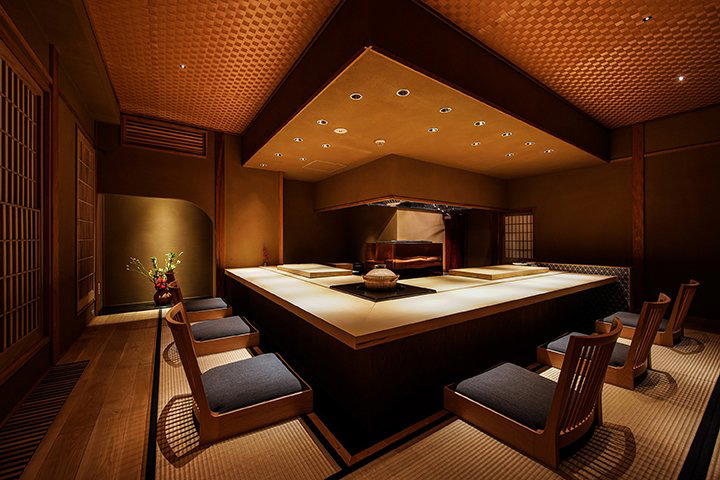
The room is small enough to shape expectations: 20 seats, including an eight-seat counter and three private rooms. That split is useful. Counter seating suits solo diners and guests who want to follow the course rhythm closely; private rooms give groups a quieter register without turning the experience into a banquet. The private rooms are tatami rooms with chairs and tables, a detail that matters for international diners who want Japanese-room atmosphere without floor seating.
Non-smoking status, card acceptance, and the absence of parking all point to a modern city restaurant rather than a rural destination meal. The closest station context is Meitetsu Gifu, which makes the dinner more workable for travellers staying in central Gifu than for those treating the city as a brief stop between Nagoya and the mountains. For a broader read on the city’s dining range, Our full Gifu restaurants guide maps the category spread, while Our full Gifu hotels guide is the better companion for planning a night built around a later course meal.
The restaurant’s recognition also helps explain how to compare it. Tabelog’s Hyakumeiten lists are not the same as Michelin stars; they function more like category-specific credibility signals inside Japan’s user-review and editorial ecosystem. A 2025 selection in Japanese cuisine EAST says the kitchen has enough standing to be read beyond neighborhood loyalty. That makes Takumi Hirano a sharper choice for travellers who want a Gifu-specific Japanese dinner rather than a generic luxury meal copied from Kyoto or Tokyo.
How to place it within a Gifu evening
Gifu rewards a slower itinerary than many visitors give it. The city is often treated as a gateway to cormorant fishing on the Nagara River, castle views, or inland travel, yet its food culture is strongest when the evening is allowed to settle. A course-only restaurant fits that rhythm. It is less suited to a rushed pre-train meal and better used as the anchor of the night, followed by a bar if the schedule allows. For drinks-led planning, Our full Gifu bars guide gives the separate after-dinner map.
Travellers building a wider Japan food route can use Gifu as a corrective to the capital-city bias. A dinner here sits in conversation with regional and specialist venues elsewhere, from Aka Renga and Belle Equipe (French) in Gifu to more casual or category-specific addresses such as -Grilled beef Sukiyaki- KAMAKURA TANUKIAN 鎌倉 たぬき庵 in Kamakura. 鮪と炭火焼き うお炭 秋葉原店 in Tokyo.cafe in Osaka.know in Kumamoto, (Shoku) Vietnam in Kawasaki, [Curry Senmon Ten] Maruyama Kyoju. in Sapporo, Jōdo Saké Bar in Los Angeles, and Onigiri Time in Pasadena. The comparison is not about sameness; it shows how Japanese dining value changes when the format moves from counter meals to casual specialization to sake-led rooms.
For visitors staying longer, the city’s non-restaurant planning matters too. Our full Gifu wineries guide and Our full Gifu experiences guide help round out the trip beyond dinner. The sensible verdict is direct: choose the restaurant when the evening calls for a composed Japanese course meal in Gifu, especially if ingredient selection and sake compatibility matter more than a famous chef name or a checklist of signature dishes.
Comparable Spots, Quickly
Comparable venues by cuisine and price in the same metro.
| Venue | Cuisine | Price | Notes |
|---|---|---|---|
| Takumi HiranoThis venue — the venue you are viewing | Traditional Japanese Kaiseki | $$$ | Not listed |
| Soba Kura Tomi | Traditional Japanese Soba | $$ | Yanagase area |
| Tsubaki | Yoshoku (Japanese Western) | $$$ | Uchikoshi |
| Katatsumuri | Seasonal Foraged Wild Game & Regional Cuisine | $$$ | Yamagata City |
| Kawaramachi Izumiya | Traditional Ayu Fish Cuisine | $$$ | Kawaramachi |
| åç §åºµ | Traditional Kaiseki Kappo | $$$$ | Kanayama-machi |
Recognition history
Dated appearances from independent guides and award organizations, with the underlying list record or original source where available.
Tabelog 100 #99 · No. 99
Tabelog · Tabelog 100 - Japanese cuisine - EAST - 2025
Continue exploring
More in Gifu
Restaurants in Gifu
Browse all →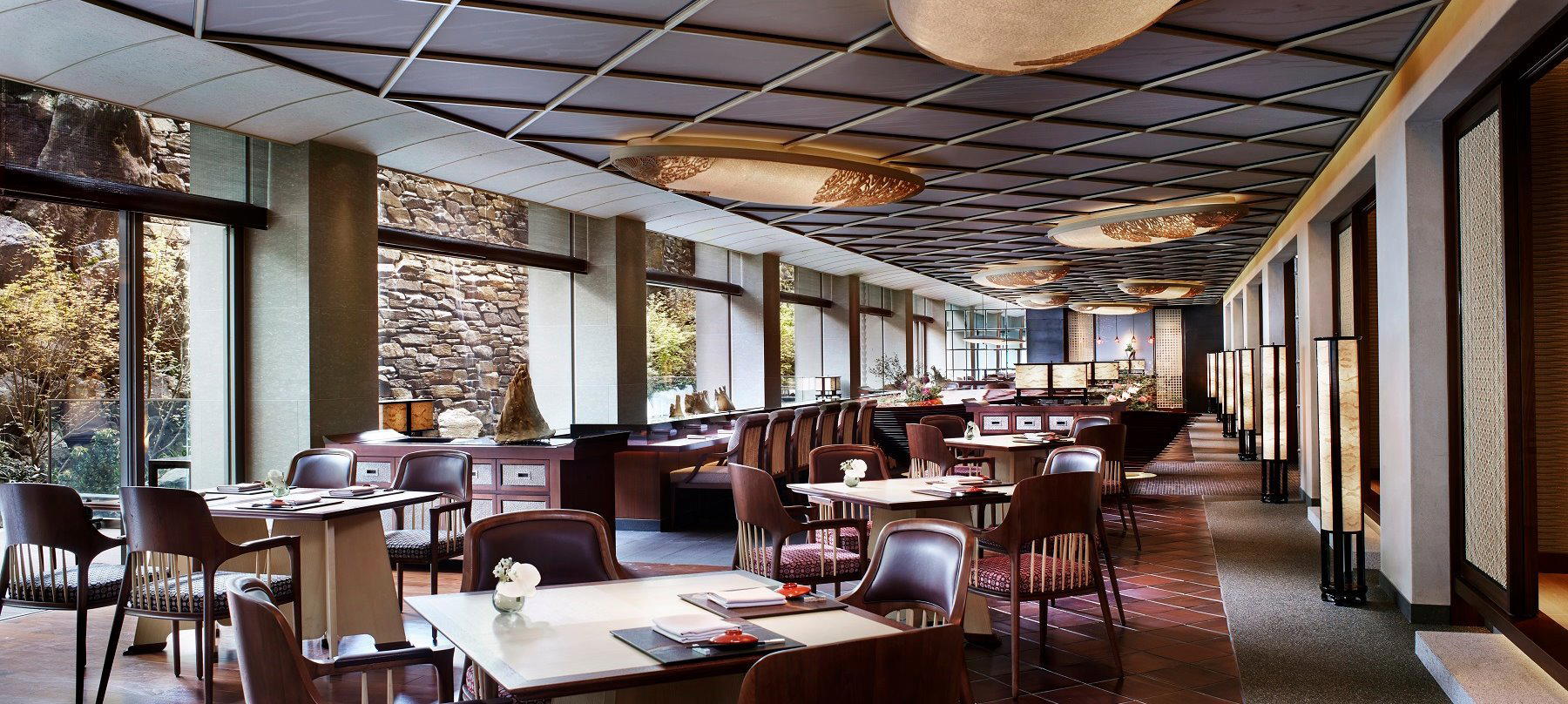
At a Glance
- Sophisticated
- Classic
- Quiet
- Intimate
- Elegant
- Date Night
- Business Dinner
- Celebration
- Special Occasion
- Historic Building
- Standalone
- Sake Program
- Local Sourcing
Current opening hours
- Monday
- 5:30–10 PM
- Tuesday
- 5:30–10 PM
- Wednesday
- 5:30–10 PM
- Thursday
- 5:30–10 PM
- Friday
- 5:30–10 PM
- Saturday
- 5:30–10 PM
- Sunday
- Closed
Hours can change for holidays and private events. Last verified .
A refined, traditional Japanese atmosphere with a calm, intimate feel suited to a leisurely kaiseki meal.