Taklamakan sits at Isartorplatz in Munich's historic centre, occupying a corner of the city where Central Asian and Silk Road culinary traditions meet a European urban dining audience. The restaurant represents a strand of Munich's international dining scene that operates well outside the French-influenced fine dining corridor dominant at places like Tantris or Atelier, offering a point of comparison for anyone mapping the city's full range.
Pearl is the En Primeur Club membership app — saves, bookings, and concierge access live there. Same editors, same standards.
- Address
- Isartorpl. 4, 80331 München, Germany
- Phone
- +498995866686
- Website
- taklamakan-restaurant.de
- Directions
- Get directions
 Saves & bookings on Pearl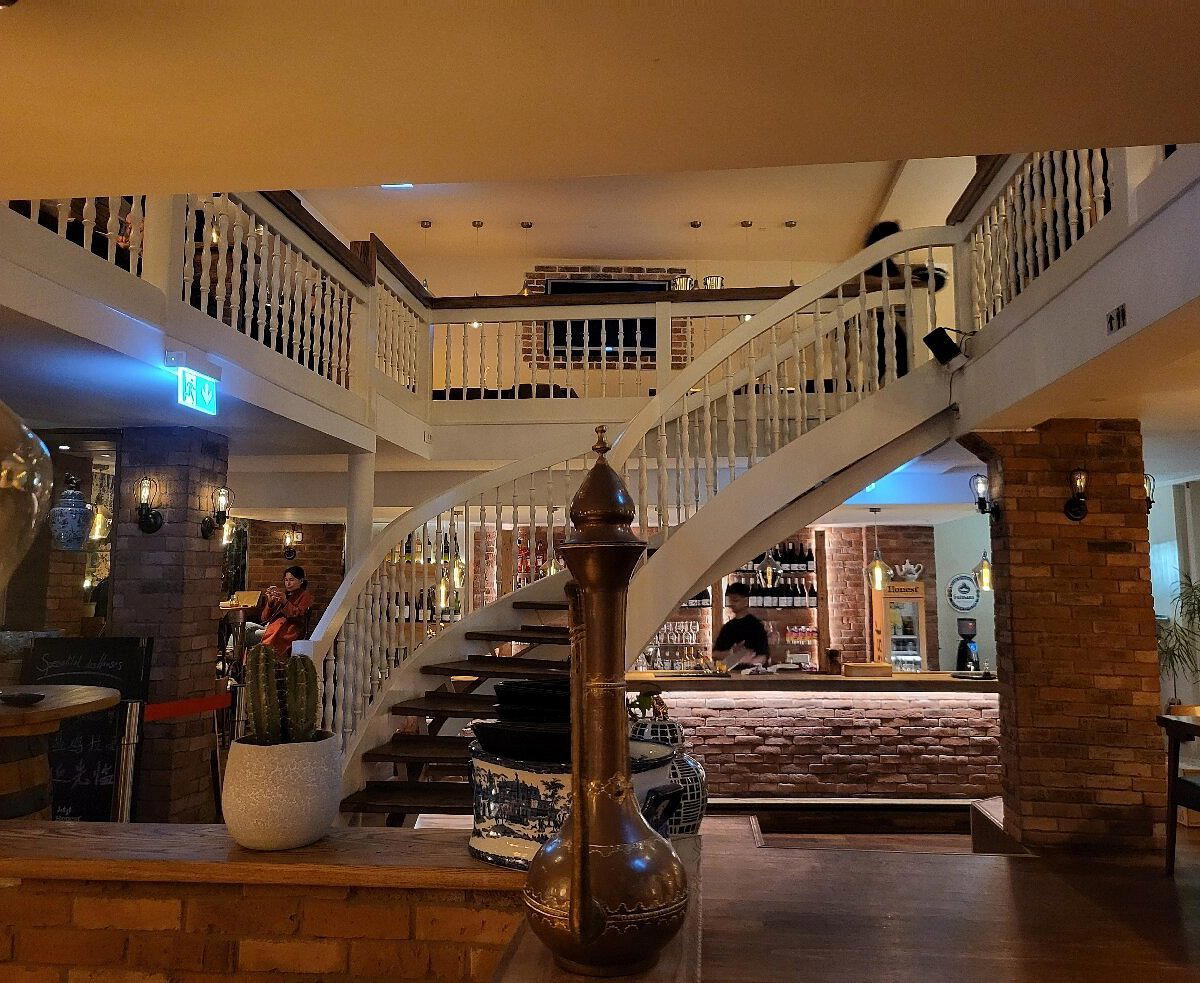
Where Munich's Silk Road Arrives in the Old Town
Taklamakan is a Uyghur restaurant in Munich, Germany, serving Central Asian cuisine at Isartorpl. 4, 80331 München. But the city's actual eating life is wider than that corridor suggests, and Taklamakan, at Isartorplatz 4 in the historic core, marks one of its more distinctive coordinates. The address places it near the Isar Gate, one of the surviving medieval entrance towers of the old city, which means the restaurant sits in a part of Munich where the built environment carries considerable age. The name itself points elsewhere: the Taklamakan Desert is among the largest sand deserts in the world, covering much of the Tarim Basin in what is now Xinjiang in western China, and historically it formed the central obstacle that Silk Road caravans either skirted or crossed. For a restaurant in a Bavarian city to take that name is a statement of geographic and culinary intent.
The Cuisine That the Name Signals
Central Asian and Uyghur cuisine occupies a distinct position within the broader category of Chinese regional cooking, and it is one of the least represented traditions in European restaurant dining. Where Cantonese and Sichuan kitchens have built substantial presences in most major European cities, the food of Xinjiang and the wider Silk Road corridor remains genuinely scarce. The core repertoire involves lamb-heavy preparations, flatbreads, hand-pulled and knife-cut noodles, skewered meats cooked over charcoal, rice dishes built around the pilaf tradition (known regionally as polo or plov), and spice profiles that draw on cumin, coriander, and dried chilli rather than the fermented bean pastes and numbing pepper of Sichuan. It is a cuisine shaped by Central Asian geography: pastoral, protein-driven, built for cold climates and long travel. That it surfaces in Munich, a city with its own deep tradition of meat-centred cooking, is less surprising than it might initially seem. The overlap in sensibility, if not in specific technique, gives this kind of kitchen a plausible foothold in Bavaria.
Against the backdrop of Germany's broader restaurant scene, which includes the three-Michelin-starred ambition of Aqua in Wolfsburg and Vendôme in Bergisch Gladbach, or the forest-lodge classicism of Waldhotel Sonnora in Dreis, Taklamakan operates in a completely different register.
Evolution and the Question of Reinvention
Restaurants built around a single, highly specific regional cuisine face a particular kind of pressure over time. The initial appeal is the novelty and specificity of the tradition itself. The challenge, as years pass, is whether the kitchen deepens its engagement with that tradition or drifts toward a more generalised version of it. Central Asian restaurants in European cities have historically followed a pattern: an early period of relatively authentic cooking, followed by gradual adaptation toward the host culture's preferences, which in Germany tends to mean larger portions, less spice intensity, and more Western presentation conventions. What the address and name together suggest is a kitchen that has maintained at least a nominal commitment to the Uyghur and Silk Road identity that the name announces, in a location central enough to attract both curious locals and visitors specifically seeking this cuisine.
The Isartorplatz location matters in this context. Munich's international dining has historically clustered in the Maxvorstadt and Schwabing areas, or along the high-traffic corridors near Marienplatz. A Central Asian restaurant at the Isar Gate, in a part of the city that sees significant through-traffic from visitors approaching from the east of the city, occupies a slightly different catchment. It is accessible by U-Bahn and S-Bahn connections at Isartor station, making it reachable from across the city without requiring a car. For anyone building a Munich itinerary that already includes a meal at Alois - Dallmayr Fine Dining or Atelier, Taklamakan offers a counterpoint meal that covers completely different culinary ground at what is likely a substantially different price point.
Reading Taklamakan Against the City's Wider Map
Munich's international dining scene is more diverse than its Michelin-heavy reputation implies, but the diversity is uneven. Italian, Japanese, and modern European kitchens are well-represented. Southeast Asian and South Asian restaurants exist in strength in certain neighbourhoods. The cuisine of Central Asia, the Caucasus, and the Silk Road corridor appears far more rarely, which gives the handful of restaurants working in those traditions a kind of automatic significance for anyone tracking how the city's eating life maps onto global migration patterns and culinary exchange. This is a pattern visible in other cities, too: CODA Dessert Dining in Berlin represents an entirely different kind of specificity, while Korean fine dining at Atomix in New York City demonstrates what happens when a regional tradition reaches a critical mass of diners who will support it at high price points. Central Asian cuisine in Munich has not reached that critical mass, which means restaurants like Taklamakan operate in a more fragile commercial position, sustained by a combination of community ties, tourist interest, and the growing appetite among Munich's dining public for specificity over genericised international food.
For a broader orientation to what Munich's restaurant scene currently offers across price points and styles, the full Munich restaurants guide maps the city's dining from Michelin-level rooms down to neighbourhood specialists. Taklamakan belongs on that map as a representative of a culinary tradition that European fine dining tends to overlook, and that Munich's eating public can access here without travelling to Berlin or Vienna.
Planning Your Visit
Address: Isartorpl. 4, 80331 München, Germany. Transport: Isartor S-Bahn and U-Bahn station is adjacent, connecting directly to Munich's central network. Reservations are recommended. Hours: Mon: Closed; Tue: 11:30 AM-3 PM, 5:30-11 PM; Wed: 11:30 AM-3 PM, 5:30-11 PM; Thu: 11:30 AM-3 PM, 5:30-11 PM; Fri: 11:30 AM-3 PM, 5:30-11 PM; Sat: 11:30 AM-11 PM; Sun: 11:30 AM-11 PM. Price: About $25 per person.
Quick Comparison
Comparable venues nearby, for context on price, style, and recognition.
| Venue | Cuisine | Price | Notes |
|---|---|---|---|
| TaklamakanThis venue — the venue you are viewing | Uyghur (Xinjiang) | $$ | Not listed |
| Kashgar Uyghur Restaurant | Uyghur / Xinjiang | $$ | Isarvorstadt |
| Uncle Chen | Chinese Street Food Noodles & Baos | $$ | Schwabing |
| Suzuki | Authentic Japanese Comfort Food | $$ | Altstadt |
| FISHBOWL Poke | Hawaiian Poke Bowls | $$ | Isarvorstadt |
| PhoYou | Vietnamese Pho Specialist | $$ | Schwabing |
At a Glance
- Rustic
- Casual Hangout
- Street Scene
Current opening hours
- Monday
- Closed
- Tuesday
- 11:30 AM–3 PM, 5:30–11 PM
- Wednesday
- 11:30 AM–3 PM, 5:30–11 PM
- Thursday
- 11:30 AM–3 PM, 5:30–11 PM
- Friday
- 11:30 AM–3 PM, 5:30–11 PM
- Saturday
- 11:30 AM–11 PM
- Sunday
- 11:30 AM–11 PM
Hours can change for holidays and private events. Last verified .
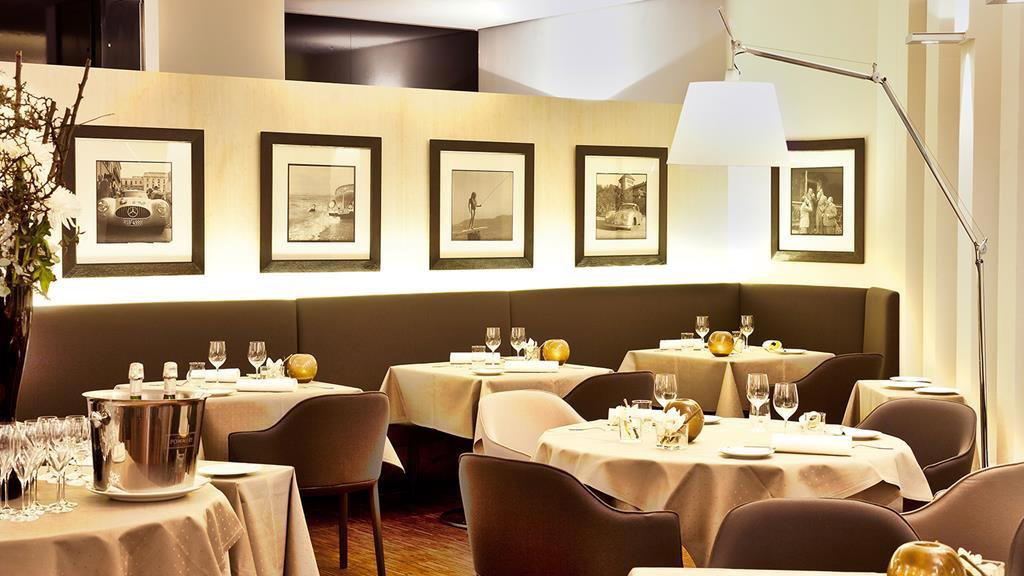
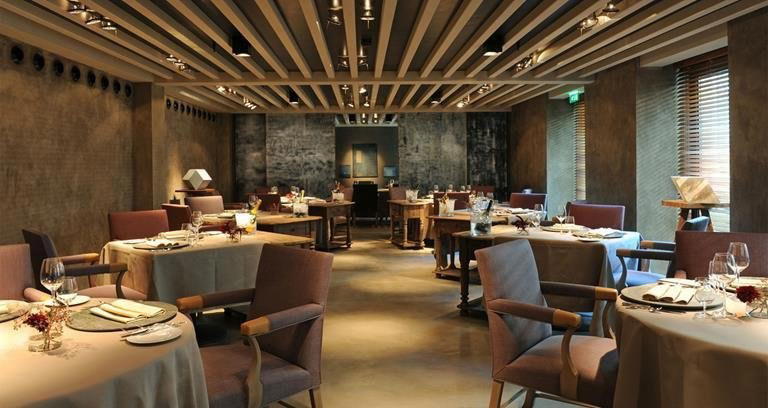
No-frills, recently renovated space with a casual atmosphere focused on fresh, handmade Uyghur specialties.