On Heßstraße in Munich's Maxvorstadt district, Uncle Chen sits at an interesting point in the city's Chinese dining conversation, a neighbourhood address drawing regulars who prioritise cooking over ceremony. Munich's Chinese restaurant tier spans everything from tourist-facing buffets to tightly focused kitchens, and Uncle Chen occupies the latter end of that range, where technique and ingredient sourcing carry more weight than décor or scale.
Pearl is the En Primeur Club membership app — saves, bookings, and concierge access live there. Same editors, same standards.
- Address
- Heßstraße 37, 80798 München, Germany
- Website
- uncle-chen.de
- Directions
- Get directions
 Saves & bookings on Pearl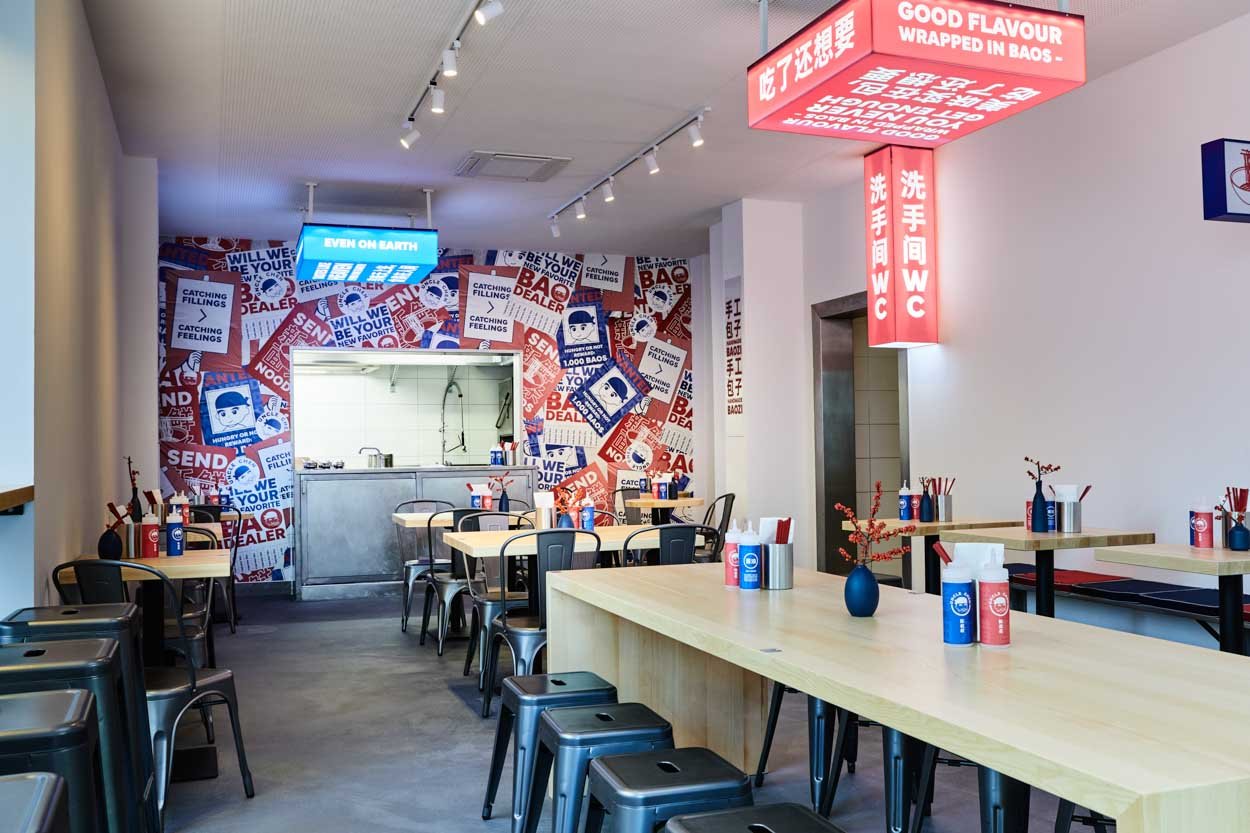
Where Maxvorstadt Meets the Chinese Kitchen
Heßstraße cuts through one of Munich's more intellectually active neighbourhoods, running past independent wine bars, Turkish grocers, and a loose cluster of restaurants that serve the local population rather than tourist circuits. The street has the density of a working city block rather than a curated dining destination, which is partly why addresses like Uncle Chen develop loyal followings without generating much noise. In a city where frequently discussed Chinese cooking tends to concentrate in the tourist-accessible centre, a Maxvorstadt address already signals something different: this kitchen is cooking for people who live nearby and come back.
Munich's Chinese restaurant category has followed the same bifurcation visible in cities like Berlin and Hamburg. At one end, high-volume Cantonese and pan-Asian formats dominate the centre, trading on accessibility and price. At the other, a smaller tier of kitchens operates with more technical precision, sourcing ingredients more selectively and structuring menus around regional specificity rather than broad appeal. Uncle Chen sits in that second tier by neighbourhood and by the regulars it appears to have built over time.
The Intersection of Method and Market
Cities like Munich pose an interesting challenge: the premium food infrastructure is strong, local butchers, regional produce networks, high-quality European dairy, but the specialist Chinese pantry (preserved vegetables, specific fermented pastes, fresh tofu from dedicated makers) requires either importation or substitution.
Particularly technically serious Chinese kitchens operating outside China tend to approach this in one of two ways. Some commit to full import chains, flying in key ingredients to maintain fidelity to a regional tradition. Others make a deliberate choice to work with European ingredients through Chinese technique, using, say, Bavarian pork belly in a red-braised preparation, or local river fish in a Sichuan-adjacent sauce frame. Neither is inherently superior. The first risks the supply chain disrupting consistency; the second risks losing the original reference point. The interesting kitchens are the ones that make that choice consciously and execute it with discipline. The results, when successful, resemble what Tohru in der Schreiberei achieves at a higher price tier: European ingredients processed through a non-European culinary logic, producing something that is coherent rather than confused.
Munich's Chinese Dining Tier and Where Uncle Chen Sits
The restaurant is a Chinese restaurant at Heßstraße 37, 80798 München, in Maxvorstadt. At the summit of the price scale, the city does not have a Chinese kitchen competing with the starred rooms that define German fine dining at places like JAN, Tantris, Alois - Dallmayr Fine Dining, or Atelier. Those rooms operate at a price point and format (tasting menu, sommelier service, starred recognition) that Chinese cooking in Munich has not consistently entered. Below that, the mid-range tier is large and varied, enough Chinese restaurants to give diners genuine choice, but with wide variance in consistency and sourcing seriousness.
The restaurant sits in a more focused bracket within that mid-range: neighbourhood-anchored, repeat-customer dependent, and apparently operating without the marketing infrastructure that drives visibility for newer or more centrally located addresses. That combination, in any city, tends to produce either a kitchen coasting on loyalty or one genuinely focused on cooking because the cooking is what sustains it. The regulars who return to addresses like this in Maxvorstadt are not doing so for ambience or novelty.
For comparison, restaurants at the sharp end of the German dining conversation, Aqua in Wolfsburg, Schwarzwaldstube in Baiersbronn, Vendôme in Bergisch Gladbach, or Victor's Fine Dining by Christian Bau in Perl, operate in an entirely different register: high-ceremony tasting formats, international wine programs, and kitchen brigades trained in European fine dining traditions. The restaurant occupies a different axis of the food map, one where the comparison set is neighbourhood Chinese restaurants across Munich, not starred rooms. That is not a diminishment. The two categories answer different questions for diners.
Internationally, the model of a focused, neighbourhood-anchored Chinese kitchen drawing a regular following has produced some of the more interesting dining addresses in cities where the star system does not easily absorb Chinese cooking formats. CODA Dessert Dining in Berlin demonstrates that format discipline and a specific point of view can generate sustained recognition even outside conventional category expectations. The parallel is not direct, but the principle holds: kitchens that are clear about what they are doing tend to build more durable followings than those chasing broader appeal.
Planning a Visit
The restaurant is located at Heßstraße 37, 80798 München, in the Maxvorstadt district. The address is accessible by public transit and sits in a stretch of the street with a neighbourhood character that rewards walking the block before or after eating. Its regular opening hours are Monday to Friday from 11:30 AM to 3 PM and 5:30 to 10 PM, with Saturday and Sunday service from noon to 10 PM.
Logistics at a Glance
| Venue | Location | Format | Price Tier | Booking |
|---|---|---|---|---|
| The restaurant | Maxvorstadt, Munich | Neighbourhood Chinese | Not confirmed | |
| Tantris | Schwabing, Munich | Modern French tasting menu | €€€€ | Online / phone, books ahead |
| Tohru in der Schreiberei | Central Munich | Modern German-Japanese | €€€€ | Online, advance booking required |
| Atelier | Maxvorstadt, Munich | Creative French tasting | €€€€ | Online, advance booking required |
For reference points outside Munich, the cross-cultural cooking approach visible in kitchens like Atomix in New York City and Le Bernardin in New York City, where technique from one culinary tradition is applied with complete discipline to local ingredients, frames the broader question that ambitious Chinese cooking in European cities is gradually answering.
The Short List
Comparable venues nearby, for context on price, style, and recognition.
| Venue | Cuisine | Price | Notes |
|---|---|---|---|
| Uncle ChenThis venue — the venue you are viewing | Not listed | $$ | Not listed |
| Kashgar Uyghur Restaurant | Not listed | $$ | Isarvorstadt, Uyghur / Xinjiang |
| Taklamakan | Not listed | $$ | Altstadt, Uyghur (Xinjiang) |
| Eclipse | Schwabing, Israeli Grill & Mediterranean | $$ | Not listed |
| Max's Beef Noodles | Not listed | $$ | Isarvorstadt, Handmade Chinese Beef Noodles |
| Emporio Italiano | Neuhausen, Authentic Italian Trattoria | $$ | Not listed |
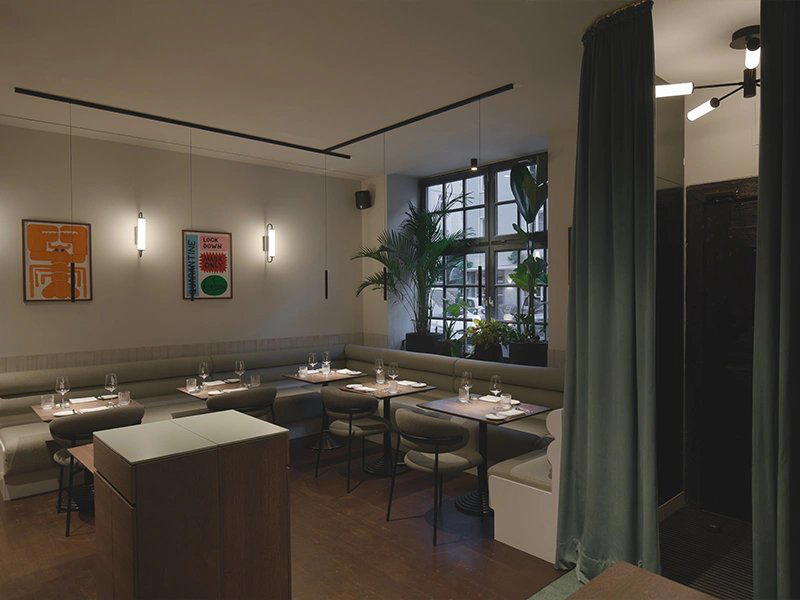
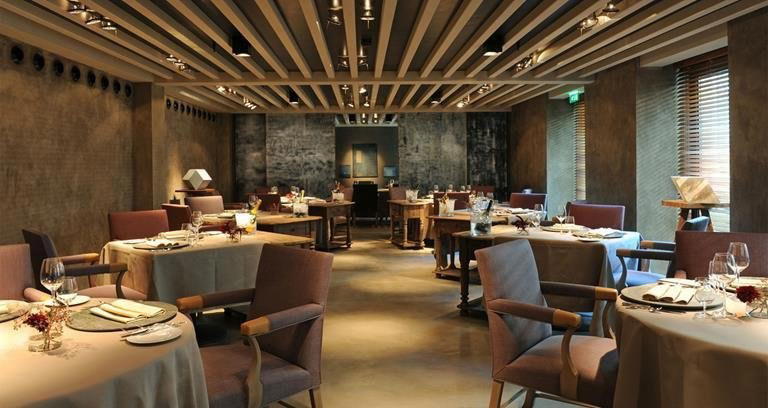
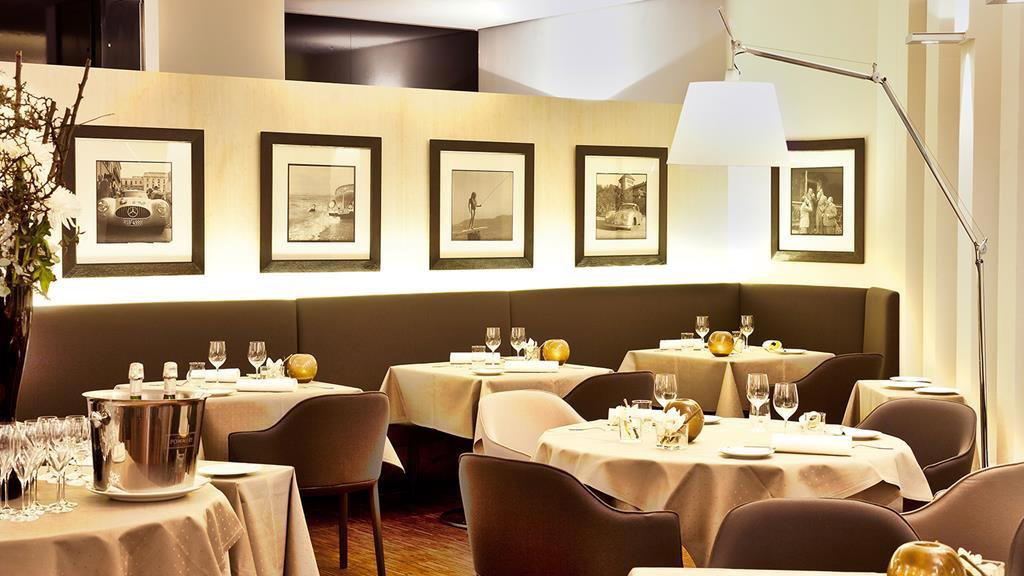
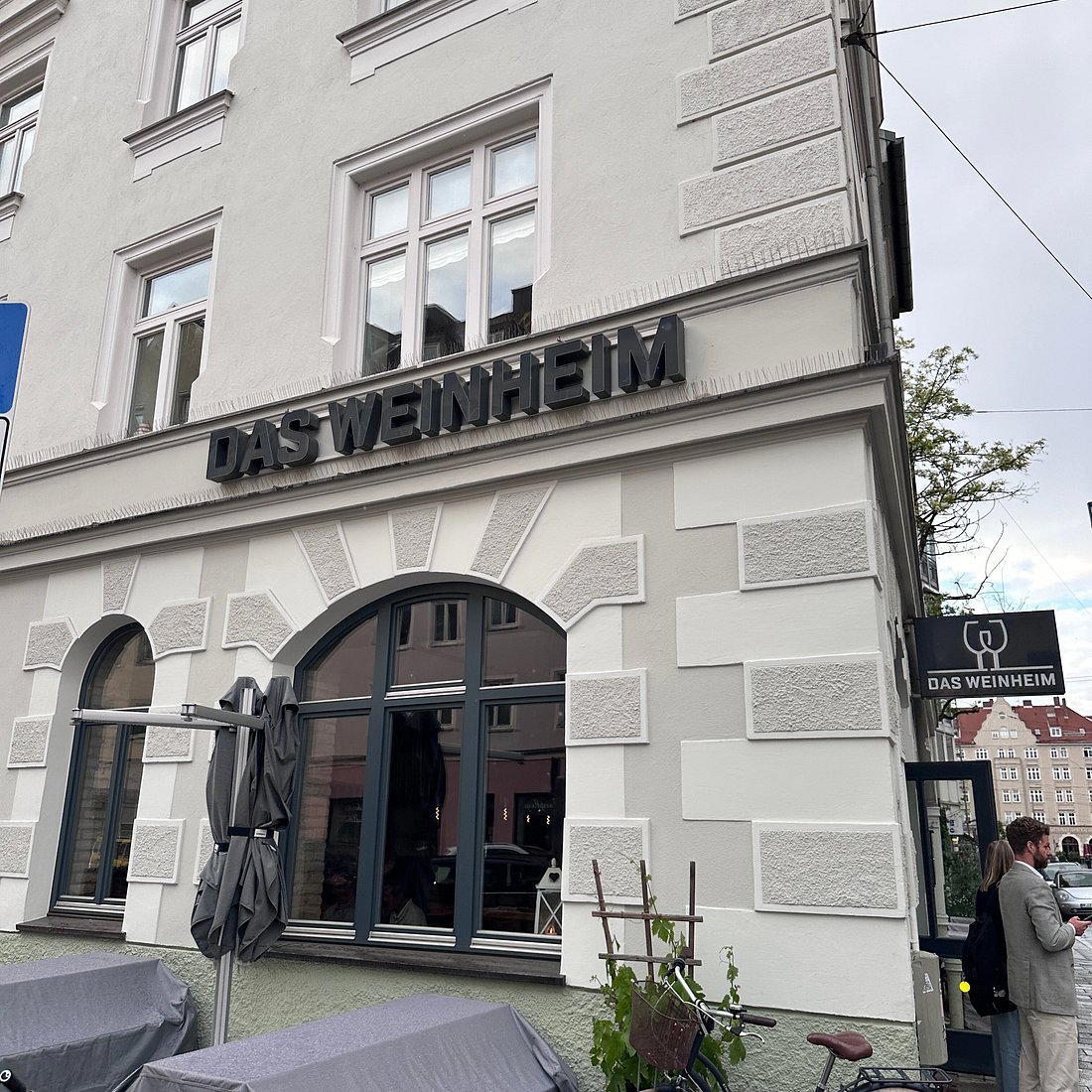
At a Glance
- Cozy
- Trendy
- Casual Hangout
- After Work
- Open Kitchen
Current opening hours
- Monday
- 11:30 AM–3 PM, 5:30–10 PM
- Tuesday
- 11:30 AM–3 PM, 5:30–10 PM
- Wednesday
- 11:30 AM–3 PM, 5:30–10 PM
- Thursday
- 11:30 AM–3 PM, 5:30–10 PM
- Friday
- 11:30 AM–3 PM, 5:30–10 PM
- Saturday
- 12–10 PM
- Sunday
- 12–10 PM
Hours can change for holidays and private events. Last verified .
Cozy and authentic small-space atmosphere praised for its street-food vibe and flavorful dishes.