Chinese Suiyo

Tabelog 100 #27
Our verdict
Chinese Suiyo places resort Chinese cooking inside the Yamanakako dining circuit, where destination restaurants serve travelers moving between Fuji-view hotels, lake routes, and weekend drives from Tokyo. Its 2026 Tabelog 100 Chinese EAST selection and 3.61 score put it in a more serious category than a convenience resort meal, with wine, private rooms, and table seating shaping the format.

Pearl is the En Primeur Club membership app, where members save venues, book tables and use the concierge.
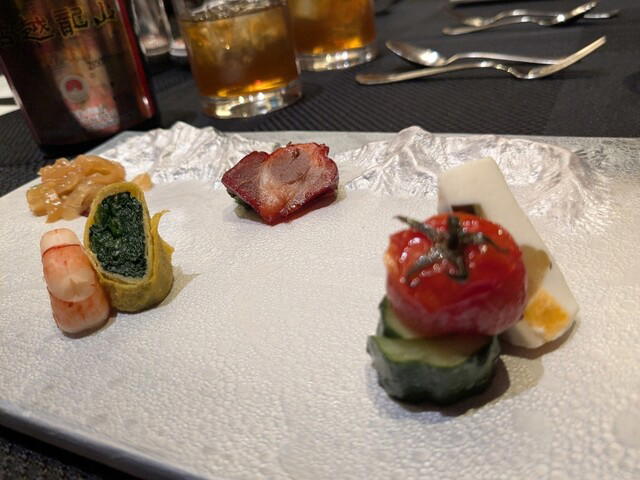
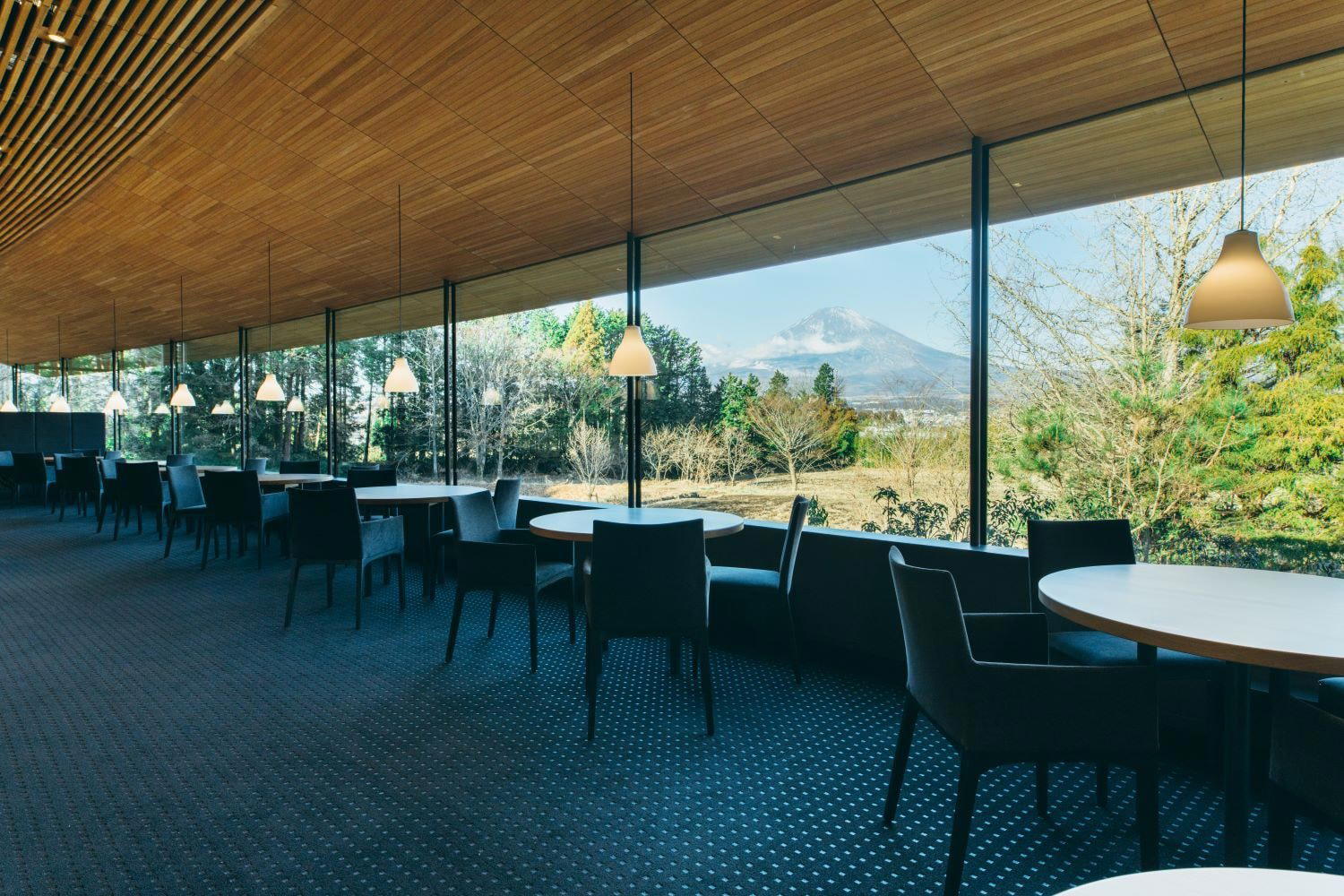
Yamanakako changes the tempo before dinner begins. The lake road, the hotel approach, the controlled quiet of a resort basement: this is not the street-level Chinese restaurant rhythm of Tokyo or Yokohama, where neon, counter turnover, and late trains shape the meal. In Minamitsuru-gun, the dining context is slower and more planned. Chinese Suiyo belongs to that category of Japanese resort restaurants where the room, the table spacing, and the wine program matter almost as much as the cooking, because the meal is often tied to a night away rather than a quick city booking.
That setting matters for Chinese food in Yamanashi. Around Fuji Five Lakes, restaurants often serve a mixed audience: hotel guests, drivers from the capital, multigenerational groups, and travelers who want a proper dinner after a day outdoors. The stronger rooms in this circuit need range. They cannot rely only on local traffic, nor can they behave like anonymous hotel outlets. A 2026 Tabelog 100 Chinese EAST selection gives this address a clear signal: it is being judged within an eastern Japan Chinese category, not merely within the resort’s own dining options.
Resort Chinese cooking in a lake district built around produce, groups, and wine
The ingredient story here is not about a single named farm or a chef’s manifesto. It is about geography. Yamanashi sits in one of Japan’s better-known fruit and wine prefectures, with mountain water, cool nights, and a visitor economy that expects seasonal cooking to register on the plate. Chinese cuisine adapts well to that environment because its techniques, steaming, frying, braising, wok heat, and banquet pacing, can carry vegetables, freshwater produce, meat, and fruit-accented courses without forcing them into a single regional Japanese template.
That is where the hotel-restaurant format becomes useful rather than limiting. With 52 table seats and private rooms for six or eight, the dining room is built for groups that order across categories rather than solitary counter progression. Wine is listed as part of the drink offering, which also matters in Yamanashi: Chinese food in Japan has moved far beyond beer-and-shaoxing assumptions, and resort dining gives wine pairing more room to operate. The point is not novelty; it is compatibility. A structured Chinese meal can absorb local drinking culture without turning itself into fusion theater.
Within the wider Minamitsuru-gun restaurant map, the contrast is sharp. Lake Bake speaks to the area’s daytime bakery-and-lake-drive circuit, while MOOSE HILLS BURGER fits the casual road-trip appetite that Fuji-area travel produces. Chinese Suiyo occupies a more formal evening slot: a seated, wine-capable Chinese restaurant inside a resort, better suited to a composed dinner than a scenic stop between activities.
What the recognition signals, and what it does not
Tabelog’s Hyakumeiten lists are useful because they capture a Japanese dining reality that international award systems often miss: serious restaurants outside the obvious urban centers can develop strong reputations through domestic diners, repeat travel, and regional credibility. A 3.61 Tabelog score does not make this a trophy-counter experience, and it should not be read like a Michelin star. It does place the restaurant in a vetted Chinese category for eastern Japan in 2026, which is meaningful in a field crowded with hotel dining rooms and urban specialists.
The comparison is not with destination kaiseki rooms or grill counters around Fuji alone, even though names such as Fuji Kanda, Kaiseki Kadan, Kappo, Robata OYAMA, and TROFEO Italian Cuisine help sketch the broader resort-dining set nearby. The more relevant question is whether a traveler wants Chinese technique in a composed resort setting rather than Japanese seasonal formality, robata theater, or Italian dining. For diners building a Minamitsuru-gun itinerary, that distinction is practical: one meal can carry family-style pacing and private-room conversation more naturally than a counter-led format.
The absence of a named chef profile in the public-facing identity may even keep attention where it belongs: the category, the room, and the meal structure. Japan has plenty of chef-driven Chinese restaurants where lineage and personality dominate the story. This address reads differently. It is about the resort as a dining ecosystem, and about whether Chinese cooking can hold its own among Fuji-area restaurants built for travel occasions.
How it fits a Minamitsuru-gun dining plan
For a serious food traveler, the better approach is to treat this as an evening anchor rather than a standalone pilgrimage. The Minamitsuru-gun area rewards sequencing: lake bakery stops, casual lunch, a hotel bar if available, then a longer dinner. EP Club’s broader city pages are useful for that pattern, from our full Minamitsuru-gun restaurants guide to our full Minamitsuru-gun hotels guide, our full Minamitsuru-gun bars guide, our full Minamitsuru-gun wineries guide, and our full Minamitsuru-gun experiences guide.
Readers comparing across Japan should also note how different this format is from urban specialists and single-category addresses elsewhere: -Grilled beef Sukiyaki- KAMAKURA TANUKIAN 鎌倉 たぬき庵 in Kamakura, . 鮪と炭火焼き うお炭 秋葉原店 in Tokyo.cafe in Osaka.know in Kumamoto, (Shoku) Vietnam in Kawasaki, [Curry Senmon Ten] Maruyama Kyoju. in Sapporo, [ki:] in Kyoto, #肉といえば松田 奈良本店 in Kashihara, and 1/3 HAMBURGER FACTORY in Kanazawa each answer a narrower city-dining need. Even overseas, Jōdo Saké Bar in Los Angeles and Onigiri Time in Pasadena show how Japanese food culture often travels through focused formats. Chinese Suiyo is broader and more occasion-led: a resort Chinese room with domestic recognition, useful when the meal needs range, privacy, and a sense of place without turning dinner into performance.
Frequently asked questions
Is Chinese Suiyo child-friendly?
Chinese Suiyo is a 52-seat table-service restaurant in Minamitsuru-gun with private rooms for 6 or 8, which makes it workable for family dining. The venue sits in Yamanakako, Japan, at XIV, 562-12 Hirano, and serves at a JPY 15,000–19,999 price range.
What's the overall feel of Chinese Suiyo?
The tone is formal but not rigid: a hotel restaurant inside Exiv Yamanakako, with table seating, private rooms, and wine listed among the drinks. Its Tabelog 100 Chinese EAST 2026 selection signals serious regional standing rather than casual resort dining.
What price level is Chinese Suiyo?
Pricing at Chinese Suiyo is listed as JPY 15,000 - JPY 19,999 View spending breakdown.
What is Chinese Suiyo known for?
Chinese Suiyo is primarily known for its core concept and execution in Minamitsuru-gun.
Side-by-Side Snapshot
Comparable venues by cuisine and price in the same metro.
| Venue | Cuisine | Price | Awards | Notes |
|---|---|---|---|---|
| Chinese SuiyoThis venue (the venue you are viewing) | Chinese | Not listed | Tabelog 100 #27 | Not listed |
| Lake Bake | Bakery & Café with Lake Kawaguchi View | $10–20 | Tabelog 100 #84 | Fujikawaguchiko (Oishi / Lake Kawaguchi north shore) |
| MOOSE HILLS BURGER | Gourmet Burger Restaurant | $10–20 | Tabelog 100 #80 | Fujikawaguchiko |
| 一平飯店 | Modern Cantonese Omakase | $300–500 | 1 Michelin Star · Tabelog 100 #48 | Azabu Juban |
| Chinese Bed | Innovative Chinese Chef’s Counter | $150–200 | Tabelog 100 #81 | Shibuya |
| Chinese Sai Yunron | Sichuan Chinese | $50–100 | Tabelog 100 #16 | Kichijoji |
Recognition history
Dated appearances from independent guides and award organizations, with the underlying list record or original source where available.
Tabelog 100 #27 · No. 27
Tabelog · Tabelog 100 - Chinese cuisine - EAST - 2026
Continue exploring
More in Minamitsuru-gun
Restaurants in Minamitsuru-gun
All restaurants in Minamitsuru-gun →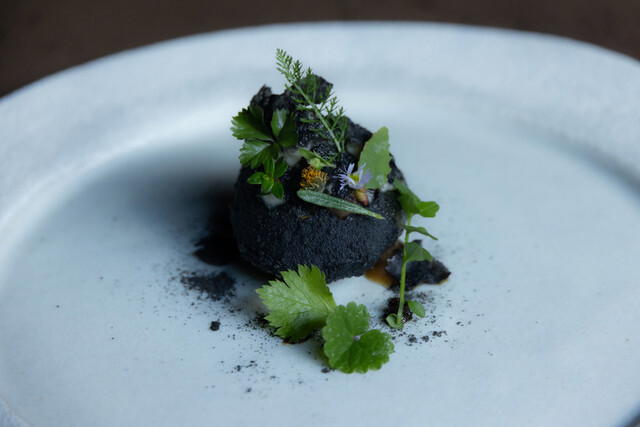
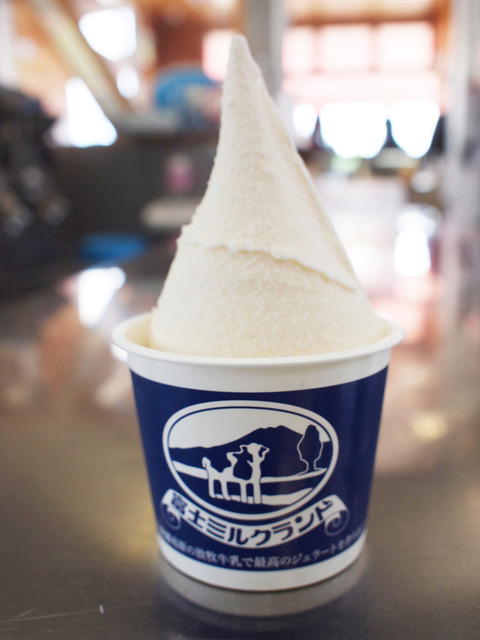
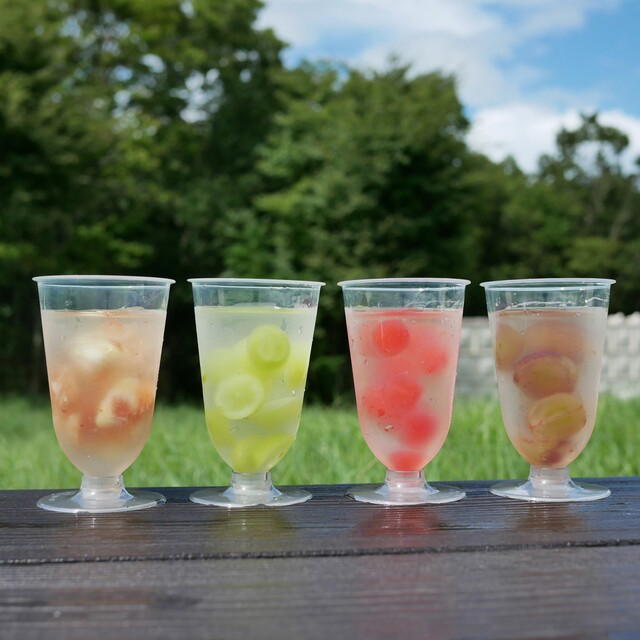
Bars in Minamitsuru-gun
Browse all →
Hotels in Minamitsuru-gun
Browse all →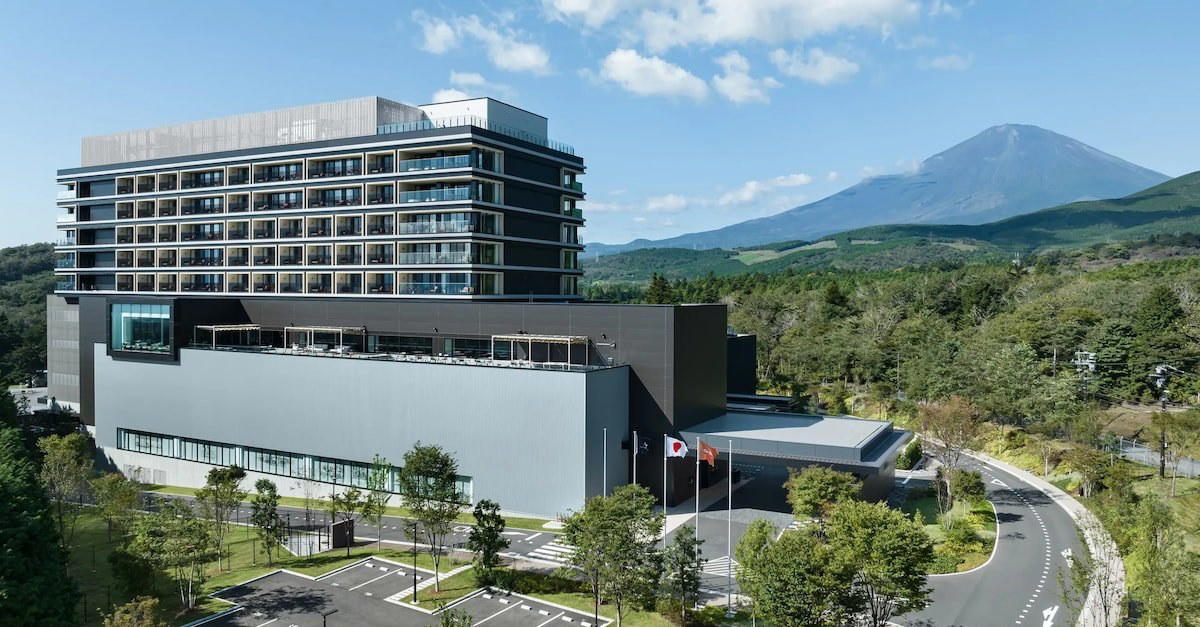
Wineries in Minamitsuru-gun
Browse all →
Details
- Elegant
- Quiet
- Sophisticated
- Classic
- Date Night
- Business Dinner
- Special Occasion
- Group Dining
- Standalone
- Mountain
- A La Carte
- Set Menu
Current opening hours
- Monday
- 12–2 PM, 5:30–10 PM
- Tuesday
- 12–2 PM, 5:30–10 PM
- Wednesday
- 12–2 PM, 5:30–10 PM
- Thursday
- 12–2 PM, 5:30–10 PM
- Friday
- 12–2 PM, 5:30–10 PM
- Saturday
- 12–2 PM, 5:30–10 PM
- Sunday
- 12–2 PM, 5:30–10 PM
Hours can change for holidays and private events. Hours as of .
Refined and calm, with a reputation for beautifully presented dishes and a dining experience that feels more special-occasion than casual.