
Tabelog 100 #100
Our verdict
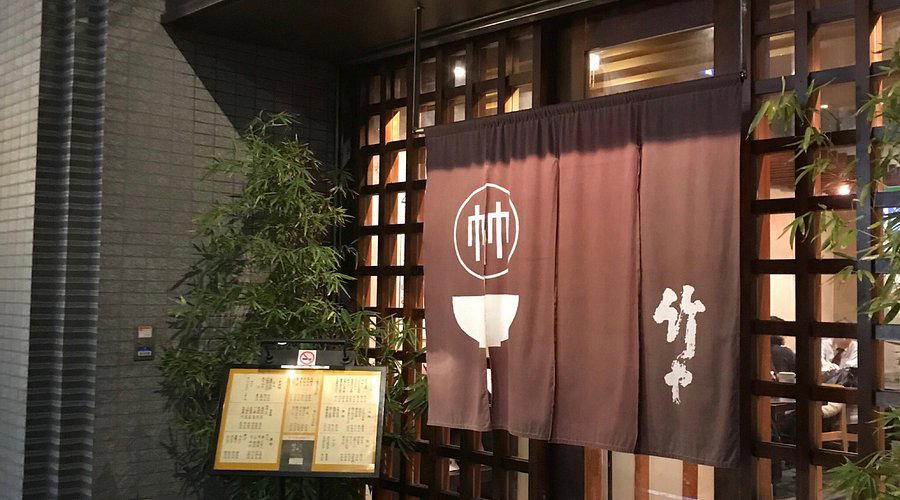
Takeya places Tokyo’s everyday udon ritual in a more flexible frame: noodles at lunch, curry udon and izakaya-style drinking at night. Its Tabelog 100 Udon EAST 2024 selection, 65-seat room, and Ochanomizu location make it useful for readers who want a serious noodle stop without the ceremony of a counter-only meal.

Pearl is the En Primeur Club membership app, where members save venues, book tables and use the concierge.
The menu
What to order
- Ebi Ten Curry Udon (shrimp tempura curry udon)
- Kake-jiru Udon (simple broth udon)
- Seasonal limited-edition udon
Tokyo changes register quickly: university corridors, instrument shops, office workers between rail lines, then calmer side streets where noodle shops work without theatre. Here, udon is not special-occasion performance but city rhythm: arrive, order with purpose, eat while hot, move on. Takeya fits that rhythm, with enough range to stretch from fast lunch to an evening of noodles and casual Japanese tavern-style eating.
Tokyo’s luxury dining conversation often turns to sushi counters, kaiseki rooms, and French tasting menus, yet noodle culture shows everyday precision more clearly. Udon depends on timing, wheat texture, broth discipline, and temperature, not spectacle. A shop that holds attention here is judged against a deep field of specialists, not casual convenience alone. Selection for Tabelog 100 Udon EAST 2024 puts Takeya in that sharper competitive set, among restaurants assessed for specific craft rather than broad popularity.
Udon, curry udon, and the izakaya rhythm
The defining move is format. The category listing covers udon, curry udon, and izakaya-style dining, important because Tokyo noodle shops often occupy tighter lanes: lunch-only speed, late-night drinking support, or specialist bowls with little else. This room is closer to a hybrid model, where noodles anchor the meal without turning the evening into a single-bowl transaction.
That hybrid shape changes the etiquette. At lunch, udon rewards decisiveness; the meal is paced around heat and texture, not lingering. At night, the same culture can become more social, with the izakaya category suggesting a broader table than a single bowl alone. This is not a silent temple to noodles; it is a practical Tokyo dining room where wheat comes first, then the format widens the experience.
Curry udon is a useful signal. In Japan, it sits between comfort food and technical noodle cooking, because the sauce must cling without burying noodle structure. It broadens the audience beyond austere broth-led udon, especially for students, office workers, and visitors moving through Tokyo. For travellers building a Tokyo food day, the address fits between formal reservations and lighter coffee-focused stops such as Jikaseibaisen Coffee Mijinko in the wider dining orbit.
What the Tokyo setting tells you about the meal
Tokyo is broad enough to contain polished destination dining and everyday specialist rooms, and that explains the appeal. Some parts of the city ask restaurants to perform polish; others reward utility, concentration, and value. Comparison venues across the city show the range: Ochanomizu Ogawa Ken, Amanoya, à table, and Rangitoto Tokyo all sit in different decision paths for a meal out. Against that mix, an award-listed udon restaurant with izakaya flexibility gives the city a specifically Japanese anchor, not another all-purpose casual option.
Scale should be understood through use rather than mythology. Tokyo diners often romanticise tiny counters, but a noodle-and-izakaya format can work just as well when it absorbs mixed parties and quicker meals without excessive ceremony. That usefully counters a reservation-heavy culture where intimacy is often mistaken for seriousness. Here, seriousness is measured through noodle category recognition, not scarcity.
The Tabelog score of 3.67 needs local context. On Tabelog, scores above the mid-threes can indicate strong category credibility, especially for everyday formats where user volume and local repeat trade weigh differently from destination tasting menus. The 2024 Tabelog 100 Udon EAST selection is the cleaner trust signal, placing the restaurant within an udon-specific list rather than a general dining ranking.
For readers comparing across Tokyo, the better frame is not “cheap versus expensive” but “how much ritual does the meal require?” Sushi omakase asks for punctuality, silence, and trust in a chef-led sequence. Yakitori and other grill-led formats have their own pacing around heat and sequence. Udon is more direct: order cleanly, eat promptly, and understand that the bowl is engineered for immediacy. Takeya’s evening izakaya side softens that strictness without becoming a generic drinking session.
How to place it in a Tokyo itinerary
The strongest use case is a meal needing credibility without ceremony. Lunch works for a focused noodle stop in Tokyo; dinner works when a group wants a casual Japanese table, not chef-counter performance. The listed budget, dinner at JPY 2,000 - JPY 2,999 and lunch up to JPY 999, keeps it low-friction for Tokyo, especially beside premium sushi or tasting menus, while award recognition gives it more weight than a random station-area noodle shop.
Travellers often stack Tokyo dining days by category: ramen or udon at lunch, coffee or sweets in the afternoon, then a more structured dinner. In that pattern, this address can sit before a bar crawl mapped through Our full Tokyo bars guide, or as a simpler evening after a hotel-heavy day planned through Our full Tokyo hotels guide. Readers comparing broader city options should start with Our full Tokyo restaurants guide, then branch into specialist formats rather than treating Tokyo dining as one hierarchy.
The related field matters beyond a single meal. A noodle-and-izakaya table here has little in common with more formal cooking, other specialist counters, or contemporary dining elsewhere. Those comparisons define the decision: this is Tokyo everyday craft with enough award backing to justify a detour, not a long-form tasting experience.
For further planning, keep the comparisons format-led rather than name-led. Tokyo has many casual specialist addresses with a clear point of use, from noodle counters to coffee rooms to compact restaurants built around one reliable category. For non-restaurant planning, keep Our full Tokyo wineries guide and Our full Tokyo experiences guide separate; they answer different trip questions.
- Tokyo specialist noodle dining
- Tokyo coffee and casual food stops
- Tokyo dining rooms for flexible itineraries
Frequently asked questions
Is Takeya good for families?
Takeya’s udon-and-izakaya format can suit mixed groups ordering at different paces, but travellers should check the venue's official channels for the latest details before planning around specific seating or family policies.
Is Takeya better for a quiet night or a lively one?
It leans more toward a casual, practical meal than a hushed special-occasion one, especially because the listed categories include both udon and izakaya-style dining. Check the venue's official channels for current service details.
What's the price range at Takeya?
Takeya is listed at Dinner: JPY 2,000 - JPY 2,999; Lunch: - JPY 999.
What are Takeya's hours?
Check Takeya's official channels for current opening hours before visiting.
Where is Takeya in Tokyo?
Tokyo.
What's the standout thing about Takeya?
Its clearest calling card is the Tabelog 100 Udon EAST 2024 selection, which gives real weight to a meal built around udon rather than showy extras. The category range, from udon to curry udon and izakaya dishes, makes it more flexible than a strict noodle counter.
Peers Worth Knowing
Comparable venues at similar price and category levels.
| Venue | Cuisine | Price | Awards | Notes |
|---|---|---|---|---|
| TakeyaThis venue (the venue you are viewing) | Udon & Izakaya | $10–20 | Tabelog 100 #100 | Not listed |
| Ochanomizu Ogawa Ken | Japanese Western / Yoshoku Cafe | $10–20 | Tabelog 100 #64 | JPY 1,000 - JPY 1,999 JPY 1,000 - JPY 1,999 View spending breakdown |
| Amanoya | Traditional Japanese sweets café & okonomiyaki | $20–30 | Tabelog 100 | JPY 999 |
| Rangitoto Tokyo | French Japanese Fusion with NZ Wines | $50–100 | Star Wine List | Not listed |
| à table | Classic French Bistro | $100–150 | Michelin Plate · Tabelog 100 #96 | French |
| Jikaseibaisen Coffee Mijinko | Not listed | $20–30 | Tabelog 100 #65 | JPY 1,000 - JPY 1,999 JPY 1,000 - JPY 1,999 |
Recognition history
Dated appearances from independent guides and award organizations, with the underlying list record or original source where available.
Tabelog 100 #100 · No. 100
Tabelog · Tabelog 100 - Udon - EAST - 2024
Continue exploring
More in Tokyo
Restaurants in Tokyo
All restaurants in Tokyo →






Details
- Lively
- Cozy
- Classic
- After Work
- Group Dining
- Casual Hangout
- Solo
- Family
- Late Night
- Standalone
- A La Carte
- Small Plates
- Beer
- Sake
- Shochu
Current opening hours
- Monday
- 11 AM–3 PM, 5–11 PM
- Tuesday
- 11 AM–3 PM, 5–11 PM
- Wednesday
- 11 AM–3 PM, 5–11 PM
- Thursday
- 11 AM–3 PM, 5–11 PM
- Friday
- 11 AM–3 PM, 5–11 PM
- Saturday
- 11 AM–3 PM, 5–10 PM
- Sunday
- Closed
Hours can change for holidays and private events. Hours as of .
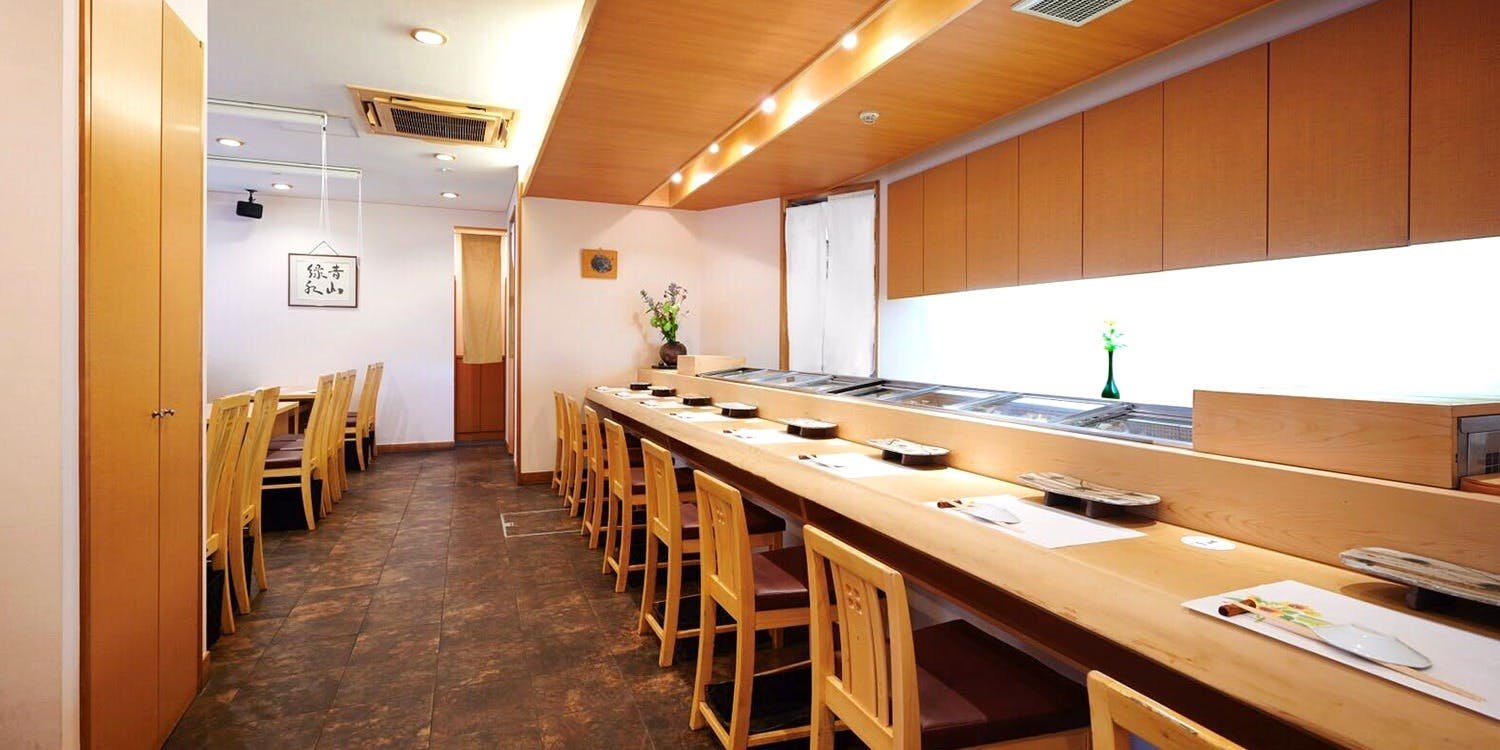
Casual and lively udon-izakaya atmosphere with counter and table seating, suited to everyday meals and relaxed drinking parties rather than formal dining.