
Asakusa Naniwaya sits in Tokyo’s old sweet-shop register rather than the city’s luxury dining circuit: taiyaki, obanyaki, kakigori and café-style wagashi at a compact 14-seat address in Taito. Its Tabelog 100 selection for Tokyo Japanese traditional sweets and sweets cafés places it in a serious category, where craft, queue discipline and low spend matter more than ceremony.
Pearl is the En Primeur Club membership app — saves, bookings, and concierge access live there. Same editors, same standards.
- Address
- 2 Chome-12-4 Asakusa, Taito City, Tokyo 111-0032, Japan
- Phone
- +81 3-3842-0988
- Website
- a-naniwaya.com
 Saves & bookings on Pearl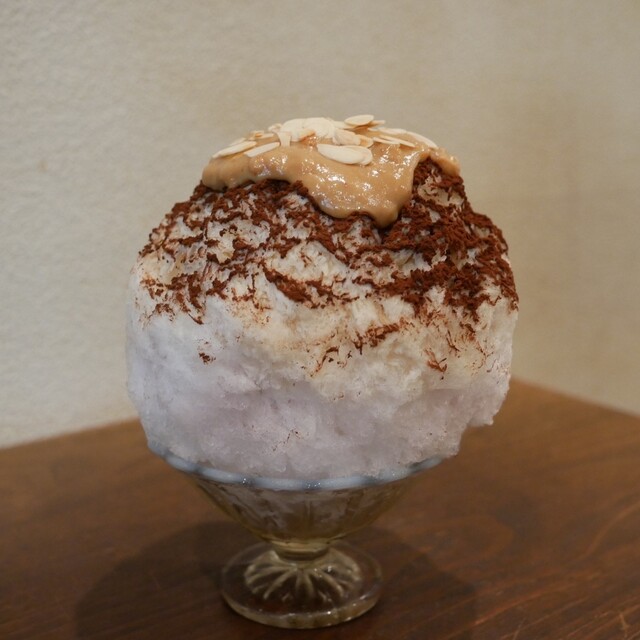
Asakusa changes texture quickly: temple approaches, souvenir stalls, old snack counters, then quieter local cafés and sweet shops. Here, taiyaki is not novelty dessert but a street-level Tokyo habit, eaten between errands, temple visits and train transfers. Asakusa Naniwaya fits that register: small, direct, and built around Japanese sweets rather than the multi-course theatre that dominates many Tokyo dining conversations.
Read this address against Asakusa’s broader food hierarchy. Nearby, higher-spend meals such as Asakusa Imahan Kokusai dori honten sit in the sukiyaki bracket, while Ryuen, Hon to Saya and Sushi Ken occupy different restaurant categories. A sweets café runs by another logic: low spend, compressed format, and judgment by repetition: batter, filling, ice, tea, timing and turnover.
Taiyaki, kakigori and the serious end of Tokyo sweets
Tokyo wagashi culture stretches from formal tea ceremony confections to commuter-station dorayaki, department-store gift boxes and summer kakigori counters. Asakusa’s version is more street-facing. Taiyaki and obanyaki are portable, familiar forms; kakigori moves the shop into seasonal café territory, especially when humid weather turns shaved ice from treat into practical answer to the city’s heat.
That range places the shop inside a closely scrutinised specialist category. Selection for Tabelog 100 Japanese traditional sweets and Japanese sweets café Tokyo 2023 is a meaningful signal in Japan’s user-review ecosystem, especially where international awards rarely apply. Earlier Tabelog 100 sweets selections in 2018, 2019, 2020 and 2022 show the attention was not a single-season accident. The published Tabelog score of 3.76 positions it as a serious local sweets stop rather than a casual tourist add-on.
The menu categories tell the story plainly: taiyaki, obanyaki, café-style Japanese sweets and kakigori. They are not luxury cues, but exacting ones. Taiyaki shops are judged by temperature, shell structure, filling balance and speed from mold to customer. Kakigori is judged by ice texture, syrup balance and whether the portion feels like craft or excess. The pleasure is a narrow field done with discipline, not rarity.
Asakusa rewards short stops, so this kind of eating fits well. A sweets café can sit between temple time and dinner plans, pairing better with a broader Tokyo day than a formal tasting-menu itinerary. Readers building a food crawl can use Our full Tokyo restaurants guide for the wider map, then treat this as the low-spend counterpoint to yakitori, sushi, curry and izakaya-style meals elsewhere in the city.
A compact room in a neighborhood built for short stops
Scale is part of the appeal. Fourteen seats keep the experience closer to a working sweet shop than a destination dining room, and take-out is part of the service model. The visit is less about lingering than timing: arrive flexibly, expect a compact space, and treat the counter rhythm as part of the format. Children are welcome, private rooms are not part of the setup, and the room is non-smoking.
Location shapes the experience. The address is in Taito’s Asakusa district, close to the station network bringing day visitors into the area, but the better approach is on foot. Asakusa rewards walking: snack, shrine, side street, coffee, sweets, then dinner. Tokyo’s low-price food culture can feel more revealing than another luxury reservation because the threshold is low and standards stay high.
Payment adds old-school character. Credit cards, electronic money and QR code payments are not accepted, so cash is the practical default. That is not incidental in Tokyo sweets culture, where many small specialists run tight service flows and modest average spend. The listed budget is JPY 1,000 to JPY 1,999 for both lunch and dinner periods, making the shop an easy add-on rather than a meal needing its own evening.
Opening patterns deserve care. The listed schedule runs daytime into early evening on most days, with shorter weekend and public-holiday service, and Tuesday closure appears in the detailed hours. In Asakusa, where visitor volume can bunch around weekends and temple traffic, earlier in the day is the safer editorial call for selection and a calmer pace.
How to place it in a Tokyo itinerary
The mistake is comparing a taiyaki and kakigori shop with Tokyo’s prestige counters. The better comparison is functional: use it when a day needs a precise, local sweets stop rather than another long meal. In the same city guide ecosystem, a curry specialist such as 3 Chome no Curry Ya San, a visual café such as 2D Cafe, or a charcoal-led address such as . 鮪と炭火焼き うお炭 秋葉原店 solves a different dining problem. This solves the Asakusa sweets question with credibility and a low barrier to entry.
For a fuller Tokyo plan, pair the neighborhood stop with structured meals elsewhere: 12/10 Shinjuku ten for Shinjuku, 124. KAGURAZAKA (Yakitori) for another expression of Tokyo craft, or the broader city lists across Our full Tokyo hotels guide, Our full Tokyo bars guide, Our full Tokyo wineries guide and Our full Tokyo experiences guide. The point is balance: one formal reservation, one neighborhood specialty, one unhurried walk.
Japan’s regional eating map also frames the decision. A sweet-shop stop in Asakusa is not competing with destination meals such as -Grilled beef Sukiyaki- KAMAKURA TANUKIAN 鎌倉 たぬき庵 in Kamakura, [ki:] in Kyoto, [Curry Senmon Ten] Maruyama Kyoju. in Sapporo.cafe in Osaka.know in Kumamoto or (Shoku) Vietnam in Kawasaki. It belongs to the small, repeatable pleasures that make a city legible between major meals.
For overseas readers, there is a useful parallel with Japanese casual formats abroad, from Jōdo Saké Bar in Los Angeles to Onigiri Time in Pasadena: the format looks simple, but good versions depend on consistency. Asakusa Naniwaya earns attention because the category is humble and the signals are concrete: Tabelog 100 recognition, repeat selection history, a compact 14-seat room, take-out service, and a price band that keeps the decision refreshingly low-risk.
At a Glance
Comparable venues for orientation by cuisine and category.
| Venue | Cuisine | Price | Notes |
|---|---|---|---|
| Asakusa NaniwayaThis venue — the venue you are viewing | Not listed | $ | Not listed |
| Teuchi Soba Kiri Takumi | Chiyoda, Traditional Handmade Soba | $ | Not listed |
| 玄冶店 濱田家 | Chūō, Japanese Izakaya | $ | Not listed |
| Baika Tei Kagurazaka honten | Shinjuku, Japanese Traditional Sweets | $ | Not listed |
| 北島亭 | Shinjuku, Japanese Izakaya | $ | Not listed |
| Kuromatsu Honpo Sogetsu | Not listed | $ | Kita, Traditional Japanese Wagashi & Dorayaki Shop |
Recognition history
Dated appearances from independent guides and award organizations, with the underlying list record or original source where available.
Tabelog 100 #54 · No. 54
Tabelog · Tabelog 100 - Japanese traditional sweets / Japanese sweets cafe - TOKYO - 2023






At a Glance
- Cozy
- Classic
- Solo
- Casual Hangout
- After Work
- Late Night
- Family
- Standalone
- Historic Building
- Local Sourcing
Current opening hours
- Monday
- 11 AM–7 PM
- Tuesday
- 10 AM–6 PM
- Wednesday
- 10 AM–6 PM
- Thursday
- 11 AM–7 PM
- Friday
- 11 AM–7 PM
- Saturday
- 10 AM–6 PM
- Sunday
- 10 AM–6 PM
Hours can change for holidays and private events. Last verified .
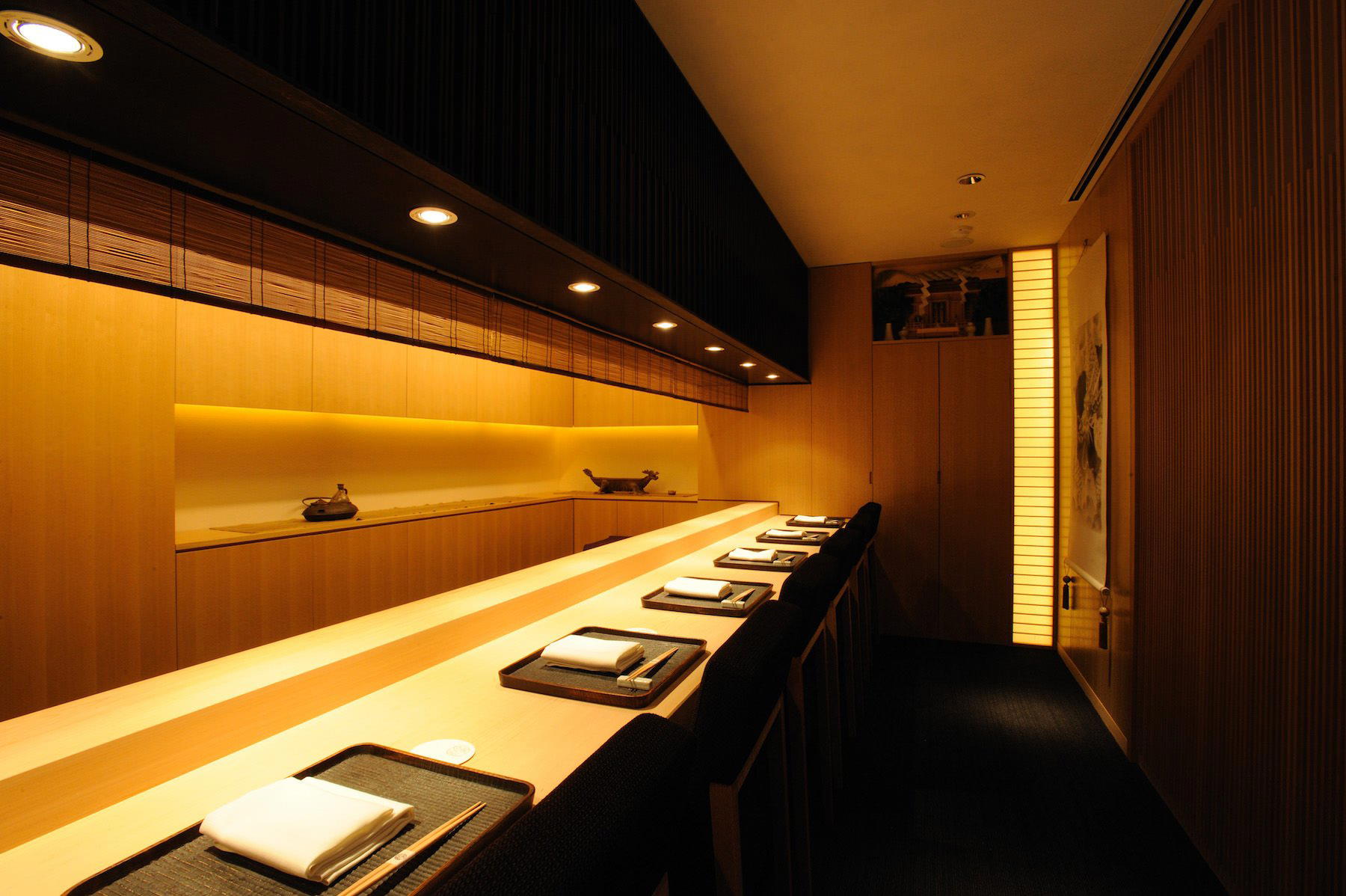
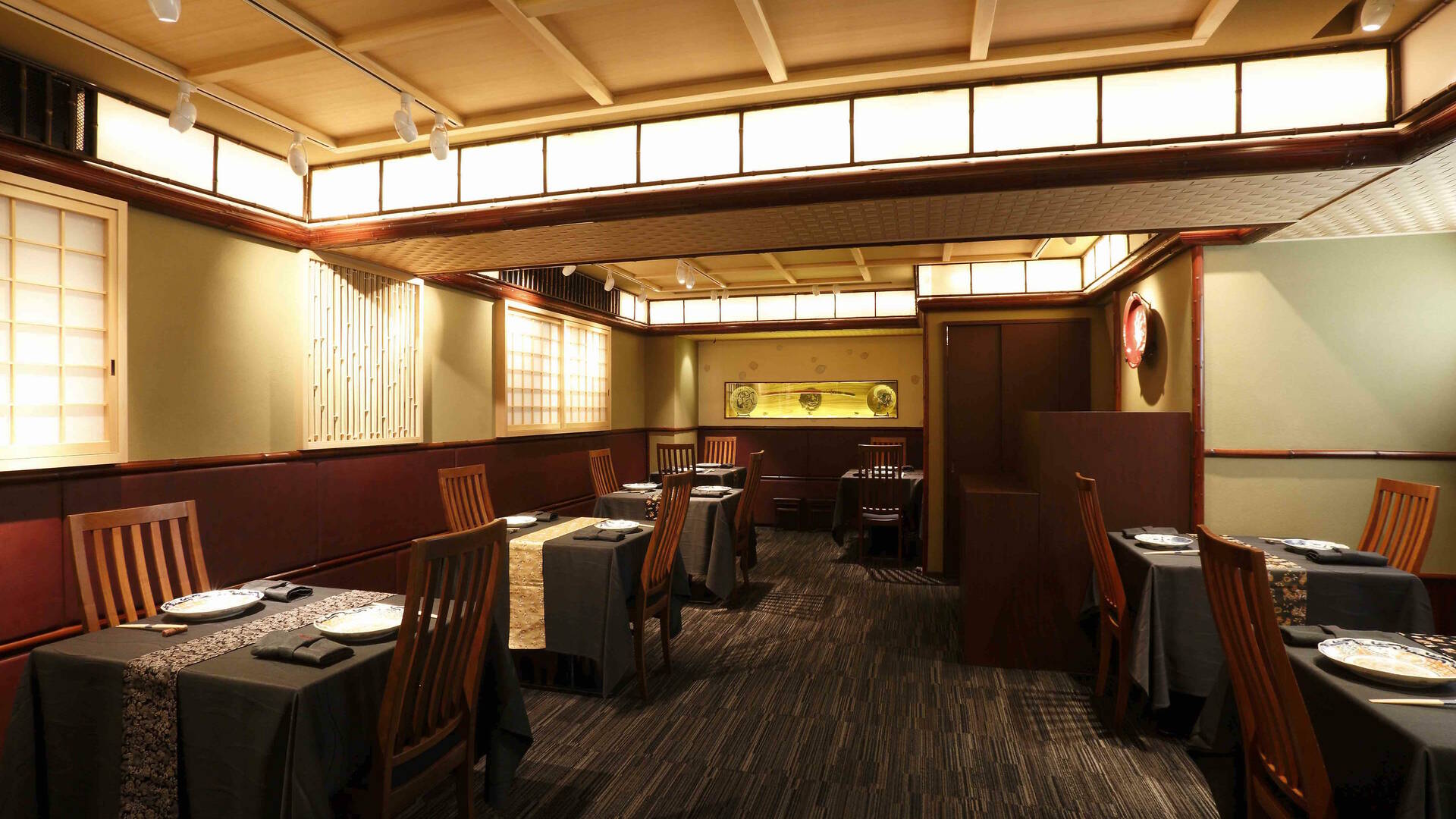
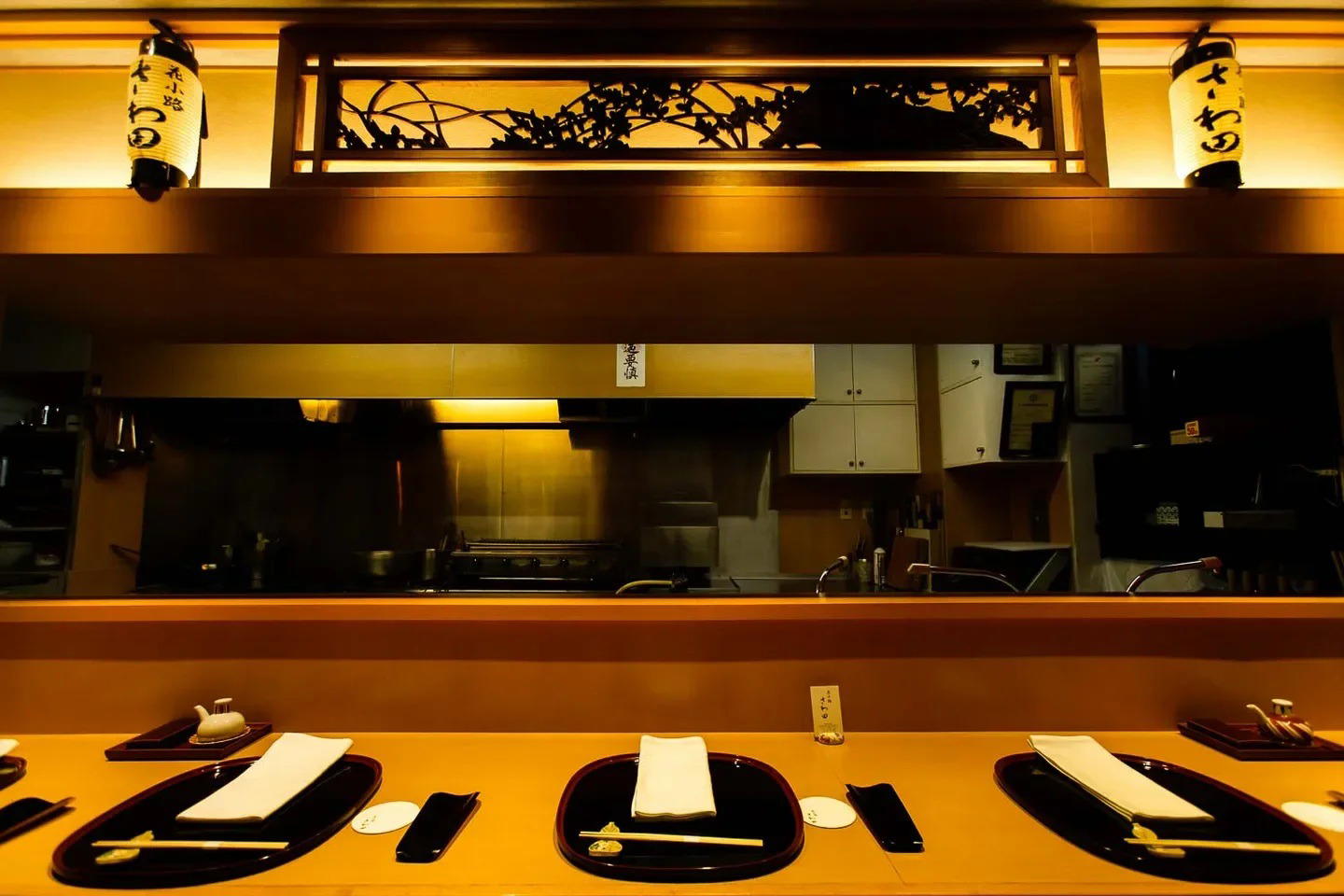
Small, non-smoking wagashi café with a homey, slightly stylish feel; guests sit in a compact tea-room space to enjoy taiyaki and shaved ice in a relaxed, casual atmosphere suited to a quick sweet stop rather than long meals.