
Tabelog 100 #32
Our verdict
Takatsuji Kasui belongs to Kyoto’s compact, counter-led izakaya tier, where the room matters as much as the cooking rhythm. The draw is not spectacle but scale: 14 seats, a fish-focused kitchen, serious sake and shochu, and selection for Tabelog 100 Izakaya WEST 2025.

Pearl is the En Primeur Club membership app — saves, bookings, and concierge access live there. Same editors, same standards.
The menu
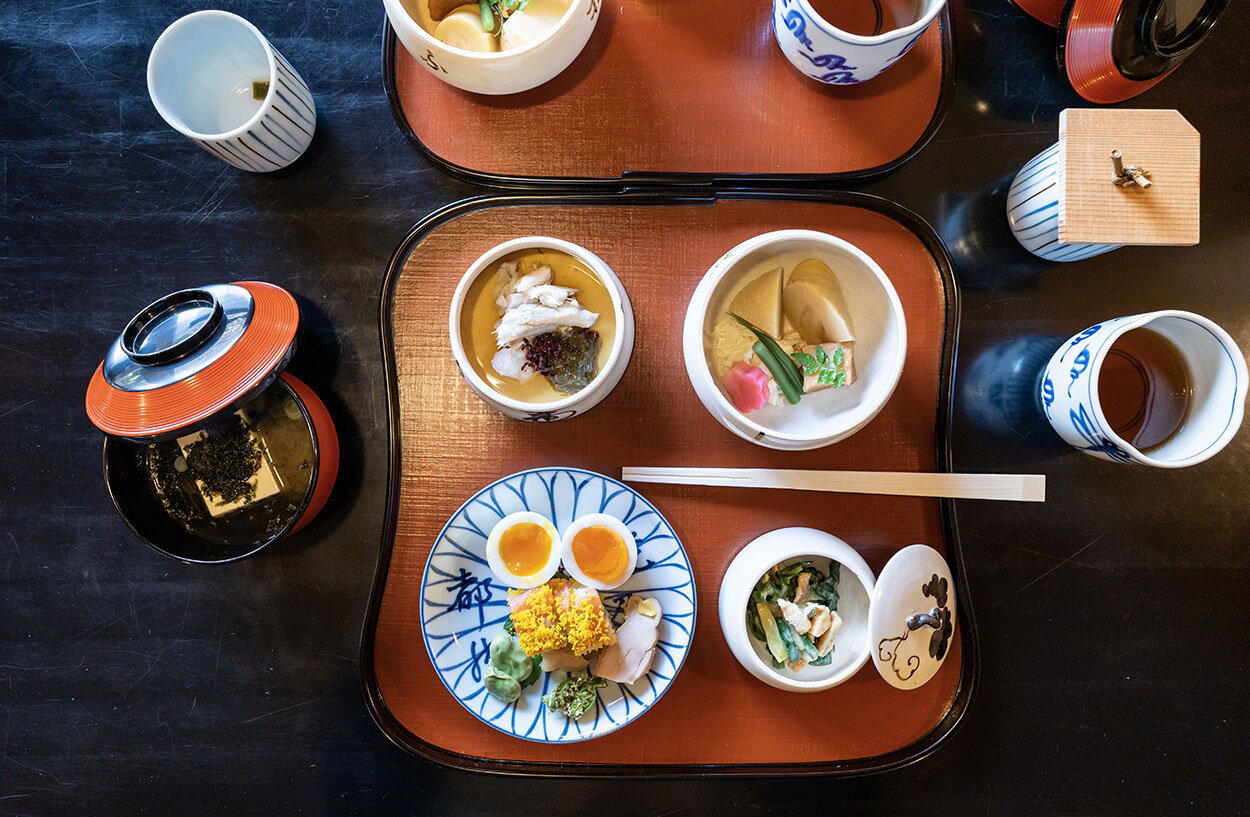
What to order
- Seasonal sashimi selection
- Tempura of seasonal vegetables and seafood
- Beef sukiyaki with Japanese pepper
- One soup, two side dishes set
In Kyoto, the izakaya form can compress into a focused evening where dinner’s rhythm is shaped by proximity, pacing, and conversation. Visitors often misread the category as casual drinking food. At the sharper end, it can become a negotiated sequence of cooking, drinks, and timing, with the tavern sensibility acting as both dining room and stage.
Takatsuji Kasui sits in that narrower bracket. The restaurant is identified as an izakaya, a category that can range widely from everyday tavern to destination dining room. Kyoto has many restaurants, but not all create the same pressure. Here, the appeal is less about grand-room drama than about a measured, adult-feeling meal where attention gathers around service, cooking, and the pace of the evening.
A compact izakaya room built around pacing and counter discipline
Kyoto’s serious izakaya culture differs from the city’s kaiseki image. Kaiseki often carries ceremony, fixed progression, and architectural calm; izakaya cooking, at this level, has more elasticity. It can move between different styles of dishes and drinking snacks without becoming a tasting-menu performance. That flexibility is the appeal, and where weaker rooms lose focus.
The evidence here is clear enough without overexplaining the kitchen. The restaurant is categorized as an izakaya, placing it within a Japanese tavern tradition that depends on food, drink, and tempo working together. That combination moves it beyond tourist-facing “Japanese pub” shorthand and toward the Kyoto format where the meal’s structure is built gradually. Tabelog Hyakumeiten recognition in 2025 gives the room a public quality signal within the izakaya field, while its Tabelog score of 3.70 places it in a competitive local band, not the broad casual market.
The format matters because izakaya dining is physical before it is descriptive. A focused room changes tempo: plates arrive into a more intimate field of attention, drinks are read from the table’s pace, and gaps become more consequential. For travelers comparing Kyoto dining styles, this is the opposite of the grand dining room: a controlled, low-key setting where izakaya excellence is cumulative rather than theatrical.
How it fits Kyoto's dining map
Kyoto is useful for travelers who want serious meals without committing every night to formal dining or hotel-led plans. The city can absorb multiple dining moods in one evening: informal food stops, small bars, late dinners, and tightly run restaurants. Takatsuji Kasui belongs to the quieter side of that map, fitting a Kyoto itinerary without needing to be framed as a landmark-driven destination.
Price clarifies the decision. At JPY 5,000 to JPY 5,999, it occupies a different lane from Kyoto’s high-ticket formal rooms, while still suggesting more intent than an unfocused casual stop. In the supplied Kyoto comparison set, KANEGURA sits in the same JPY 5,000 to JPY 5,999 dinner band, while Bar Rocking chair and SPICE GATE operate at lower stated ranges. Takatsuji Kasui is not the bargain end of the evening economy, but its format keeps it below Kyoto’s formal fine-dining threshold.
The adult orientation is part of the positioning, not because the page needs to claim a particular house rule, but because the format rewards diners who want concentration over commotion. Kyoto izakaya rooms generally suit diners looking for pace and focus better than broad, all-purpose dining. The regular experience is best understood as precise rather than expansive: a Japanese tavern category, public recognition, and an evening shaped by pacing rather than spectacle.
For a wider Kyoto plan, read this address alongside other Kyoto dining rather than treating it as an isolated stop. EP Club’s Kyoto restaurant coverage includes other rooms, casual counters, and category-adjacent options across the city. For broader trip-building, use the full Kyoto restaurants guide, the full Kyoto hotels guide, the full Kyoto bars guide, the full Kyoto wineries guide, and the full Kyoto experiences guide.
The decision: choose it for scale, not spectacle
The case for Takatsuji Kasui is strongest for diners who value the architecture of a meal as much as the category. Scale is not just capacity; it defines the room’s social contract. A focused izakaya reduces distance between service, table, and guest, rooting the experience in Kyoto dining grammar rather than a generic small-plates format.
Its public recognition matters because izakaya lists can be noisy, especially in a city where visitor demand distorts reputation. Tabelog Hyakumeiten recognition in 2025 is a meaningful category marker, and the listed 3.70 score adds a concrete quality signal. That is the editorial point: Kyoto’s dining scene is not only old houses and inherited prestige. Tightly scaled restaurants can gain traction when the format is disciplined and the offering is legible.
Reservations require planning, especially for inbound diners, and a focused dinner plan leaves little margin for casual arrival timing. Once understood, the appeal is specific: a Kyoto izakaya with public recognition, a mid-range dinner price band, and a format where seating and pacing shape the evening. It belongs on an itinerary when the desired contrast is not another formal course menu, but a sharper, adult dinner in Kyoto.
Further Japanese dining reading can stay broad: compare Takatsuji Kasui with other unnamed dining rooms across Japan, from regional izakaya counters to casual specialty restaurants. For sake-led or Japanese-influenced dining outside Japan, use broader city guides and category pages rather than assuming a direct peer relationship.
Frequently asked questions
How much does it cost to eat at Takatsuji Kasui?
Pricing at Takatsuji Kasui is listed as JPY 5,000 - JPY 5,999.
Where exactly is Takatsuji Kasui?
Kyoto.
Do I need a reservation for Takatsuji Kasui?
Reservations are a sensible move for Takatsuji Kasui, especially for inbound diners planning a Kyoto evening around a specific restaurant rather than leaving the meal to chance.
What makes Takatsuji Kasui worth seeking out?
Takatsuji Kasui has Tabelog Hyakumeiten recognition in 2025, a Tabelog score of 3.70, and a listed dinner price of JPY 5,000 - JPY 5,999. The draw is the izakaya format in Kyoto, not theatrical presentation.
Peers Worth Knowing
Comparable options at the same price tier.
| Venue | Cuisine | Price | Awards | Notes |
|---|---|---|---|---|
| Takatsuji KasuiThis venue (the venue you are viewing) | Seasonal Kyoto Izakaya | $50–100 | Tabelog 100 #32 | Not listed |
| sushi imagine | Edomae Sushi Omakase | $100–150 | Michelin Plate | Not listed |
| Bar Rocking chair | Craft cocktail bar with bar snacks | $30–50 | Top 500 Bars Best Bars #408 · Tabelog 100 #62 | JPY 3,000 - JPY 3,999 |
| SPICE GATE | Japanese-style spice curry & dashi curry café | $10–20 | Tabelog 100 #64 | JPY 2,000 - JPY 2,999 JPY 1,000 - JPY 1,999 |
| KANEGURA | Wagyu-focused Japanese Izakaya & Hot Pot | $30–50 | Tabelog 100 #100 | JPY 5,000 - JPY 5,999 |
| Nikuryori Shibuya | Japanese Wagyu Omakase | $100–150 | Michelin Plate | Beef |
Recognition history
Dated appearances from independent guides and award organizations, with the underlying list record or original source where available.
Tabelog 100 #32 · No. 32
Tabelog · Tabelog 100 - Izakaya - WEST - 2025
Continue exploring
More in Kyoto
Restaurants in Kyoto
All restaurants in Kyoto →

Bars in Kyoto
All bars in Kyoto →

Hotels in Kyoto
All hotels in Kyoto →

Wineries in Kyoto
Browse all →
Takatsuji Kasui
The wine
- Wine program
- Curated wine list
- BYO wine
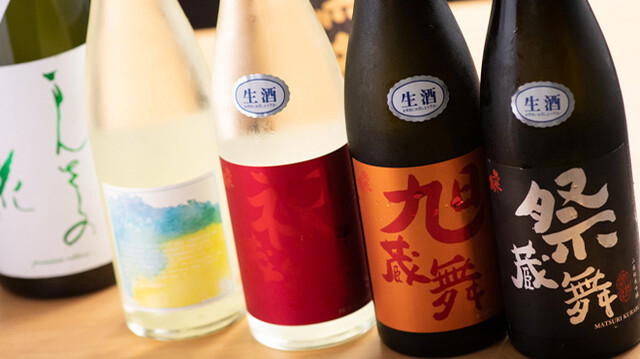
- Sake program
- Beer program
Details
- Cozy
- Intimate
- Sophisticated
- Classic
- Date Night
- After Work
- Solo
- Special Occasion
- Group Dining
- Chefs Counter
- Standalone
- Design Destination
- Sake Program
- Beer Program
- Byob
- Local Sourcing
- A La Carte
- Set Menu
- Counter Dining
- Small Plates
- Sake
- Shochu
- Wine
- Beer
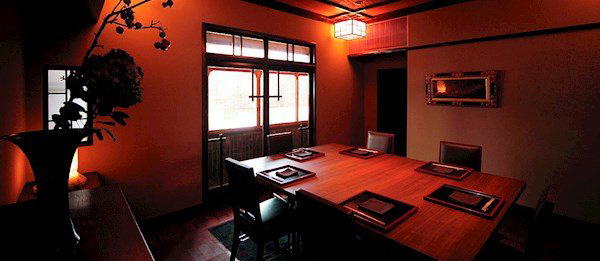
A small, non-smoking ‘adult’ izakaya with a simple and serene Japanese interior, mainly counter seating and one table, creating a calm, cozy hideout feel suitable for special occasions and solo counter dining rather than a rowdy drinking spot.