Taiwan Kitchen
A Taiwanese home-cooking address on Bagtikan Street, Taiwan Kitchen brings the pacing and ritual of a traditional Taiwanese table to Makati's dining circuit. The format leans toward shared plates, unhurried service, and the kind of produce-driven cooking that defines the island's most familiar meals. For visitors tracing Philippine metro dining beyond Filipino cuisine, it anchors an important regional thread.
Pearl is the En Primeur Club membership app — saves, bookings, and concierge access live there. Same editors, same standards.
- Address
- 7481 Bagtikan Street, Makati, 1203 Kalakhang Maynila, Philippines
- Phone
- +63 916 572 0004
- Website
- taiwankitchen.tablevibe.co
- Directions
- Get directions
 Saves & bookings on Pearl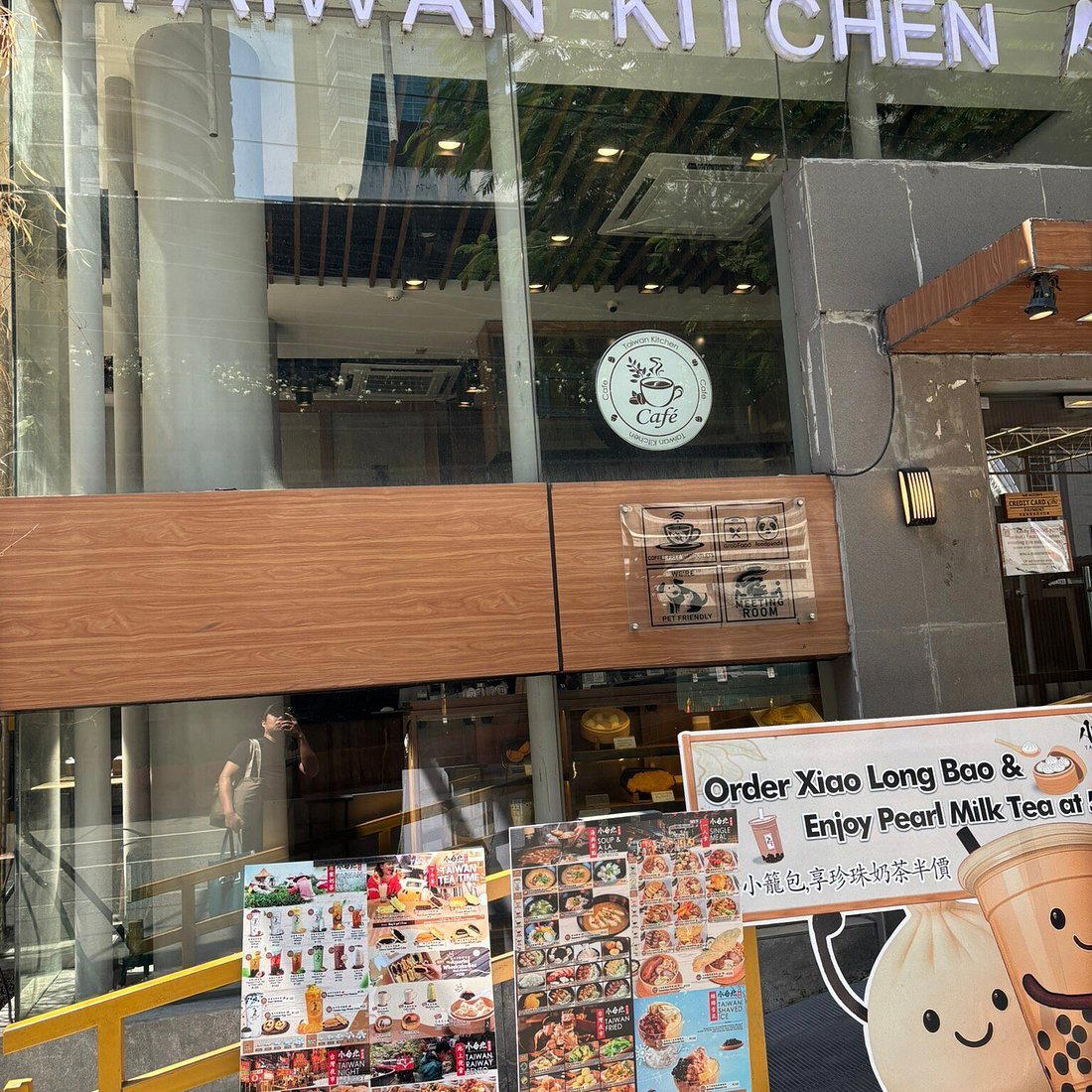
The Taiwanese Table in a Philippine City
Makati's dining grid runs heavily toward contemporary Filipino, European fine dining, and Japanese omakase. Taiwanese cooking occupies a smaller, more distinct corner of that map, one built on different principles of pacing, texture, and communal structure. Where a meal at Hapag (Filipino) asks you to follow a chef-led tasting progression, or Helm moves through a structured sequence with deliberate editorial intent, a Taiwanese kitchen traditionally puts the full spread on the table and trusts the group to decide the rhythm.
The address sits at some remove from the high-traffic restaurant corridors around Legazpi Village and the Ayala commercial belt. Taiwanese dining in Metro Manila has historically relied on word-of-mouth within specific communities, rather than the review-cycle visibility that drives reservation queues at venues like Celera or Kása Palma. That structural position shapes the experience before you sit down: this is a neighborhood-anchored restaurant, not a destination built for the fine-dining circuit.
How the Meal Moves
Taiwanese dining ritual differs from the mainland Chinese banquet format and from the tasting-menu logic that now dominates premium restaurant discourse globally. The Taiwanese table is organized around a central logic of abundance without ostentation: rice is present throughout, not as a transition signal; soups arrive alongside rather than between dishes; proteins, vegetables, and pickled accompaniments coexist on the table rather than appearing in a curated sequence. The pace is determined by appetite and conversation, not by a kitchen's choreography.
This structure has particular relevance in a city like Makati, where the more formally programmed dining experiences, from the contemporary Filipino tasting rooms to the European formats represented at venues such as Inatô, ask diners to surrender timing to the kitchen. A Taiwanese restaurant in that context offers a different contract: the kitchen executes, the table decides. For families, for groups with mixed appetites, or for diners who prefer a meal shaped by conversation rather than by service pacing, that shift in control matters.
Across Taiwan's most established cooking traditions, whether the Minnan-influenced dishes of Tainan, the night-market staples of Taipei, or the hakka preparations of the interior, the throughline is a preference for slow-cooked braises, clean vegetable preparations, and fermented or pickled elements that structure the meal's flavor range. Lu rou fan (braised pork rice), oyster vermicelli, scallion pancakes, and stewed tofu preparations appear across that tradition as anchoring dishes rather than showpieces. A Taiwanese restaurant operating within that framework in Makati is doing something categorically different from the regional Chinese cooking at most Filipino-Chinese restaurants in the metro, which typically default to Cantonese or Fujian styles.
Regional Context: Taiwanese Food in Metro Manila
The Philippine-Taiwanese food connection has older roots than is commonly acknowledged in dining press coverage. Taiwan has been a consistent source of migration, trade, and culinary exchange with the Philippines for decades, and Taiwanese home cooking has influenced a quiet stratum of Metro Manila's food scene, typically in community-facing restaurants rather than headline venues. That context places Taiwan Kitchen in a lineage that runs parallel to, rather than intersecting with, the fine-dining trajectory tracked by platforms reviewing venues like Gallery By Chele in Manila.
For comparison, the broader Philippine dining geography reflects significant regional diversity: Linamnam in Parañaque operates in a localist Filipino mode, while Asador Alfonso in Cavite represents a Spanish-influenced grill tradition. Taiwanese cooking sits outside both those trajectories, it is neither assimilated into the Filipino mainstream nor refined into a high-concept fine dining position. That in-between status is precisely what gives it consistent appeal among diners looking for something outside the reviewed, ticketed, and Instagram-optimized restaurant circuit.
The Bagtikan Street location places Taiwan Kitchen within reach of the residential enclaves of San Antonio Village and the broader Makati middle belt, areas with a dense population of food-literate residents who eat out frequently and across cuisines. For those residents, a reliable Taiwanese address functions differently than it does for a tourist or first-time visitor: it becomes a rotation staple rather than a special occasion.
Planning a Visit
Taiwan Kitchen is open daily from 9 AM to 3 AM. The Bagtikan Street address is navigable from central Makati, the street sits between the San Antonio and Pio del Pilar areas, though parking and pedestrian access are typical of the neighborhood's residential-commercial character rather than the managed approaches of venue-destination restaurants.
The restaurant is walk-in friendly. The format suits families and groups more naturally than it does solo dining or paired fine-dining occasions, given the shared-plate logic that underlies the cuisine's structure. For solo diners or couples seeking a more curated experience, the contrast is instructive: Atomix in New York City or Le Bernardin represent the polar opposite of this model, high-precision, single-trajectory, sequenced dining. The restaurant operates in an entirely different register, where the meal's shape is collective rather than authored.
Cuisine Lens
Comparable venues nearby, for context on price, style, and recognition.
| Venue | Cuisine | Price | Notes |
|---|---|---|---|
| Taiwan KitchenThis venue — the venue you are viewing | Taiwanese Fast Food | $$ | Not listed |
| Nanyang | Authentic Singaporean | $$ | Legazpi Village |
| Watami Japanese Casual Dining | Japanese Casual Dining | $$ | Ayala Center |
| Tiong Bahru Hainanese Boneless Chicken | Hainanese Boneless Chicken Rice | $$ | Makati |
| Buccaneers Rum & Kitchen | Caribbean Rum Bar | $$ | Poblacion |
| Tsukiji | Authentic Japanese with Fresh Tsukiji Seafood | $$$ | Makati |


At a Glance
- Casual Hangout
- Sake Program
Current opening hours
- Monday
- 9 AM–3 AM
- Tuesday
- 9 AM–3 AM
- Wednesday
- 9 AM–3 AM
- Thursday
- 9 AM–3 AM
- Friday
- 9 AM–3 AM
- Saturday
- 9 AM–3 AM
- Sunday
- 9 AM–3 AM
Hours can change for holidays and private events. Last verified .
Casual cafe atmosphere suitable for quick meals and tea.