Nanyang
Nanyang serves Authentic Singaporean food at Ayala North Exchange in Makati, with counter service and signatures including Hainanese Chicken Rice and Laksa Prawn.
Pearl is the En Primeur Club membership app — saves, bookings, and concierge access live there. Same editors, same standards.
- Address
- Ayala North Exchange, Ayala Ave, Legazpi Village, Makati City, Metro Manila, Philippines
- Directions
- Get directions
 Saves & bookings on Pearl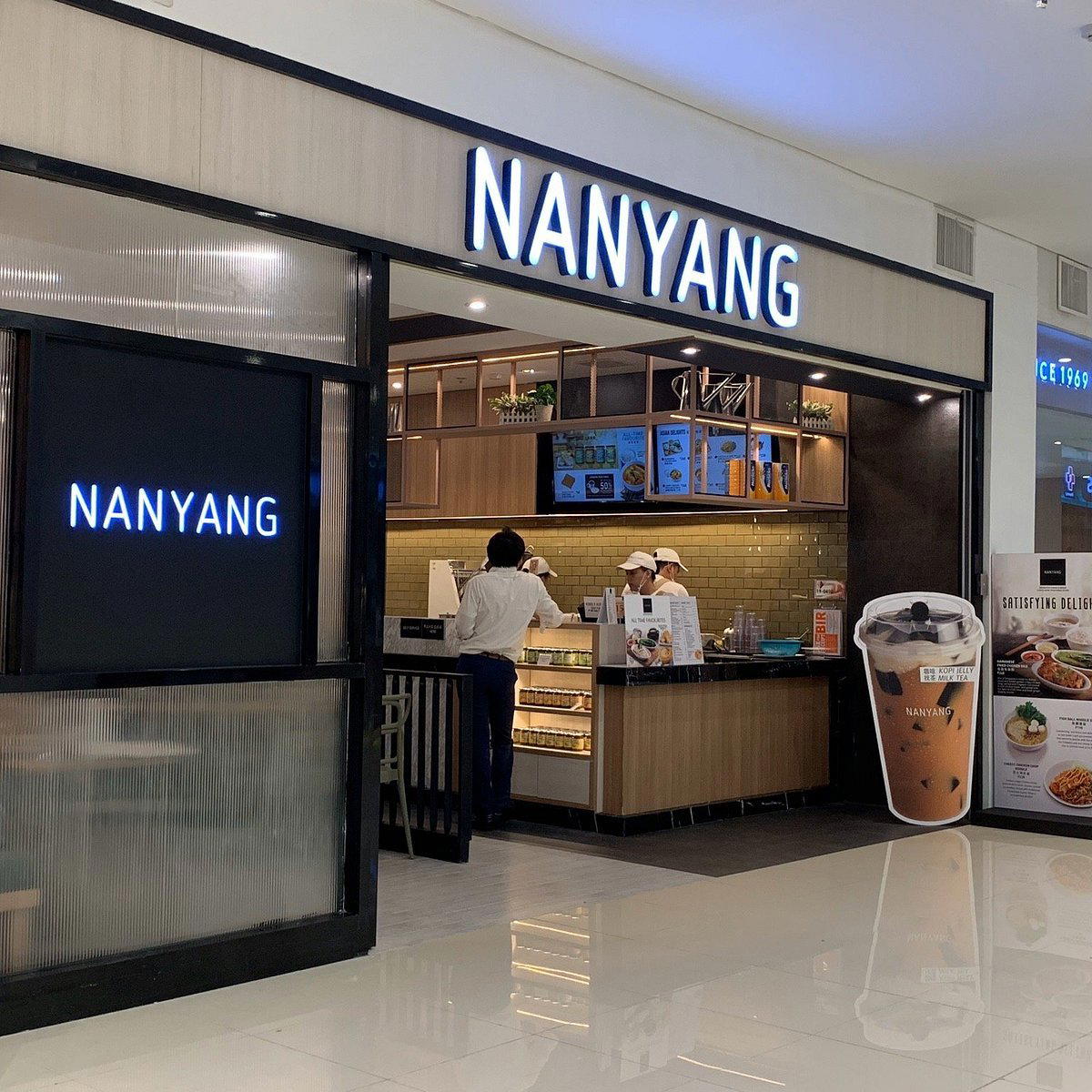
Where Nanyang Cuisine Meets Makati's CBD Dining Circuit
Ayala Avenue's northern exchange tower addresses a particular kind of lunch and dinner crowd: professionals from the surrounding financial district, residents of Legazpi Village, and the growing number of visitors who treat Makati's CBD as a dining destination in its own right rather than a stopover. Within that corridor, Nanyang operates as a reference point for Authentic Singaporean cooking in a city where that culinary tradition runs deep but rarely gets the formal restaurant treatment it deserves.
The name itself signals intent. "Nanyang" is the Hokkien term for the South Seas, the word used by overseas Chinese communities across maritime Southeast Asia to describe the region they settled. It carries a particular cultural weight in the Philippines, where Hokkien-speaking migrants from Fujian province shaped not just commerce but the food culture of Manila and its surrounding cities for centuries. A restaurant that takes that name in 2020s Makati is making a statement about roots, not novelty.
The Cultural Architecture of Nanyang Cooking
To understand what Nanyang cuisine means as a category, it helps to trace the movement of people and flavors across the South China Sea. Fujian and Teochew migrants who arrived in the Philippines over several centuries brought with them a repertoire built on seafood, fermented pastes, soy-braised proteins, and a preference for clean, high-heat wok technique. Over generations, that repertoire absorbed local ingredients and adapted to local palates, producing a hybrid cooking tradition that differs meaningfully from both mainland Chinese cooking and the Cantonese-dominated versions of Chinese food that dominate in many Western cities.
In Manila and Makati specifically, this tradition shows up in Binondo, the world's oldest Chinatown established in 1594, where pork blood stew sits beside Hokkien-style noodle soups and century egg preparations. What distinguishes a contemporary Nanyang restaurant from a Binondo institution is typically the register: plated presentation, sourced ingredients, a dining room calibrated for the corporate expense account rather than the street-facing shophouse. Nanyang in Ayala North Exchange occupies that formal tier, bringing a cuisine with deep popular roots into a setting defined by the CBD's business dining conventions.
Makati's Restaurant Map and Where Nanyang Sits
Makati's premium dining circuit has expanded considerably over the past decade, and the Legazpi Village and Ayala corridor now host a range of serious restaurants across multiple cuisine categories. Hapag (Filipino) and Helm represent the tasting-menu tier of modern Filipino cooking, drawing on local ingredients with a format borrowed from contemporary European fine dining. Celera and Kása Palma represent different approaches to Spanish and Mediterranean cooking. Inatô occupies the Japanese segment of that map.
Nanyang fills a different gap. Southeast Asian Chinese cooking, for all its historical depth in the Philippines, has not been heavily represented in Makati's formal dining tier. The cuisine's association with Binondo and its casual, high-volume format has meant that the refined version of this cooking tradition has had few dedicated venues.
The Philippines and Its Chinese Culinary Inheritance
The depth of Chinese culinary influence in Filipino food is difficult to overstate. Adobo's vinegar-and-soy base, pancit noodles, lumpia wrappers, the use of tofu and fermented black beans: these are not borrowings at the margins but structural elements of Filipino cooking as a whole. The Hokkien and Teochew communities who settled in Manila from the late sixteenth century onward did not assimilate their food culture into the surrounding Filipino tradition so much as co-create a hybrid that neither culture would fully recognize as its own.
What a restaurant like Nanyang can do, in formal surroundings with sourced ingredients and trained kitchen technique, is trace those connections deliberately rather than accidentally. That kind of explicit cultural framing is relatively new to Manila's restaurant scene, which has historically favored either straight Chinese-restaurant conventions or the full pivot to modern Filipino tasting menus. The middle ground, where Nanyang cooking is treated as a cuisine with its own grammar worth examining carefully, is territory that broader Southeast Asia is exploring, from Singapore's renewed interest in Peranakan cooking to Penang's heritage food trails.
For context on what this kind of cuisine looks like when it reaches the international tasting-menu format, Atomix in New York City offers a useful parallel in the Korean-American space: a cuisine with deep diaspora roots, presented in a register that demands the cuisine be taken seriously on its own terms rather than as a curiosity.
The building is part of the Ayala Land commercial development cluster, which means direct ground-level access and the usual CBD infrastructure. For diners coming from outside Makati, the venue sits within easy reach of the Ayala MRT station, reducing the need to negotiate traffic on the way in.
Visitors exploring the wider Manila and Metro Manila dining circuit will find useful reference points in Gallery By Chele in Manila for fine dining comparison, Linamnam in Parañaque for a different approach to Filipino culinary heritage, and Asador Alfonso in Cavite for Spanish-influenced cooking in the broader Metro Manila region. Those planning more extensive travel across the archipelago can also look at Balesin Dining Room in Polillo, Honesty Coffee Shop in Ivana, or the Gerry's Grill network, which has outposts at Ayala Malls Solenad in Santa Rosa, Xentro Mall Ilagan, Dumaguete, and SM City Bataan in Balanga, alongside Dampa in Quezon City for a more casual seafood-market experience.
Price Lens
Comparable venues nearby, for context on price, style, and recognition.
| Venue | Cuisine | Price | Notes |
|---|---|---|---|
| NanyangThis venue — the venue you are viewing | Legazpi Village, Authentic Singaporean | $$ | Not listed |
| Fat Cat | Pio del Pilar, Cocktail Bar | $$ | Not listed |
| Tiong Bahru Hainanese Boneless Chicken | Makati, Hainanese Boneless Chicken Rice | $$ | Not listed |
| Tim Ho Wan | Glorietta, Hong Kong Dim Sum | $$ | Not listed |
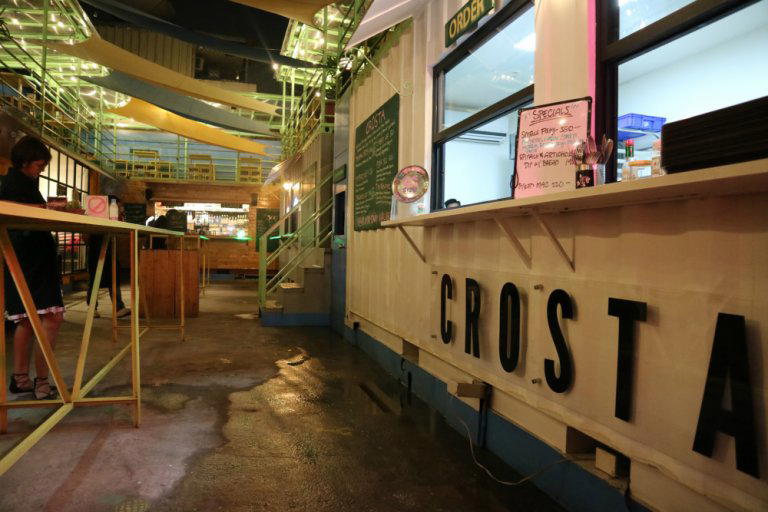
| Crosta | Not listed | $$$ | Poblacion, Neapolitan-style Sourdough Pizza |


At a Glance
- Cozy
- Modern
- Casual Hangout
- Brunch
Current opening hours
- Monday
- 10 AM–9 PM
- Tuesday
- 10 AM–9 PM
- Wednesday
- 10 AM–9 PM
- Thursday
- 10 AM–9 PM
- Friday
- 10 AM–9 PM
- Saturday
- 10 AM–9 PM
- Sunday
- 10 AM–9 PM
Hours can change for holidays and private events. Last verified .
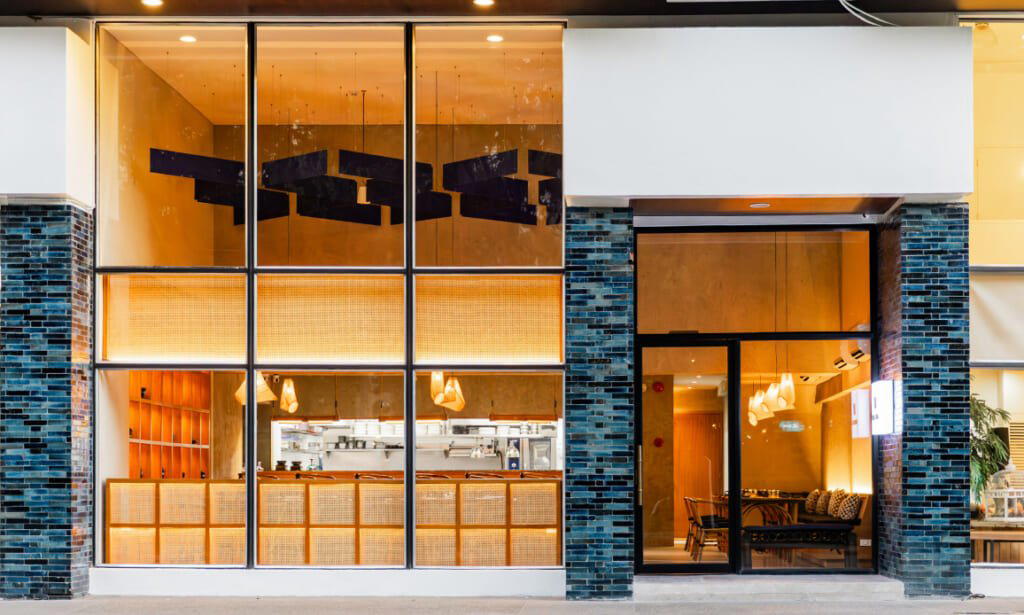
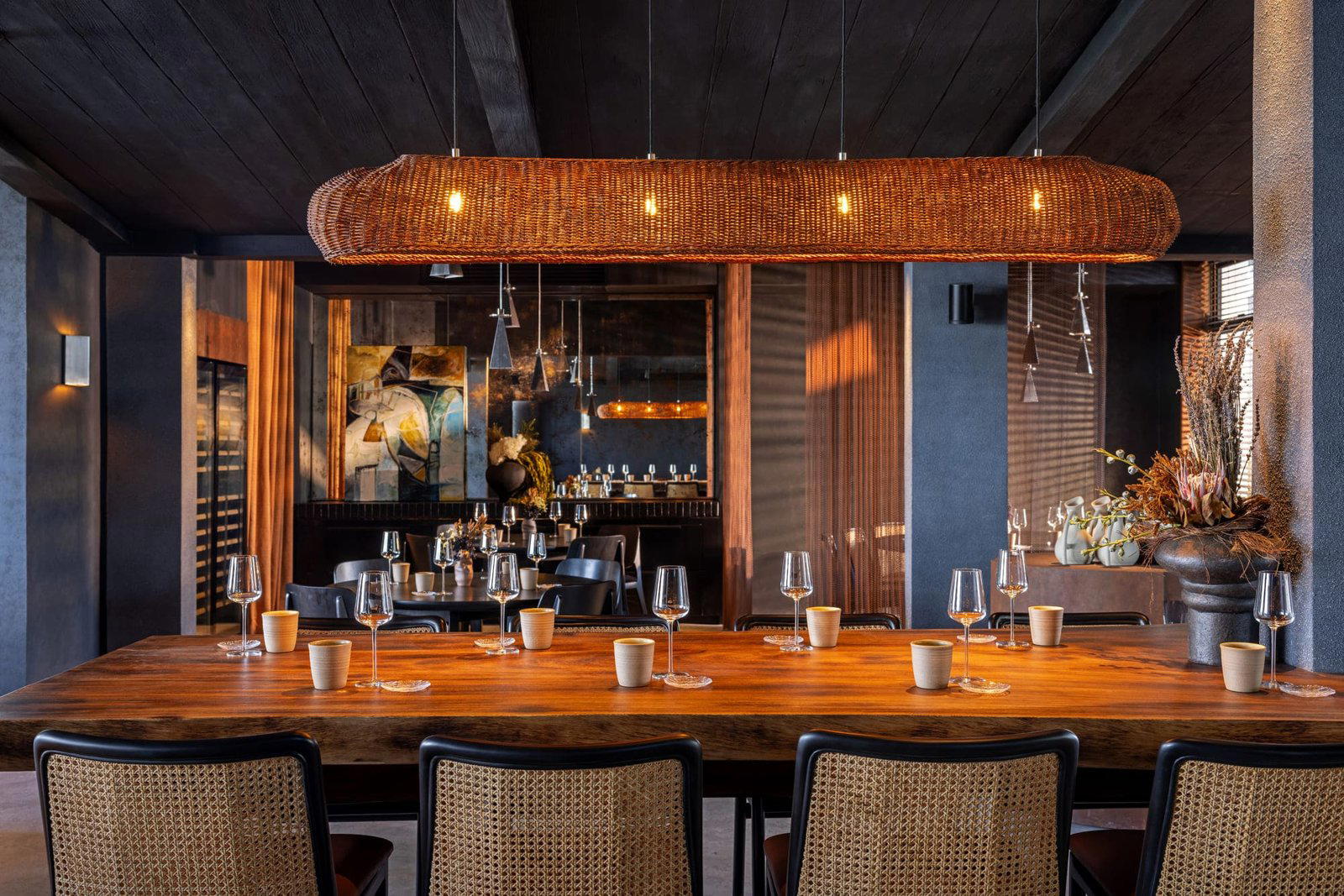
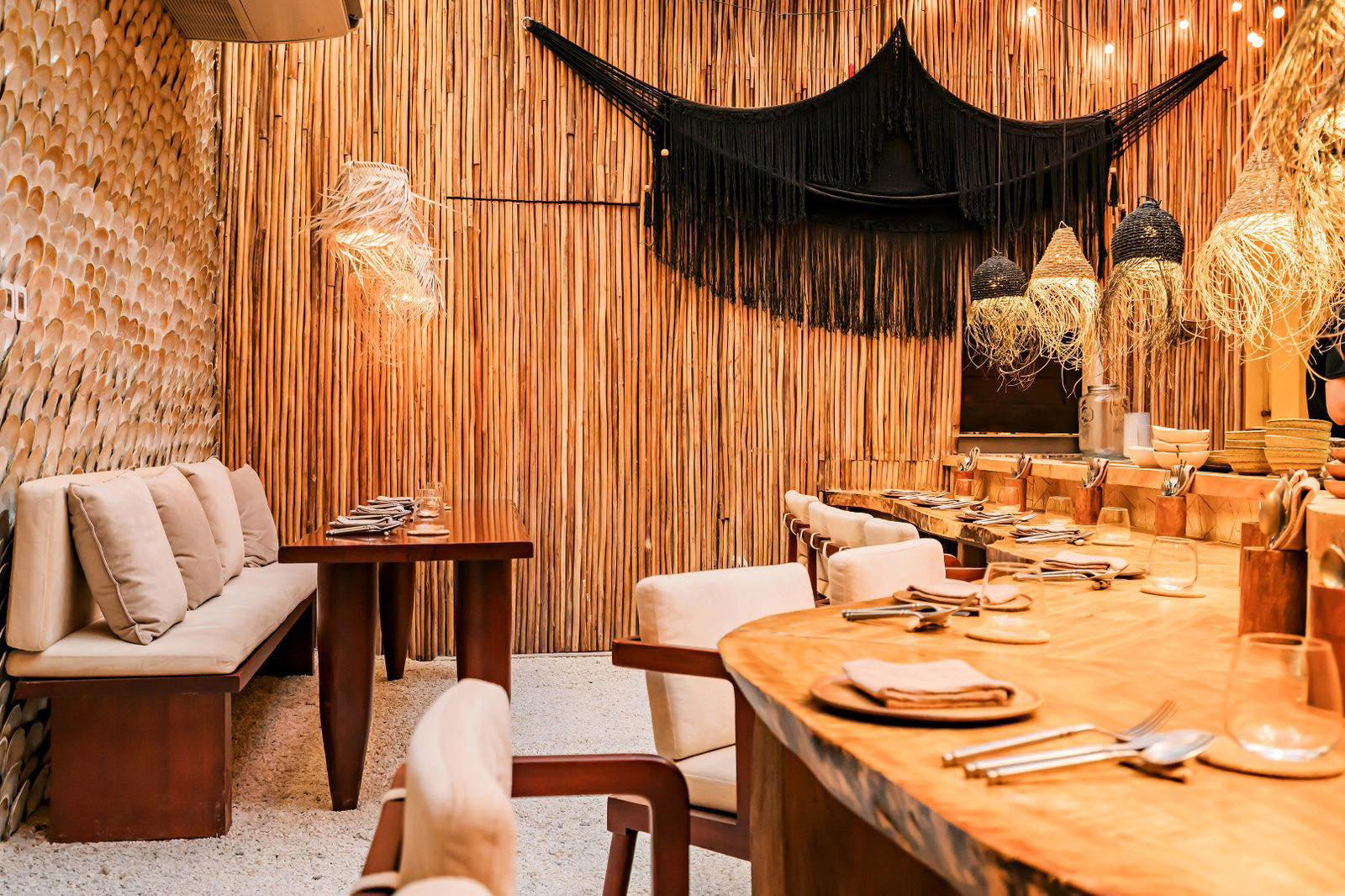
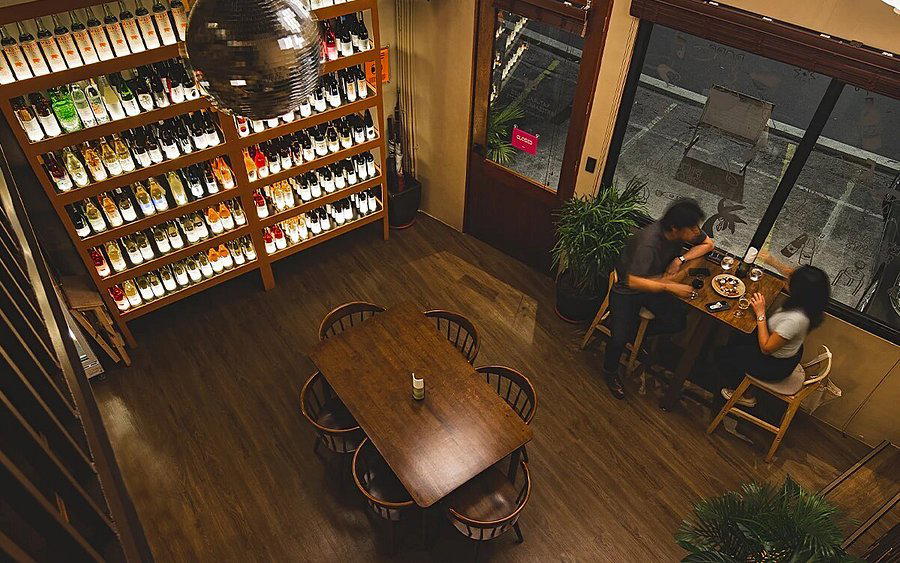
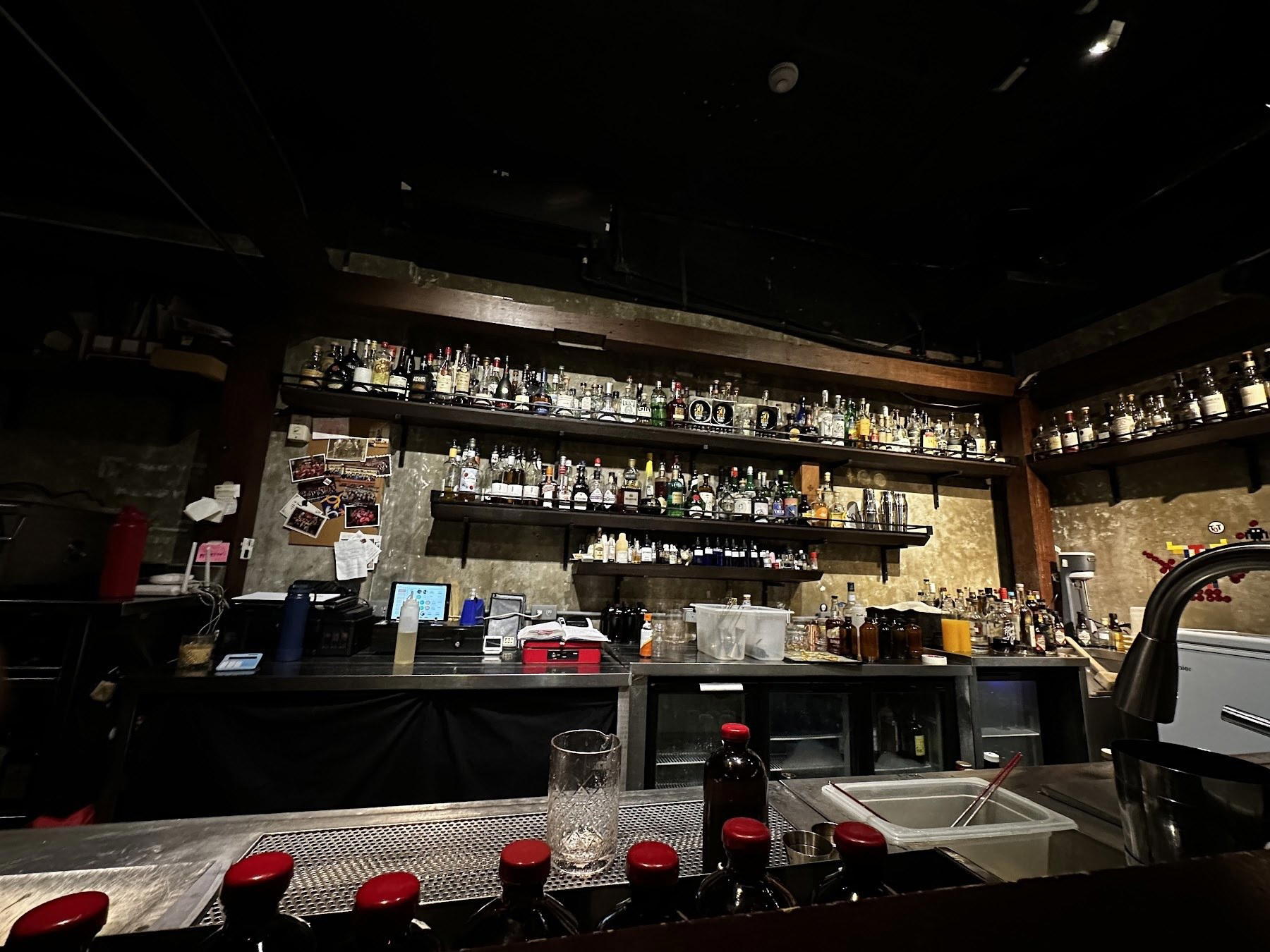
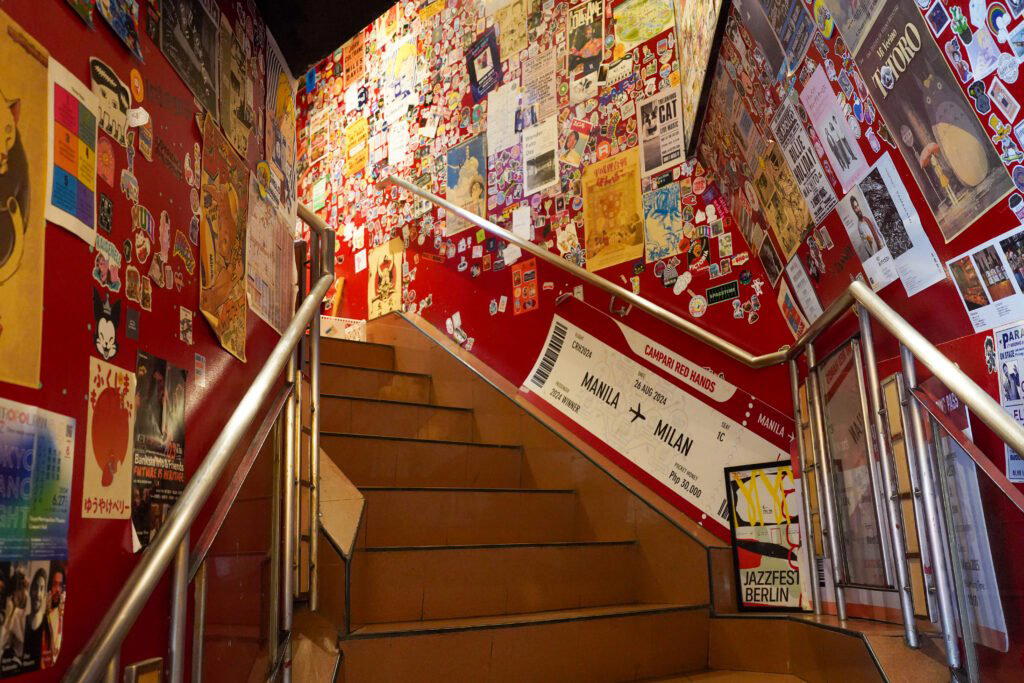
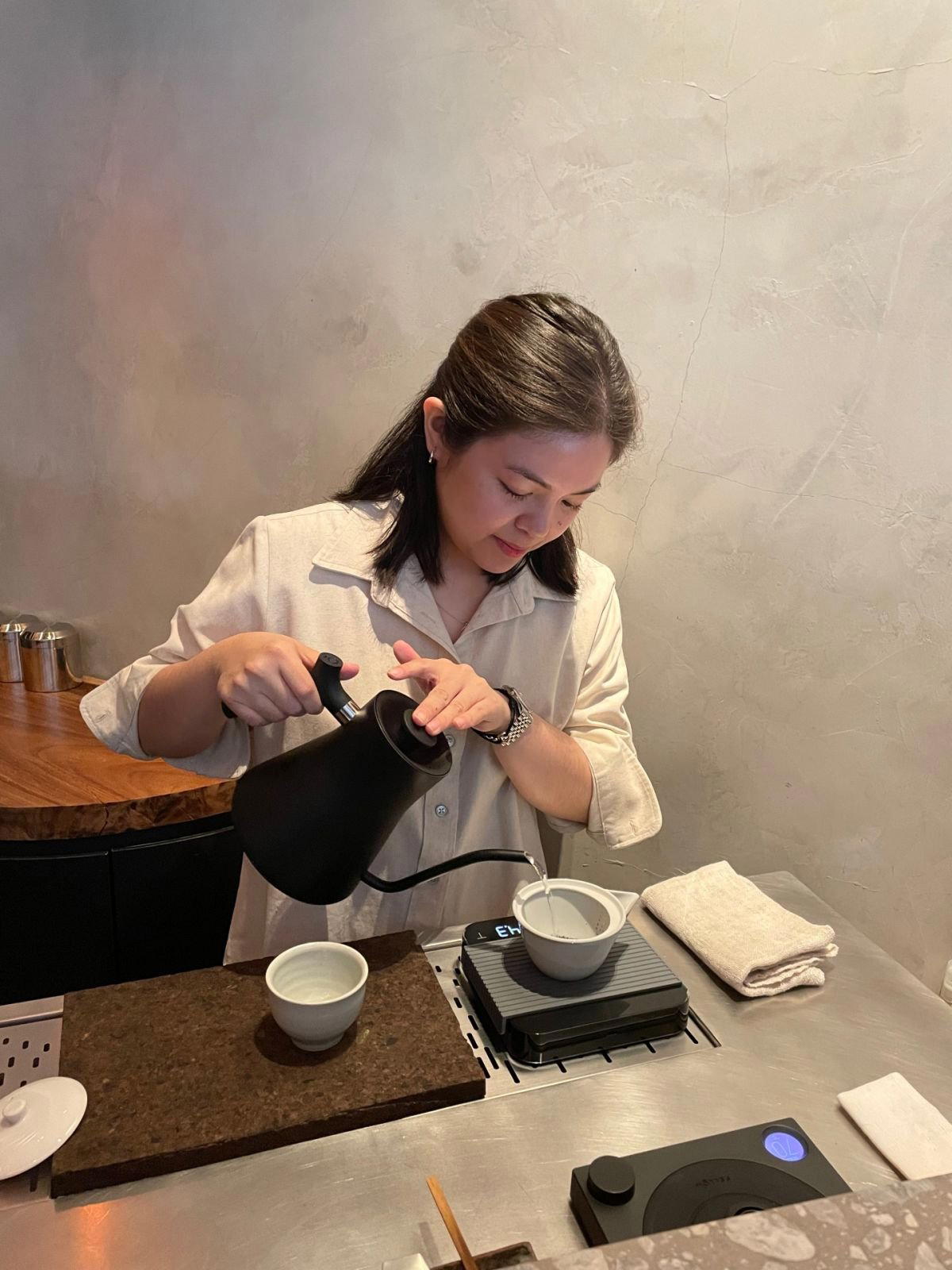
Cozy and homey cafe-restaurant atmosphere with a modern twist on nostalgic Singaporean vibes.