Tabelog 100 #48
Our verdict
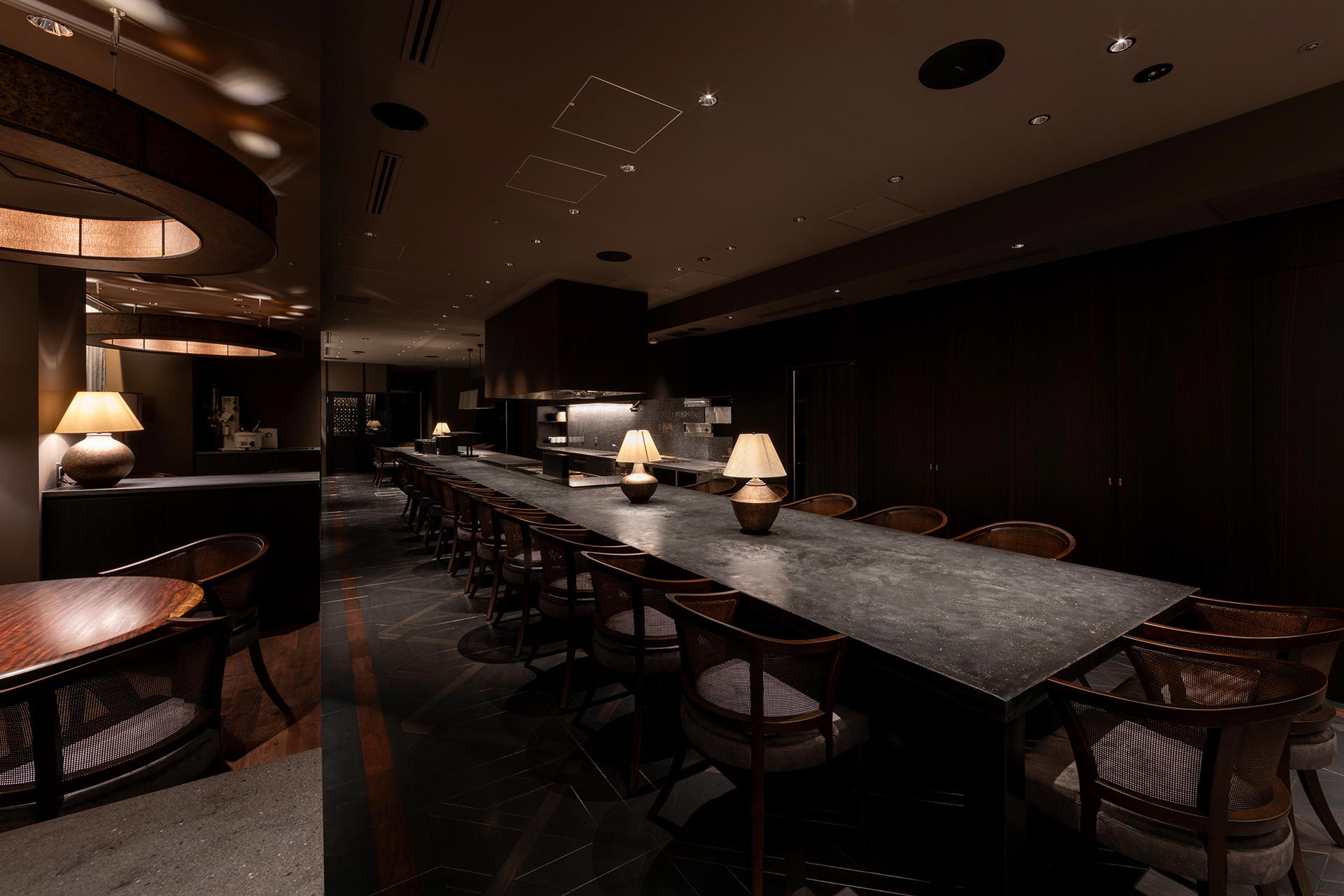
Taishu Sakaba Souya belongs to Tokyo’s tachinomi culture, where the standing bar is less a novelty than a disciplined after-work format. Its Tabelog 100 - Tachinomi - 2025 selection, counter-only setup, sake and shochu focus, and no-photography rule place it in a narrower, more serious tier than casual pub crawling suggests.

Pearl is the En Primeur Club membership app, where members save venues, book tables and use the concierge.
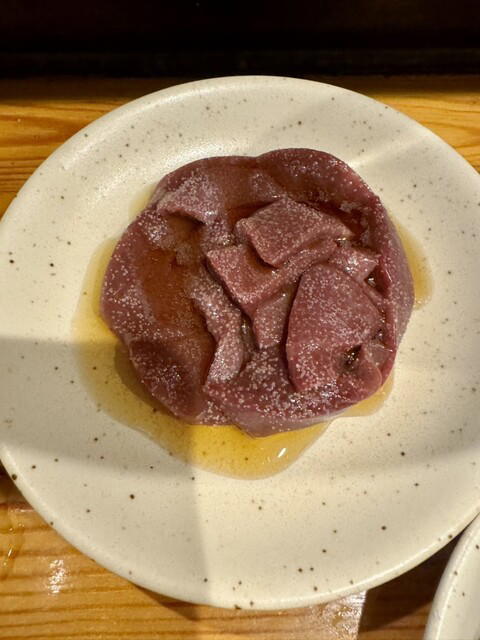
Approach Tokyo after office hours and the mood can change from corporate precision to something older and more compressed: small counters, quick rounds, close rooms, and regulars who understand that standing is part of the grammar. Tachinomi is not simply a stripped-down evening meal; it is its own urban form, built for pace, proximity, and drink-led eating. Taishu Sakaba Souya sits inside that tradition rather than trying to soften it for visitors.
The useful frame is not luxury. It is discipline. Tokyo’s standing bars work when they keep the room tight, the ordering rhythm clear, and the drinks central. Here, the publicly listed category of stand-up bar matters because tachinomi has always been as much about counter rhythm as any single plate: a compact format, a focused spend, and food and drink moving in tandem. The Tabelog 100 - Tachinomi - 2025 selection confirms that this is not simply a convenience stop, but part of a citywide category with its own serious following.
A counter-only drinking culture, not a casual izakaya substitute
Tokyo has many ways to drink well, from polished bar rooms to compact counters, but tachinomi occupies a leaner lane. The format compresses choice. There is no private room psychology, no long-table sprawl, and no lingering dinner theater. A standing bar asks the guest to read the room: order cleanly, keep belongings contained, accept a faster tempo, and understand that the counter is shared territory.
That is why Taishu Sakaba Souya is better understood beside other working-city formats than beside extended destination restaurants. In the same broad Tokyo price ecosystem, Horumon Masaru signals one end of casual dining, while Mon-Rico pushes toward a higher dinner bracket. Edomae Shibahama belongs to a more formal dining lane, MUNCH'S BURGER SHACK to American-style comfort, and Daphne to a lighter everyday spend. The comparison clarifies the point: tachinomi competes less on comfort than on compression, consistency, and the social contract of the counter.
The standing-bar format also tells experienced diners something. In Tokyo, small-room rules and counter etiquette are not decorative; they protect flow and regular-customer equilibrium. For travelers accustomed to turning every meal into a long production, this is a reset. The room is not best understood as spectacle. It is designed for drinking, eating, and leaving the counter usable for the next person.
Why the Tokyo setting matters
Tokyo has office density, transit movement, neighborhood routines, and a practical after-work dining culture that differs from its more visitor-facing nightlife circuits. That mix suits tachinomi. A standing bar can survive here because the format answers a local need: a short, focused stop before the train, before heading home, or before a later meal elsewhere.
For readers mapping a Tokyo eating day, this is where the category becomes useful. A tachinomi session is not meant to carry the same weight as a long seated counter or a destination dining room. It works as a concentrated look at how Tokyo drinks on ordinary nights. Pairing this kind of stop with a broader restaurant plan gives a sharper picture of the city than stacking only reservation-heavy rooms. For that wider map, Our full Tokyo restaurants guide is the right starting point, with adjacent planning in Our full Tokyo bars guide, Our full Tokyo hotels guide, Our full Tokyo experiences guide, and Our full Tokyo wineries guide.
The cultural value of a place like this lies in its refusal to over-explain itself. Tokyo’s premium dining reputation often travels through high-formality counters and ceremony-coded rooms, but the city’s drinking intelligence is just as visible in small formats with narrow rules. The stand-up bar category, everyday spend band, and citywide recognition point to a venue where the correct expectation is not ceremony. It is fluency.
How to place it in a Tokyo itinerary
Taishu Sakaba Souya makes the most sense for travelers who already appreciate Japanese drinking customs or who want a sharper read on everyday Tokyo than hotel-bar polish can provide. The format changes the calculation: timing, patience, and room-reading matter more than planning prestige. A stand-up bar setting also makes this a poor fit for guests who need a slow, seated meal, and the counter rhythm should be treated as part of the experience rather than a footnote.
Tokyo rewards contrast, so use this as one register among several. A traveler might compare its standing-bar economy with other unnamed casual counters, more formal dining rooms, everyday comfort-food stops, visual café culture, or highly specific local cooking. Beyond Tokyo, Japan’s range stretches across casual bars, specialist counters, cafés, and regional restaurants, while Japanese drinking culture abroad shows how portable parts of the grammar have become.
The editorial case is simple: go for the format as much as the food. Tokyo’s standing bars can look modest from the street, but their standards are legible in the rules, the pace, the listed category, and the kind of recognition that separates a serious tachinomi counter from a generic after-work stop. Taishu Sakaba Souya belongs to that more exacting side of the category.
Frequently asked questions
Where do I go for Taishu Sakaba Souya?
Tokyo.
Is Taishu Sakaba Souya more mid-range or high-end?
Pricing at Taishu Sakaba Souya is listed as JPY 3,000 - JPY 3,999 View spending breakdown.
Is Taishu Sakaba Souya reservation-only?
The public record provided here identifies Taishu Sakaba Souya as a stand-up bar in Tokyo, with dinner budget listed at JPY 3,000 - JPY 3,999. Check the venue's official channels for the latest reservation and service details.
What do critics highlight about Taishu Sakaba Souya?
The clearest external signal is its selection for Tabelog 100 Tachinomi 2025, with a 2025 award listing and a score of 3.55. The public listing also places it in the stand-up bar category in Tokyo.
Is Taishu Sakaba Souya allergy-friendly?
There is no allergy service detail in the public record provided here. With a stand-up bar category and a JPY 3,000 - JPY 3,999 dinner spend band, it reads as a casual drinking stop rather than a venue whose listing centers special-diet handling. Check the venue's official channels for the latest details.
What It’s Closest To
Comparable venues at similar price and category levels.
| Venue | Cuisine | Price | Awards | Notes |
|---|---|---|---|---|
| Taishu Sakaba SouyaThis venue (the venue you are viewing) | Traditional Japanese standing bar (taishu sakaba) | $30–50 | Tabelog 100 #48 | Not listed |
| Naniwaya Sohonten | Traditional Japanese taiyaki & sweets shop | $1–10 | Tabelog 100 #92 | Minato |
| Maihama | Japanese Izakaya | Not listed | Tabelog 100 #77 | Minato |
| YOU | Classic Japanese kissaten & omurice café | $10–20 | Tabelog 100 | Chūō |
| 常 | Kaiseki with Wagyu | $300–500 | 1 Michelin Star · Tabelog 100 #37 | Minato |
| Grill F | Classic Yoshoku (Japanese Western-style) Grill | $10–20 | Tabelog 100 #26 | Shinagawa |
Recognition history
Dated appearances from independent guides and award organizations, with the underlying list record or original source where available.
Tabelog 100 #48 · No. 48
Tabelog · Tabelog 100 - Tachinomi - 2025