
A Michelin Plate-recognised Sichuan restaurant in Kaohsiung's Lingya District, Tain Chu brings the heat-forward cooking traditions of Chengdu to southern Taiwan at an accessible mid-range price point.
Pearl is the En Primeur Club membership app — saves, bookings, and concierge access live there. Same editors, same standards.
- Address
- No. 132號, Xianzheng Rd, Lingya District, Kaohsiung City, Taiwan 802
- Phone
- +886 7 223 1768
- Website
- facebook.com
- Directions
- Get directions
 Saves & bookings on Pearl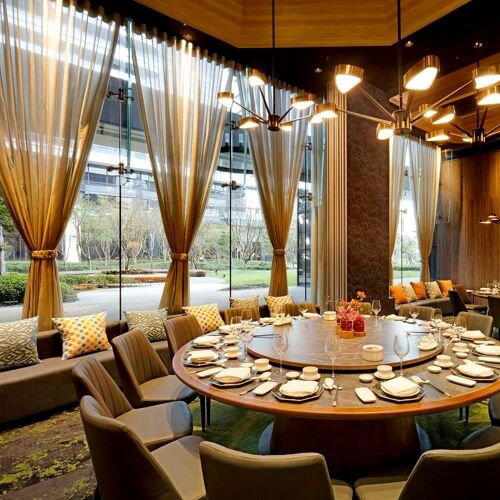
Sichuan in the South: How Tain Chu Fits Kaohsiung's Dining Map
Taiwan's restaurant cities tend to organise themselves by specialisation. Taipei concentrates the fine-dining experimentation; Tainan anchors itself to local tradition (the kind of bowl-and-chopstick authority you find at A Cun Beef Soup on Baoan Road); and Kaohsiung has spent the past decade building a serious mid-to-upper dining tier that spans Japanese counter cooking, Cantonese precision, and European contemporary. What the city has produced more quietly is a small cluster of mainland Chinese regional restaurants that operate outside the fine-dining tier but carry genuine recognition.
Lingya is a practical, commercially dense part of Kaohsiung, not a district that trades on atmosphere or pedestrian charm. That context matters. Restaurants in this part of the city tend to earn their following through consistency and value rather than design narrative or tasting-menu prestige. Tain Chu's recognition functions as an external quality signal within that environment, confirmation that the cooking clears a threshold that matters to international visitors and local diners alike, without the restaurant needing to operate at the rarefied pricing of, say, Sho or GEN, both of which anchor Kaohsiung's upper-tier Japanese and Cantonese offerings at the $$$$ bracket.
The Sichuan Tradition Behind the Kitchen
Sichuan cooking in Taiwan occupies a specific cultural position. Large-scale migration from mainland China in the mid-twentieth century brought regional Chinese cuisines to the island in condensed, adapted forms, and Sichuan was among the more durable transplants. The cuisine's defining characteristics, the numbing heat of Sichuan peppercorn (hua jiao), the layered spice of doubanjiang, the technique-heavy approach to braising and dry-frying, translate well to Taiwan's appetite for bold flavour and generous portions. Over time, island adaptations softened some of the original intensity, producing a Taiwanese-Sichuan idiom that is recognisable but distinct from what you encounter in Chengdu itself.
For comparison, Chengdu's reference-point Sichuan addresses operate at different scales and contexts. Yu Zhi Lan and Fang Xiang Jing represent the elaborate, multi-course end of the tradition, while Fu Rong Huang sits within the city's popular mid-tier. Tain Chu belongs to a Taiwanese lineage of this cuisine, one that has had decades to develop its own conventions and loyal audience. The recognition signals that the kitchen maintains standards worth noting, even if the format and price point are a distance from the tasting-menu end of the category.
Drinks and the Question of Pairing
The editorial angle of wine curation matters differently in a Sichuan context than it does at a French or Japanese table. The heat profiles, the fattiness of braised preparations, and the numbing quality of hua jiao create a pairing challenge that most wine lists at this price tier in Taiwan do not attempt to solve systematically. The broader pattern across Kaohsiung's mid-range Chinese restaurants is that drinks programming trails the kitchen, beer and Taiwanese rice spirits carry the table more reliably than a curated cellar. At the $$ price point, a serious wine list would be an anomaly in the category.
This is not a criticism specific to the restaurant. It reflects the category reality. Where Kaohsiung's drinks programs have become genuinely interesting, the effort has concentrated in European contemporary rooms like Anchovy and in modern cuisine formats like Haili, where the tasting-menu structure creates natural space for pairing sequences. For a Sichuan dinner at the restaurant, the practical expectation is that the drinks list supports the food in function rather than matching it in ambition. Taiwan Beer on draft, or a cold Shaoxing alongside the heavier braises, remains the culturally fluent choice. Visitors who prioritise cellar depth and sommelier programming would need to look elsewhere in the city, the Kaohsiung bars guide covers the drinks-forward addresses more thoroughly.
Tain Chu in Kaohsiung's Broader Dining Context
Kaohsiung's Michelin-recognised restaurants now span a meaningful range of formats and price points. At the upper end, counters like Sho and rooms like GEN and Haili serve a specific occasion-dining audience. Local and regional Taiwanese cooking holds its place through addresses like A Fung's Harmony Cuisine. The restaurant occupies the accessible middle: recognisable Chinese regional cooking with external quality validation at a price that does not require planning an occasion around it.
Taiwan's broader Michelin geography is worth noting for visitors putting together a multi-city itinerary. The guide's coverage now extends well beyond Taipei, and southern Taiwan has developed its own recognised cluster. Those moving between cities might cross-reference JL Studio in Taichung or logy in Taipei for contrast, both operate at a considerably higher price tier and with different format logic, but they map the range of what the island's recognised dining scene now covers. For southern Taiwan specifically, the contrast with something like Akame in Wutai Township illustrates how varied the Michelin-acknowledged addresses in the region have become.
Planning a Visit
The restaurant sits on Xianzheng Road in Lingya District, a central, accessible part of Kaohsiung that connects easily to the metro network. At the $$ price range, the restaurant fits comfortably into a Kaohsiung itinerary without requiring advance budgeting. Given the volume of reviews (nearly 6,000 at a sustained 4.4 average), the restaurant operates at a scale and frequency that suggests walk-in accessibility on most evenings, though the Michelin Plate status may attract additional visitors during peak tourist periods.
Peers You’d Cross-Shop
Comparable venues nearby, for context on price, style, and recognition.
| Venue | Cuisine | Price | Notes |
|---|---|---|---|
| Tain ChuThis venue — the venue you are viewing | Sichuanese and Taiwanese | $$ | Not listed |
| White Gourd and Fat Person | Taiwanese Home-Style Omakase | $$ | Cianjhen District |
| Bo Home | Traditional Taiwanese Braised Pork Rice | $$ | Lingya District |
| Tainan Wang | Traditional Taiwanese Seafood with Tainan Eel | $$ | Qianjin District |
| Duck Zhen (Wufu 4th Road) | Taiwanese Duck Rice | $ | Yancheng |
| 前金肉燥飯 | Taiwanese | Not listed | Kaohsiung |
Recognition history
Dated appearances from independent guides and award organizations, with the underlying list record or original source where available.
Michelin Plate
Michelin
Continue exploring
More in Kaohsiung
Restaurants in Kaohsiung
Browse all →
Bars in Kaohsiung
Browse all →
At a Glance
- Elegant
- Cozy
- Intimate
- Sophisticated
- Special Occasion
- Date Night
- Standalone
Current opening hours
- Monday
- Closed
- Tuesday
- 5:30–10:30 PM
- Wednesday
- 5:30–10:30 PM
- Thursday
- 5:30–10:30 PM
- Friday
- 5:30–10:30 PM
- Saturday
- 5:30–10:30 PM
- Sunday
- Closed
Hours can change for holidays and private events. Last verified .
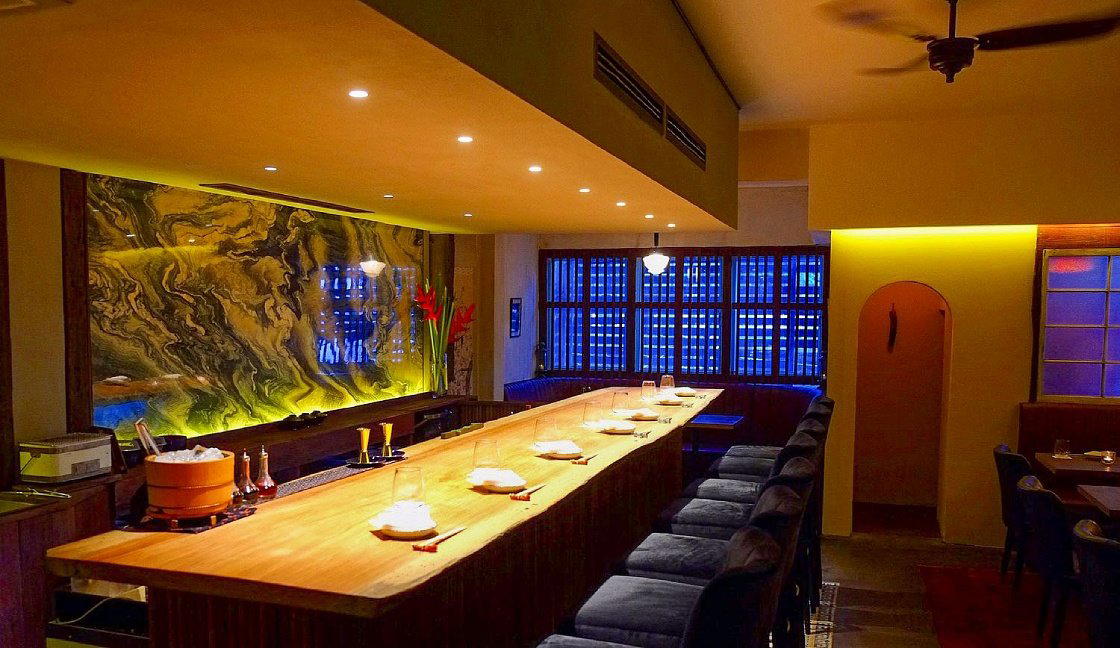
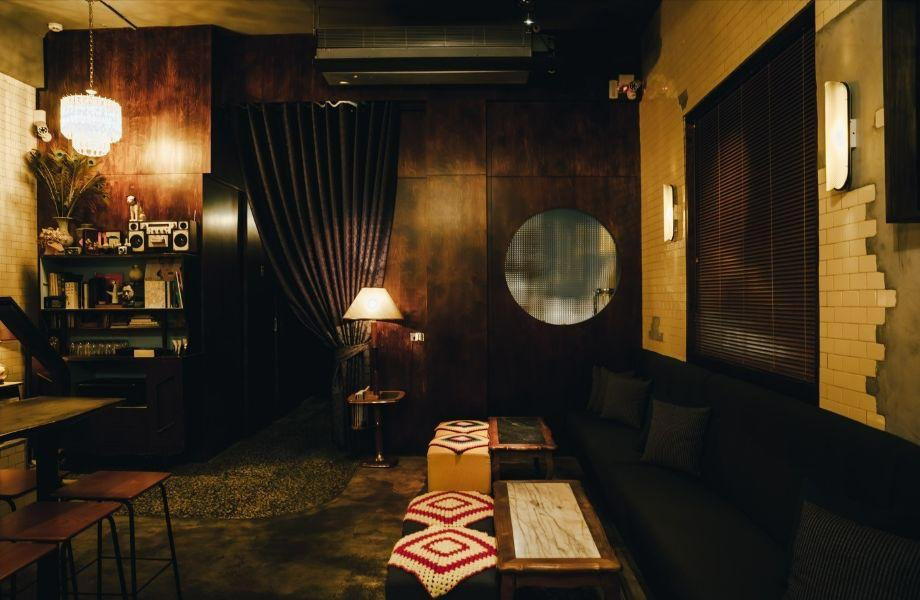
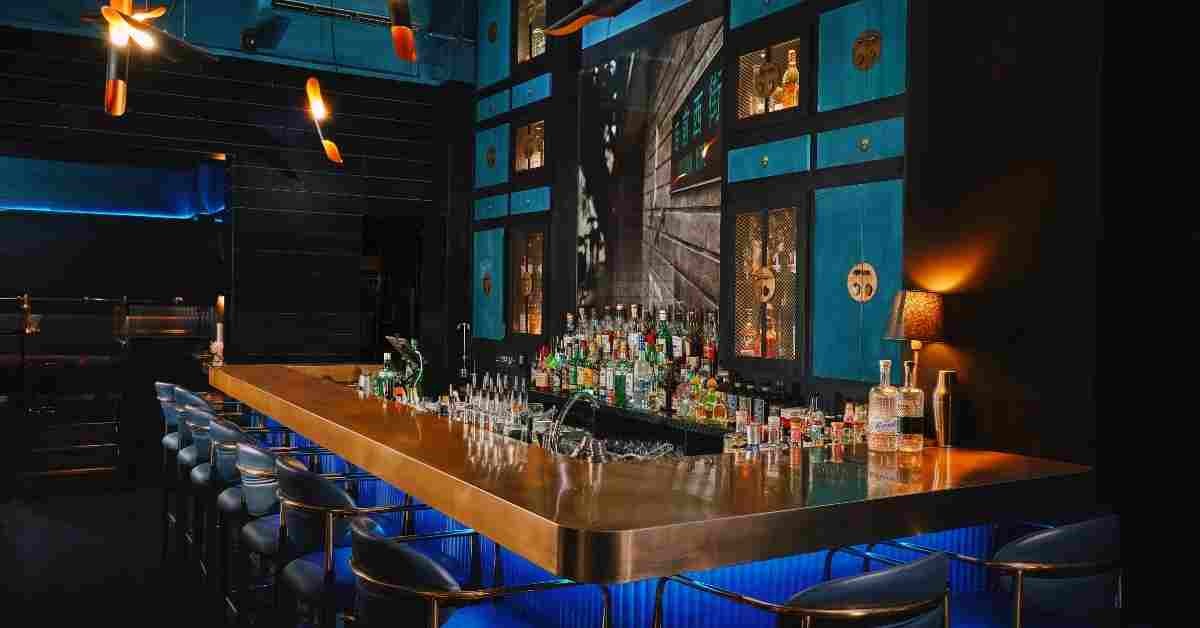
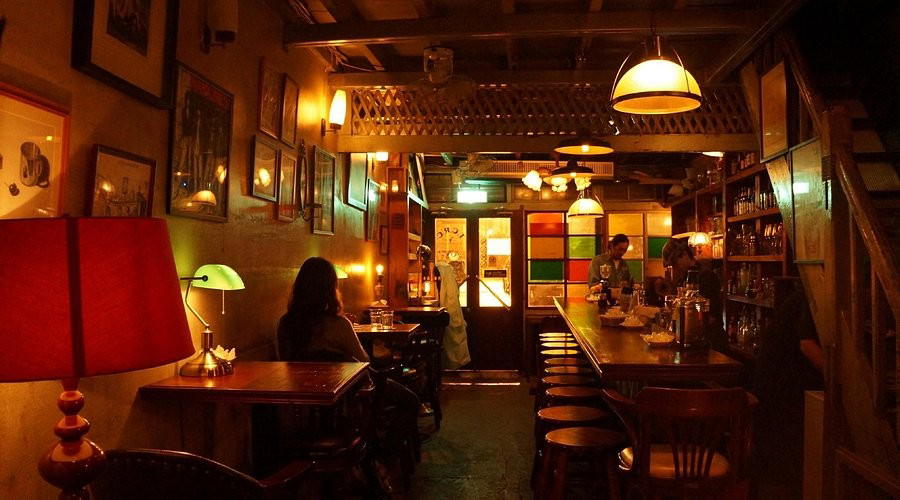
Warm walnut wood interior with flattering glow, serene and unhurried atmosphere.