
A Michelin Plate-recognised street-food counter on Wufu 4th Road in Kaohsiung's Yancheng District, Duck Zhen operates squarely at the accessible end of Taiwan's small-eats tradition.
Pearl is the En Primeur Club membership app — saves, bookings, and concierge access live there. Same editors, same standards.
- Address
- No. 258號, Wufu 4th Rd, Yancheng District, Kaohsiung City, Taiwan 803
- Phone
- +886 7 521 5018
- Website
- facebook.com
- Directions
- Get directions
 Saves & bookings on Pearl
Yancheng's Duck Counter and What It Tells You About Kaohsiung's Small-Eats Culture
Wufu 4th Road runs through Yancheng District with the kind of low-rise commercial density that defines old Kaohsiung: metal shutters, scooter traffic, and the persistent smell of braising stock drifting from counters that have operated the same way for decades. Duck Zhen sits at No. 258 Wufu 4th Rd in Yancheng District, Kaohsiung City, and serves Taiwanese Duck Rice. The address, No. 258 Wufu 4th Road, places it in one of the city's most historically layered neighbourhoods, a former trading port district where small-eats culture evolved not as a tourist attraction but as daily infrastructure for the people who lived and worked there.
That distinction matters when reading the Michelin Plate awarded to Duck Zhen in 2024. The Michelin Plate signals that a kitchen is cooking well and consistently. In Taiwan, where the guide has shown consistent interest in street-level and market-adjacent formats since entering the market, the Plate designation often functions as institutional confirmation of what locals have known for years.
The Ingredient Logic Behind Taiwan's Duck-Rice Tradition
Taiwan's duck-rice tradition is worth understanding on its own terms before arriving at any specific counter. Unlike the pork-fat-driven braised pork rice that dominates street-food discourse internationally, duck preparations in southern Taiwan reflect a different set of sourcing and preservation logics. Duck has a higher fat content and a more assertive flavour than pork, which historically made it a strong candidate for the slow-braising and soy-stewed preparations that could hold across a full service day at a market stall. The protein goes further, the cooking liquid deepens over time, and the fat renders into the rice in a way that pork rarely replicates.
In Kaohsiung specifically, the proximity to the coast and the city's historic role as an agricultural and fishing hub meant that protein sourcing stayed hyperlocal for much of the twentieth century. Vendors working in districts like Yancheng weren't importing ingredients from distant suppliers, they were working with what the surrounding agricultural belt produced. Duck from inland farms around Tainan and the Kaohsiung plains fed into the city's market network, and counters like Duck Zhen sit within that supply tradition even as modern logistics have complicated the picture. The cooking method itself, slow, soy-forward, reliant on accumulated cooking liquid rather than fresh-batch preparation, carries that sourcing logic forward into each service.
For comparison within the same small-eats category, the approach at Cheng Tsung Duck Rice offers a useful reference point for how differently individual counters interpret the same base tradition across Kaohsiung. The city's duck-rice scene is not monolithic, fat ratios, soy depth, and accompaniment choices vary considerably between operators working within a few kilometres of each other.
Where Duck Zhen Sits in the Kaohsiung Small-Eats Field
Kaohsiung's Michelin-recognised small-eats addresses now span a reasonably wide spectrum. At one end, you have operators whose recognition reflects refined technique and studied ingredient sourcing; at the other, counters where sheer volume, consistency, and price accessibility are the principal credentials. Duck Zhen, with a single-dollar price range, sits firmly in the accessibility tier, and that is not a qualification, it is a positioning statement. The award validates that this kind of cooking, at this kind of price, can meet a standard that the guide considers worth marking.
The Yancheng District context reinforces this. Within the same neighbourhood, Bei Gang Tsai Rice Tube (Yancheng) operates in a parallel format, rice-based, market-adjacent, designed for speed and volume rather than a long table service. The density of recognised small-eats addresses in Yancheng is not accidental: this is a district where the informal food economy never gave way to gentrification at the pace seen in other parts of the city, and the cooking culture has remained embedded in daily working life as a result.
Elsewhere in Kaohsiung, comparable small-eats addresses include Caizong Li, Chun Lan Gua Bao, and Cianjin Braised Pork Rice, each anchored to a different protein and preparation logic but sharing the same essential commitment: keep the cooking tight, keep the sourcing local, keep the price low enough that the neighbourhood can eat here every day.
Taiwan's Small-Eats Recognition Beyond Kaohsiung
The Michelin attention Duck Zhen received in 2024 fits a pattern playing out across Taiwan's food cities. In Tainan, counters like A Hai Taiwanese Oden, A Ming Zhu Xing (Baoan Road), and A Wen Rice Cake have received similar recognition, confirming that the guide's Taiwan editors treat the small-eats format as a serious category rather than a curiosity. The contrast with Taiwan's more formal fine-dining addresses, JL Studio in Taichung or logy in Taipei, for instance, is not a hierarchy so much as a recognition that the island's food culture operates credibly across multiple registers simultaneously. And at the southern end of Taiwan, A Cun Beef Soup (Baoan Road) in Tainan and Akame in Wutai Township show the range of what gets recognised when Michelin looks south of Taipei.
Planning a Visit
Duck Zhen is a street-level counter in Yancheng District, and the practical logistics follow accordingly. The single-dollar price range means a full meal here will be among the least expensive Michelin-recognised experiences available anywhere in Taiwan. Yancheng District is accessible by MRT via the Orange Line, with Yancheng Park and Hamasen stations serving the broader neighbourhood. For those building a Kaohsiung eating itinerary around small-eats addresses, the district concentration means several other recognised counters sit within easy walking distance of Wufu 4th Road.
Price Lens
Comparable venues nearby, for context on price, style, and recognition.
| Venue | Cuisine | Price | Awards | Notes |
|---|---|---|---|---|
| Duck Zhen (Wufu 4th Road)This venue — the venue you are viewing | Yancheng, Taiwanese Duck Rice | $ | Michelin Plate | Not listed |
| Tainan Wang | Not listed | $$ | Michelin Plate | Qianjin District, Traditional Taiwanese Seafood with Tainan Eel |
| Hung Tao Shanghainese Dumpling (Cianjin) | Qianjin, Shanghainese Dumpling House | $$ | Michelin Plate | Not listed |
| Pale Jade Pavilion | Zuoying, Modern Taiwanese | $$$ | Michelin Plate | Not listed |
| Syan Syang | Not listed | $$ | Michelin Plate | Jiaxian District, Traditional Taiwanese Game & Wild Greens |
| A Fung's Harmony Cuisine | Not listed | $$$ | Michelin Plate | Lingya District, Taiwanese Farm-to-Table Tasting |
Recognition history
Dated appearances from independent guides and award organizations, with the underlying list record or original source where available.
Michelin Plate
Michelin
Continue exploring
More in Kaohsiung
Restaurants in Kaohsiung
Browse all →
Bars in Kaohsiung
Browse all →
At a Glance
- Lively
- Rustic
- Casual Hangout
- Family
- Standalone
Current opening hours
- Monday
- Closed
- Tuesday
- 10 AM–8:20 PM
- Wednesday
- Closed
- Thursday
- Closed
- Friday
- Closed
- Saturday
- Closed
- Sunday
- Closed
Hours can change for holidays and private events. Last verified .
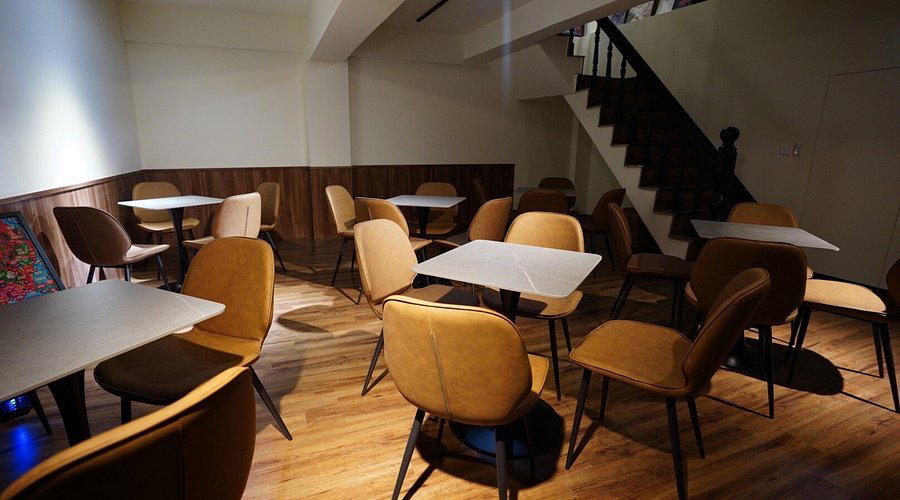
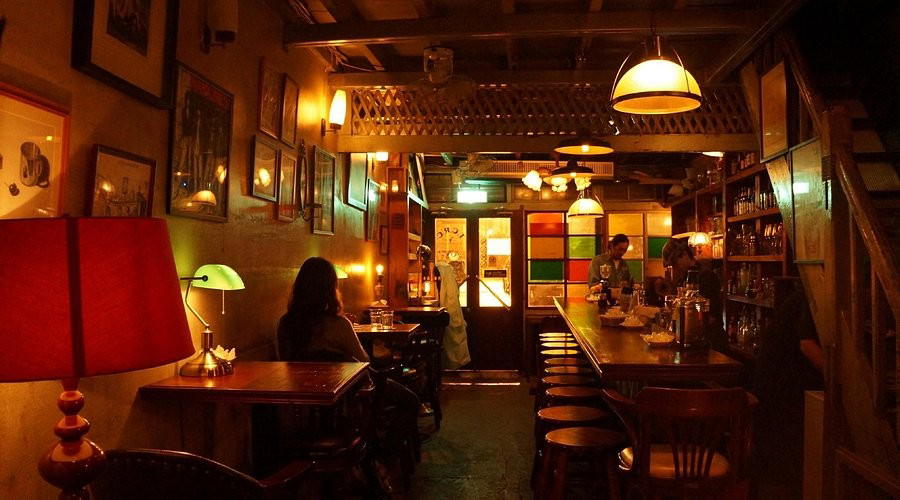
No-frills, bustling coffee shop setting with simple open space, always crowded and lively without air conditioning.