
The price point sits at the accessible end of the city's recognised dining tier, making it one of the more approachable addresses in Kaohsiung's Michelin-acknowledged circuit.
Pearl is the En Primeur Club membership app — saves, bookings, and concierge access live there. Same editors, same standards.
- Address
- No. 183-1號, Qingnian 1st Rd, Lingya District, Kaohsiung City, Taiwan 802
- Phone
- +886 7 332 2516
- Website
- facebook.com
- Directions
- Get directions
 Saves & bookings on Pearl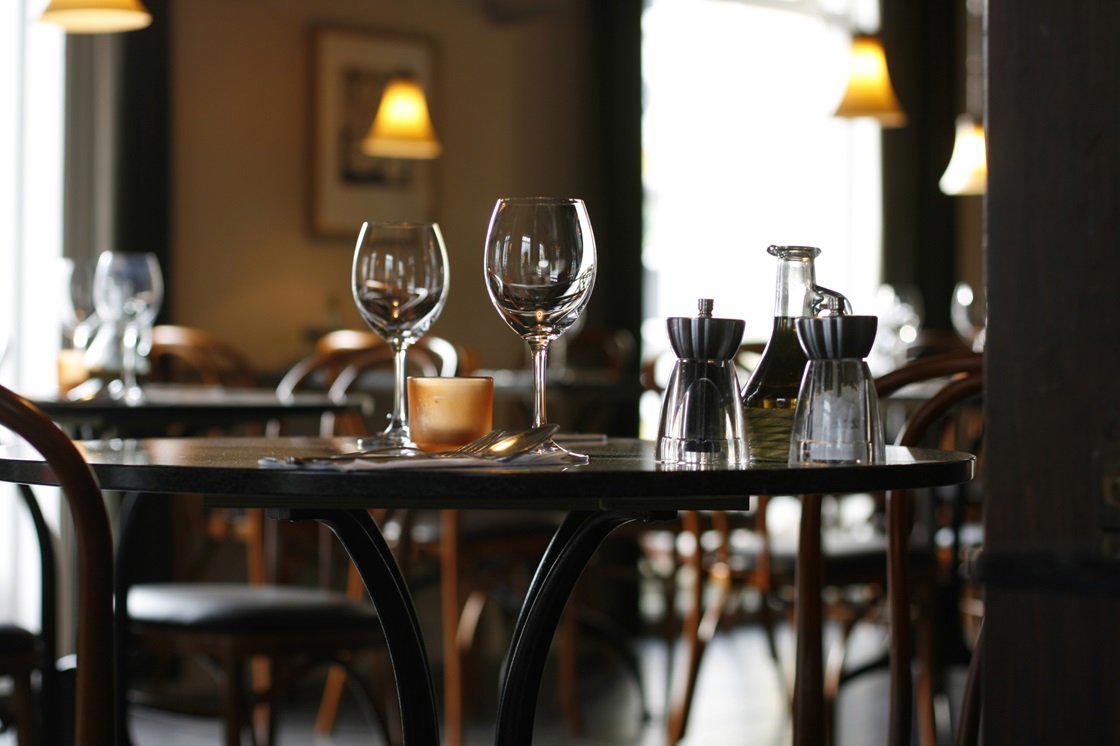
Where Lingya's Everyday Dining Meets Michelin Recognition
Bo Home is a restaurant in Kaohsiung, Taiwan, serving Traditional Taiwanese Braised Pork Rice at an accessible price point. The pace here is residential and untheatrical: shopfronts open directly onto the pavement, neighbours recognise each other, and the dining rhythm follows the city's own schedule rather than any tourist itinerary.
That kind of repeat-visit density at an accessible price point (the restaurant sits in the low-price tier) is its own form of credential. Kaohsiung's Michelin selection includes starred addresses like Haili and high-spend Japanese rooms, but the Guide's Plate designation, awarded to Bo Home in 2024, operates differently. It marks kitchens where cooking quality is consistent and honest, without implying the tasting-menu formality or expense that stars tend to signal.
Tea as a Through-Line, Not a Footnote
In Taiwanese domestic cooking, tea has never been decorative. The island's tea culture, from high-mountain oolongs grown above 1,000 metres in the central ranges to roasted dong ding and fragrant baozhong, developed alongside a food tradition that treats bitter, astringent, and umami-adjacent flavours as complementary rather than competing forces. The logic of pairing tea with Taiwanese food is older than wine pairing in most European traditions, and at a restaurant positioning itself within the home-cooking idiom, tea is the natural beverage architecture.
At the accessible price point Bo Home occupies, a serious wine list would be incongruous. Tea, by contrast, can be sourced locally, priced proportionately, and matched to the cooking without creating a conceptual gap between the food register and the drink register. Taiwanese cuisine in this style tends to feature braised and slow-cooked proteins, rice-based dishes, and preparations where natural sweetness, salt, and gentle fat are the primary flavours, a profile that interacts well with the lighter oolongs and the cleansing bitterness of greener teas rather than demanding a tannin-heavy alternative. Tea is the natural beverage architecture for this style of cooking.
Nationally, the integration of tea into restaurant contexts has become a marker of Taiwanese culinary seriousness. Addresses like Fujin Tree Taiwanese Cuisine & Champagne in Taipei's Songshan district have experimented with pairing frameworks that move between champagne and local beverages, while Golden Formosa in Taipei operates within a Taiwanese fine-dining register that draws on the same indigenous ingredient logic. The restaurant approaches this from the opposite end of the price and formality spectrum, but the underlying philosophy, that the beverage should reflect the food's cultural origin, is the same.
Taiwanese Cooking in Its Home Register
The restaurant serves Traditional Taiwanese Braised Pork Rice, which in Kaohsiung's context carries specific implications. Southern Taiwanese cooking, the culinary tradition of this port city, leans toward seafood, pork preparations, and a flavour vocabulary shaped by proximity to both the Taiwan Strait and the island's indigenous communities. The cooking tradition here differs from the more northern-inflected cuisine of Taipei, and from the Aboriginal-forward cooking found further south and inland at addresses like Akame in Wutai Township.
Within Kaohsiung itself, the restaurant shares the Taiwanese category with a range of price points and styles. Beef Chief on Zihciang 2nd Road occupies a similar accessible tier and has its own recognised following. A Fung's Harmony Cuisine, Chao Ming, and Erge Shih Tang each occupy different corners of the city's Chinese and Taiwanese dining map. Chang Sheng 29 brings a different generational approach to the same broad tradition. The restaurant's position, Michelin Plate recognised, accessible on price, deeply embedded in the local repeat-visit cycle, places it in a distinct tier: the kind of restaurant where quality is evidenced by consistency rather than spectacle.
For context across Taiwan's wider Michelin-acknowledged Taiwanese cooking, Ming Fu in Taipei represents the northern equivalent of this domestic-register seriousness, while A Cun Beef Soup on Baoan Road in Tainan shows how a single-dish specialisation can generate comparable recognition. The pattern across all three cities is similar: dishes that have been cooked the same way for long enough that the technique has become transparent, leaving only the ingredients and their preparation to carry the evaluation.
Planning a Visit
The restaurant is located at No. 183-1號, Qingnian 1st Rd, Lingya District, Kaohsiung City, Taiwan 802. The single-dollar price bracket means a meal here represents significant value relative to the Michelin Plate recognition; Kaohsiung's starred rooms at the summit of the price range, including the Japanese-focused and Cantonese fine-dining addresses, run to four-dollar territory. For travellers building a multi-day Kaohsiung itinerary, the restaurant fits naturally into a schedule that balances the city's recognised high-end addresses with the kind of neighbourhood cooking that explains why the food culture functions at all. The restaurant is walk-in friendly and open daily from 5 PM to 12:20 AM.
For the wider Taiwan picture, JL Studio in Taichung and logy in Taipei represent the island's more experimental end of the recognised dining spectrum; Volando Urai Spring Spa & Resort in Wulai District shows how the resort dining format integrates with Taiwan's natural landscape north of Taipei.
City Peers
Comparable venues nearby, for context on price, style, and recognition.
| Venue | Cuisine | Price | Notes |
|---|---|---|---|
| Bo HomeThis venue — the venue you are viewing | Traditional Taiwanese Braised Pork Rice | $$ | Not listed |
| Hung Tao Shanghainese Dumpling (Cianjin) | Shanghainese Dumpling House | $$ | Qianjin |
| Tain Chu | Sichuanese and Taiwanese | $$ | Sinsing District |
| Syan Syang | Traditional Taiwanese Game & Wild Greens | $$ | Jiaxian District |
| Three Meals | Contemporary Taiwanese Fine Dining | $$$ | Lingya |
| Hou Chi Duck Rice | Taiwanese Duck Rice | $$ | Sanmin District |
Recognition history
Dated appearances from independent guides and award organizations, with the underlying list record or original source where available.
Michelin Plate
Michelin
Michelin Plate
Michelin
Continue exploring
More in Kaohsiung
Restaurants in Kaohsiung
Browse all →
Bars in Kaohsiung
Browse all →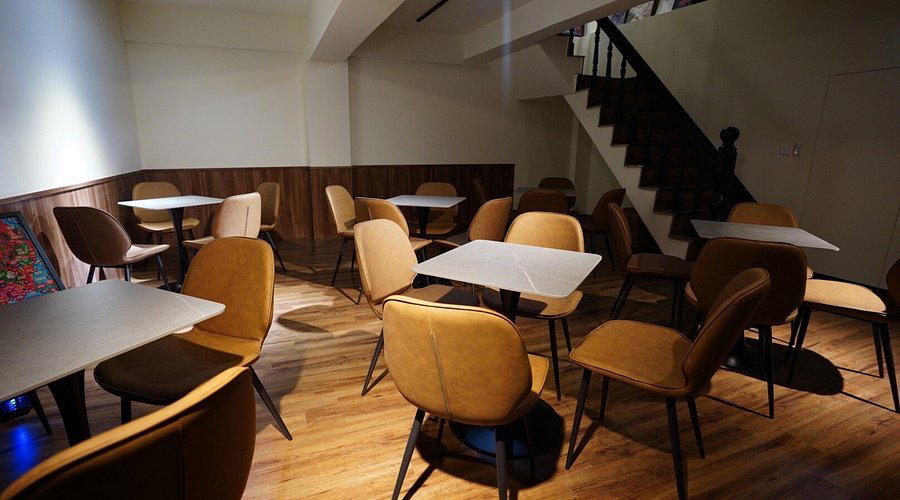
At a Glance
- Cozy
- Classic
- Casual Hangout
- Open Kitchen
- Local Sourcing
Current opening hours
- Monday
- 5 PM–12:20 AM
- Tuesday
- 5 PM–12:20 AM
- Wednesday
- 5 PM–12:20 AM
- Thursday
- 5 PM–12:20 AM
- Friday
- 5 PM–12:20 AM
- Saturday
- 5 PM–12:20 AM
- Sunday
- 5 PM–12:20 AM
Hours can change for holidays and private events. Last verified .
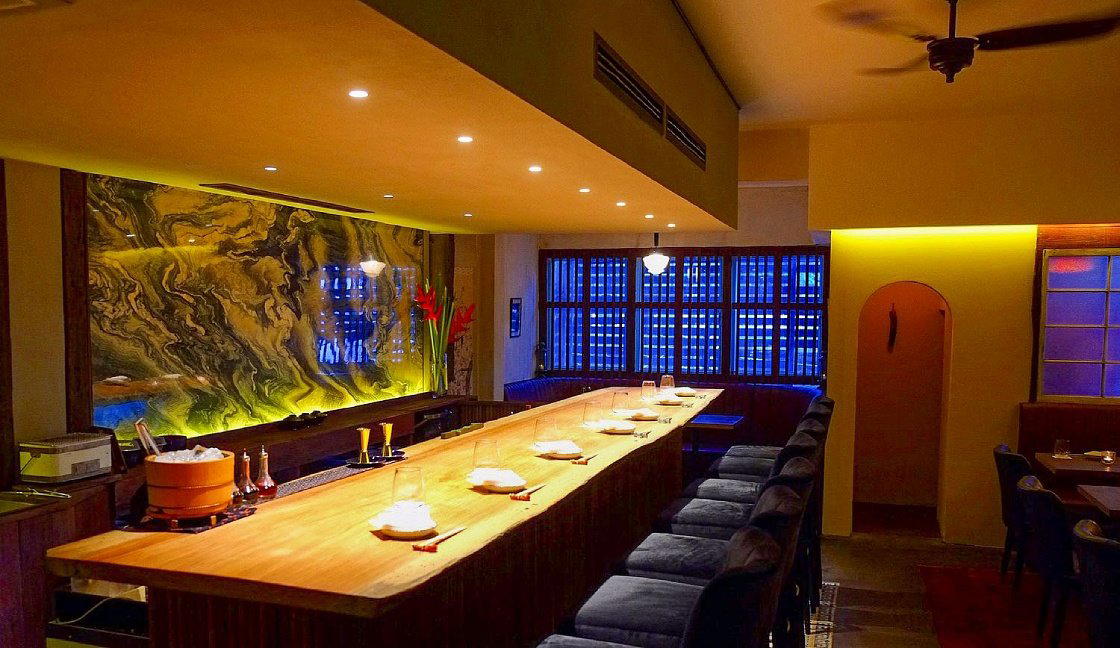
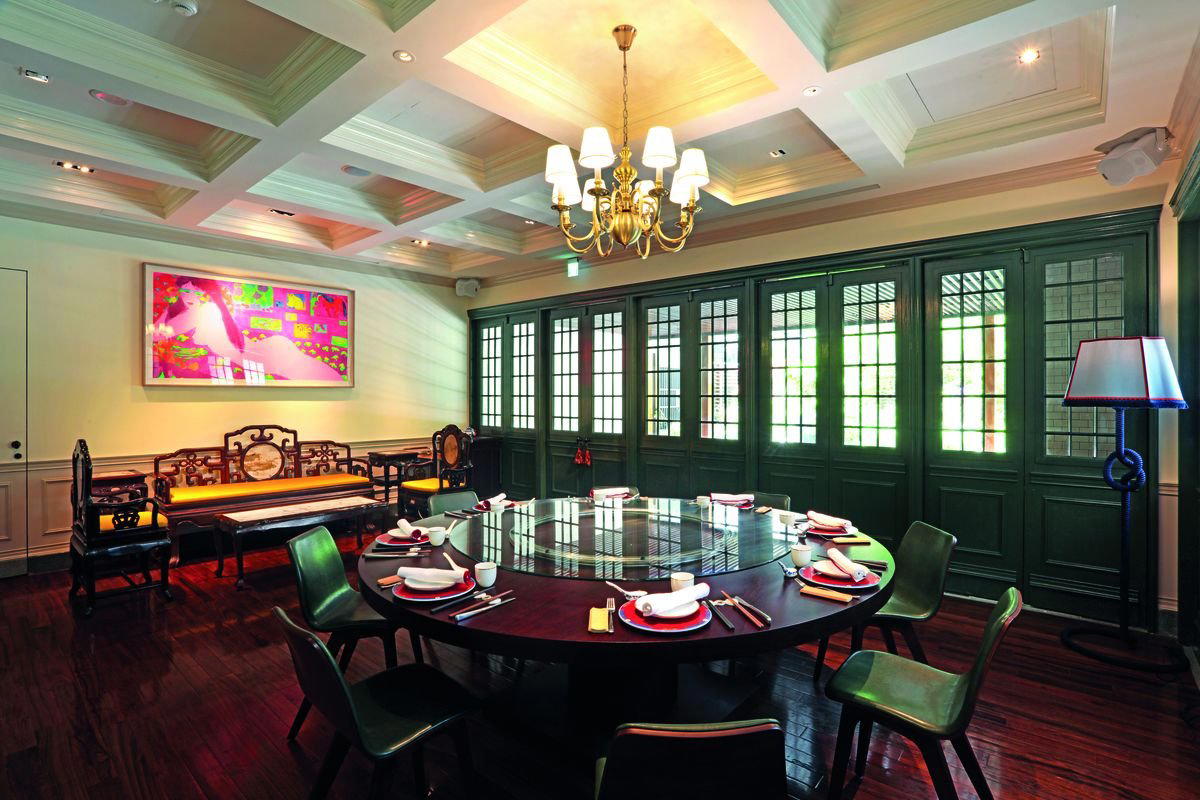
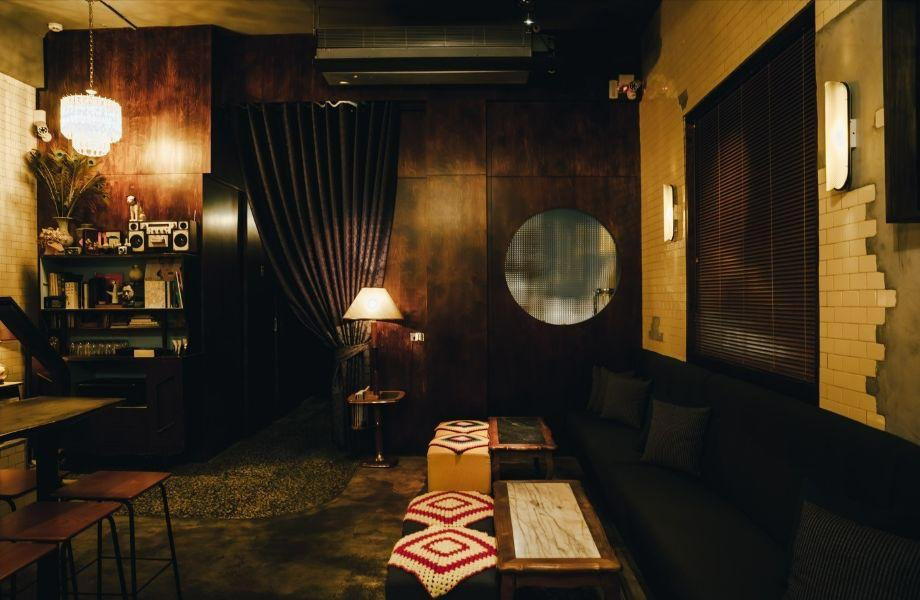
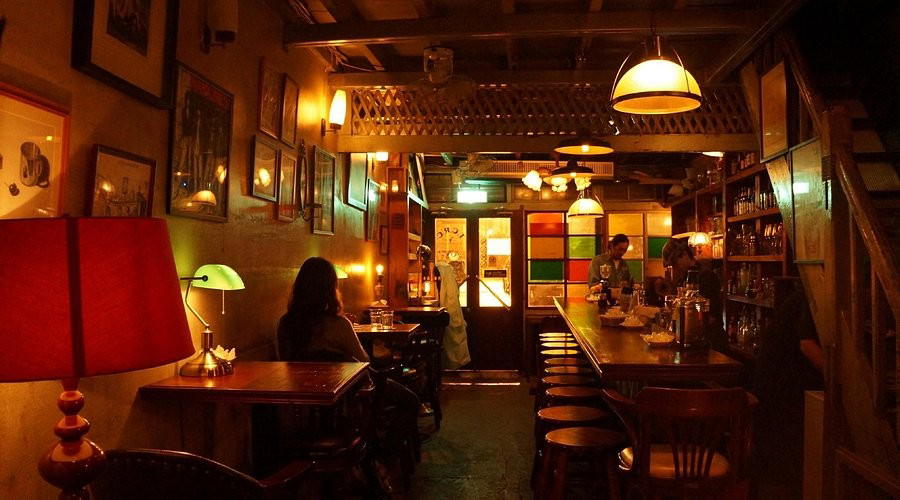
Clean, comfortable, air-conditioned space with warm wood tones, open kitchen, and cafeteria-style seating.