
Michelin Bib Gourmand
Our verdict
Among Causeway Bay's mid-range Cantonese options, Tai Woo holds consecutive Michelin Bib Gourmand recognition in 2024 and 2025, signalling consistent quality at a price point well below the neighbourhood's starred competition. The ninth-floor address on Lockhart Road places it firmly in the working-lunch and family-dinner circuit that defines accessible Cantonese dining in Hong Kong, serious cooking without the ceremony-tax of a formal room.

Pearl is the En Primeur Club membership app, where members save venues, book tables and use the concierge.
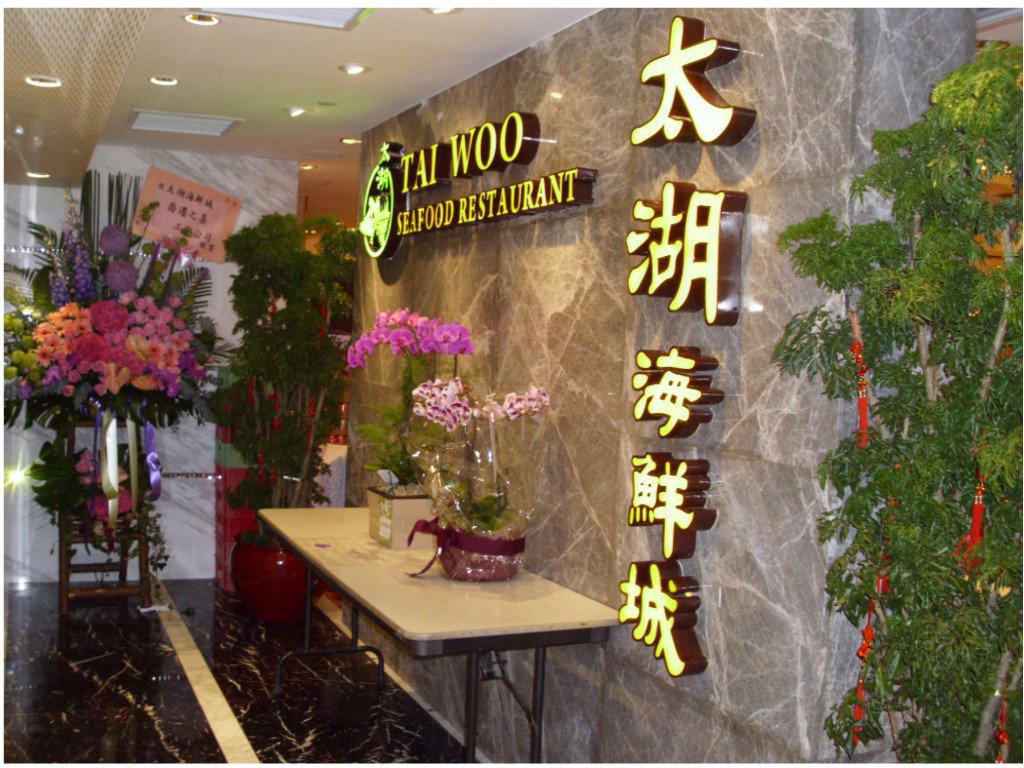
The menu
What to order
- Sesame salt baked chicken
- Lobster balls with superior sauce
- Shrimpballs with bacon
Causeway Bay and the Cantonese Mid-Range
Hong Kong's Cantonese dining spectrum is steeper than most cities'. At one end sit the multi-starred rooms Lung King Heen, Lai Ching Heen, T'ang Court, where the price of admission is part of the declaration. At the other end, the neighbourhood congee counters and cha chaan tengs operate on volume and speed. The middle tier, where serious technique meets accessible pricing, is smaller than it looks from the outside and harder to sustain than either extreme. The Michelin Bib Gourmand exists precisely to map this middle ground, and Tai Woo on Lockhart Road has held that designation for two consecutive years, 2024 and 2025, placing it among a limited cohort of Cantonese restaurants that Michelin's inspectors consider worth the detour at under the starred price threshold.
Causeway Bay is not where visitors typically go looking for a benchmark Cantonese meal. The neighbourhood runs on retail, hotel dining, and Japanese restaurants targeting a younger crowd. But that commercial density is also what keeps rents honest enough for a kitchen to invest in product without charging for the address. Tai Woo occupies the ninth floor of Causeway Bay Plaza 2, off the main foot-traffic strip of Lockhart Road, a location that filters for intent. Diners here are not walk-ins drawn by a ground-floor sign. They have looked it up, made a decision, and taken the lift.
The Ritual of the Cantonese Table
Cantonese dining has its own pacing logic, one that differs markedly from the Western tasting-menu progression now common in Hong Kong's upper tier. The meal is built horizontally rather than vertically: dishes arrive in loose clusters, designed to be shared and eaten across the table simultaneously rather than consumed in linear sequence. Steamed fish, roasted meats, stir-fried greens, and a clay-pot dish may all land within minutes of each other. This is not disorganisation, it is the traditional format, and understanding it shapes how you order.
The right approach at a Bib Gourmand Cantonese room is to read the kitchen's strengths rather than over-order from breadth. Cantonese roast meats, char siu, crispy-skin pork, roast goose, are a reliable measure of any kitchen's competence, because they require sustained attention to heat, timing, and fat rendering across multiple preparation stages. Steamed seafood dishes similarly expose the quality of sourcing, since the cooking medium is water and aromatics: there is nowhere for the ingredient to hide. Venues at this price tier and recognition level tend to concentrate their leading effort on a handful of signature preparations rather than spreading thin across an enormous menu, so calibrating your order accordingly rewards patience.
Tea service also carries weight in this format. A traditional Cantonese meal begins with rinsing the cups and often the utensils in hot tea, a gesture as much practical as ceremonial. The choice between pu-erh, chrysanthemum, and oolong is made early and sets the register of the meal. Dim sum service, where it applies, follows a different rhythm again: high-turnover, paper-order-form driven, suited to mid-morning and lunch. Dinner service at a room like Tai Woo tends to run at a slower pace, with table-shared ordering from a full à la carte menu rather than the tick-sheet format.
The Bib Gourmand designation puts Tai Woo in a specific competitive bracket. It is not competing with Rùn or Forum on ceremony or price, those rooms occupy a different tier entirely. Within that set, sustained two-year Bib recognition matters: Michelin's inspectors re-evaluate each year, and retention signals a kitchen that has not coasted on its first listing.
Compared to Cantonese restaurants elsewhere in the region, Summer Pavilion in Singapore, Jade Dragon in Macau, or Le Palais in Taipei, Tai Woo operates at a fraction of the price and in a significantly less formal register. That is the point. Hong Kong's density of serious Cantonese cooking at accessible prices is genuinely unusual in the region; restaurants like Chef Tam's Seasons in Macau or 102 House in Shanghai sit in a different market context where mid-range Cantonese at this recognition level is rarer. In Hong Kong, the competition is fierce enough that Michelin Bib retention represents genuine effort.
That figure is lower than the Michelin signal might imply, which reflects a common pattern in high-turnover Cantonese rooms: service speed and table management practices that work for a regular clientele can register as brusque or rushed to visitors expecting a more attentive tempo. Managing that expectation is part of reading the room correctly. The Bib Gourmand is a food quality signal, not a hospitality one.
Cantonese Technique at This Price Point
The broader relevance of a room like Tai Woo is what it demonstrates about the viability of serious Cantonese cooking outside the hotel-restaurant and fine-dining formats that dominate recognition in other cities. Comparable Cantonese addresses on the mainland, Bao Li Xuan, Canton 8, or Imperial Treasure Fine Chinese Cuisine in Shanghai, sit mostly within hotel or premium mall contexts where overhead is subsidised and pricing rises accordingly. Hong Kong's independent mid-range Cantonese rooms operate on different economics: high rent, high staff costs, and a dining public that has absorbed enough restaurant culture to know what good technique looks like and will say so when it is absent.
Lockhart Road kitchen therefore earns its Bib in a harder market than most of its regional peers. The $$ price range signals that this is a meal designed to be repeated, a neighbourhood institution in function if not always in atmosphere, rather than a special-occasion destination. That positioning is itself an editorial point: in most international cities, Michelin-recognised Cantonese cooking at this price tier does not exist at scale. In Hong Kong, it does, and Tai Woo is part of the evidence for that.
Planning Your Visit
Address: 9/F, Causeway Bay Plaza 2, 463-483 Lockhart Rd, Causeway Bay, Hong Kong. Budget: $$, mid-range; a full shared meal per person sits comfortably below the starred-restaurant threshold. Reservations: Booking ahead is advised, particularly for dinner and weekend lunch when demand at this recognition level typically exceeds walk-in availability. Dress: No formal code at this price tier; smart-casual is standard for the neighbourhood. Timing: Lunch service at Hong Kong Cantonese rooms tends to run at higher volume and faster pace than dinner; for a more considered meal, an evening booking is preferable.
For broader context on where Tai Woo sits within Hong Kong's restaurant scene, see our full Hong Kong restaurants guide. For accommodation near Causeway Bay, our full Hong Kong hotels guide covers the neighbourhood's main options. Rounding out your stay: our full Hong Kong bars guide, our full Hong Kong wineries guide, and our full Hong Kong experiences guide.
Frequently asked questions
What's the address for Tai Woo?
Tai Woo is located at Hong Kong, 9/F, Causeway Bay Plaza 2, 463-483 Lockhart Rd, Hong Kong.
What's Tai Woo known for in terms of accolades?
Tai Woo has received recognition including: Michelin Bib Gourmand (2025); Michelin Bib Gourmand (2024).
What's the best thing to order at Tai Woo?
The Michelin Bib Gourmand, awarded in both 2024 and 2025, recognises venues where the kitchen delivers cooking worth seeking out at a price point that doesn't require a hotel-dining budget. At Tai Woo, that means leaning into the shared-table format that defines Cantonese dining: order broadly across the menu rather than anchoring on a single dish. The $$ price bracket puts a full shared meal comfortably within reach per person, so the table benefits from range.
What does dinner at Tai Woo typically cost?
Pricing at Tai Woo is listed as $$.
A Lean Comparison
A small set of peers for context, based on recorded venue fields.
| Venue | Cuisine | Price | Awards | Notes |
|---|---|---|---|---|
| Tai WooThis venue (the venue you are viewing) | Cantonese Seafood | $20–30 | Michelin Bib Gourmand | Not listed |
| 8 1/2 Otto e Mezzo Bombana (Hong Kong) | 3 Michelin-Star Italian Fine Dining | $200–300 | 3 Michelin Stars · World's 50 Best #94 | Italian |
| Ta Vie | Modern French-Japanese Fine Dining | $300–500 | 3 Michelin Stars · World's 50 Best #68 | Japanese - French, Innovative |
| Caprice | Contemporary French Fine Dining | $200–300 | 3 Michelin Stars · World's 50 Best #35 | French, French Contemporary |
| Feuille | Modern Vegetable-Forward French | $200–300 | 1 Michelin Star · World's 50 Best #93 | French Contemporary |
| Neighborhood | Modern French with Asian Influences | $50–100 | 1 Michelin Star · World's 50 Best #24 | International, European Contemporary |
Recognition history
Dated appearances from independent guides and award organizations, with the underlying list record or original source where available.
Michelin Bib Gourmand
Michelin
Full recognition history (3 entries)
Michelin Bib Gourmand
Michelin
Michelin Bib Gourmand
Michelin
Continue exploring
More in Hong Kong
Restaurants in Hong Kong
All restaurants in Hong Kong →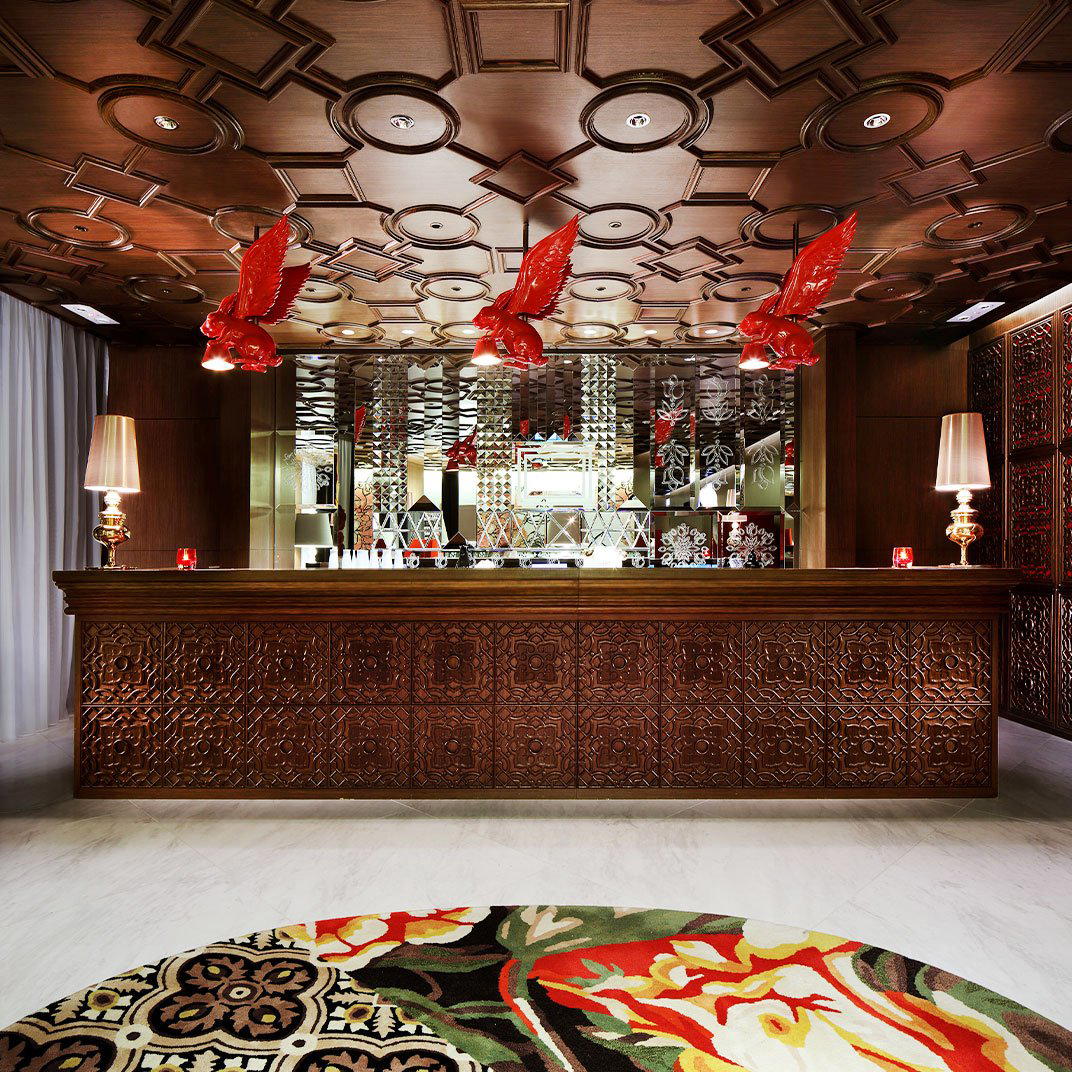
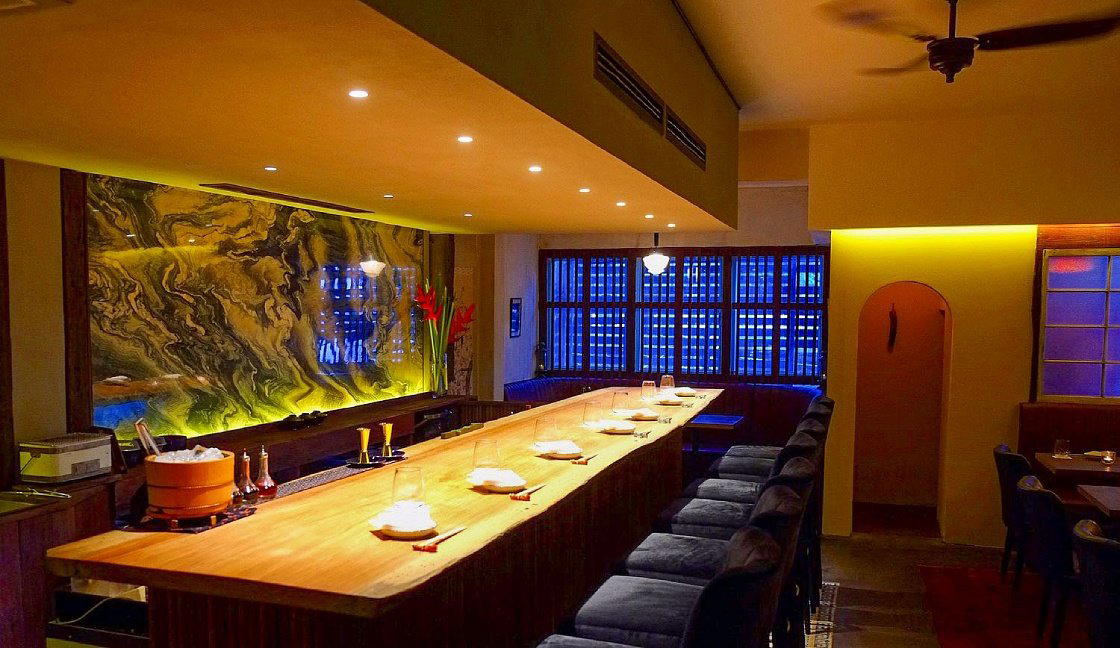
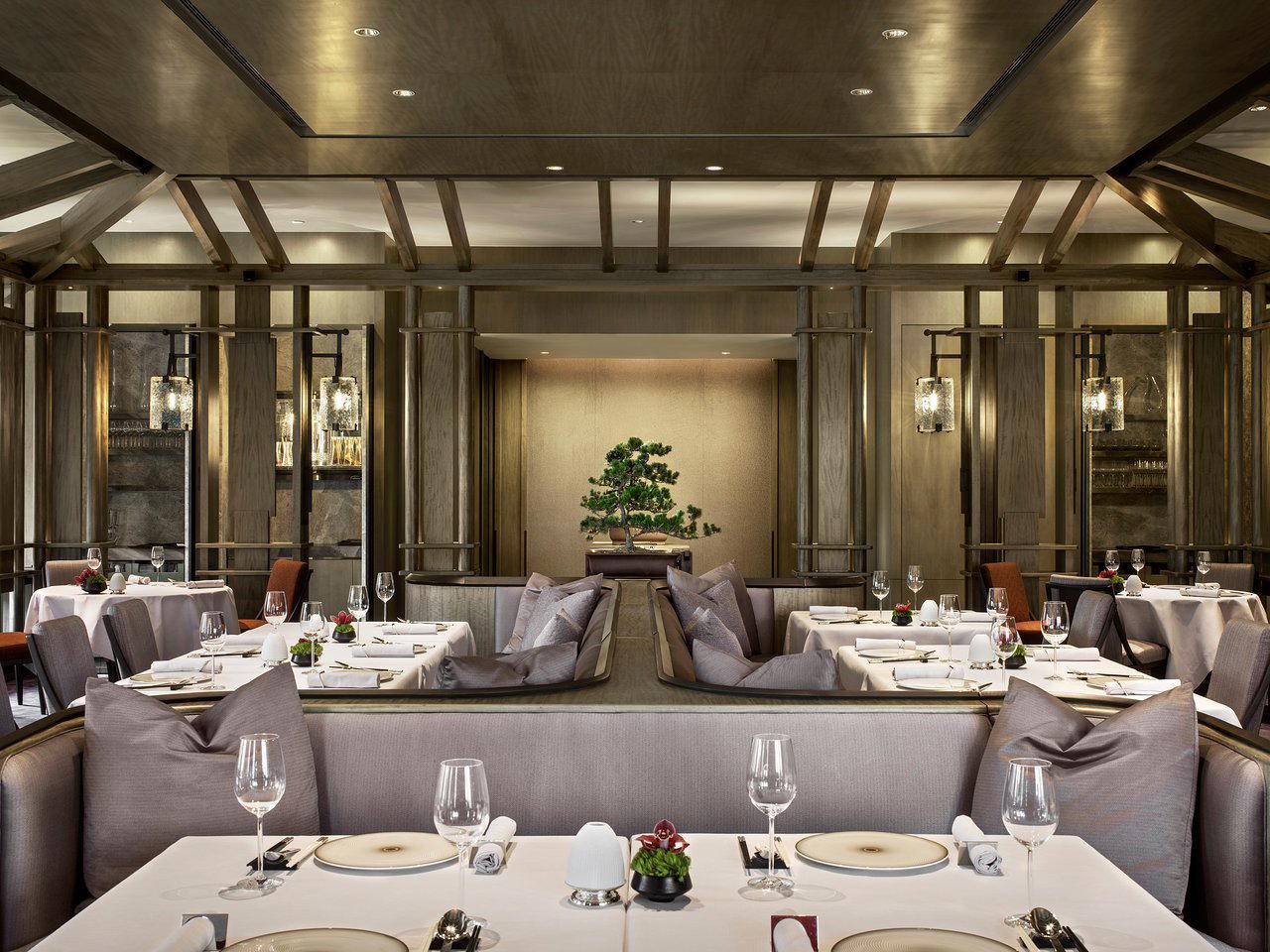
Bars in Hong Kong
All bars in Hong Kong →
Hotels in Hong Kong
All hotels in Hong Kong →
Wineries in Hong Kong
All wineries in Hong Kong →
Details
- Lively
- Classic
- Group Dining
- Family
- Casual Hangout
- Open Kitchen
- A La Carte
- Vegetarian Friendly
Current opening hours
- Monday
- 8 AM–2 AM
- Tuesday
- 8 AM–2 AM
- Wednesday
- 8 AM–2 AM
- Thursday
- 8 AM–2 AM
- Friday
- 8 AM–2 AM
- Saturday
- 8 AM–2 AM
- Sunday
- 8 AM–2 AM
Hours can change for holidays and private events. Hours as of .
Bright and clean with a bustling, noisy atmosphere serving over 1,000 customers daily.