Tahona Mezcal Room
Polanco's mezcal-specialist bar occupies a category that Mexico City's cocktail scene is still catching up with: serious agave education delivered without ceremony. Tahona Mezcal Room on Andrés Bello brings the production traditions of Oaxaca, Guerrero, and Durango into a neighbourhood better known for white-tablecloth dining, making it a reference point for anyone tracking how mezcal culture translates into an urban bar format.
 Discover on Pearl
Pearl is the En Primeur Club membership app — saves, bookings, and concierge access live there. Same editors, same standards.
- Address
- Andrés Bello 29, Polanco, Polanco IV Secc, Miguel Hidalgo, 11560 Ciudad de México, CDMX, Mexico
- Phone
- +525559990000
- Website
- opentable.com
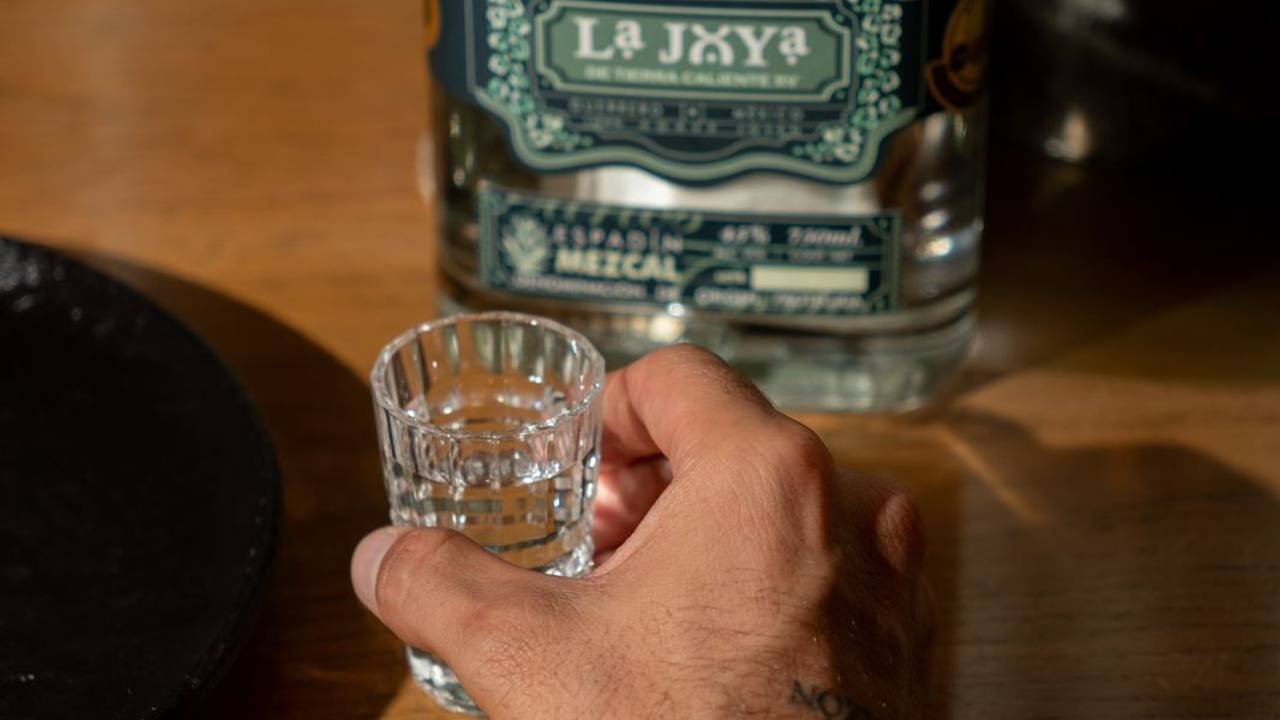
Agave at Street Level in Polanco
Pujol and Quintonil set the price ceiling for Mexican fine dining and where the surrounding blocks fill in with European concepts, imported wine lists, and hotel bars aimed at corporate visitors. Against that backdrop, a mezcal-specialist room offers a deliberate counterpoint. Where most Polanco venues default to international reference points, a dedicated mezcal space pulls attention back to something Mexico produces and understands better than anywhere else on earth.
Tahona Mezcal Room sits on Andrés Bello 29, inside the Polanco IV Secc grid that runs between the Parque Lincoln green space and the Presidente Masaryk retail corridor. The address places it within walking distance of the neighbourhood's restaurant concentration, but the format diverges sharply from the dining rooms nearby. The logic of the space follows from that decision.
What the Room Communicates Before a Glass Is Poured
The name does some of the heavy lifting. A tahona is the stone wheel, traditionally pulled by a horse or mule, used to crush roasted agave hearts before fermentation in the most artisanal mezcal production. Choosing it as a naming anchor signals a specific allegiance: to the production methods that predate industrial scaling, to the producers in Oaxaca's Sierra Juárez, along Guerrero's coast, and in the highland villages of Durango and San Luis Potosí who still work with open-air fermentation tanks and clay or copper pot stills.
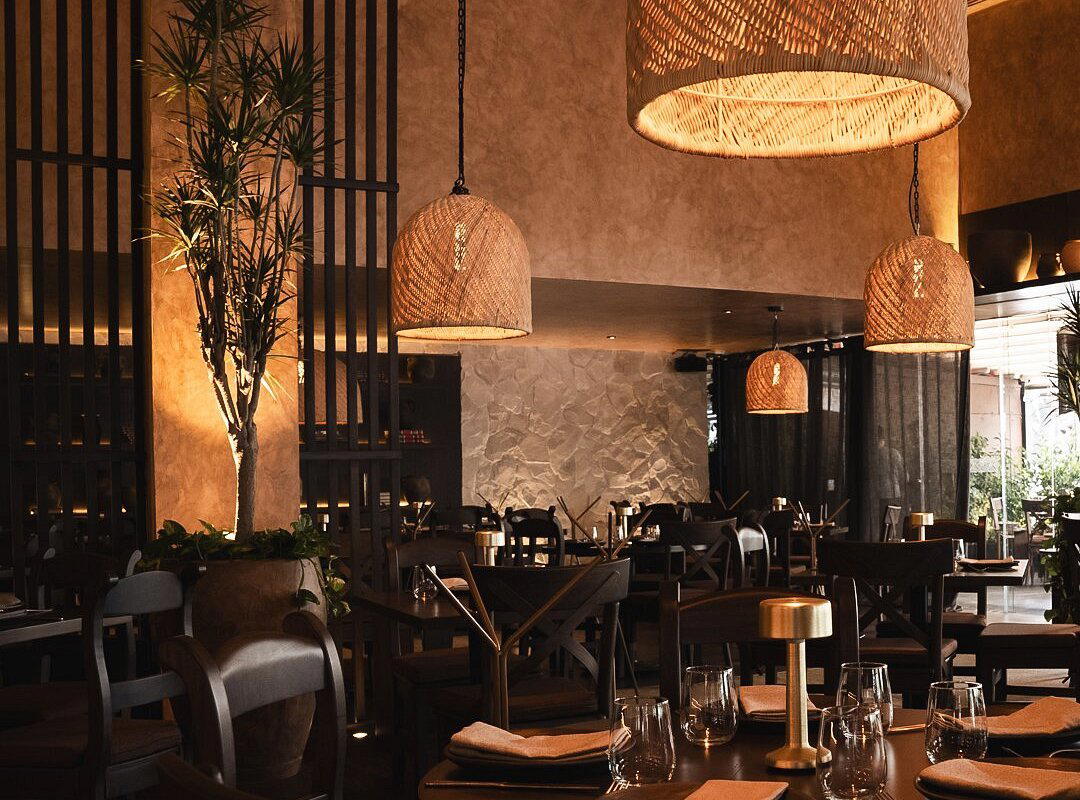
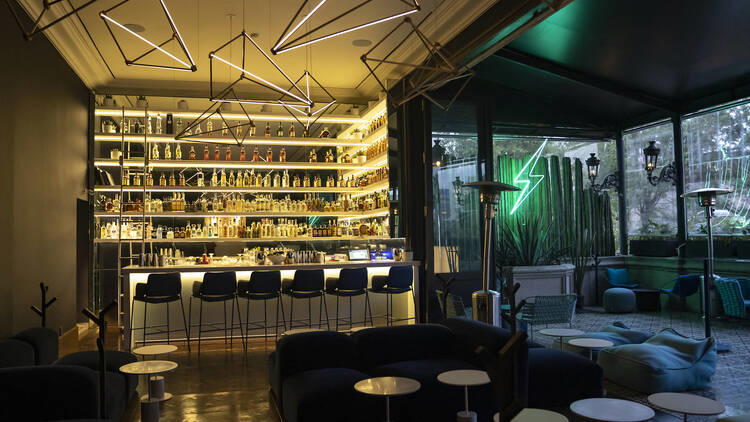
That signal shapes the atmosphere before anything else. Mezcal bars that take production seriously tend to share certain design codes: muted tones, exposed materials, an absence of the neon or the visual noise that tends to cluster around tequila-forward venues. The category demands a slower register. Mezcal at the artisanal level is not a speed spirit. The agave plants take seven to thirty years to mature depending on species, and the production cycle from harvest to bottle can stretch across months. A room that communicates this, through its pacing and its physical environment, is responding to the spirit in a way that a cocktail list alone cannot.
In a city where bars like Rosetta have demonstrated that format and atmosphere can carry as much editorial weight as the menu itself, Tahona's decision to let the spirit category define the room rather than the other way around is a coherent position. It places the venue inside a small but growing tier of Mexico City destinations where category expertise is the product.
Mezcal in Mexico City: The Broader Context
Mexico City's bar scene has matured considerably over the past decade, moving from tequila-and-lime defaults toward more considered agave programming. The shift mirrors what has happened internationally, where mezcal moved from novelty import to a category with its own critical vocabulary, appellation system, and producer hierarchy. But the domestic version of that shift carries more weight. Mexican bars working with mezcal are not importing a foreign trend; they are engaging with a production tradition that runs through Oaxaca, Puebla, Michoacán, and a dozen other states, each with its own agave species, fermentation customs, and distillation history.
The Denominación de Origen for mezcal covers nine states, but the culture of agave distillation extends further and predates the regulatory framework by centuries. A bar that takes this seriously will typically work with producers from multiple states, distinguish between the tobalá, tepextate, espadín, and madrecuixe varietals rather than grouping them generically, and approach the pouring ritual with the same seriousness that a wine-focused room would apply to Burgundy or Barolo.
For visitors building a broader understanding of Mexico's food and drink culture, the connections extend outward. Em and Sud 777 represent the kitchen side of the same regional-produce conversation, and operations like Levadura de Olla in Oaxaca and Animalón in Valle de Guadalupe demonstrate how deeply the sourcing-first philosophy has taken hold across Mexican dining and drinking at the higher end. In that context, a mezcal room in Polanco is one node in a nationally coherent movement.
Polanco as a Stage for Serious Drinking
Polanco's dining density creates an audience predisposed to spending time and attention on a single category. The neighbourhood draws a clientele that has already committed to a high-engagement evening, whether at one of the white-tablecloth addresses nearby or at a post-dinner stop that continues the conversation. A mezcal specialist benefits from this environment because it can position itself as an extension of the dinner rather than a replacement for it.
That positioning is common in cities where fine dining and serious bar culture have grown up alongside each other. In New York, venues like Atomix exist within an ecosystem where guests move fluidly between kitchen-forward and bar-forward experiences in the same evening. In Mexico City, the broader dining scene has developed the same infrastructure, and Polanco is where much of it concentrates.
Alcalde in Guadalajara, Huniik in Merida, Le Chique in Puerto Morelos, KOLI Cocina de Origen in Monterrey, Pangea in San Pedro Garza García, HA' in Playa del Carmen, Lunario in El Porvenir, and Olivea Farm to Table in Ensenada all operate within a national dining culture that has made sourcing, regionality, and category depth central values rather than marketing positions.
Planning Your Visit
Address: Andrés Bello 29, Polanco IV Secc, Miguel Hidalgo, 11560 Ciudad de México. Neighbourhood: Polanco, walkable from the Parque Lincoln and the Presidente Masaryk dining corridor. Reservations: Recommended.
A Quick Peer Check
Comparable venues nearby, for context on price, style, and recognition.
| Venue | Cuisine | Price | Awards | Notes |
|---|---|---|---|---|
| Tahona Mezcal RoomThis venue — the venue you are viewing | Mezcal Tasting Room with Modern Mexican | $$$ | , | |
| Roca | Pacific Mexican Seafood & Grill | $$$ | , | Lomas de Virreyes |
| Mux Restaurante | Regional Mexican Cuisine | $$$ | , | Centro Urbano Benito Juarez |
| Mezcalería Santo Gusano | Oaxacan-Inspired Mexican Mezcalería | $$$ | , | Centro Comercial Santa Fe |
| Bichi | Modern Mexican Seafood from Oaxaca and Sinaloa | $$$ | , | Bosque de Chapultepec |
| Bellinghausen | Traditional Mexican-European Fine Dining | $$$ | , | Juarez |
Continue exploring
More in Mexico City
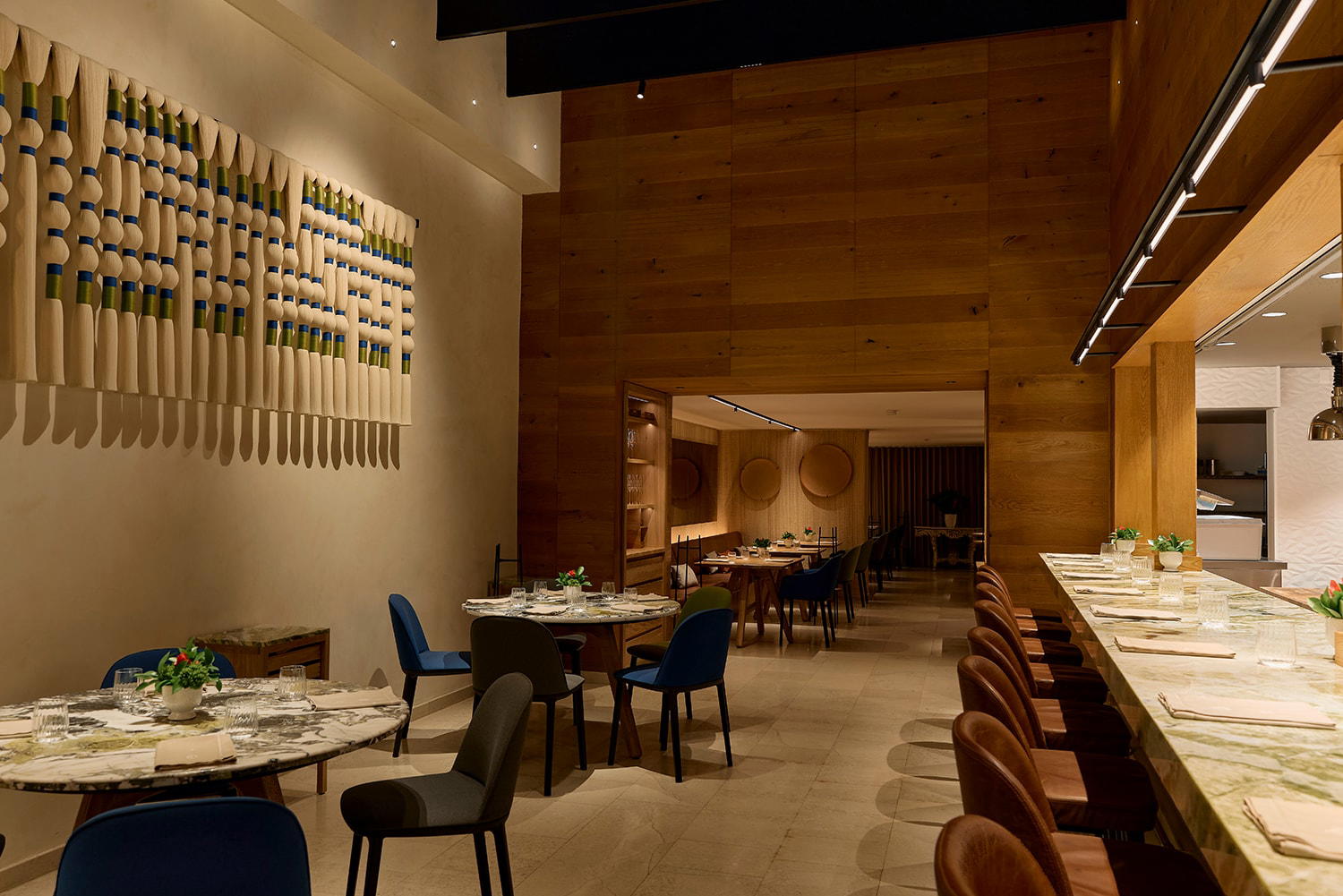
Restaurants in Mexico City
Browse all →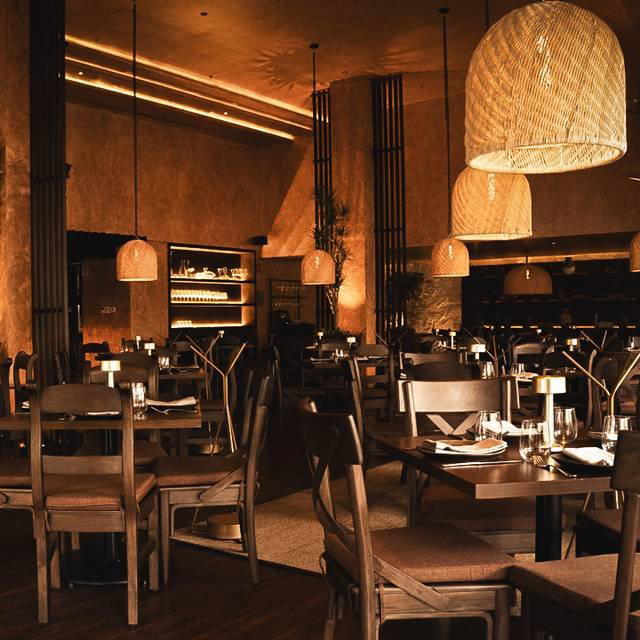
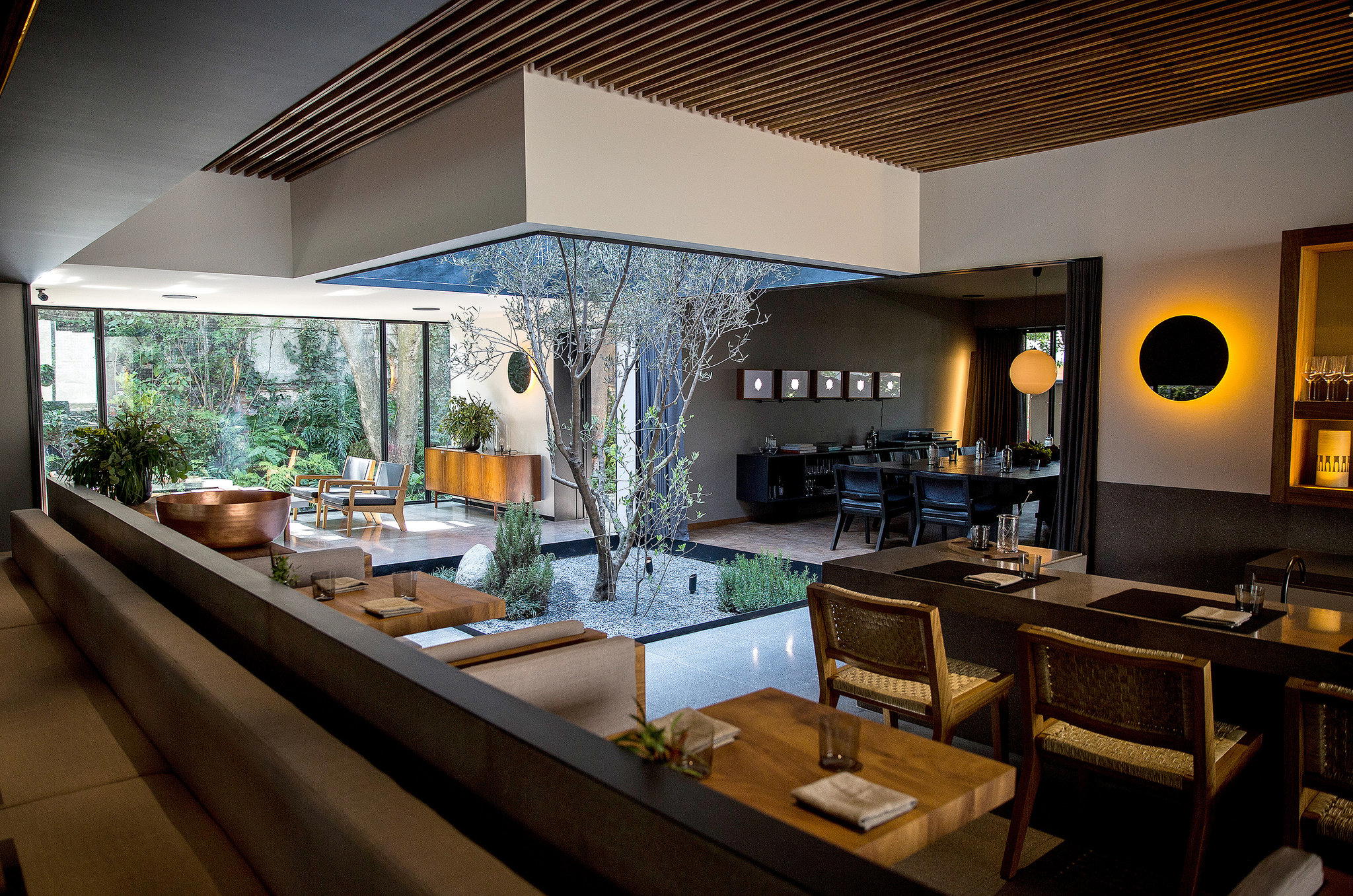
Bars in Mexico City
Browse all →
At a Glance
- Sophisticated
- Intimate
- Elegant
- Date Night
- Special Occasion
- Private Dining
- Speakeasy
- Craft Cocktails
- Local Sourcing
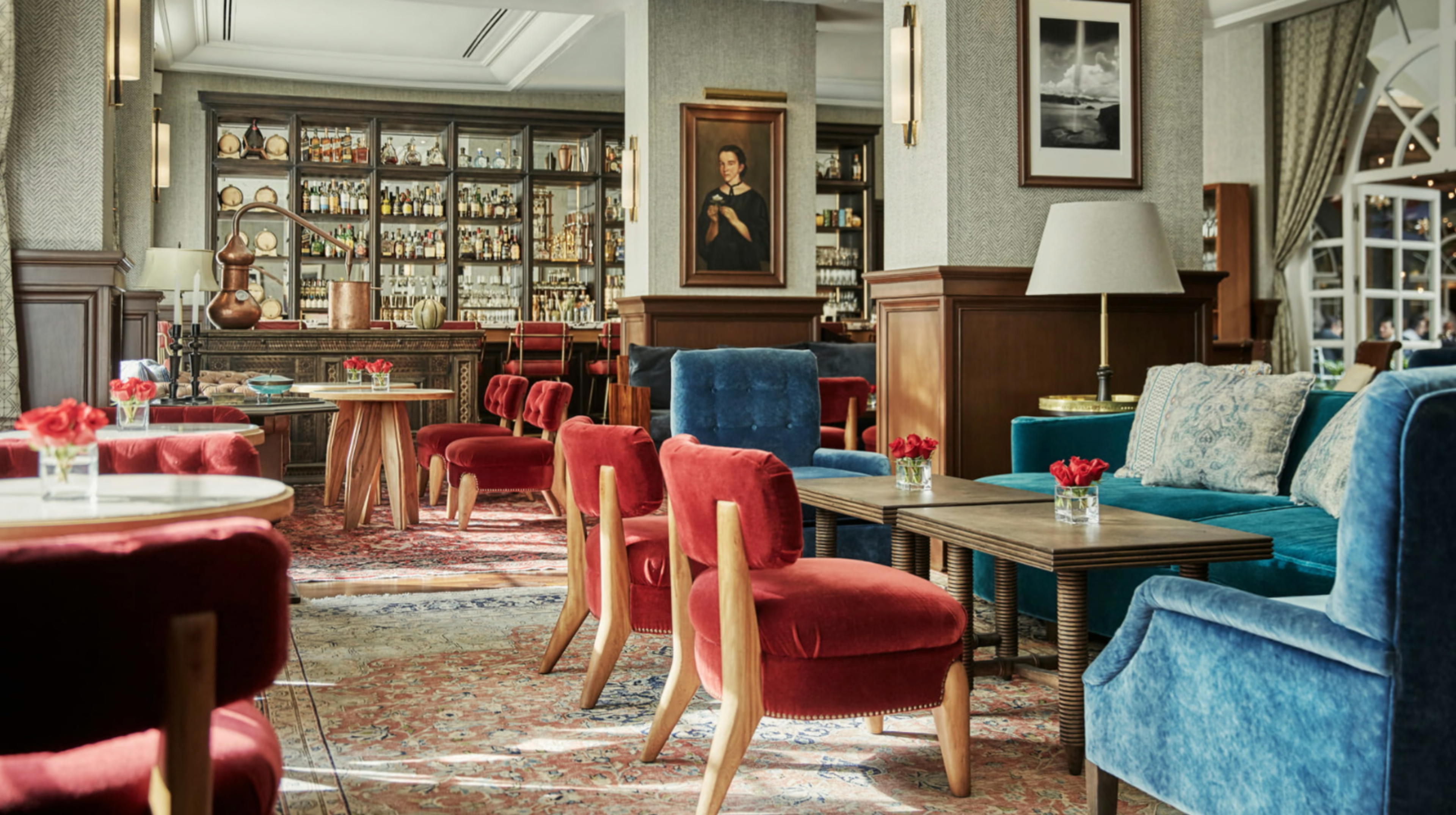
Cautivador y sofisticado environment enhancing mezcal tastings with a speakeasy-like intimate atmosphere.