Mux Restaurante
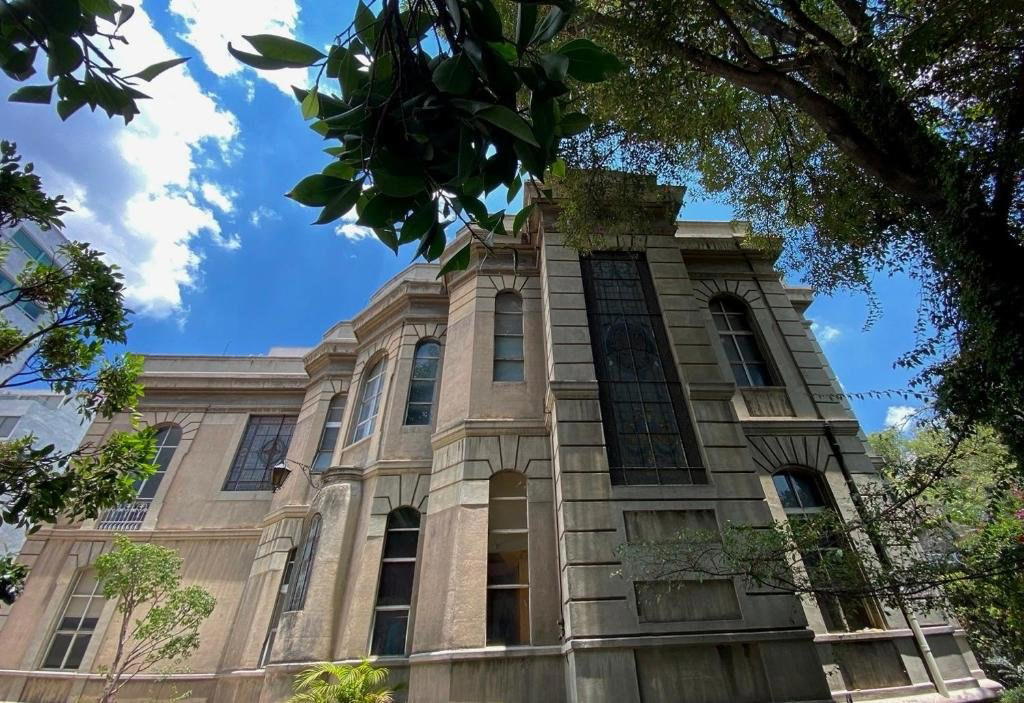
Mux Restaurante occupies a Roma Norte address at Jalapa 189, placing it inside one of Mexico City's most ingredient-conscious dining corridors. The kitchen operates in a neighbourhood where sourcing credentials matter as much as technique, and the restaurant reads as part of a broader Roma shift toward cooking that traces its raw materials carefully. For visitors already familiar with the city's flagship names, Mux offers a closer-to-ground-level perspective on how that sourcing culture plays out at a different scale.
Pearl is the En Primeur Club membership app — saves, bookings, and concierge access live there. Same editors, same standards.
- Address
- Jalapa 189, Roma Nte., Cuauhtémoc, 06700 Cuauhtémoc, CDMX, Mexico
- Phone
- +525590396990
- Website
- opentable.com
- Directions
- Get directions
 Saves & bookings on Pearl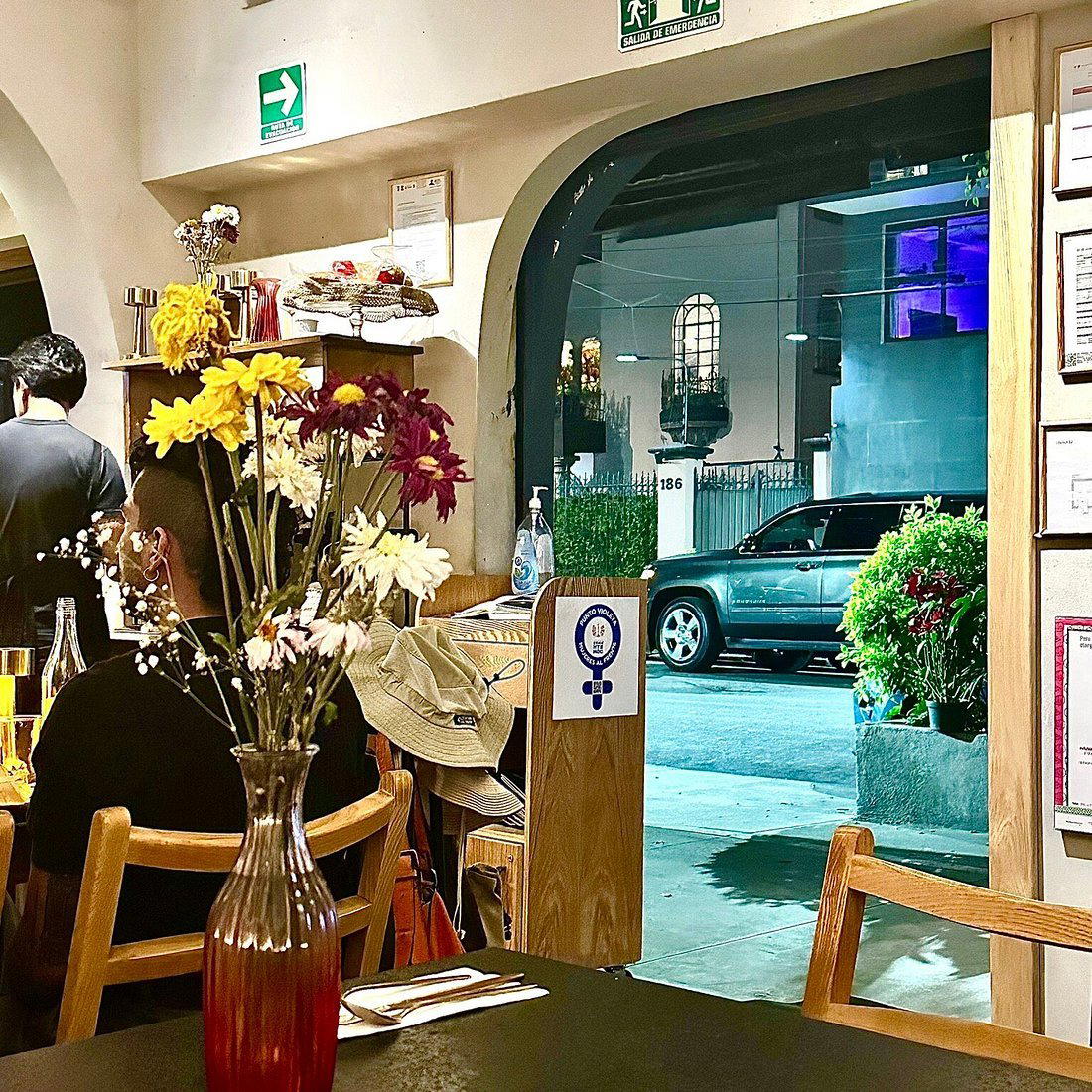
Roma Norte and the Sourcing Question
Mexico City's Roma Norte has spent the better part of a decade sorting itself into two dining categories: venues that treat ingredient provenance as a marketing footnote, and those that have built their entire kitchen logic around it. The neighbourhood's density of independent producers, weekend tianguis, and direct relationships with regional growers has made it a natural home for the second type. Mux Restaurante, at Jalapa 189 in the Roma Norte section of Cuauhtémoc, sits inside that second current.
To understand what a restaurant like Mux means in context, it helps to know the pressure its neighbourhood exerts. Roma Norte is not a district where a kitchen can quietly source commodity product and expect informed regulars to look the other way. The area's dining culture has been shaped partly by the upstream example set by flagships like Pujol and Quintonil, both of which have made transparent sourcing a structural part of their identity rather than a seasonal gesture. That standard filters down through the neighbourhood, creating a baseline expectation among regulars that the kitchen can account for what is on the plate and where it came from.
The Physical Approach
Jalapa is a narrower, quieter artery than the main commercial corridors of Roma Norte, which gives addresses along it a specific character. You arrive without the noise signature of Álvaro Obregón or the café-cluster energy of Orizaba. The street's relative calm is part of what the neighbourhood's sourcing-led restaurants often prefer: less foot traffic means the room fills by reputation rather than by passing trade, and the clientele that shows up has typically made a deliberate choice. Inside Roma Norte's independent dining tier, that distinction between destination dining and casual capture matters to how kitchens position themselves and what they can charge for ingredient quality.
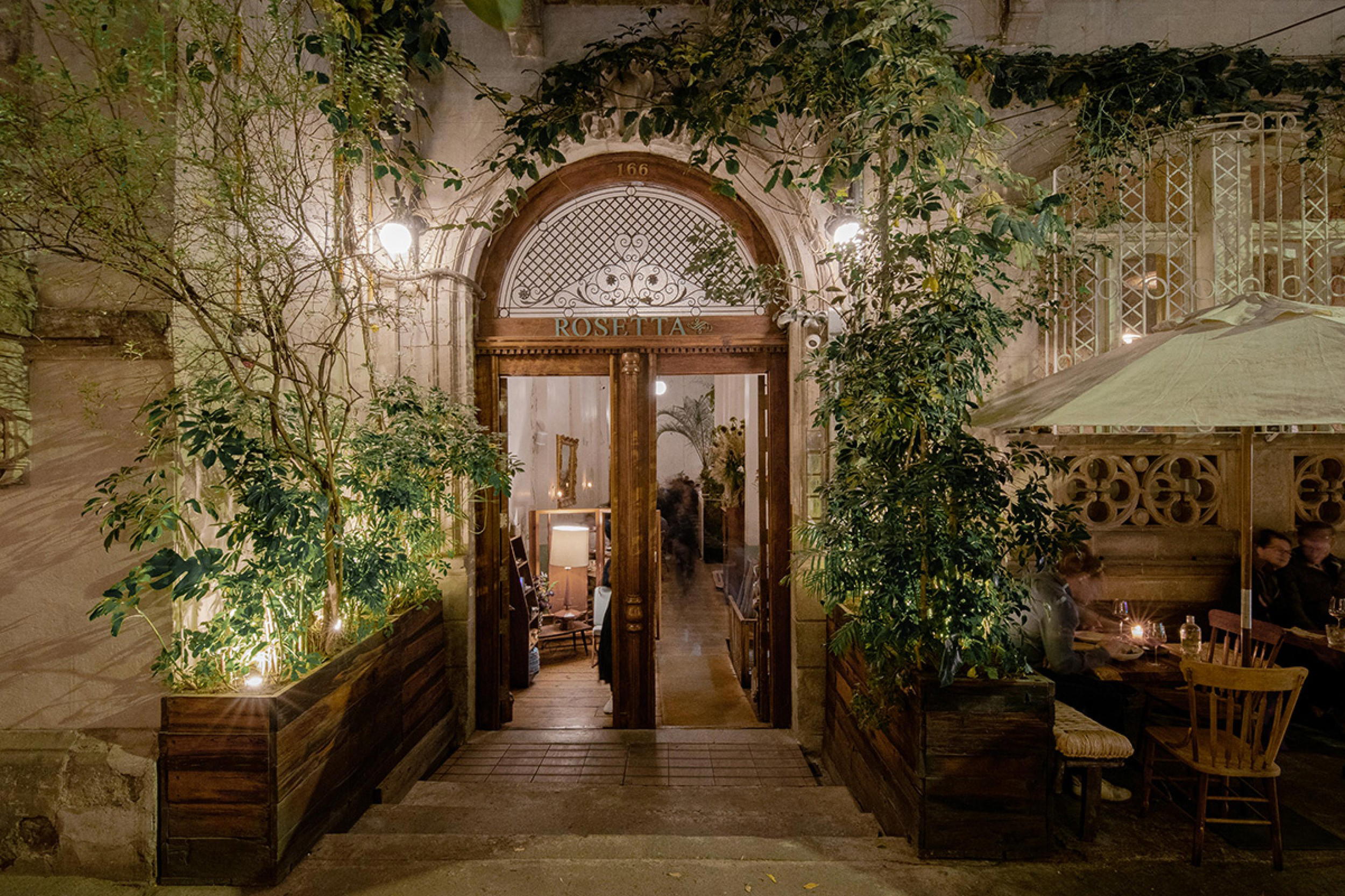
For comparison, Rosetta a few blocks north occupies a similar logic: a residential-scale address, a room that does not announce itself aggressively to the street, and a kitchen that expects guests to arrive already invested. The approach concentrates the room's energy rather than diluting it.
Sourcing as Kitchen Architecture
Across Mexico's most-discussed restaurants of the past decade, ingredient sourcing has moved from a supporting claim to a structural one. At Animalón in Valle de Guadalupe, the sourcing radius is almost a physical fact: the kitchen sits within sight of the land it draws from. At Olivea Farm to Table in Ensenada, the farm-to-table framing is explicit in the name. Further south, HA' in Playa del Carmen and Le Chique in Puerto Morelos have each developed regional ingredient identities tied closely to Yucatecan and coastal produce systems.
What these kitchens share is a willingness to let sourcing constrain the menu rather than merely decorate it. When a kitchen is genuinely built around provenance, the menu changes when the supply changes. Dishes disappear when a producer has a bad season. Preparation methods shift to accommodate what is available rather than what was planned. In Mexico City, where the central market system at La Merced and the specialty supplier networks around Colonia Roma give kitchens access to extraordinary breadth of product, a sourcing-led approach is less about scarcity and more about selection discipline.
That discipline is what distinguishes the Roma Norte kitchens that have earned sustained attention from those that have not. Em, operating in the same general tier and neighbourhood culture, has built its reputation on exactly that kind of selection rigour. Sud 777 applies a similar framework in Pedregal, with a kitchen garden that functions as a direct sourcing input rather than a decorative element.
Mux in the Roma Norte Tier
Within Mexico City's restaurant price structure, Roma Norte hosts a range that runs from casual neighbourhood taquerías through mid-market independent restaurants to the high-end destination tier. Mux sits in the independent mid-market band, a position that Rosetta ($$ price range) and Comedor Jacinta (also $$) occupy in comparable ways. This tier is, in some respects, the most demanding in the city: guests expect ingredient quality that justifies a step above casual, but the price ceiling limits the kitchen's ability to absorb the cost of premium regional sourcing across every component of the menu.
Navigating that constraint is where kitchens in this tier differentiate. The ones that earn repeat custom tend to concentrate their sourcing investment on two or three categories where provenance is most legible on the plate, rather than spreading it thinly across an ambitious menu that the price point cannot fully support. For a point of comparison, consider what sourcing-focused restaurants in other Mexican cities manage within similar constraints: Levadura de Olla in Oaxaca draws on Oaxacan producer networks with geographic specificity that a Mexico City kitchen cannot replicate exactly, but the discipline of selection is transferable. KOLI Cocina de Origen in Monterrey and Alcalde in Guadalajara have each found a regional sourcing identity that gives their menus a coherence that goes beyond technique.
The Wider Mexican Restaurant Moment
Any serious engagement with Mexico City's dining scene in the mid-2020s involves reckoning with how much the country's restaurant culture has widened beyond the capital. Pangea in San Pedro Garza García, Huniik in Mérida, and Lunario in El Porvenir represent a regional diversification that has pulled critical attention and serious diners away from an exclusively CDMX-centred frame. For international visitors already familiar with reference-point kitchens like Le Bernardin in New York City or Atomix, the Mexico City mid-market offers something those rooms cannot: a direct line into the ingredient culture of the city at a scale where the kitchen's sourcing decisions are still visible in how the food arrives at the table.
For a full orientation to the city's restaurant range across price points and neighbourhoods, see our full Mexico City restaurants guide.
Planning Your Visit
| Venue | Neighbourhood | Price Range | Booking Lead Time |
|---|---|---|---|
| Mux Restaurante | Roma Norte | Not confirmed | |
| Rosetta | Roma Norte | $$ | 1-2 weeks typical |
| Em | Polanco-adjacent | $$$ | 2-4 weeks typical |
| Quintonil | Polanco | $$$$ | 4-8 weeks typical |
| Pujol | Polanco | $$$$ | 6-10 weeks typical |
Mux Restaurante is located at Jalapa 189, Roma Norte, Cuauhtémoc, Mexico City. Phone, hours, and booking details are best confirmed directly with the venue before visiting, as this information was not available at time of publication.
- Green mole
- Mole trio (green, red, black)
- Wax mole with huaje beans
- Pit-roasted barbacoa
- Mixiote
- Tender Nopales Salad
How Mux Restaurante Mexico City compares with similar nearby venues.
| Venue | Cuisine | Price |
|---|---|---|
| Vigneron | Contemporary | $$ |
Continue exploring
More in Mexico City
Restaurants in Mexico City
Browse all →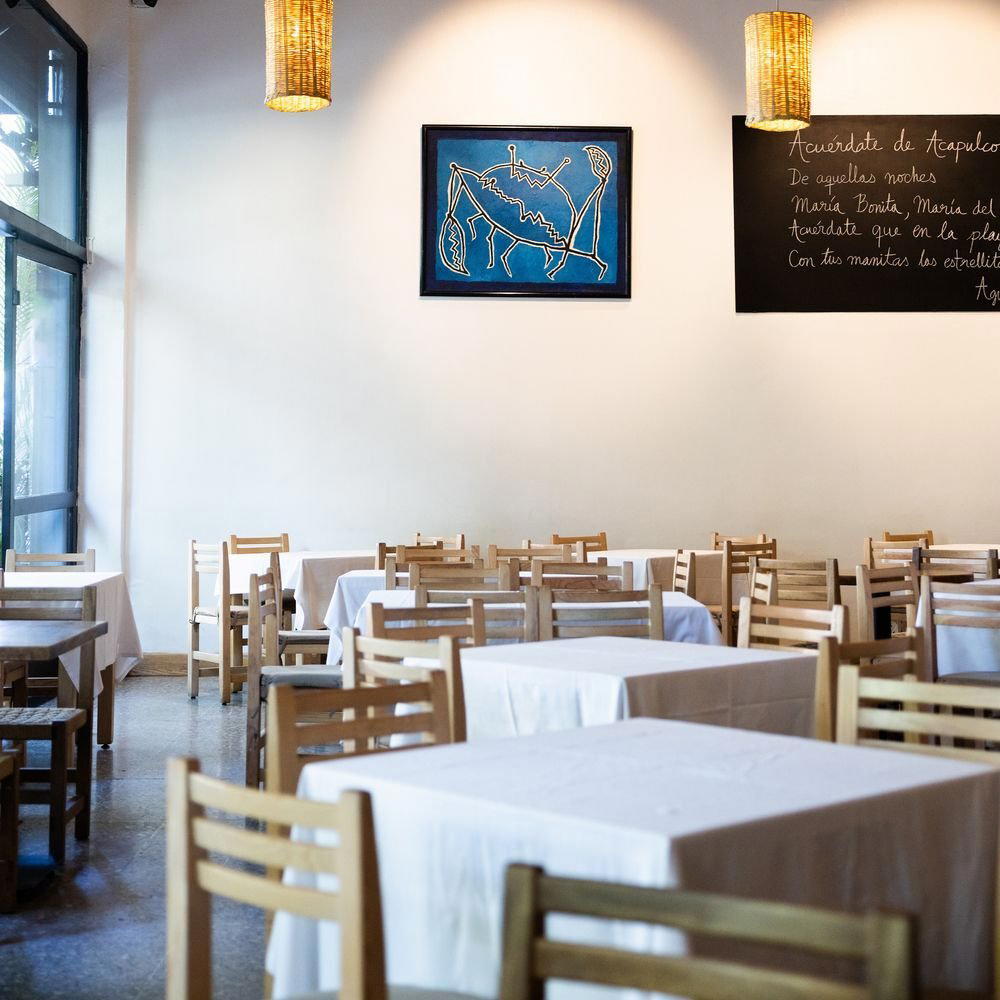
Bars in Mexico City
Browse all →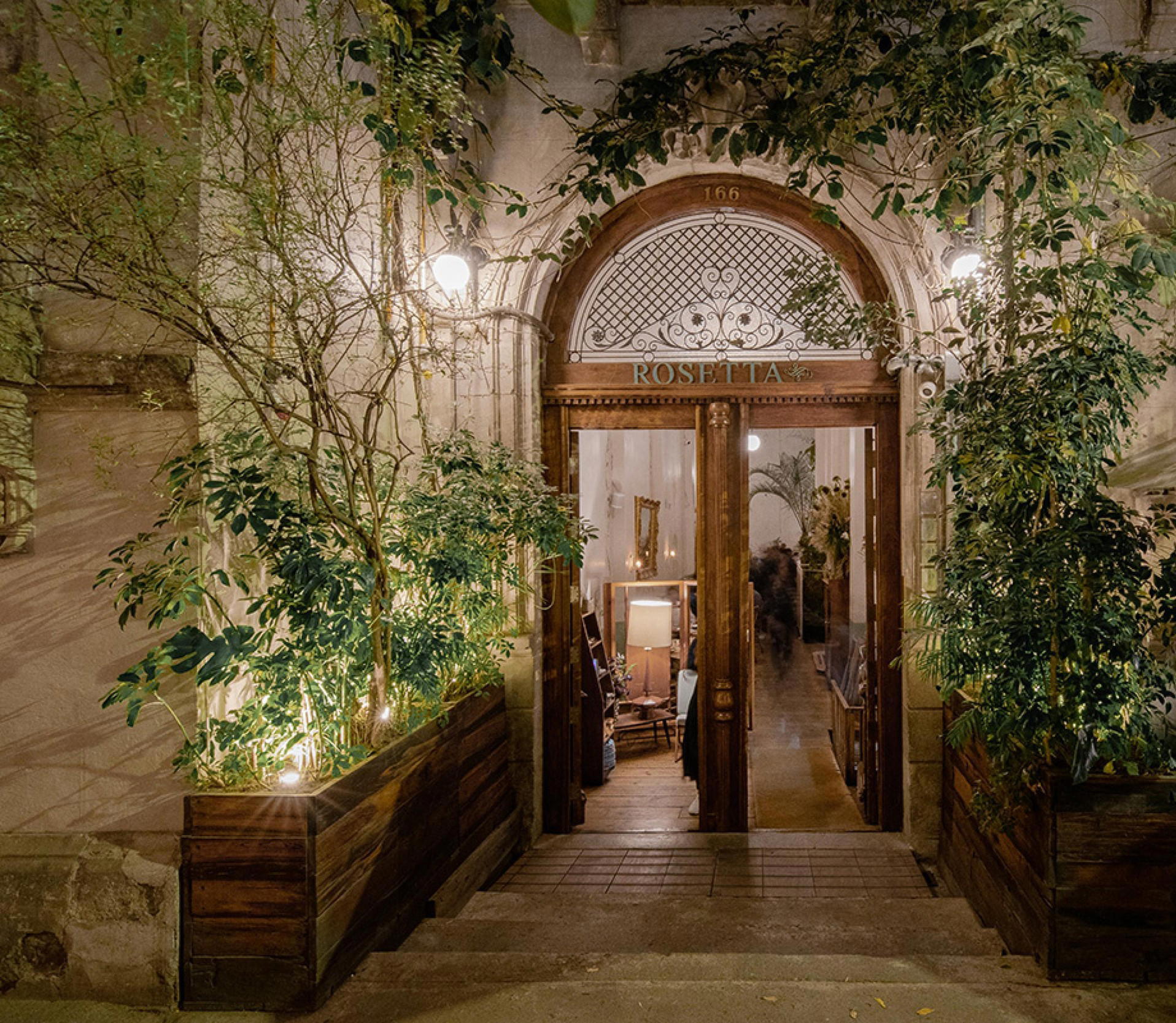
At a Glance
- Cozy
- Elegant
- Rustic
- Trendy
- Date Night
- Group Dining
- Special Occasion
- Celebration
- Open Kitchen
- Standalone
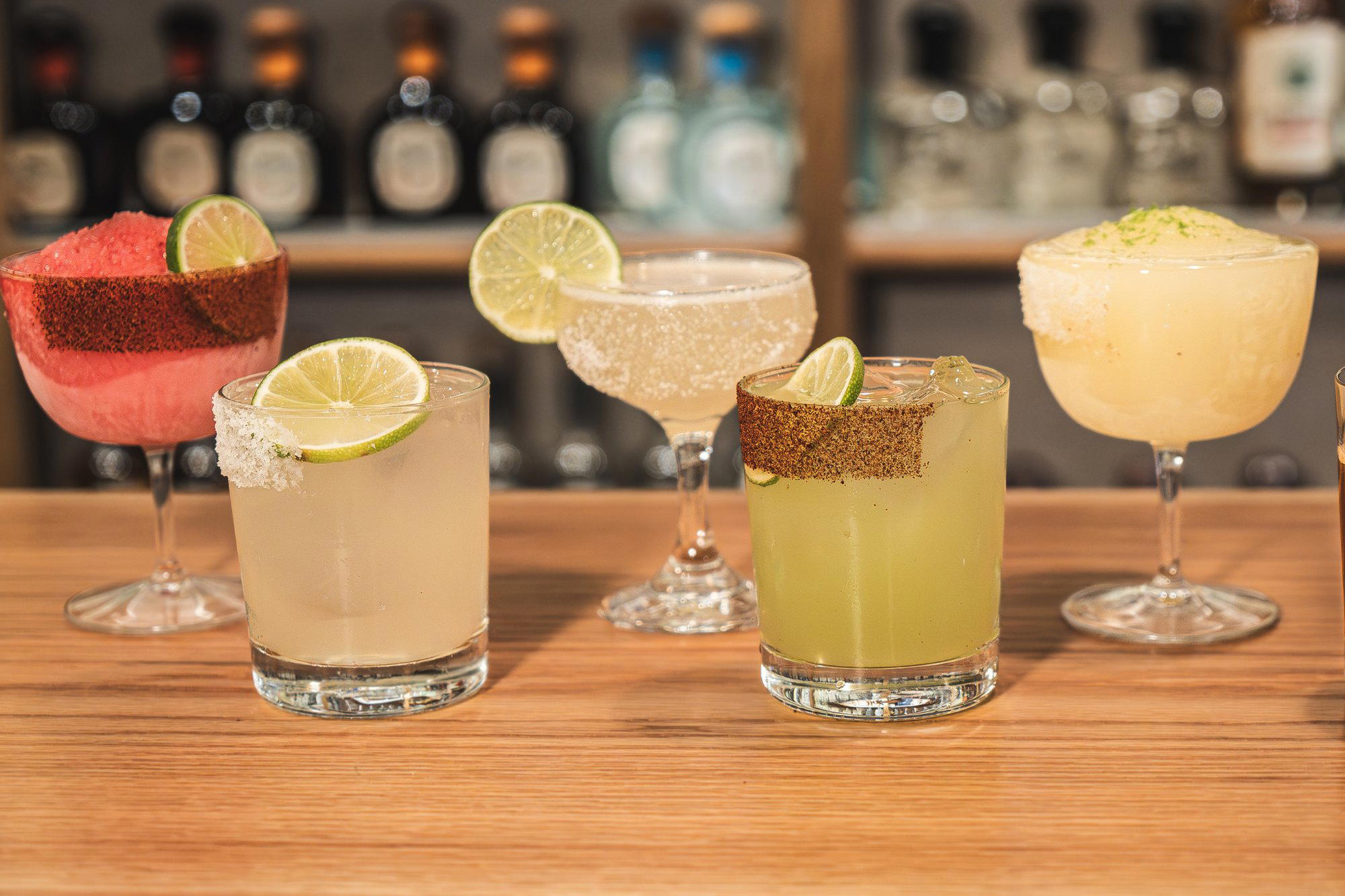
- Craft Cocktails
- Extensive Wine List
- Local Sourcing
- Farm To Table
Current opening hours
- Monday
- 9 AM–11 PM
- Tuesday
- 9 AM–11 PM
- Wednesday
- 9 AM–11 PM
- Thursday
- 9 AM–11 PM
- Friday
- 9 AM–11 PM
- Saturday
- 9 AM–11 PM
- Sunday
- 9 AM–11 PM
Hours can change for holidays and private events. Last verified .
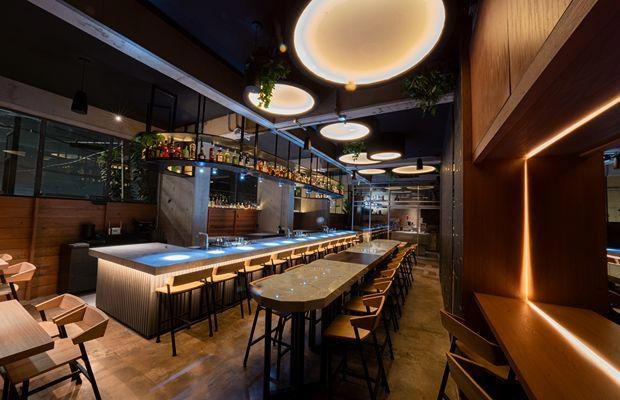
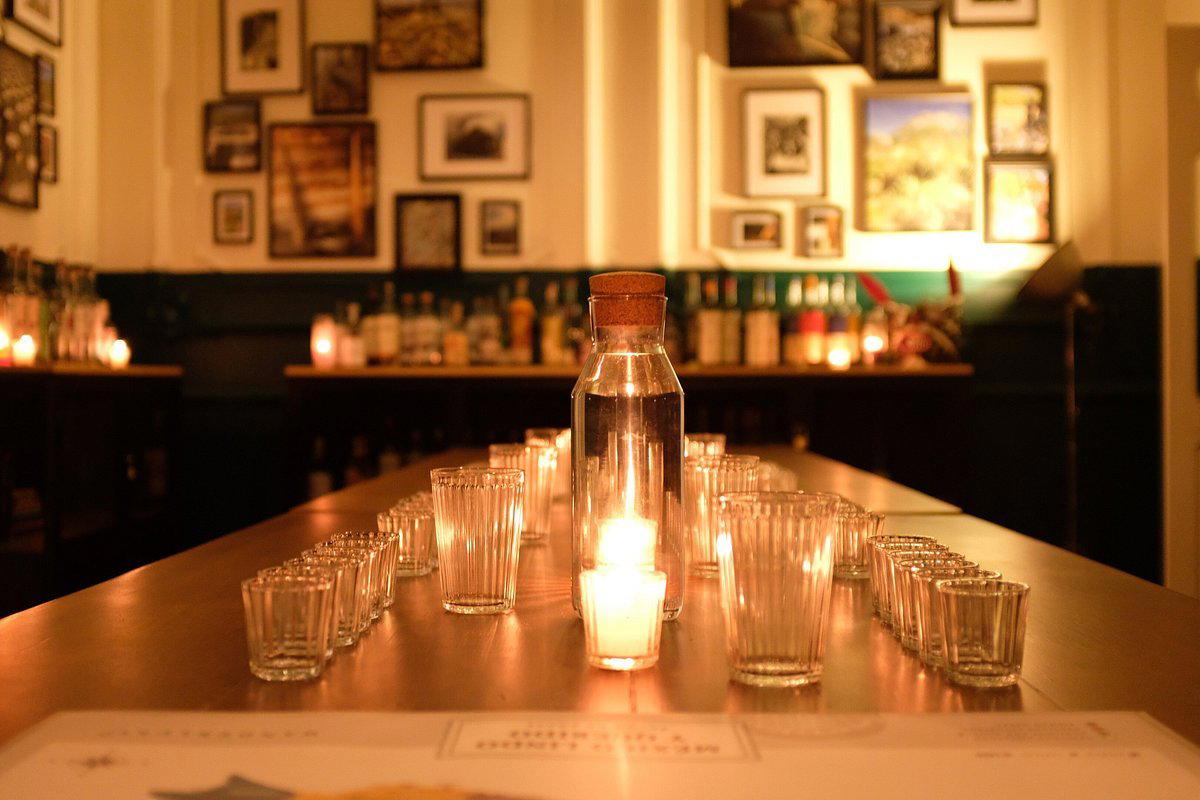
Casual yet refined atmosphere with cozy, intimate lighting; described as feeling like dining inside a love letter to Mexico's forgotten flavors, with warm service that makes guests feel like family.
Know Before You Go
- Getting there
- Jalapa 189, Roma Nte., Cuauhtémoc, 06700 Cuauhtémoc, CDMX, Mexico